
728 × 90 Banner
Toyota’s latest Camry and soon-to-arrive RAV4 boast fresh styling and tech upgrades, but beneath the surface, they continue using familiar underpinnings – a move the automaker insists is strategic, not outdated.
The ninth-generation Toyota Camry and the next Toyota RAV4 bring sharper design, improved hybrid systems, and updated safety features, yet both vehicles remain on the same basic platforms as their predecessors. For many shoppers, the term “all-new” might suggest a ground-up redesign, but Toyota makes it clear that the decision to stick with existing architectures is intentional, not corner-cutting.
Toyota’s Rationale
According to Toyota executives, proven platforms still deliver where it matters most: quality, durability, and reliability. Sean Hanley, Toyota Australia’s Sales and Marketing chief, emphasized that the current setups allow the company to refine areas like ride comfort, noise reduction, and suspension tuning without abandoning solid foundations. Reusing platforms isn’t just about cost savings; it enables Toyota to keep evolving its vehicles while maintaining global consistency and safety benchmarks.

An Industry-Wide Strategy
Toyota isn’t alone in this approach. Rival automakers, including Nissan with its latest Z sports car, have also extended the lifespans of existing chassis. The logic is simple: when customer benefits from radical platform overhauls are minimal, incremental innovation offers better value. This strategy balances investment efficiency with the need to keep models feeling modern, especially in high-volume segments like sedans and crossovers.
Trucks Prove the Point
Perhaps the clearest example is Toyota’s truck lineup. The next-generation Hilux, a global relative of the Tacoma, is strongly rumored to retain its ladder-frame IMV platform, a design that has already proven itself for nearly two decades. For Toyota, the platform is not a static piece of hardware but an evolving asset, adapting with each iteration to meet new demands in safety, emissions, and performance.
Evolution Over Revolution
While some buyers may wish for radical reinvention, Toyota argues that its steady evolution better serves customers. By focusing on refinement rather than reinvention, the brand ensures long-term reliability while still delivering meaningful upgrades in technology, efficiency, and driving dynamics. For drivers, the takeaway is simple: the “all-new” Camry and RAV4 may not be revolutionary under the skin, but they remain thoroughly competitive where it counts.





Can a plug-in hybrid truly deliver the raw emotion and edge expected from an RS badge? Audi Sport believes the answer is yes, and the all-new Audi RS 5 is its boldest proof yet .
For the first time, the RS 5 pairs a 2.9-liter twin-turbo V6 with a 130 kW electric motor, producing a combined 470 kW (639 PS) . The result is serious performance: 0–100 km/h in just 3.6 seconds and an optional top speed of 285 km/h . Yet it also offers up to 84 kilometers of all-electric range, giving drivers the option to cruise silently through the city before unleashing full hybrid power.

The biggest innovation lies beneath the surface. Audi introduces a world-first electro-mechanical torque vectoring system within its new quattro with Dynamic Torque Control . Torque can be distributed between the rear wheels in milliseconds, enhancing agility, traction, and cornering precision in ways traditional mechanical systems cannot match.

Visually, the RS 5 looks every bit the performance machine, with widened bodywork, a honeycomb Singleframe grille, and an aggressive rear diffuser . Inside, RS-specific digital displays allow drivers to track lap times, G-forces, and hybrid energy flow in real time .
So here’s the real question: has electrification just made the RS formula even stronger?
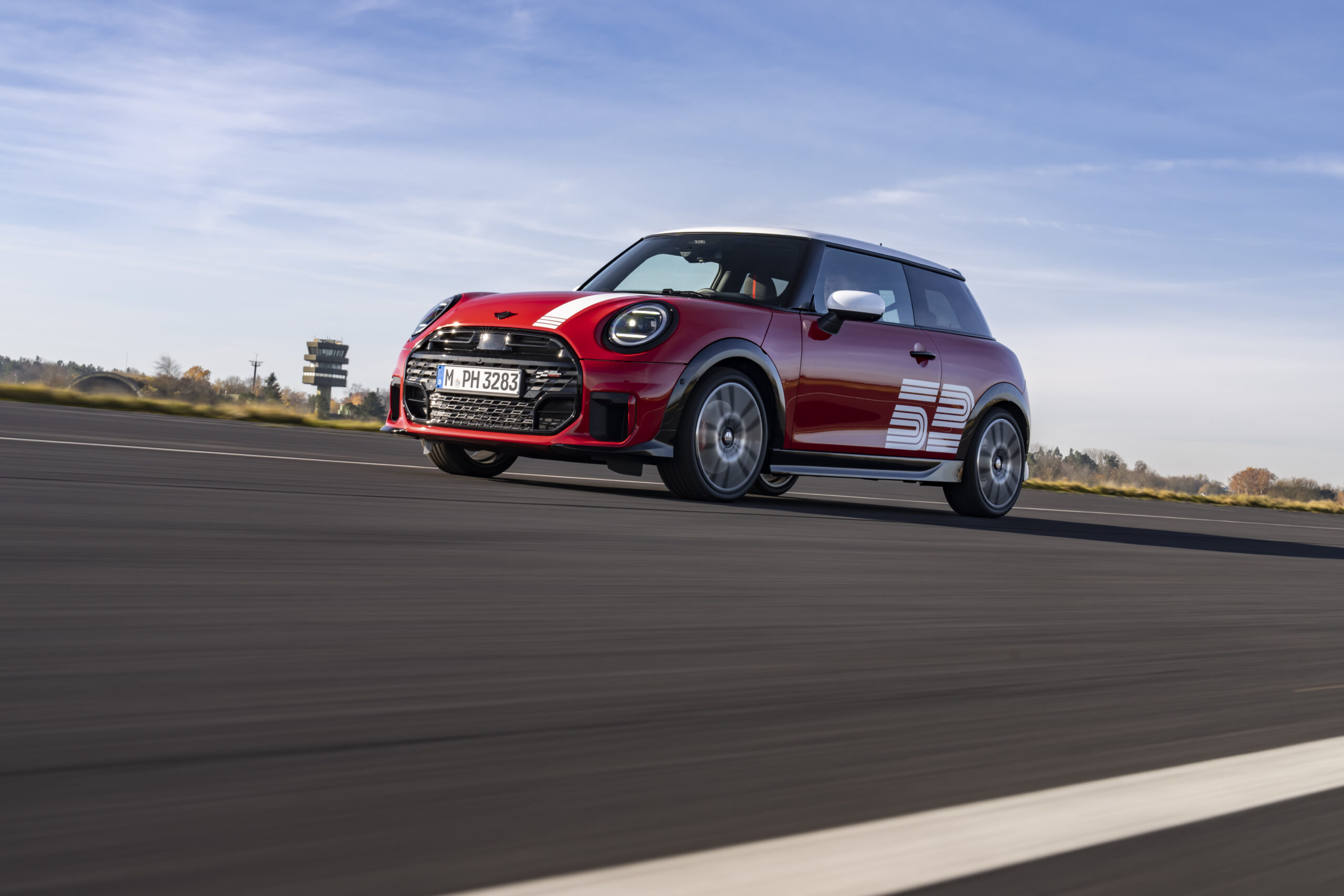
MINI is celebrating one of the most iconic wins in its history with the introduction of the new MINI 1965 Victory Edition. The special model honors the classic Mini Cooper S that triumphed at the 1965 Monte Carlo Rally, where Timo Mäkinen and co-driver Paul Easter showcased the car’s agility, durability, and fearless spirit in extreme winter conditions.

The 1965 Victory Edition blends that heritage with modern performance. While the edition is offered globally across multiple variants, U.S. customers will receive an exclusive version based on the MINI John Cooper Works 2-Door. Powered by a 228-horsepower engine delivering 280 lb-ft of torque, it sprints from 0 to 60 mph in just 6.1 seconds, staying true to the brand’s performance roots.
Visually, the model makes a bold statement. Chili Red paint is paired with a white hood-to-roof stripe and a distinctive white “52” graphic, referencing the original rally car’s competition number. A white panoramic roof, subtle “1965” badging, and 18-inch JCW Lap Spoke two-tone wheels complete the exterior.
Inside, exclusive details including “1965” lettering on the door sills, steering wheel, and key cap serve as constant reminders of MINI’s motorsport legacy. Limited in production, the 1965 Victory Edition arrives in March 2026 starting at $46,220 plus destination.
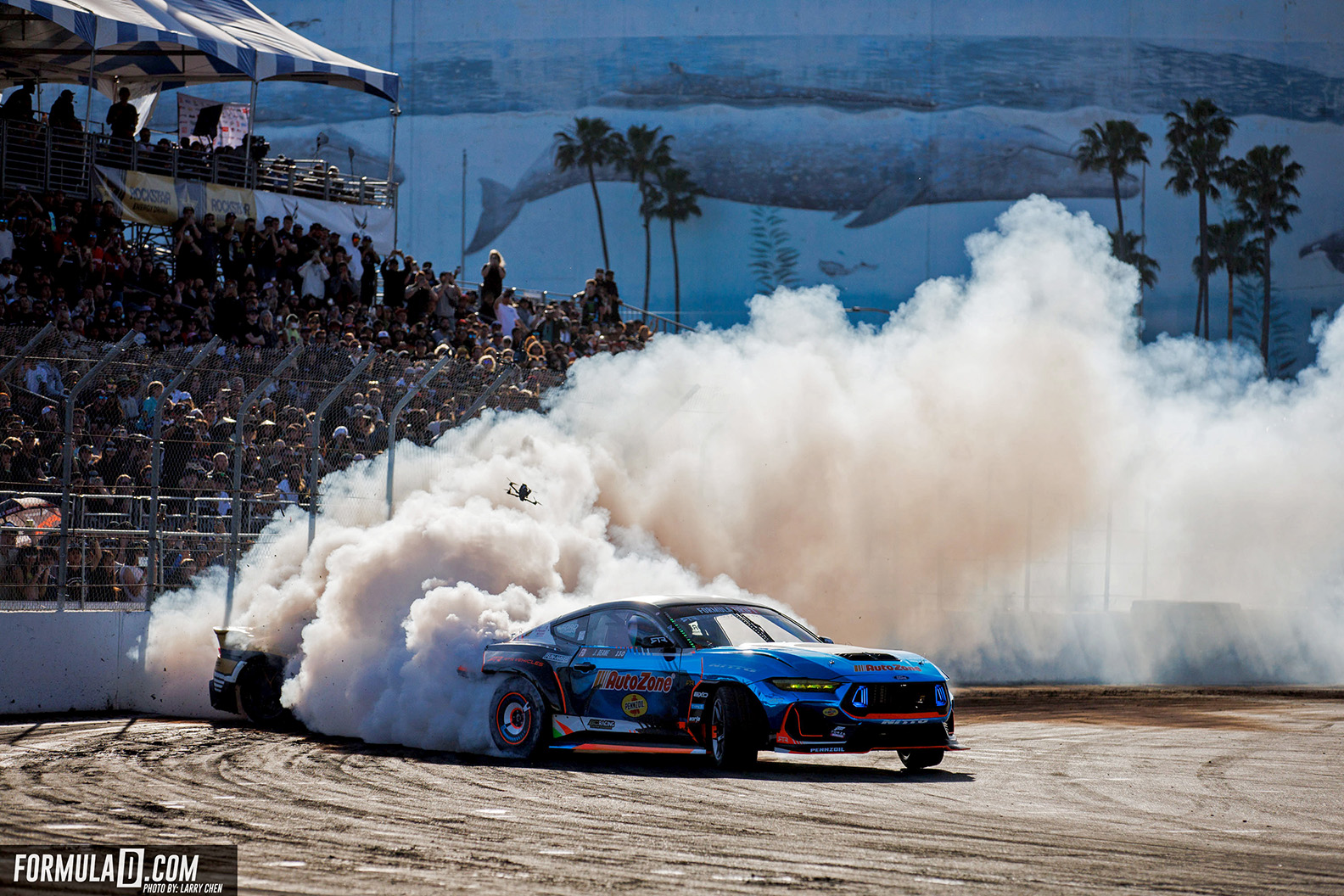
Formula DRIFT is set to make the biggest change in its history as the 2026 season introduces a groundbreaking digital scoring system in partnership with Race Data Labs. The move will reshape qualifying in the FD PRO Championship while enhancing competition across both PRO and PROSPEC divisions.
After two seasons of the All-Tandem Qualifying format, drivers were surveyed during dedicated summits. The majority of PRO drivers voted to remove the All-Tandem Seeding Bracket format and return to Two-Run Qualifying. Meanwhile, PROSPEC competitors chose to retain Seeding Bracket Qualifying due to its positive impact on driver development.

The solution comes through Race Data Labs’ Universal Drift Scoring Method system. Approximately 80 percent of a PRO driver’s qualifying score will now be automated. Drift line and angle will be measured objectively through telemetry, while the remaining 20 percent, focused on driving style, will still be judged by Formula DRIFT’s three-judge panel.
Beyond qualifying, the telemetry system will assist judges during tandem battles by analyzing proximity, speed, angle, deceleration, and off-course violations. It will even help clarify fault in collision scenarios.
Fans will also benefit, as live telemetry data will be integrated into free livestream broadcasts beginning with the Long Beach season opener on April 10-11.
-
 INTELLIGENT MOBILITY7 months ago
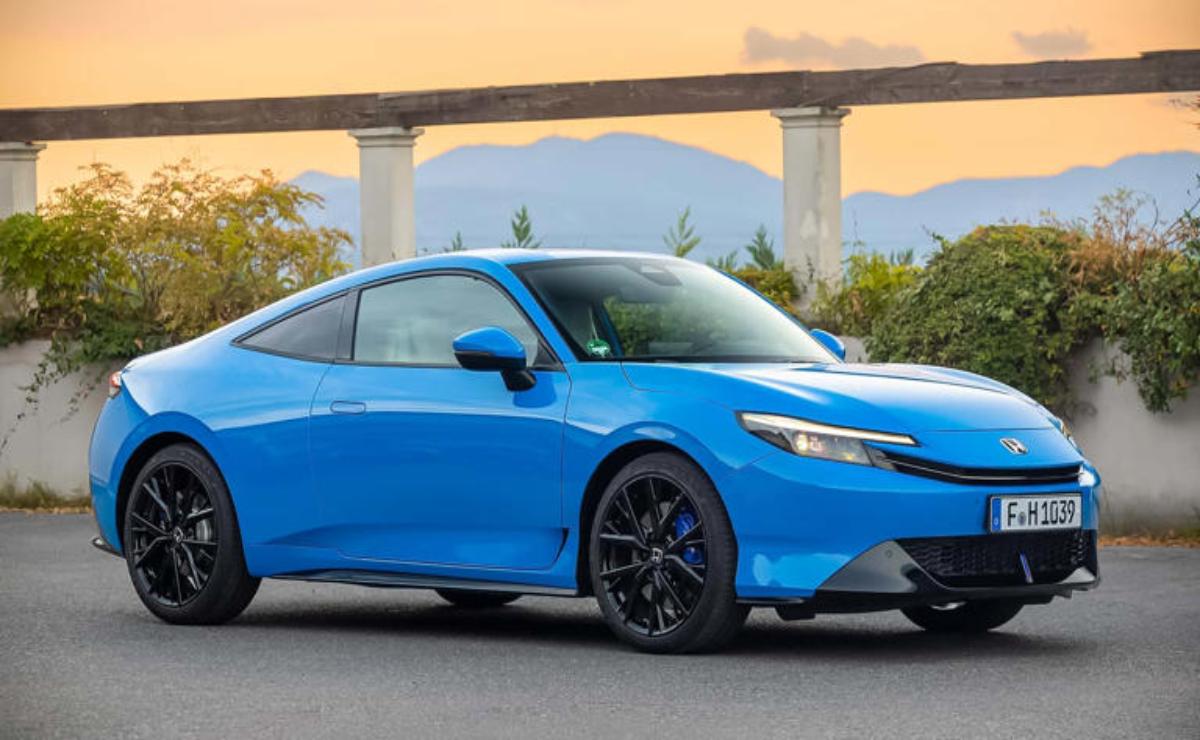
Customers Demand a Manual Honda Prelude: Will It Ever Happen?
-
 TEST DRIVES3 weeks ago
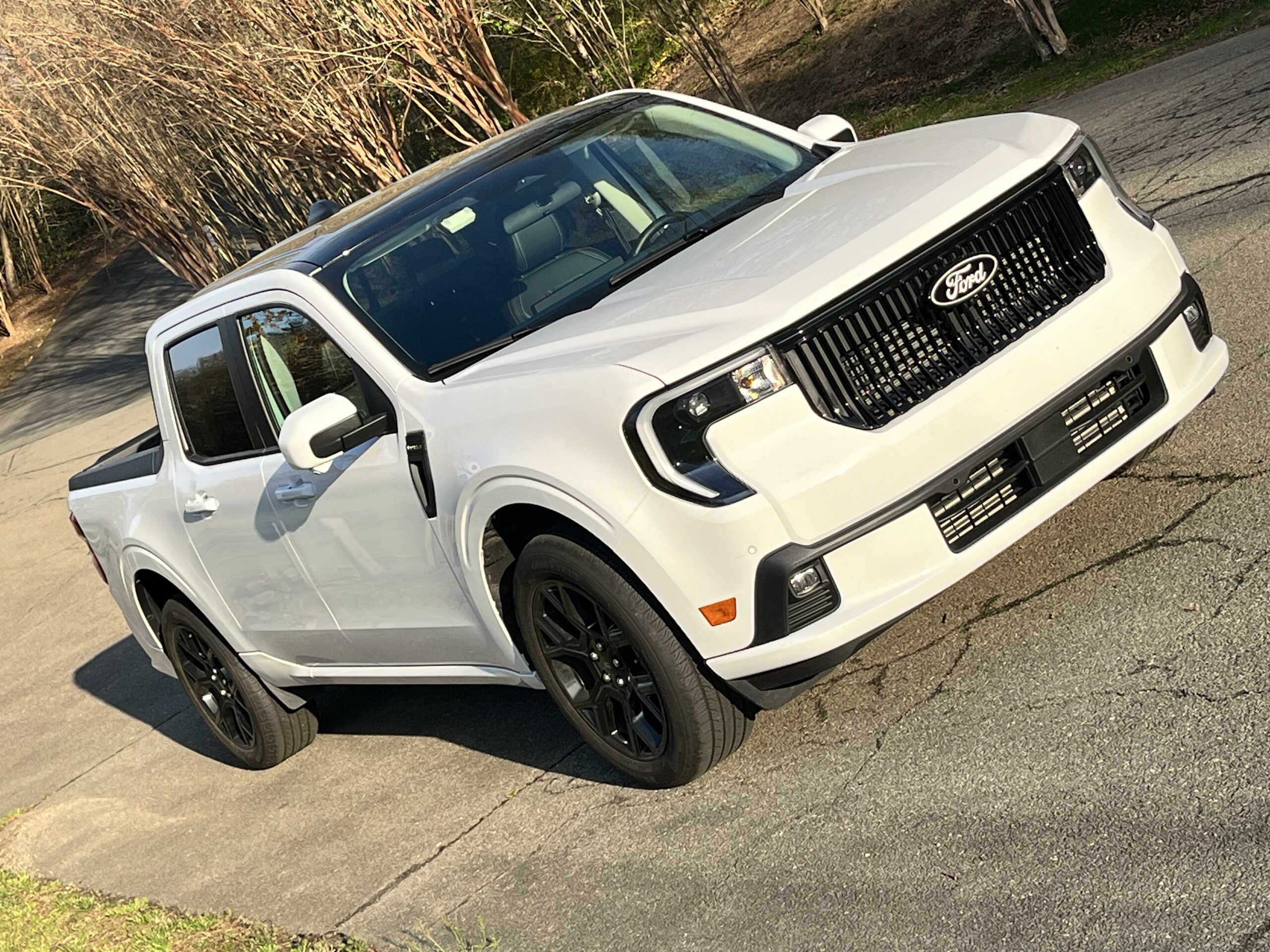
2025 Ford Maverick Lobo
-
 INTELLIGENT MOBILITY7 months ago
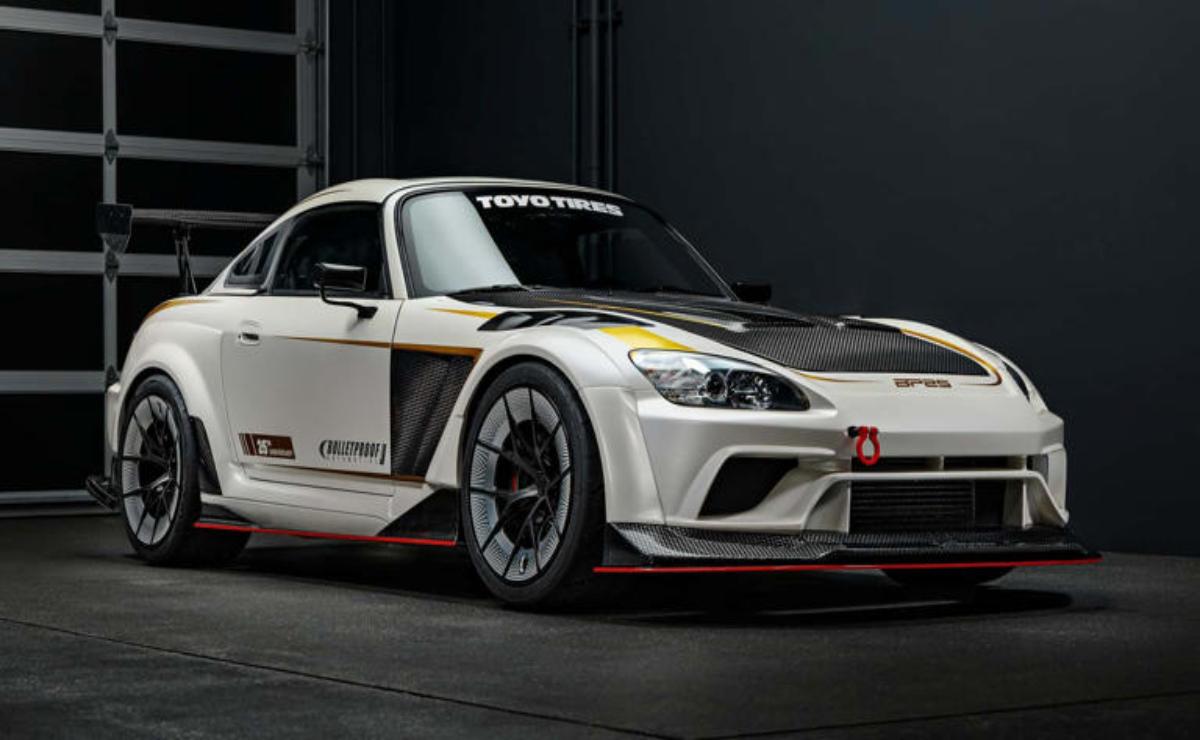
10,000 RPM Madness: The Honda S2000 Resurrected with 580 HP and a Supercharged Heart
-
 INTELLIGENT MOBILITY7 months ago
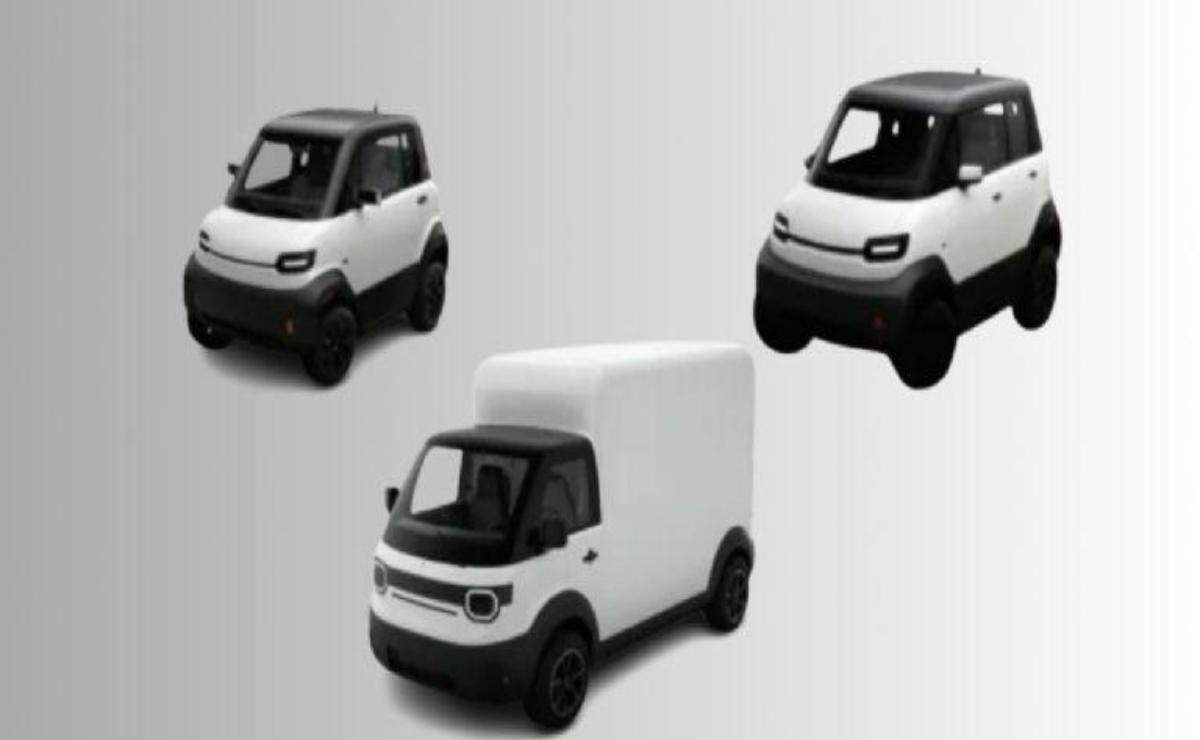
FIFA World Cup 2026: The Importance of Electric Vehicles
-
 INTELLIGENT MOBILITY7 months ago
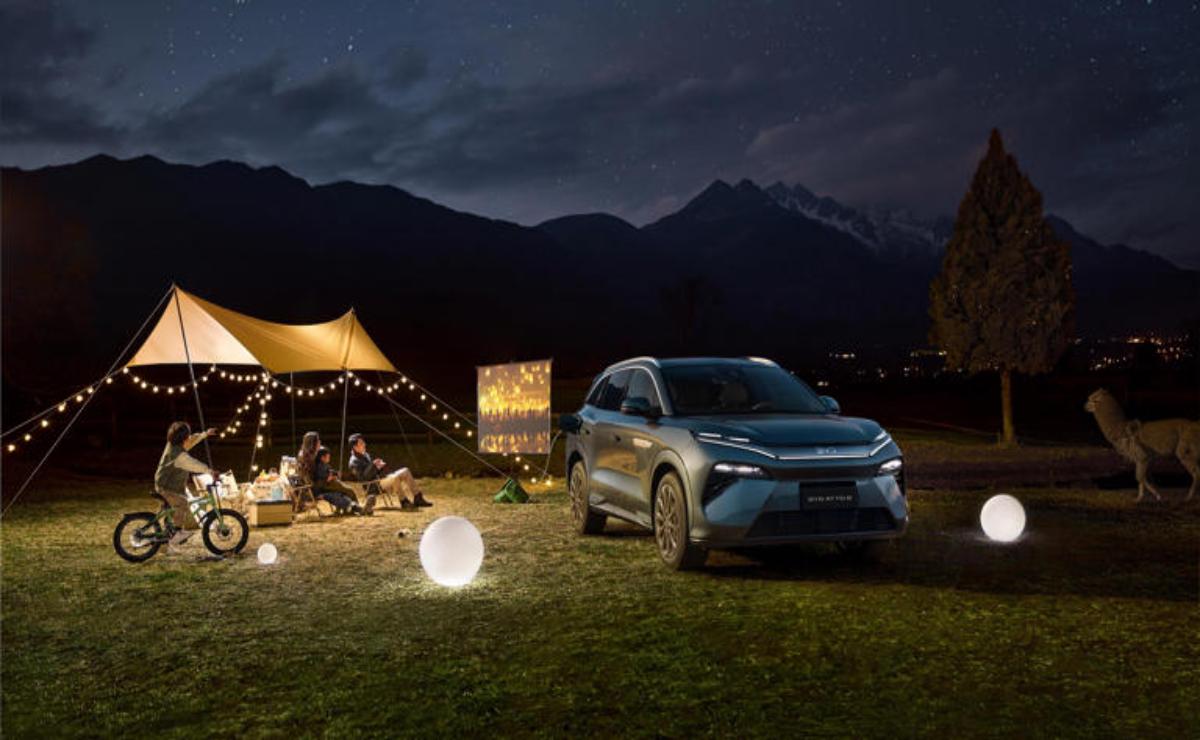
BYD Atto 8: The New 7-Seater PHEV SUV Arrives in Mexico
-
 INTELLIGENT MOBILITY7 months ago
New Dodge Charger Hustle Stuff Drag Pack 2025: The Wild Return of the Hemi V8
-
 INTELLIGENT MOBILITY7 months ago
Kia Sportage 2026: Safety Excellence Crowned with IIHS TOP SAFETY PICK+ Award
-
 INTELLIGENT MOBILITY7 months ago
Kia America Achieves Record-Breaking October 2025 Sales
You must be logged in to post a comment Login