
Toyota and Mazda are reportedly collaborating to develop their next-generation sports cars, merging iconic driving experiences with modern engineering and electrification.
According to recent reports, Toyota and Mazda are developing their next sports cars around a shared platform, taking cues from the current Mazda MX-5 Miata architecture. While the cars will share core engineering, each model will maintain its distinct character: the MX-5 remains a two-seater roadster, whereas the GR86 is expected to continue as a 2+2 coupe. Toyota is reportedly pursuing a hybrid setup for the GR86, while Mazda may stick to a revised 2.0-liter inline-four engine, potentially with partial electrification.
Shared Platform, Unique Driving Experiences
The collaboration leverages the ND-spec Miata platform, renowned for its lightweight design at just 990 kilograms, and exceptional handling performance. Both vehicles are expected to undergo chassis adjustments to fit their respective seating configurations, while retaining the driver-focused dynamics that fans of each brand cherish. The shared platform allows efficiency in production without compromising the distinct driving personalities of the cars.
Production and Collaboration History
Reports suggest the two vehicles will be assembled at Mazda’s Hiroshima factory, following a precedent set by previous collaborations, such as the ND Miata and Fiat 124 Spyder. Toyota’s history of partnerships–like the GR86 with Subaru and the Supra with BMW–demonstrates that strategic collaborations can yield sports cars that are both performance-oriented and cost-effective.

The Impact of Electrification
A significant aspect of this partnership is Toyota’s push for hybridization, which could influence the availability of manual transmissions in the GR86. Mazda, meanwhile, is exploring modest electrification for the MX-5. This approach reflects a broader industry trend of integrating modern technology with lightweight, performance-oriented platforms to meet emissions and efficiency standards while preserving driving engagement.
Looking Ahead
If confirmed, this collaboration would unite two of Japan’s most respected automotive engineers, resulting in a pair of sports cars that combine lightweight agility, hybrid innovation, and distinctive driving dynamics. Enthusiasts can expect a driver-focused experience in both 2+2 and roadster configurations, continuing the legacy of accessible yet thrilling Japanese sports cars for a new generation.










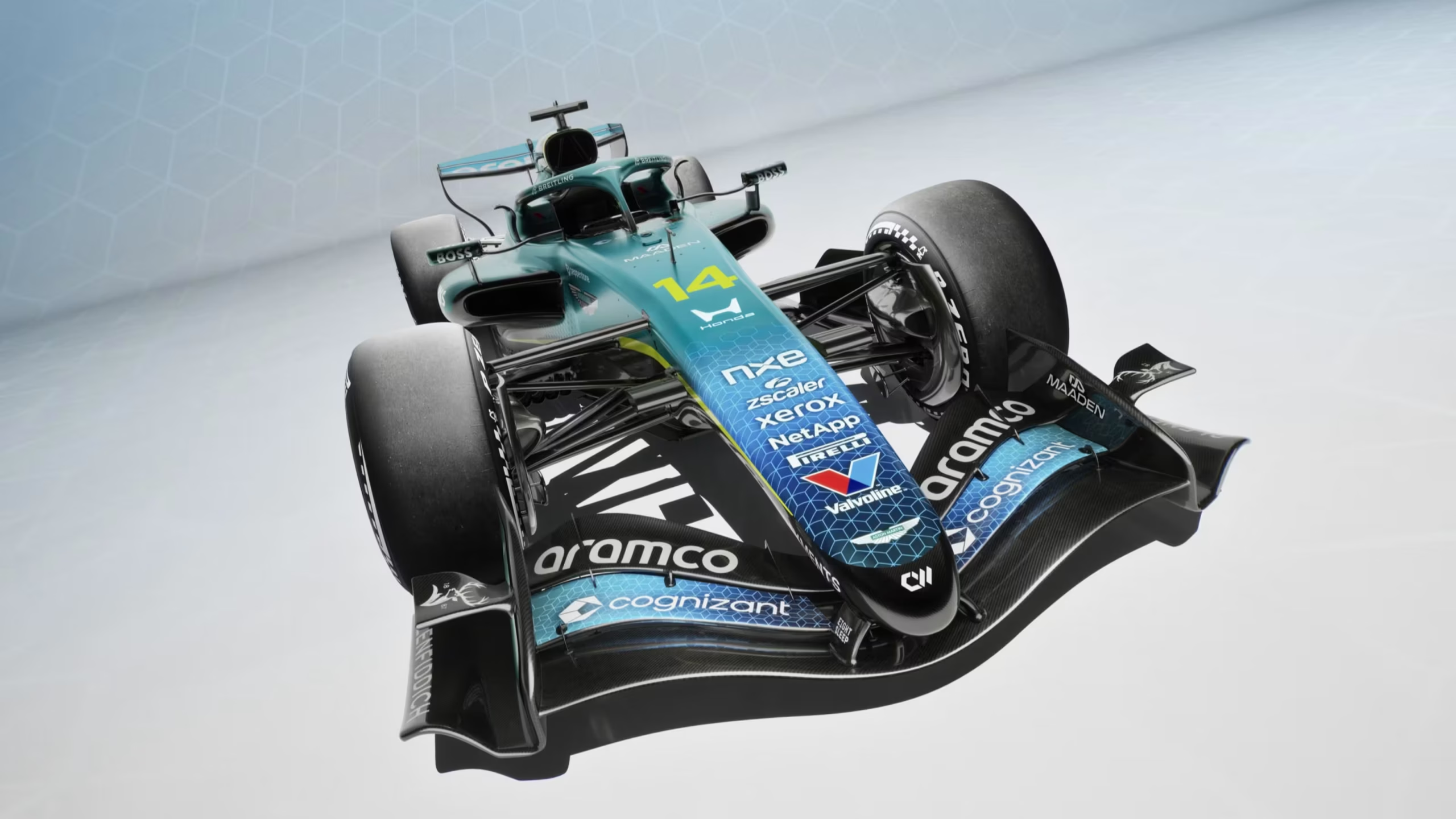
Aston Martin will showcase a special AMR26 livery at the United States Grand Prix, celebrating five years of its partnership with Cognizant.
Aston Martin is preparing a special appearance for the 2026 United States Grand Prix in Austin, where its AMR26 will mark five years of collaboration with Cognizant. The partnership began in 2021 and remains part of the team’s identity in Formula One.
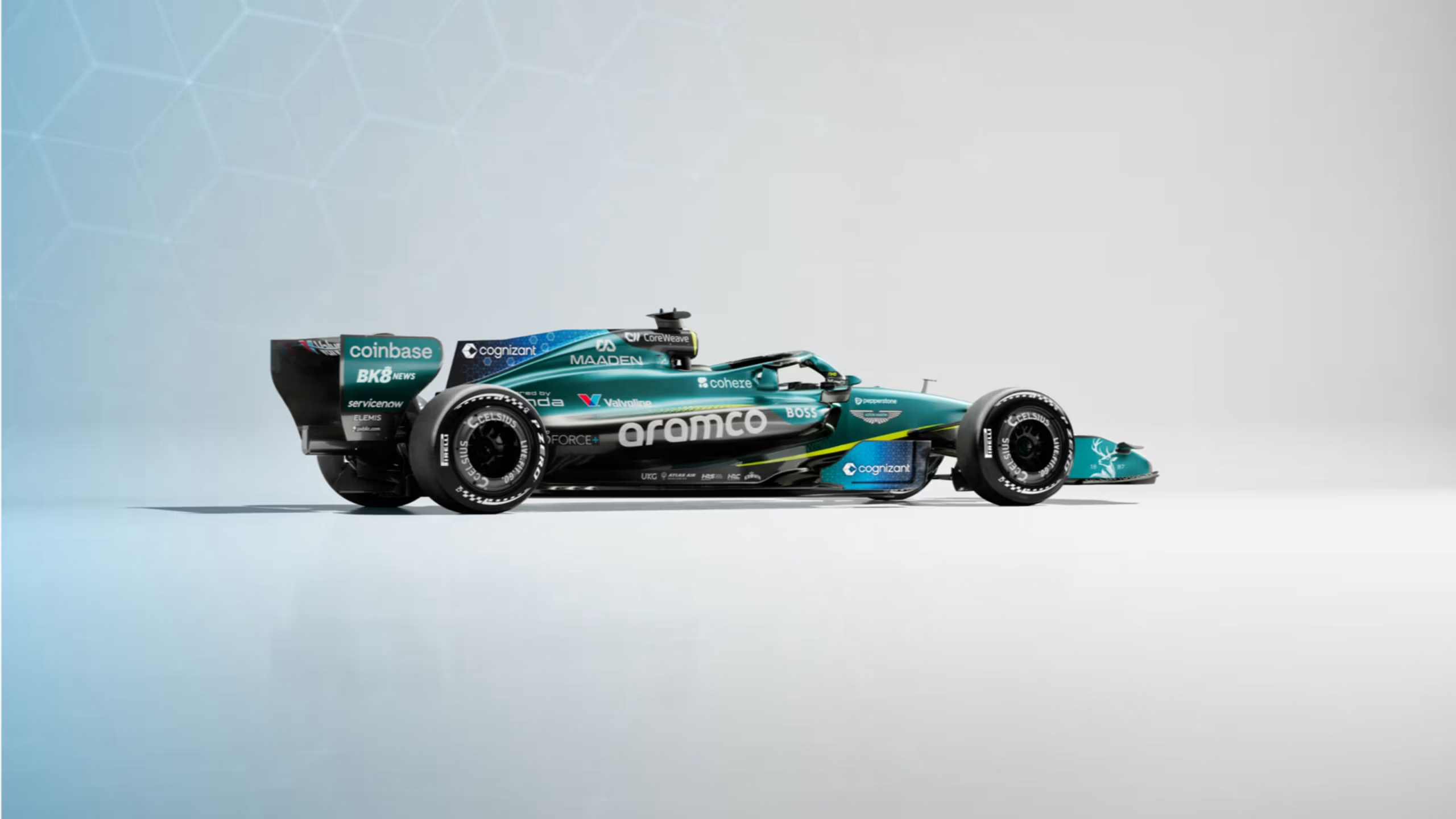
The AMR26 will carry a special design for the United States Grand Prix weekend.
Aston Martin Marks Five Years With Cognizant
The Austin Grand Prix provides the setting for Aston Martin to recognize the milestone. Since the partnership began in 2021, Cognizant has maintained a prominent association with the team’s Formula One program.
The anniversary also comes as the relationship expands into new areas of technology. Earlier in 2026, Cognizant became Aston Martin’s Global AI Services Partner, strengthening the technological dimension of the collaboration.
Technology and Formula One
Modern Formula One relies on data analysis, software and advanced computing to support decisions throughout a race weekend. Teams use these tools to evaluate performance, develop strategies and improve their operations.
Aston Martin’s expanded relationship with Cognizant reflects the growing role of artificial intelligence and digital technology in motorsport. However, the partnership’s announcement alone does not establish a specific performance gain for the AMR26.
Data analysis and digital tools are important parts of modern Formula One operations.
Austin Provides the Backdrop
The United States Grand Prix gives Aston Martin an opportunity to highlight the anniversary in front of American fans. The special livery will bring the partnership into focus during the Austin race weekend.
The design also connects the team’s on-track presence with a collaboration that has evolved since 2021. With Cognizant’s expanded role in artificial intelligence, the anniversary reflects both the history of the relationship and its continuing technological focus.
Aston Martin’s special AMR26 appearance will be one of the team’s key visual elements at the United States Grand Prix. Further details about the livery’s specific design features should be confirmed through the team’s official announcement.
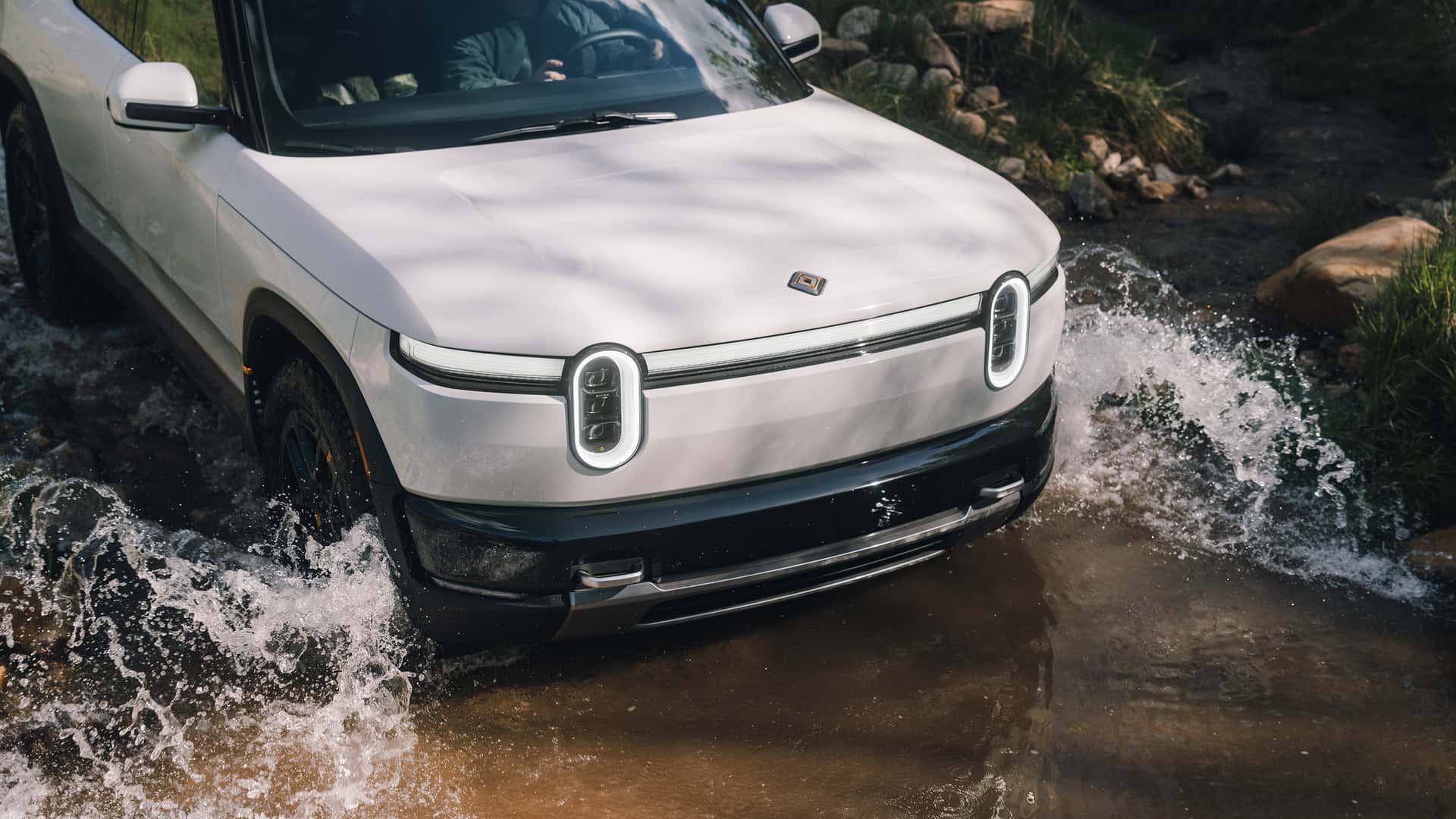
The automaker is inviting select R1 and R2 owners to try a new route-based driving assistant before a wider U.S. rollout.
Rivian is preparing to expand its driver-assistance technology with Point to Point, a system designed to handle more of a journey than conventional hands-free highway assistance. The first phase will be limited to selected customers, with a broader rollout planned for 2027.
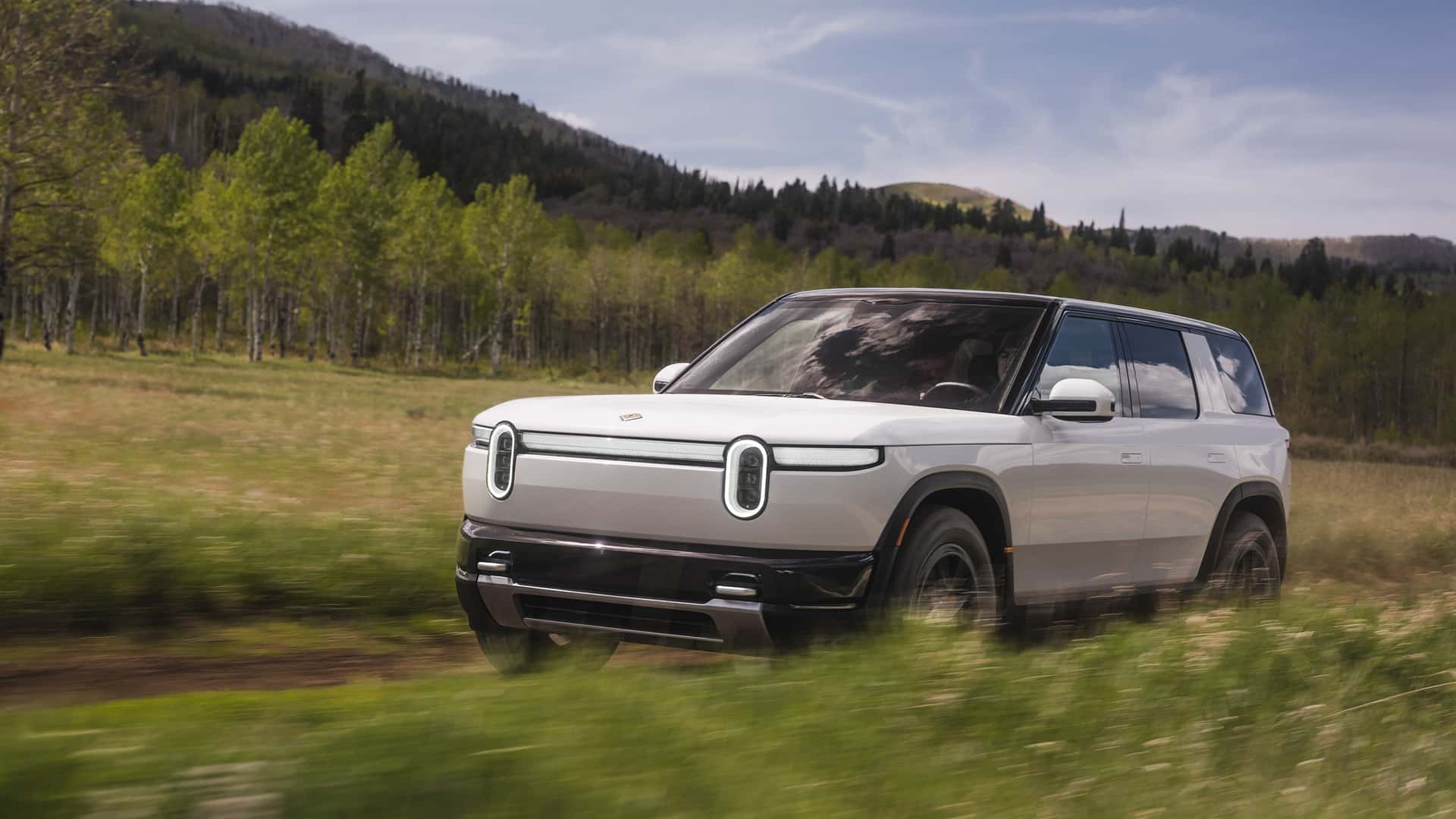
Rivian is starting its latest driving technology program with eligible owners of newer R1 models and the R2.
From Highway Assistance to Full Routes
Point to Point builds on Rivian’s existing Universal Hands-Free system. It is designed to follow a planned route, including turns, highway merges and surface streets, while the driver remains responsible for supervising the vehicle.
The technology combines the vehicle’s sensors and cameras with Rivian’s Large Driving Model, which interprets surrounding conditions and helps determine how the vehicle should respond.
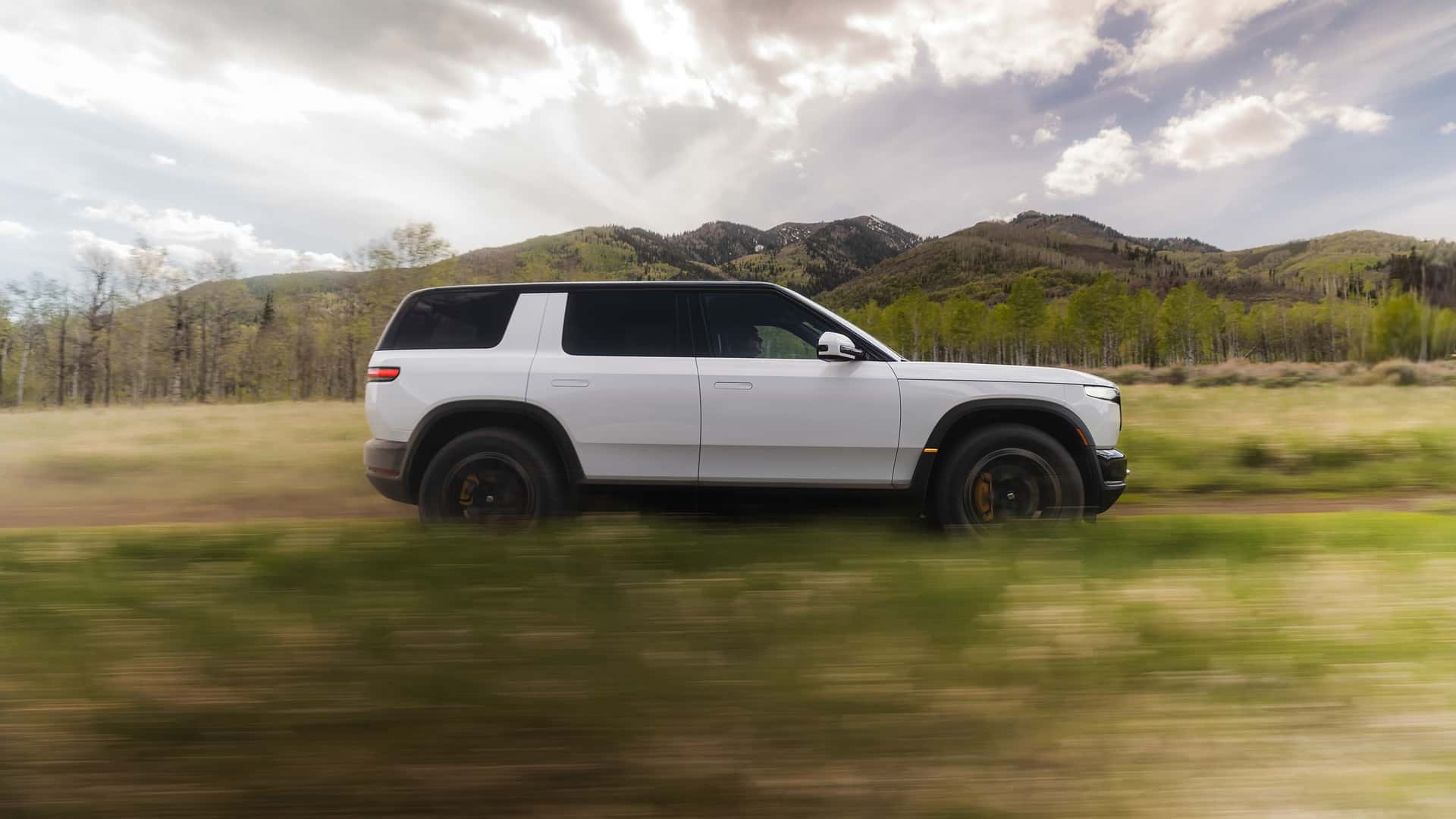
Point to Point aims to manage more of a planned journey while requiring the driver to remain attentive.
Who Can Join the Early Access Program?
The initial program targets eligible Gen 2 R1 and R2 owners in California and Florida. Applicants must have an active paid Autonomy+ subscription; free trials do not qualify.
Rivian will consider existing use of its driver-assistance features, recent safety records and a balance of vehicle models and regions when selecting participants. Owners can register their interest through the Autonomy Early Access tile in their Rivian account.
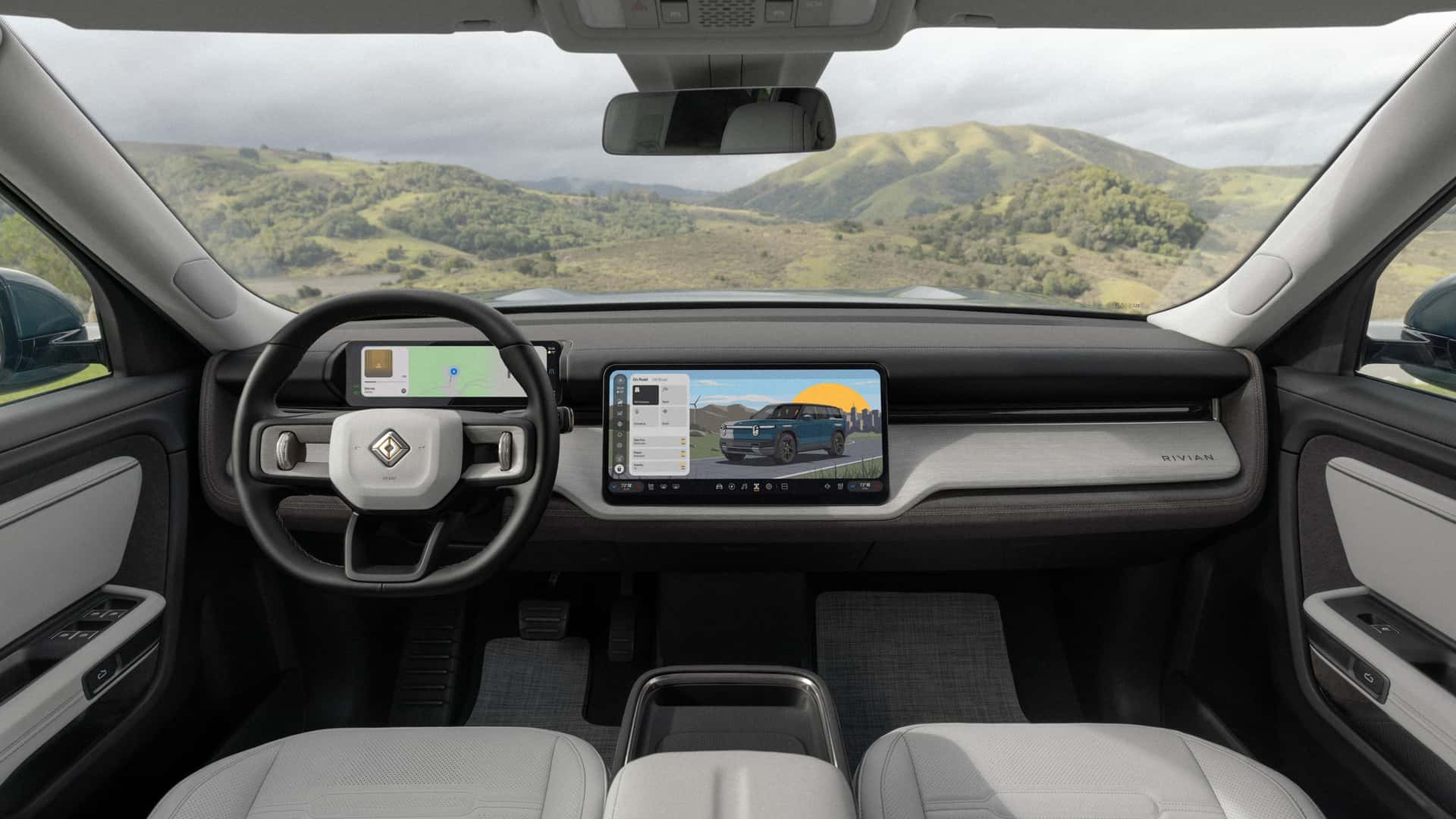
Eligible owners can register their interest through their Rivian account.
Testing Comes With Conditions
Selected participants must use the preview features weekly, report issues and complete monthly surveys. They must also agree to data collection that includes location and camera data, under a non-disclosure agreement.
The program is unpaid, and Rivian can reassess participants’ eligibility every 30 days. First-generation R1 vehicles and Canadian owners are excluded from the initial phase.
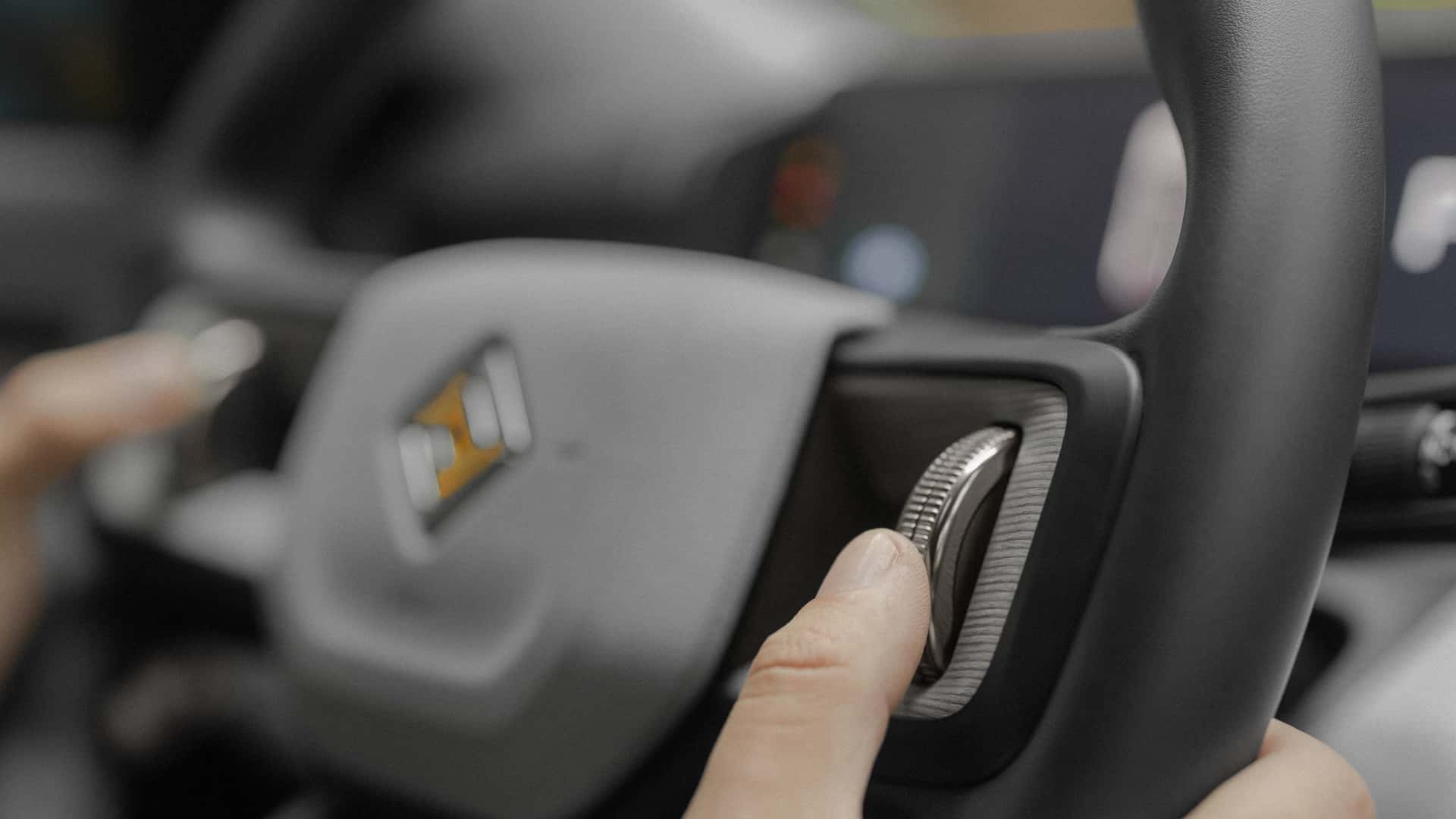
Camera and sensor data are part of the technology Rivian is developing and evaluating.
A Wider Rollout Is Planned for 2027
Rivian expects Point to Point to reach a broader group of Autonomy+ customers in 2027, following the early-access phase. Feedback from interested owners outside California and Florida may also help inform which states are considered for expansion.
The R2 is among the vehicles targeted for the initial program, with wider availability expected to follow.
Point to Point remains a Level 2 driver-assistance system, not fully autonomous driving. Drivers must stay attentive and be ready to take control at all times.
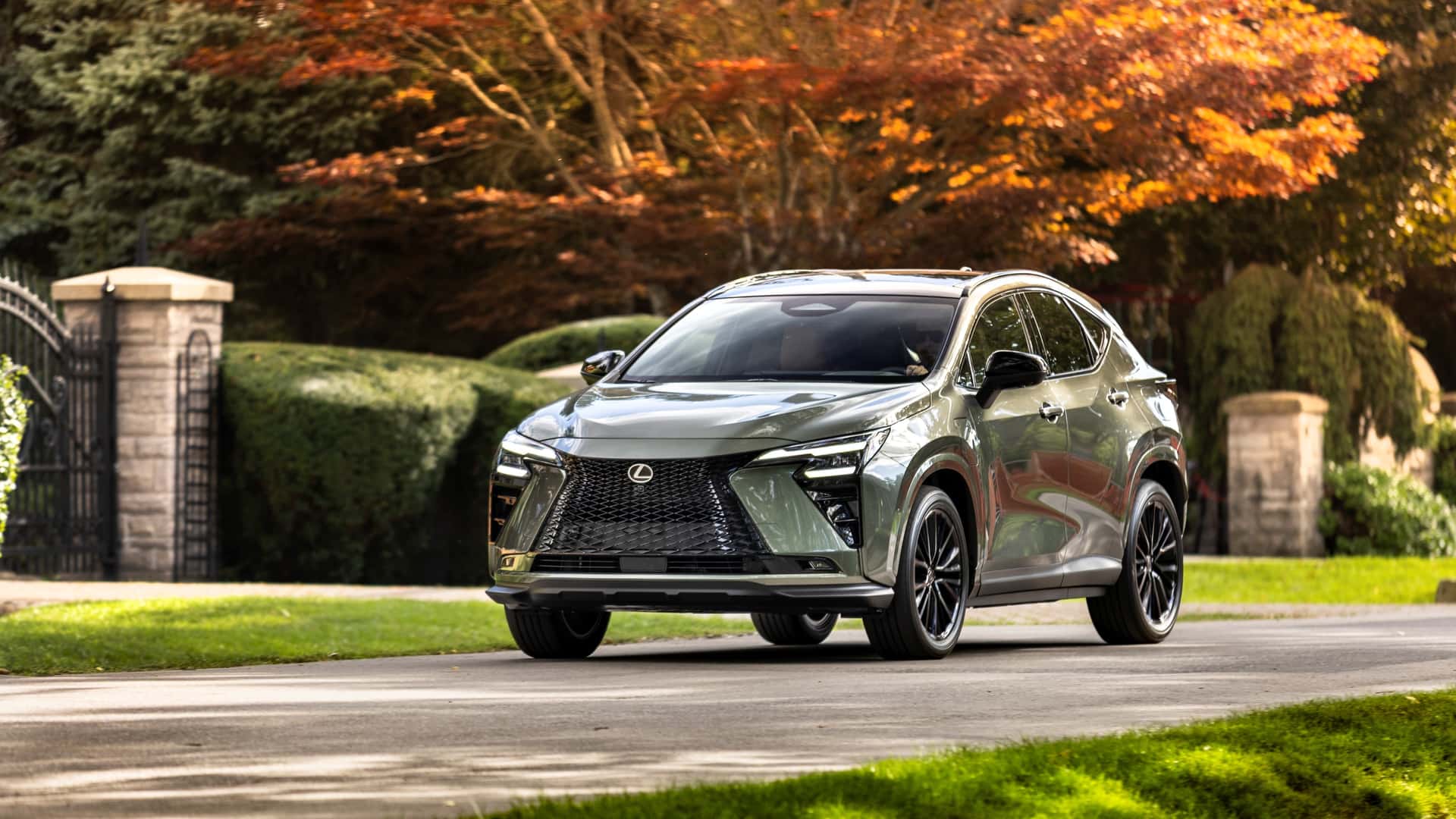
Lexus transforms its NX lineup for 2027 with more power, a redesigned cabin and an all-hybrid range.
The 2027 Lexus NX enters a new chapter as the luxury crossover drops its gasoline-only version. Buyers can now choose between the NX 350h hybrid and the NX 450h+ plug-in hybrid, with four trim levels and updated technology across the lineup.
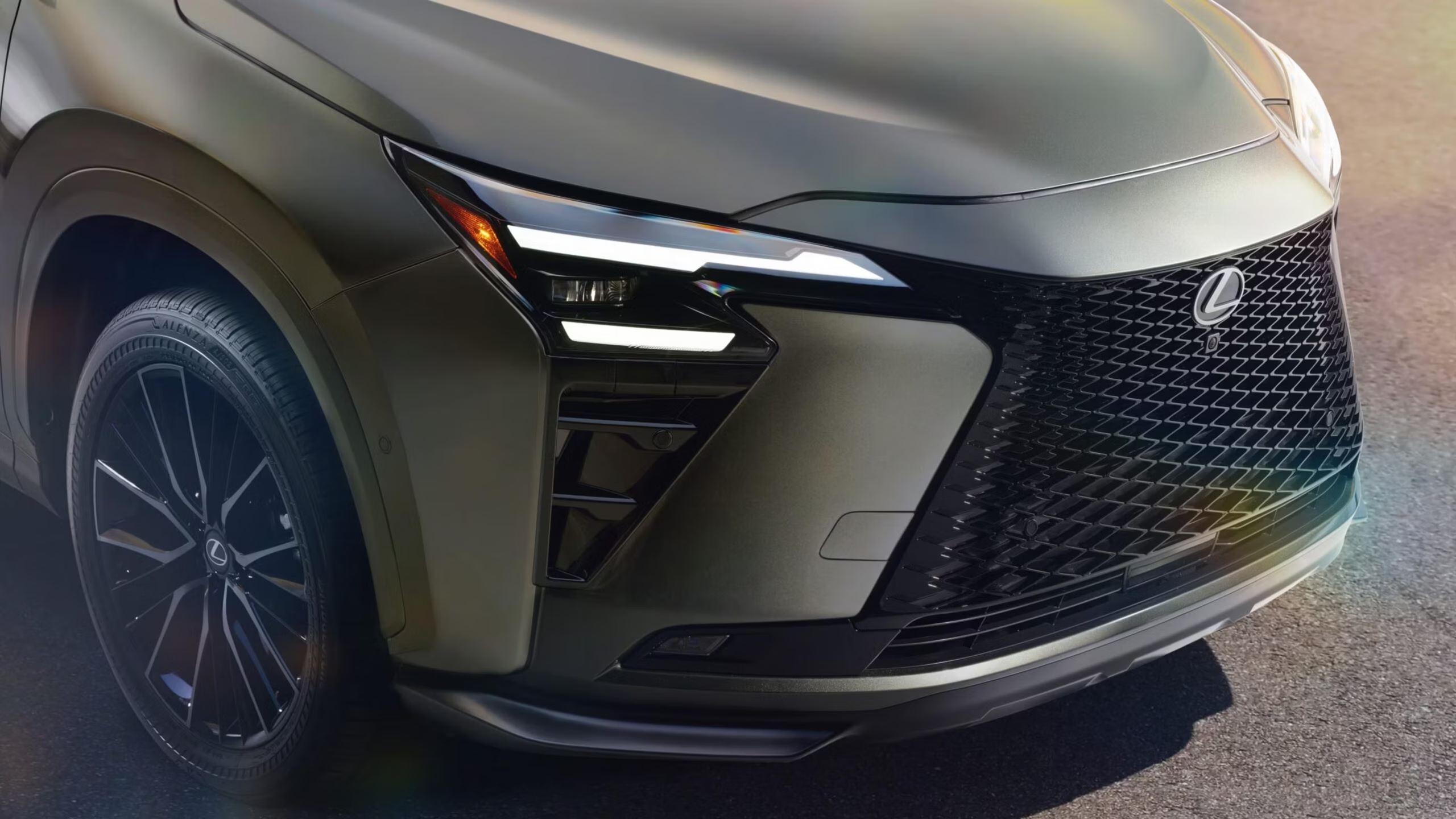
The 2027 Lexus NX adopts a sharper design with a new headlight signature and cleaner exterior details.
More Power Across the Hybrid Range
The NX 350h now delivers 244 horsepower, a 4-hp increase over the previous model. The NX 450h+ plug-in hybrid makes 324 horsepower, up from 304 hp, and offers an estimated 40 miles of electric-only range.
Both versions benefit from a revised e-Axle system and updated power electronics designed to improve efficiency and reduce weight.
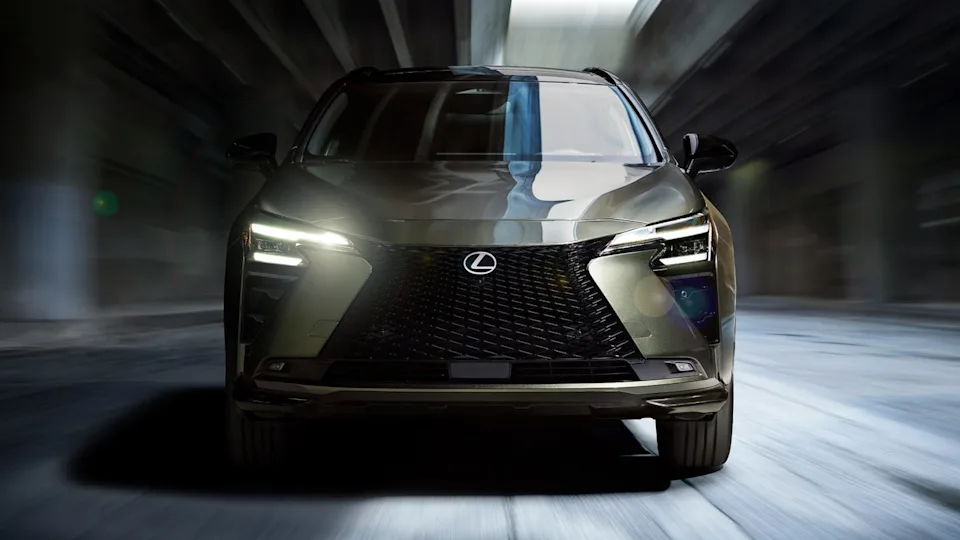
The NX 350h combines a 244-hp hybrid powertrain with a choice of front-wheel or all-wheel drive, depending on trim.
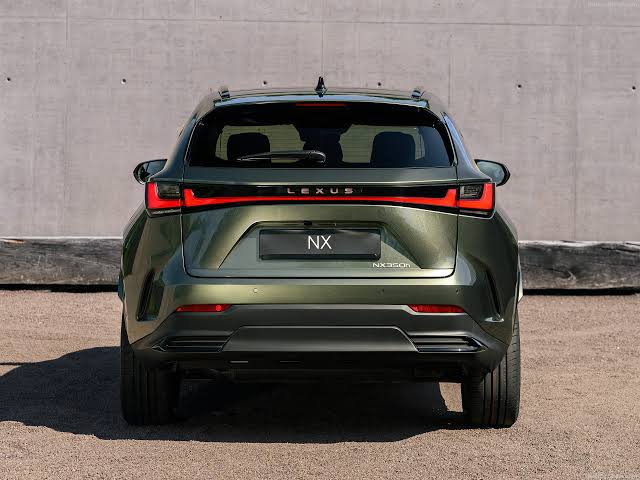
Updated rear lighting and a distinctive illuminated badge give the redesigned NX a more recognizable appearance.
A More Digital Cabin
Inside, every 2027 NX features a 14-inch central touchscreen and a 12.3-inch digital instrument cluster. Lexus Interface adds a customizable home screen, dual Bluetooth phone connectivity, a built-in drive recorder and standard over-the-air updates.
The Luxury and F Sport grades also offer Sensory Concierge, which coordinates cabin lighting, climate, seat temperature and fragrance through three selectable modes.
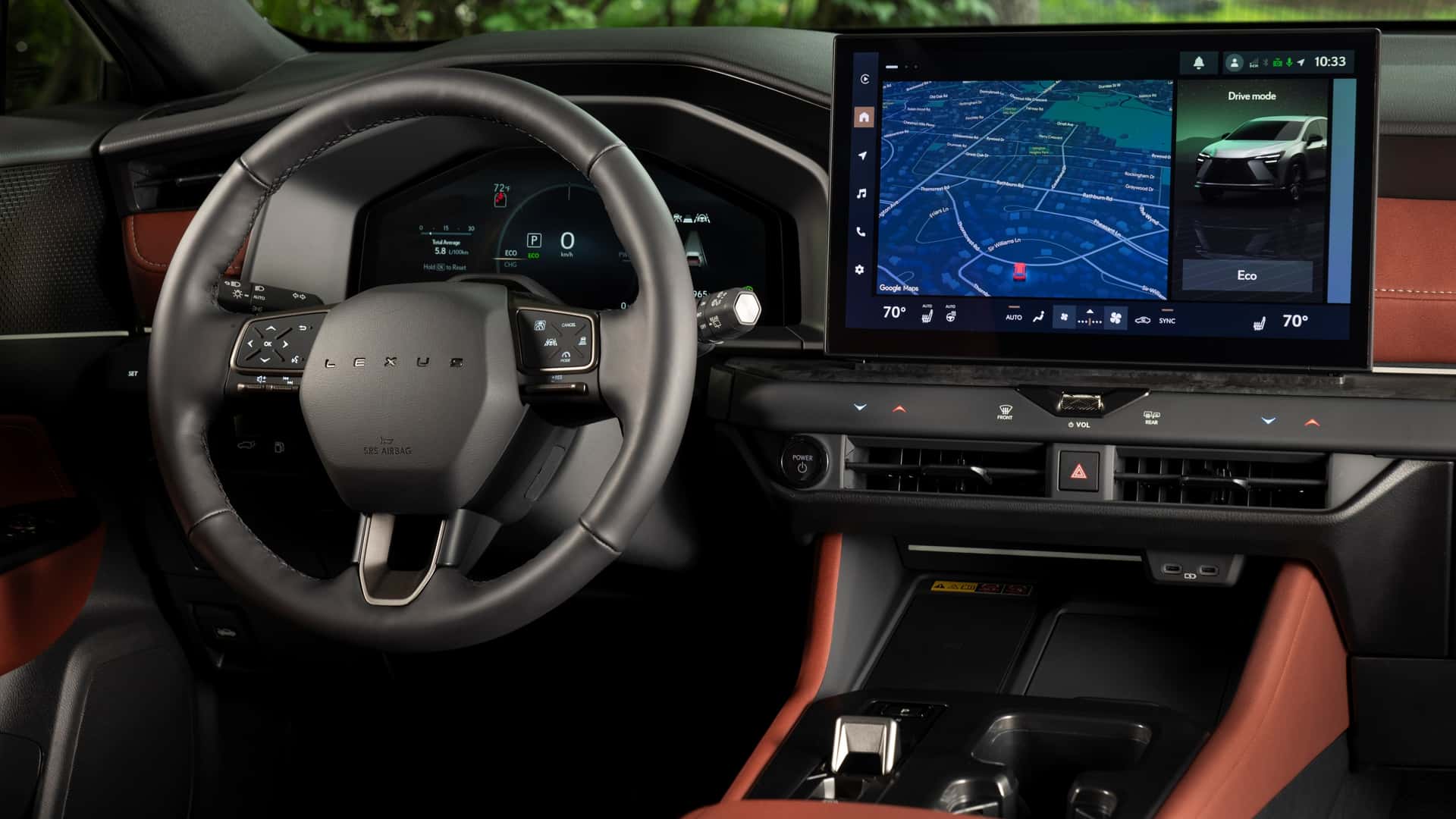
The updated interior makes a larger touchscreen and digital instrumentation standard across the lineup.
Four Grades and Expanded Driver Assistance
The 2027 Lexus NX lineup consists of Premium, Premium+, F Sport and Luxury. The NX 350h offers front-wheel or all-wheel drive on selected grades, while the NX 450h+ comes with all-wheel drive.
Lexus Safety System+ 4.0 is standard, bringing adaptive cruise control, automatic emergency braking with pedestrian detection, intersection assistance and emergency steering support.
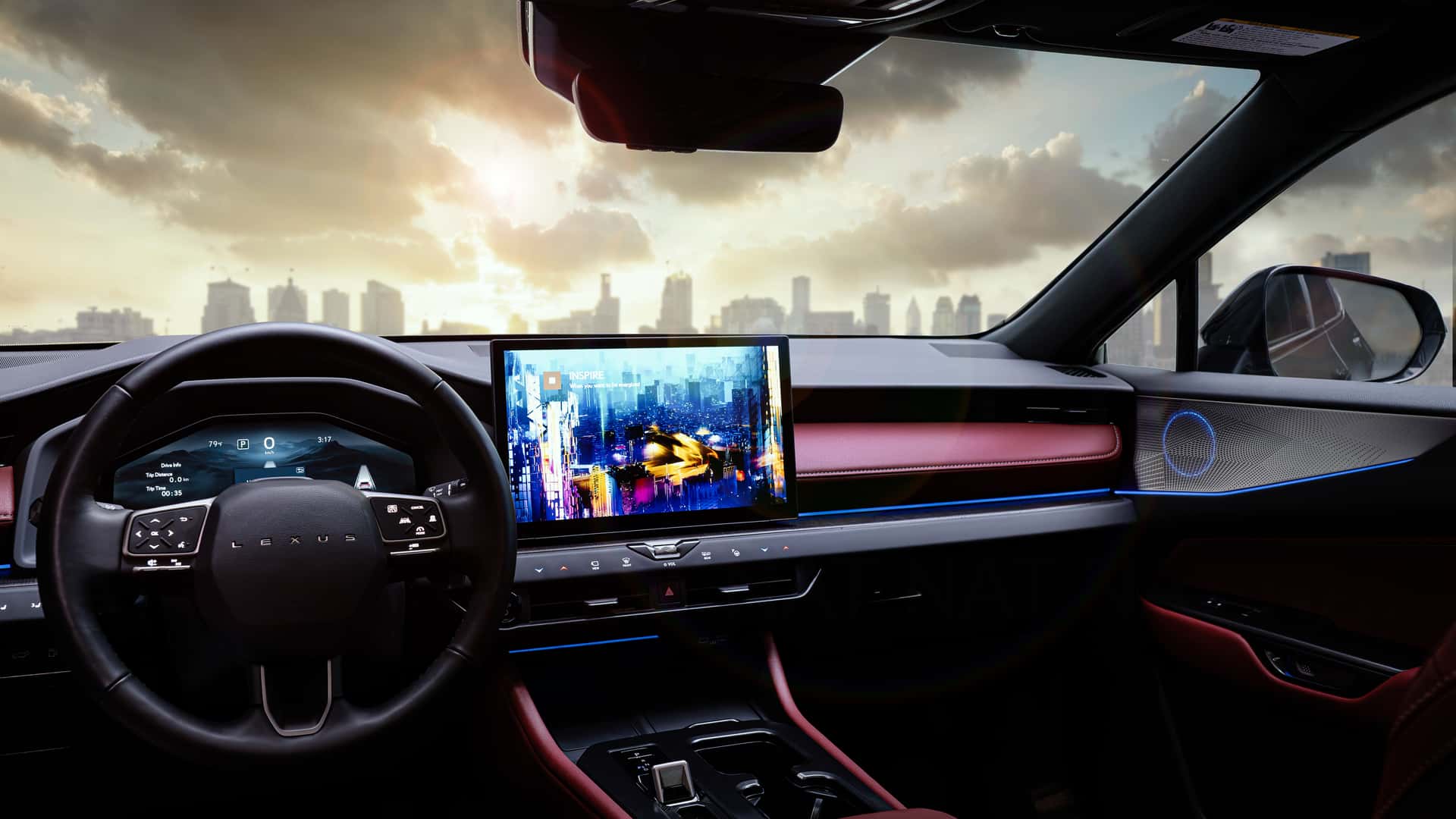
The 2027 NX combines its updated hybrid powertrains with standard driver-assistance technology.
Lexus has not yet announced pricing for the refreshed NX. Final prices for all four grades are expected closer to the model’s on-sale date.
-
 NOW TRENDING2 months ago
Tesla Cybercab Gets September 3 Austin Launch Date
-
 TEST DRIVES2 months ago
2025 Ford Bronco Sport Badlands: The Adventure SUV You Can Drive Every Day
-
 TEST DRIVES2 months ago
2026 Toyota GR Supra MkV Final Edition
-
 NOW TRENDING1 month ago
Aston Martin DBX Becomes Harry Da Souza’s Ride in MobLand
-
 NOW TRENDING2 months ago
Tesla Cybercab Puts U.S. Regulations to the Test
-
 Formula12 months ago
FIA Reveals Second ADUO Results With Red Bull-Ford Still on Top
-
 NOW TRENDING2 months ago
2027 Hyundai Tucson Hybrid Gets a Power Boost
-
 NOW TRENDING2 months ago
Hyundai Reports Strong Hybrid Sales in August 2026
You must be logged in to post a comment Login