
RACING
Lando Norris says McLaren MCL40 development is three months behind after Austria setback warning

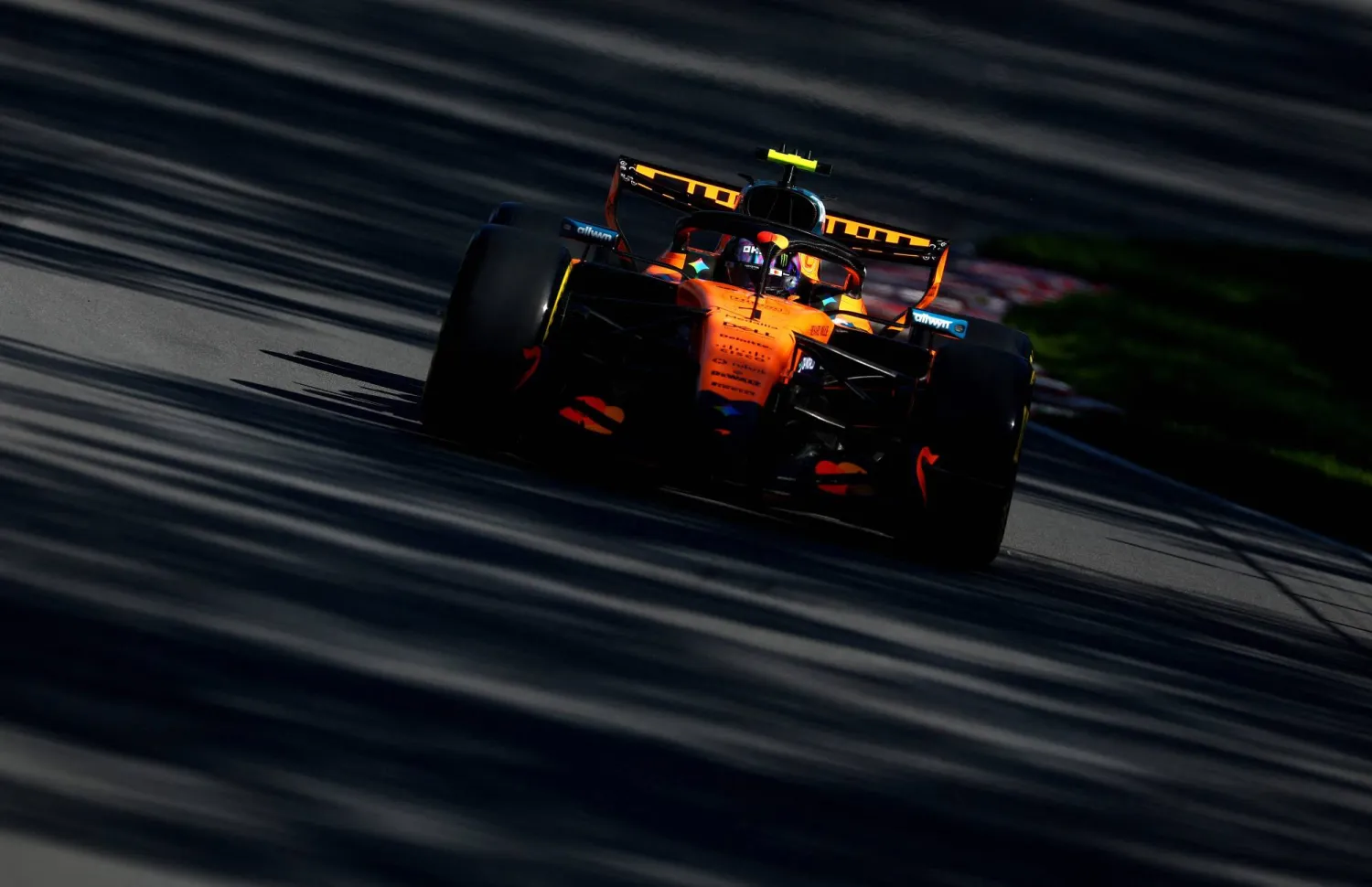
Lando Norris admits McLaren MCL40 development is running three months behind schedule, as McLaren arrives in Austria chasing solutions rather than victories in the 2026 Formula 1 title fight.
The McLaren MCL40 development story has taken a worrying turn ahead of the Austrian Grand Prix, with Lando Norris openly admitting that McLaren is “three months behind” in some of its work on the 2026 Formula 1 car. For a team that entered the season as the reigning world champion operation, the statement is striking. It confirms that McLaren is no longer thinking in terms of immediate victories, but instead in terms of damage limitation, recovery and long-term progress.
That change in tone says a lot about where McLaren stands right now. The McLaren MCL40 has shown flashes of pace in 2026, but the team has lost ground to Mercedes and Ferrari, forcing Norris and the Woking squad to reset expectations. Instead of talking about race wins, McLaren is now focused on maximizing each weekend, introducing upgrades when they are ready, and trying to bring the MCL40 back into a competitive window.
McLaren MCL40 development delay leaves Norris frustrated ahead of Austria
The clearest sign of that struggle is the new experimental rear wing McLaren is set to test during Friday practice at the Red Bull Ring. The part is not yet race-ready, but it forms part of McLaren’s effort to recover performance with the McLaren MCL40 and close the gap to the front. Ahead of the Austrian Grand Prix, Norris made it clear that the problem is not just what McLaren is bringing, but when it is arriving.
The reigning world champion admitted he wishes the team had this work ready far earlier in the season. In his view, the current rear-wing project is another example of a broader development lag that has already cost McLaren valuable time in the fight against Ferrari and Mercedes.
That timing issue is central to the current McLaren MCL40 development story. In Formula 1’s new 2026 era, where teams are still learning how to exploit radically revised regulations, falling behind by several months can be the difference between fighting for podiums and fighting for wins. McLaren now appears to be living exactly that reality.
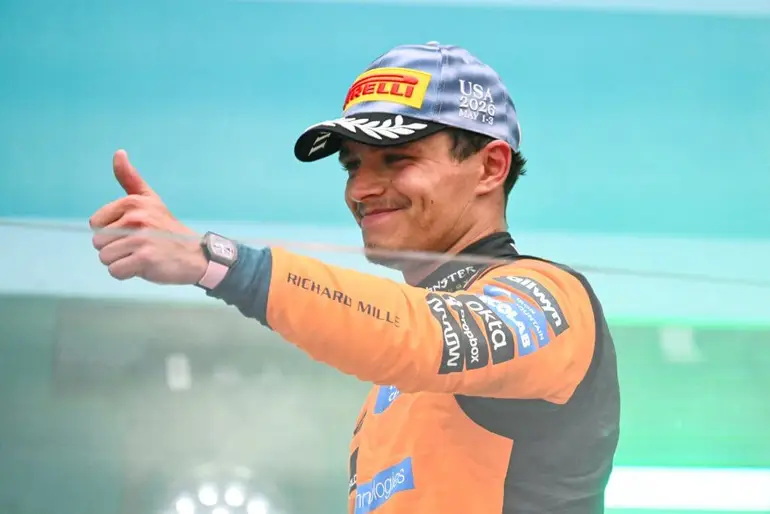
Lando Norris says McLaren MCL40 development is running three months behind, as the team arrives in Austria trying to recover ground in the 2026 Formula 1 season.
Lando Norris says McLaren must treat progress as victory for now
Just as revealing as the technical delay is the mental shift inside the team. Norris admits McLaren understood relatively early in the season that victories were not going to be a realistic short-term target. That forced the team to change the way it evaluates weekends and results.
Instead of measuring success only through wins, McLaren is now looking at whether it extracted the maximum possible result from the package it had. Norris pointed to Barcelona as the perfect example of that new mindset. For McLaren, finishing third and executing a clean weekend with the McLaren MCL40 was effectively a win, even if it did not translate into standing on the top step of the podium.
That is a major philosophical shift for a reigning champion team. It also reflects the reality of the current pecking order. McLaren is no longer setting the pace in the way it once hoped to under the 2026 regulations. It is now in a position where clean execution, strong driving and maximizing available points are more realistic goals than outright domination.
Why the McLaren MCL40 development push matters so much right now
McLaren’s challenge is not simply to bolt on one new part and expect the problem to disappear. Norris has been clear that the current rear-wing work is part of a more complex development path. The concept itself is difficult to understand, and turning it into real lap time takes both testing and patience.
That matters because the McLaren MCL40 development race is happening in a season where rivals are also moving fast. Ferrari has already confirmed a new power unit update for Austria as part of the 2026 ADUO allowance, while Mercedes has set much of the benchmark in the early stages of the season. In other words, McLaren is not trying to stand still while it catches up. It is trying to catch moving targets.
The rear-wing test itself underlines that reality. McLaren technical staff have already framed it as an experimental part rather than a race-ready solution, and Oscar Piastri also indicated that the team’s plan is to evaluate it during Friday before deciding how and when it can become part of the race package. That means the Austrian Grand Prix may be more about gathering data than delivering an instant turnaround.
Austria could still suit McLaren, but the MCL40 still has clear weak points
Despite the difficult context, Norris is not writing off the Red Bull Ring entirely. Austria has often been a strong circuit for McLaren, and the track’s layout could help the MCL40 operate in a better performance window than at some previous venues. That is the optimistic reading of the weekend.
But Norris also knows the limitations of the car have not disappeared. The McLaren MCL40 still struggles in slower corners, and that remains a concern at a circuit like Spielberg, where traction, low-speed balance and efficient deployment all matter. So while Austria could offer McLaren a slightly friendlier environment, Norris is careful not to overpromise.
That caution is important. McLaren may have found a track that suits the car better than others, but that does not change the broader story of the season. The team still needs development, still needs answers, and still needs to prove that the MCL40 can respond positively to the upgrades being tested.
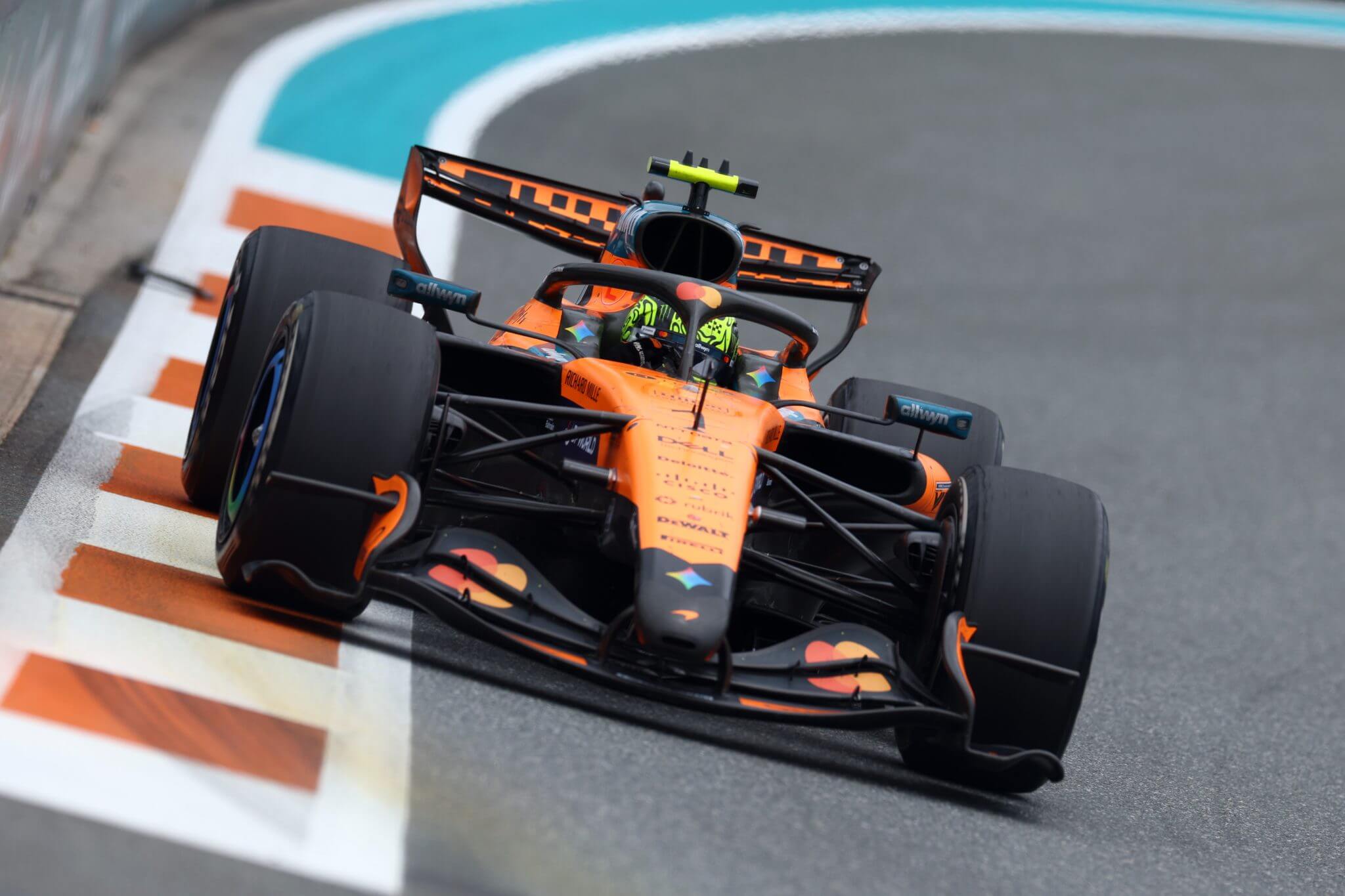
McLaren will test an experimental rear wing in Austria as part of its effort to accelerate McLaren MCL40 development and close the gap to Ferrari and Mercedes.
Ferrari and Mercedes have forced McLaren to change the conversation
Another key part of Norris’s comments is the way he now talks about Ferrari. Rather than treating the Scuderia’s latest gains as a sudden breakthrough, Norris sees Ferrari as a genuine title contender that has been in the fight for most of the season. In his view, the Barcelona result did not create a new championship threat; it simply confirmed one that already existed.
That is a significant admission because it frames McLaren’s problem more sharply. This is not a case of one bad weekend or one unlucky race. It is a case of McLaren being beaten in a sustained development race by teams that have either improved more effectively or started from a stronger place. Norris even suggested Ferrari could become outright favorites if it unlocks another meaningful step from its power unit.
Mercedes, meanwhile, has already put McLaren under pressure throughout much of the 2026 season, which only reinforces the sense that Woking is currently chasing from behind rather than controlling its own destiny. For a team that arrived in this rules cycle with huge expectations, that is not where it expected to be.
McLaren MCL40 development now defines the second half of the season
At this point, it is hard to escape one conclusion: the second half of McLaren’s 2026 campaign will be defined by McLaren MCL40 development more than by any single race result. If the car improves quickly enough, the team can still reinsert itself into the fight at the front. If not, McLaren risks spending the rest of the season celebrating “maximum results” rather than genuine winning opportunities.
That is why Norris’s honesty matters. He is not trying to sell Austria as a turning point before the evidence exists. Instead, he is acknowledging that McLaren is in a recovery phase and that every new part, every test session and every incremental gain now matters.
The challenge for McLaren is obvious. It must turn experimental parts into real race-day performance, fix the weaknesses that still hurt the MCL40 in slower corners, and do it all quickly enough to stop Ferrari and Mercedes from disappearing further into the distance. That is a difficult assignment under any regulations. Under Formula 1’s still-evolving 2026 rules, it becomes even harder.
Lando Norris’ message from Austria is clear: McLaren has no time to waste
The most important takeaway from Austria may be the simplest one. Lando Norris has effectively confirmed that McLaren is racing with a development deficit, and that the team knows it. The experimental rear wing, the change in expectations, and the new focus on “maximizing” rather than “winning” all point in the same direction.
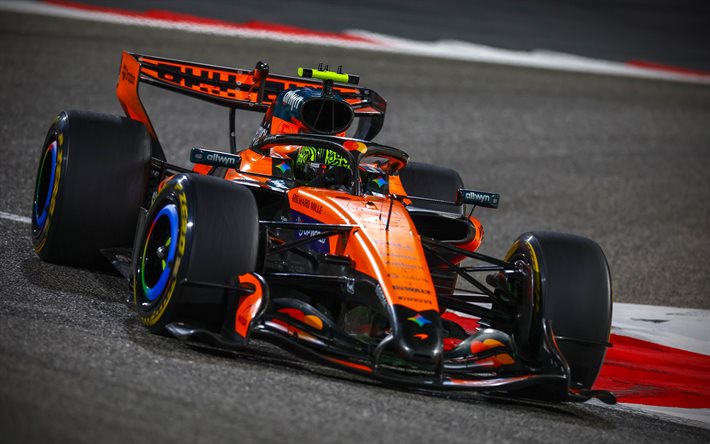
Norris has admitted McLaren’s short-term target is no longer victory at all costs, but extracting the maximum from the McLaren MCL40 until the upgrade package catches up.
McLaren still has time to respond, and the MCL40 is not a hopeless car. Norris remains one of the strongest drivers on the grid, McLaren continues to push hard on development, and the team is clearly still willing to innovate. But the gap between intention and execution is now the central issue. In a season where development speed can define the championship, being three months behind is not just a technical inconvenience. It is the story.
McLaren’s next steps will decide whether the MCL40 can return to the fight
That is what makes the next few races so important for McLaren. If the experimental work in Austria becomes the basis for a stronger package over the coming rounds, Norris and the team may yet turn the McLaren MCL40 development story into a comeback narrative. If the gains remain small or delayed, however, the team’s new reality may harden: fewer shots at victory, more weekends spent limiting damage, and a championship defense built on resilience rather than outright pace.
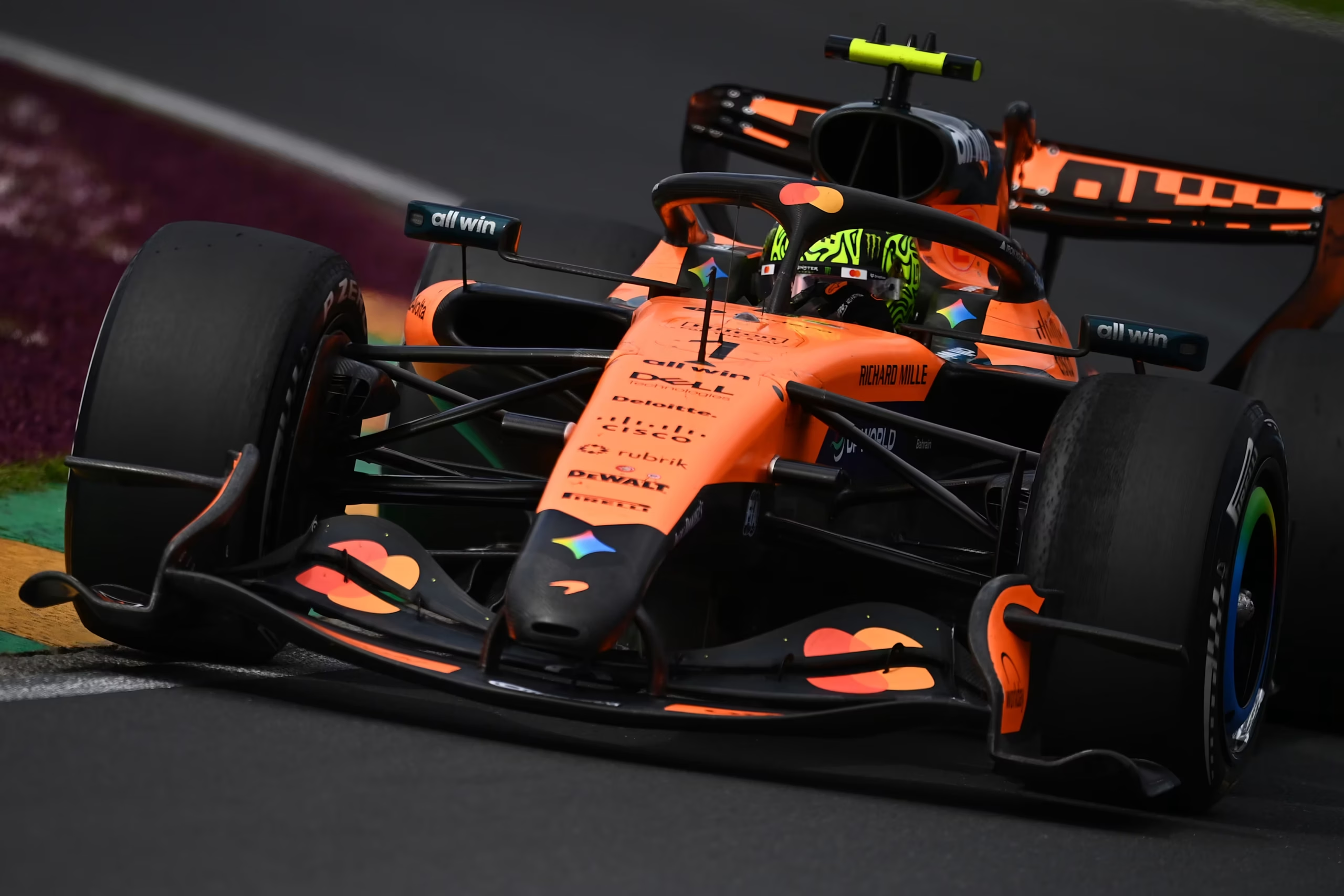
The next phase of McLaren MCL40 development will be critical if McLaren wants to turn Austria’s experimental upgrade work into a real second-half recovery in the 2026 Formula 1 season.
For now, Norris has done something valuable by saying the quiet part out loud. McLaren is behind, McLaren knows it, and McLaren is trying to fix it. The question is whether the MCL40 can evolve quickly enough to make that honesty the beginning of a recovery, rather than the clearest warning sign yet of a season slipping away.







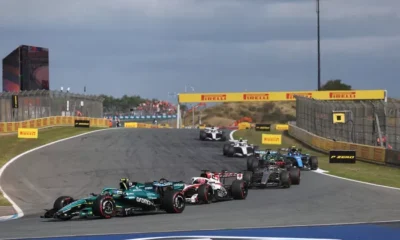

Nico Hülkenberg narrowly avoided hitting Audi teammate Gabriel Bortoleto after the Brazilian spun across the track during the opening lap of the Dutch Grand Prix.
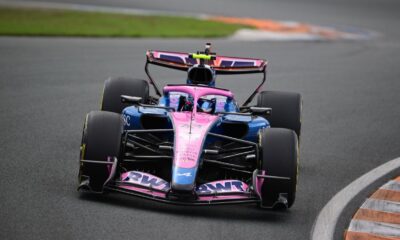
Nico Hülkenberg revealed how he narrowly avoided a potentially huge accident with Audi teammate Gabriel Bortoleto during the opening lap of the 2026 Dutch Grand Prix.
The incident happened shortly after Max Verstappen crashed at the final corner. With the track still wet in places, Bortoleto lost control of his Audi and spun 360 degrees before coming to a stop in the middle of the circuit.
Hülkenberg arrived moments later and managed to avoid his teammate by passing around the left side of the stranded car.
Hülkenberg had almost no time to react
The track was mostly dry, but the final banked corner remained significantly wetter following the earlier rain.
That caught several drivers by surprise, including Bortoleto.
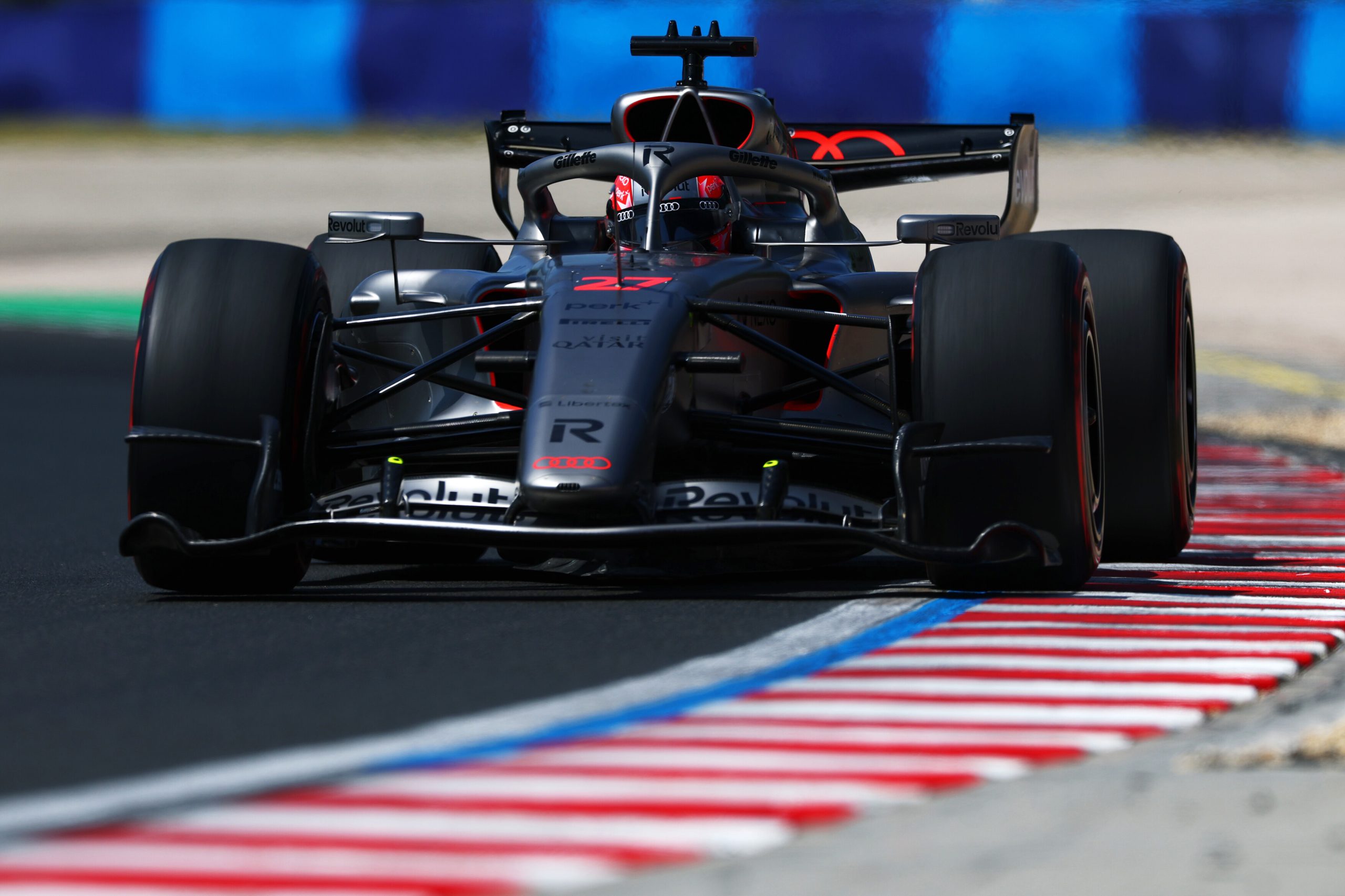
Nico Hülkenberg narrowly avoided Gabriel Bortoleto after the Brazilian spun across the track at Zandvoort.
Hülkenberg said the situation was extremely difficult because he could not immediately predict which direction Bortoleto’s car would move.
He waited as long as possible before committing to an escape route.
According to the Audi driver, luck also played a major role.
The gap between the two cars was so small that Hülkenberg said it felt as though “a sheet of paper” could have separated them.
Audi team principal calls it an incredible save
Audi competition director Allan McNish watched the incident from the pit wall while monitoring the onboard cameras from both cars.
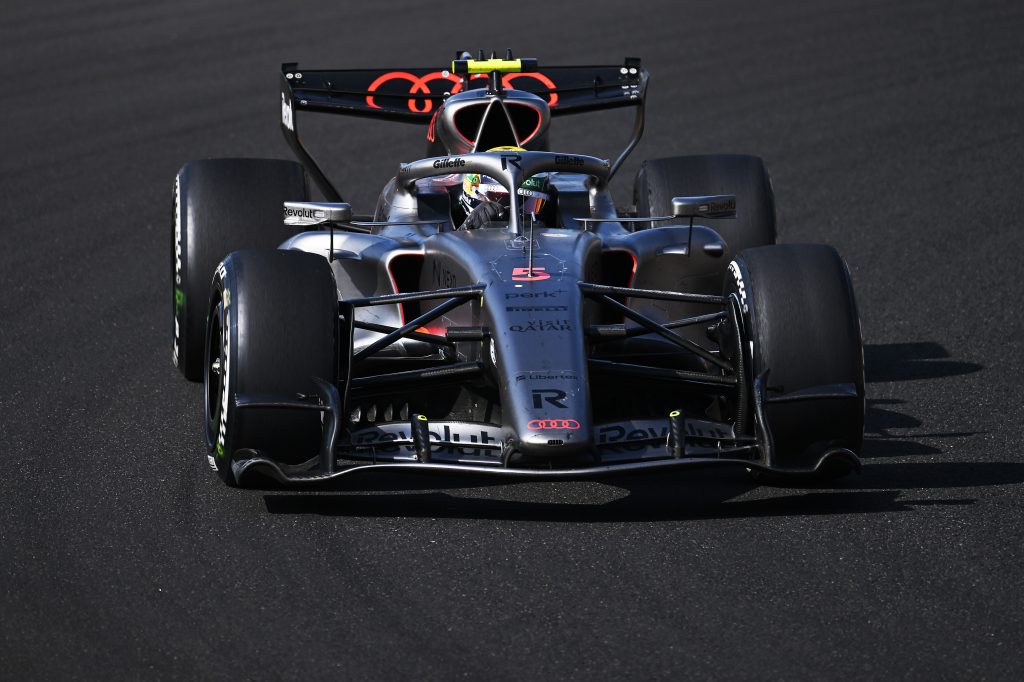
Audi competition director Allan McNish said the incident was even more alarming after reviewing the onboard footage.
McNish admitted that he initially did not realize just how close the two Audi cars had come to each other.
He compared the moment to a scene from “Days of Thunder”, highlighting how little margin Hülkenberg had for error.
From his experience as a former driver, McNish explained that avoiding an accident in such a situation requires a combination of instinct and judgment.
Drivers have to react immediately, but they must also determine how far they can move and which direction offers the safest escape.
Hülkenberg escaped while Bortoleto recovered
Bortoleto’s spin was particularly difficult to handle because the banking of the corner could have sent the car in an unpredictable direction.
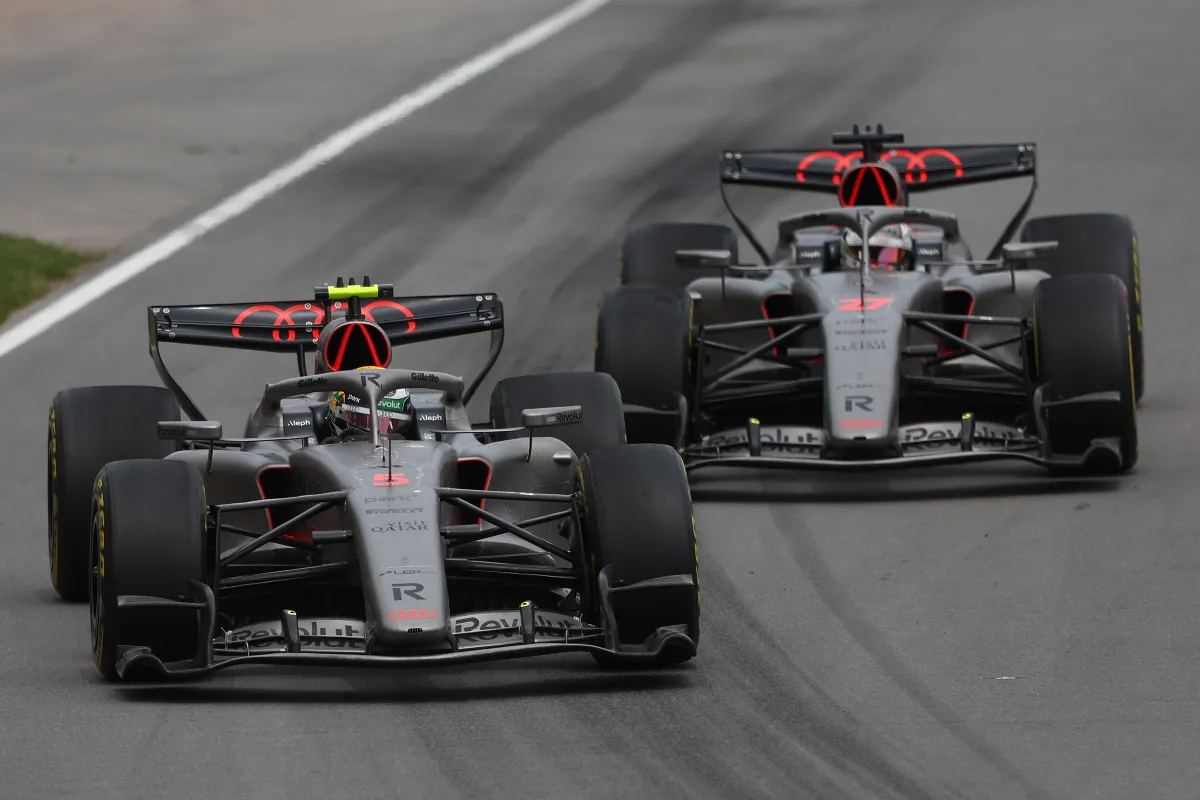
Bortoleto recovered from the spin while Hülkenberg escaped through the narrow gap beside his teammate.
McNish praised Bortoleto for keeping the car away from the wall and preventing an even bigger incident.
He also described Hülkenberg’s avoidance maneuver as an incredible save, saying it was difficult to determine whether instinct, skill, concentration, or a combination of all three made the difference.
The incident ultimately had no major consequences for either Audi driver.
Hülkenberg scored more points for Audi
Hülkenberg went on to finish eighth, scoring four points for Audi.
The result marked the team’s fourth consecutive points-scoring weekend.
Bortoleto had a more difficult afternoon and finished 13th after the opening-lap incident.
For Nico Hülkenberg Audi, the most memorable moment of the weekend was therefore not the final result but the extraordinary escape from what could have been a major teammate collision.
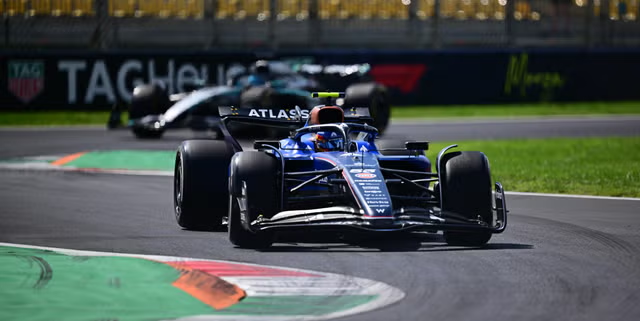
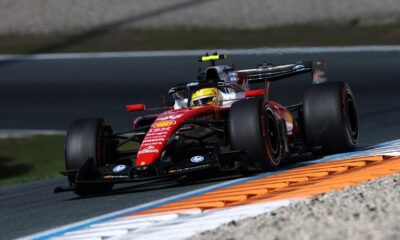
Carlos Sainz believes Williams should use Monza and Madrid to experiment ahead of its major Bakú upgrade after five races without finding answers.
Carlos Sainz believes Williams has reached a point where it needs to change its approach.
The Spaniard endured another difficult weekend at the Dutch Grand Prix, but his main concern is not Zandvoort itself. According to Sainz, Williams’ lack of performance has remained consistent across the last five races.
Williams needs to understand its problems
Sainz said the recent results are not simply the consequence of one particular circuit.
The same performance level has appeared repeatedly, leaving Williams without points in the five races leading into Zandvoort.
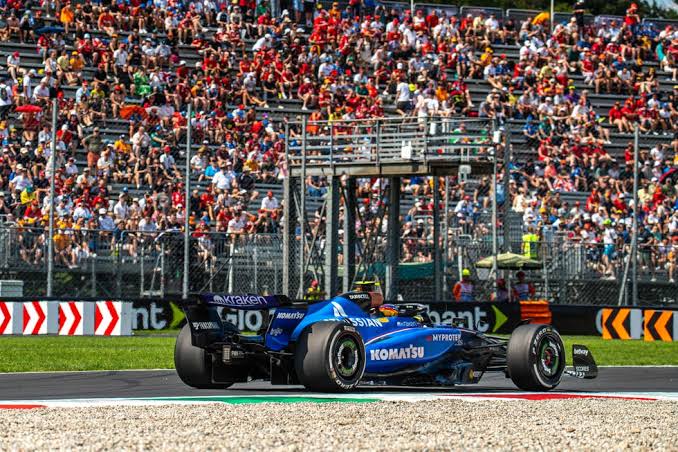
Carlos Sainz believes Williams must use the next two races to better understand its FW48 before the major upgrade arrives.
The Spaniard also experienced a difficult weekend personally, with inconsistent behavior from different components making it harder to find a suitable setup.
That prevented him from properly optimizing the FW48 for the race.
Sainz nevertheless believes the problems themselves could provide valuable information for Williams’ engineers.
Monza and Madrid could become test sessions
Williams is already targeting Bakú as a major turning point.
The team previously indicated that a substantial FW48 update would arrive there, with the goal of addressing several of the car’s behavioral weaknesses.
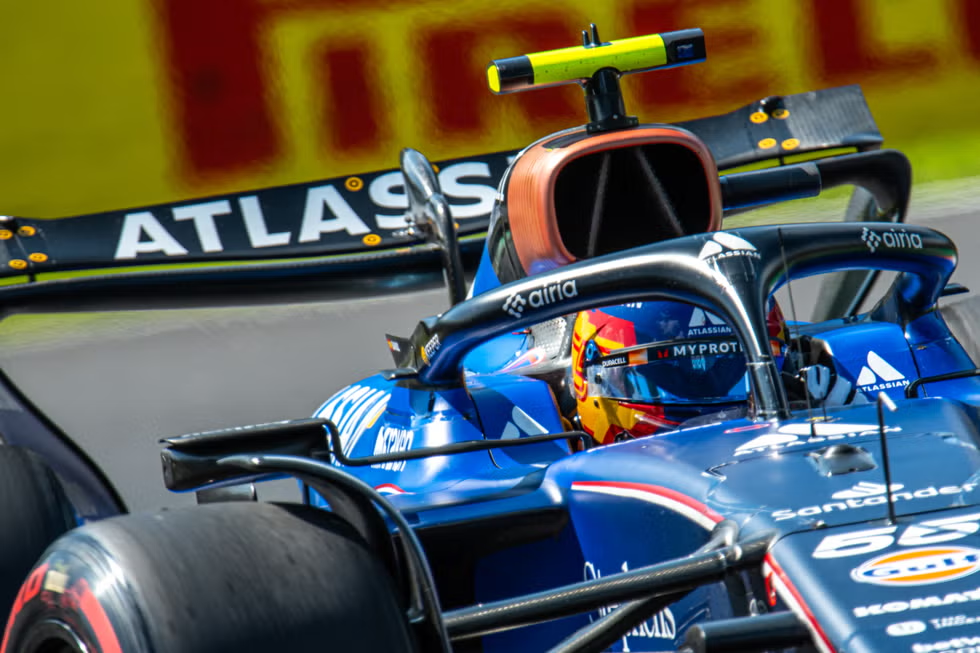
Williams plans a major development for Bakú, making Monza and Madrid important opportunities for further testing.
Before that upgrade arrives, however, Williams has races at Monza and Madrid.
Sainz believes the team should use those events to experiment with solutions that it would not normally consider.
Rather than simply trying to maximize the result at both races, Williams could sacrifice some short-term performance to learn more about the car.
That would give engineers additional information before the major Bakú package is introduced.
Sainz wants Williams to leave its comfort zone
The key objective is to understand why the FW48 has stopped progressing.
Sainz says Williams should try different approaches, even if some experiments fail.
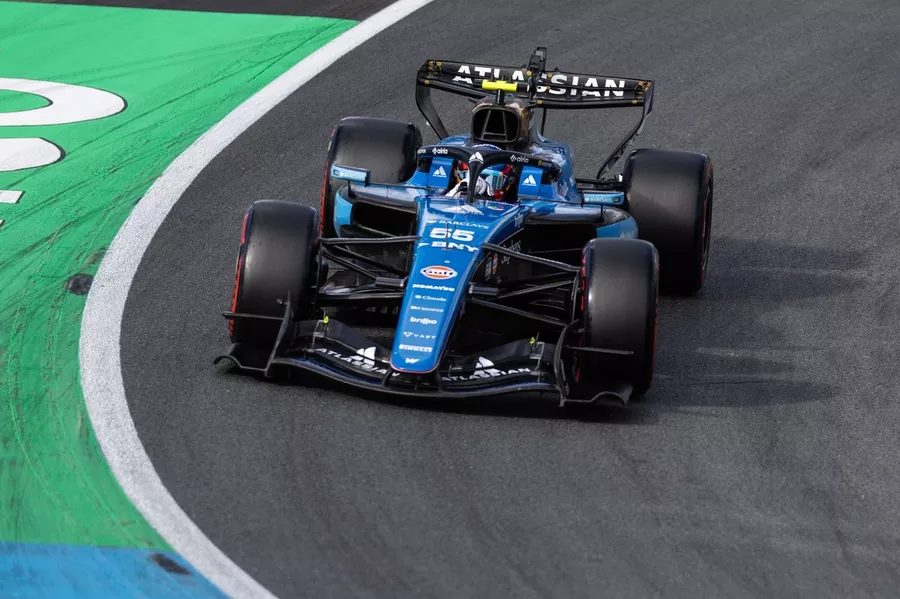
Sainz wants Williams to test outside its normal operating window before introducing the Bakú upgrade.
Those experiments could help the team identify weaknesses that have remained hidden during conventional setup work.
The Spaniard believes that information could make the difference once the major upgrade arrives.
After five consecutive races producing essentially the same picture, Sainz sees little value in simply waiting for the next development package.
The Carlos Sainz Williams partnership therefore enters an important phase. Monza and Madrid could become valuable laboratories for the team, giving Williams a final opportunity to understand the FW48 before the much-anticipated Bakú upgrade arrives.
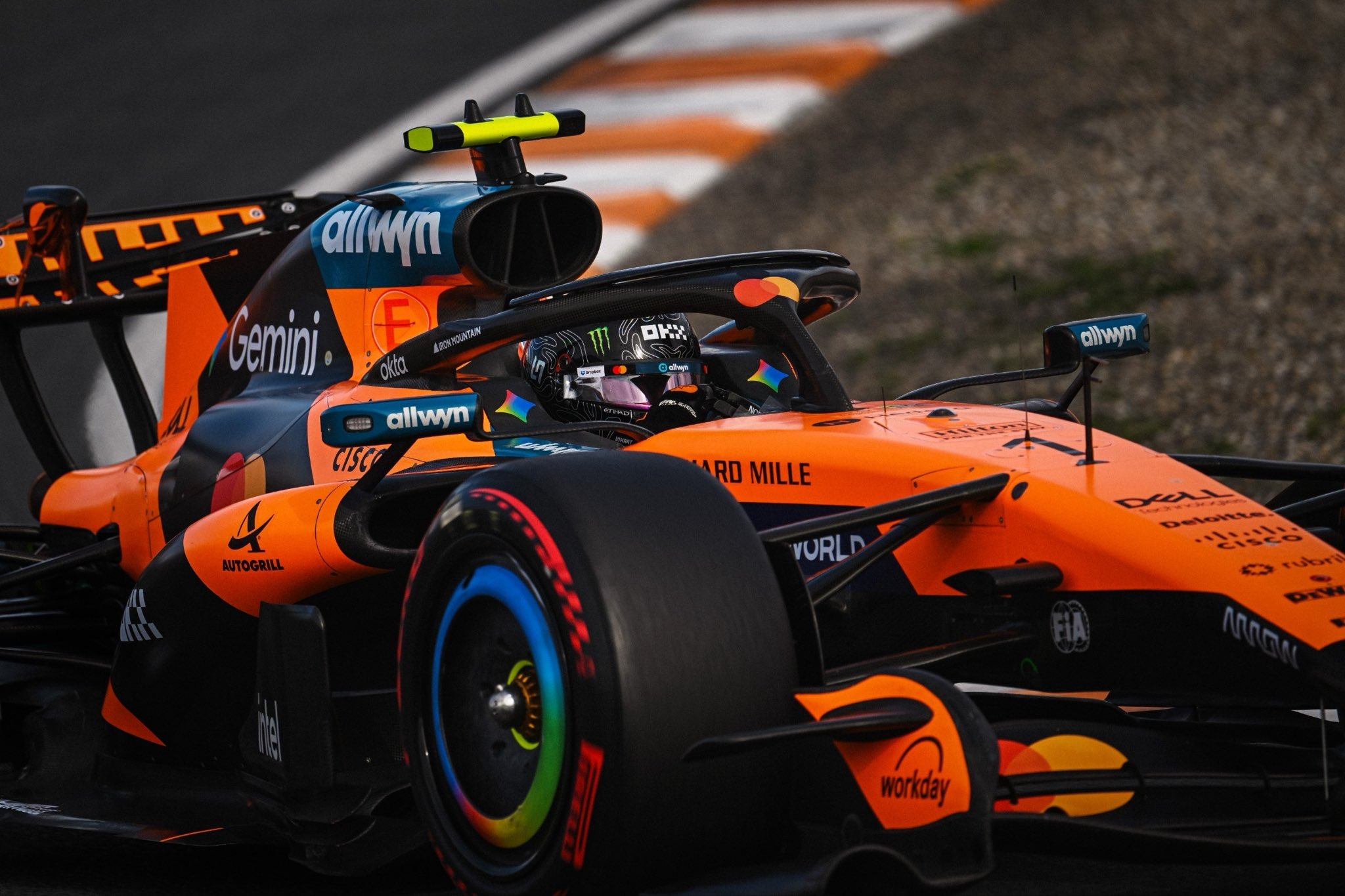
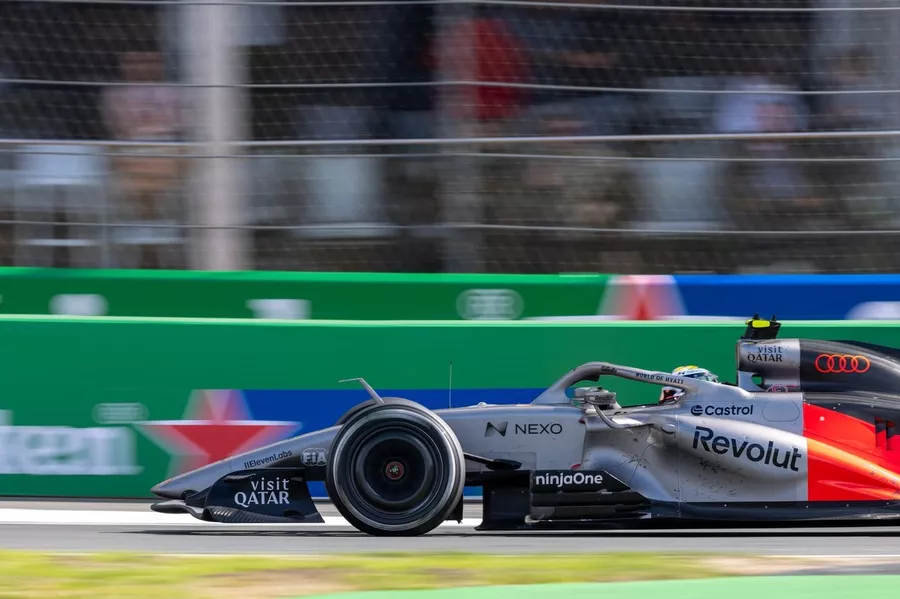
Lando Norris rejected Mercedes’ claim that McLaren has the fastest car, arguing that his recent victories are also the result of extracting more from the MCL40.
Lando Norris has pushed back against Mercedes’ assessment of the Formula 1 pecking order, arguing that McLaren’s recent victories are not simply the result of having the fastest car.
Andrea Kimi Antonelli and George Russell both described McLaren as the team to beat after the Dutch Grand Prix, but Norris believes his own performance has played a major role in allowing the MCL40 to consistently fight at the front.
The reigning world champion has now won the last two Grands Prix in Hungary and Zandvoort, starting both from pole position.
Norris believes his driving is making the difference
Mercedes dominated the opening phase of the 2026 season, winning the first six races from pole. McLaren and Ferrari have since closed the gap with major upgrades.
Antonelli, who finished second at Zandvoort, said Mercedes was clearly behind McLaren. Russell agreed after taking third.
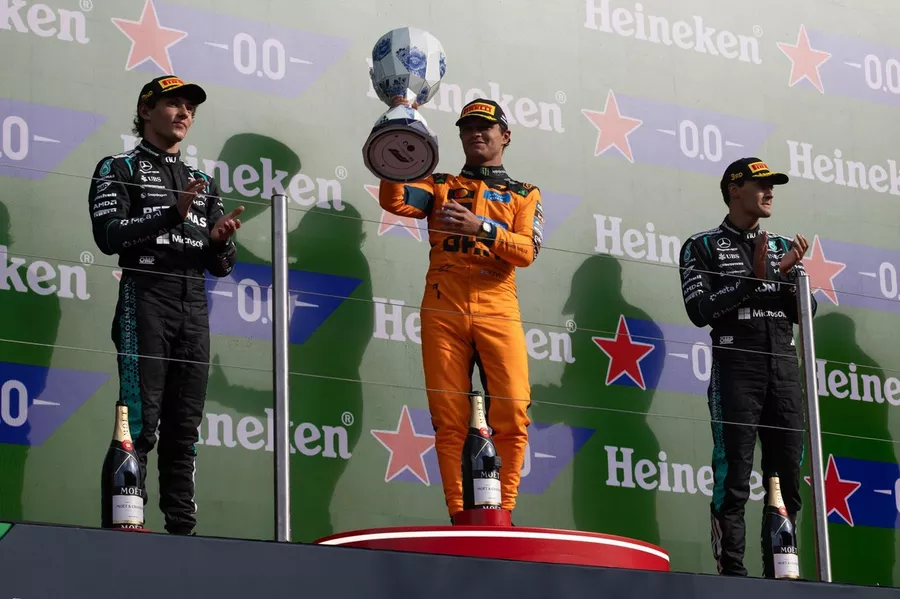
Lando Norris won at Zandvoort after starting from pole and holding off Mercedes during the race.
Norris does not completely agree with that assessment.
The McLaren driver argued that if he had not made the decisive move on Antonelli when he did, he would not have won the Dutch Grand Prix.
He also admitted that he rarely gives himself much credit, making his comments particularly notable.
Norris believes he is currently doing a better job than the rest of the field and that this is helping McLaren appear stronger than it might be on pure car performance.
Mercedes may still have the better all-round car
Norris does not claim that McLaren is definitively the strongest car in every situation.
Instead, he believes Mercedes has a more complete package across different track conditions, while McLaren has a more specific advantage in certain types of corners.
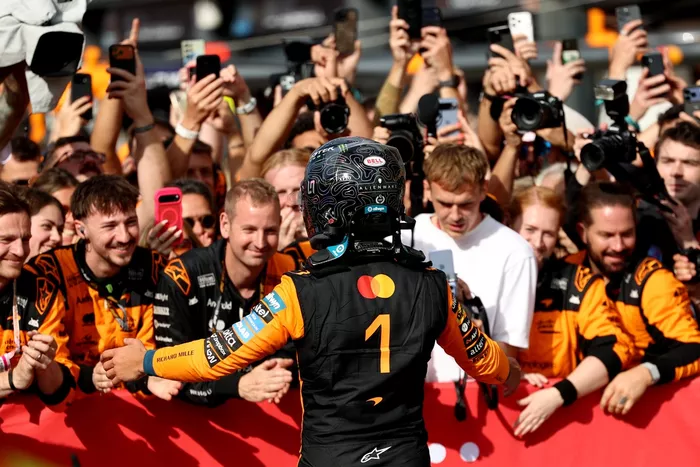
Norris says McLaren is particularly strong through high-speed corners, while Mercedes remains more competitive across a wider range of conditions.
At Zandvoort, Norris highlighted Turns 7 and 8 as areas where McLaren gained significant performance.
That makes circuit characteristics particularly important when comparing the two teams.
According to Norris, McLaren may not be the strongest everywhere, but his ability to maximize the car can close that difference.
Qualifying performances reinforce Norris’ argument
The comparison with Oscar Piastri is another reason Norris believes his own driving is contributing significantly to McLaren’s recent success.
Piastri finished sixth at Zandvoort and sits seventh in the championship, while Norris is fourth.
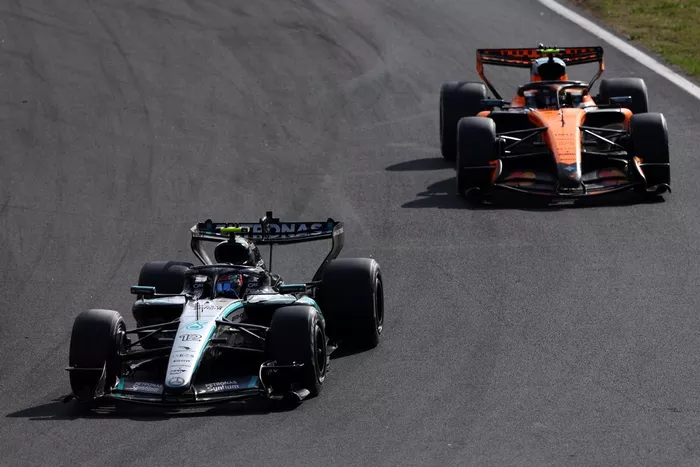
Lando Norris has built a significant qualifying advantage over McLaren teammate Oscar Piastri in 2026.
Norris currently leads Piastri 13-4 in qualifying, including Sprint qualifying sessions.
That gap has become an important reference point for Norris because it suggests that the MCL40’s performance is not the only factor determining McLaren’s results.
He also pointed to Saturday’s Sprint as evidence. Russell dominated from pole, while Norris had to fight to hold off Antonelli for third.
Instead of making major changes to the car overnight, Norris said he focused heavily on improving his driving.
Norris says he turned the weekend around himself
The McLaren driver believes his work between the Sprint and the Grand Prix was critical.
He said he worked extensively on his driving and regained confidence after a less successful Sprint result.
That confidence allowed him to maximize the car when it mattered most and ultimately convert pole position into victory.
For Lando Norris McLaren, the message is clear: the MCL40 is extremely competitive, but Norris believes his ability to extract the final performance is a major reason the team has won the last two races.
-

 NOW TRENDING2 months ago
Polestar to Exit U.S. Market After 2026 Due to Connected Vehicle Rules
-

 NOW TRENDING2 months ago
Tesla Model Y L Arrives in the U.S. With More Space and Three Rows
-

 RACING2 months ago
McLaren F1 Unveils Special Silverstone Livery Honoring Its History
-
 INTELLIGENT MOBILITY2 months ago
Audi A4 E-tron and Q7 E-tron Confirmed as New Electric Models
-
 TEST DRIVES2 months ago
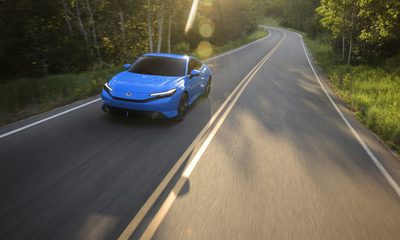
A Week Driving Honda’s New Hybrid Coupe
-

 TEST DRIVES2 months ago
Ford Recalls More Than 741,000 Trucks and SUVs Over Rollaway Risk
-

 NOW TRENDING2 months ago
Toyota Reports Strong June and Q2 2026 U.S. Sales Growth
-

 INTELLIGENT MOBILITY2 months ago
GM Expands Super Cruise With Exclusive Hands-Free Towing Technology
You must be logged in to post a comment Login