
RACING
Jenson Button Explains George Russell’s Mercedes Struggles in 2026

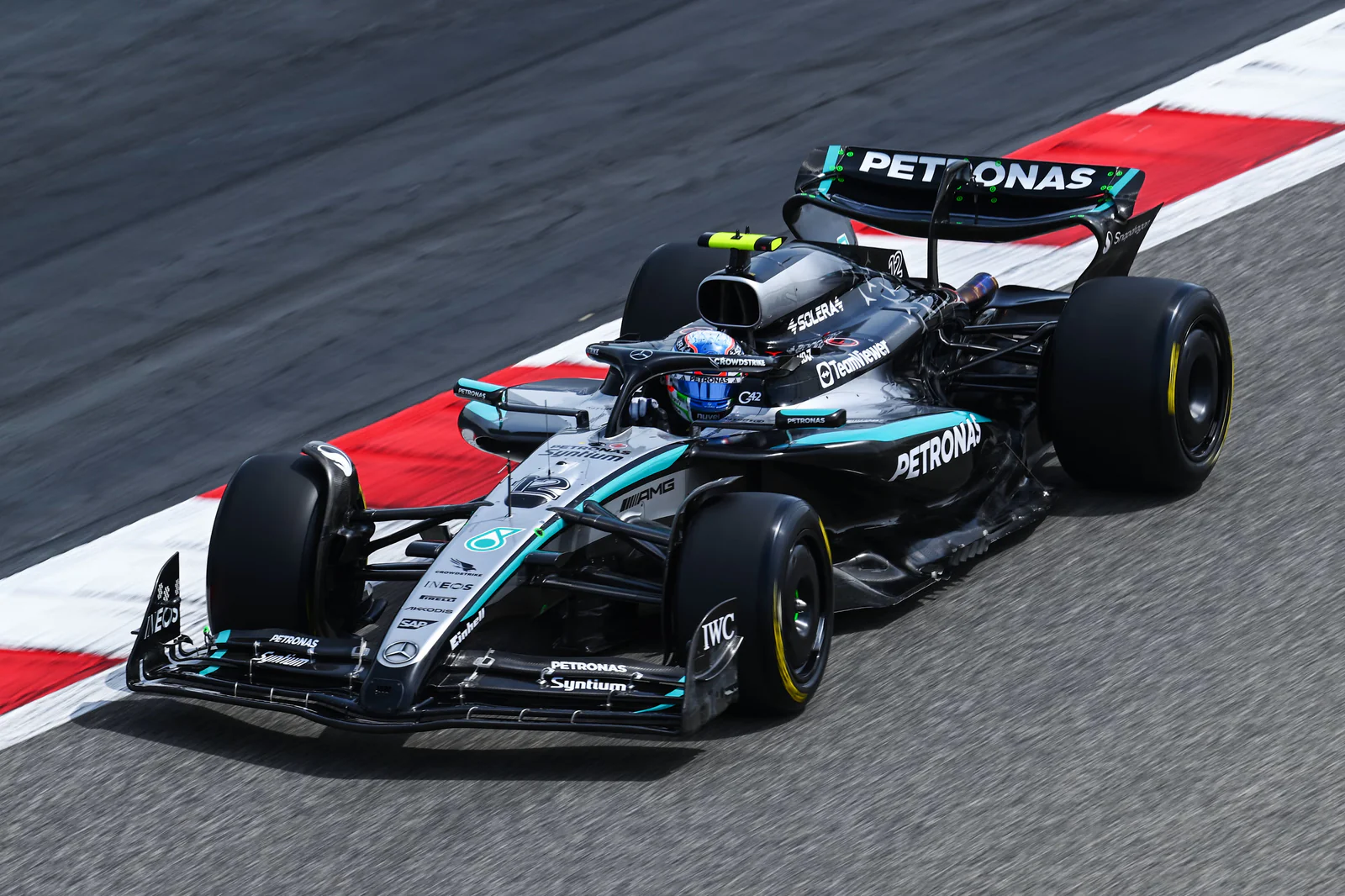
Jenson Button believes George Russell’s inconsistent 2026 Formula 1 season is linked to the Mercedes W17 rather than the driver, while praising Kimi Antonelli’s remarkable pace and consistency.
Jenson Button believes George Russell’s Mercedes 2026 difficulties have little to do with the British driver’s talent and far more with the characteristics of the Mercedes W17. While rookie sensation Kimi Antonelli continues to impress with his speed and consistency, Button argues that the current car naturally suits the young Italian’s driving style, leaving Russell under increasing pressure in the Formula 1 title fight.
The 2009 Formula 1 World Champion also believes Antonelli’s confidence and fearless approach have made him one of the standout performers of the 2026 season.
Button believes the Mercedes W17 favors Antonelli
According to Button, Russell spent previous seasons driving a Mercedes that wasn’t fast enough to fight for championships but perfectly matched his driving style.
That situation has changed dramatically in 2026.
The Mercedes W17 has become a genuine title contender, yet its handling characteristics appear to suit Antonelli much better than Russell.
Button believes the issue is not a lack of pace from Russell but rather that the car rewards a different driving approach.
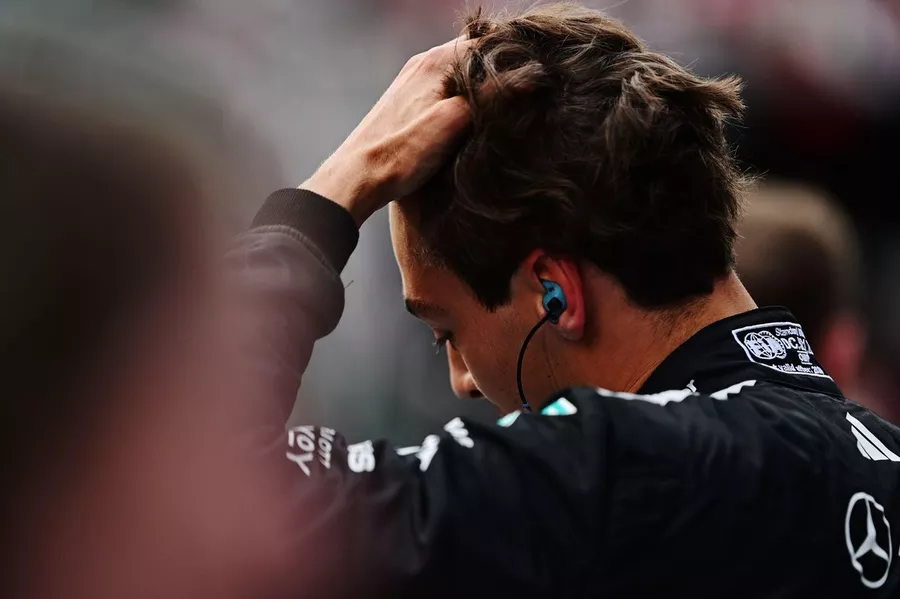
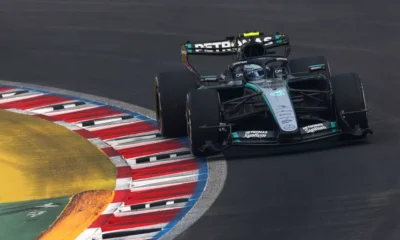
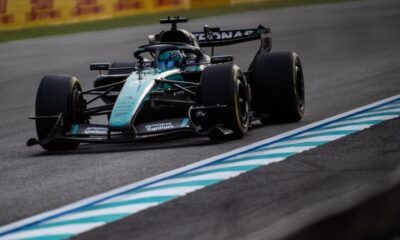
George Russell has struggled to extract maximum performance from the Mercedes W17 during the 2026 Formula 1 season.
Kimi Antonelli’s consistency has impressed Button
Button highlighted Antonelli’s remarkable ability to deliver competitive pace every race weekend.
Although the Italian has made occasional mistakes during his second Formula 1 season, Button believes one characteristic has remained constant: raw speed.
He also pointed to Russell’s comments about rear tire degradation, suggesting Antonelli may be managing the Mercedes differently through fast corners.
Drawing comparisons with Fernando Alonso’s Renault driving style during the mid-2000s, Button suggested Antonelli could be rotating the car more aggressively to preserve the rear tires over long stints.
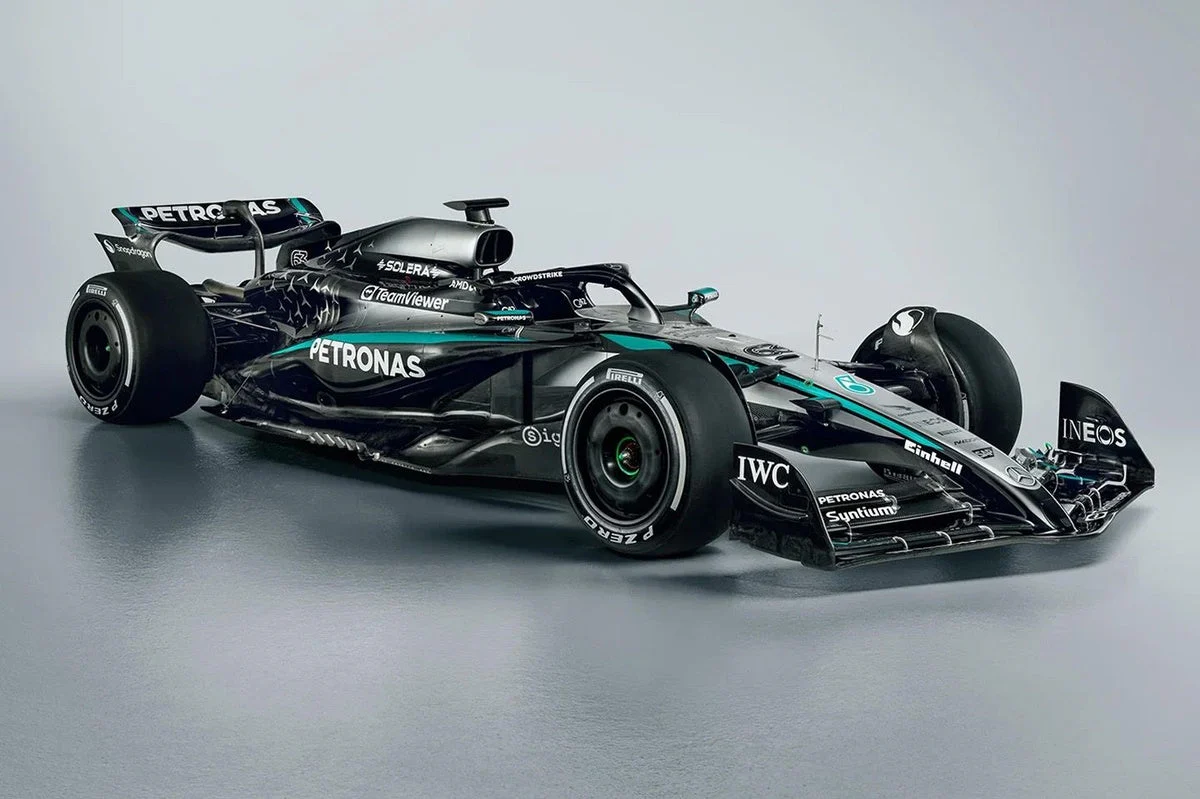
Kimi Antonelli continues to impress with his speed and consistency in the 2026 Formula 1 championship.
The championship battle is increasing the pressure on Russell
Button also believes the psychological aspect of the championship is becoming increasingly important.
Russell started the season strongly, but Antonelli’s series of victories has shifted momentum inside Mercedes.
The former world champion believes Antonelli’s youth allows him to race without the burden of championship expectations.
At just 19 years old, the Italian approaches every race with confidence and freedom, something Button says naturally changes once a driver realizes a world title is genuinely within reach.
Button expects that pressure will eventually affect Antonelli as the championship progresses. However, for now, he believes George Russell’s Mercedes 2026 struggles are primarily the result of a car better suited to his teammate’s driving style rather than any decline in Russell’s performance. As the Formula 1 season enters its decisive phase, Mercedes will need both drivers performing at their best if it hopes to secure both championships.






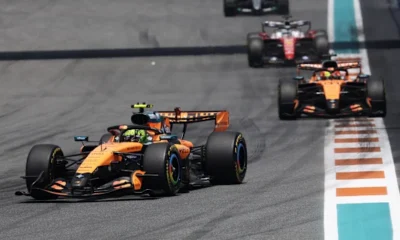


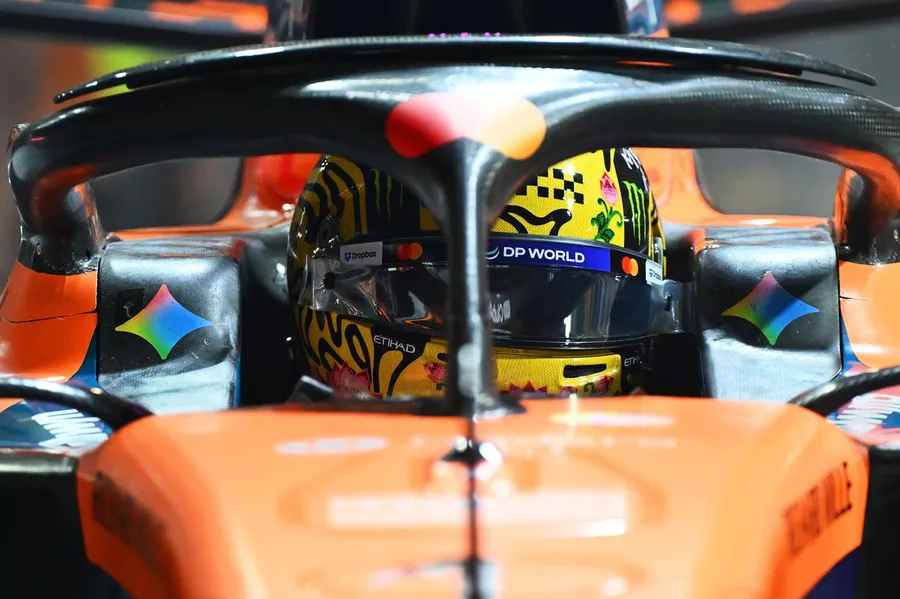
Lando Norris says he has “no excuse” for qualifying fifth in the Singapore Grand Prix sprint, after McLaren teammate Oscar Piastri beat him by 0.133 seconds in the final session.
Lando Norris has taken responsibility for his disappointing result in 2026 Singapore Grand Prix sprint qualifying. The reigning Formula 1 world champion finished fifth in SQ3, while Oscar Piastri secured fourth place in the other McLaren MCL40.
Norris had been faster than Piastri in SQ2, building a 0.534-second advantage. However, the Australian turned the tables in the decisive session, leaving Norris to admit that his final lap was not good enough.
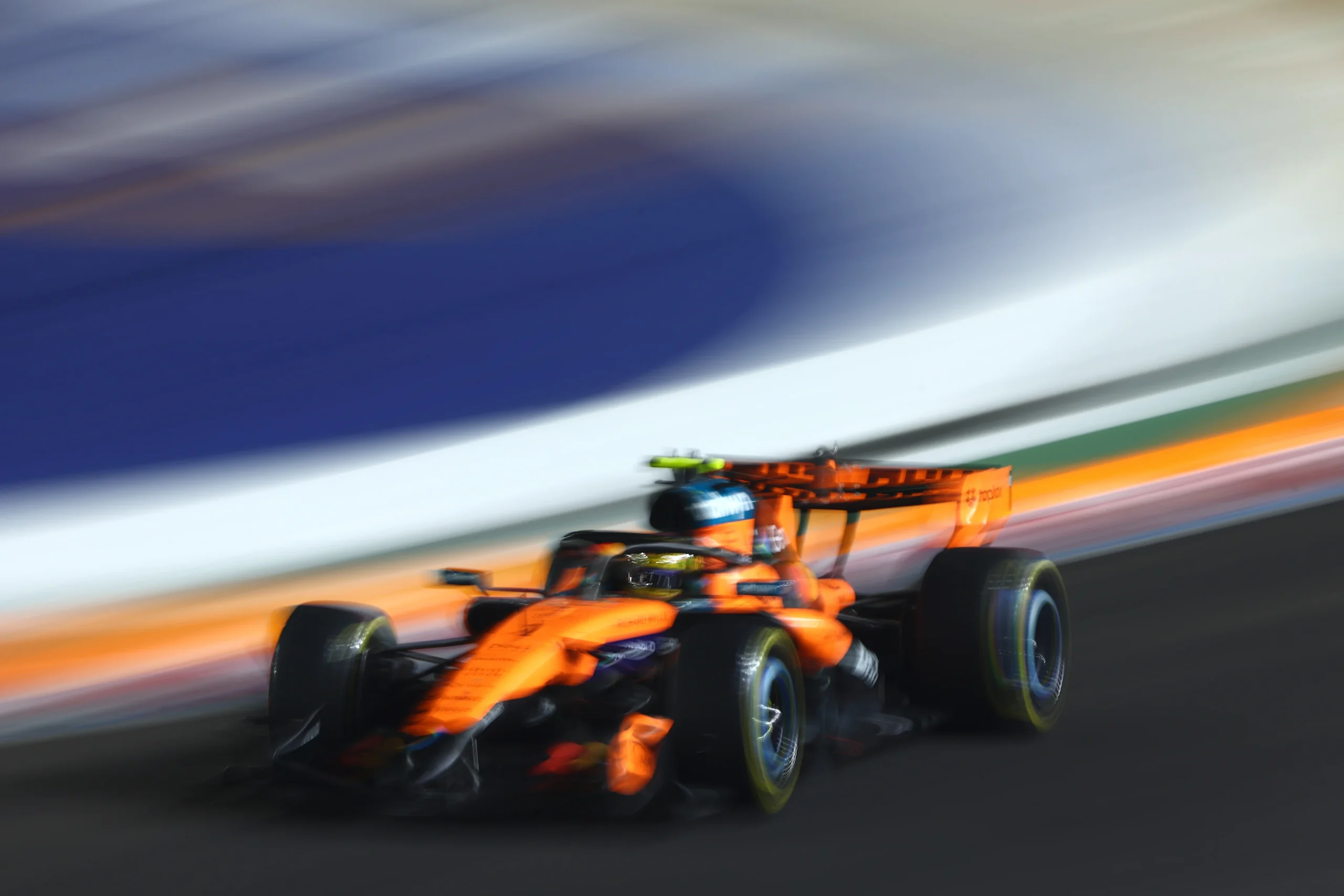
Norris finished fifth in sprint qualifying after losing ground to Piastri in SQ3.
Norris Takes Responsibility for His Qualifying Result
Norris did not blame the car or external circumstances for the gap to his teammate. Instead, he admitted that he failed to deliver a strong lap when it mattered most.
“I just don’t think I did a very good lap. That’s all, no excuse,” Norris said.
The Briton had shown encouraging pace earlier in the session. He finished seventh in SQ1, just 0.020 seconds ahead of Piastri, before moving up to third in SQ2.
But that pace did not carry over into SQ3. Piastri ultimately beat him by 0.133 seconds, securing fourth place on the sprint grid.
Norris acknowledged that McLaren appeared to be working better as a team, despite his individual mistake.
“Many things seem to be going well. We seem more together as a team. I simply didn’t do a good job,” he explained.
McLaren Addresses Its Fuel Injection Problems
McLaren arrived in Singapore after struggling with fuel injection problems in Baku and Malaysia. The issue reduced the MCL40’s speed on the straights, prompting the team to introduce a solution for the Marina Bay weekend.
Norris was cautiously positive about the fix, although he said the team was still analyzing its effectiveness.
“I think so, from what I’ve seen so far. To be honest, I don’t know everything yet. The guys are still investigating it, and it’s been a busy day,” he said.
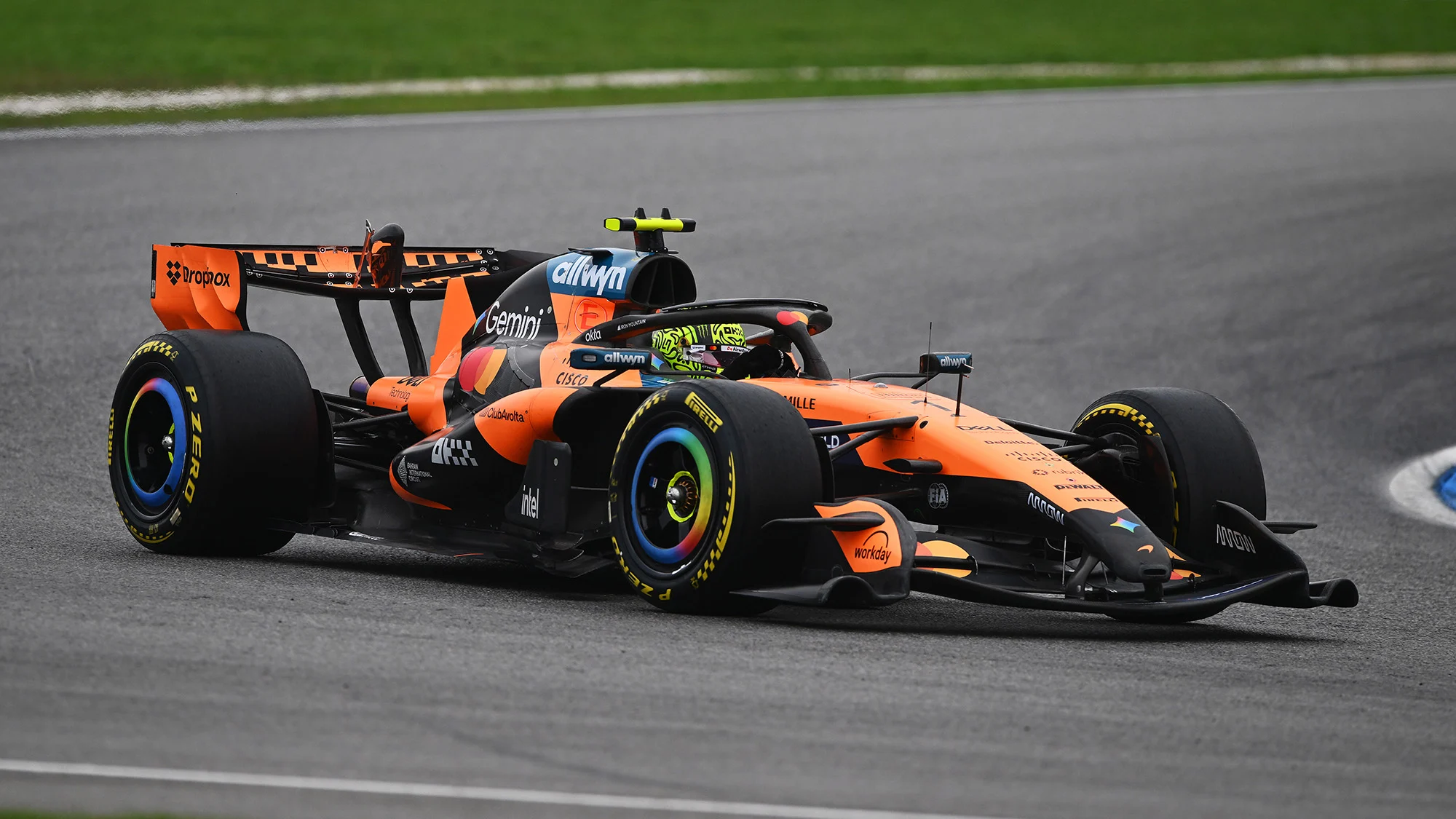
McLaren introduced a solution after fuel injection issues affected straight-line speed in previous races.
The improvement could help McLaren address one of its recent weaknesses. However, Norris’ qualifying result suggests that the team still needs to maximize its overall performance across every session.
Piastri Beats Norris for the Third Time in Five Sessions
Piastri’s fourth-place finish marked another strong qualifying performance against his teammate. The Australian has now beaten Norris in three of the last five qualifying sessions, including the difficult weekend in Baku.
That run follows an earlier stretch in which Norris outqualified Piastri eight consecutive times between Barcelona and Zandvoort.
Piastri was satisfied with his performance and believed fourth place was close to McLaren’s potential in Singapore.
“I’m pretty happy. I think that was more or less what we could do,” he said.
The Australian also highlighted the importance of tire choice. He struggled to find the right feeling on the medium compound but felt more comfortable once McLaren switched to soft tires.
Soft Tires Help Piastri Find More Pace
Piastri said the soft tires gave him more grip and improved the car’s response, particularly through the first sector of the Singapore circuit.
He had experienced some difficulties in that section earlier in the session, but the balance improved with the softer compound.
The Australian nevertheless stressed that extracting maximum performance from the MCL40 remained challenging. He described the overall feel of the car as familiar, with additional grip helping him improve his lap time.
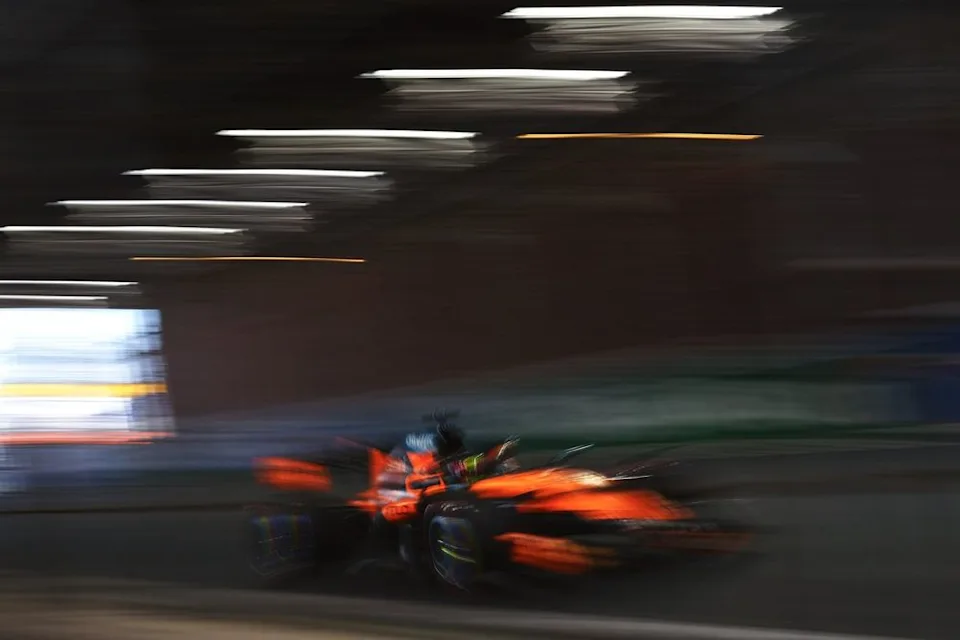
Piastri found more confidence on soft tires and secured fourth place for the sprint.
Norris Needs a Strong Response in the Sprint
The Singapore sprint offers Norris an immediate opportunity to recover positions. His pace in SQ2 suggests that the McLaren has competitive potential, but he will need a cleaner execution to challenge the drivers ahead.
Piastri, meanwhile, will aim to build on his fourth-place qualifying result and maintain his recent advantage in the internal McLaren battle.
The team also has reason to monitor the fuel injection solution as the weekend continues. For Norris, however, the immediate priority is clear: deliver a stronger lap when the next opportunity arrives.
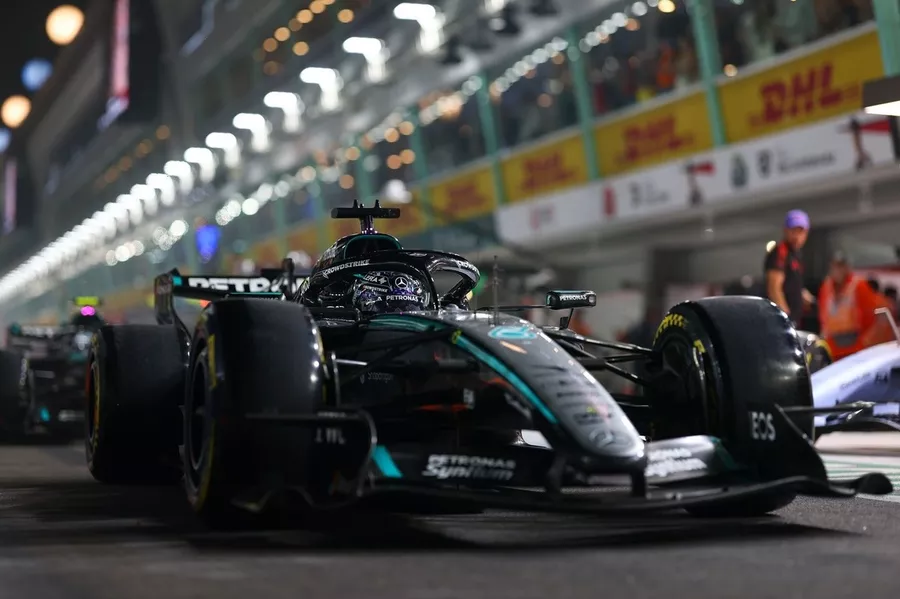
George Russell will start second in the Singapore Grand Prix sprint after beating teammate Kimi Antonelli, saying the older Mercedes W17 specification is “not bad” amid doubts over the latest upgrade.
George Russell has strengthened Mercedes’ case for its previous W17 specification after qualifying second for the 2026 Singapore Grand Prix sprint. The Briton was beaten only by Max Verstappen’s Red Bull, while teammate Andrea Kimi Antonelli could manage seventh with the latest upgrade package.
Russell’s result adds another twist to Mercedes’ ongoing comparison of the two configurations. The team has not yet established whether the new aerodynamic package delivers a clear performance gain.
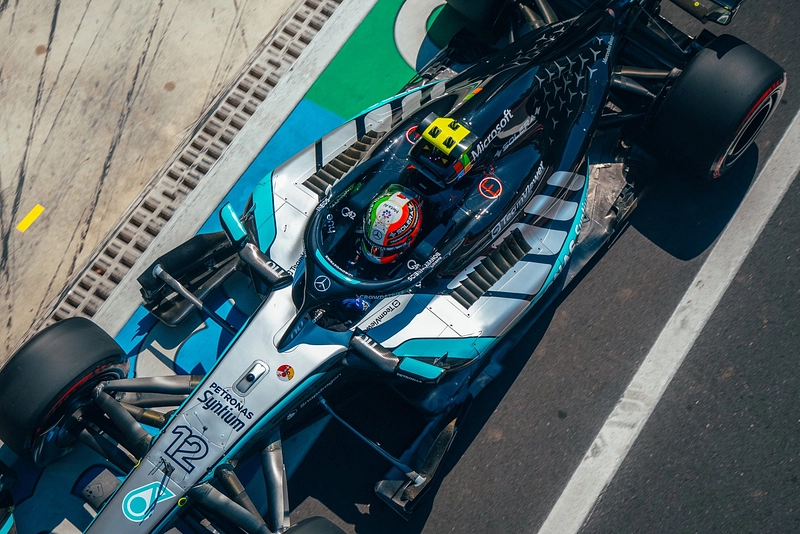
Russell qualified second for the Singapore sprint while running the older W17 specification.
Russell Says Mercedes Has Been Competitive All Weekend
Russell said Mercedes had looked competitive since the opening practice session at Marina Bay.
“We’ve seemed competitive all day, to be honest, from the first laps of FP1,” he explained, noting that the team had topped the timesheets earlier in the weekend.
However, Verstappen proved difficult to beat in sprint qualifying. The Red Bull driver secured pole after choosing a different approach in SQ3, completing one fast lap rather than the two attempts made by Russell and Antonelli.
Russell admitted that it was difficult to know which strategy had been better, but he was satisfied with second place.
“The Old Specification Is Not Bad”
The main talking point at Mercedes remains the comparison between the two W17 configurations.
Russell returned to the older package for the Singapore sprint qualifying session. Antonelli, meanwhile, continued with the latest upgrade, giving the team an opportunity to compare their performance on the same circuit.
“Without a doubt, we can confirm that the old specification is not bad,” Russell said.
He added that Mercedes still had no conclusive evidence that the upgrade was not working. Ultimately, the stopwatch would determine whether the new package represented an improvement.
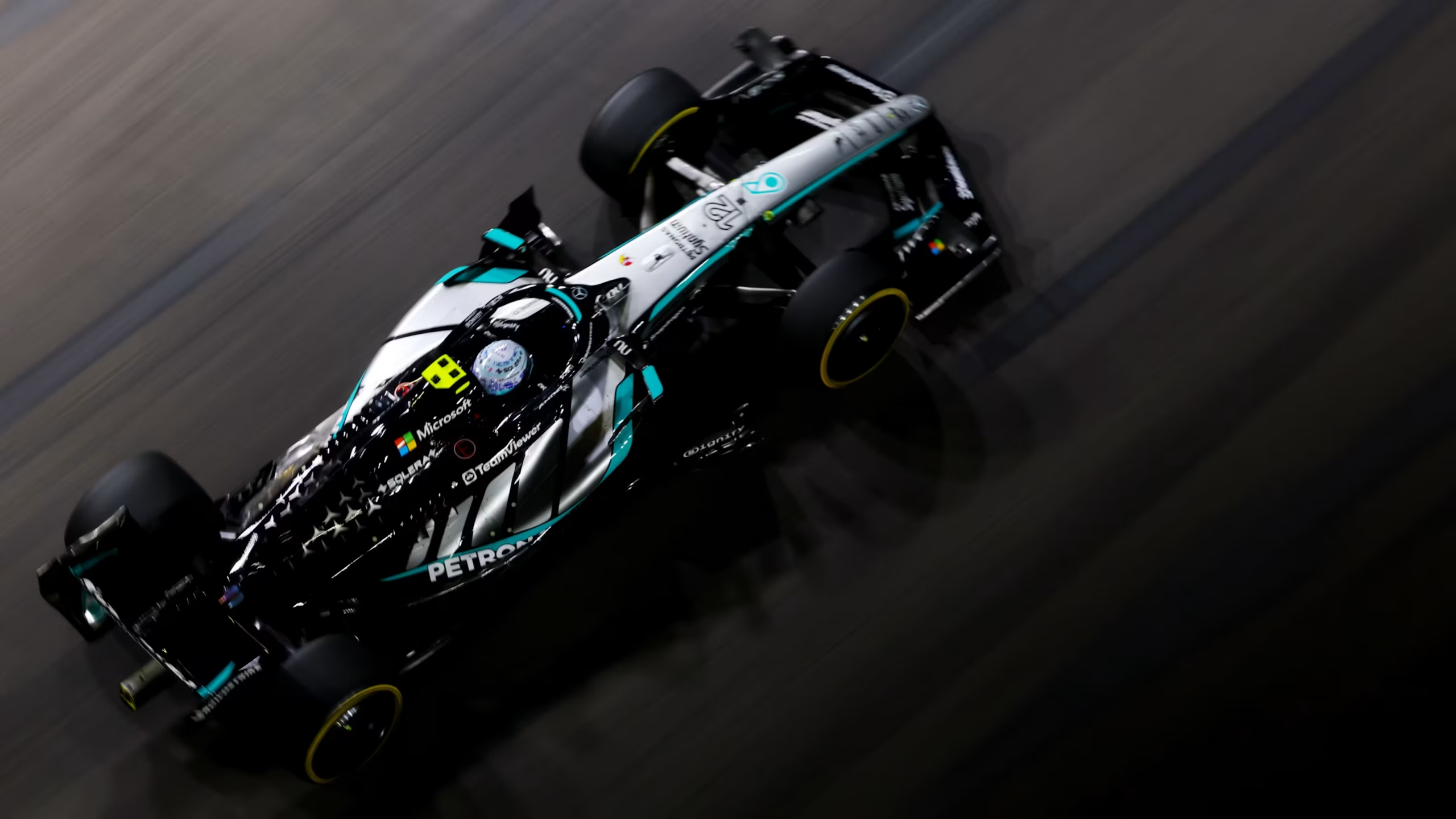
Antonelli is running the latest upgrade package as Mercedes compares the two specifications.
Russell also avoided drawing firm conclusions from a single qualifying session. He acknowledged that performance could change as the weekend progressed.
“Maybe tomorrow will be a different day,” he said.
Mercedes Still Needs Answers on Its Latest Upgrade
The contrasting results have given Mercedes useful information, but the team must interpret them carefully. Different car specifications can behave differently as track conditions and setup choices change.
The older package’s competitiveness is encouraging for Russell. However, it does not automatically prove that the new upgrade has failed.
Mercedes wants to understand whether the latest components offer greater performance potential and, if so, how to make that speed more accessible to the drivers.
The comparison with Antonelli’s car should help engineers identify where the two configurations differ in balance, consistency and overall pace.
Russell Expects a Difficult Singapore Sprint
Russell expects the sprint race to present a significant challenge because of the Marina Bay circuit’s unusual grip conditions.
He highlighted the variation in traction from one side of the track to the other, which can make the start particularly difficult. Russell also pointed to the advantage enjoyed by pole-sitters at the previous year’s event.
Starting second, he knows that getting away cleanly will be important if he wants to challenge Verstappen.
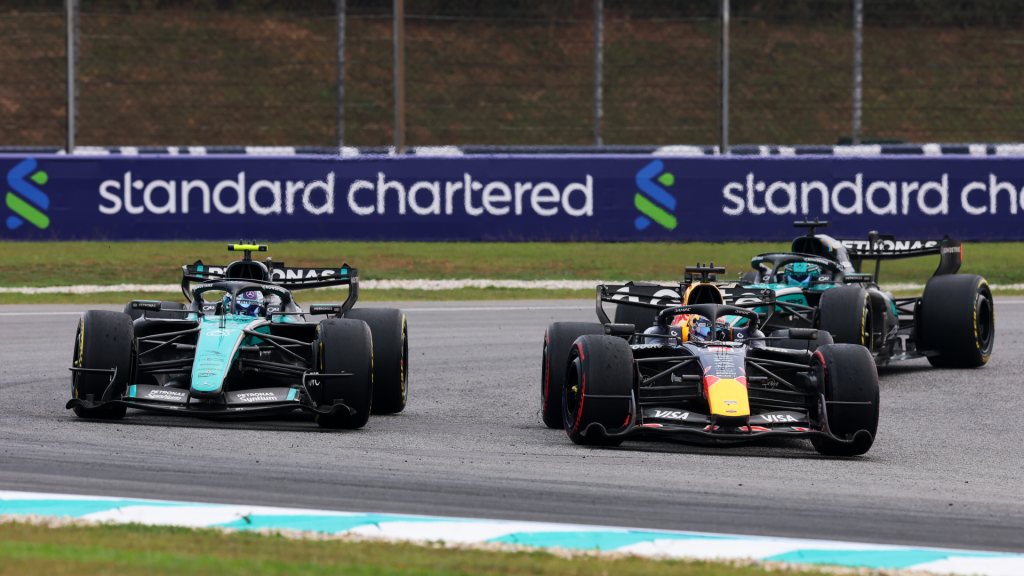
Russell faces a difficult start from the front row as he prepares to challenge Verstappen.
For Mercedes, the sprint will provide another opportunity to assess the W17’s performance under race conditions. The team must also balance its immediate result with the need to gather useful data about the latest upgrade.
The W17 Upgrade Debate Remains Open
Russell’s second place has shown that Mercedes’ older configuration remains competitive at Singapore. However, the team still needs more evidence before deciding whether the latest package delivers the expected gains.
Antonelli’s performance with the updated car will remain an important reference point as Mercedes evaluates its options.
For now, Russell has reason to be encouraged. His result keeps him near the front of the field and reinforces the message that the previous W17 specification should not be dismissed while the upgrade debate continues.
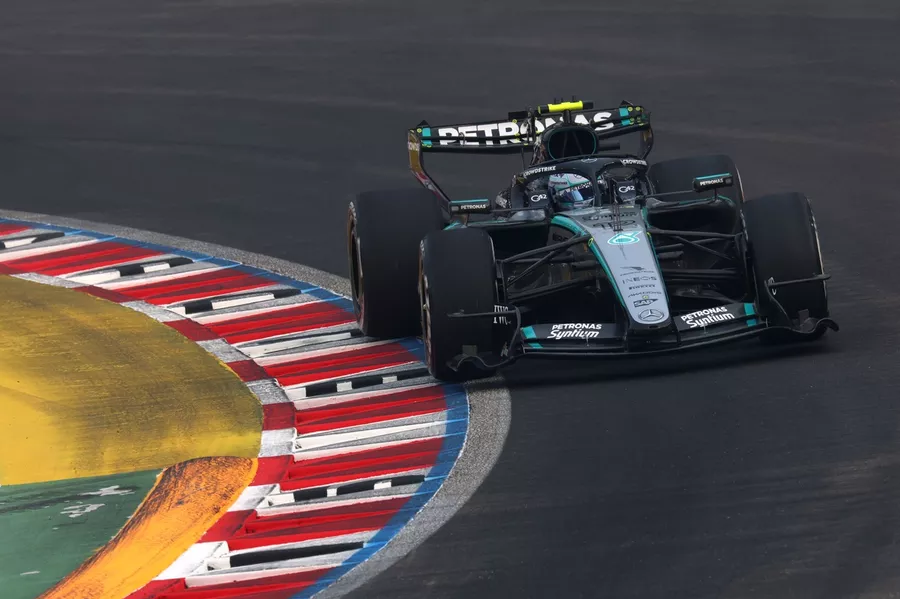
Mercedes says its latest W17 upgrades are not a failure, but the new package has made the car less stable and harder to drive ahead of the Singapore Grand Prix.
Mercedes is facing new questions about its W17 Formula 1 upgrades after struggling across two consecutive race weekends. The team believes the latest package offers greater performance potential, but drivers are finding it harder to extract that speed consistently.
George Russell returned to an earlier specification for sprint qualifying in Singapore. Meanwhile, Andrea Kimi Antonelli remained on the newer configuration and qualified seventh, around half a second behind his teammate.
The comparison has given Mercedes useful data. However, it has also exposed a key weakness: the updated car appears to have a narrower operating window and a less predictable balance.
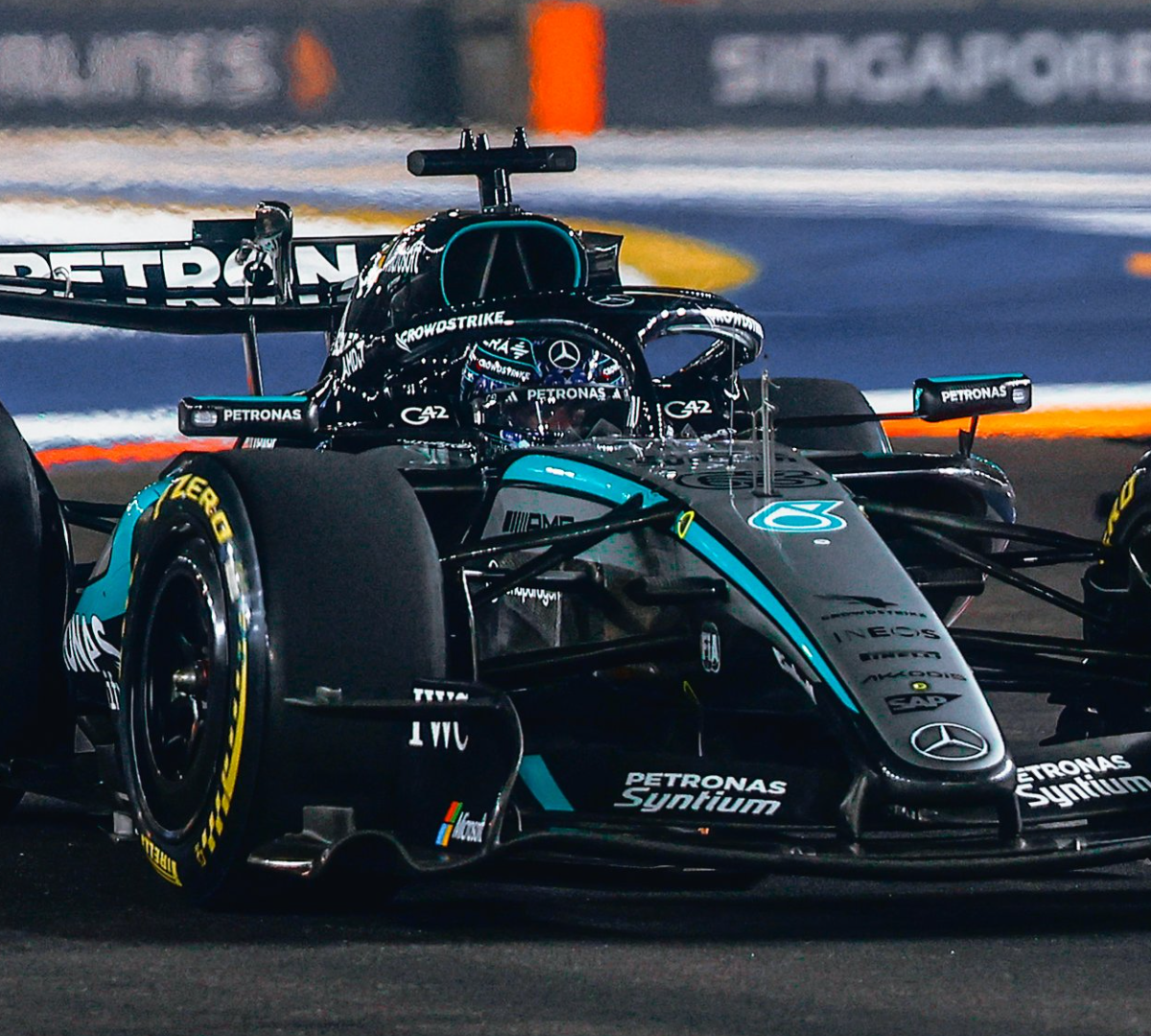
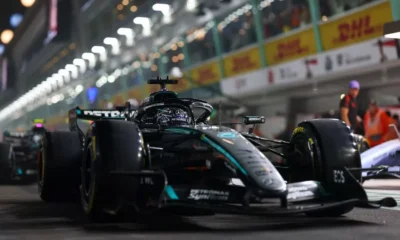
Mercedes is comparing different W17 configurations to understand the impact of its latest upgrades.
Why the Mercedes W17 Is Harder to Drive
Mercedes introduced its latest major upgrade package at the Malaysian Grand Prix weekend. The team then struggled to match Max Verstappen’s pace, while Russell suffered a late engine failure.
The results raised doubts about the new aerodynamic package. However, Mercedes believes the situation is more complicated than a simple failed upgrade.
Russell had a grid penalty for Sunday’s main race in Singapore, giving the team a reason to experiment with an older specification. Running different configurations also allowed Mercedes to compare the cars directly, something it could not do during the previous weekend.
The early evidence suggests the new package could offer a higher performance ceiling. The problem is that drivers may find it more difficult to reach that potential.
Mercedes Admits the Updated Car Is Less Stable
Mercedes deputy team principal Bradley Lord explained that the latest package has changed the car’s handling characteristics.
“Kimi said that seventh was all he could get today,” Lord explained.
He added that the new specification produces a less consistent balance and makes slow corners more difficult. Understeer forces drivers to carry more speed into corners, while the car can feel nervous on entry to faster turns.
These characteristics reduce driver confidence. In Formula 1, even a potentially faster aerodynamic concept can lose its advantage if drivers cannot push consistently through a lap.
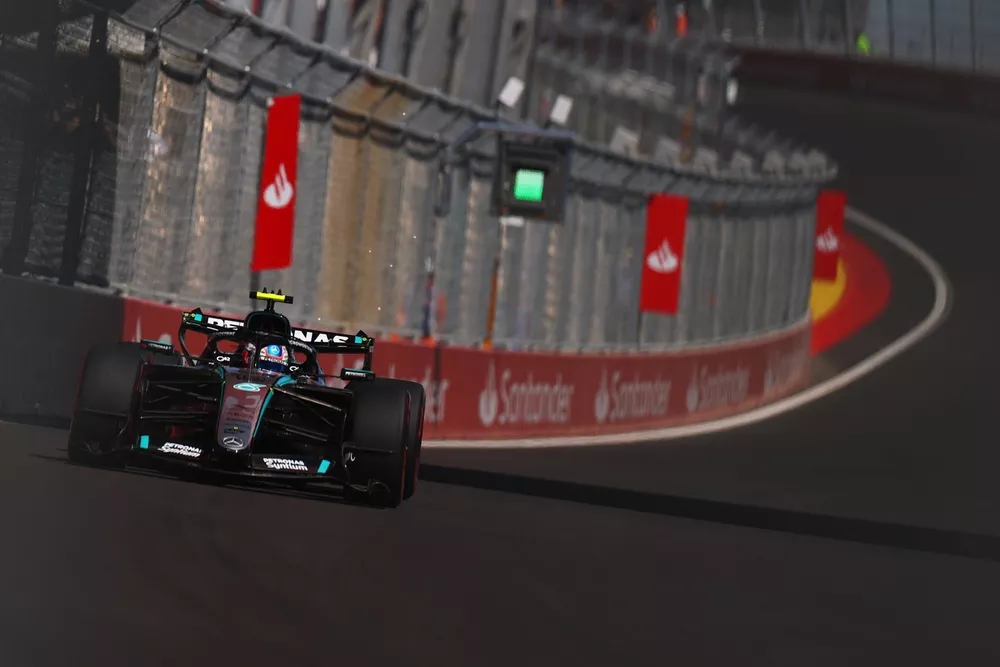
Antonelli’s seventh-place sprint qualifying result highlighted the handling challenges facing Mercedes.
Why Mercedes Cannot Fully Reverse the Upgrade
Mercedes has made some adjustments to Antonelli’s car, including switching to an older front wing. However, the team cannot simply restore the entire previous specification.
The updated package uses a different aerodynamic concept around the sidepods and associated bodywork. Returning to the old configuration would require substantial work rather than a straightforward component swap.
Bradley Lord confirmed that the team could not revert fully during the Singapore weekend. He said the conversion would require around two days of work, and the available time between sessions was insufficient.
Parc fermé regulations also restrict major changes once the relevant qualifying period begins. Although the rules allow a limited window between the sprint and main-race qualifying, Mercedes does not have enough time to rebuild the car around the earlier concept.
Mercedes Must Find a More Consistent Setup
The immediate priority is to improve the W17’s balance with the components already installed. Mercedes wants to give Antonelli a more stable platform while helping both drivers extract more performance from the updated package.
The experiment in Singapore is therefore about gathering information as much as chasing an immediate result. Comparing Russell’s older configuration with Antonelli’s newer setup should help the engineers understand where the gains and weaknesses lie.
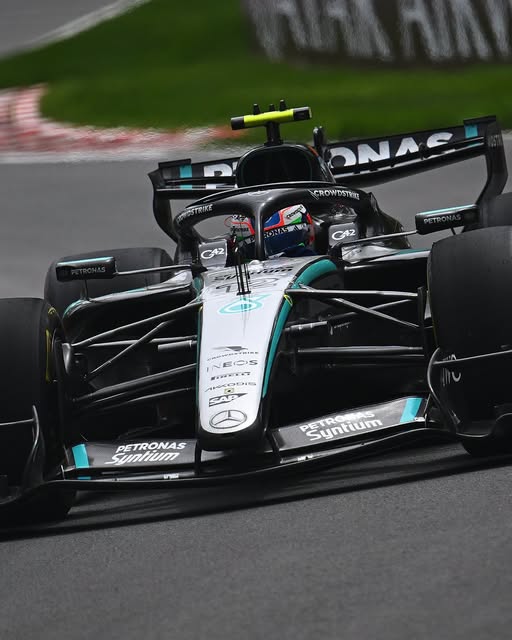
Mercedes is using the Singapore weekend to study how different W17 configurations affect performance.
What the W17 Upgrade Means for Mercedes
Mercedes has not abandoned its latest development direction. Instead, the team is trying to determine how to make the new package more predictable without sacrificing its potential performance gains.
The key question is whether engineers can improve the balance enough for Russell and Antonelli to exploit the updated aerodynamics consistently.
For now, the W17 appears to have become more demanding to drive. Mercedes must turn the data collected in Singapore into a more stable setup if it wants the upgrade to deliver the results the team expected.
-

 NOW TRENDING2 months ago
Tesla Cybercab Gets September 3 Austin Launch Date
-

 NOW TRENDING2 months ago
Audi’s New SUVs Could Help Reverse Its Sales Decline in 2026
-

 TEST DRIVES2 months ago
2025 Ford Bronco Sport Badlands: The Adventure SUV You Can Drive Every Day
-

 INTELLIGENT MOBILITY2 months ago
GM Super Cruise: How It Works and What Comes Next in 2028
-

 TEST DRIVES1 month ago
2026 Toyota GR Supra MkV Final Edition
-
 NOW TRENDING2 months ago
2027 Toyota Corolla Celebrates 60 Years With Special Edition
-

 NOW TRENDING2 months ago
Rivian R2 Autonomy+ Adds New Hands-Free Driving Features
-
 RACING2 months ago
Mercedes Solves Its Biggest F1 Problem After Four Seasons
You must be logged in to post a comment Login