
728 × 90 Banner
Ford and Renault announced a key strategic collaboration. Their plan is to develop two small, affordable electric vehicles. They will use Renault’s Ampr platform. In this way, the alliance marks Ford’s return to the European supermini segment. Ford left this market after the Fiesta ceased production in 2023.
This partnership is a crucial move for Ford. Moreover, the company seeks to recover market share in Europe. Ford’s market share fell to 4%. This contrasts sharply with its previous record of 12%. In fact, low demand for its electric models (Capri and Explorer) already forced Ford to cut production. It had to lay off up to 1,000 jobs at its Cologne plant.
Ford CEO Jim Farley emphasized the collaboration’s goal. The purpose is to combine Renault Group’s scale and electric assets with Ford’s design and driving dynamics. Thus, they will create fun, capable vehicles with a distinctive spirit.
Customization and Powertrain:
Ford assures they will customize the new models. Therefore, they will not be mere duplicates of others (like the Nissan Micra is to the Renault 5). Ford promises “authentic Ford brand DNA” and distinct driving dynamics.
- Powertrain: Ford expects to use the same hardware as the Renault models. This includes an axle-mounted motor in the front.
- Power Range: Between 121 hp and 215 hp, depending on the configuration.
- Batteries: There will be options for 40 kWh or 52 kWh. However, by 2028, the battery chemistry will change from NMC to the more cost-effective LFP (Lithium Iron Phosphate).
The Second Vehicle and Regulatory Context
The second planned Ampere/Ford electric vehicle will be a compact electric crossover. Additionally, it could derive from the Renault 4. It will probably serve as a possible replacement for the Puma Gen-E. Specific details and the timeline for this model are still pending.

This is Ford’s second electric vehicle collaboration in Europe. Ford previously adopted Volkswagen’s MEB architecture for the Capri and Explorer models. Ultimately, Ford chose Renault’s Ampr platform. This platform is smaller and more cost-effective, and it beat out Volkswagen’s MEB Entry platform.
Finally, EU lawmakers are considering delaying the ban on the sale of new internal combustion engine (ICE) vehicles from 2035 to 2040. Farley considers this measure vital for the future viability of the European auto industry.



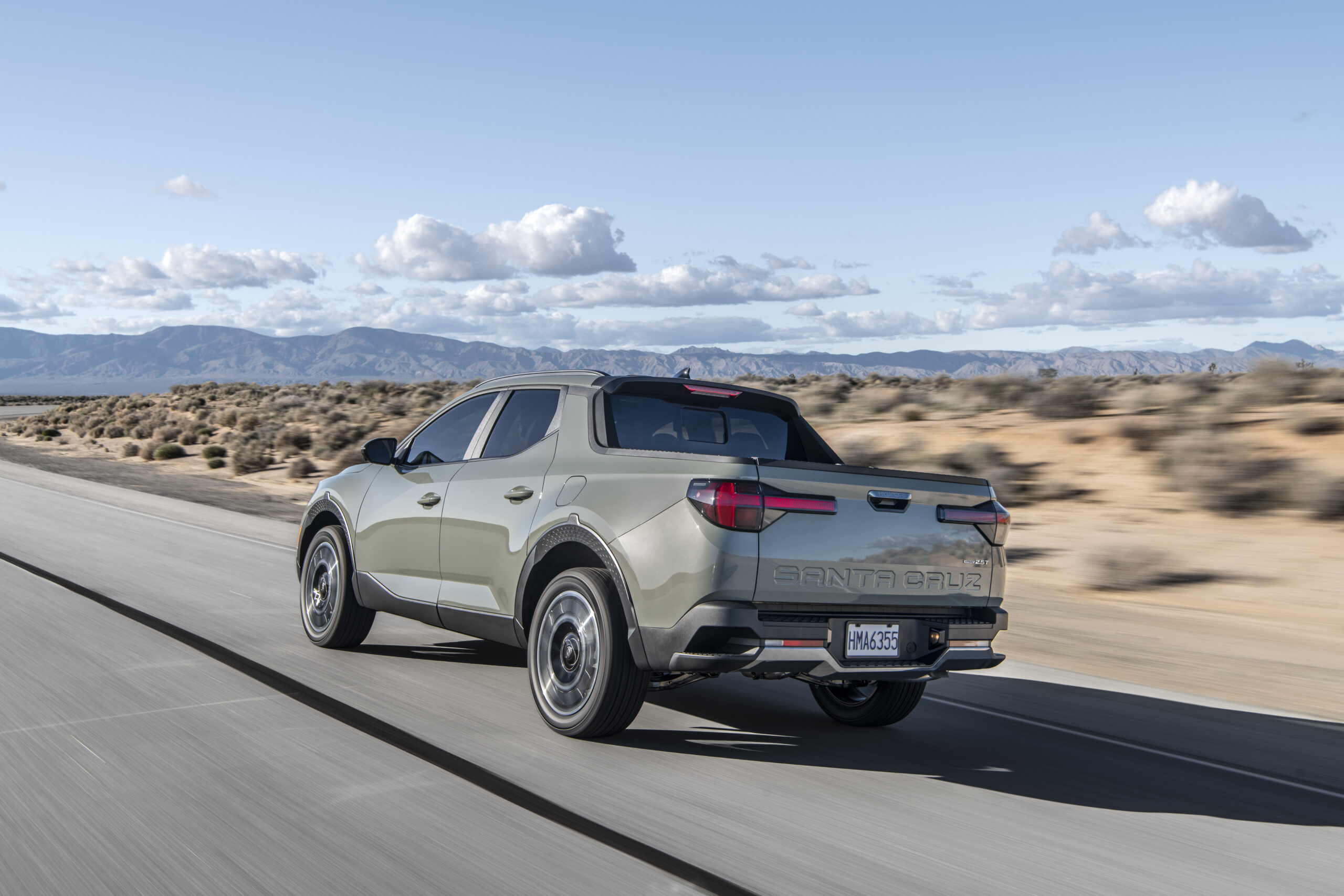
For years, buying a pickup truck often meant making compromises. You gained cargo capacity and towing power, but you also accepted a larger footprint, a stiffer ride, and fuel economy that wasn’t always ideal for daily commuting.
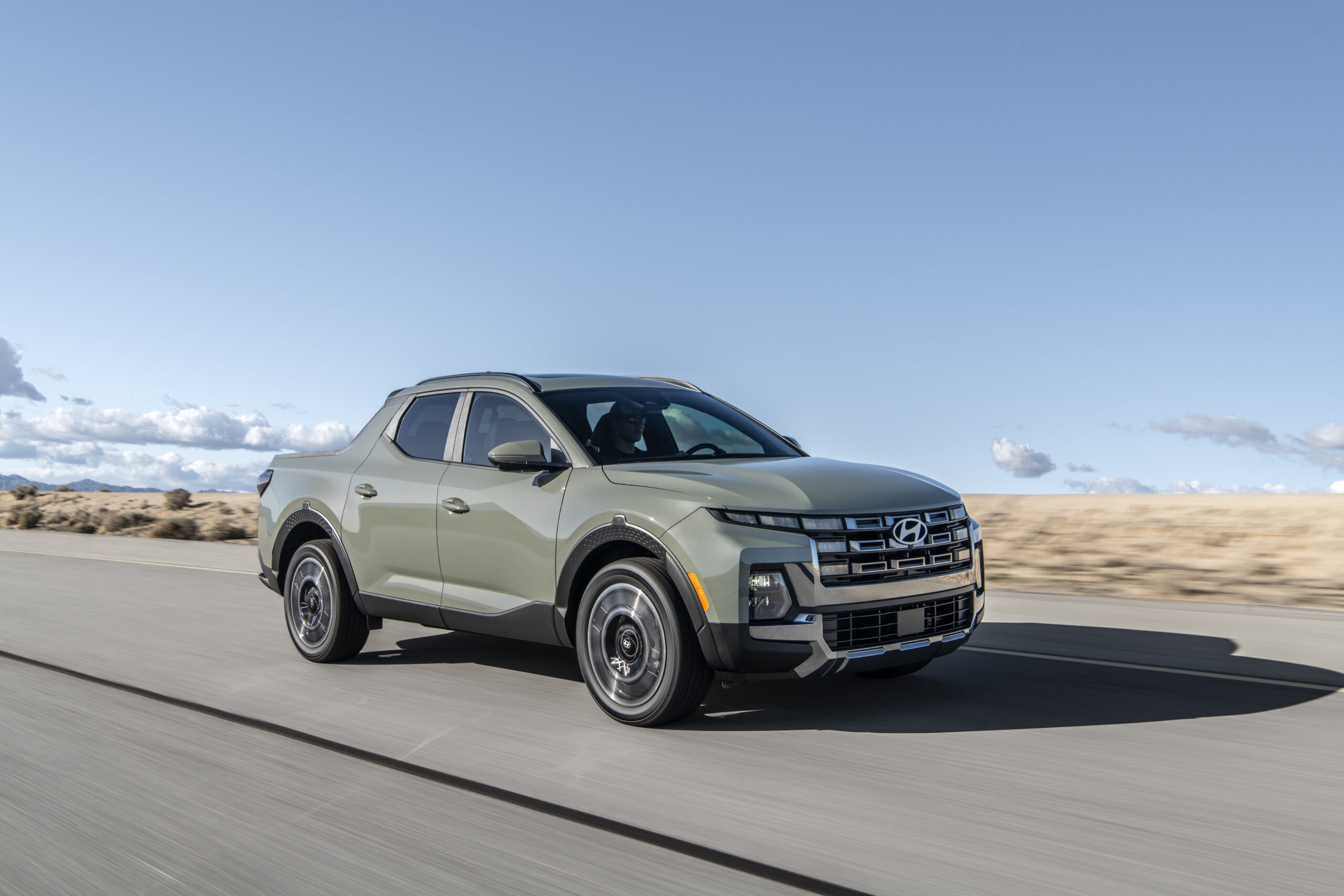
The 2026 Hyundai Santa Cruz takes a different approach
Instead of trying to compete with traditional midsize and full-size pickups, Hyundai has created something that sits comfortably between an SUV and a truck. After spending time with the Santa Cruz Limited AWD, it’s easy to understand why it continues to attract buyers who want versatility without committing to a conventional pickup.
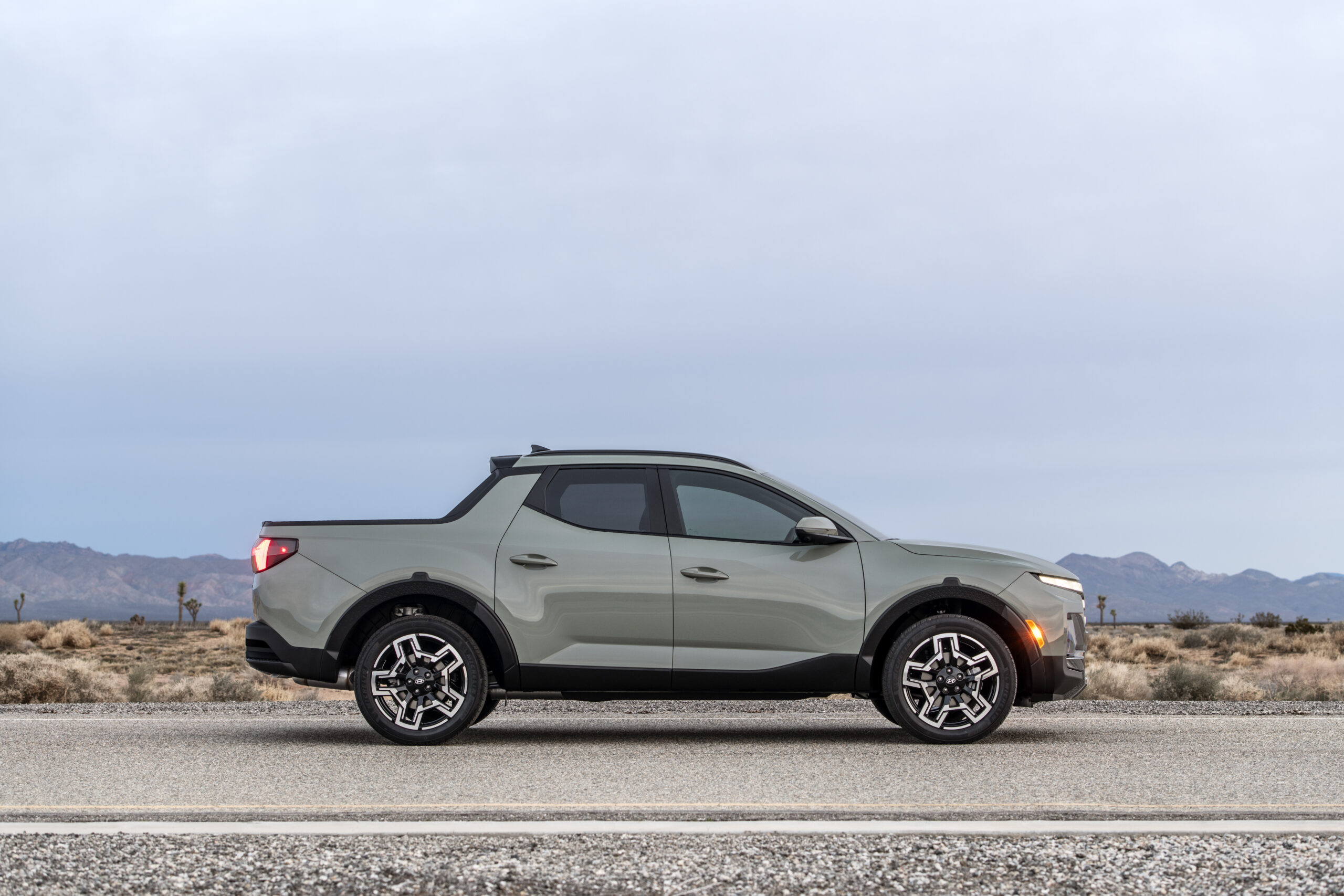
The Santa Cruz isn’t designed for construction sites or heavy-duty workloads. What it does offer is a practical solution for people who need occasional truck capability while still wanting the comfort, technology, and drivability of a modern crossover.
Performance That Exceeds Expectations
Under the hood, the Limited trim comes equipped with Hyundai’s turbocharged 2.5-liter four-cylinder engine producing 281 horsepower. Power is sent through an 8-speed automatic transmission, while Hyundai’s HTRAC all-wheel-drive system comes standard.
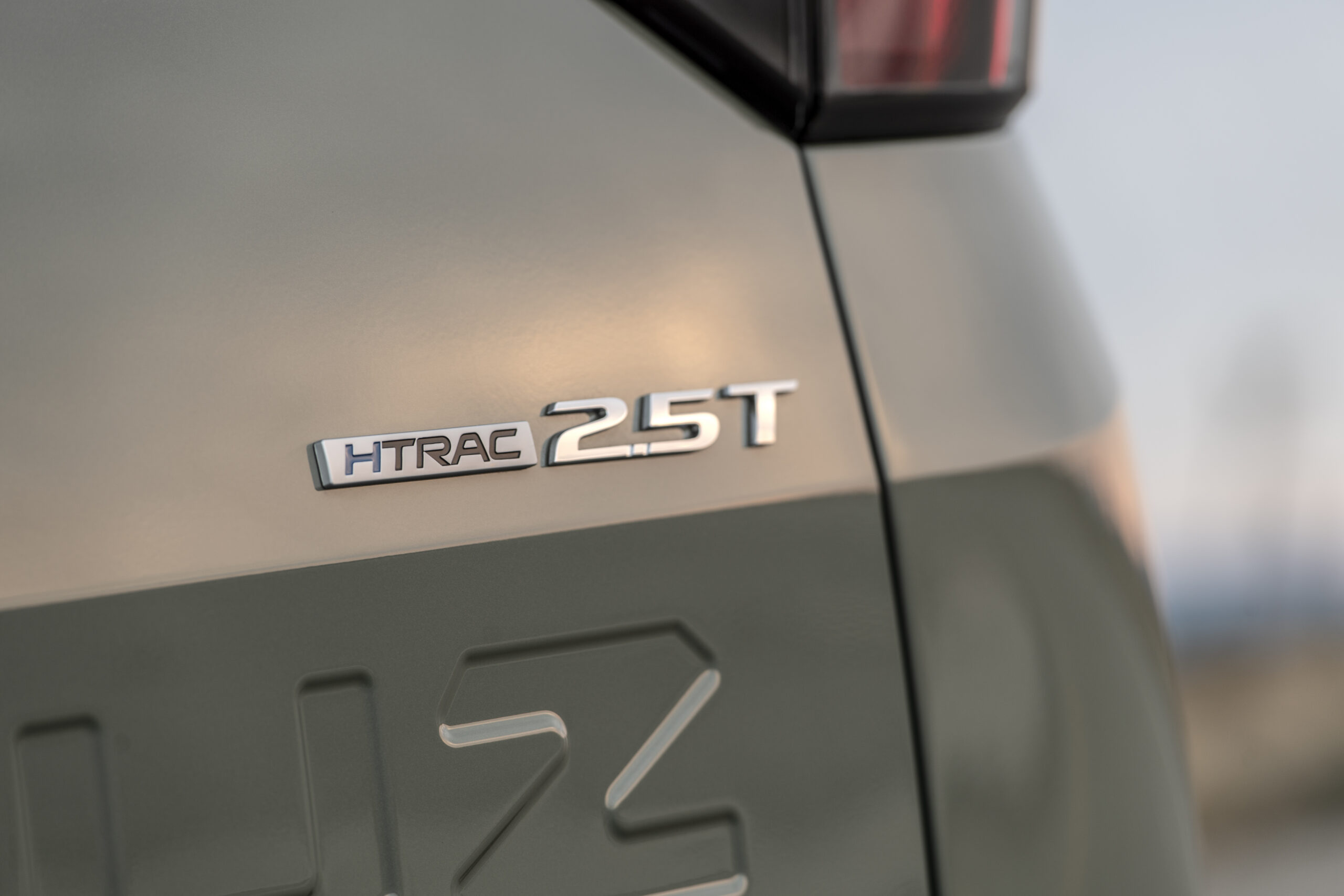
On paper, those specifications look strong for a compact pickup. Behind the wheel, they feel even more impressive.
Acceleration is quick and confident. Whether merging onto a busy interstate, navigating mountain roads, or passing slower vehicles on a two-lane highway, the Santa Cruz responds immediately when called upon. There is no sense of hesitation or struggle that sometimes accompanies smaller trucks.
The turbocharged engine delivers power smoothly, making the vehicle feel more energetic than many first-time shoppers expect.
For buyers wondering whether they’ll have enough power for everyday driving, the answer is an easy yes.
Does It Feel Like a Pickup Truck?
One of the most common questions potential buyers ask is whether the Santa Cruz drives like a traditional truck.
The simple answer is no.
And for many shoppers, that’s exactly the point.
The Santa Cruz shares much of its DNA with Hyundai’s SUV lineup, and that becomes apparent almost immediately. Steering feels precise and predictable. The suspension does a good job absorbing rough pavement, and the overall driving experience feels composed and refined.
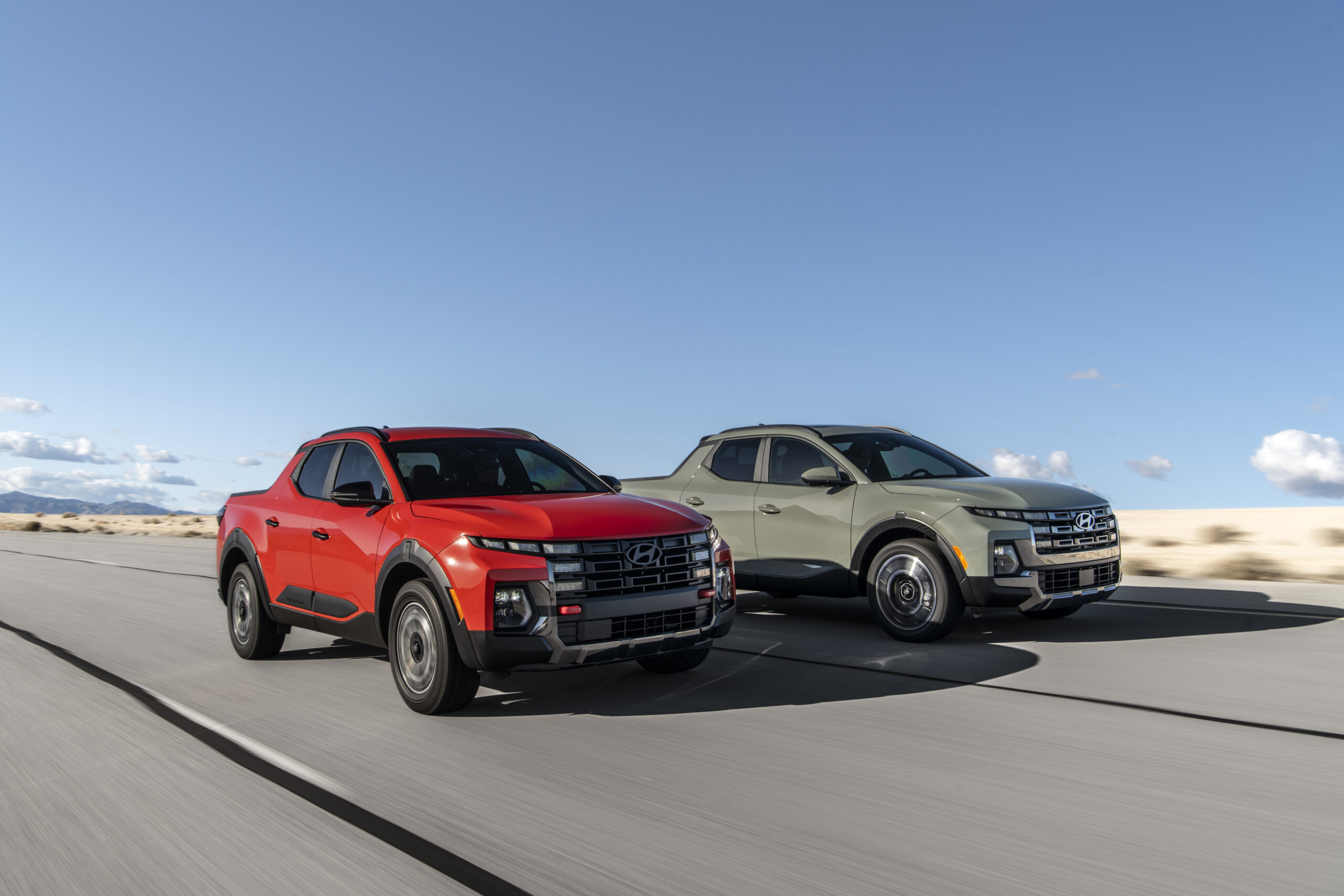
Parking lots, tight city streets, and crowded shopping centers are areas where the Santa Cruz shines. Unlike larger pickups that can sometimes feel cumbersome in everyday situations, the Hyundai remains easy to maneuver and surprisingly approachable.
Drivers transitioning from an SUV will likely feel comfortable within minutes.
For commuters who spend most of their week navigating traffic and urban environments, that everyday usability becomes one of the Santa Cruz’s biggest advantages.
Interior Quality Impresses
Step inside the Limited trim, and it’s clear Hyundai wanted to elevate the experience beyond what buyers might expect from a compact pickup.
The cabin feels modern, upscale, and thoughtfully designed.
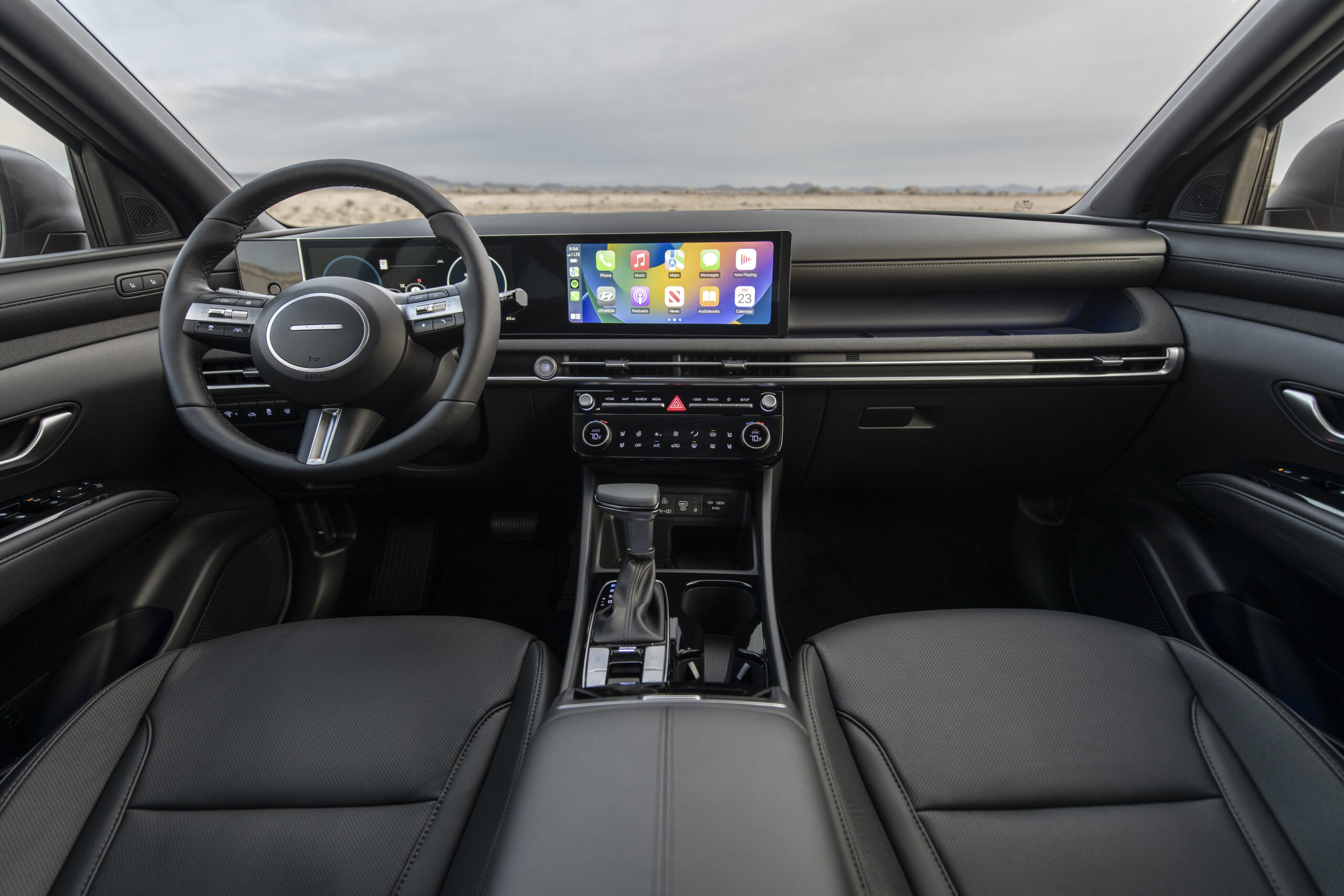
Leather seating surfaces, heated and ventilated front seats, a fully digital instrument cluster, integrated navigation, wireless smartphone connectivity, wireless charging, and Hyundai’s Digital Key system all contribute to a premium atmosphere.
The available Bose premium audio system delivers strong sound quality, while the overall fit and finish throughout the cabin reflects the attention Hyundai has invested in recent years.
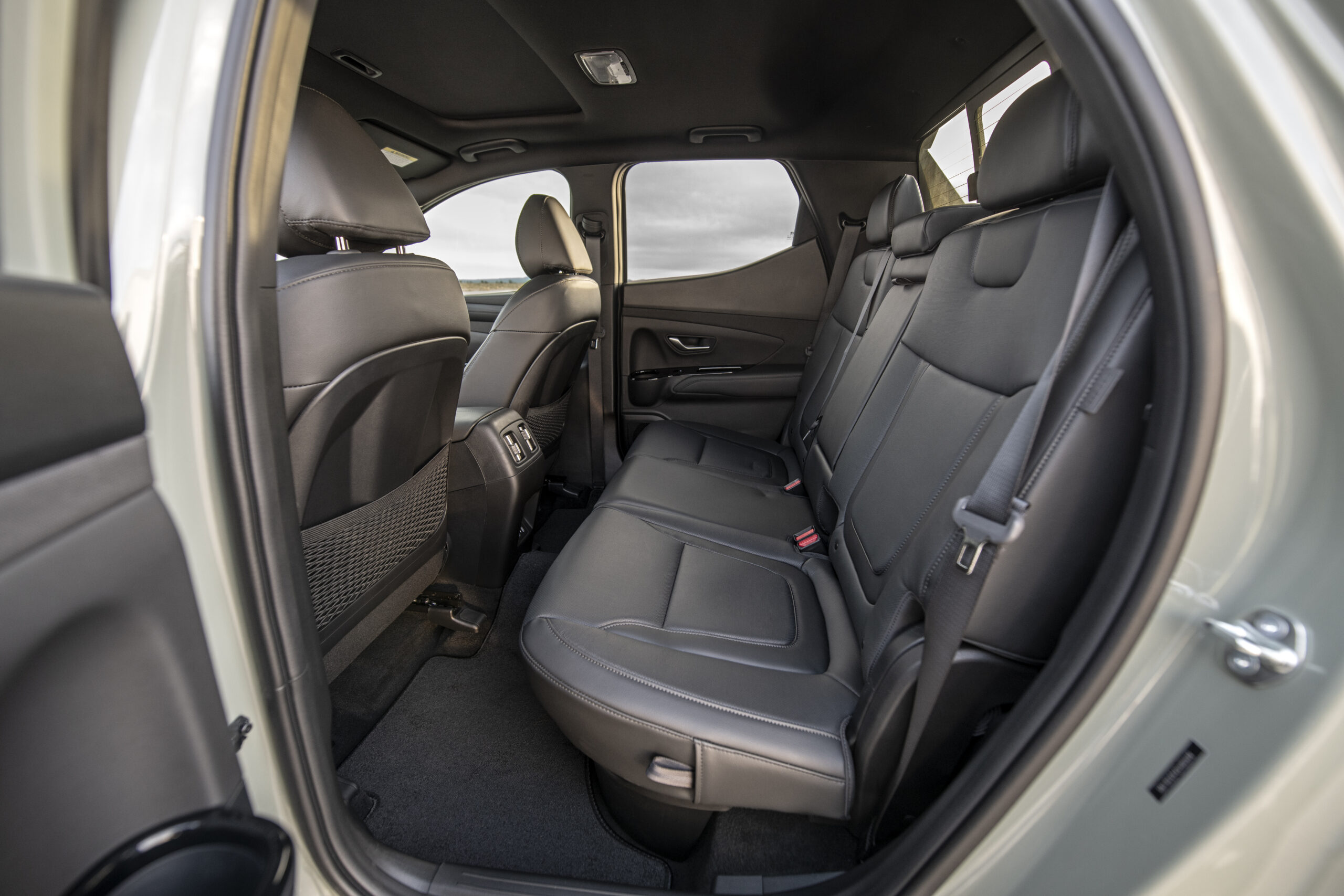
Nothing feels cheap or out of place.
In fact, buyers cross-shopping upscale compact SUVs may be surprised by just how refined the Santa Cruz feels once they get behind the wheel.
Practical Utility Without the Bulk
A truck ultimately needs to provide utility, and the Santa Cruz offers enough capability for the vast majority of lifestyle-focused buyers.
The bed may not be as large as those found in traditional pickups, but it has been designed intelligently.
Features such as the lockable integrated tonneau cover, under-bed storage compartment, cargo management rails, bed lighting, and a 115-volt power outlet add genuine functionality. These features make it easier to transport tools, bicycles, camping equipment, gardening supplies, or weekend adventure gear.
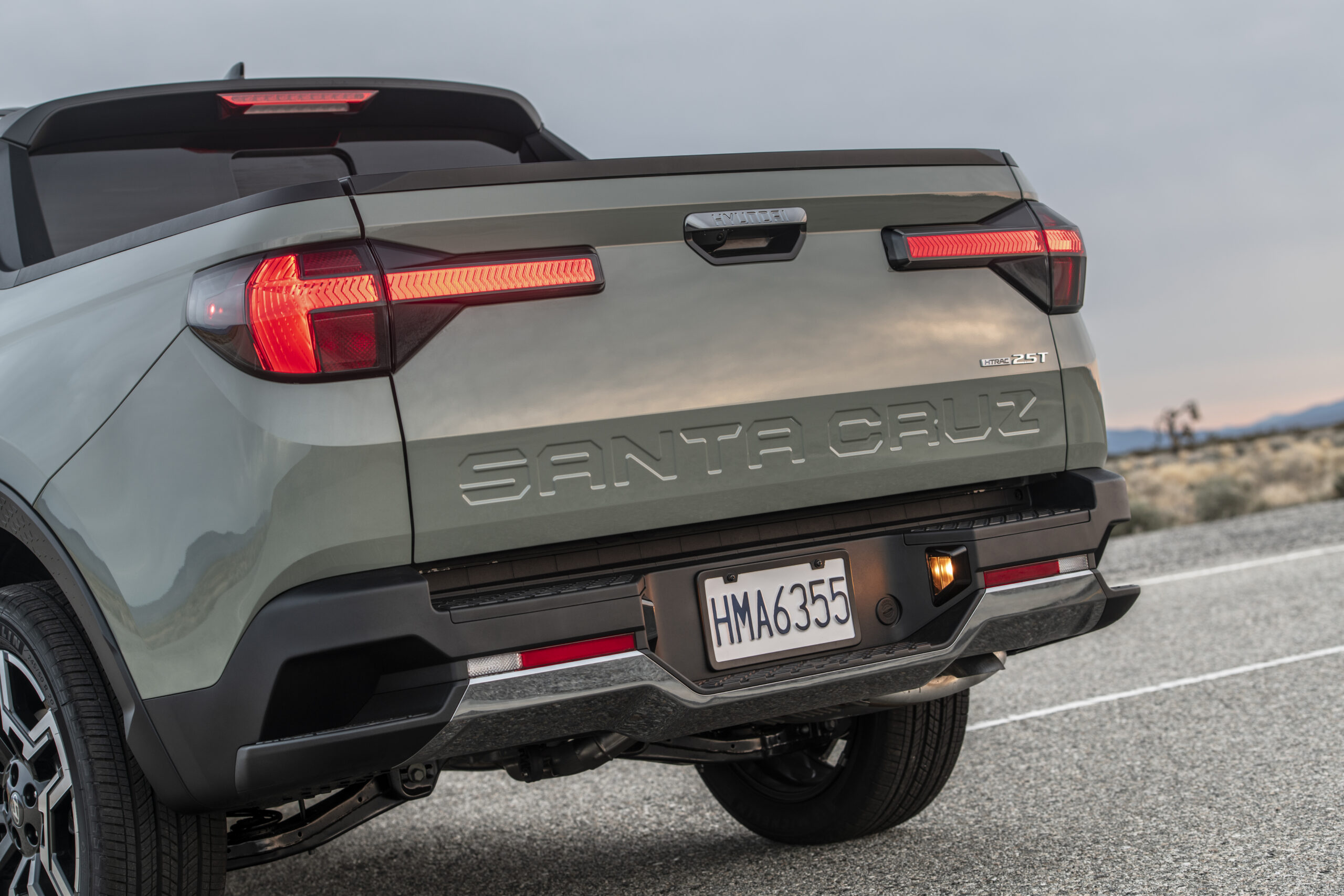
For many owners, that’s exactly the type of flexibility they’re looking for.
Can it handle serious truck tasks?
To a reasonable extent, yes.
When properly equipped, the turbocharged Santa Cruz can tow up to 5,000 pounds. That opens the door for towing small boats, personal watercraft, utility trailers, lightweight campers, and recreational equipment without issue.
While dedicated towing enthusiasts may still prefer a larger pickup, most recreational users will find the Santa Cruz more than capable.
Fuel Economy and Ownership Considerations
The turbocharged Limited AWD prioritizes performance over maximum efficiency, but fuel economy remains competitive for the segment.
EPA estimates are rated at 18 mpg in the city and 25 mpg on the highway.
Those numbers won’t set any records, but they strike a reasonable balance considering the available horsepower and standard all-wheel-drive system.
Another factor worth considering is Hyundai’s warranty coverage, which continues to be among the strongest in the industry. For buyers planning long-term ownership, that additional peace of mind adds meaningful value.
Is It Worth the Price?
With a tested price of approximately $45,185, the Santa Cruz Limited AWD enters territory occupied by well-equipped SUVs and some traditional pickup trucks.
That naturally raises the question: Is it worth it?
For the right buyer, absolutely.
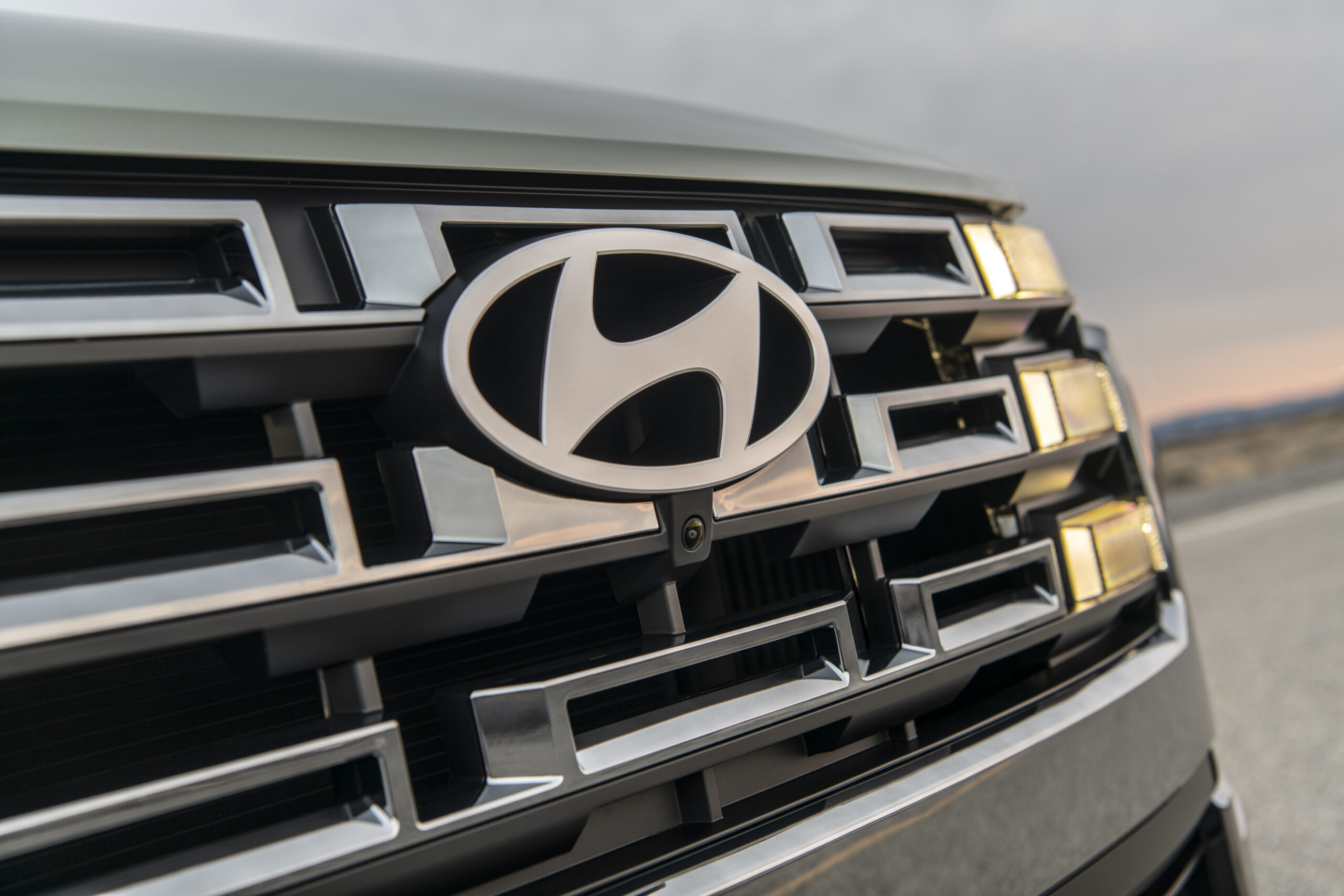
The Santa Cruz delivers a combination of comfort, technology, utility, performance, and ease of use that few vehicles currently offer. It fills a niche that many consumers didn’t realize existed until they experienced it firsthand.
Rather than trying to be the biggest truck or the most capable workhorse, it focuses on being exceptionally good at the tasks most owners encounter every day.
That’s a different value proposition, and one that makes a lot of sense in today’s market.
Final Verdict
The 2026 Hyundai Santa Cruz Limited AWD isn’t built for buyers who need a heavy-duty pickup capable of handling demanding commercial work.
Instead, it’s designed for people whose lives require flexibility.
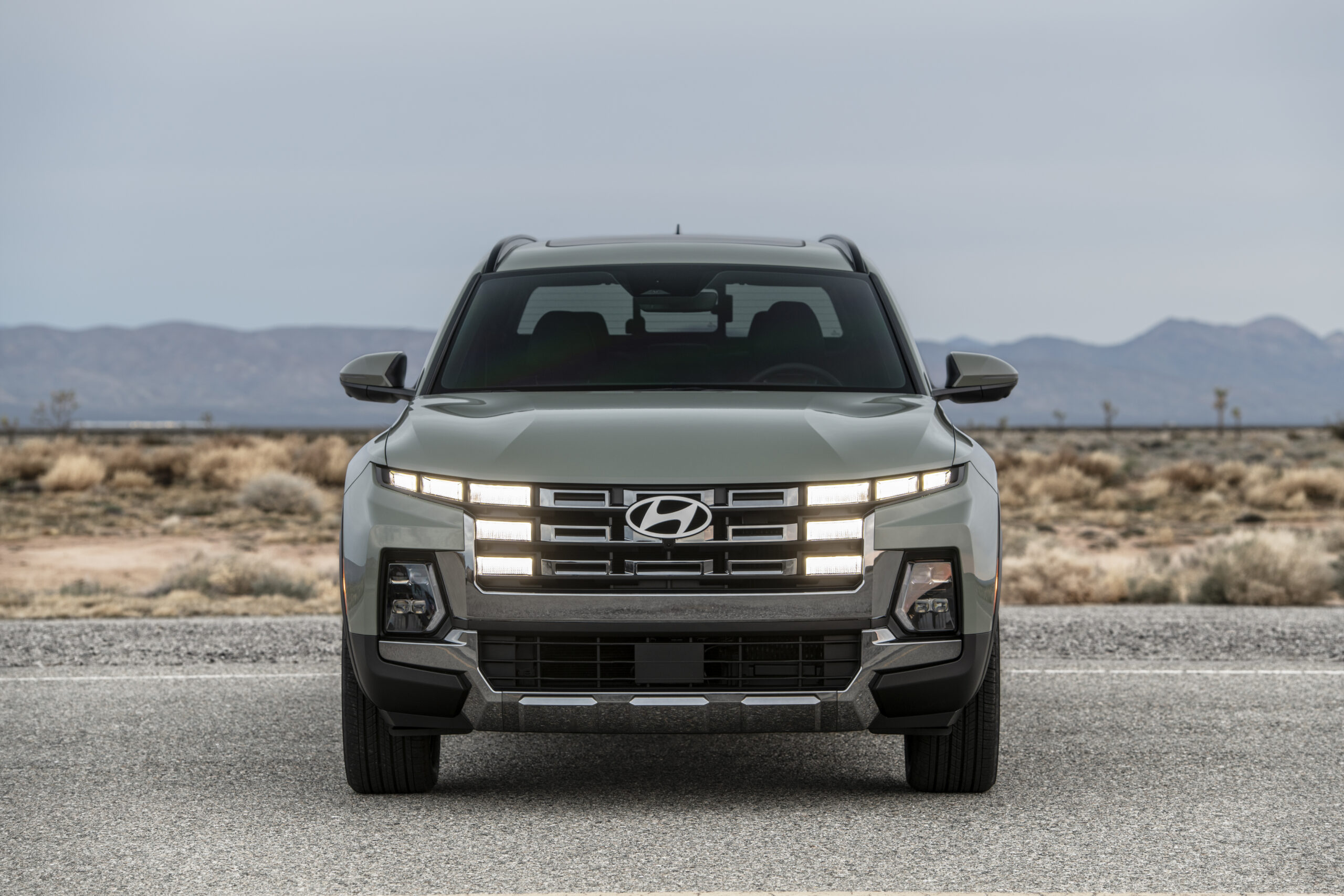
It’s a vehicle that can comfortably handle the daily commute, haul home improvement supplies on the weekend, carry outdoor gear for a camping trip, and still provide the comfort and technology expected from a modern crossover.
For many consumers, that balance may be more valuable than maximum towing figures or oversized dimensions.
The Santa Cruz continues to prove that not everyone needs a traditional pickup truck. Sometimes, the right amount of truck is exactly enough.
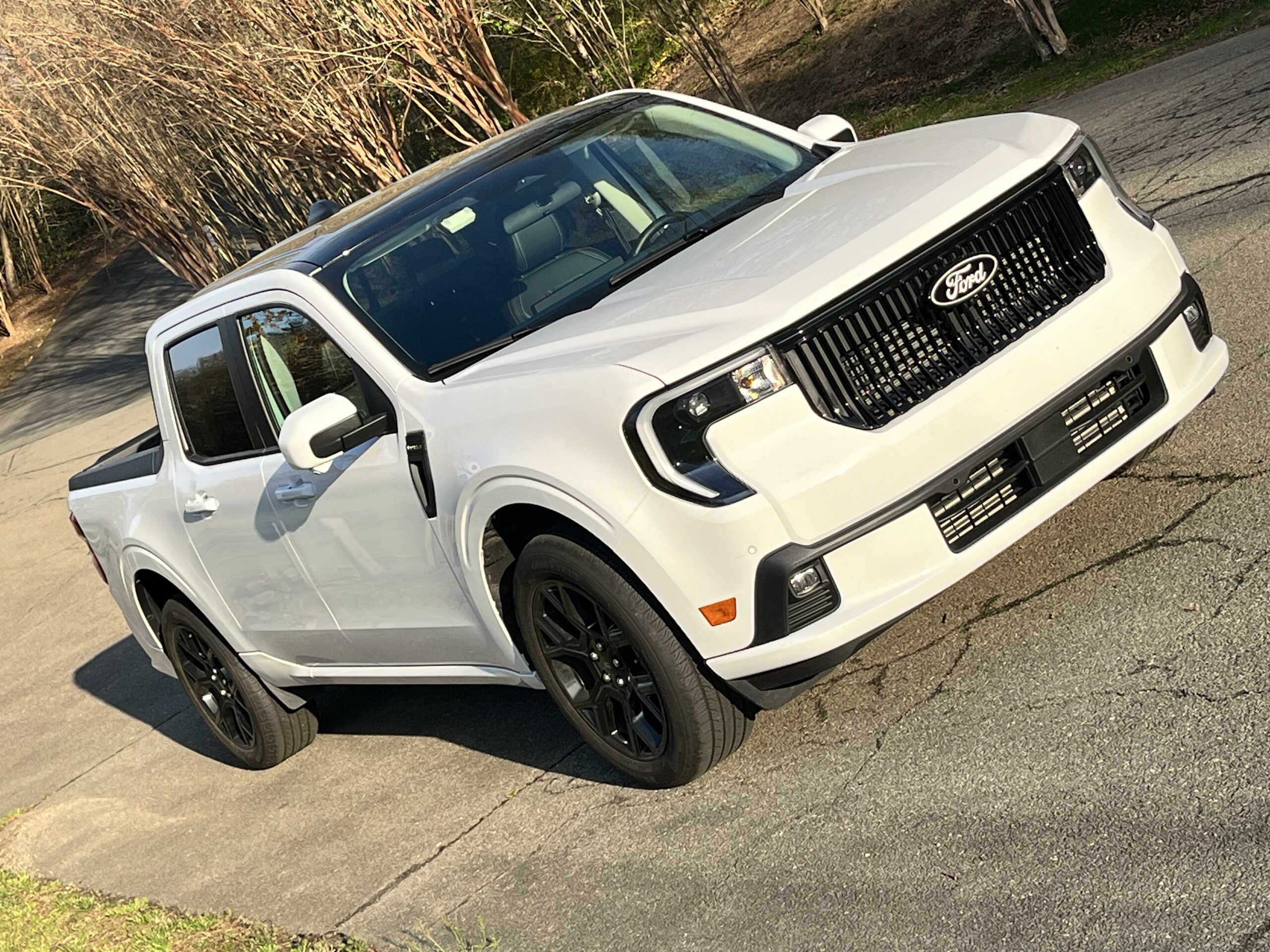
I didn’t expect the 2025 Ford Maverick Lobo to have this much personality.
On paper, it sounds like a trim package. A lowered Maverick with some sporty suspension tuning, black wheels, unique styling, and a special drive mode doesn’t exactly scream game changer. But after spending time with it, I came away thinking Ford accidentally created one of the most charming vehicles on sale right now.
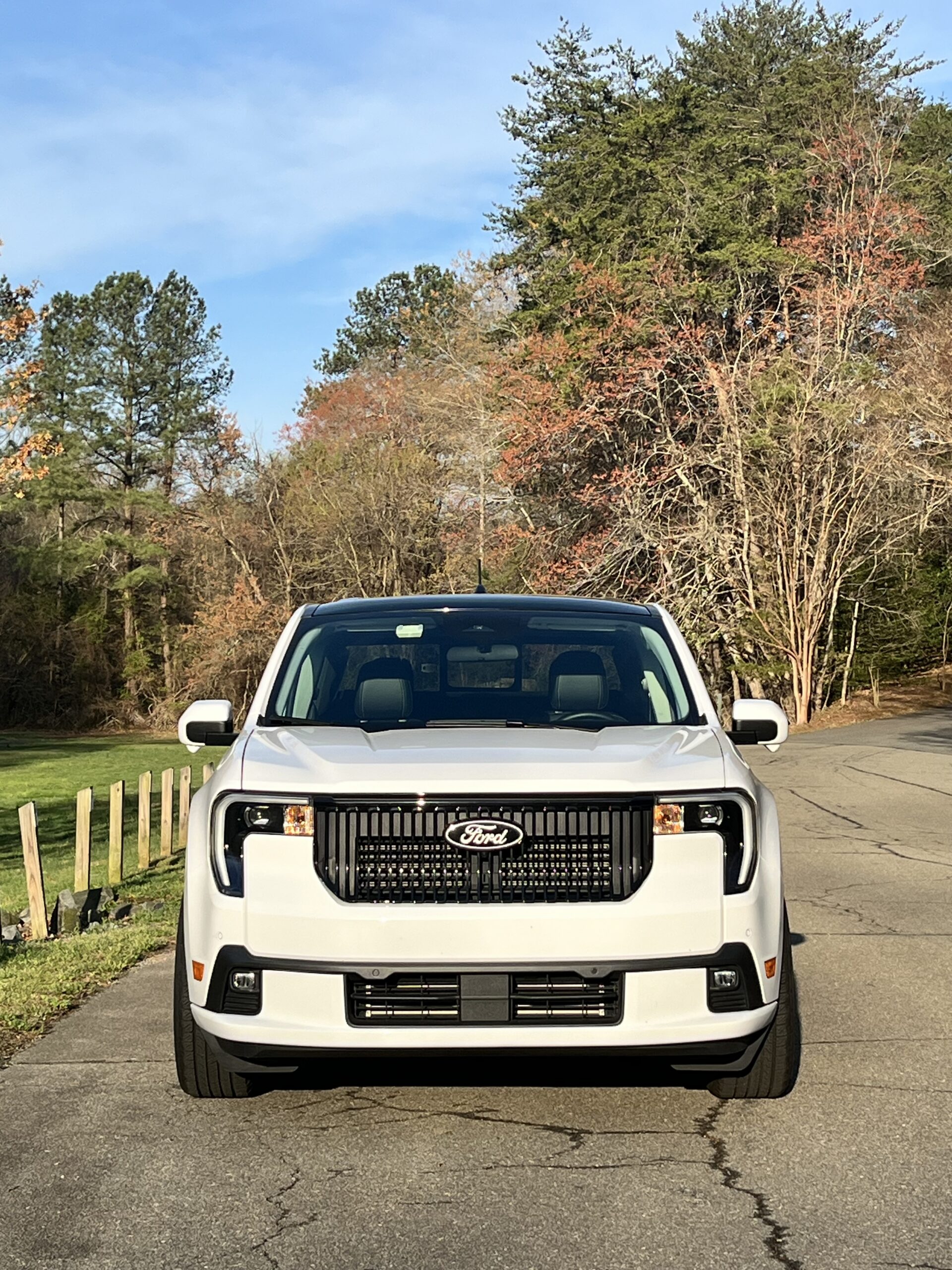
In a world where so many trucks feel oversized, bloated, and designed purely for flexing on social media, the Maverick Lobo feels refreshingly honest.
It knows exactly what it is: a compact street truck built to make everyday driving more fun.
It Has the Energy of Old-School Mini Trucks
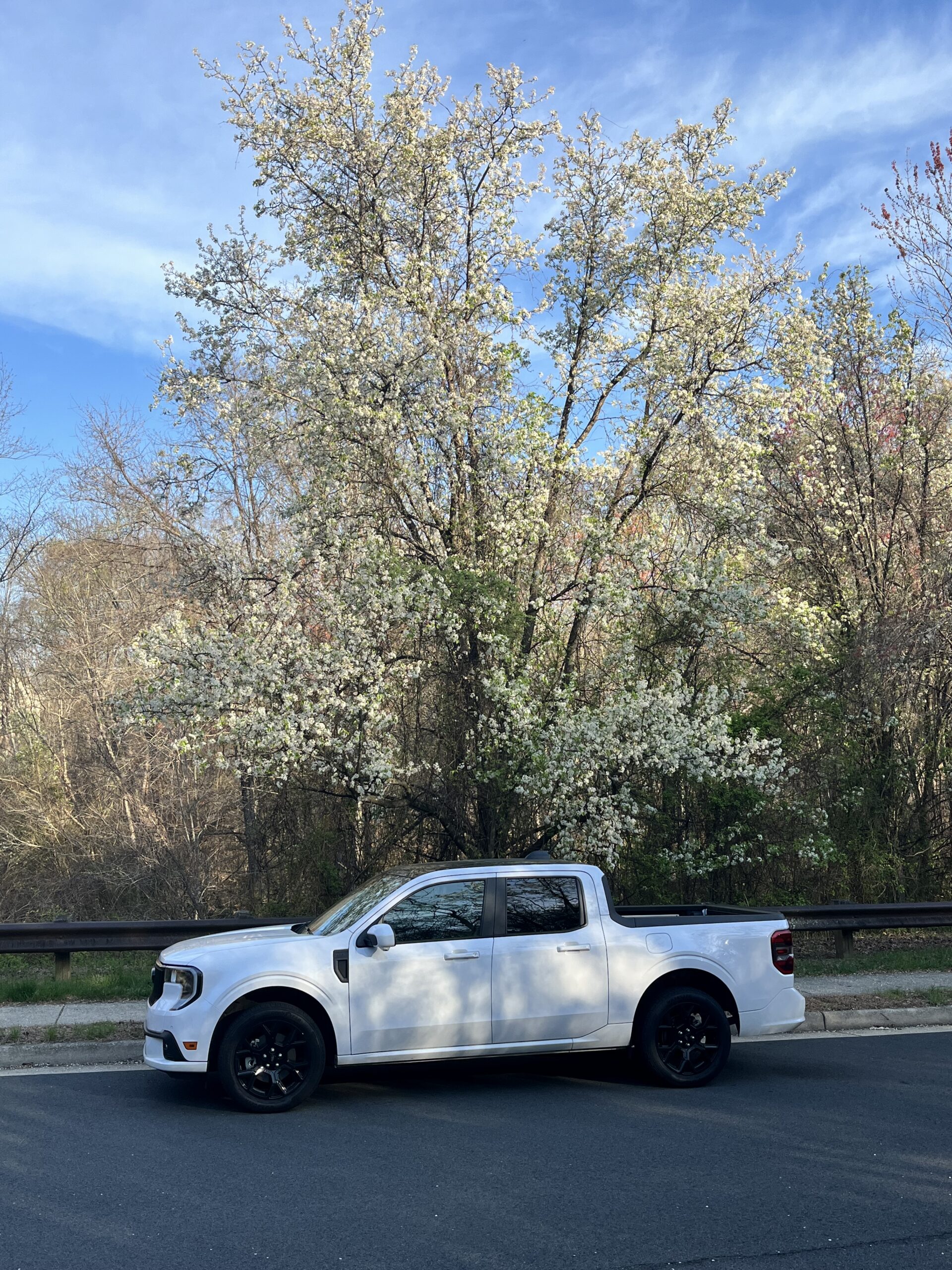
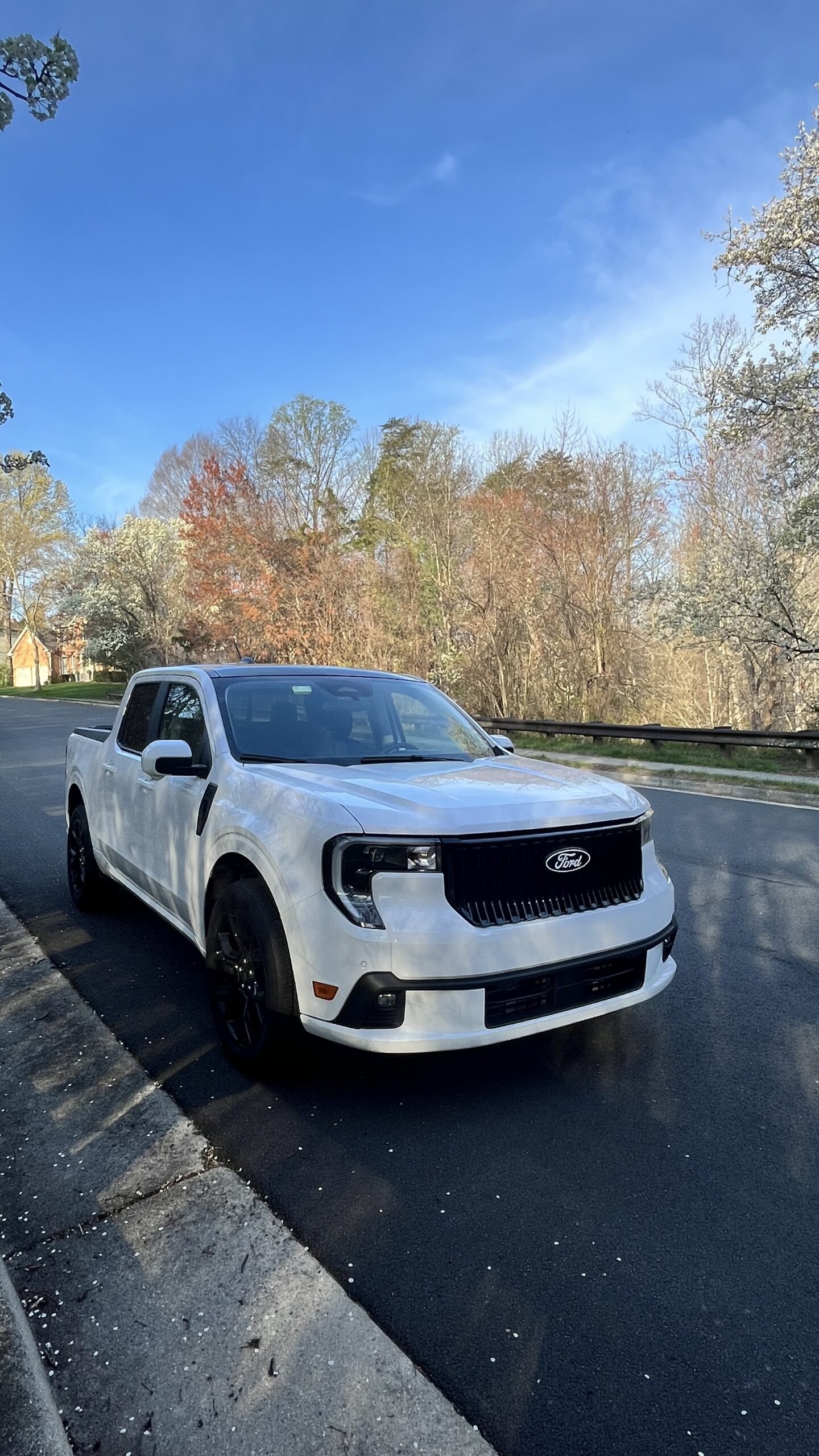
The moment you see the Lobo, you understand Ford wasn’t aiming for rugged off-road vibes here. The lowered stance, black 19-inch wheels, revised front fascia, and subtle black trim give it a planted look that feels much closer to a hot hatch than a traditional pickup.
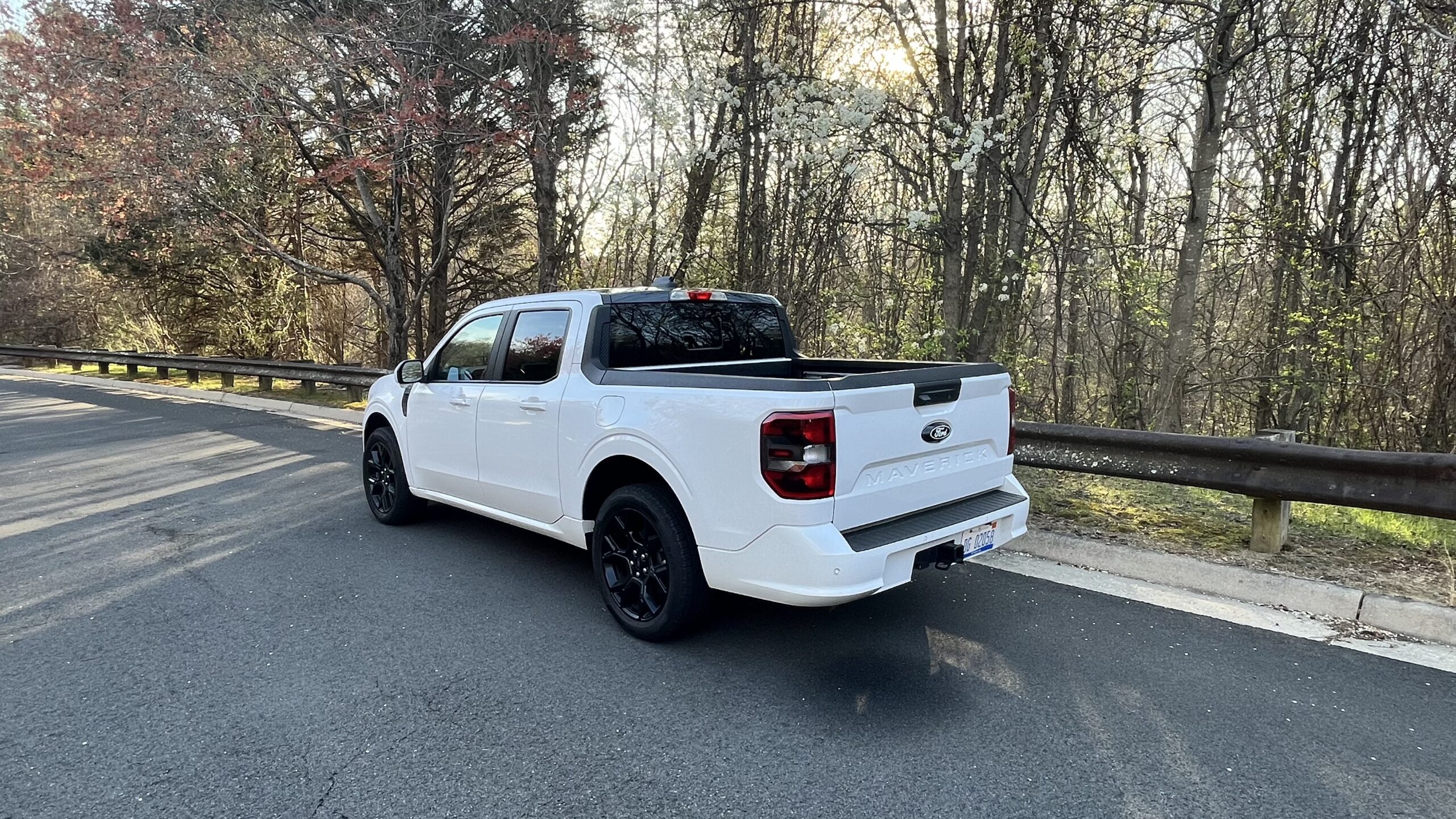
Honestly, it reminds me of the era when compact trucks actually had personality. There’s a little bit of old-school mini-truck culture mixed with modern sport compact energy, and somehow it works without feeling forced or nostalgic for the sake of nostalgia.
The Oxford White paint helps too. It gives the truck a clean look that feels mature instead of loud. People who know trucks will notice it immediately, but it doesn’t beg for attention everywhere it goes.
Inside, it’s still a Maverick, which is mostly a compliment. The cabin layout is simple and practical, storage space is everywhere, and the overall ergonomics make daily driving easy. The ActiveX seats and Black Onyx interior add enough contrast and texture to make the truck feel more premium than you’d expect from a compact pickup in this price range.
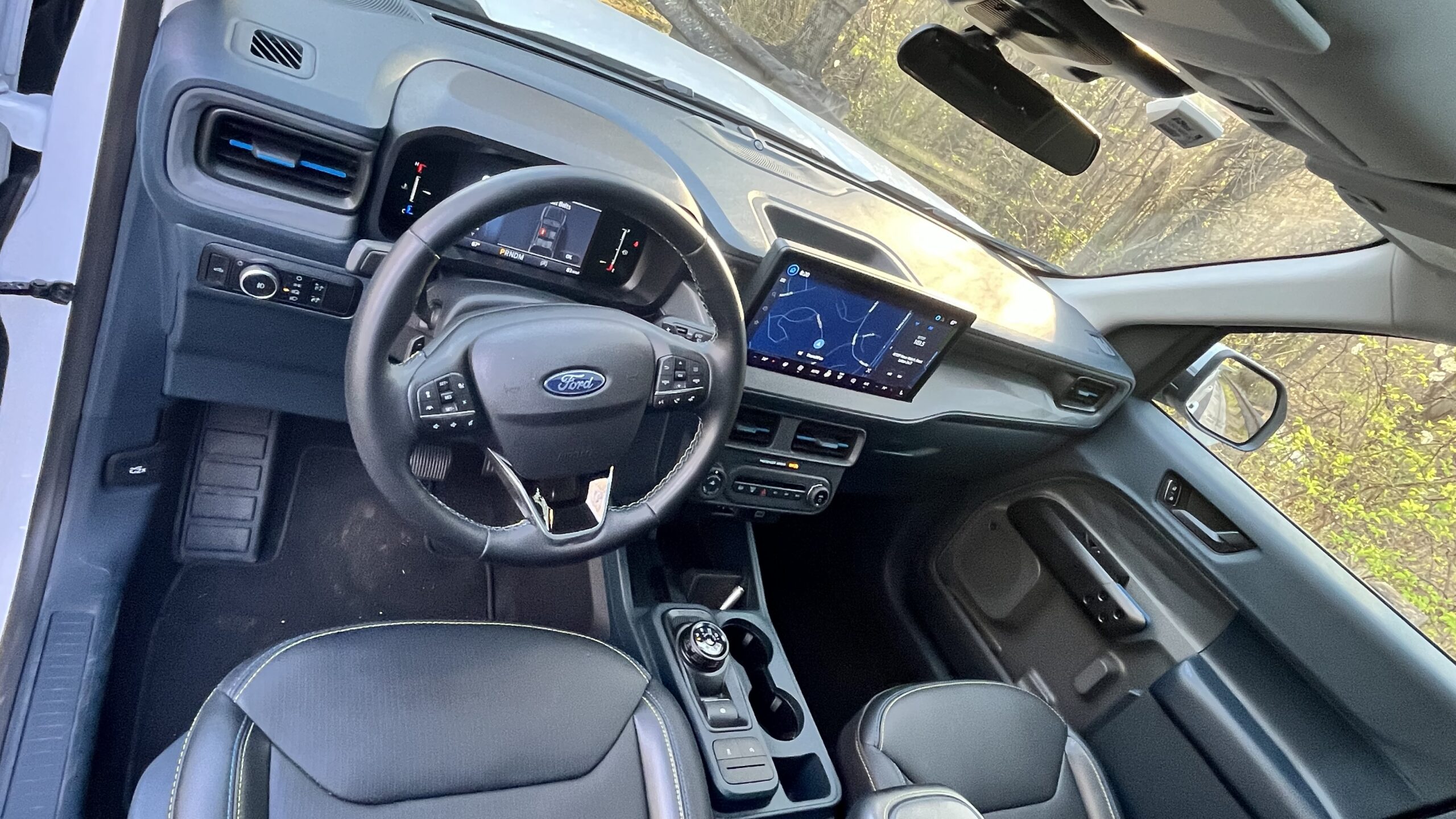
What I appreciate most is that Ford didn’t overcomplicate the formula. The Lobo still feels approachable.
The Best Part Is How It Drives
This is where the Lobo completely separates itself from the standard Maverick.
Under the hood is the familiar 2.0-liter EcoBoost making 250 horsepower, paired with a seven-speed automatic and all-wheel drive. The numbers themselves are fine, but the real story is the chassis tuning.
Ford gave the Lobo a lowered sport suspension, upgraded brakes, sharper steering calibration, and a torque-vectoring rear differential that genuinely changes the truck’s character. Then there’s Lobo mode, which sounds gimmicky until you actually understand what it does.
Throttle response sharpens noticeably, the transmission becomes more aggressive, and the rear end suddenly feels playful in a way no compact pickup really should. Multiple reviewers described it as surprisingly tail-happy when pushed hard, and honestly, that’s exactly the kind of energy this truck needed.
The best way I can describe it is this: the Maverick Lobo feels like a hot hatch disguised as a pickup.
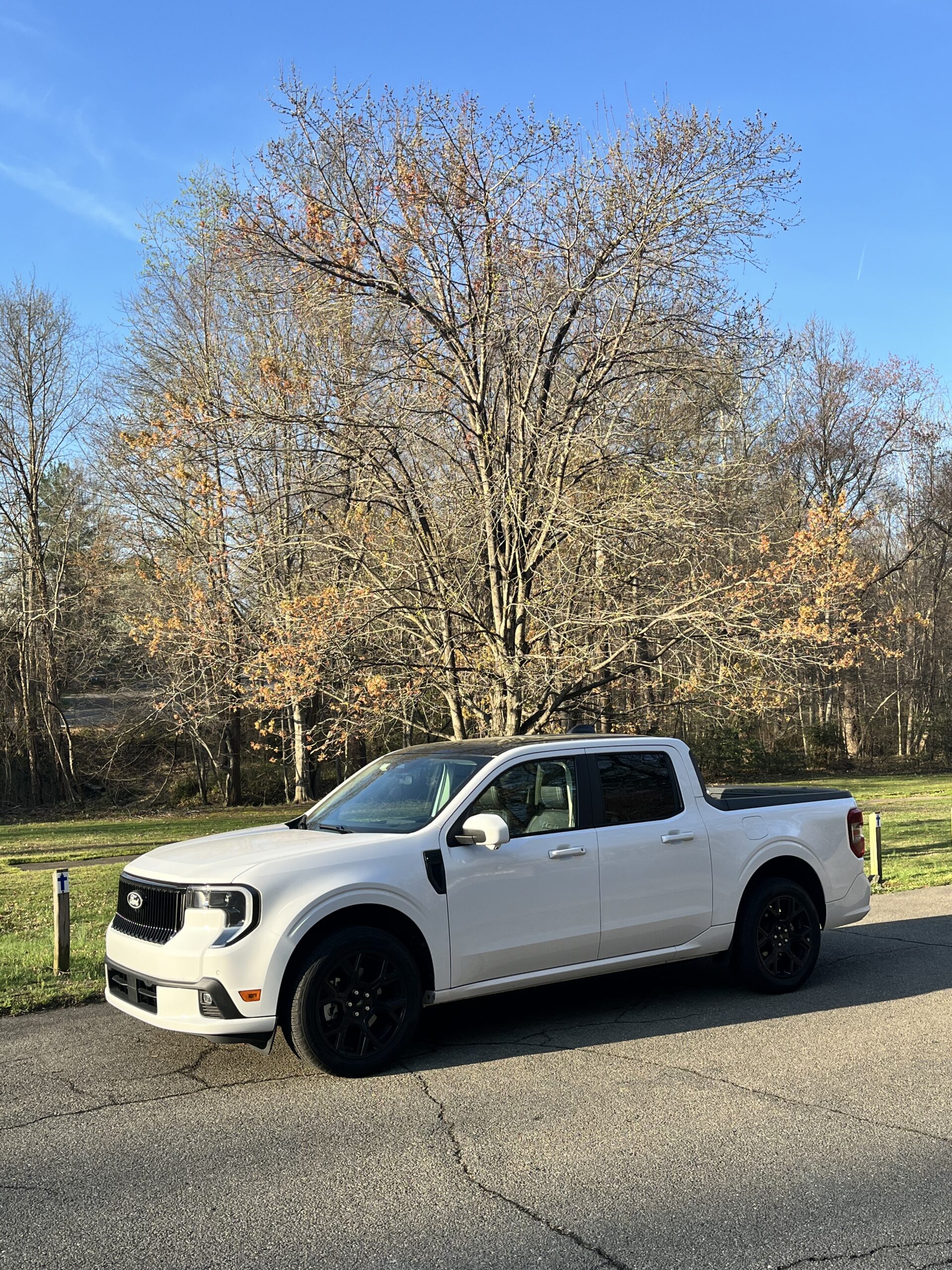
It’s quick enough to be entertaining, small enough to throw around confidently, and balanced enough that you actually want to take the long way home. That’s not something I expected to say about a compact Ford truck.
What impressed me even more is that the Lobo doesn’t ruin the Maverick’s everyday usability to achieve that personality. The ride is firmer than a standard Maverick, sure, but not harsh. Highway driving still feels composed, road noise stays reasonable, and the truck remains easy to live with in traffic or tight parking lots.
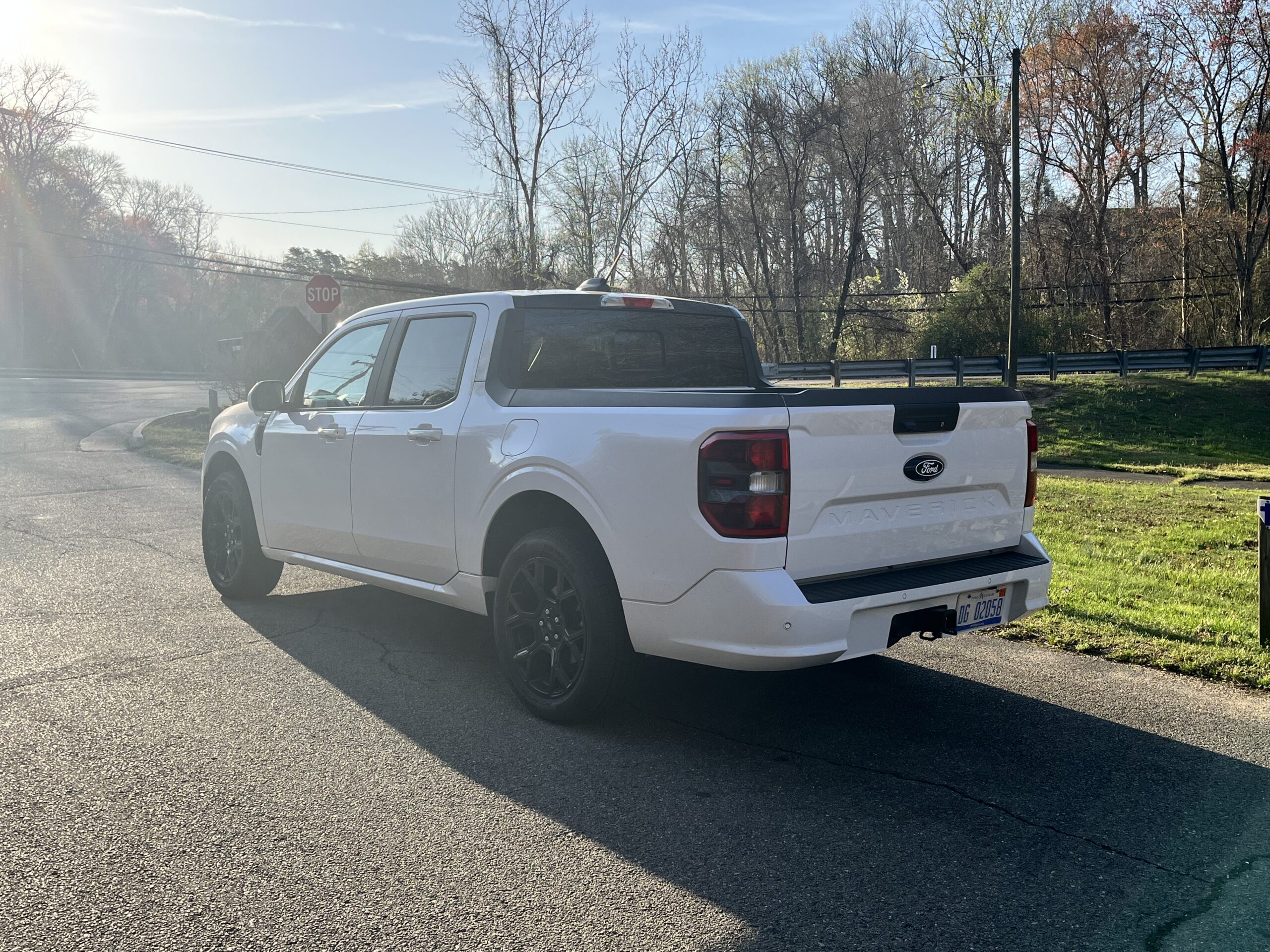
The only real weak point is the factory all-season tires. Nearly everybody who drives the truck hard comes away saying the same thing: better tires would unlock even more potential. And honestly, they’re probably right.
Still One of the Most Practical Trucks You Can Buy
What makes the Lobo work so well is that underneath all the sporty tuning, it’s still a Maverick. That means it remains one of the smartest daily-driver trucks on the market.
Fuel economy stays genuinely impressive for an AWD turbo truck, with real-world numbers regularly landing in the mid-20 mpg range and highway driving stretching toward 30 mpg. That’s the kind of efficiency that makes this truck feel realistic to own long term, especially compared to full-size pickups that can become expensive very quickly.
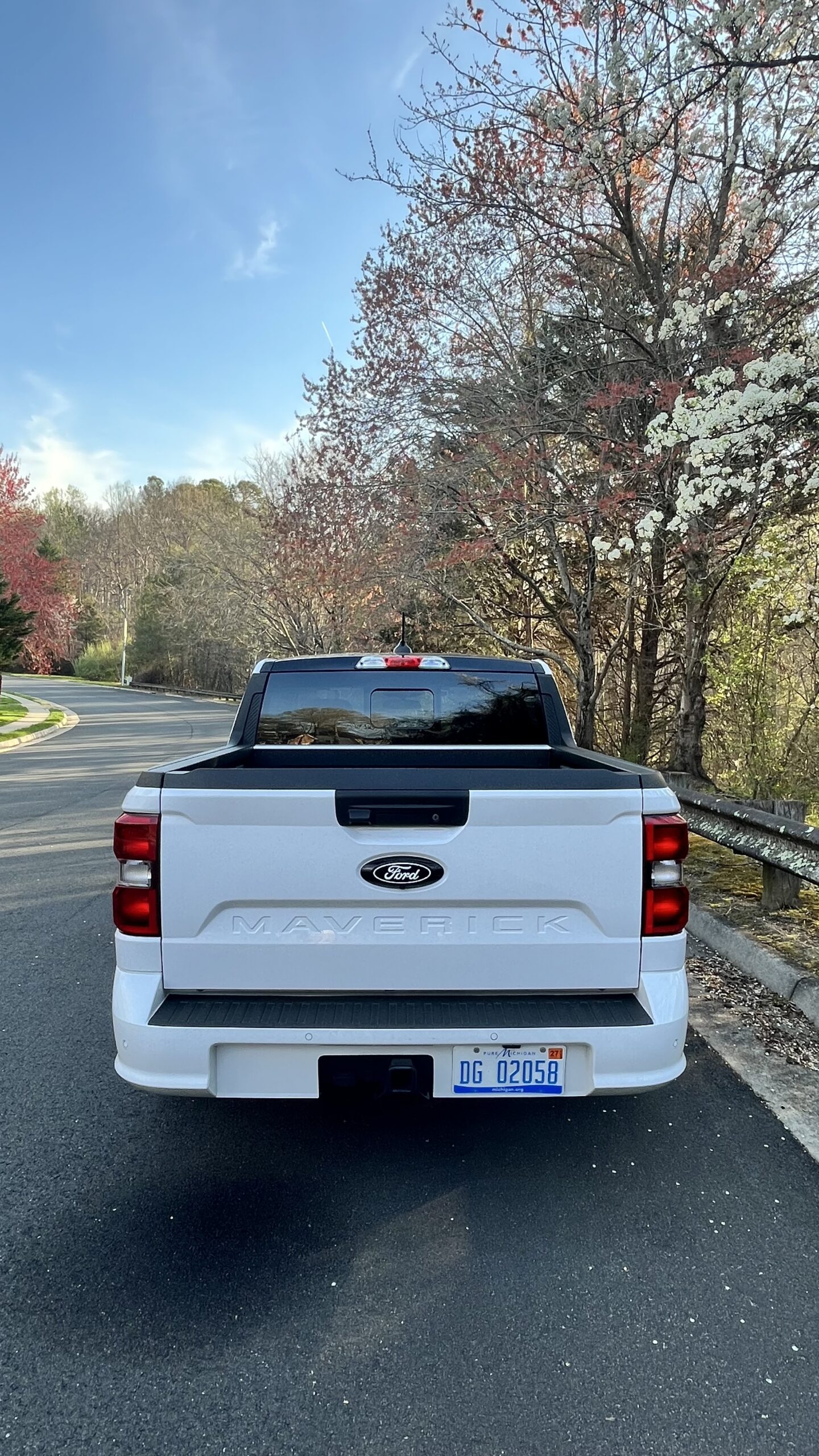
The bed is still useful for weekend projects, bikes, tools, or furniture runs, and the compact dimensions make urban driving dramatically easier than larger trucks. For a lot of buyers, this is probably the sweet spot. Enough truck capability to handle real life, without the size and compromises of a full-size pickup.
And that’s really why the Maverick platform has connected with so many people in the first place. It feels designed around how people actually live.
The Lobo simply adds emotion to that formula.
Carsfera’s Thoughts
The 2025 Ford Maverick Lobo isn’t trying to dominate towing charts or become the toughest truck in the segment. Ford already builds trucks for that audience.
This truck exists for people who miss when vehicles had personality.
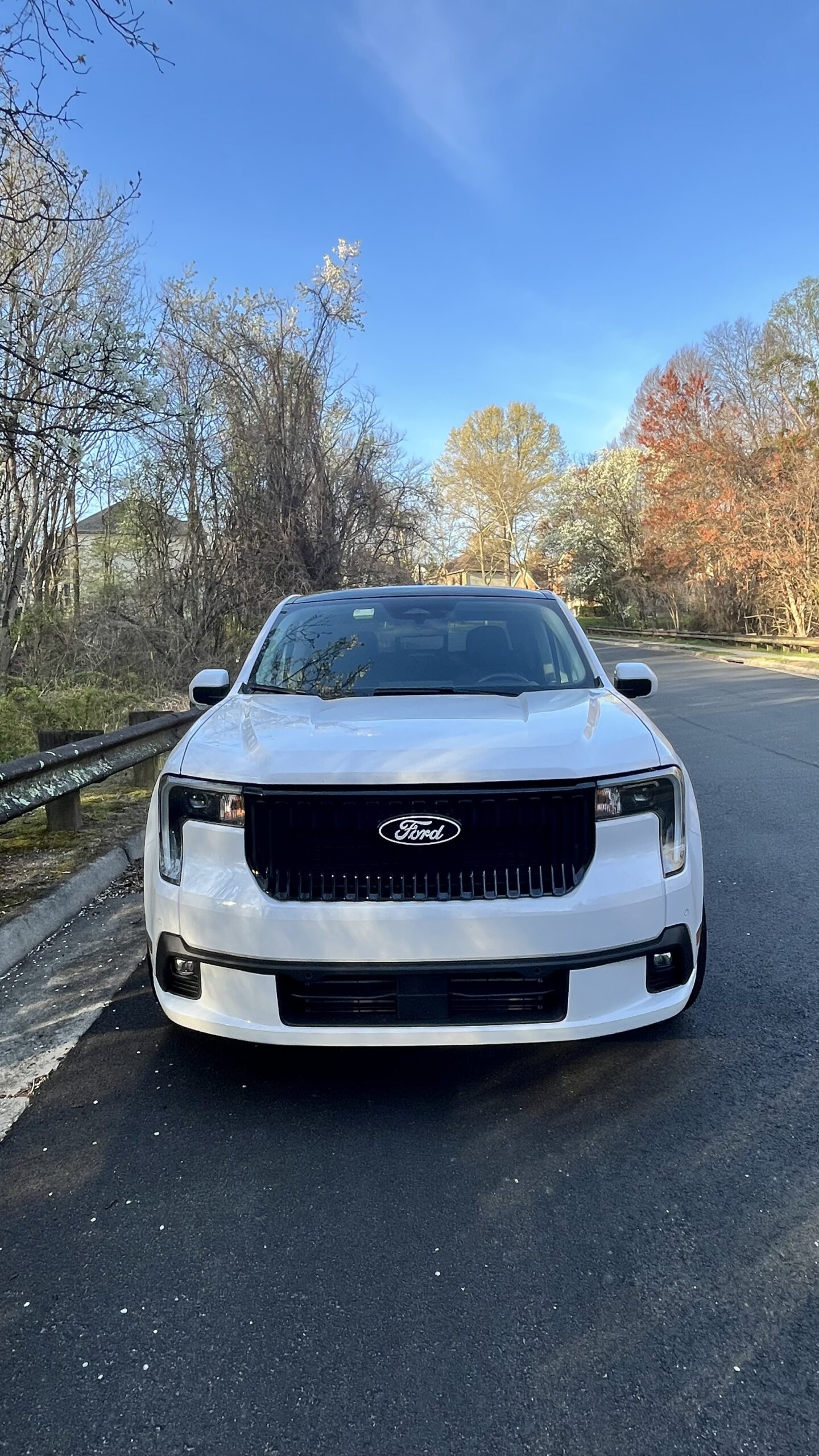
It’s stylish without being obnoxious, practical without being boring, and genuinely fun in a way most modern crossovers simply aren’t.
In a market filled with safe, forgettable appliances, the Maverick Lobo feels alive. And honestly, that might be the best compliment you can give any modern vehicle.
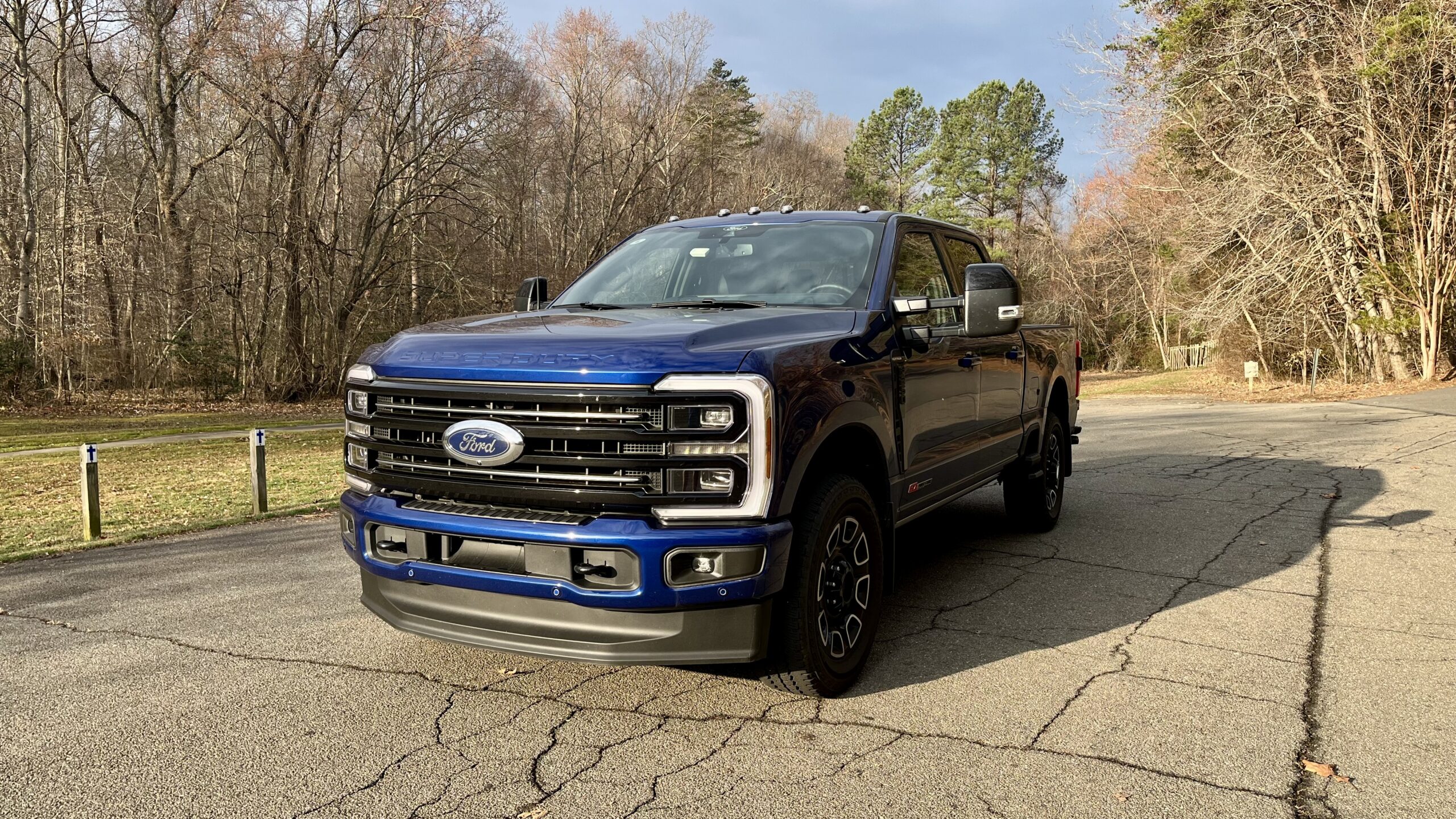
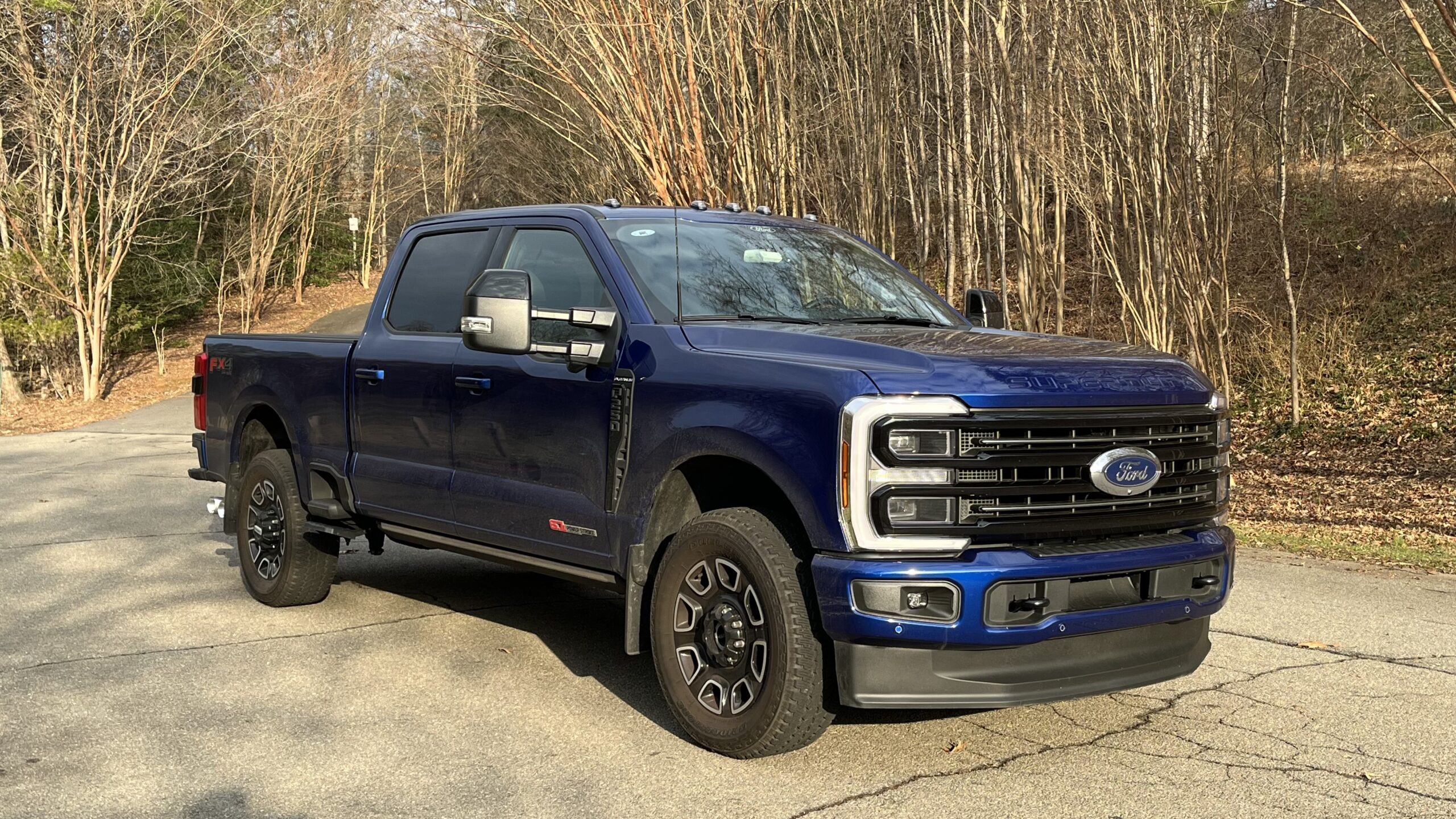
I’ve always had a soft spot for trucks that actually work for a living, so when Ford handed me the keys to a loaded 2026 F-250 Super Duty Platinum in Argon Blue Metallic, I was excited to spend a full week with it around Virginia. This wasn’t a quick media-drive loop or a short test route. I lived with the truck daily, tackled I-95 traffic, towed a trailer, ran errands, and even took it down a few gravel roads just to see how it handled real-world use.
By the end of the week, I understood exactly why the Super Duty lineup continues to dominate America’s heavy-duty truck market.
Why the Super Duty Matters
Heavy-duty trucks like the F-250 are deeply woven into American life. Construction crews rely on them to haul equipment, farmers depend on them every day, and small business owners use them to tow trailers, move tools, and transport materials across the country. Even recreational owners depend on trucks like this for boats, campers, and horse trailers.
The Super Duty lineup succeeds because it delivers the capability people genuinely need. Ford has spent decades refining these trucks while maintaining the toughness that built the brand’s reputation. That balance of durability, technology, and usability is a big reason the F-Series remains America’s best-selling truck lineup.
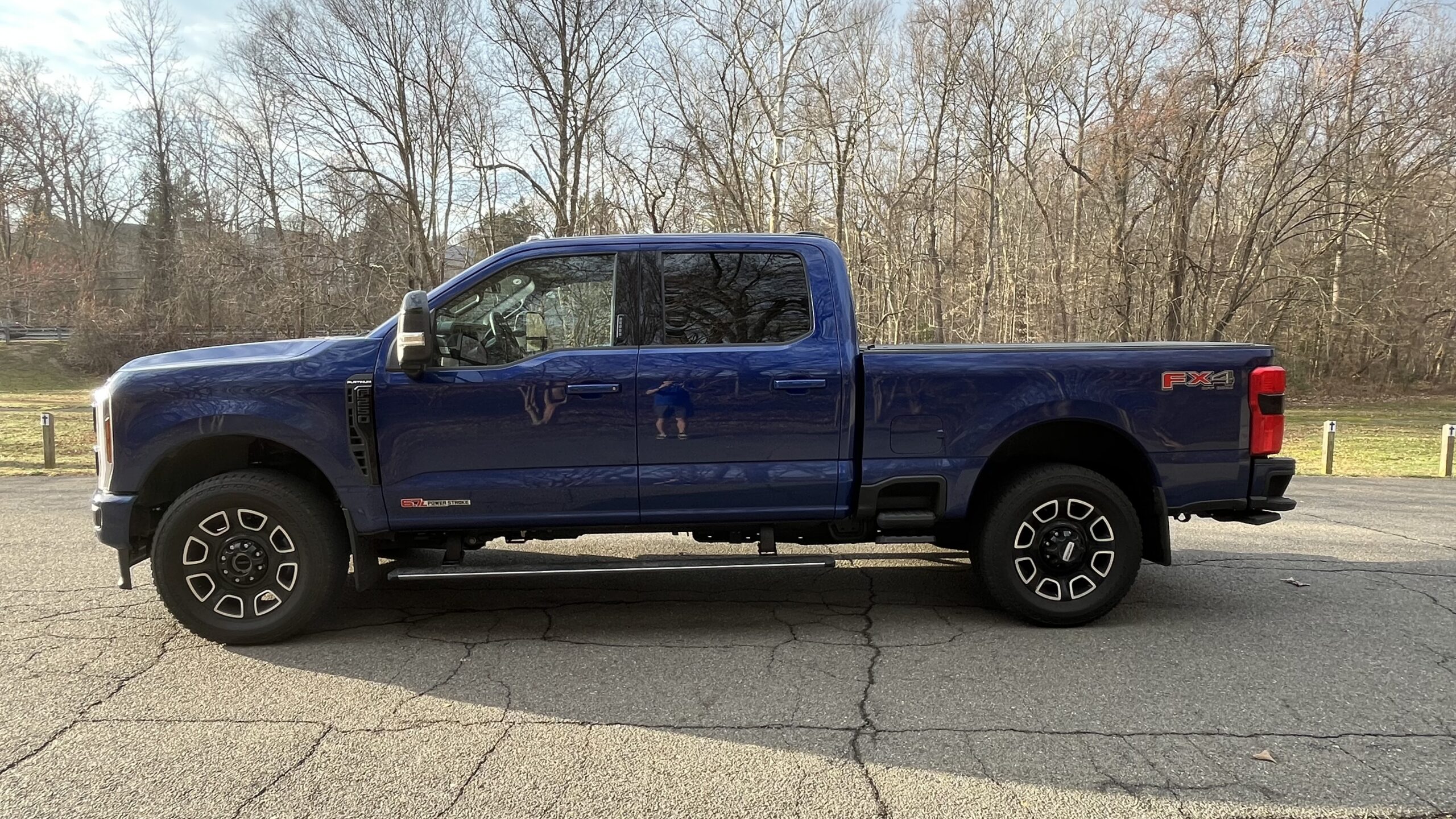
This Particular 2026 F-250 Platinum
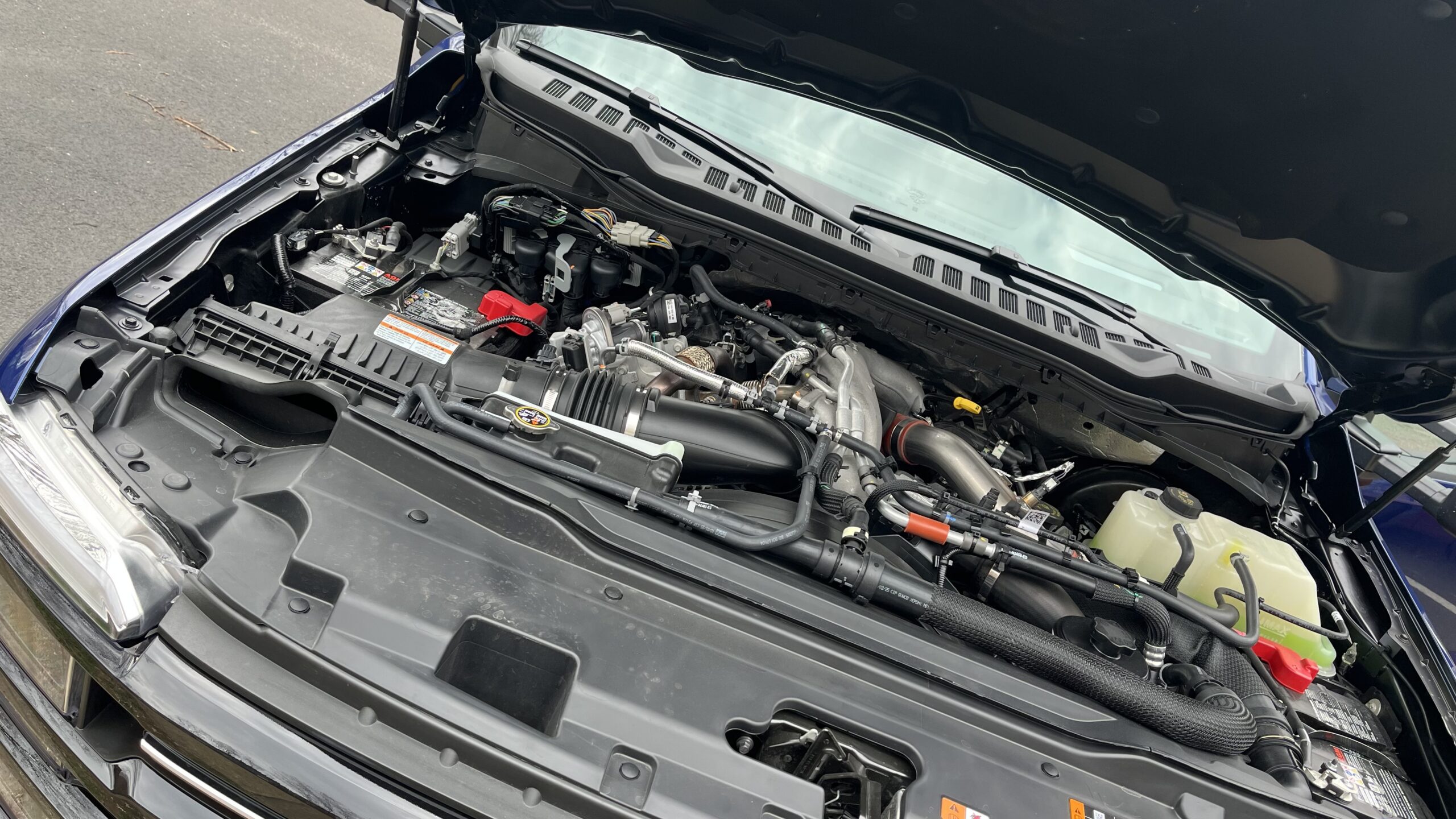
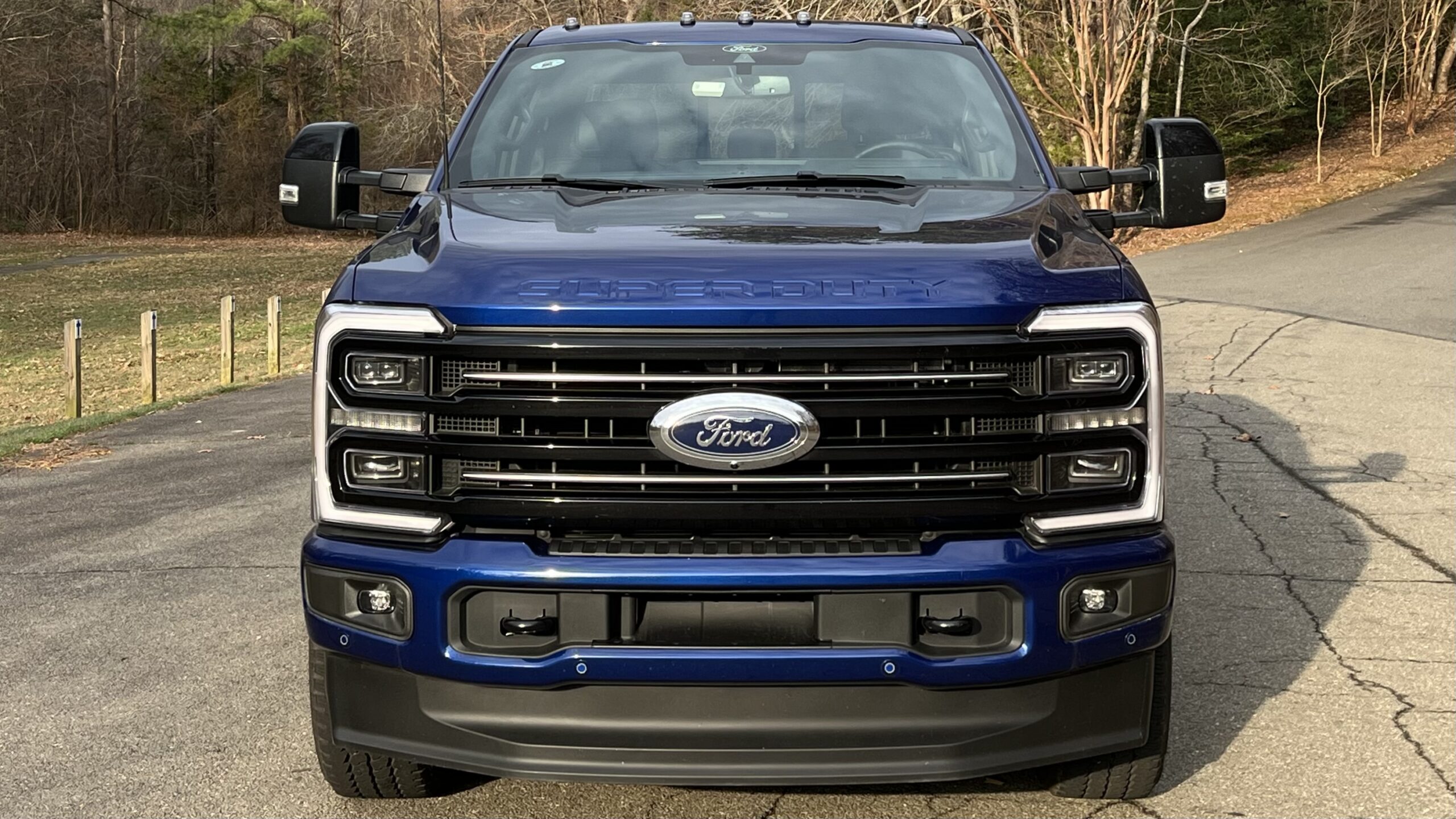
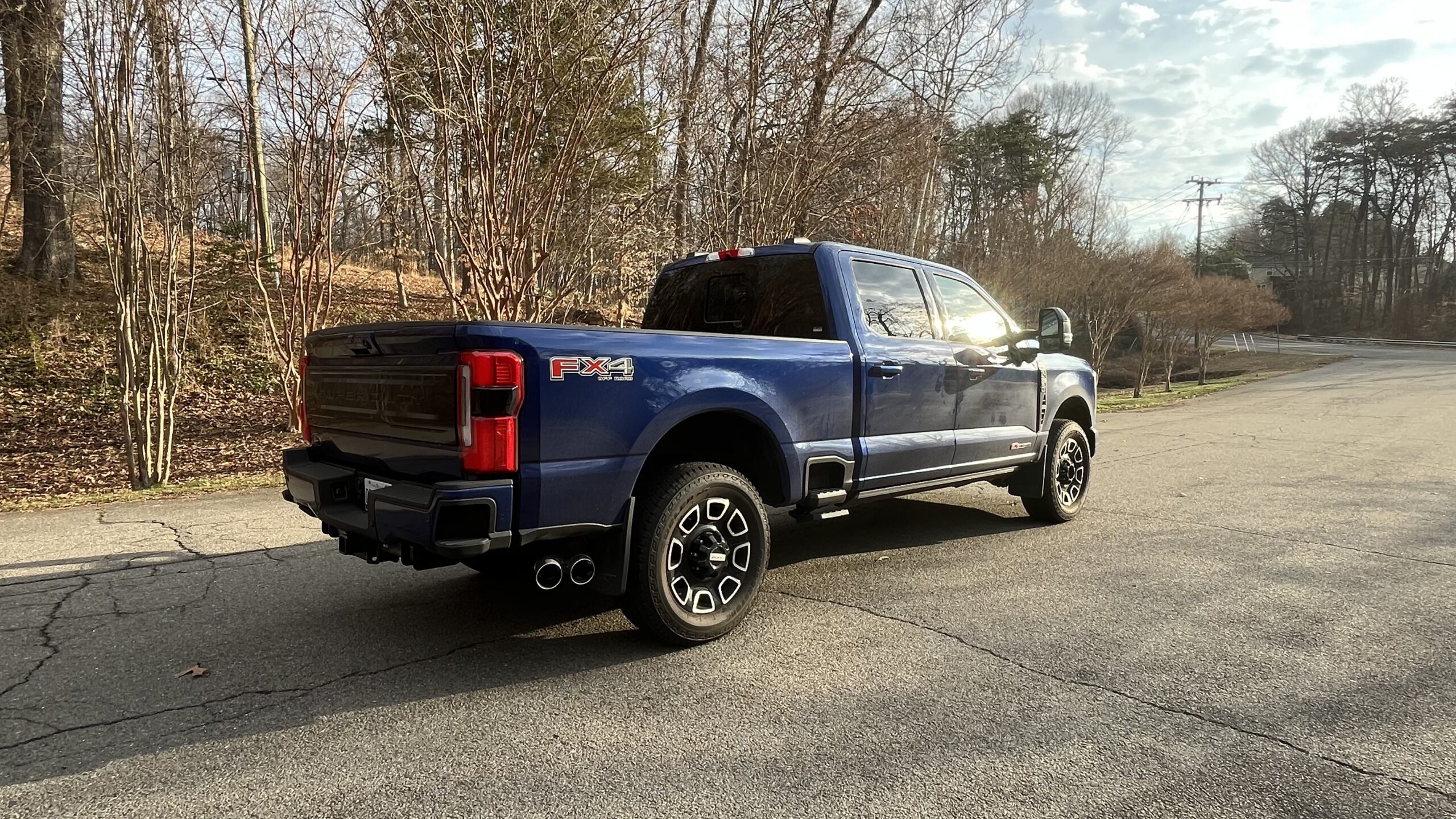
The truck I tested was a Crew Cab 4×4 Platinum with a hefty $105,235 sticker price. Under the hood sat Ford’s 6.7-liter High-Output Power Stroke Turbo Diesel producing 500 horsepower and an astonishing 1,200 lb-ft of torque, paired with a 10-speed TorqShift automatic transmission.
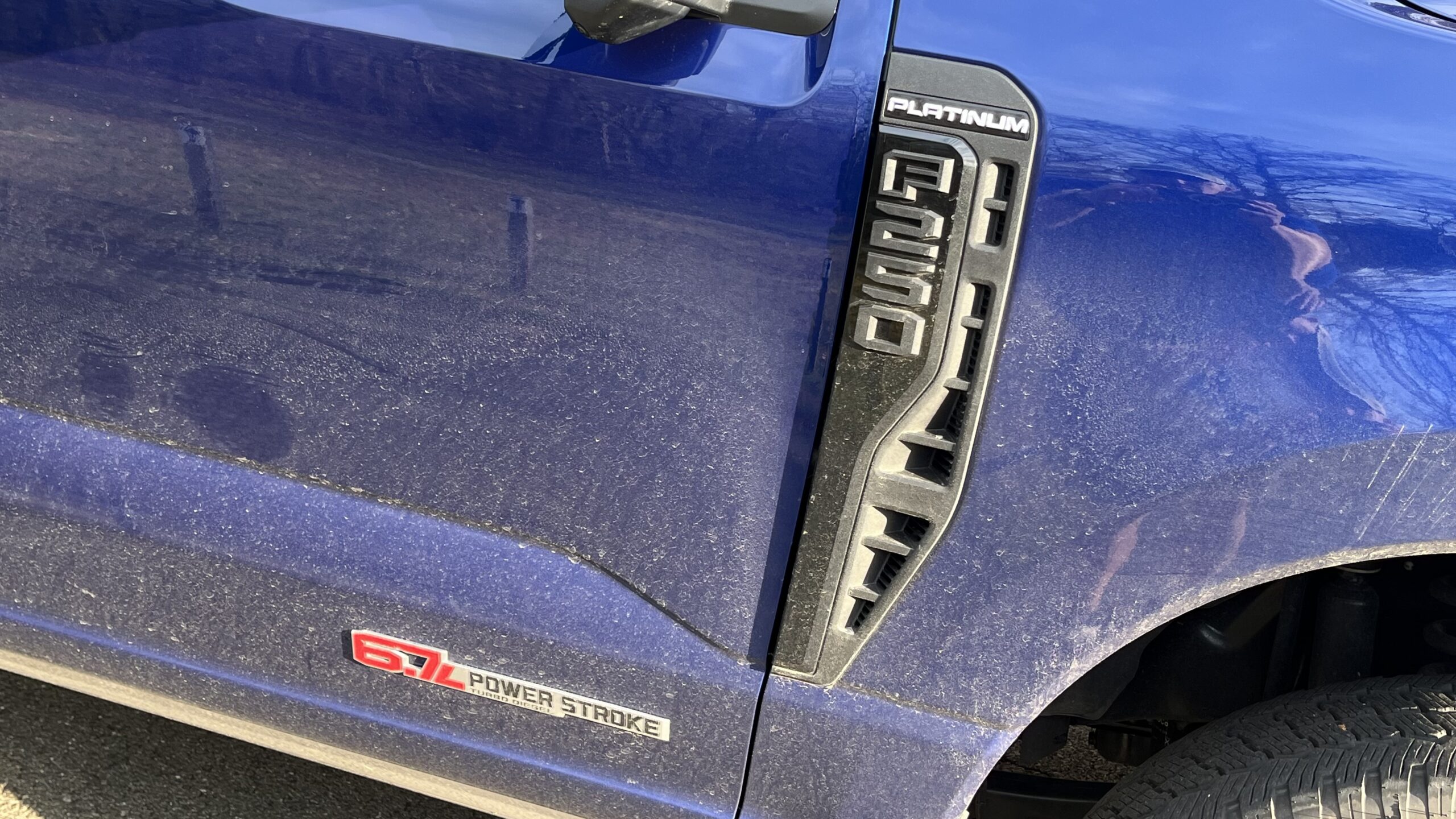
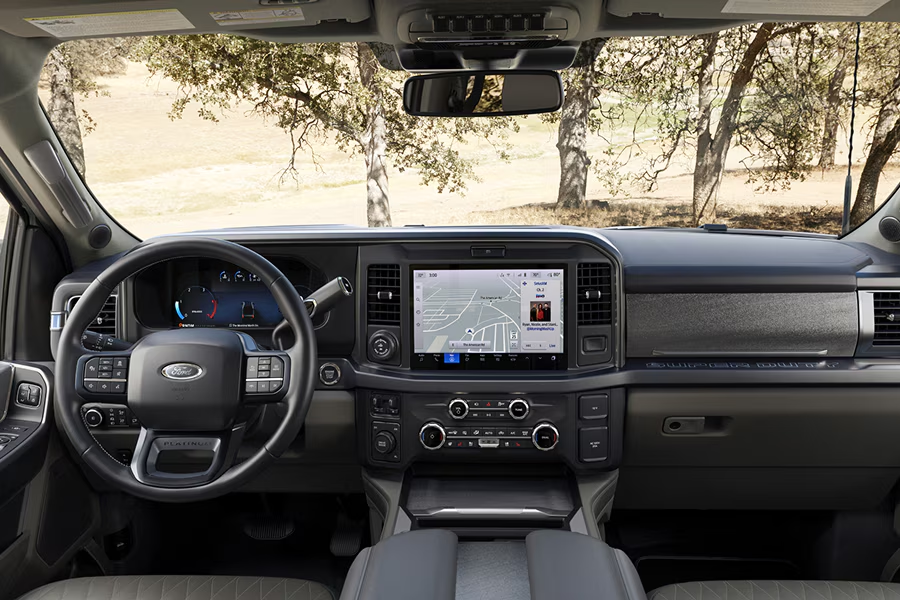
The Platinum trim transforms the Super Duty into something far more luxurious than most people expect from a heavy-duty pickup. Quilted leather seats with massage and recline functions, a panoramic moonroof, the FX4 Off-Road Package, Pro Power Onboard, advanced towing cameras, smart hitch technology, and power running boards made this truck feel like a blend of work-truck toughness and premium SUV comfort.
Living With It for a Week
The first thing that struck me was how refined the cabin feels. Older heavy-duty diesels could feel loud, rough, and industrial. This Platinum trim is the opposite. The cabin stays impressively quiet even at highway speeds, and the seats are genuinely comfortable for long drives.
The large SYNC 4 touchscreen is intuitive, and the 360-degree camera system quickly became essential because this truck is enormous. Driving through suburban Virginia parking lots and tighter residential streets definitely requires attention, but Ford’s camera technology makes the size feel manageable surprisingly quickly.
Unloaded, the F-250 accelerates with shocking authority. That massive torque reserve makes highway merging effortless. Pulling onto I-95, the truck never felt strained or sluggish, even with aggressive traffic moving around me.
One afternoon, I hooked up a moderately loaded trailer to see how the truck behaved under real towing conditions. This is where the Super Duty truly separates itself from half-ton pickups. The truck stayed composed, stable, and remarkably confident. The diesel power delivery feels smooth and endless, almost like the trailer barely existed.
I’ve driven competitors like the Ram 2500 and Chevrolet Silverado 2500HD, and both are excellent trucks. The Ram arguably has a softer ride and a more luxurious interior presentation, but the Ford gave me more confidence while towing. The steering, chassis feedback, and towing technology simply feel more dialed in for serious work.
Fuel economy during my week averaged around 14 to 16 mpg unloaded, which feels reasonable considering the truck’s size and capability. Under towing loads, fuel economy drops noticeably, but that comes with the territory in any heavy-duty diesel.
Ford Keeps Refining the Formula
What impressed me most was how Ford has modernized the Super Duty without stripping away its identity. This still feels like a serious work truck, but now it includes features that make long days behind the wheel far more comfortable.
The Pro Power Onboard system proved genuinely useful, allowing tools and equipment to run directly from the truck bed without needing a separate generator. Contractor friends of mine would absolutely appreciate that functionality on job sites.
The FX4 package added enough off-road confidence that gravel roads and rough surfaces never felt intimidating. Small details also stood out throughout the week, including the power running boards and the Max Recline seats, which unexpectedly turned the truck into a comfortable place to relax during breaks.
Ford clearly understands that modern truck buyers want capability without sacrificing comfort.
Carsfera’s Thoughts
After seven days with the 2026 F-250 Super Duty Platinum, I genuinely didn’t want to hand the keys back.
No heavy-duty truck is perfect, especially one this large and expensive, but the Super Duty continues to set the benchmark because it delivers exactly what buyers expect: immense capability, impressive refinement, and technology that genuinely improves everyday usability.
Whether you compare it with the Ram’s comfort-focused approach or Chevrolet’s strong diesel offerings, the Ford still feels like the most complete package overall. It’s a truck built not just for spec-sheet bragging rights, but for the people who actually rely on these machines every day.
After a full week behind the wheel, it’s easy to understand why the Super Duty remains America’s heavy-duty king.
-
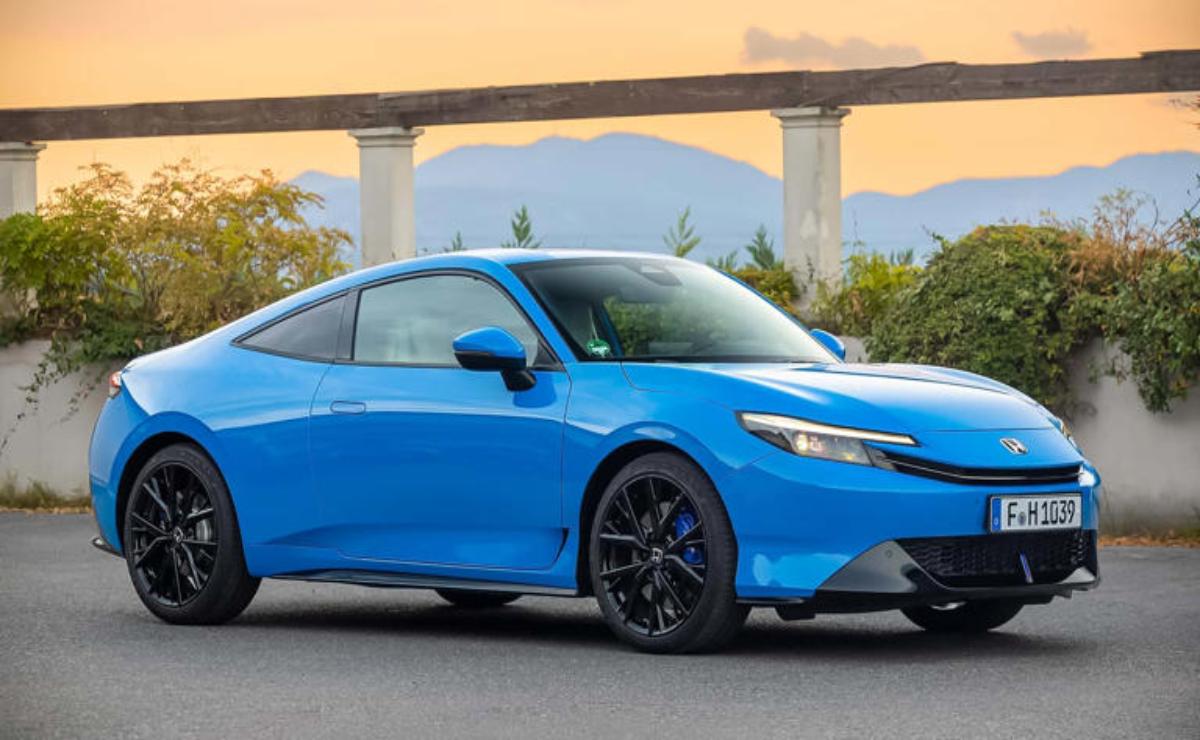 INTELLIGENT MOBILITY7 months ago
Customers Demand a Manual Honda Prelude: Will It Ever Happen?
-
TEST DRIVES3 weeks ago
2025 Ford Maverick Lobo
-
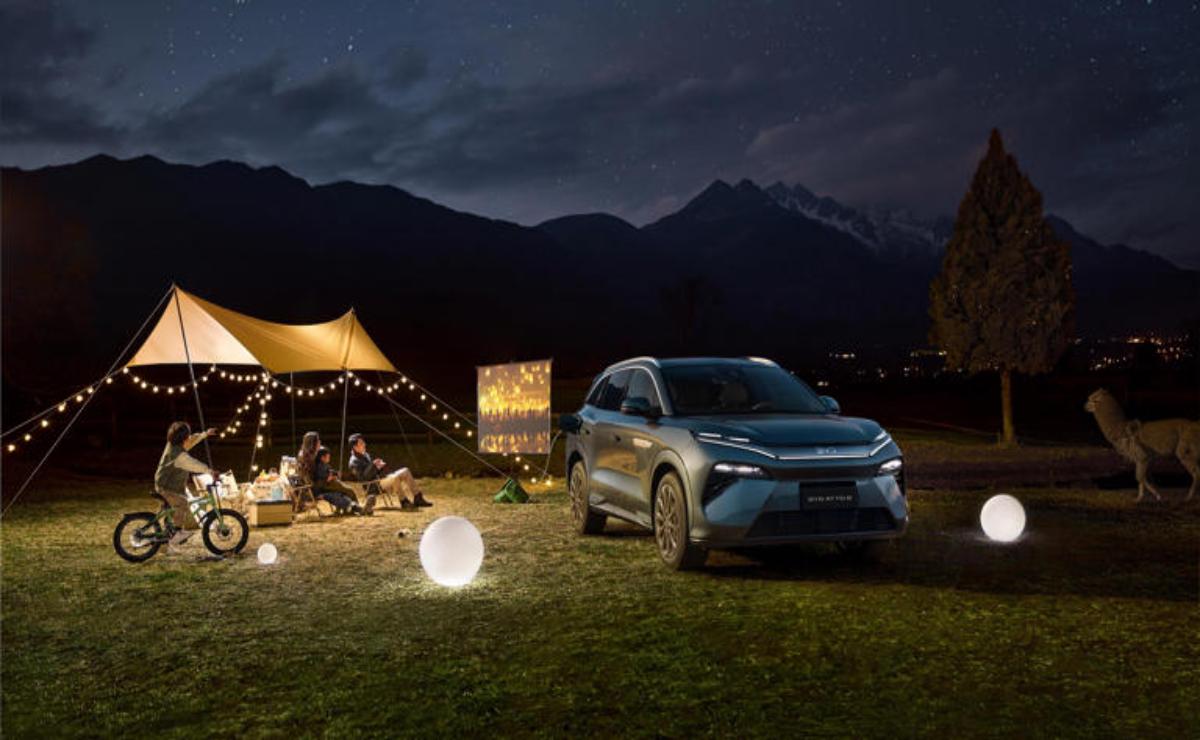 INTELLIGENT MOBILITY7 months ago
BYD Atto 8: The New 7-Seater PHEV SUV Arrives in Mexico
-
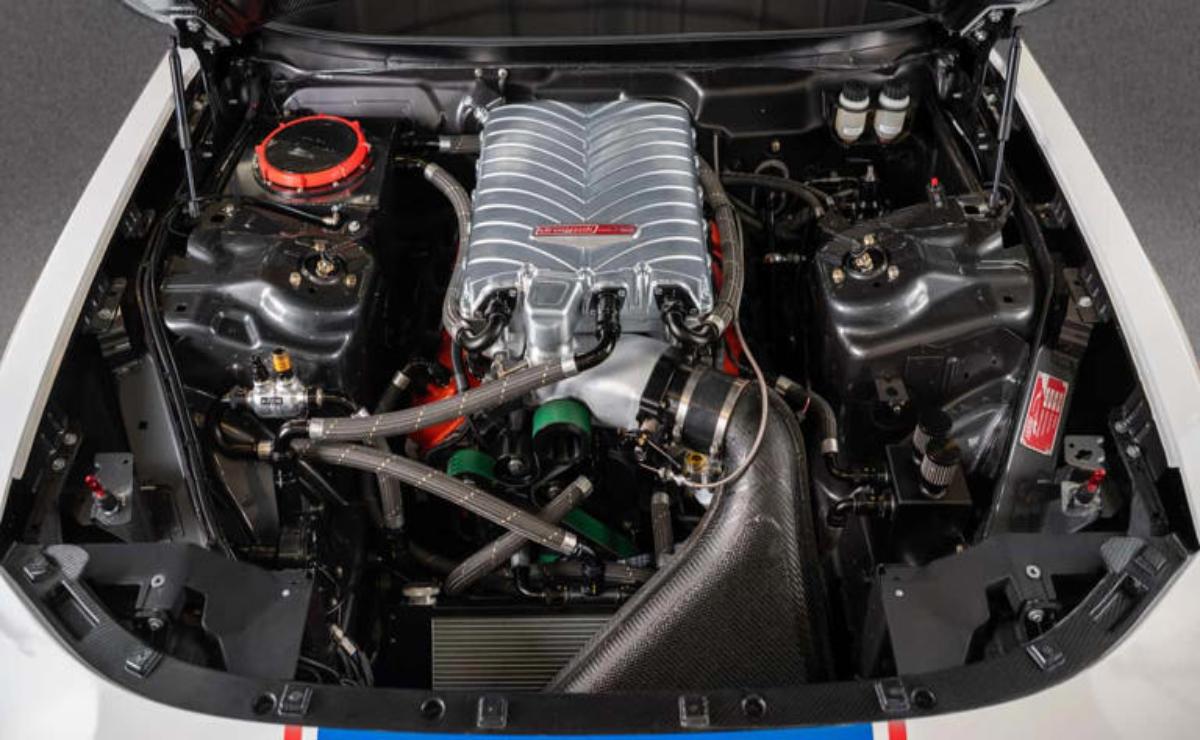 INTELLIGENT MOBILITY7 months ago
New Dodge Charger Hustle Stuff Drag Pack 2025: The Wild Return of the Hemi V8
-
 INTELLIGENT MOBILITY7 months ago
Kia Sportage 2026: Safety Excellence Crowned with IIHS TOP SAFETY PICK+ Award
-
 INTELLIGENT MOBILITY7 months ago
Kia America Achieves Record-Breaking October 2025 Sales
-
 INTELLIGENT MOBILITY7 months ago
10,000 RPM Madness: The Honda S2000 Resurrected with 580 HP and a Supercharged Heart
-
 INTELLIGENT MOBILITY7 months ago
FIFA World Cup 2026: The Importance of Electric Vehicles
You must be logged in to post a comment Login