
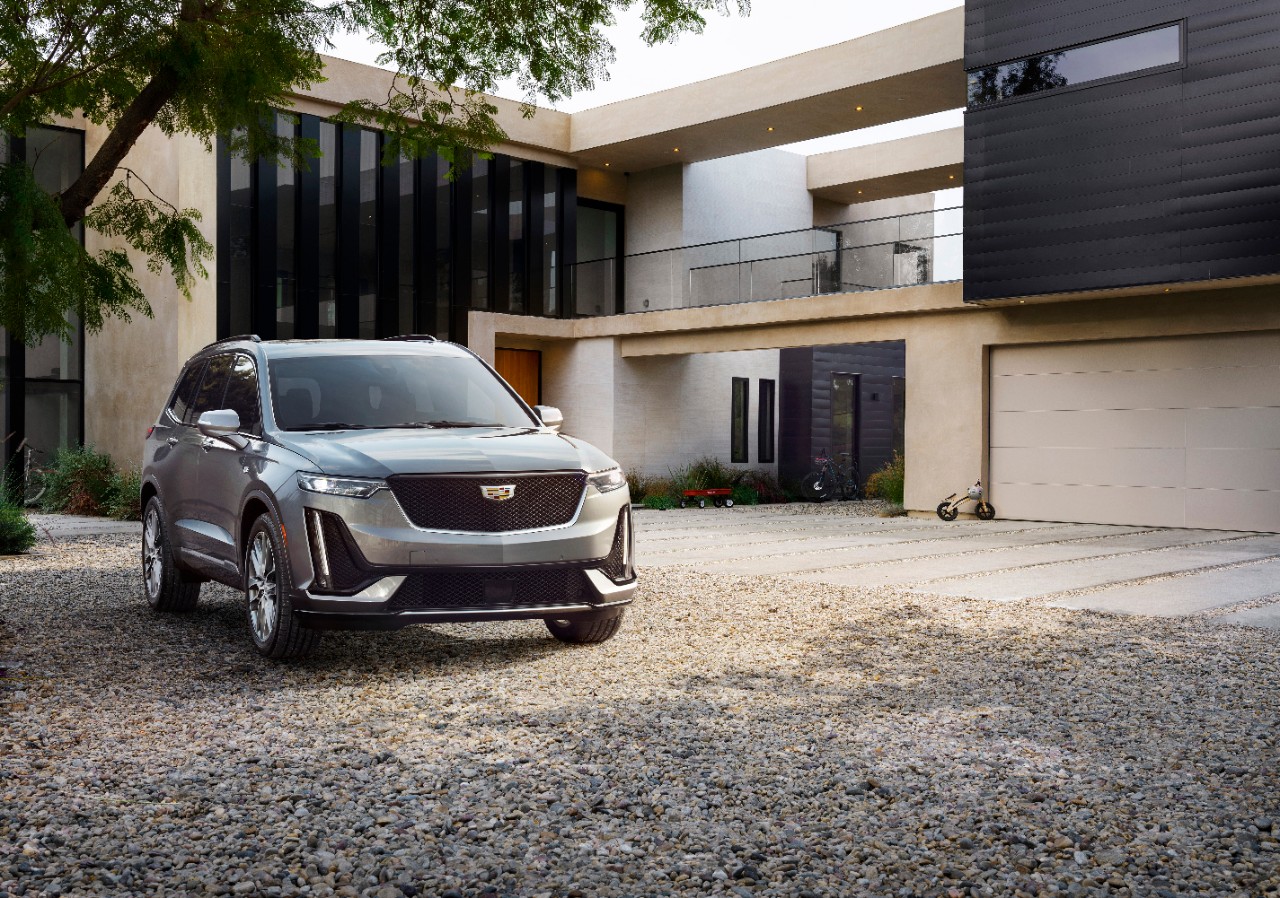
Cadillac describe al XT6 como un vehÃculo de “tamaño mediano plus”, ya que ven al XT5 como su principal SUV de tamaño mediano.
Para el 2021, agrega el modelo Luxury, un motor de 4 cilindros turbo, compatibilidad inalámbrica de Android Auto y Apple Car Play, todo parte de la primera generación del XT6 introducida en el 2020.
El XT6 se produce en la planta de GM en Spring Hill, Tennessee, mientras que el XT6 para el mercado chino es fabricado en Shanghai por SAIC-GM.
Si bien sirve como la contraparte de lujo del Chevrolet Traverse y Buick Enclave de tamaño mediano de 3 filas en el segmento de SUV crossover, el XT6 comparte su distancia entre ejes con el GMC Acadia, Cadillac XT5 y Chevrolet Blazer de tamaño mediano.
Con el Cadillac XT6 indica la intención del fabricante en competir en todos los niveles de los SUV de lujo.

Estilos y opciones
El Cadillac XT6 2021 es un SUV mediano de tres filas con capacidad para seis o siete pasajeros. Está disponible en tres niveles de equipamiento: Luxury, Premium Luxury y Sport.
Los Premium Luxury vienen de serie con tracción delantera, pero la tracción total es opcional. Los Sport traen solo tracción total.
Ambos modelos vienen con caracterÃsticas casi idénticas, y el Sport ofrece un puñado de diferencias estéticas y de rendimiento.
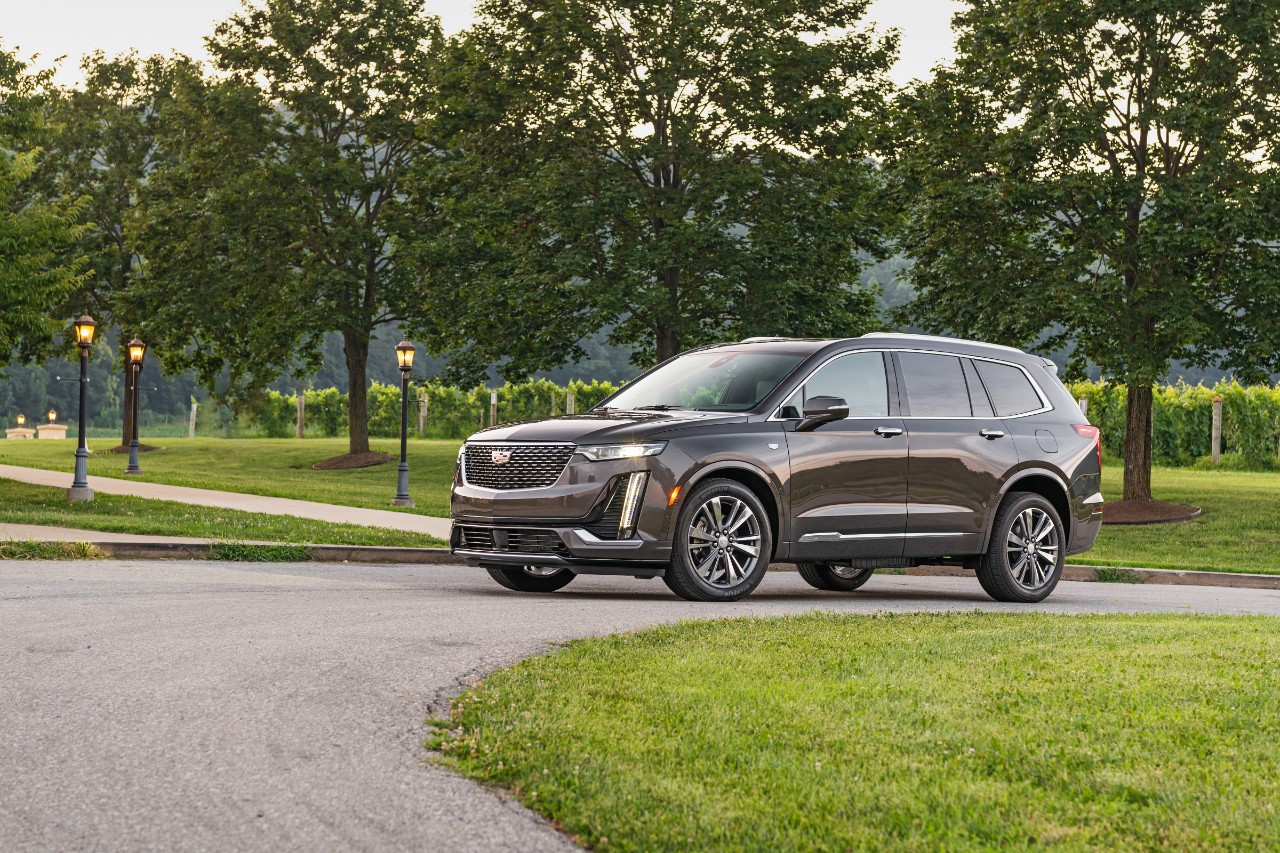
Los aspectos más destacados del Premium Luxury incluyen un techo corredizo, una puerta trasera levadiza de manos libres, asientos delanteros con calefacción y un volante con calefacción, entre otros toques de lujo.
Las funciones de info-entretenimiento incluyen una pantalla táctil de 8 pulgadas con un controlador de marcación secundaria, Apple CarPlay y Android Auto, radio satelital, seis puertos USB (dos para cada fila de asientos), una conexión Wi-Fi 4G LTE y un dispositivo inalámbrico almohadilla de carga.
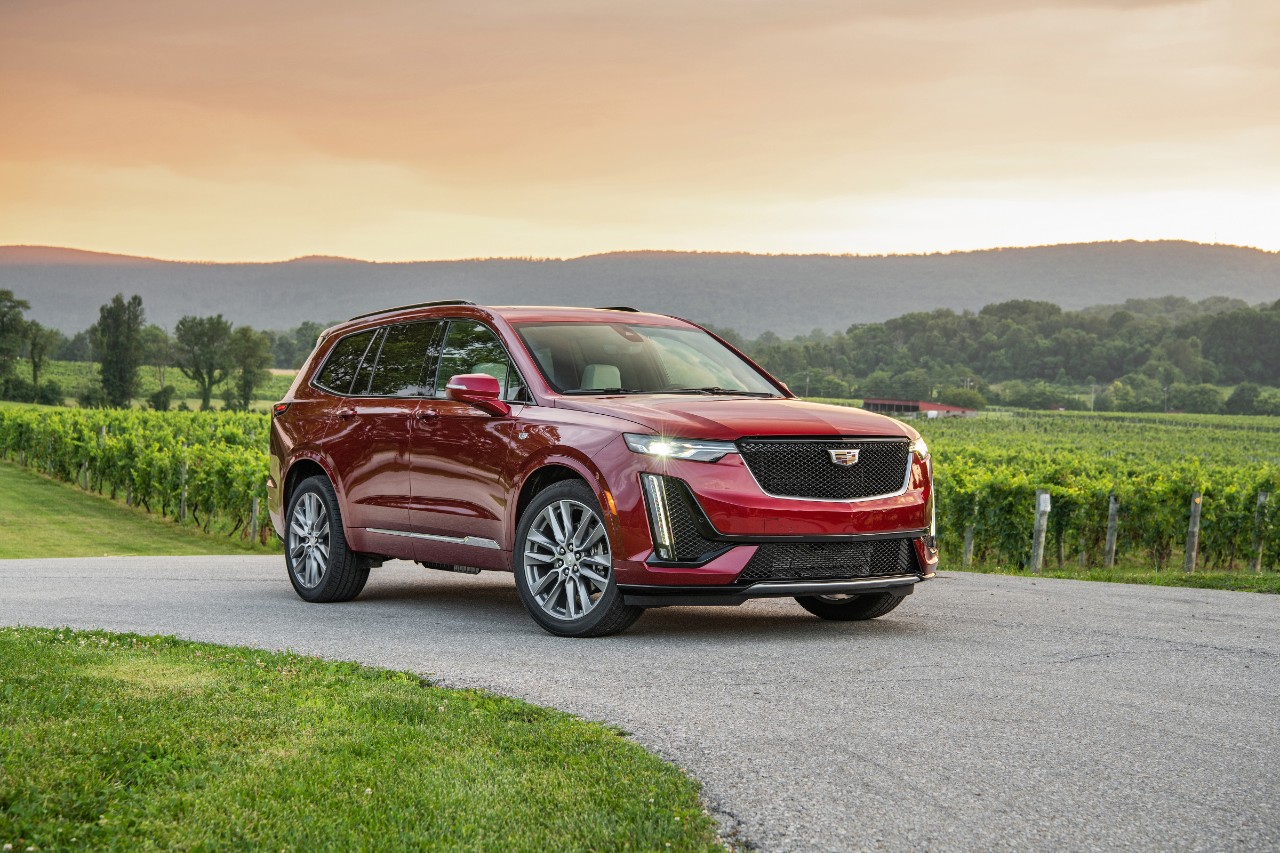
La versión Sport, la que probé, viene con las mismas caracterÃsticas, pero agrega una suspensión adaptada, detalles en las molduras exteriores de color negro brillante y ayudas para el remolque.
Hay varias opciones disponibles para ambos modelos, con aspectos destacados que incluyen un sistema de sonido Bose mejorado, un sistema de navegación, tapicerÃa de cuero y molduras interiores mejoradas y control de crucero adaptado.
Tren de potencia
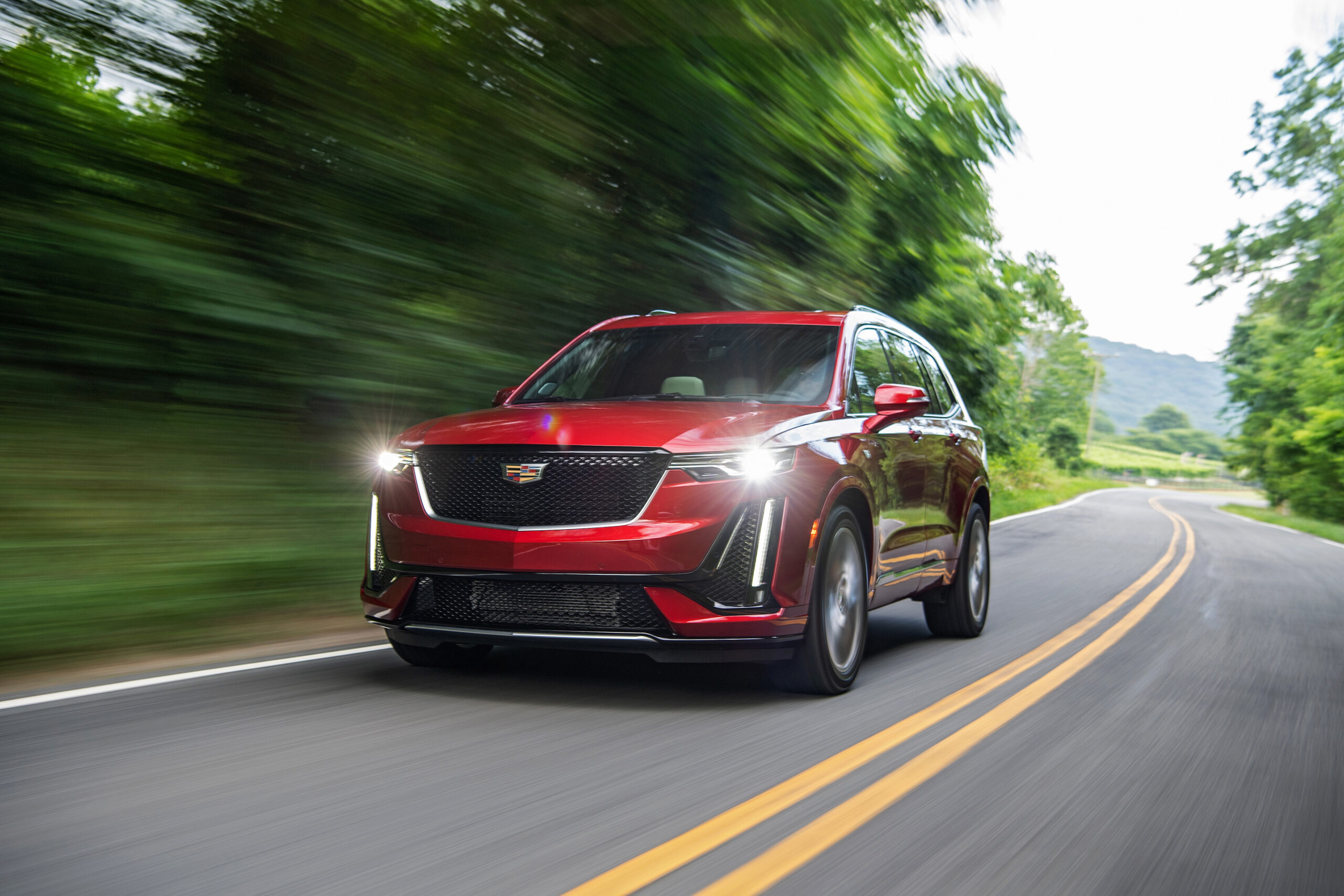
La versión Luxury viene con un motor turbo de cuatro cilindros y 2.0 litros con 237 caballos de fuerza, 258 libras pie de torque.
Las versiones Premium Luxury y Sport, traen un motor V6 de 3.6 litros con 310 caballos de fuerza, 271 libras pie de torque con una transmisión automática de nueve velocidades.
Adecuadamente equipado, el XT6 puede remolcar hasta 4,000 libras.
Estilo interior
El diseño y la calidad de los materiales parecen coincidir con lo que encontrará en otros Cadillac, lo que lo hace atractivo. Los asientos delanteros bastante cómodos tienen funciones efectivas de calefacción y refrigeración, pero carecen de cierta capacidad de ajuste.
Los asientos delanteros bastante cómodos tienen funciones efectivas de calefacción y refrigeración, pero carecen de cierta capacidad de ajuste.
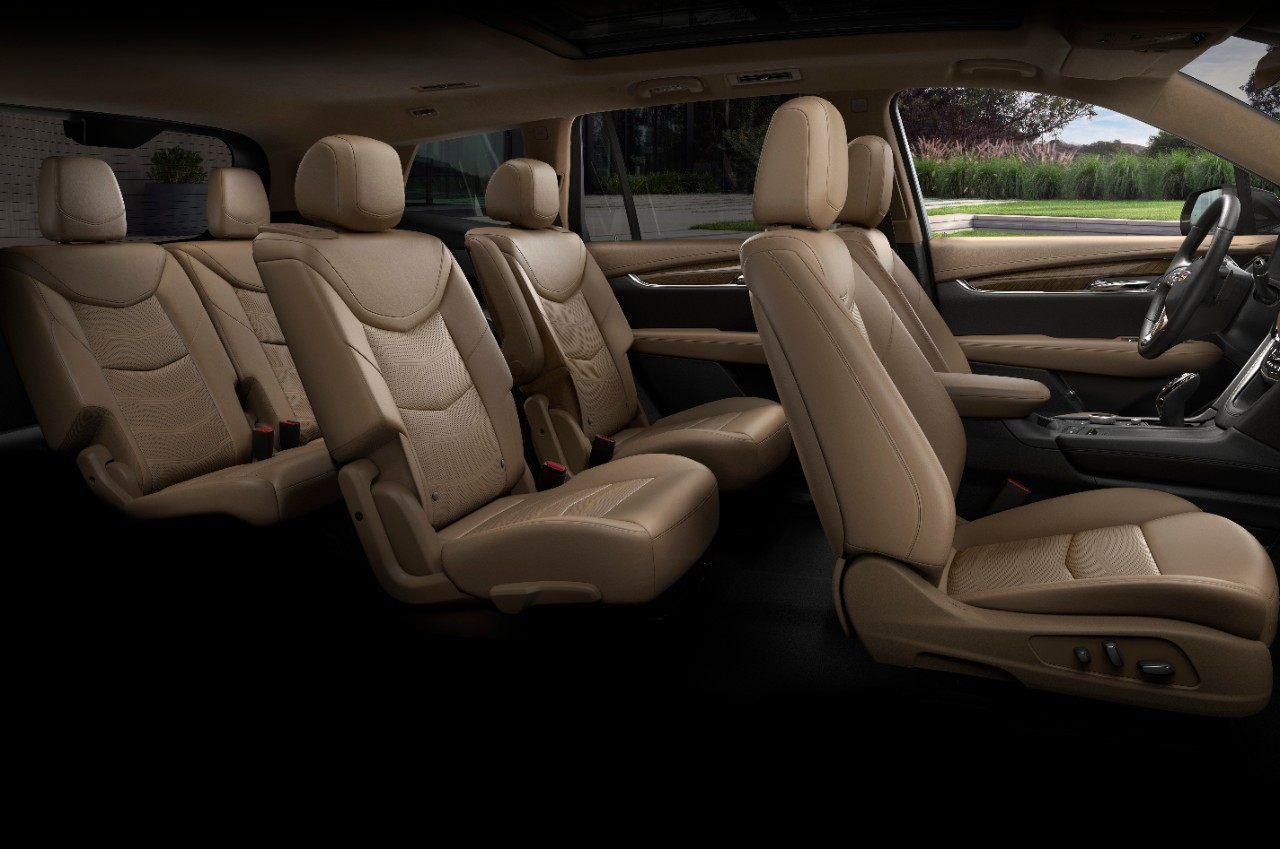
El soporte lumbar solo se puede ajustar de dos maneras, por ejemplo, y no hay extensión del cojÃn del muslo para las piernas largas. Las sillas tipo capitán reclinables de la segunda fila son relativamente cómodas.
Entrar y salir es muy sencillo gracias a las aberturas de las puertas cuadradas y la baja altura de paso. Incluso llegar hasta la tercera fila es bastante fácil si obtienes las sillas tipo capitán de la segunda fila. Una vez dentro, hay bastante espacio en todas las filas.
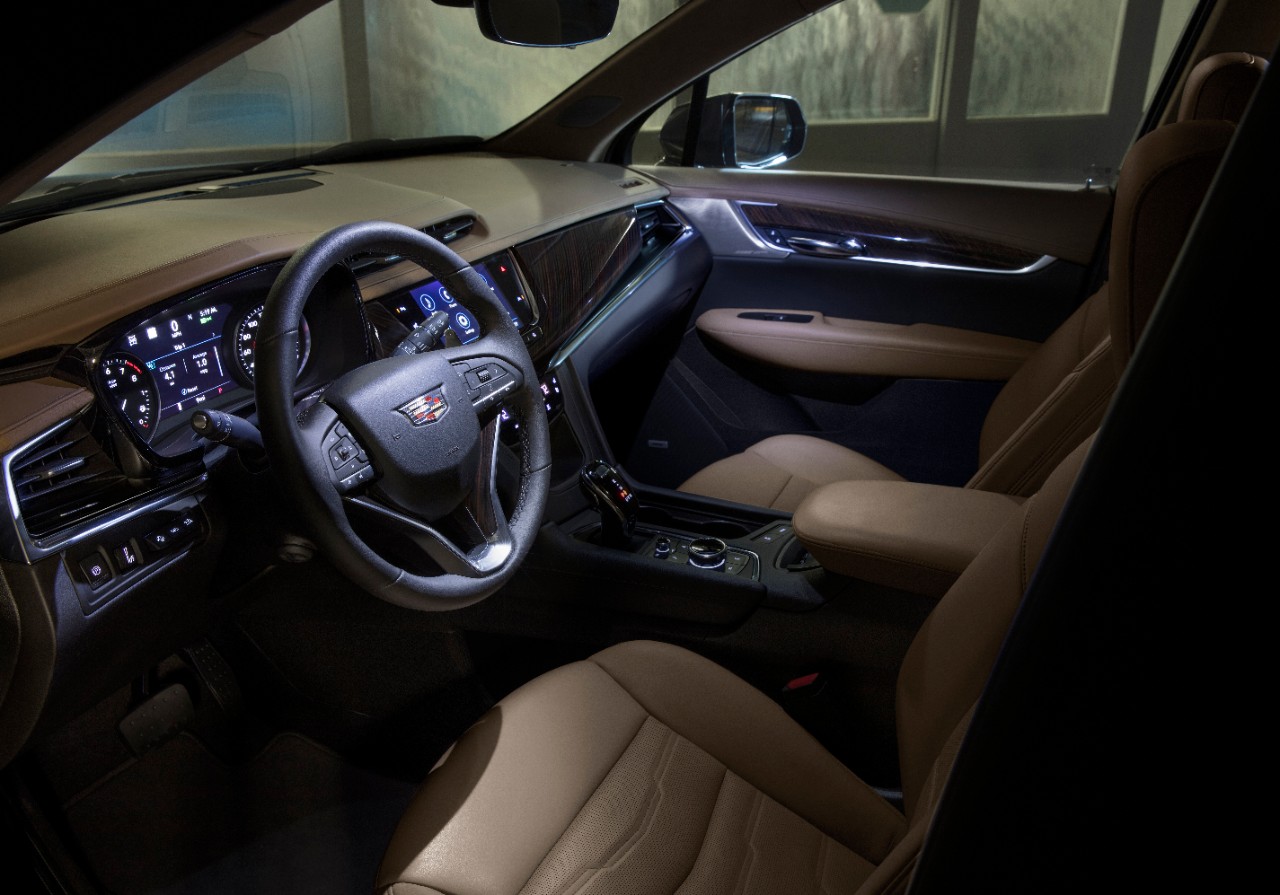
La visibilidad es buena en todas partes y es ayudada por espejos laterales de montaje bajo y un sistema opcional de cámara de estacionamiento con vista envolvente.
La altura de elevación del área de carga es un poco alta y el almacenamiento detrás de los asientos de la tercera fila, a 12.6 pies cúbicos, está por debajo del promedio. La capacidad máxima de carga es 78,7 pies cúbicos más apropiada para la clase.
TecnologÃa
Para el 2021 trae Apple CarPlay y Android Auto con compatibilidad inalámbrica y tiene seis opciones de carga más un cargador de teléfono inalámbrico.
Cadillac decidió agregar un controlador giratorio para complementar su interfaz de pantalla táctil en un momento en que la mayorÃa de los otros fabricantes de automóviles se están deshaciendo de ellos.
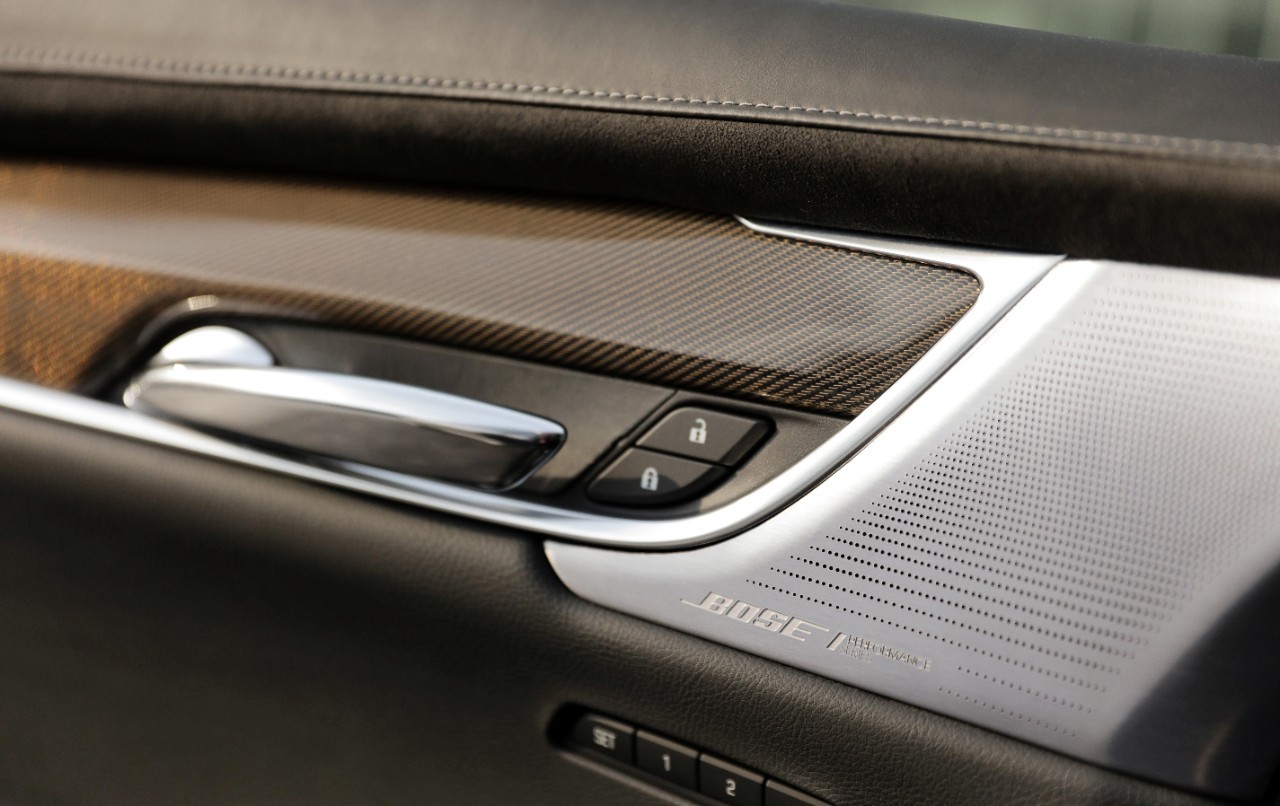
El sistema de audio Bose opcional tiene una claridad de sonido muy buena. A diferencia de algunos sistemas de la competencia, que son más débiles, este sistema suena fuerte incluso a la mitad del volumen.
Cadillac decidió agregar un controlador giratorio para complementar su interfaz de pantalla táctil, en un momento en que la mayorÃa de los otros fabricantes de automóviles se están deshaciendo de ellos.
Seguridad
Las caracterÃsticas de seguridad estándar incluyen frenos de disco antibloqueo, control de tracción y estabilidad, airbags frontales, airbags de cortina y airbag de rodilla de conductor.
El soporte OnStar, incluye notificación automática de choque, asistencia en carretera ha pedido, desbloqueo de puertas remotas y asistencia de vehÃculos robados.
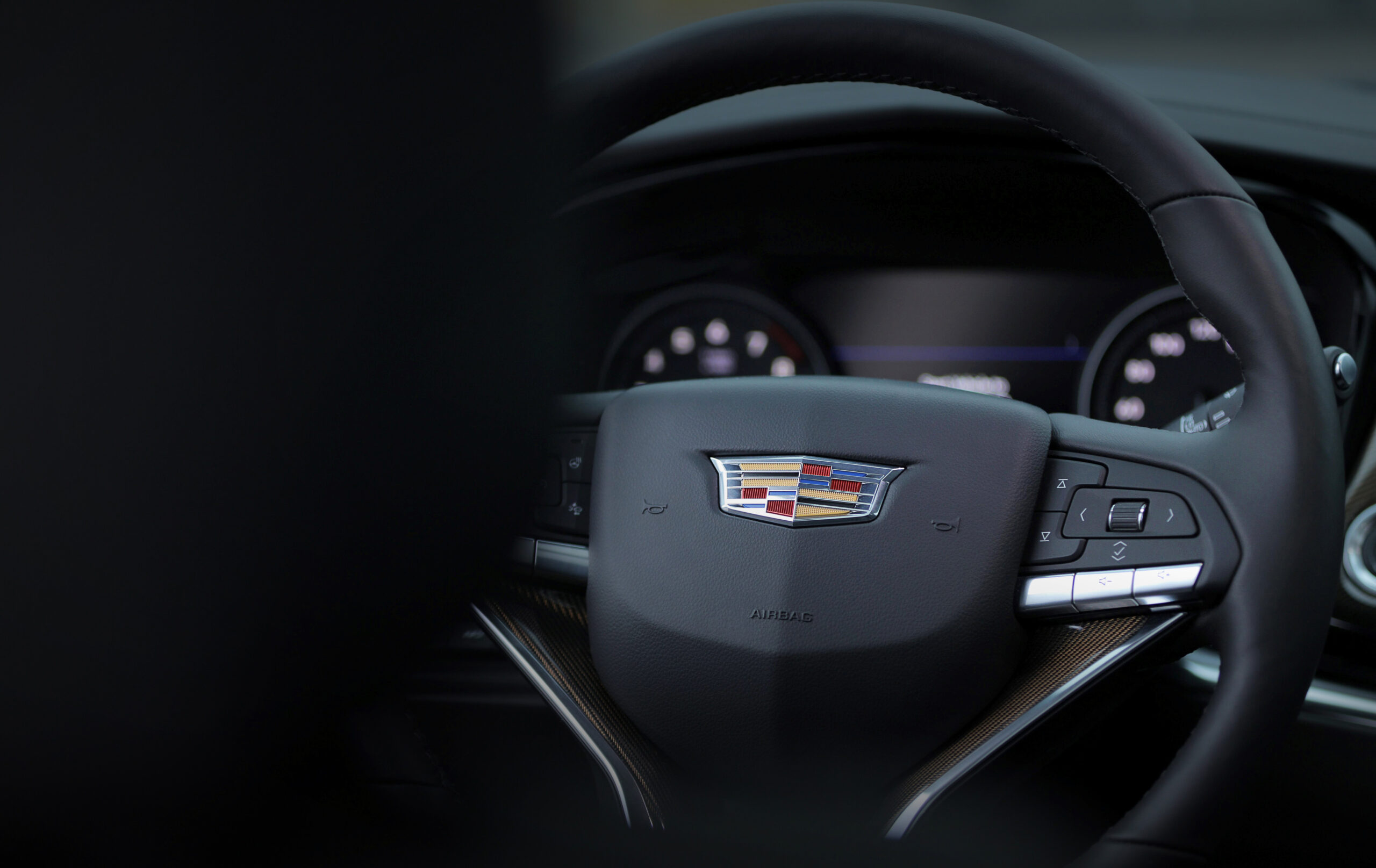
El paquete Driver Awareness incluye mitigación de colisión frontal de baja velocidad, un indicador de distancia de seguimiento y asistencia de mantenimiento de carril.
El paquete de visibilidad mejorada, agrega un conjunto de cámaras adicionales, incluida una que se muestra en el espejo retrovisor, asà como una función de estacionamiento automático, sensores de estacionamiento delanteros y traseros, vigilancia de punto ciego, y un asiento que vibra para alertar al conductor.

Puede obtener la cámara de visión trasera, que llena el espejo retrovisor con una imagen en tiempo real de una cámara montada en la parte trasera. Es opcional la visión nocturna, que usa infrarrojos para detectar peatones o animales grandes más allá del alcance de los faros.
Me gustan las ayudas a la conducción del XT6. El crucero adaptado funciona bien, pero el sistema de mantenimiento de carril es más una ayuda de prevención que una ayuda de centrado activo. No se moleste en obtener la costosa opción de visión nocturna porque no funciona muy bien.
En carretera
Nuestra modelo de prueba, el XT6 Sport, hizo un buen trabajo al suavizar los impactos de las malas carreteras, aunque no controló bien los movimientos residuales de la carrocerÃa hacia arriba y hacia abajo. Este rasgo podrÃa ser un problema para los pasajeros traseros sensibles al movimiento.
El motor V6 de 3.6 litros del XT6 es suficiente para un vehÃculo de este tamaño, pero está por detrás de los lÃderes del segmento.
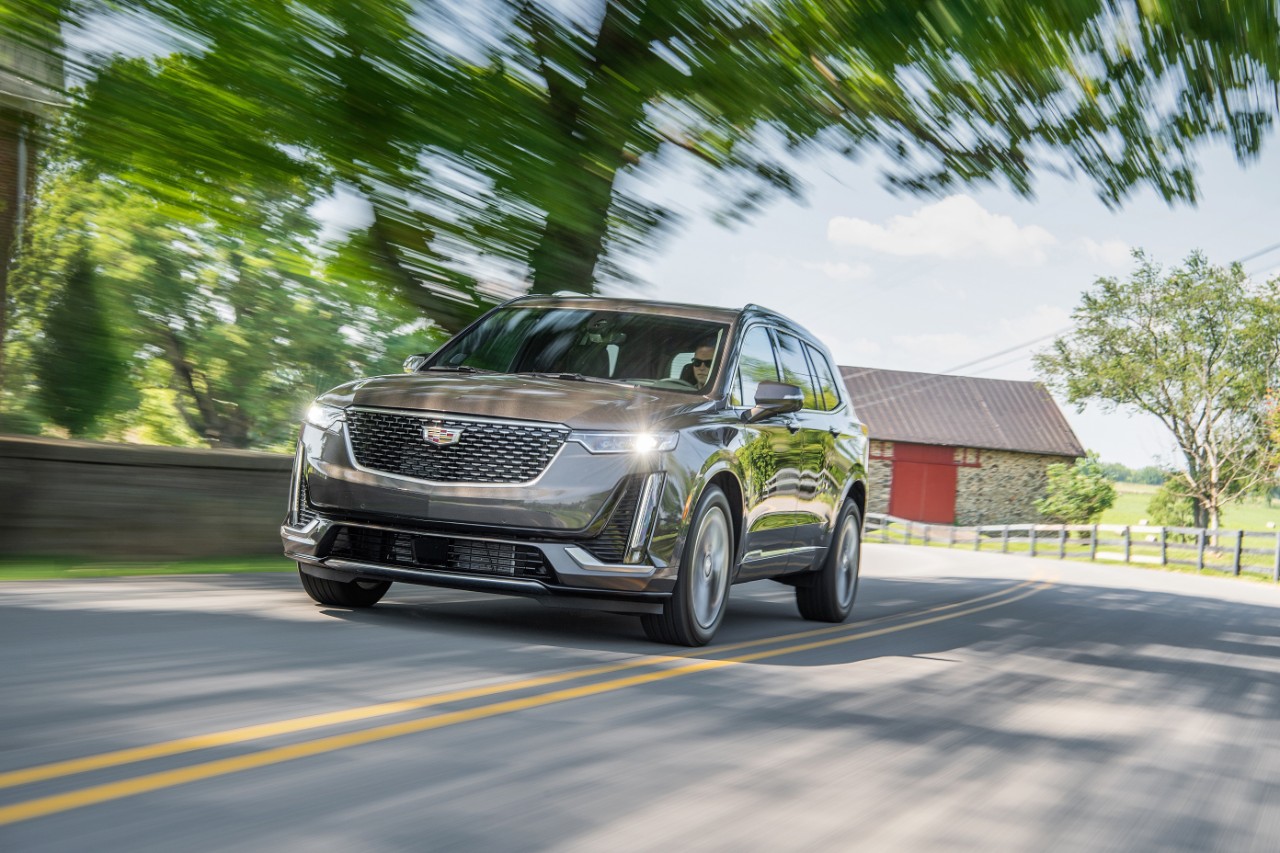
Curiosamente, el sistema de tracción total AWD no se activa automáticamente, por lo que debe cambiarlo manualmente cuando crea que lo necesita.
El alerón delantero ayuda con la aerodinámica, pero raspa algunos malos caminos, dando una señal de que es mejor evitar adentrarse a los áreas de los todoterrenos.
Otros rasgos de conducción fue la dirección de torsión, un rasgo en el que el volante puede sacudirse en sus manos cuando aprieta el acelerador, y crea una difÃcil conducción a baja velocidad, debido a que el pedal del acelerador se torna demasiado sensible.
Al final de todo es un Cadillac, y es una experiencia de conducción agradable, ya que en general, es un vehÃculo confortable y muy cómodo, sobretodo en la ciudad.
Conclusión
Rivales del segmento, como el Audi Q7, Acura MDX y Volvo XC90, lucen un poco más atractivos en los papeles, pero son más caros. El Lincoln Aviator es su rival más cercano,
Pienso que el XT6 es una buena elección si usted busca un SUV de lujo de tres filas, ya que Cadillac ha mantenido su buena participación en un duro segmento,
Precio: Desde US $49,940
Consumo: 18 mpg ciudad / 25 mpg carretera (17/24 con el AWD)










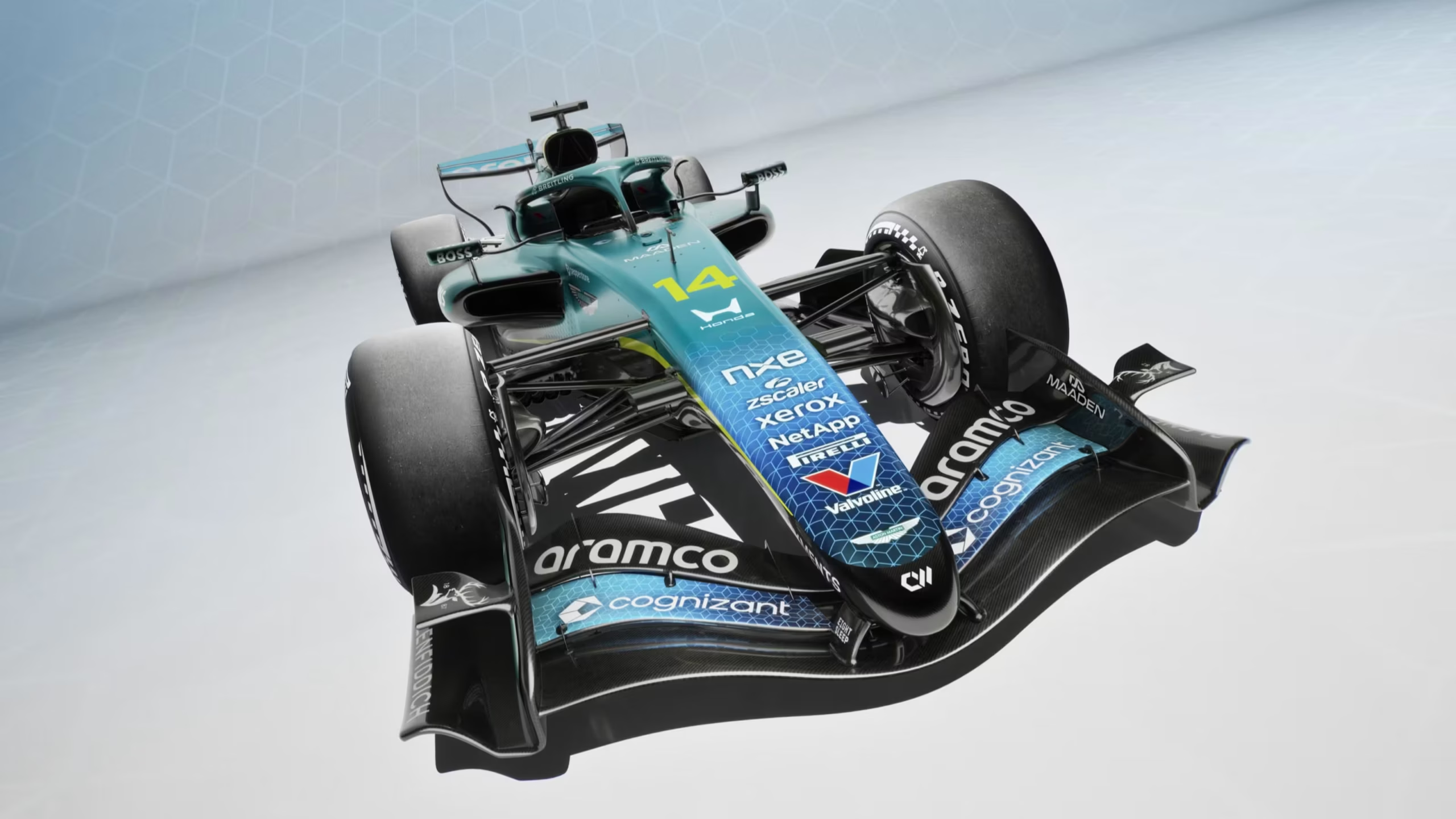
Aston Martin will showcase a special AMR26 livery at the United States Grand Prix, celebrating five years of its partnership with Cognizant.
Aston Martin is preparing a special appearance for the 2026 United States Grand Prix in Austin, where its AMR26 will mark five years of collaboration with Cognizant. The partnership began in 2021 and remains part of the team’s identity in Formula One.
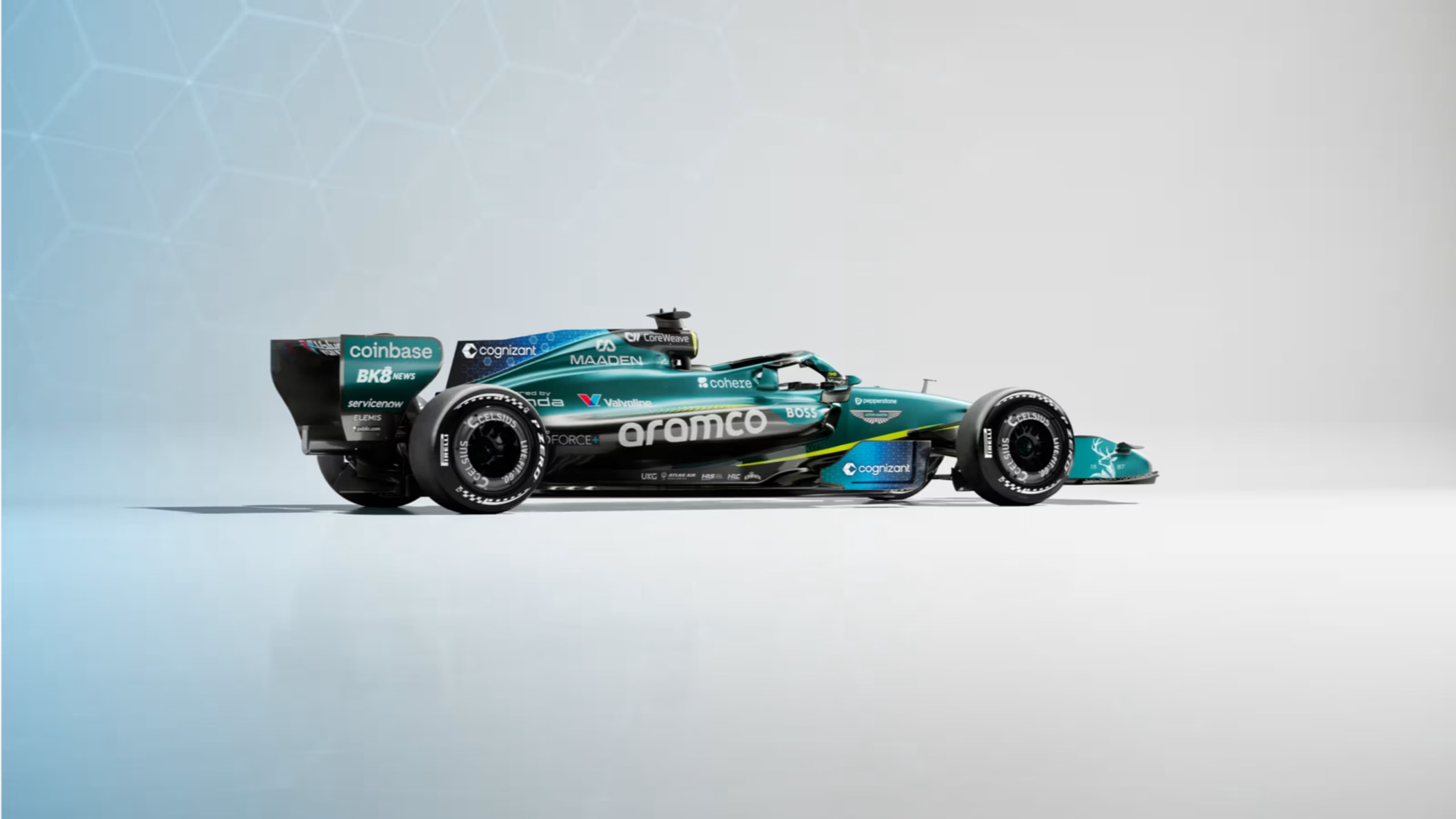
The AMR26 will carry a special design for the United States Grand Prix weekend.
Aston Martin Marks Five Years With Cognizant
The Austin Grand Prix provides the setting for Aston Martin to recognize the milestone. Since the partnership began in 2021, Cognizant has maintained a prominent association with the team’s Formula One program.
The anniversary also comes as the relationship expands into new areas of technology. Earlier in 2026, Cognizant became Aston Martin’s Global AI Services Partner, strengthening the technological dimension of the collaboration.
Technology and Formula One
Modern Formula One relies on data analysis, software and advanced computing to support decisions throughout a race weekend. Teams use these tools to evaluate performance, develop strategies and improve their operations.
Aston Martin’s expanded relationship with Cognizant reflects the growing role of artificial intelligence and digital technology in motorsport. However, the partnership’s announcement alone does not establish a specific performance gain for the AMR26.
Data analysis and digital tools are important parts of modern Formula One operations.
Austin Provides the Backdrop
The United States Grand Prix gives Aston Martin an opportunity to highlight the anniversary in front of American fans. The special livery will bring the partnership into focus during the Austin race weekend.
The design also connects the team’s on-track presence with a collaboration that has evolved since 2021. With Cognizant’s expanded role in artificial intelligence, the anniversary reflects both the history of the relationship and its continuing technological focus.
Aston Martin’s special AMR26 appearance will be one of the team’s key visual elements at the United States Grand Prix. Further details about the livery’s specific design features should be confirmed through the team’s official announcement.
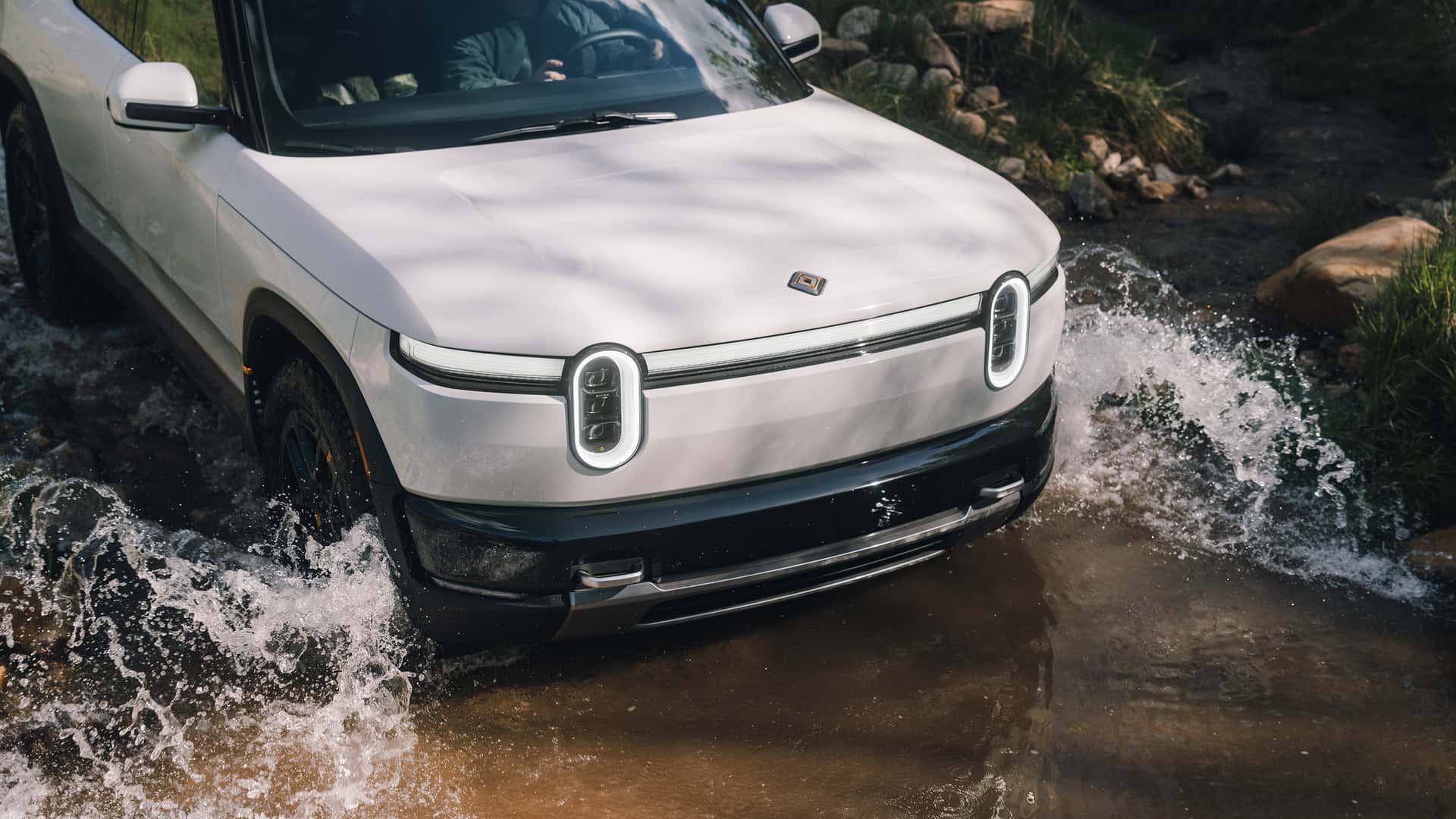
The automaker is inviting select R1 and R2 owners to try a new route-based driving assistant before a wider U.S. rollout.
Rivian is preparing to expand its driver-assistance technology with Point to Point, a system designed to handle more of a journey than conventional hands-free highway assistance. The first phase will be limited to selected customers, with a broader rollout planned for 2027.

Rivian is starting its latest driving technology program with eligible owners of newer R1 models and the R2.
From Highway Assistance to Full Routes
Point to Point builds on Rivian’s existing Universal Hands-Free system. It is designed to follow a planned route, including turns, highway merges and surface streets, while the driver remains responsible for supervising the vehicle.
The technology combines the vehicle’s sensors and cameras with Rivian’s Large Driving Model, which interprets surrounding conditions and helps determine how the vehicle should respond.
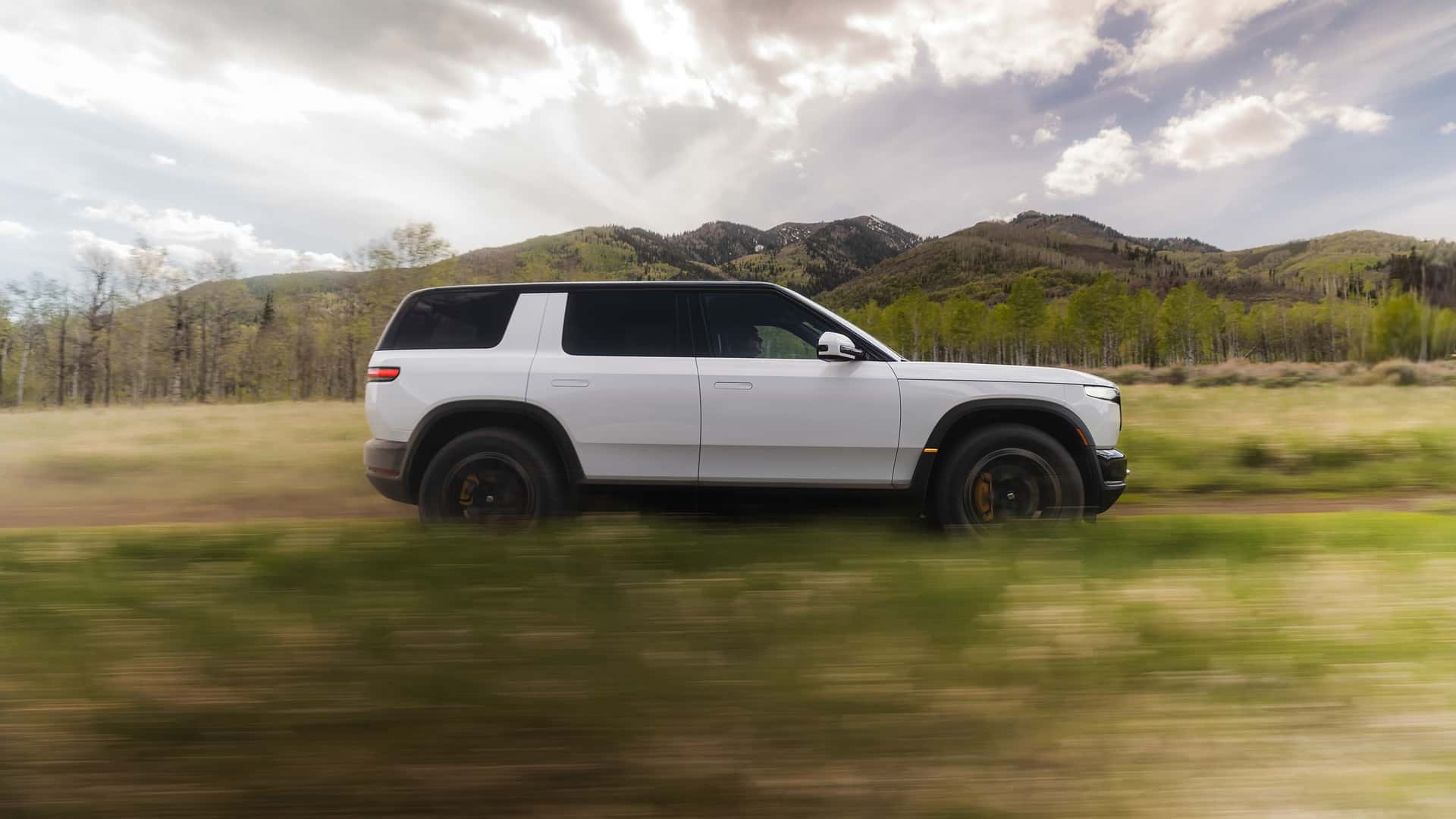
Point to Point aims to manage more of a planned journey while requiring the driver to remain attentive.
Who Can Join the Early Access Program?
The initial program targets eligible Gen 2 R1 and R2 owners in California and Florida. Applicants must have an active paid Autonomy+ subscription; free trials do not qualify.
Rivian will consider existing use of its driver-assistance features, recent safety records and a balance of vehicle models and regions when selecting participants. Owners can register their interest through the Autonomy Early Access tile in their Rivian account.
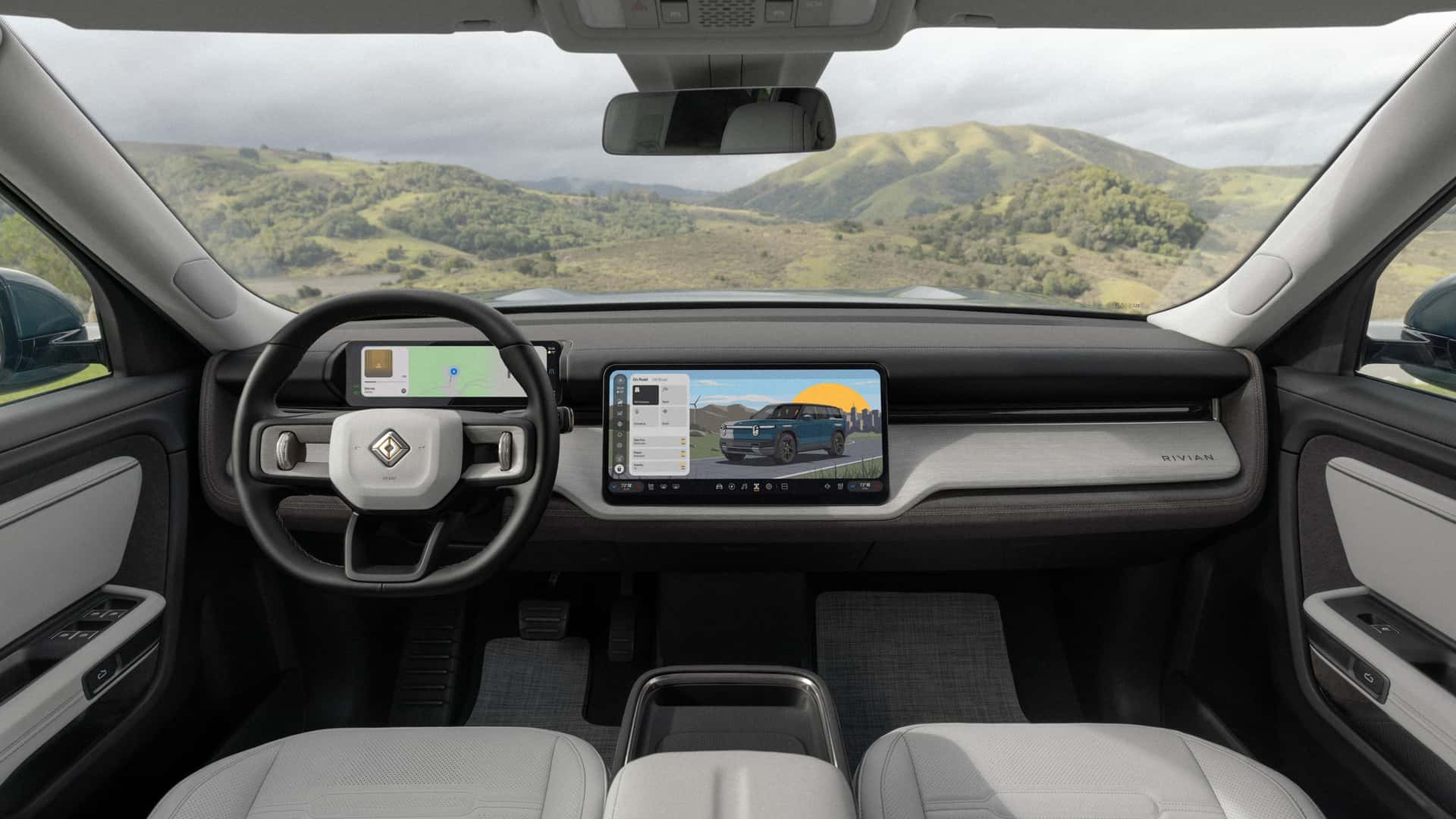
Eligible owners can register their interest through their Rivian account.
Testing Comes With Conditions
Selected participants must use the preview features weekly, report issues and complete monthly surveys. They must also agree to data collection that includes location and camera data, under a non-disclosure agreement.
The program is unpaid, and Rivian can reassess participants’ eligibility every 30 days. First-generation R1 vehicles and Canadian owners are excluded from the initial phase.
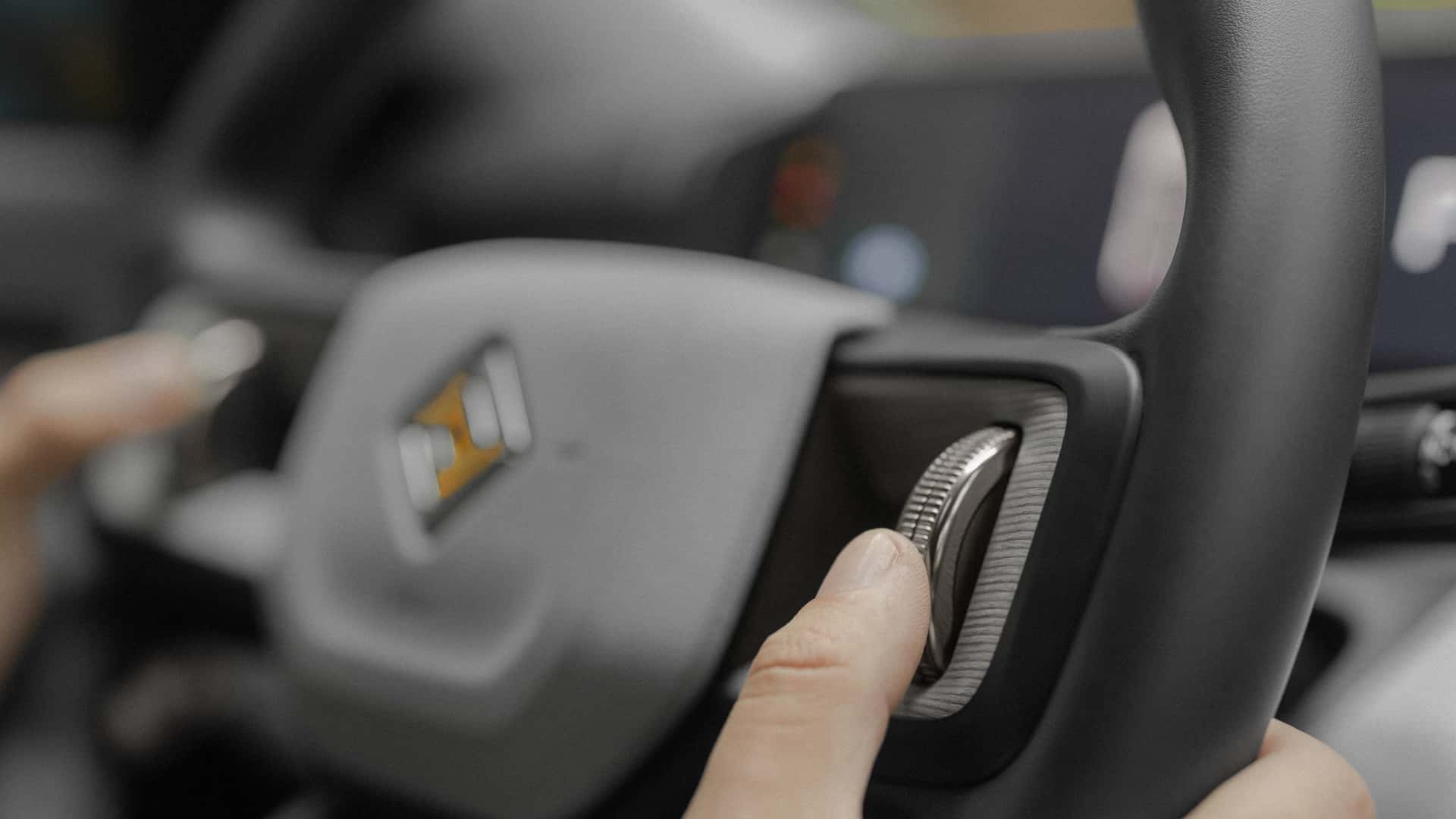
Camera and sensor data are part of the technology Rivian is developing and evaluating.
A Wider Rollout Is Planned for 2027
Rivian expects Point to Point to reach a broader group of Autonomy+ customers in 2027, following the early-access phase. Feedback from interested owners outside California and Florida may also help inform which states are considered for expansion.
The R2 is among the vehicles targeted for the initial program, with wider availability expected to follow.
Point to Point remains a Level 2 driver-assistance system, not fully autonomous driving. Drivers must stay attentive and be ready to take control at all times.
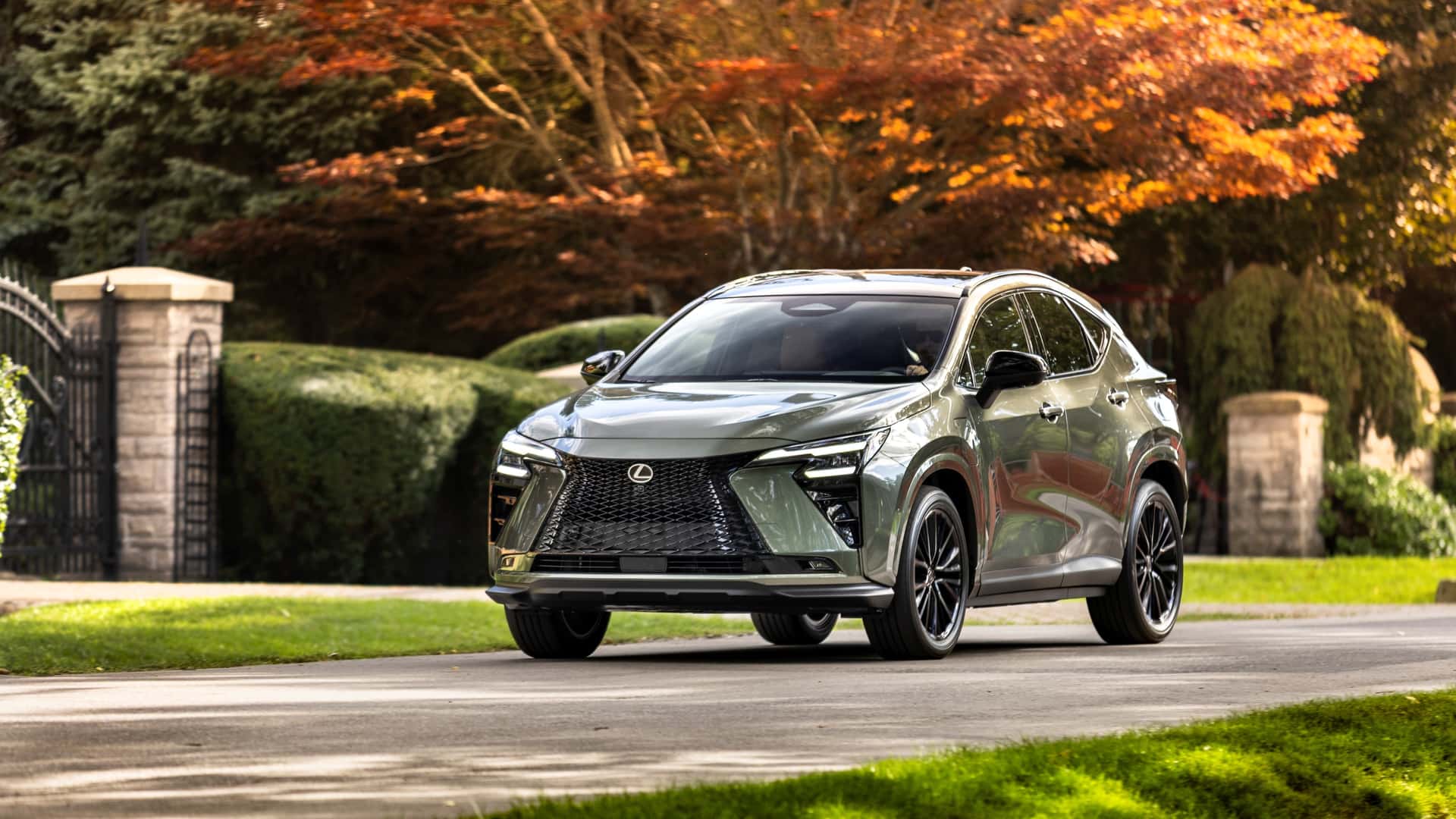
Lexus transforms its NX lineup for 2027 with more power, a redesigned cabin and an all-hybrid range.
The 2027 Lexus NX enters a new chapter as the luxury crossover drops its gasoline-only version. Buyers can now choose between the NX 350h hybrid and the NX 450h+ plug-in hybrid, with four trim levels and updated technology across the lineup.
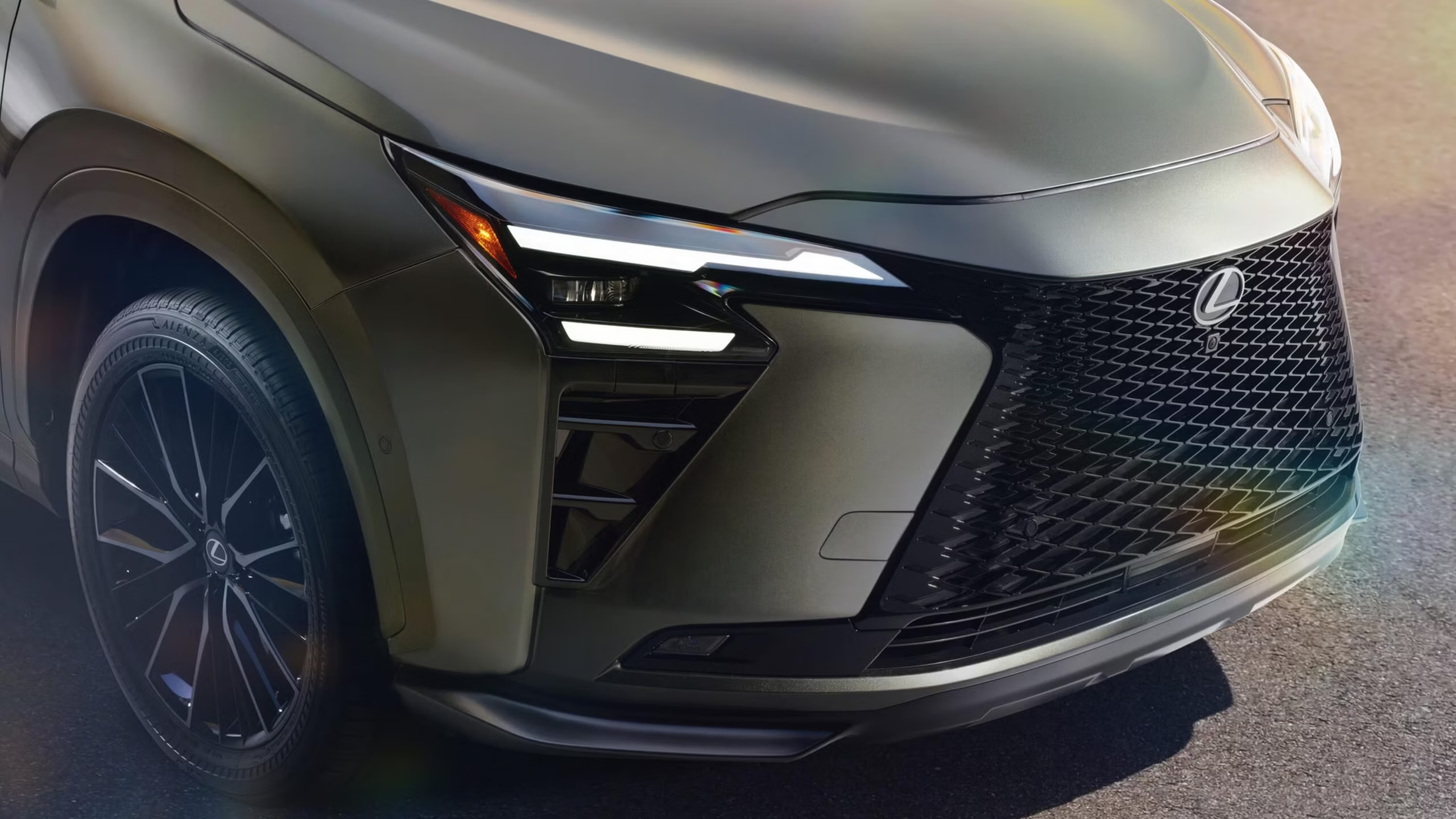
The 2027 Lexus NX adopts a sharper design with a new headlight signature and cleaner exterior details.
More Power Across the Hybrid Range
The NX 350h now delivers 244 horsepower, a 4-hp increase over the previous model. The NX 450h+ plug-in hybrid makes 324 horsepower, up from 304 hp, and offers an estimated 40 miles of electric-only range.
Both versions benefit from a revised e-Axle system and updated power electronics designed to improve efficiency and reduce weight.
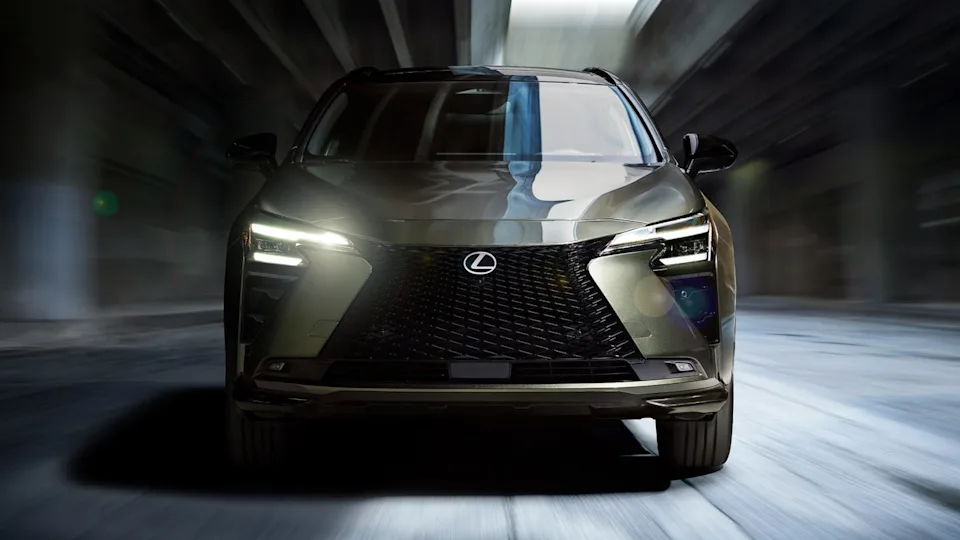
The NX 350h combines a 244-hp hybrid powertrain with a choice of front-wheel or all-wheel drive, depending on trim.
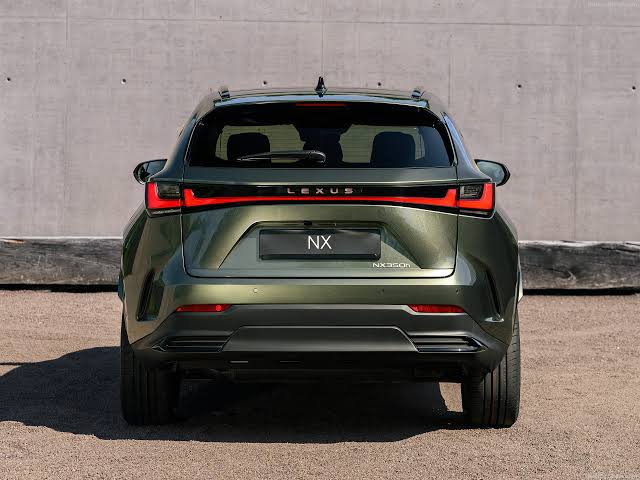
Updated rear lighting and a distinctive illuminated badge give the redesigned NX a more recognizable appearance.
A More Digital Cabin
Inside, every 2027 NX features a 14-inch central touchscreen and a 12.3-inch digital instrument cluster. Lexus Interface adds a customizable home screen, dual Bluetooth phone connectivity, a built-in drive recorder and standard over-the-air updates.
The Luxury and F Sport grades also offer Sensory Concierge, which coordinates cabin lighting, climate, seat temperature and fragrance through three selectable modes.
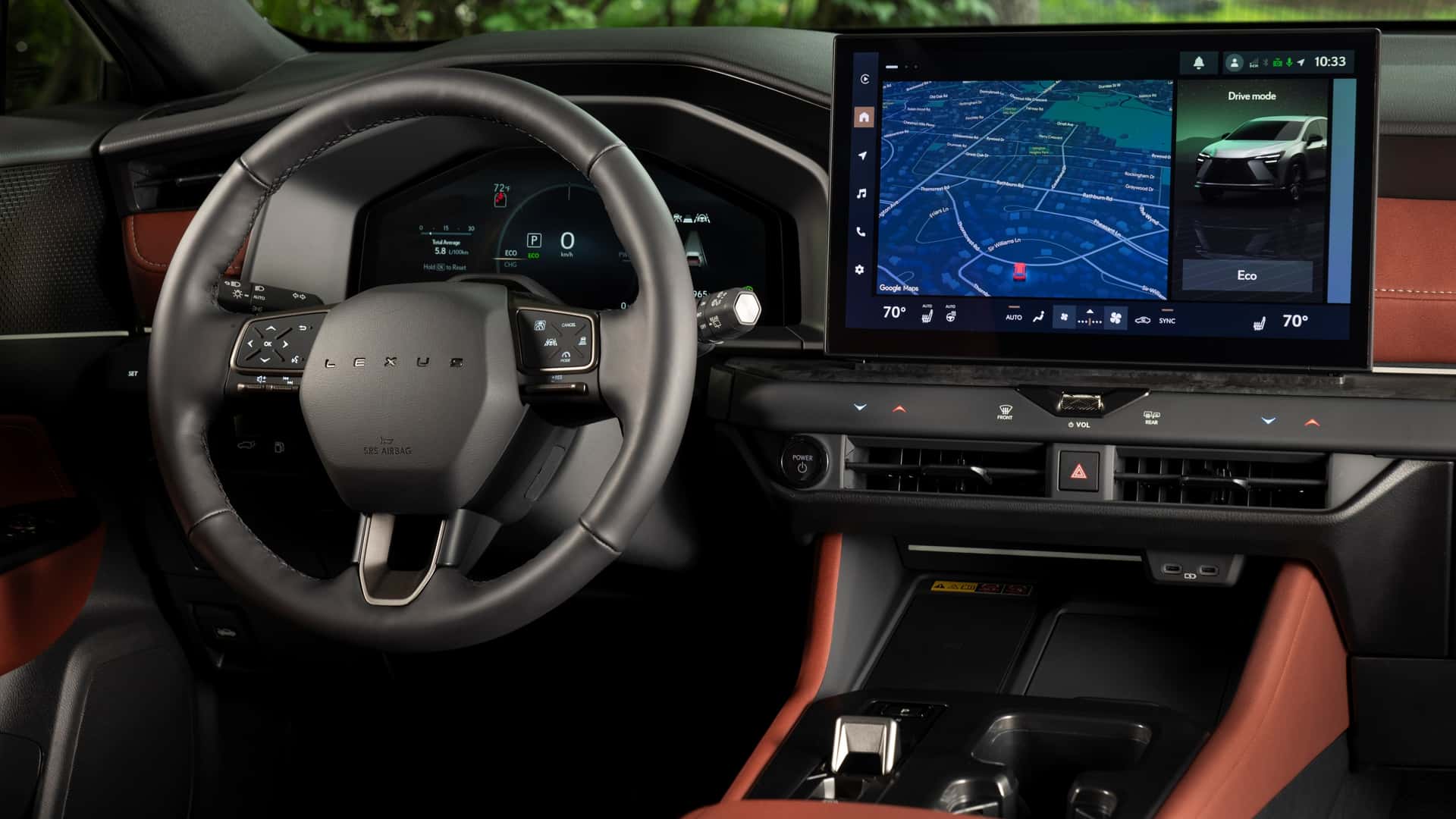
The updated interior makes a larger touchscreen and digital instrumentation standard across the lineup.
Four Grades and Expanded Driver Assistance
The 2027 Lexus NX lineup consists of Premium, Premium+, F Sport and Luxury. The NX 350h offers front-wheel or all-wheel drive on selected grades, while the NX 450h+ comes with all-wheel drive.
Lexus Safety System+ 4.0 is standard, bringing adaptive cruise control, automatic emergency braking with pedestrian detection, intersection assistance and emergency steering support.
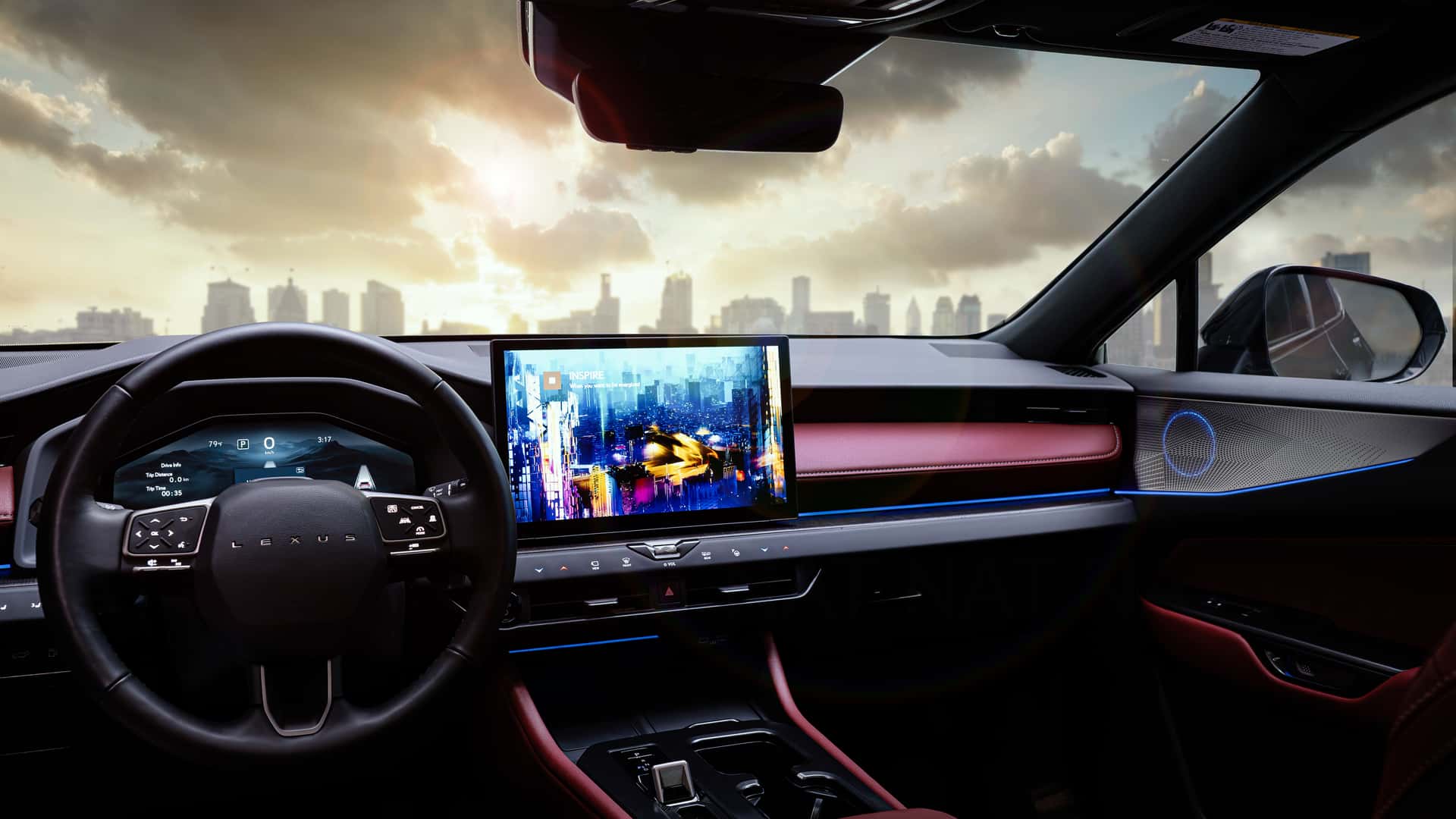
The 2027 NX combines its updated hybrid powertrains with standard driver-assistance technology.
Lexus has not yet announced pricing for the refreshed NX. Final prices for all four grades are expected closer to the model’s on-sale date.
-

 NOW TRENDING2 months ago
Tesla Cybercab Gets September 3 Austin Launch Date
-
 TEST DRIVES2 months ago
2025 Ford Bronco Sport Badlands: The Adventure SUV You Can Drive Every Day
-
 TEST DRIVES2 months ago
2026 Toyota GR Supra MkV Final Edition
-
 NOW TRENDING1 month ago
Aston Martin DBX Becomes Harry Da Souza’s Ride in MobLand
-

 NOW TRENDING2 months ago
Tesla Cybercab Puts U.S. Regulations to the Test
-
 Formula12 months ago
FIA Reveals Second ADUO Results With Red Bull-Ford Still on Top
-
 NOW TRENDING2 months ago
2027 Hyundai Tucson Hybrid Gets a Power Boost
-
 NOW TRENDING2 months ago
Hyundai Reports Strong Hybrid Sales in August 2026
You must be logged in to post a comment Login