
RACING
McLaren Can Still Dominate Parts Of 2026 Without Turning That Pace Into Wins — And That Is The Team’s Real Problem Right Now

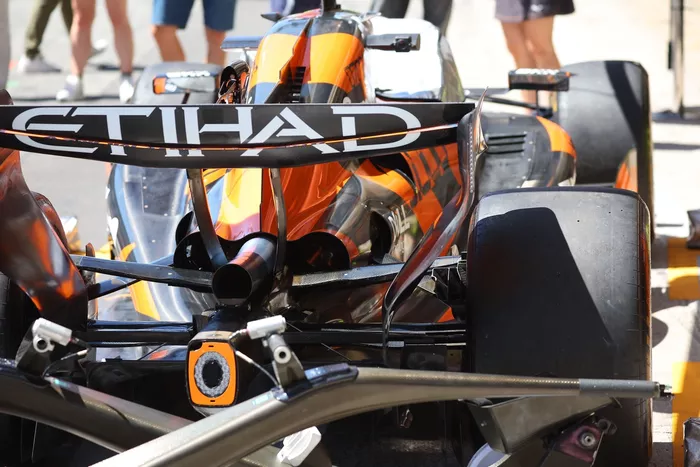
McLaren has spent much of the 2026 Formula 1 season looking like one of the teams with the raw ingredients to control weekends. On pure pace, balance and overall car potential, the MCL40 has repeatedly shown enough to sit in the top group and, on the right circuit, even look like the most complete package on the grid. And yet that superiority has not translated into the kind of authority the stopwatch sometimes suggests it should.
That is what makes McLaren such an interesting team to read right now. The problem is not that the car is bad. It is not even that the team lacks speed. The bigger issue is that having a car capable of dominating parts of a season is not the same as consistently converting that advantage into victories, especially in a championship as volatile as 2026. McLaren’s challenge is no longer proving it belongs at the front. It is proving it knows how to turn front-running potential into ruthless race-winning efficiency.
McLaren has shown enough pace in 2026 to look like a front-running force, but turning that speed into consistent victories has been a more complicated story.
McLaren’s Ceiling Has Looked Extremely High — But The Results Have Not Always Matched It
That contradiction is the heart of the story.
There have been weekends this season where McLaren has looked absolutely capable of dictating the pace, either through one-lap speed, long-run balance or the sort of tyre management that becomes decisive once races start opening up strategically. The car has not looked like a fluke front-runner surviving on circumstances. It has looked like a genuine top-level package.
But Formula 1 is brutal to teams that are only intermittently complete. You can have the fastest car over one stint, the best balance through one sector or the strongest tyre life in one phase of a race and still leave a weekend without the result your pace deserved. That is exactly the trap McLaren keeps flirting with in 2026. The MCL40 has shown enough quality to dominate stretches of races or whole phases of a weekend, yet McLaren has not always been able to build those advantages into a fully controlled result.
That matters because once a team reaches the point where pace is no longer the main question, everything else gets exposed much more harshly.
The Real Gap Between McLaren And The Very Best Teams Is Not Always Speed
That may sound strange when discussing a Formula 1 title contender, but it is the right way to frame McLaren’s season.
When the field is this tight, the difference between winning and merely “being quick” often comes down to how cleanly the entire weekend is executed. It is about qualifying well enough to protect strategy options, understanding tyre behaviour before rivals do, reacting correctly to safety cars or Virtual Safety Cars, and making sure both drivers are extracting the same sort of performance from the car when conditions change.
That is where McLaren’s season has felt just a little unfinished. Not because the team is making catastrophic mistakes every Sunday, but because there have been too many moments where the car’s full potential has not ended up reflected in the final result. Sometimes that has been tyre behaviour. Sometimes it has been race management. Sometimes it has simply been the difficulty of getting both sides of the garage into the same performance window at the same time.
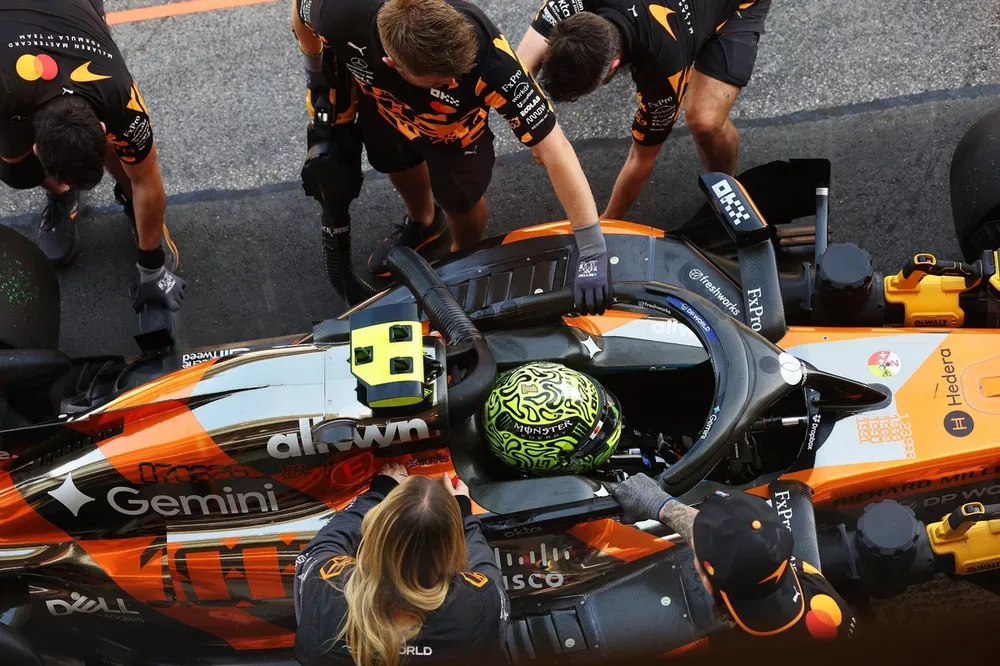
In a season this close at the front, McLaren’s problem has not always been raw pace — it has been turning that pace into a fully controlled weekend from qualifying to the chequered flag.
A Dominant Car In Theory Means Very Little If The Weekend Stays Fragile
That is why the phrase “McLaren can dominate without winning” actually makes sense in 2026.
Domination in Formula 1 is not only about leading every lap or disappearing into the distance. Sometimes it is about having a car that is inherently good enough to control a race if everything around it is executed properly. McLaren has looked close to that threshold at several points this year. The problem is that a dominant car on paper still becomes vulnerable the second the rest of the package is even slightly unstable.
If qualifying is messy, the race gets harder. If tyre preparation is not quite right, the advantage disappears over a stint. If one driver adapts better than the other, the team leaves performance on the table. If a strategic call lands a fraction too late, a weekend that should have produced a win becomes a podium or worse. McLaren is not lacking evidence that the MCL40 can be special. What it is lacking is the kind of cold, repeatable weekend control that the very best title-winning teams produce when they sense an opportunity.
That Is Why 2026 Feels Like A Test Of McLaren’s Maturity As Much As Its Car
This season is revealing something important about where McLaren really is in its competitive cycle.
Over the last couple of years, the team’s biggest mission was to get back to the front and build a car capable of fighting Mercedes, Ferrari and Red Bull over a full season. In many ways, McLaren has done that. It has produced a machine that belongs in the fight and a driver line-up good enough to exploit it. But the next step is always harder, because it is not just about joining the top group. It is about behaving like the team that expects to win.
That requires a different kind of sharpness. It requires turning promising Fridays into locked-in Saturdays and turning strong Sundays into weekends that feel inevitable rather than opportunistic. It means understanding not just when the car is quick, but why it is quick — and how to protect that advantage when conditions shift.
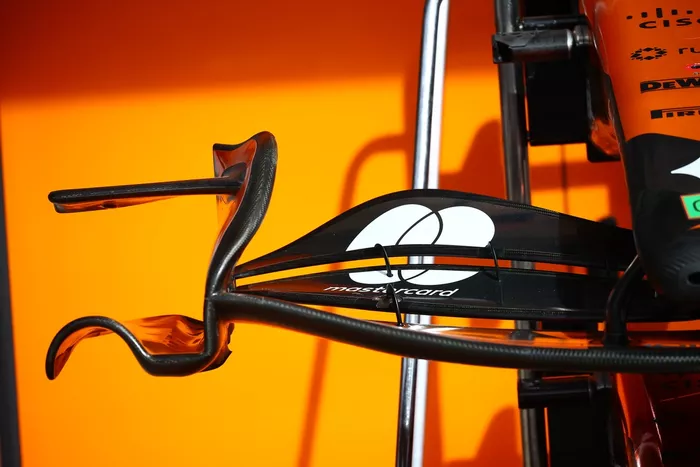
McLaren’s next step in 2026 is not proving it has a fast car — it is proving it can operate with the same ruthless consistency as a true championship-winning team.
McLaren’s 2026 Story Is No Longer About Potential — It Is About Conversion
That is why this is such a pivotal phase for the team. McLaren no longer needs sympathy for being “close.” It no longer needs praise simply for building a good car. The MCL40 has already shown enough for the conversation to move on from potential and onto conversion.
Can McLaren take a weekend where it looks like the fastest team and actually close the door? Can it stop leaving small openings that Mercedes, Ferrari or anyone else can exploit? Can it make the most of the kind of pace advantage that only really matters if it ends with trophies? Those are the questions that define the team’s current ceiling.
Because the uncomfortable truth for McLaren is this: you can dominate parts of a Formula 1 season without dominating the championship standings at all. If the pace is there but the execution still wobbles, the numbers will never fully reflect the car’s real strength. And right now, that feels like the line McLaren is trying to cross. The speed is convincing. The authority still needs to be.



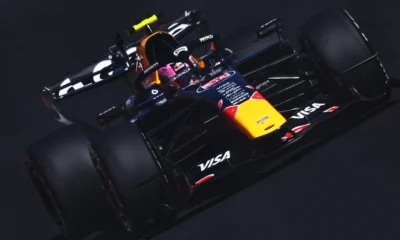

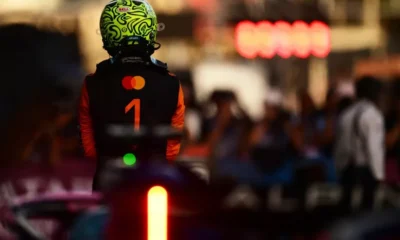




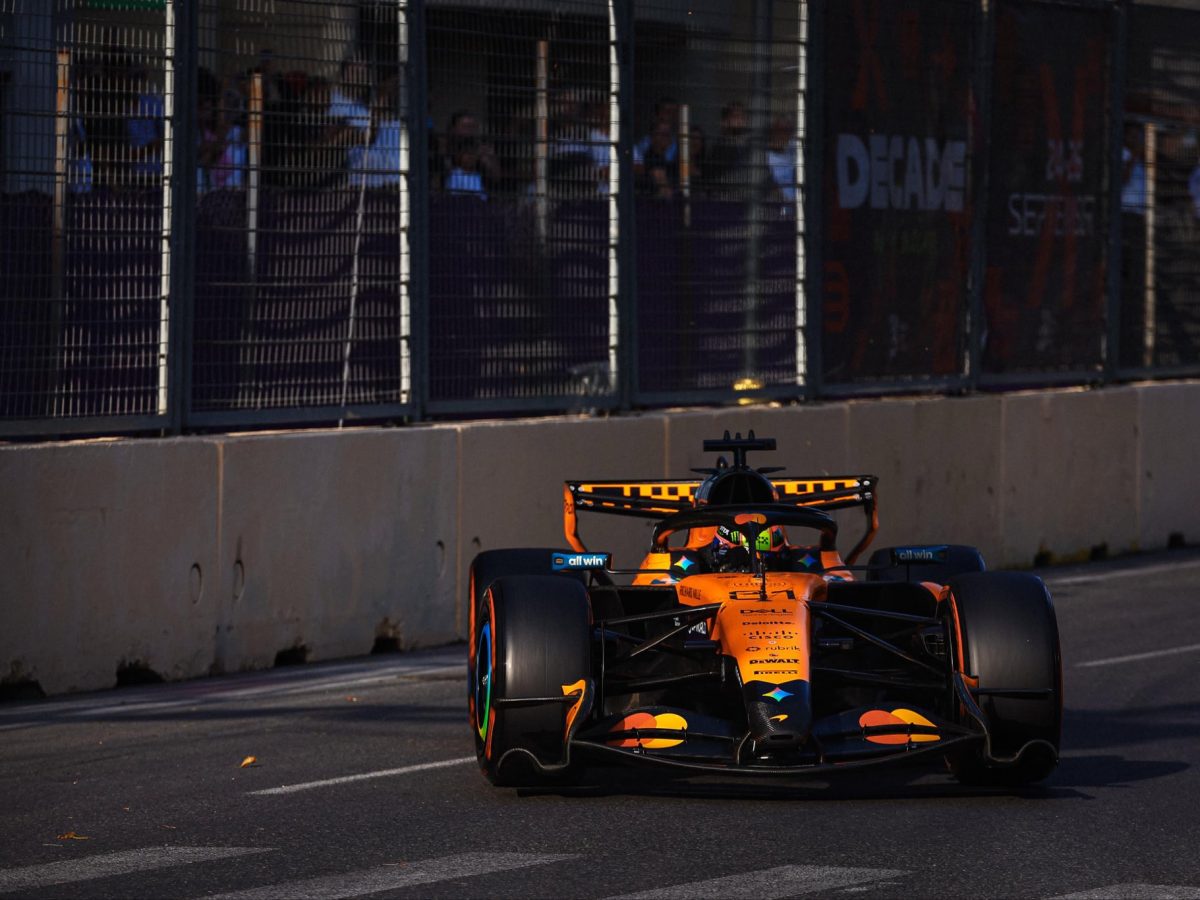
Oscar Piastri will start third at the 2026 Azerbaijan Grand Prix after McLaren found a late step in performance, although George Russell remained out of reach in the final phase of qualifying.
McLaren found its speed when it mattered
Oscar Piastri will start the 2026 Azerbaijan Grand Prix from P3 after a strong qualifying session at the Baku City Circuit.
McLaren had struggled to show its full potential during practice. The team then unlocked more performance in Q3, allowing Piastri and Lando Norris to briefly move to the front of the timing screen.
Piastri eventually stopped the clock at 1:43.364, just 0.001 seconds behind Charles Leclerc. George Russell claimed pole position with a 1:42.526.
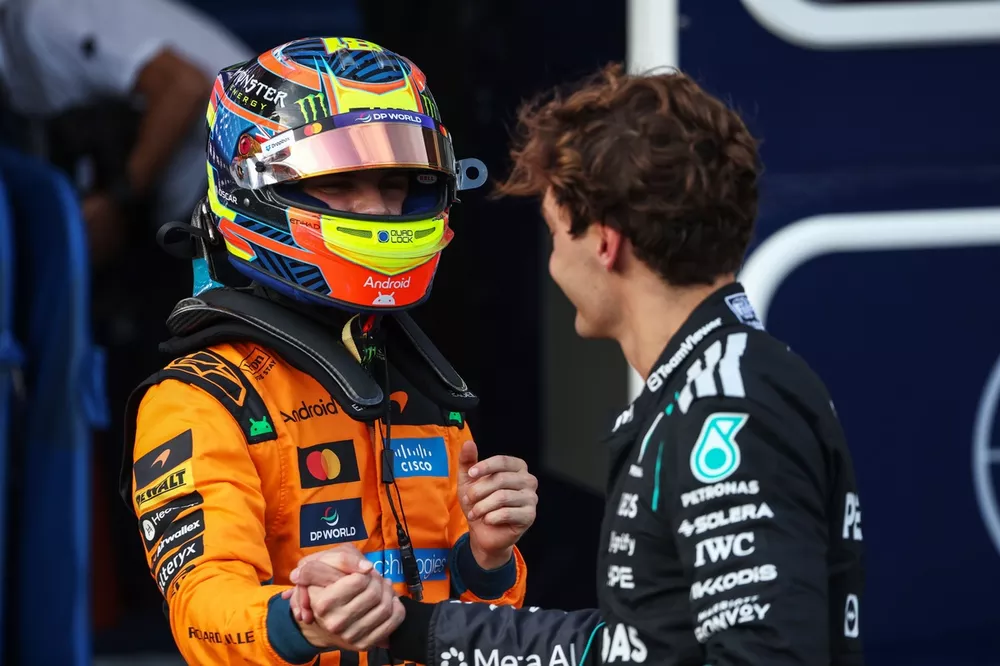
Piastri’s MCL40 looked stronger as qualifying progressed, despite McLaren starting the session on the back foot.
The jump in performance was familiar to Piastri.
“We seem like we’re a bit on the back foot through practice,” the Australian explained after qualifying. He added that McLaren repeatedly finds an extra step once qualifying begins.
The first Q3 runs created even more optimism.
Piastri and Norris temporarily occupied the top two positions. Russell then produced a much faster final run and took pole by 0.837 seconds over Leclerc.
For Piastri, the difference was clear.
He said there was “no hope against George” after seeing the Mercedes driver complete his final lap.
The wind made Baku even harder
Piastri also pointed to the strong and changing wind as one of the biggest challenges around Baku.
The conditions were already noticeable in practice. McLaren reported stronger gusts on Friday, with the wind contributing to several yellow flags during FP3.
The Australian said that keeping the car stable was difficult even on the straights.
A sudden gust could change the balance of the MCL40 from one lap to the next. Piastri also noted that wind-speed differences could be substantial, forcing drivers to adapt constantly.
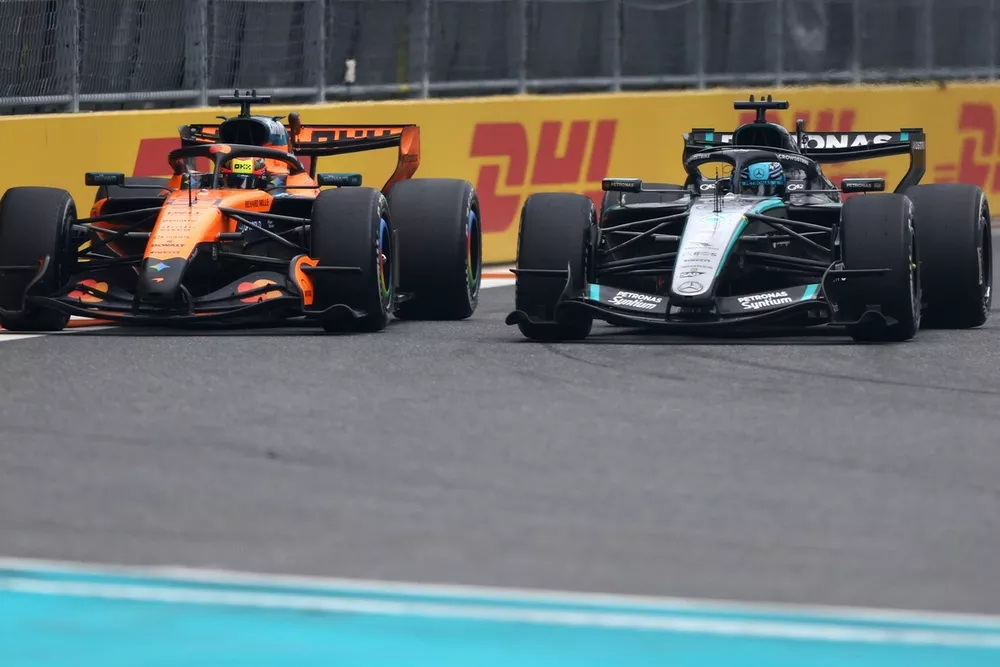
Piastri will start on the second row alongside Leclerc, with Russell taking pole position in Baku.
That is especially important at a street circuit.
Baku combines long straights with slow corners and very little margin for error. McLaren’s technical team described the circuit as a difficult compromise between straight-line speed and corner performance.
The team also introduced upgrades this weekend.
McLaren said the new package was performing as expected, while an overnight revision to the floorboards proved effective during Friday’s running.
That progress helped Piastri find the final tenths he needed.
McLaren has a strong starting position for the race
Starting third gives Piastri a clear opportunity to fight at the front.
McLaren expects the race to be complicated. The team highlighted tire degradation, Safety Cars and changing race conditions as factors that could alter the order.
That creates an important difference from qualifying.
Russell may have been far ahead over one lap, but McLaren’s own analysis suggests its race pace looked stronger than its qualifying pace during Thursday’s running.
Piastri also has a strong record at this circuit.
He won the 2024 Azerbaijan Grand Prix after a long battle with Charles Leclerc. McLaren is therefore returning to a venue that has already produced one of the Australian’s best Formula 1 results.
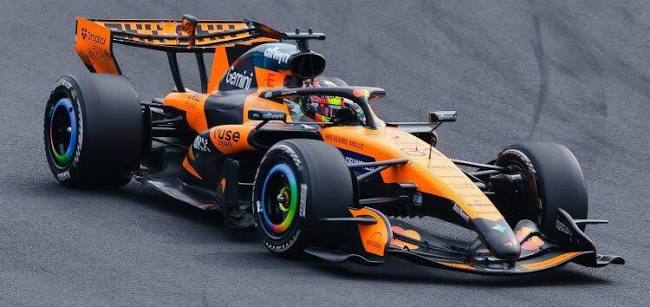
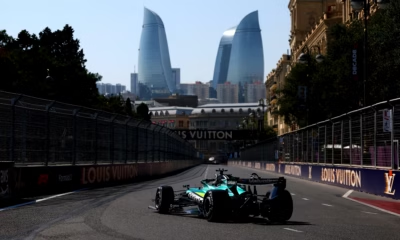
The MCL40 takes on the narrow castle section of Baku, one of the most demanding parts of the circuit.
The second McLaren will start further back.
Norris qualified P5 after locking up on his final qualifying lap. He also admitted that McLaren still has some straight-line performance issues to solve.
That leaves Piastri as McLaren’s best-placed driver on the Baku grid.
The Australian’s objective is now straightforward: stay in the leading group and be ready when the race changes shape.
The Oscar Piastri Baku qualifying result gives McLaren a strong starting position after a difficult practice period. Piastri will line up third behind Russell and Leclerc, with the race offering another chance to turn McLaren’s late qualifying pace into a podium challenge.
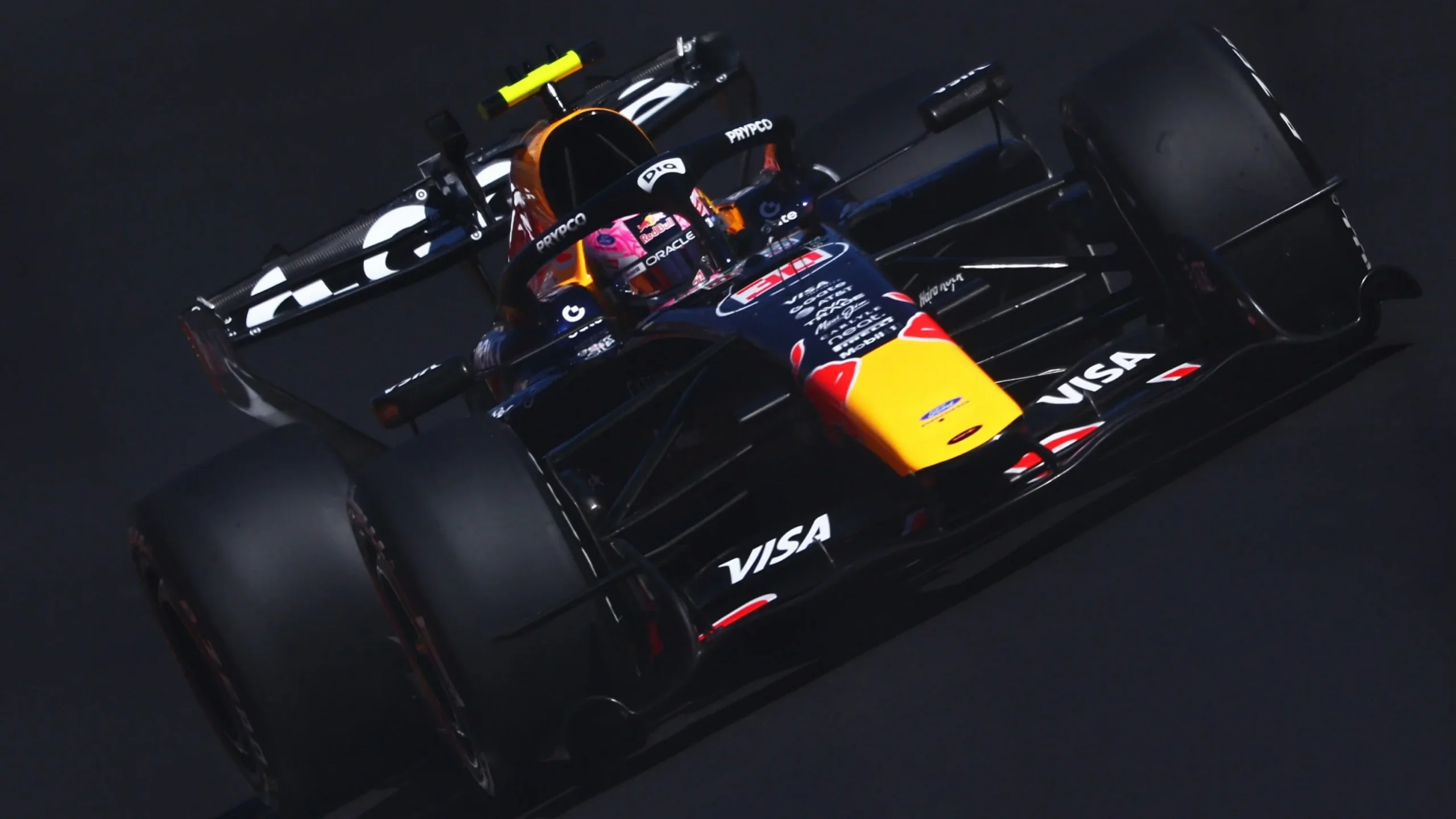
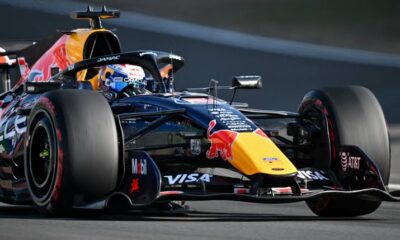
Isack Hadjar returned to Formula 1 after missing three races and delivered fourth place in Baku qualifying, just 0.137 seconds from Charles Leclerc.
Hadjar makes an impressive F1 comeback
Isack Hadjar made a strong return to Formula 1 in Azerbaijan, qualifying fourth for Red Bull at the Baku City Circuit.
The Frenchman had not raced since the Hungarian Grand Prix in July. He then missed the races in Zandvoort, Monza and Madrid because of a wrist injury.
Despite that long absence, Hadjar immediately reached Q3 and posted a 1:43.500. That placed him fourth on the grid behind George Russell, Charles Leclerc and Oscar Piastri.
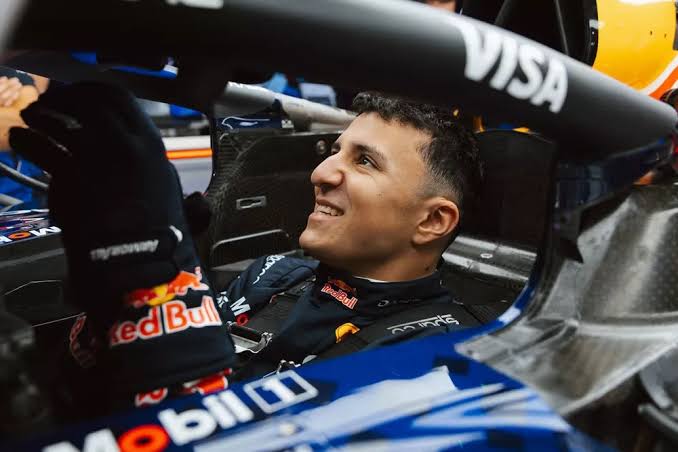
Hadjar returned to competition in Baku and qualified fourth on his first weekend back after his wrist injury.
The gap to second place was particularly small.
Hadjar finished only 0.137 seconds behind Leclerc. He was also ahead of Max Verstappen, who qualified eighth in the second Red Bull.
Russell was in a different league during the final phase. The Mercedes driver took pole with a 1:42.526, beating Leclerc by 0.837 seconds.
For Hadjar, however, the most important part of the session was how he managed his own return.
Hadjar chose a cautious approach
Hadjar admitted that the Baku weekend required a different mindset.
After almost two months away from racing, he deliberately avoided taking unnecessary risks during the narrow sections of the circuit. The objective was to build confidence step by step before pushing harder in qualifying.
He said he wanted to make sure he did not touch the walls.
That approach allowed him to increase his commitment throughout the weekend. By Q2, Hadjar felt comfortable enough to take more risks and eventually pushed closer to the limit in Q3.
The result was his best qualifying position since the season-opening Australian Grand Prix, where he had started third.
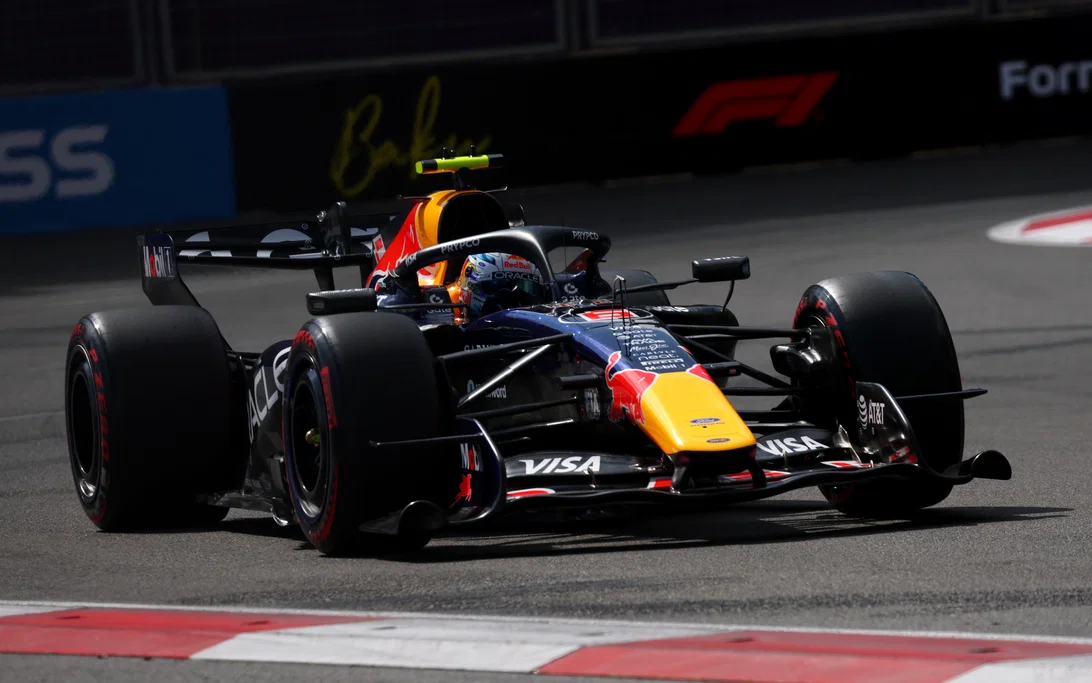
Hadjar is continuing his first season with Red Bull after moving from Racing Bulls at the start of 2026.
His comments after qualifying also revealed how much he believes he left on the table.
Hadjar said that, had he raced the three weekends he missed, he felt he would have been second on the grid.
That is his own assessment rather than a result that can be measured directly. What can be measured is the qualifying gap: only 0.137 seconds separated him from Leclerc.
The Red Bull feels better than before
Hadjar also noticed a change in his Red Bull since his last race.
The Frenchman said the car felt better through the corners than it had when he last drove it in Budapest. He also highlighted an improvement in balance.
That progress was important at Baku.
The circuit combines extremely long straights with slow corners and almost no margin for error. A driver needs confidence in the rear of the car before committing fully between the walls.
Red Bull’s official assessment was similarly positive. The team said Hadjar had built his rhythm “very cleverly” throughout the weekend and delivered the P4 it had hoped for on his return.
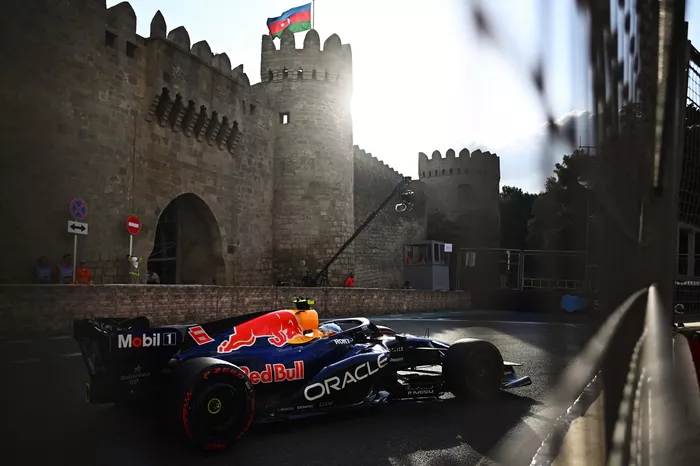
The Baku City Circuit provided Hadjar with a demanding test immediately after his return to F1 competition.
There is still a clear performance gap to Mercedes.
Hadjar said Mercedes was particularly strong on the long straight in the third sector. That difference could become important during the race because Baku offers several opportunities to gain or lose time through straight-line speed.
For Red Bull, the P4 starting position nevertheless gives the team a strong opportunity to fight near the front.
Hadjar returns without setting a specific target
Hadjar is not putting a specific finishing position on his return.
Instead, he wants to be close to the drivers ahead and make the most of the Red Bull’s pace. His priority is to build on the confidence gained during qualifying.
The fact that he completed a full qualifying session without major issues is already significant after his long absence.
The official starting grid confirms that Hadjar will line up fourth, behind Russell, Leclerc and Piastri.
That puts him directly in the fight at the front.
A strong start to Hadjar’s second Red Bull chapter
Hadjar’s Baku qualifying also arrives as Red Bull confirms that he will remain with the team for 2027. Team principal Laurent Mekies said the objective is for the young driver to continue progressing at his current rate.
His return therefore carries more significance than a single qualifying result.
Hadjar came back after three missed races, managed the physical and competitive challenge carefully and finished fourth in qualifying. He also closed the session with a gap of just 0.137 seconds to the front row.
The Isack Hadjar Baku comeback has therefore started with a clear result: P4 on the grid and a competitive Red Bull underneath him.
Now the next test is Saturday’s race, where Hadjar will have his first opportunity in almost two months to turn that qualifying pace into a Grand Prix result.
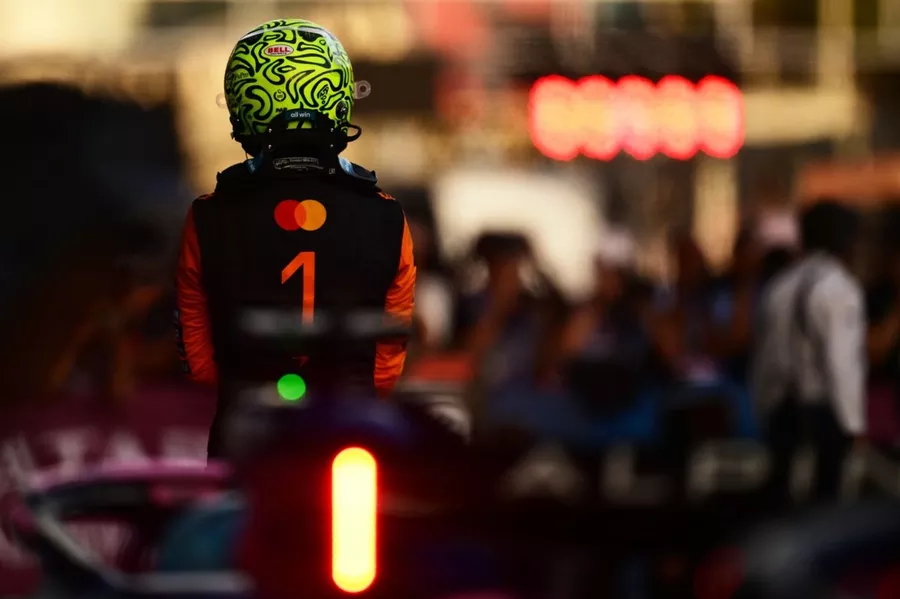
Lando Norris qualified fifth in Baku after a final-lap lock-up, but the McLaren driver says straight-line speed remains one of the team’s biggest problems.
Norris leaves Baku qualifying frustrated
Lando Norris will start the 2026 Azerbaijan Grand Prix from fifth place after a difficult qualifying session in Baku.
The McLaren driver said the car felt competitive enough to attack the session. However, he believes the MCL40 is still losing too much time on the long straights of the Baku City Circuit.
Norris ended qualifying with a 1:43.672. His teammate Oscar Piastri took third with a 1:43.364, only 0.001 seconds behind Charles Leclerc in second. George Russell claimed pole by more than eight tenths.
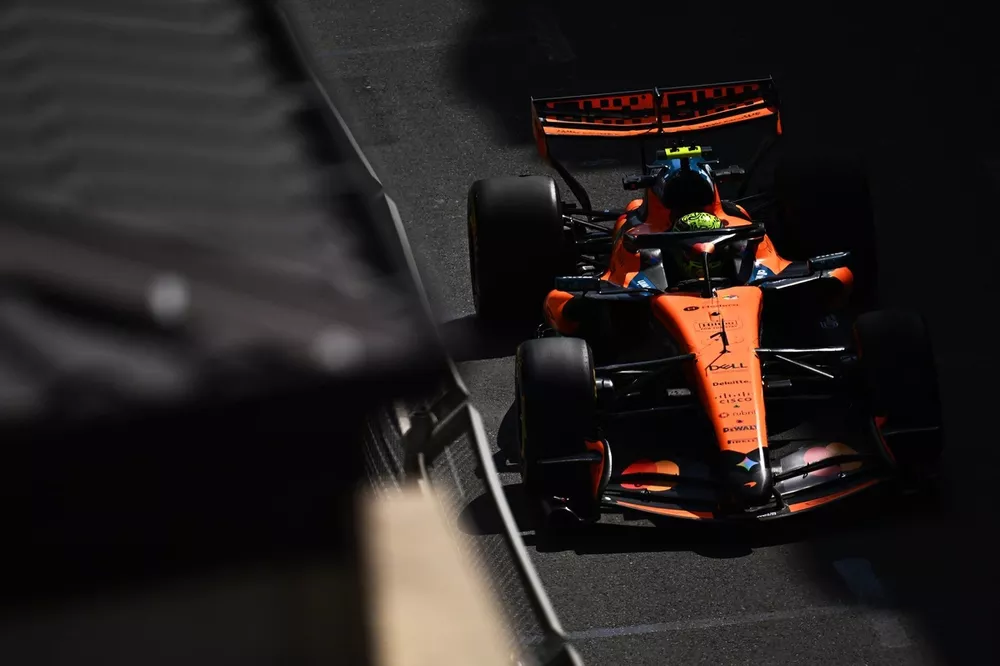
Norris found McLaren in a better window during qualifying, but the team continued to lose performance on Baku’s long straights.
McLaren had struggled during Thursday practice. Its new upgrade package showed encouraging signs, but the circuit’s characteristics did not suit the car particularly well.
The team made overnight changes and continued working on the new floor. McLaren said the revised floorboards performed as expected during Friday running.
That work helped the team unlock more performance in qualifying.
Norris reached Q3 and initially put himself in a strong position. His final attempt, however, went wrong when he locked up at Turn 3 while pushing for a better grid position.
Straight-line speed remains the key problem
The lock-up was not the only reason Norris finished fifth.
After qualifying, he highlighted the car’s lack of straight-line speed as a major limitation. That is especially costly in Baku because the circuit features one of the longest flat-out sections on the Formula 1 calendar.
Norris said the car felt good during the session. The problem was extracting enough lap time from it when compared with Mercedes.
The gap to pole was therefore difficult to overcome.
McLaren’s own qualifying report confirms that the MCL40 was affected by the characteristics of the circuit. The team also expects Mercedes and Red Bull to remain strong during the race.
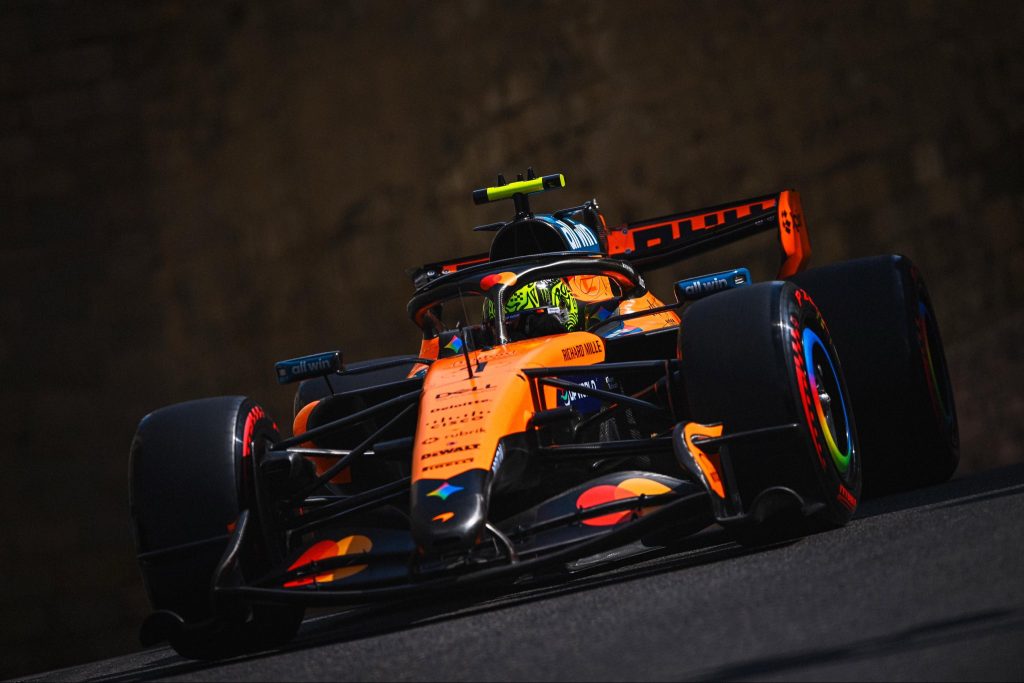
Oscar Piastri put the second McLaren third on the grid, giving the team a stronger qualifying result than its practice pace had suggested.
The comparison with Piastri is also significant.
Piastri qualified third, while Norris ended up fifth. The Australian’s lap was just one thousandth away from Leclerc’s Ferrari.
That means the McLaren does have enough performance to challenge near the front. It simply has not been able to deliver that pace consistently across both cars and every part of the circuit.
Norris also acknowledged that his teammate’s car appeared to have a stronger balance in Baku.
That difference has made the situation more frustrating for the reigning World Champion. The problem is not simply the overall speed of the McLaren. It is how the car converts its performance into lap time at this particular circuit.
The final lap was a calculated risk
Norris did not hide his responsibility for the fifth-place result.
He knew that improving on the Mercedes cars would require an aggressive approach. Instead of settling for a guaranteed position, he pushed for a much stronger final lap.
That decision produced the lock-up.
McLaren says Norris was on course to challenge for a higher position before the mistake compromised his final run.
There was also a strategic element.
Mercedes was operating at another level in qualifying. Russell took pole with a huge margin, while Kimi Antonelli’s crash in Q1 and Max Verstappen’s yellow-flag-affected final run changed the normal order at the front.
Norris therefore had little to lose by trying something aggressive.
McLaren still has a chance in the race
Starting fifth does not eliminate McLaren’s chances in Baku.
The circuit often produces unusual races. Safety Cars, tire management and changing track conditions can alter the order quickly.
Piastri also believes the team’s race pace could be stronger than its one-lap performance. McLaren’s official report says the team expects a close fight with Red Bull and Ferrari, while Mercedes appears to have a clear advantage at the front after qualifying.
Overtaking, however, could remain difficult.
That makes starting position important. Norris will need a clean opening phase and a strong strategy to move toward the podium.
For McLaren, the bigger concern goes beyond one race.
The team brought a new upgrade package to Baku. Its performance has met expectations, but the circuit has exposed weaknesses that the engineers still need to address.
Norris therefore leaves qualifying with a mixed result.
Fifth place keeps him in contention, but the straight-line speed deficit remains a clear obstacle. His aggressive final lap showed how hard he was willing to push, yet the Mercedes pace and the characteristics of the Baku circuit prevented McLaren from fighting for pole.
-

 NOW TRENDING1 month ago
Tesla Cybercab Gets September 3 Austin Launch Date
-

 INTELLIGENT MOBILITY2 months ago
GM Updates Infotainment System With Smarter Features
-

 NOW TRENDING2 months ago
2027 Audi Q9 and SQ9 Debut as Brand’s Largest SUVs
-
 NOW TRENDING2 months ago
2027 Hyundai Tucson Spied With New Design and Hybrid Power
-
 NOW TRENDING2 months ago
2026 Toyota GRMN Corolla Debuts as the Ultimate Hot Hatch
-
 NOW TRENDING2 months ago
Every GM Assembly Plant Operating in the U.S. in 2026
-

 NOW TRENDING2 months ago
Ferrari Sold Out Through 2027 as Demand Hits New High
-

 NOW TRENDING1 month ago
Audi’s New SUVs Could Help Reverse Its Sales Decline in 2026
You must be logged in to post a comment Login