
INTELLIGENT MOBILITY
Bolt, Pony.ai and Stellantis launch autonomous mobility pilot in Luxembourg

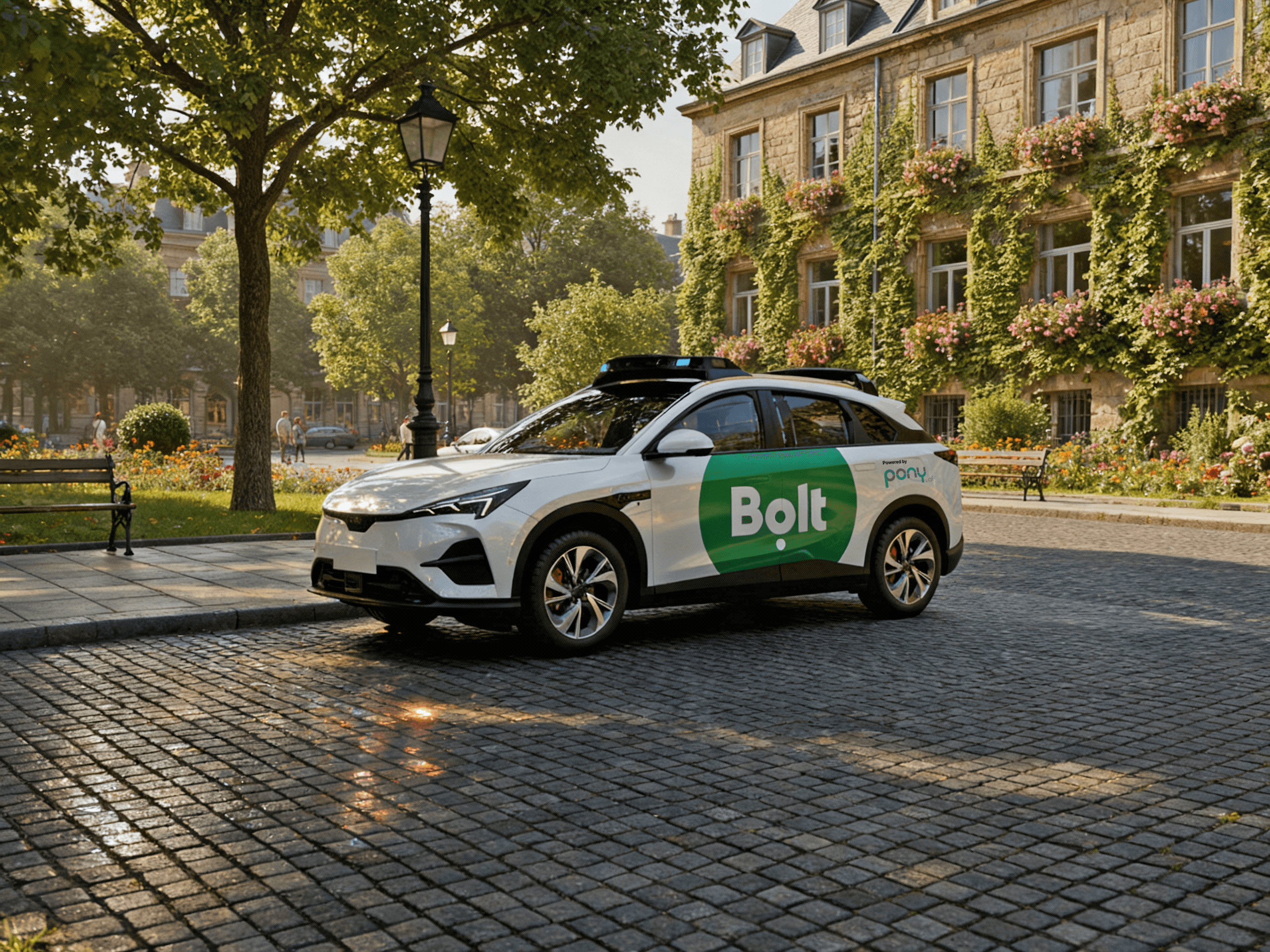
The new pilot in Luxembourg will test autonomous ride-hailing operations using Pony.ai’s seventh-generation self-driving system, Stellantis’ L4-Ready vehicle platform and Bolt’s mobility network as the three companies push driverless urban transport further into Europe.
Europe’s autonomous mobility race has a new testing ground. Bolt, Pony.ai and Stellantis have announced a new pilot program in Luxembourg that will focus on validating autonomous ride-hailing technology in real traffic conditions, marking another step toward commercial driverless transportation services in Europe. For Bolt, the move represents its first autonomous mobility pilot, while for Stellantis and Pony.ai it expands an existing push to develop scalable self-driving transport services in key global markets.
The project is designed as a “living lab” for autonomous urban mobility. Rather than limiting the effort to technical demonstrations, the three companies plan to test the full operational chain required for future robotaxi-style services in a European city environment. That includes vehicle deployment, ride-hailing platform integration, fleet operations and the regulatory coordination needed to support a safe autonomous mobility rollout.
At the center of the pilot is Pony.ai’s seventh-generation autonomous driving system, which will be tested in Luxembourg traffic using a midsize van based on Stellantis’ L4-Ready Platform. The idea is to evaluate not just how the technology performs on the road, but also how close the full system is to meeting the safety, operational and regulatory requirements needed for a driverless commercial service. The companies say the goal is to reach driverless readiness by the end of the pilot program.
Why Luxembourg matters for autonomous mobility in Europe
Luxembourg may not be the first market that comes to mind when thinking about autonomous driving, but that is exactly why this program is notable. The country has positioned itself as one of Europe’s more open environments for autonomous mobility testing, creating a useful real-world setting for companies that want to move from closed development programs to public-road validation.
For Bolt, Pony.ai and Stellantis, Luxembourg offers something valuable: a chance to test autonomous operations in a live urban environment while working within a regulatory framework that is actively supportive of next-generation mobility projects. That makes it a logical place to evaluate how a future driverless ride-hailing service could actually function in Europe, not just from a technical standpoint, but from a public deployment perspective.
This matters because the European path to autonomous mobility is likely to be shaped as much by local regulations, operating procedures and city-level integration as by the self-driving technology itself. A pilot like this is not simply about whether the vehicle can drive autonomously. It is also about whether the service can be deployed, monitored and scaled in a way that fits European streets, infrastructure and transport rules.
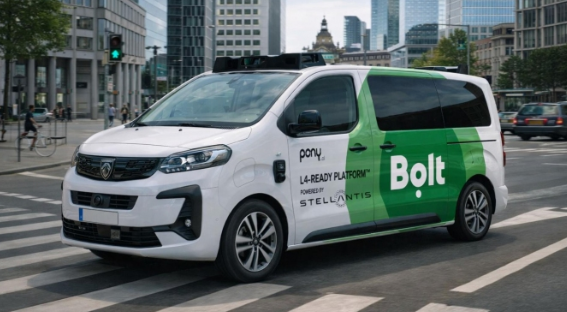
Bolt, Pony.ai and Stellantis have chosen Luxembourg as the site for a new autonomous mobility pilot focused on validating self-driving operations in a real European traffic environment.
Bolt brings the ride-hailing layer to its first autonomous pilot
One of the most interesting parts of the project is Bolt’s role. The company is best known as a major European mobility platform, and this pilot marks its first direct autonomous mobility test program. That gives the initiative a broader meaning than a standard self-driving engineering exercise, because Bolt is not arriving as a vehicle manufacturer or AV software developer. It is bringing the ride-hailing platform layer that future commercial autonomous services will depend on.
In practical terms, that means Bolt’s contribution goes beyond simply putting autonomous vehicles on an app. The pilot will test how a self-driving fleet can be integrated into a live mobility marketplace, how trip requests and dispatching can work in a driverless model, and how a platform like Bolt could eventually scale autonomous transport across European cities using different technology partners.
That is an important strategic signal. Bolt is clearly positioning itself not just as a traditional ride-hailing operator, but as a future autonomous mobility aggregator that can work with multiple AV developers and vehicle partners. If that model works, it could allow Bolt to expand autonomous services across its network without having to build the entire technology stack itself.
Pony.ai brings Gen-7 autonomous driving technology to the program
On the autonomous driving side, Pony.ai is the technology centerpiece of the pilot. The company says the Luxembourg program will be used to validate its seventh-generation autonomous driving system, which will be tested in local traffic scenarios as part of the broader operational rollout.
That is a critical piece of the story because Gen-7 is not being positioned as a simple prototype. It is the platform Pony.ai wants to prove in one of the most important areas of autonomous mobility development: the transition from technical capability to regulatory and operational readiness. In other words, the pilot is not just about whether the software can handle intersections, lane changes or city traffic. It is about whether the whole package is ready to support a driverless commercial service in a European market.
Pony.ai also brings experience from previous autonomous driving programs outside Europe, which gives the Luxembourg pilot additional weight. The company is not entering the project as a startup with only theoretical ambitions. It is arriving with a more mature AV stack and the kind of operational knowledge that becomes essential when testing moves into public-road, multi-partner deployments.
Stellantis uses the pilot to expand its L4-Ready strategy in Europe
For Stellantis, the Luxembourg project is another sign that the group wants to be more than a passive supplier of vehicles in the autonomous mobility space. The company will contribute a midsize van based on its L4-Ready Platform, as well as its engineering and manufacturing expertise, reinforcing a strategy that revolves around offering scalable autonomous-ready vehicle architectures for multiple use cases.
That matters because autonomous mobility is not only about software. It also depends on having a vehicle platform designed to integrate the hardware, compute systems, redundancy and packaging needs that Level 4 operations require. Stellantis is using this pilot to show that its L4-Ready Platforms are meant to be a key part of that equation, especially in commercial and urban mobility scenarios where fleet durability, packaging flexibility and cost efficiency matter just as much as the autonomy stack itself.
The Luxembourg test also fits Stellantis’ broader global ambition to build a driverless mobility ecosystem through partnerships. Rather than trying to do every part of the process alone, Stellantis is building around collaboration: one partner brings the mobility marketplace, another brings the self-driving stack, and Stellantis provides the vehicle platform and industrial backbone. In theory, that should accelerate the route to deployment.
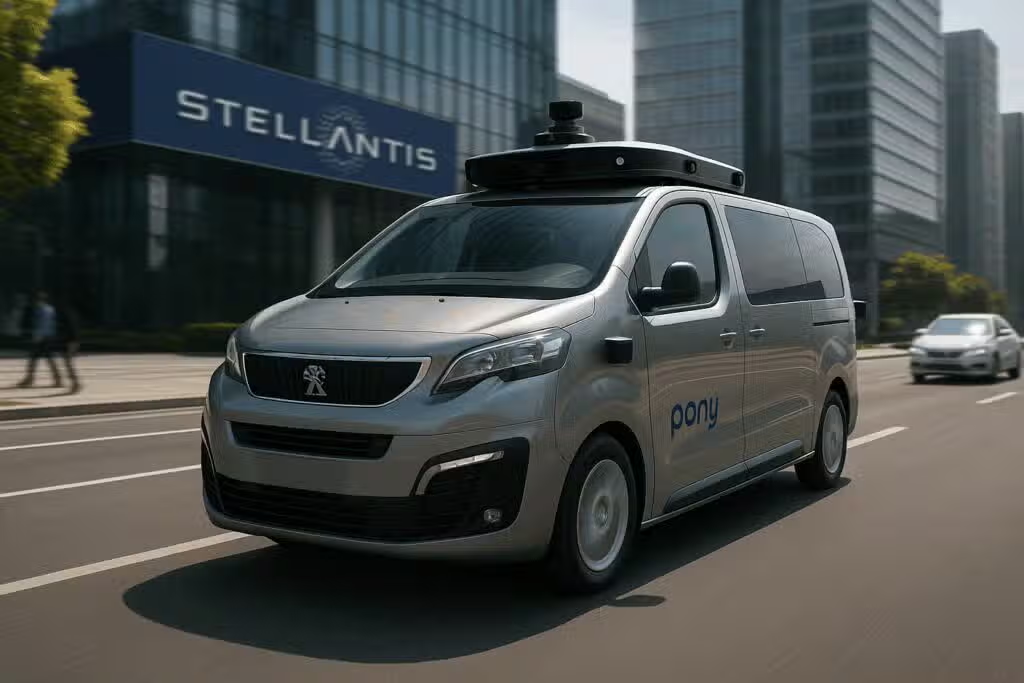
The autonomous mobility pilot will use a midsize van based on Stellantis’ L4-Ready Platform, paired with Pony.ai’s Gen-7 self-driving system and Bolt’s ride-hailing integration.
The pilot is about more than autonomous driving on public roads
What makes this announcement more interesting than a standard self-driving headline is the structure of the program itself. The three companies are not describing it as a simple road test. They are framing it as a living lab designed to test the real-world systems behind autonomous urban transport.
That includes:
- vehicle deployment
- ride-hailing platform integration
- fleet operations
- regulatory coordination
- safety and performance validation
- driverless-readiness processes
That list matters because it reflects where the autonomous mobility conversation has moved. The challenge is no longer just building a vehicle that can drive itself under controlled conditions. The challenge is creating a service model that can operate reliably in cities, connect to users through a mobility app, work with regulators, manage fleet logistics and maintain safety standards over time.
In that sense, Luxembourg becomes a test bed not just for a vehicle, but for a complete autonomous transportation service architecture. And if the program works, it could provide a blueprint for how Bolt, Pony.ai and Stellantis expand into other European cities in the future.
Why this autonomous mobility pilot matters for Europe
The significance of the Luxembourg pilot is bigger than the country itself. Europe has often moved more cautiously than the United States or China when it comes to public-road autonomous mobility deployments, in part because the region’s regulatory landscape is fragmented and city conditions vary widely. That makes every structured pilot important, especially when it combines a major mobility platform, a global automaker and an established autonomous driving company.
For Bolt, the project could be the first step toward scaling autonomous ride-hailing in Europe. For Pony.ai, it is a chance to validate its technology in a European traffic and regulatory environment. For Stellantis, it is another way to prove that its L4-Ready vehicle strategy can support real deployment programs rather than remaining a theoretical engineering concept.
If the pilot reaches its stated goal of driverless readiness, it could become one of the clearest indicators yet that Europe’s autonomous mobility market is moving from experimentation toward early service deployment. That does not mean a fully scaled robotaxi future is right around the corner, but it does suggest the building blocks are starting to come together in a more concrete way.
Bolt, Pony.ai and Stellantis are building a template for future driverless city transport
The most important takeaway from the Luxembourg announcement is that this is not being treated as an isolated experiment. It is part of a broader effort by Bolt, Pony.ai and Stellantis to advance autonomous mobility in Europe through a mix of platform integration, vehicle readiness and AV software development.
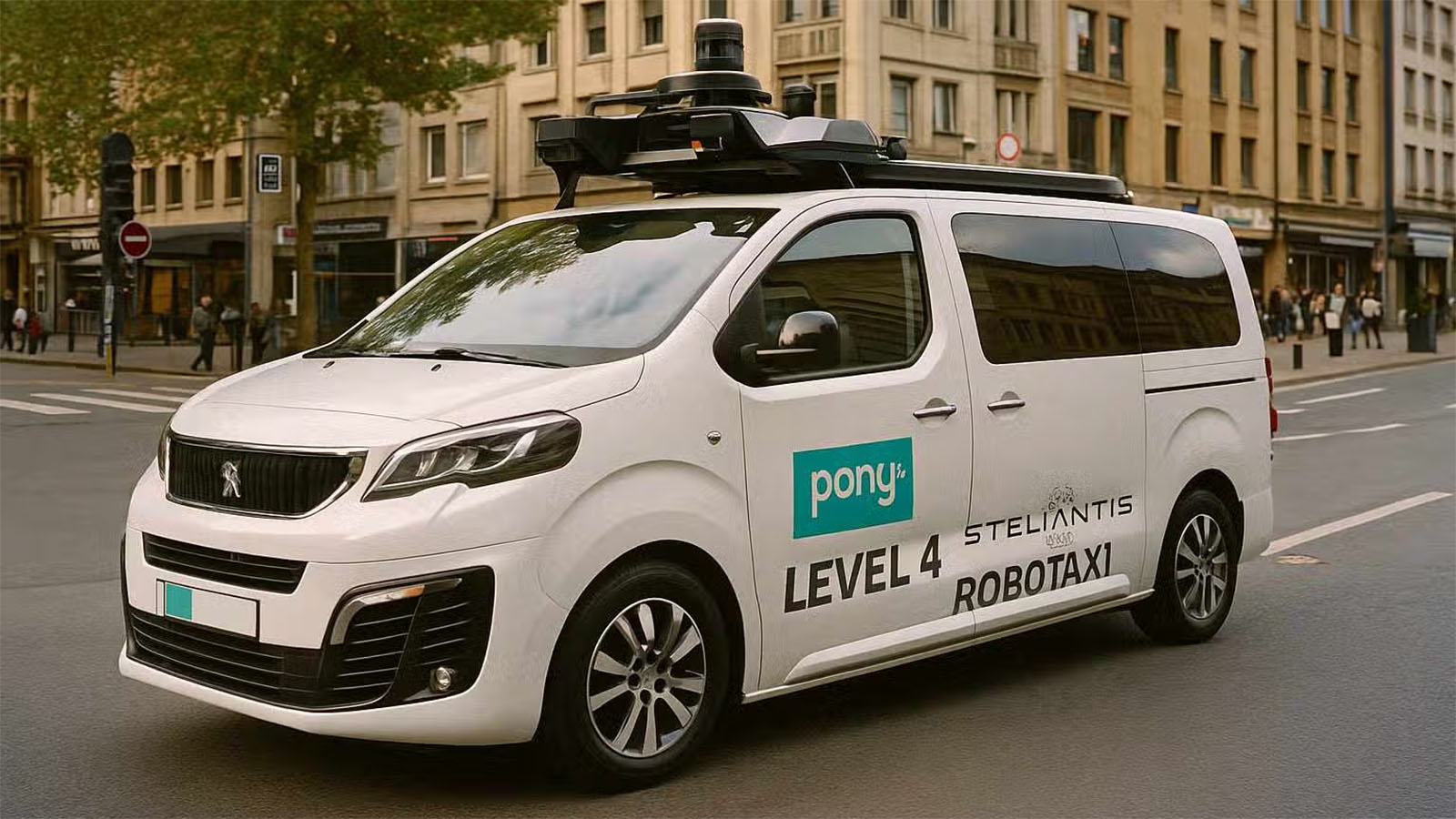
Bolt sees the Luxembourg project as its first autonomous mobility pilot and a stepping stone toward scaling future driverless ride-hailing services across European cities.
That makes the pilot worth watching. If the companies can demonstrate not just technical performance but a workable operating model for autonomous transport in a live city environment, the Luxembourg program could become a reference point for future European AV deployments. It would also strengthen the case for autonomous ride-hailing as a practical part of urban transportation rather than just a long-term concept.
For now, the program is still in its preparation phase, with the partners actively setting up the pilot and its operational framework. But the direction is clear. Bolt, Pony.ai and Stellantis are not simply testing an autonomous vehicle in Europe. They are trying to validate the entire chain of a future driverless mobility service, from the vehicle and software stack to the app layer and city-level deployment model.
Luxembourg becomes a new proving ground for autonomous mobility
As autonomous driving shifts from flashy demonstrations to serious deployment planning, projects like this become much more important than they might first appear. The Luxembourg pilot combines three different pieces of the future mobility puzzle—vehicle platform, self-driving software and ride-hailing distribution—inside one real-world test program.
The Luxembourg pilot is designed to validate not only autonomous driving performance, but also fleet operations, ride-hailing integration and the regulatory processes needed for future driverless urban mobility.
That is why this matters. The autonomous mobility story in Europe will not be written by technology alone. It will be shaped by how well companies can connect the software, the hardware, the operational model and the local regulatory environment into something that actually works in everyday urban life. Bolt, Pony.ai and Stellantis now want Luxembourg to be one of the places where that next chapter begins.











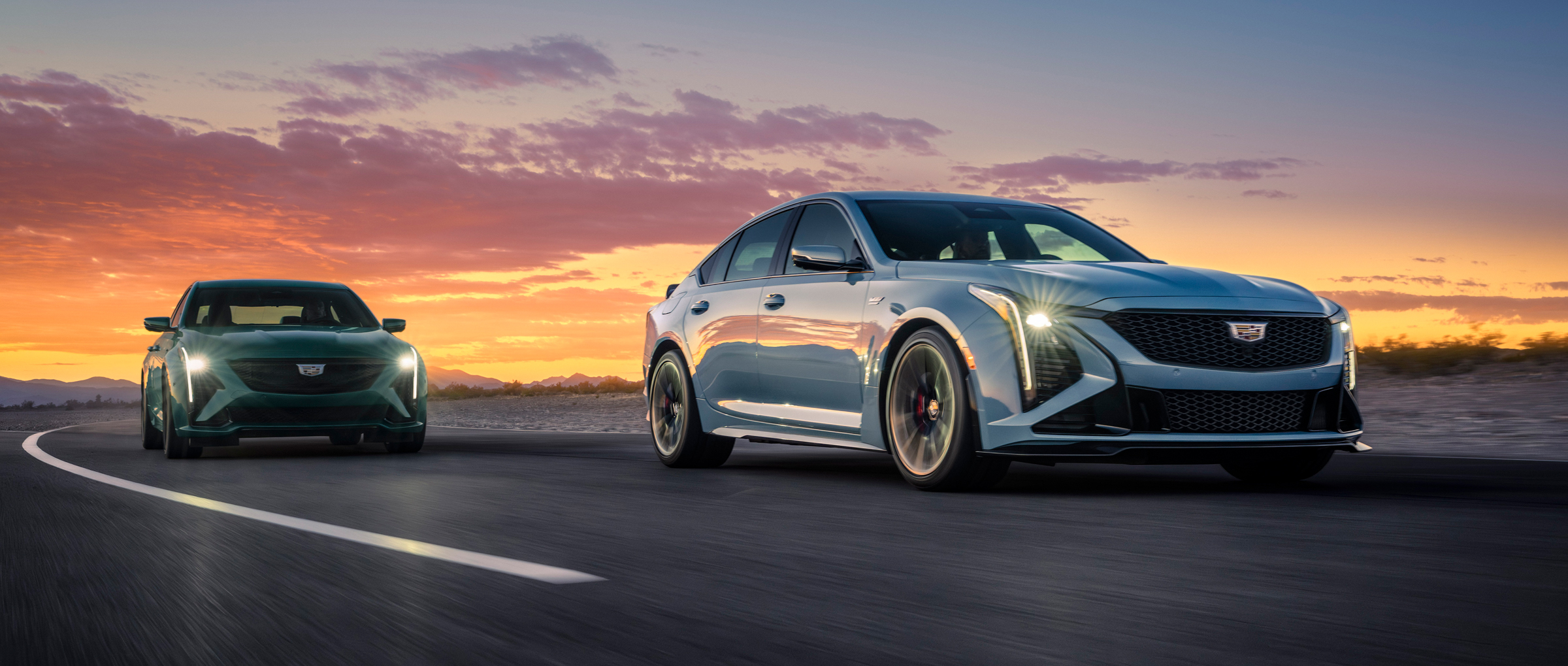
GM is enhancing the driving experience by bringing more than 200 new Google Play apps and expanded passenger entertainment to compatible Chevrolet, GMC, Cadillac and Buick vehicles.
The GM Google Built-In ecosystem continues to grow as General Motors expands its connected vehicle experience with more than 200 new applications available through Google Play. The latest software enhancements bring additional entertainment, productivity and streaming options to compatible vehicles equipped with Google’s integrated operating system.
The update is designed to improve long road trips and everyday driving by offering more content for both drivers and passengers while taking advantage of the increasingly digital interiors found across GM’s newest vehicles.
GM Google Built-In expands in-vehicle entertainment
The latest update significantly increases the number of applications available directly through the vehicle’s infotainment system.
Drivers can access a broader selection of streaming services, games, music, podcasts and interactive apps while the vehicle is parked, creating an experience similar to using a tablet or smart TV directly from the dashboard.
Google Play integration continues to evolve as additional vehicle-compatible applications become available through future software updates.
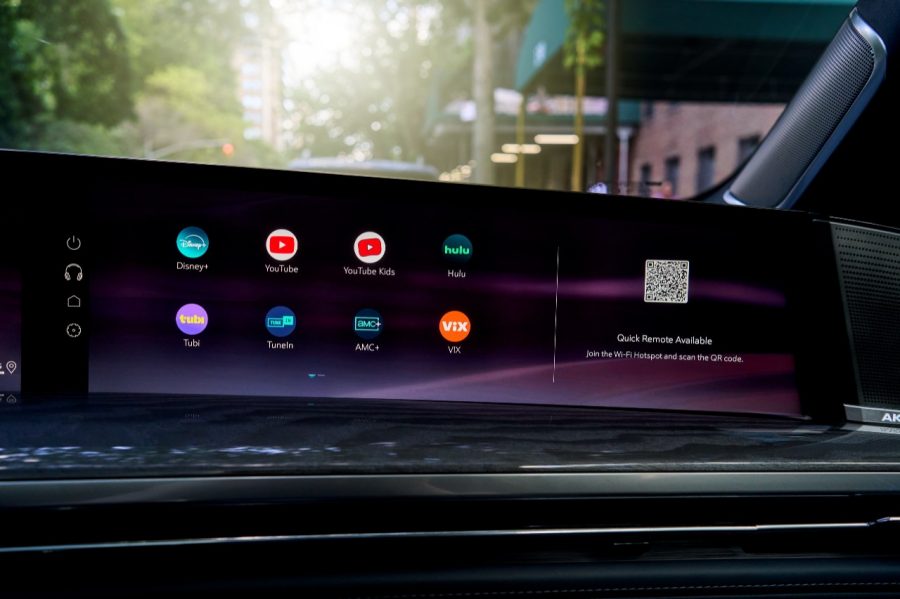
GM continues expanding Google Built-In with hundreds of new in-vehicle applications.
More entertainment options for passengers
Passengers also benefit from the latest improvements, particularly in GM’s premium SUV lineup.
Vehicles equipped with front and rear passenger displays can access an expanded library of entertainment services, allowing occupants to enjoy movies, television shows, music, podcasts and other digital content during long trips.
Individual screens provide a more personalized experience, allowing multiple passengers to enjoy different content simultaneously without interrupting the driver.
Connected technology continues evolving
General Motors has placed connected services at the center of its latest vehicle strategy.
Over-the-air software updates allow compatible vehicles to receive new features without requiring dealership visits, helping infotainment systems remain current throughout ownership.
This approach enables GM to continuously introduce new applications, improve system performance and expand digital functionality over time.
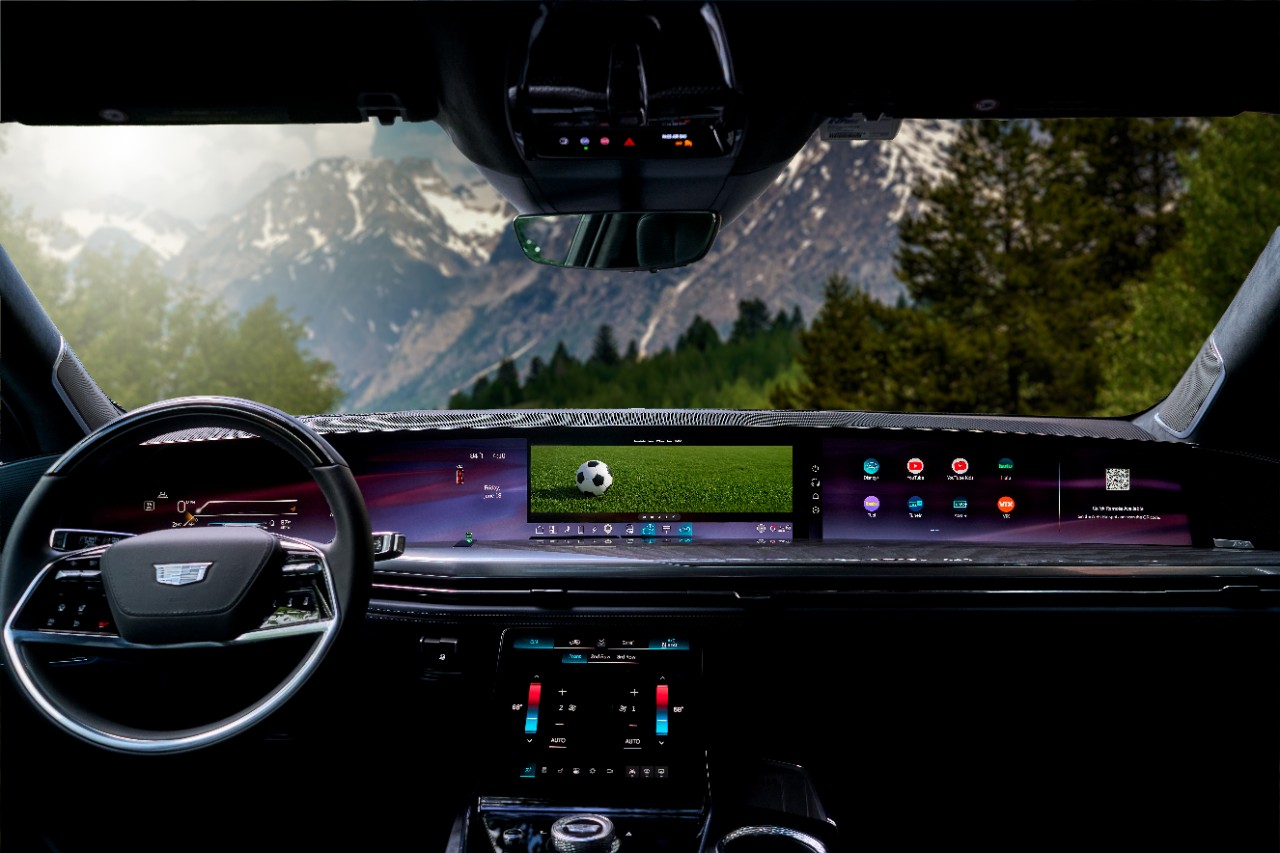
Software updates continue adding new features to GM’s connected vehicle platform.
Multiple GM brands benefit from the update
The expanded Google Built-In experience reaches several vehicles across the General Motors portfolio.
Compatible models from Chevrolet, GMC, Cadillac and Buick equipped with the latest software can access the growing catalog of vehicle-optimized applications, while premium SUVs equipped with dedicated passenger displays receive additional entertainment functionality.
This broader rollout demonstrates GM’s commitment to creating a consistent digital experience across multiple brands and vehicle segments.
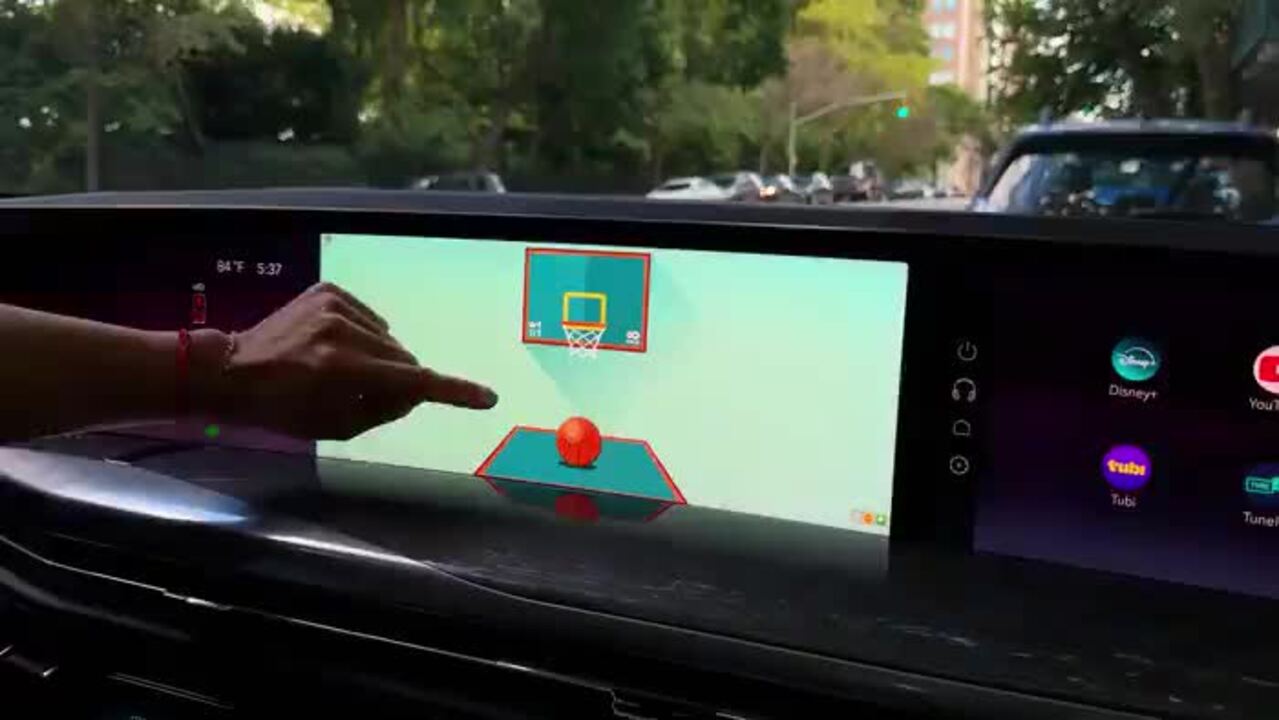
Chevrolet, GMC, Cadillac and Buick models receive expanded digital capabilities.
GM Google Built-In strengthens the connected driving experience
As customer expectations continue shifting toward software-defined vehicles, General Motors is investing heavily in connected technology that extends well beyond navigation and smartphone integration.
The expansion of Google Play applications reflects a growing emphasis on making the vehicle a digital environment capable of supporting entertainment, productivity and convenience throughout ownership.
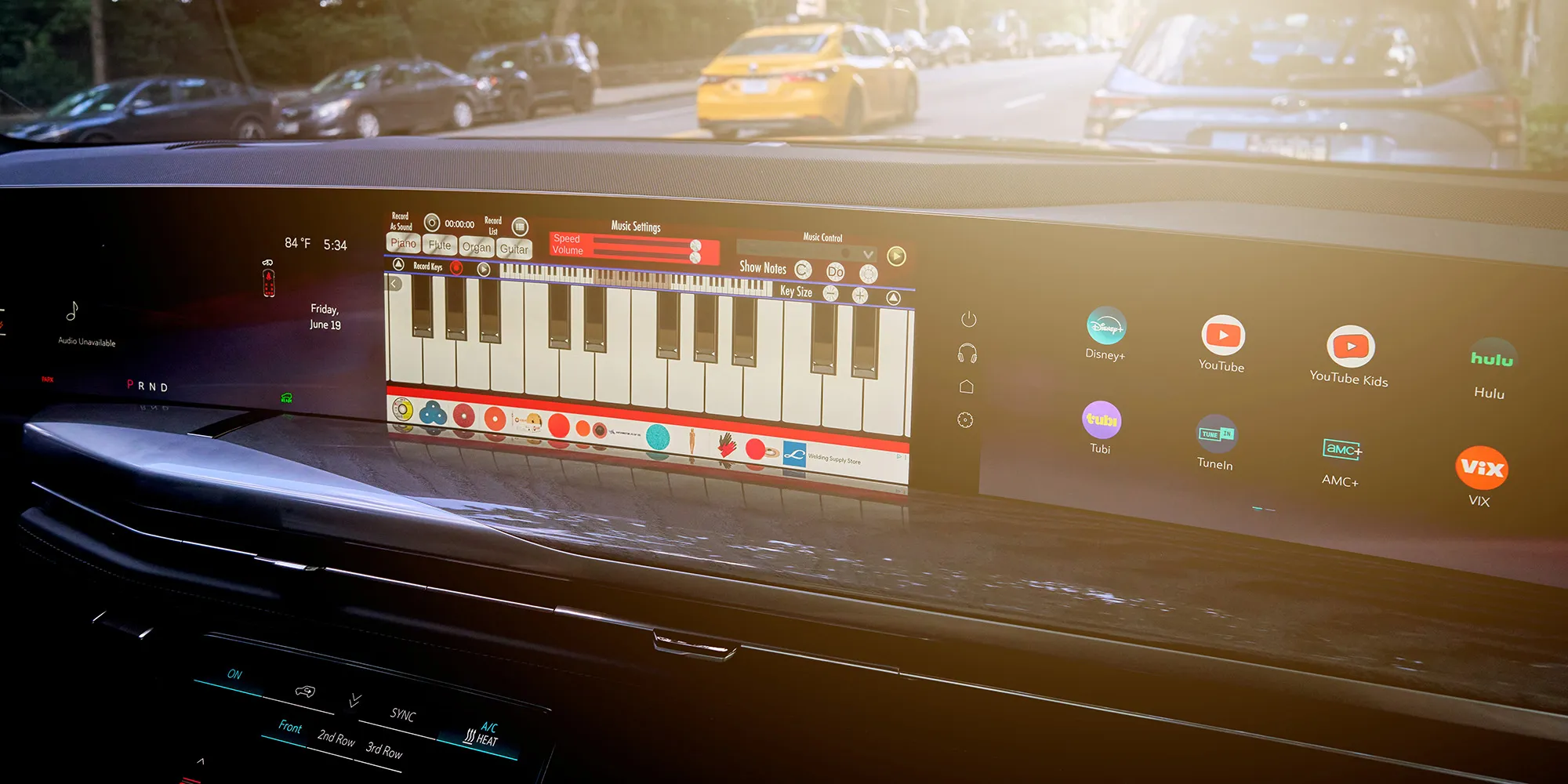
GM continues investing in connected technology across its vehicle lineup.
GM Google Built-In continues expanding digital innovation
The latest expansion of GM Google Built-In reinforces General Motors’ commitment to connected technology and in-vehicle entertainment. By introducing hundreds of new applications and expanding passenger experiences across multiple brands, GM continues transforming its vehicles into increasingly capable digital platforms for drivers and passengers alike.
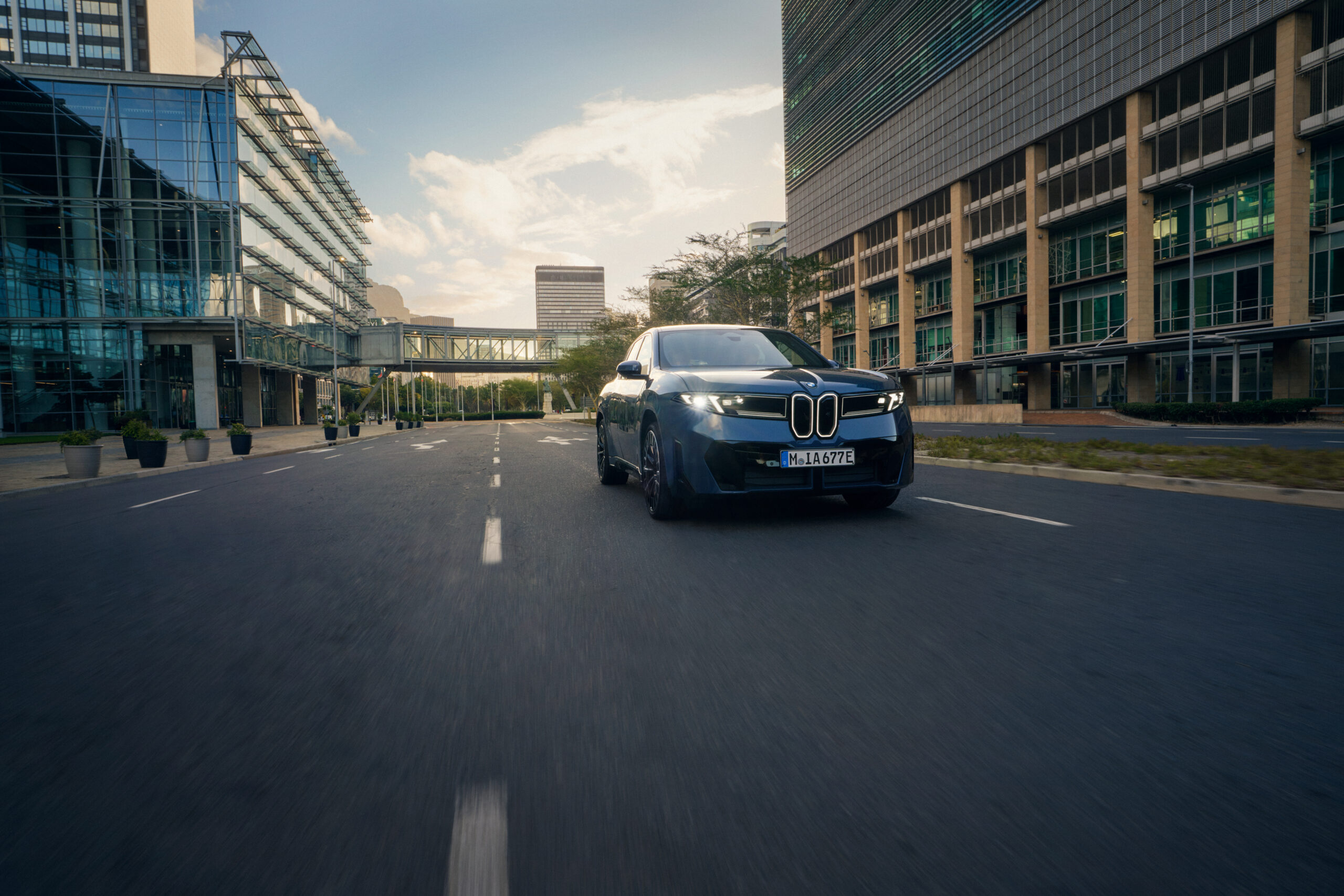
The BMW Innovation Campaign showcases the latest intelligent technologies arriving in the BMW iX3 and BMW i7, combining artificial intelligence, advanced driver assistance and next-generation digital experiences.
The BMW Innovation Campaign has entered a new phase with a series of creative videos designed to demonstrate the brand’s latest intelligent technologies. Rather than focusing solely on technical specifications, BMW uses entertaining everyday situations to highlight how advanced digital systems can simplify driving, improve comfort and enhance the overall ownership experience.
The campaign introduces several innovations that will debut in the new BMW iX3 while also highlighting premium digital features available in the BMW i7.
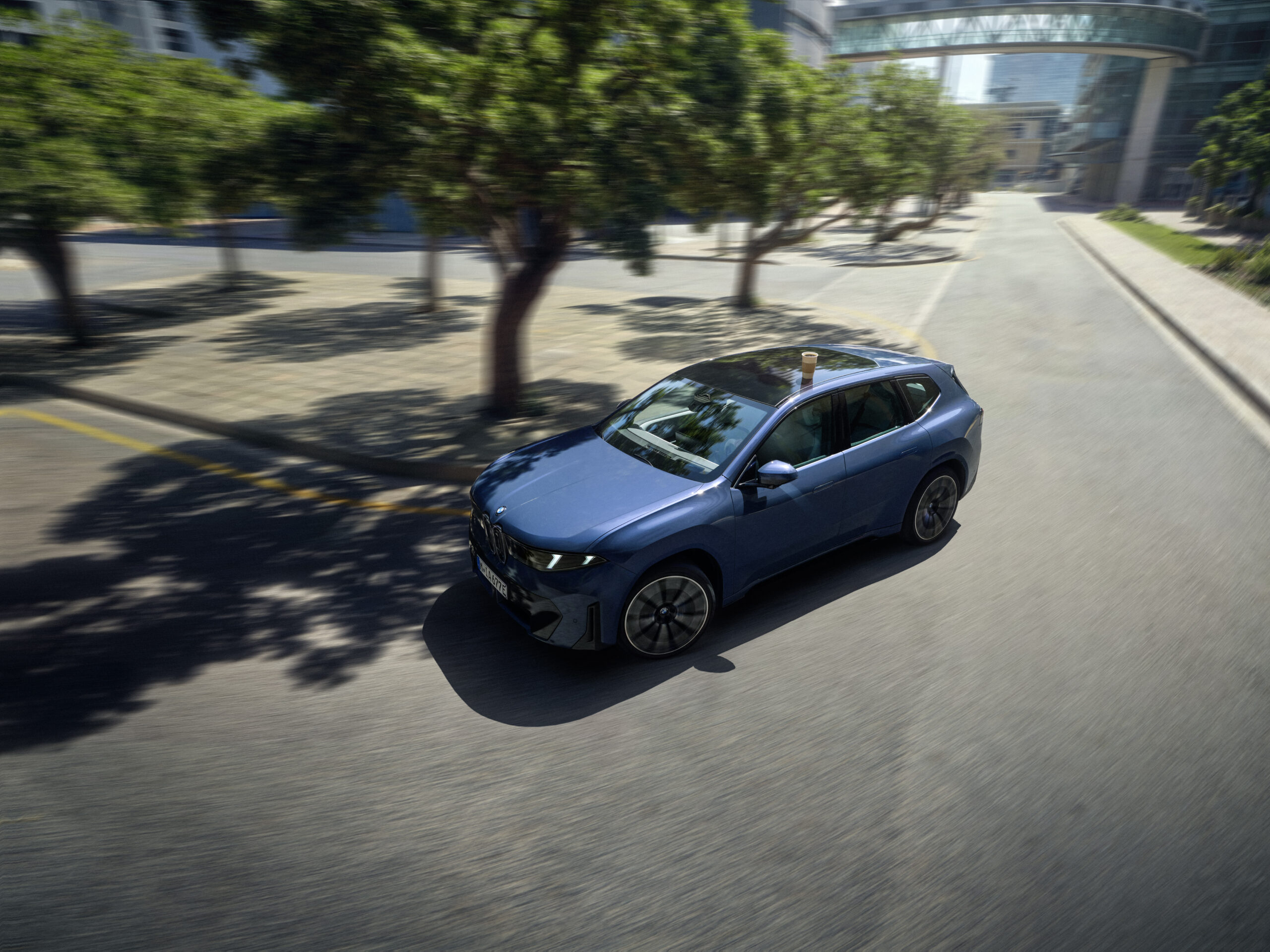
The BMW Innovation Campaign highlights the latest intelligent technologies arriving in the BMW iX3.
BMW Innovation Campaign introduces Symbiotic Drive
One of the biggest highlights of the BMW Innovation Campaign is the debut of BMW Symbiotic Drive, a next-generation driver assistance system developed to create a more natural interaction between the driver and the vehicle.
Unlike conventional assistance systems, Symbiotic Drive allows the driver to remain actively involved while advanced technologies support steering, acceleration and braking. This collaborative approach improves driving confidence while maintaining direct driver control whenever needed.
The new technology works alongside the BMW Panoramic iDrive interface, providing clear visual information and intuitive operation throughout every journey.
BMW Innovation Campaign expands AI-powered voice technology
Artificial intelligence plays a central role in the BMW Innovation Campaign through the latest version of the BMW Intelligent Personal Assistant.
The upgraded system delivers more natural voice interactions while allowing drivers to control vehicle functions through conversational commands. Enhanced AI capabilities also improve navigation, information retrieval and personalized assistance inside the cabin.
This evolution reflects BMW’s continued investment in digital ecosystems designed to simplify everyday driving.

BMW’s latest Intelligent Personal Assistant expands voice interaction through advanced AI technology.
BMW Innovation Campaign showcases faster charging and digital entertainment
Electrification remains another major focus of the BMW Innovation Campaign.
The new BMW iX3 supports charging speeds of up to 400 kW, allowing drivers to recover significant driving range during short charging stops. Faster charging reduces waiting times and improves convenience for long-distance travel.
BMW also continues expanding its digital entertainment offerings. The BMW i7 features a 14.6-inch Passenger Screen, giving front passengers access to multimedia content while enhancing the luxury travel experience.
BMW Innovation Campaign reflects BMW’s digital future
The latest BMW Innovation Campaign demonstrates how software, artificial intelligence and connected technologies are becoming central elements of BMW’s future vehicle strategy.
Rather than introducing isolated features, BMW is creating an integrated digital ecosystem where intelligent assistance, connectivity and electrification work together to improve every aspect of the driving experience.
These innovations will continue playing a key role as the Neue Klasse generation expands across the brand’s future lineup.
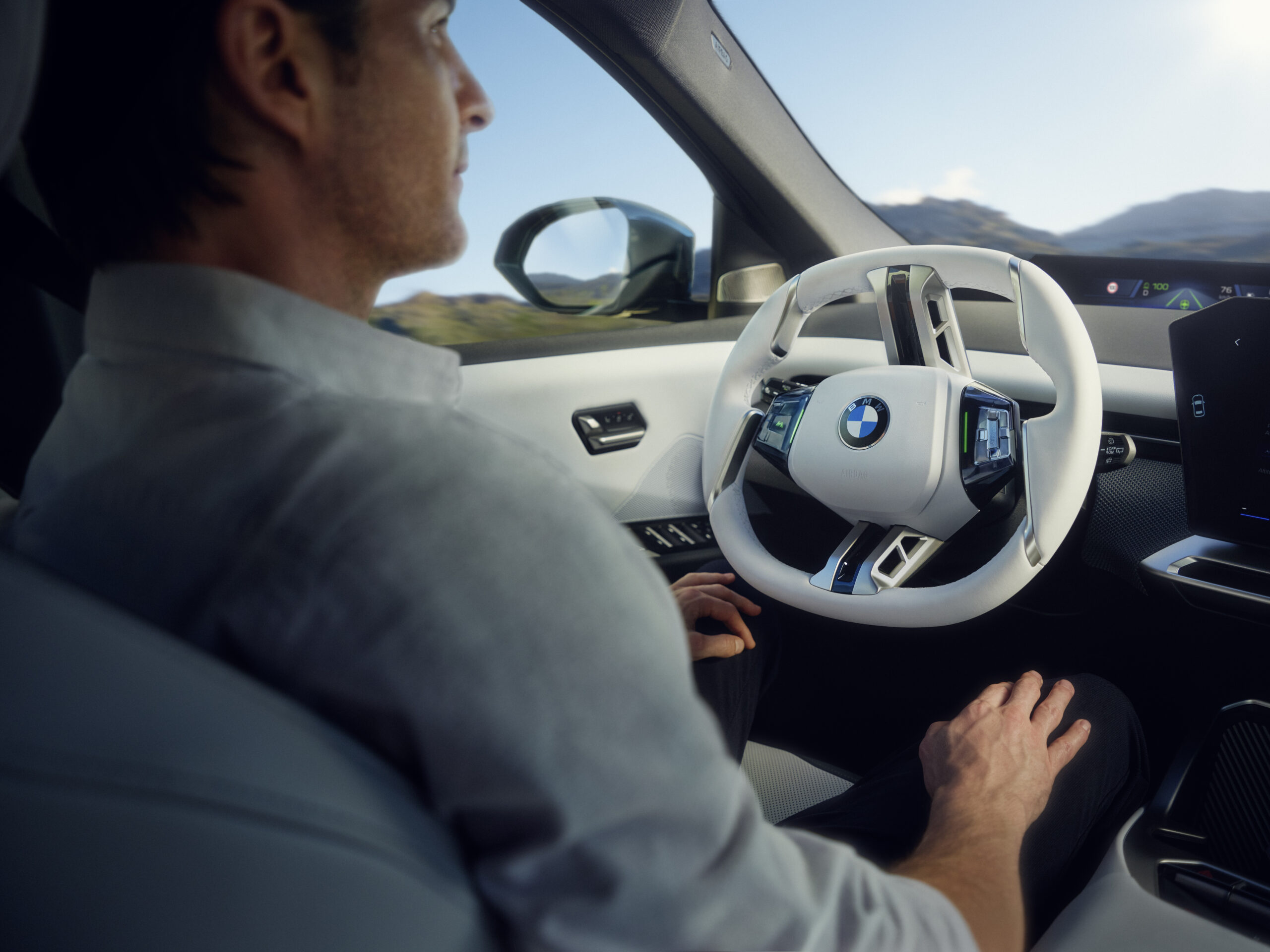
The BMW iX3 introduces several next-generation technologies developed for the Neue Klasse platform.
BMW Innovation Campaign reinforces the Neue Klasse vision
The BMW Innovation Campaign also highlights the importance of the Neue Klasse platform in shaping BMW’s next generation of electric vehicles. New digital interfaces, intelligent driver assistance systems and faster charging technologies represent key pillars of this strategy.
As future BMW models adopt these innovations, customers can expect vehicles that combine electrification, artificial intelligence and intuitive user experiences in a more connected driving environment.
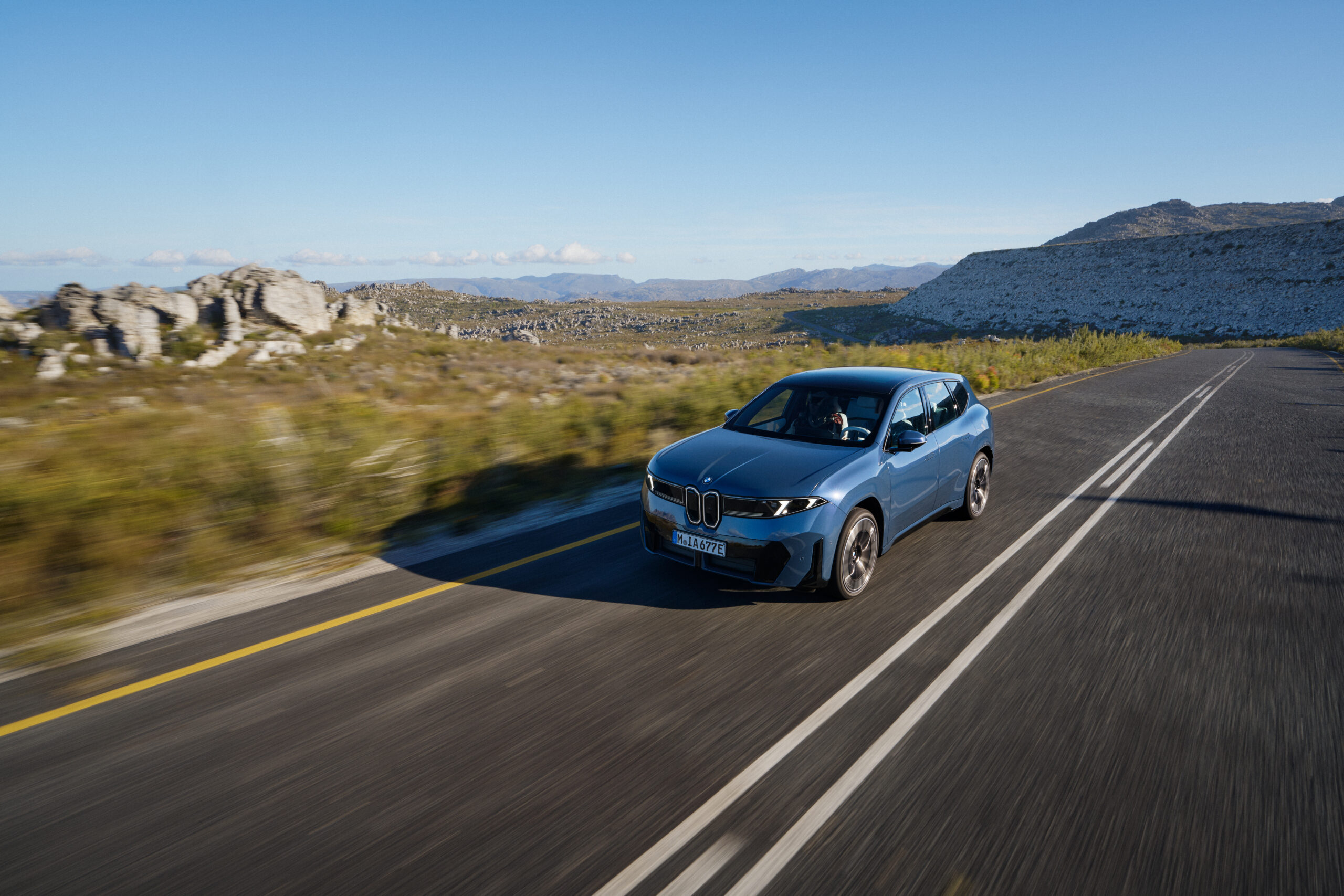
BMW continues expanding intelligent digital technologies across its next generation of electric vehicles.
BMW Innovation Campaign marks the next step in connected mobility
The BMW Innovation Campaign illustrates how the company’s latest technologies extend beyond traditional performance improvements. Intelligent assistance, AI-powered interaction, faster charging and advanced digital features are redefining everyday mobility.
With the BMW iX3 and BMW i7 leading this evolution, BMW continues building a future where connected technologies enhance convenience, efficiency and the overall driving experience.
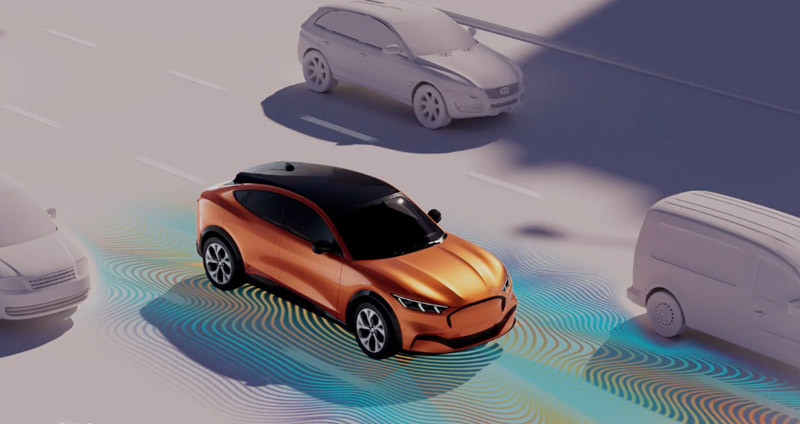
Stellantis, Wayve and Uber have launched a new global robotaxi partnership that aims to bring Level 4 autonomous ride-hailing services to more cities by combining vehicle platforms, AI driving software and Uber’s mobility network.
The global robotaxi race has a new heavyweight alliance. Stellantis, Wayve and Uber have announced a new partnership to explore the development and deployment of Level 4 autonomous mobility services at global scale, creating one of the clearest signs yet that the next phase of robotaxi growth will be built around ecosystems rather than standalone players. In practical terms, the three companies want to combine Stellantis’ L4-Ready vehicle platforms, Wayve’s AI driving technology and Uber’s global ride-hailing marketplace to create a more scalable path toward commercial autonomous transportation.
That makes this much more than another generic partnership announcement. The Stellantis Wayve Uber robotaxis deal is designed around a very specific goal: taking the three most important pieces of a future robotaxi business—vehicle hardware, self-driving software and rider demand—and aligning them under one framework. Stellantis will handle the vehicle side, Wayve will provide the autonomous driving stack, and Uber will become the customer-facing platform through which those driverless rides are eventually deployed. According to the three companies, the plan is to work toward safe, reliable and scalable autonomous mobility services in Europe, North America and beyond.
The timing of the announcement matters too. Autonomous mobility is entering a new phase in 2026, one that is less about flashy prototypes and more about figuring out how to actually commercialize robotaxi services across multiple cities and regions. That is exactly the space this partnership is trying to address. Instead of treating robotaxis as a one-company moonshot, Stellantis, Wayve and Uber are effectively arguing that the fastest route to scale is to build around a shared platform model, where each partner focuses on the part of the value chain it understands best.
Why the Stellantis Wayve Uber robotaxis partnership matters
The reason this story has weight is simple: it brings together three very different but highly complementary businesses at a moment when the robotaxi market is shifting from experimentation toward real deployment planning.
Stellantis contributes the industrial side of the equation. The company says it will design, engineer and manufacture vehicles based on its L4-Ready Platforms, architectures specifically intended to support high-utilization autonomous operations. Those vehicles are expected to include the embedded sensor suites, redundancy and engineering requirements needed for driverless commercial service, not just experimental testing. That is a crucial distinction because robotaxi services cannot scale with one-off prototypes forever. They need vehicles that are engineered from the beginning for repeatable, high-mileage, fleet-based use.
Wayve brings the software brain. Its role in the partnership is to supply the AI Driver that will power the autonomous operation of these vehicles. Wayve’s pitch is especially important here because the company has been building its reputation around an end-to-end AI driving approach that is designed to work across different environments without relying on the traditional city-by-city mapping burden that has slowed down some autonomous driving programs. In theory, that gives the Stellantis Wayve Uber robotaxis strategy a more flexible foundation for expansion across multiple cities and regions.
Uber, meanwhile, provides the piece many AV companies still lack: a global, already-established mobility marketplace. It is one thing to build a self-driving vehicle. It is another to connect that vehicle to millions of riders, dispatch trips, manage the app experience and scale operations in a way that actually creates a business. Uber’s role is to deploy those autonomous vehicles on its mobility network and connect customers to robotaxi trips through the same platform they already use for ride-hailing today. That could be one of the most important parts of the entire deal.
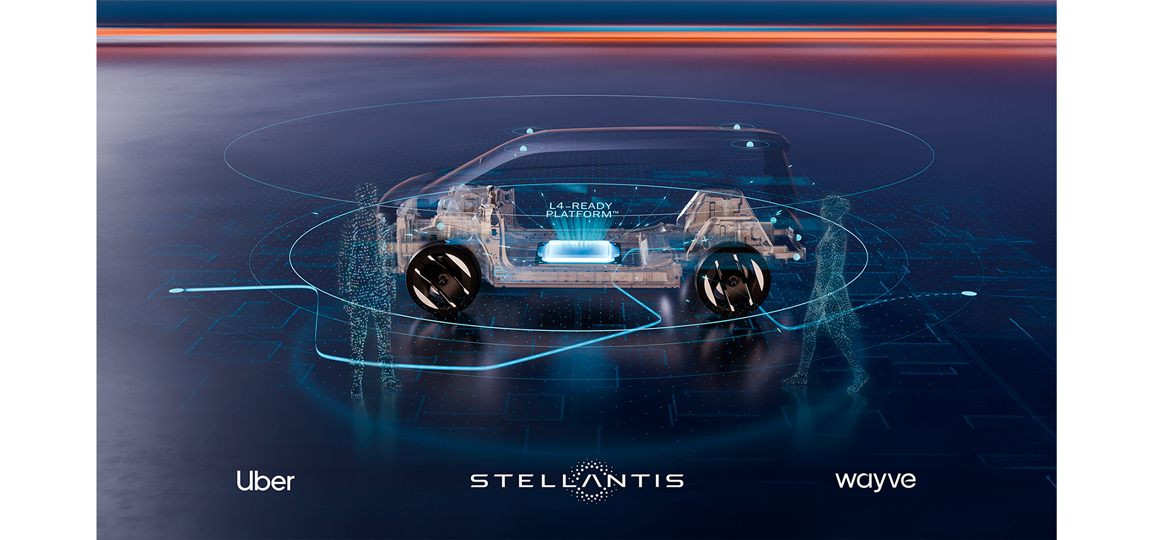
tellantis, Wayve and Uber are joining forces to build a global robotaxi ecosystem that combines autonomous-ready vehicles, AI driving software and a large-scale ride-hailing platform.
Stellantis wants its L4-Ready Platforms to become the backbone of future robotaxi fleets
From Stellantis’ point of view, the partnership is another major step in a broader software and autonomy strategy that has been accelerating in 2026. The automaker is clearly trying to position itself not just as a manufacturer of cars, vans and SUVs, but as a provider of autonomous-ready mobility hardware that can be used by multiple software and service partners.
That is where the company’s L4-Ready Platforms become central. Stellantis says these platforms are engineered specifically for high-utilization autonomous operations, with the safety architecture, redundancy and integration potential required for driverless services. In other words, the vehicle itself is being treated as a dedicated autonomous mobility asset, not just a regular passenger vehicle with extra sensors bolted on later.
That distinction matters because the economics of robotaxis are going to depend heavily on how efficiently these vehicles can be built, maintained and operated at scale. If Stellantis can turn its L4-Ready architecture into a true industrial backbone for future AV fleets, it could carve out a meaningful role in the autonomous mobility market even if the end user never thinks of Stellantis first when booking a robotaxi ride. In that scenario, the company would be supplying the physical platform that enables the whole service to exist.
Wayve gives the partnership a map-light AI angle
Wayve’s presence in the deal is what gives the Stellantis Wayve Uber robotaxis announcement its strongest technology angle. The UK-based autonomous driving company has spent years positioning its software around a more flexible, AI-driven approach to self-driving, one that does not depend as heavily on painstakingly pre-mapped cities and rule-based coding as some earlier AV programs did.
According to the companies, Wayve’s AI driving system is designed to allow the vehicle to understand and navigate complex real-world environments fully autonomously, while adapting across different regions and road conditions without requiring a city-by-city re-engineering effort. If that claim holds up in deployment, it would be one of the most valuable ingredients in the whole partnership.
Why? Because scale is the hardest part of the robotaxi business. A service that works beautifully in one carefully mapped downtown zone is not necessarily a service that can be rolled out profitably across ten, twenty or fifty cities. The more adaptable the software is, the easier it becomes to spread autonomous operations into new markets. That is the exact problem Wayve is trying to solve, and it is a big reason why Uber and Stellantis would want the company involved.
Uber gives the robotaxi strategy a direct path to real customers
A lot of autonomous mobility projects still suffer from the same structural problem: they may have vehicles and software, but they do not have a natural way to put paying riders inside those vehicles at scale. Uber solves that problem immediately.
Within the new partnership, Uber’s role is not just symbolic. The company will be the mobility platform through which these autonomous vehicles are eventually deployed to riders, integrating robotaxi trips into Uber’s global marketplace. That matters because it turns the partnership from a technical collaboration into something much closer to a potential business model.
Uber has spent the last few years moving away from the idea that it needs to build every piece of autonomous technology itself. Instead, it has increasingly positioned itself as the commercial layer that can connect multiple AV partners to customers. That makes strategic sense. Uber already has the app, the rider base, the dispatch logic, the market presence and the brand familiarity. If robotaxis become a mainstream part of urban mobility, Uber wants to be the place where people book them—regardless of who built the vehicle or wrote the driving software.
That is exactly what the Stellantis Wayve Uber robotaxis deal reinforces. It suggests that Uber’s future in autonomous mobility may be less about inventing the car and more about owning the marketplace through which autonomous trips are consumed.
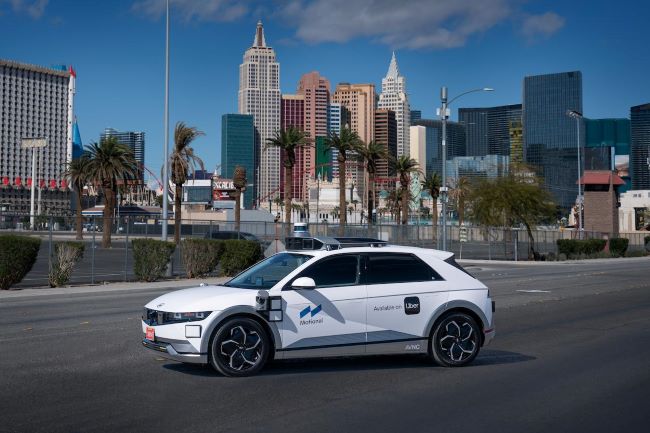
The new partnership is built around three complementary pieces: Stellantis’ L4-Ready vehicle platforms, Wayve’s AI driving software and Uber’s global mobility network.
This robotaxi deal builds on earlier Stellantis, Wayve and Uber ties
Another reason the announcement matters is that it does not come out of nowhere. The new agreement builds on existing relationships between the companies, which makes it feel more like the next phase of a broader strategy than a one-off headline.
Stellantis and Wayve had already announced a recent L2++ collaboration, while Wayve and Uber were already working together on plans to deploy autonomous rides in London, Tokyo and ten other cities starting this year. That context is important because it shows the robotaxi partnership is not being assembled from scratch. There is already a foundation of technical and commercial cooperation in place, and this new agreement is effectively designed to widen that foundation into a more ambitious global deployment framework.
That also explains why the companies are comfortable talking about global scale rather than limiting the language to a narrow pilot program. There is still a long way to go before this becomes a fully commercialized worldwide robotaxi network, but the announcement suggests that all three players see enough alignment in their strategies to move beyond isolated tests and into something more structured.
The bigger goal is clear: move robotaxis from pilot projects to scalable mobility services
The most interesting part of the story is not the press-release language itself. It is the broader implication behind it. The Stellantis Wayve Uber robotaxis deal is really about one question: how do you turn autonomous driving from a promising technology into a scalable transportation service?
That question has haunted the AV industry for years. Plenty of companies have demonstrated autonomous driving in controlled settings. Fewer have shown they can scale it economically, across multiple geographies, with the operational reliability and customer experience required for a real transportation business. This partnership is one of the clearest recent attempts to answer that challenge with an ecosystem approach rather than a siloed one.
Stellantis supplies the physical platform. Wayve supplies the autonomous intelligence. Uber supplies the rider demand and commercial interface. On paper, that is a much cleaner path than expecting one company to dominate every part of the robotaxi stack alone. It also reflects a growing reality in autonomous mobility: the winners may not be the companies with the flashiest demos, but the ones that can build repeatable, integrated, city-ready operating systems for autonomous transport.
What the partnership actually covers right now
It is worth being precise here: the agreement is not the same thing as an immediate robotaxi launch. The companies say the relationship is structured through a non-binding Memorandum of Understanding, which sets the framework for future agreements covering technology development, licensing, production and vehicle procurement. In other words, the commercial shape of the relationship is still being built.
That does not make the announcement unimportant. It just means the current stage is about creating the architecture for deployment, not announcing that fully driverless Stellantis robotaxis are suddenly available tomorrow in every major city. The work ahead includes vehicle integration, testing, validation and the actual deployment planning needed to turn the concept into a real service.
Still, even at this stage, the direction of travel is obvious. The three companies are explicitly saying they want to bring safe, reliable and scalable autonomous mobility services to cities across Europe, North America and beyond. That is a far more ambitious framing than a simple test project, and it is why this announcement deserves attention.
Why the Stellantis Wayve Uber robotaxis move matters right now
There is also a market-timing angle here that makes the story stronger today than it would have been a year or two ago. Autonomous mobility in 2026 is no longer just about proving that the technology can work. The conversation has shifted toward who can commercialize it, who can finance it, and who can distribute it.
That is where this partnership feels smart. Stellantis brings industrial scale. Wayve brings a modern AI-first autonomy stack. Uber brings a customer funnel and an existing global service platform. None of those pieces on its own is enough to guarantee success, but together they form a much more credible commercialization story than a typical “autonomous future” press release.
It also fits the wider strategic direction of the industry. More and more, autonomous mobility appears to be consolidating around specialized partnerships rather than vertically integrated moonshots. Carmakers want software partners. AV developers want production-grade vehicle platforms. Mobility apps want access to autonomous supply without having to become automakers themselves. The Stellantis Wayve Uber robotaxis alliance sits right at the center of that trend.
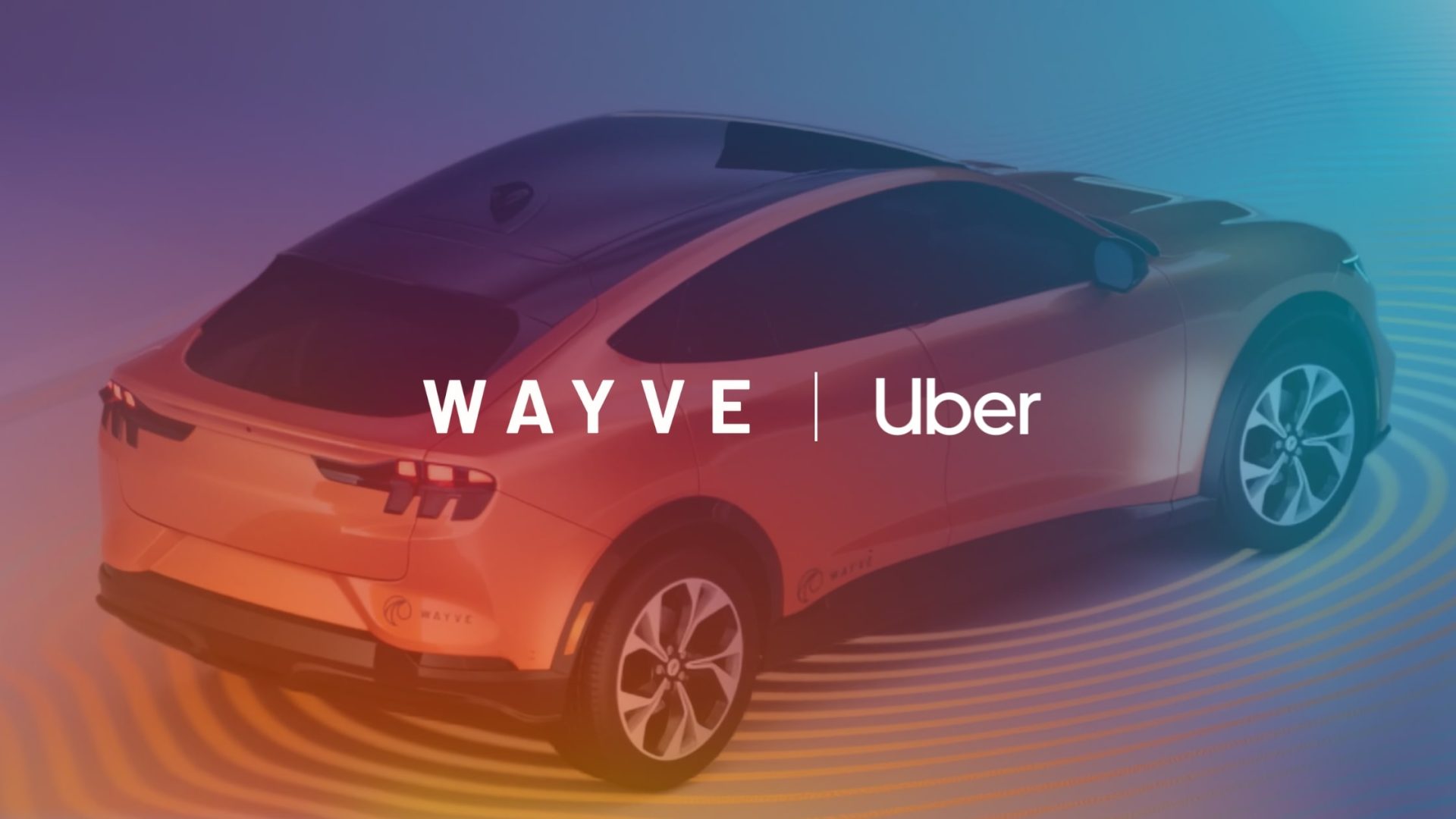
Uber’s role in the deal is crucial: the company gives the robotaxi project a ready-made commercial platform through which future autonomous rides can be offered to real customers.
Robotaxis are becoming an ecosystem business, and this deal proves it
If there is one takeaway from this announcement, it is that the robotaxi market is increasingly becoming an ecosystem business. That may sound obvious, but it is a major shift in how autonomous mobility is being framed.
For years, many AV stories focused on the self-driving technology alone, as if the hardest part of the future would be teaching a car to drive itself. That remains an enormous technical challenge, of course. But the harder commercial challenge may be everything around it: the vehicle platform, the operational durability, the deployment logistics, the customer acquisition layer, the city-by-city rollout strategy and the regulatory execution.
That is why the Stellantis Wayve Uber robotaxis announcement matters. It recognizes that autonomous mobility is not one problem; it is a stack of interconnected problems. And instead of pretending one company can solve all of them alone, it brings together three specialists with different strengths.
Stellantis, Wayve and Uber are trying to build the next global robotaxi blueprint
Whether this partnership ultimately delivers large-scale commercial robotaxi services remains to be seen. There are still major technical, regulatory and operational hurdles ahead, and the agreement itself is only the beginning of a longer process. But the strategic logic behind it is hard to ignore.Uber’s role in the deal is crucial: the company gives the robotaxi project a ready-made commercial platform through which future autonomous rides can be offered to real customers.
Robotaxis are becoming an ecosystem business, and this deal proves it
If there is one takeaway from this announcement, it is that the robotaxi market is increasingly becoming an ecosystem business. That may sound obvious, but it is a major shift in how autonomous mobility is being framed.
For years, many AV stories focused on the self-driving technology alone, as if the hardest part of the future would be teaching a car to drive itself. That remains an enormous technical challenge, of course. But the harder commercial challenge may be everything around it: the vehicle platform, the operational durability, the deployment logistics, the customer acquisition layer, the city-by-city rollout strategy and the regulatory execution.
That is why the Stellantis Wayve Uber robotaxis announcement matters. It recognizes that autonomous mobility is not one problem; it is a stack of interconnected problems. And instead of pretending one company can solve all of them alone, it brings together three specialists with different strengths.
Stellantis, Wayve and Uber are trying to build the next global robotaxi blueprint
Whether this partnership ultimately delivers large-scale commercial robotaxi services remains to be seen. There are still major technical, regulatory and operational hurdles ahead, and the agreement itself is only the beginning of a longer process. But the strategic logic behind it is hard to ignore.
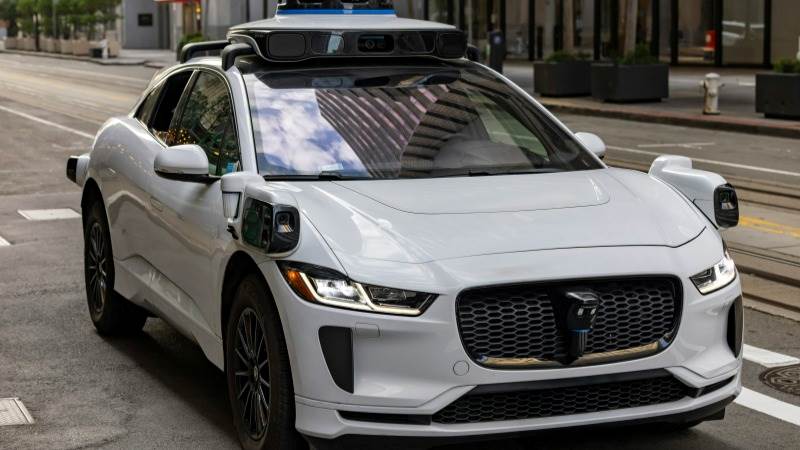
The Stellantis, Wayve and Uber partnership is designed to push robotaxis beyond isolated pilots and toward a scalable commercial model spanning Europe, North America and other global markets.
If autonomous ride-hailing is going to become a meaningful part of daily transportation in major cities, it will likely require exactly this kind of structure: an automaker capable of building dedicated AV-ready vehicles, a software company capable of adapting self-driving intelligence across multiple markets, and a platform capable of delivering those rides to customers at scale. That is the blueprint Stellantis, Wayve and Uber are now trying to build.
And that is what makes this more than just another corporate alliance. It is one of the clearest recent signs that the robotaxi business is moving out of its prototype era and deeper into the harder, more important question of how autonomous mobility actually becomes a scalable global service.
-
 INTELLIGENT MOBILITY8 months ago
Customers Demand a Manual Honda Prelude: Will It Ever Happen?
-
 INTELLIGENT MOBILITY8 months ago
Rolls-Royce Phantom Centenary Edition: A Century of Luxury Taken to the Next Level
-
 INTELLIGENT MOBILITY8 months ago
Honda S2000: The Iconic Roadster Could Return, But Challenges Remain
-
 NOW TRENDING12 years ago
Toyota Partners goes Glam with Fashion
-
 INTELLIGENT MOBILITY8 months ago
Honda NSX Reborn: Pininfarina and JAS Bring Back the V6 Legend with a Modern Twist
-
 TEST DRIVES2 years ago
2024 Maserati GranTurismo Trofeo
-
 INTELLIGENT MOBILITY8 months ago
10,000 RPM Madness: The Honda S2000 Resurrected with 580 HP and a Supercharged Heart
-
 INTELLIGENT MOBILITY8 months ago
FIFA World Cup 2026: The Importance of Electric Vehicles
You must be logged in to post a comment Login