
NOW TRENDING
Toyota Moves Tacoma Production to Texas With $3.6 Billion Investment

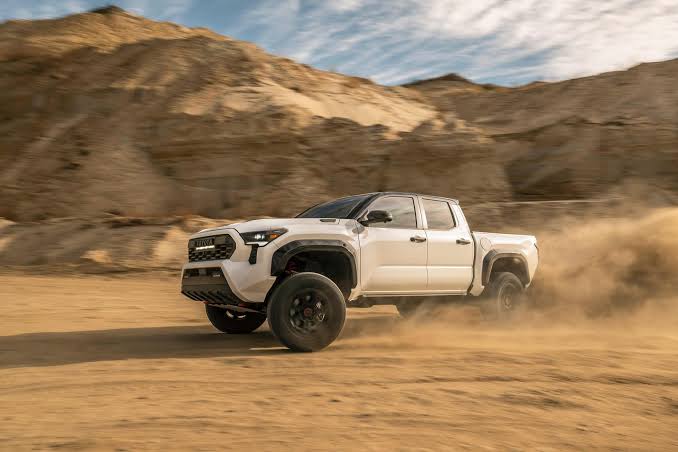
Toyota has announced a $3.6 billion investment to expand its Texas manufacturing facility, bringing Toyota Tacoma production to the United States while creating thousands of new jobs and increasing production capacity.
Toyota is making one of its biggest manufacturing investments in North America. The automaker confirmed it will invest $3.6 billion to expand its San Antonio, Texas, facility, where the Toyota Tacoma will soon be built alongside the Toyota Tundra and Toyota Sequoia.
The project will nearly double the size of the factory, strengthen Toyota’s U.S. manufacturing footprint and support growing demand for America’s best-selling midsize pickup truck.
Toyota Tacoma production moves to Texas
The new investment will expand Toyota’s San Antonio plant to approximately 5 million square feet while adding a second production line dedicated to the Toyota Tacoma.
Production of the midsize pickup will gradually shift from Mexico to Texas over the next four years, although some Tacoma manufacturing will continue south of the border.
Toyota also announced the expansion will create approximately 2,000 new jobs, increasing the facility’s workforce to nearly 6,000 employees.
According to Toyota North America President and CEO Ted Ogawa, the investment reflects the company’s long-term commitment to U.S. manufacturing while supporting future customer demand.
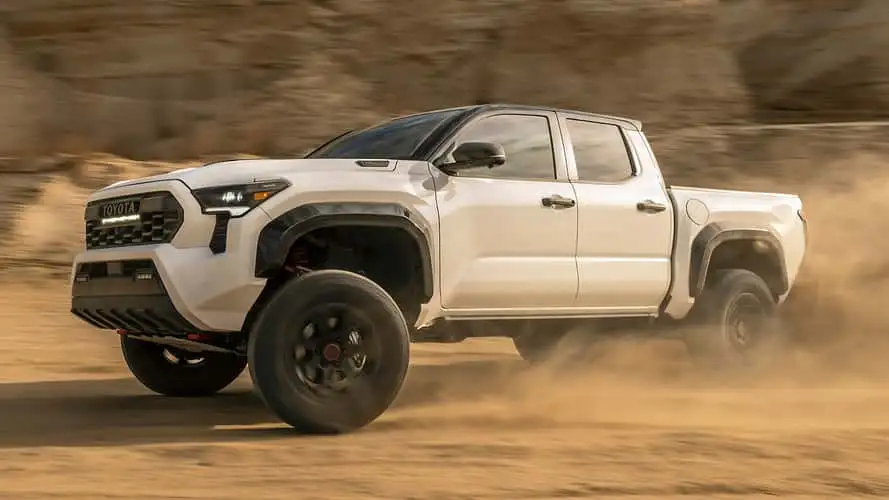
Toyota will expand its Texas plant to build the Tacoma alongside the Tundra and Sequoia.
The Texas plant becomes even more important
Once the expansion is completed, the San Antonio facility will manufacture three of Toyota’s most important trucks and SUVs.
The Tacoma, Tundra and Sequoia all ride on Toyota’s TNGA-F body-on-frame platform, allowing the company to improve manufacturing efficiency while sharing components across multiple models.
The facility already produces rear axles for these vehicles, making it one of Toyota’s most strategic manufacturing hubs in North America.
The announcement follows several recent investments across Toyota’s U.S. operations, including manufacturing facilities in Kentucky, West Virginia and Arizona.
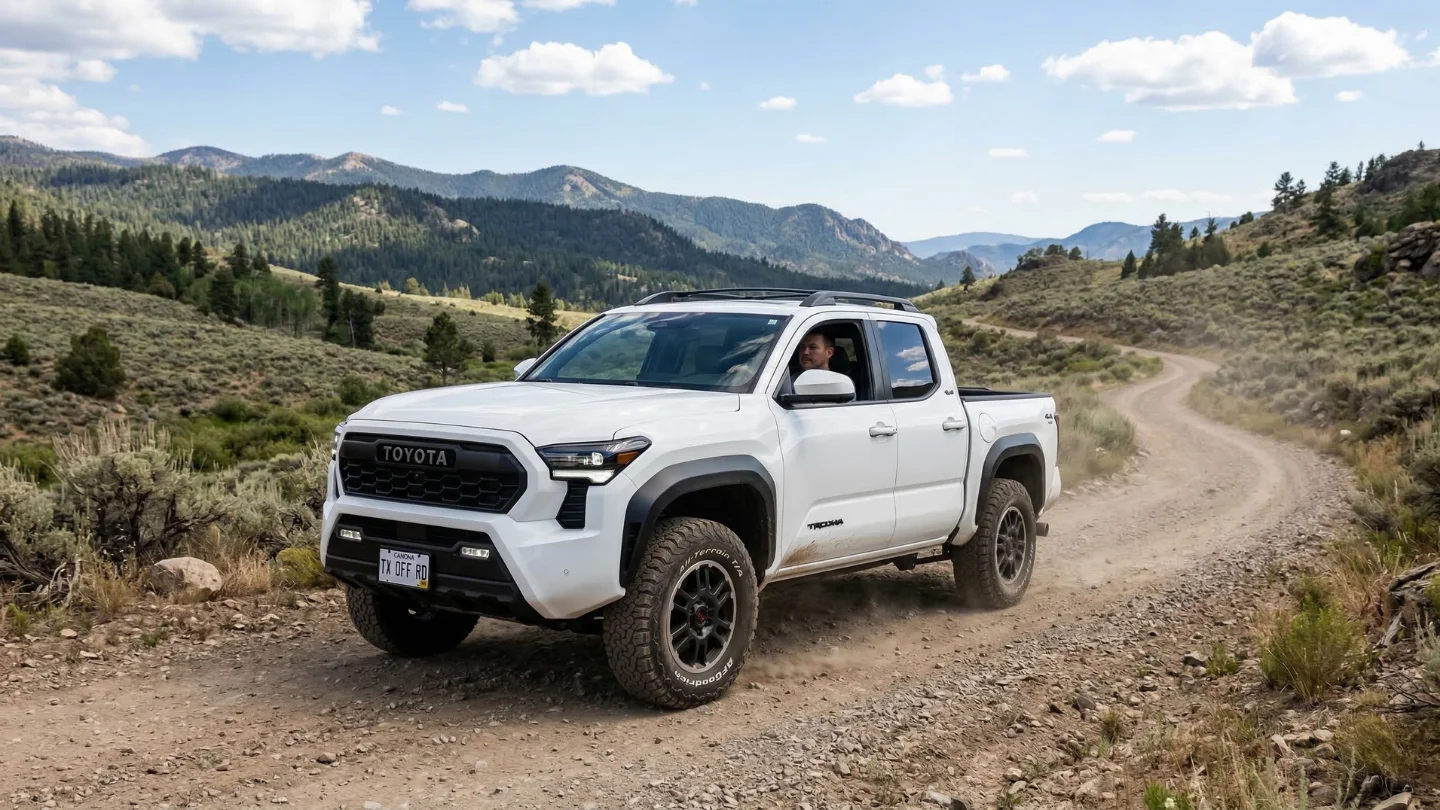
The expanded Texas facility will become one of Toyota’s largest manufacturing operations in the U.S.
Toyota Tacoma sales continue to grow
Toyota’s decision comes as Tacoma sales continue to reach record levels in the United States.
During June 2026, Toyota sold 23,158 Tacoma pickups, an increase of 3.4% compared with the previous year.
Year-to-date sales have climbed to 143,848 units, representing a 9.9% increase over 2025 and putting the midsize truck on pace for its best sales year ever.
The 2026 Tacoma lineup starts at $34,190 for the SR XtraCab and reaches $66,395 for the high-performance TRD Pro.
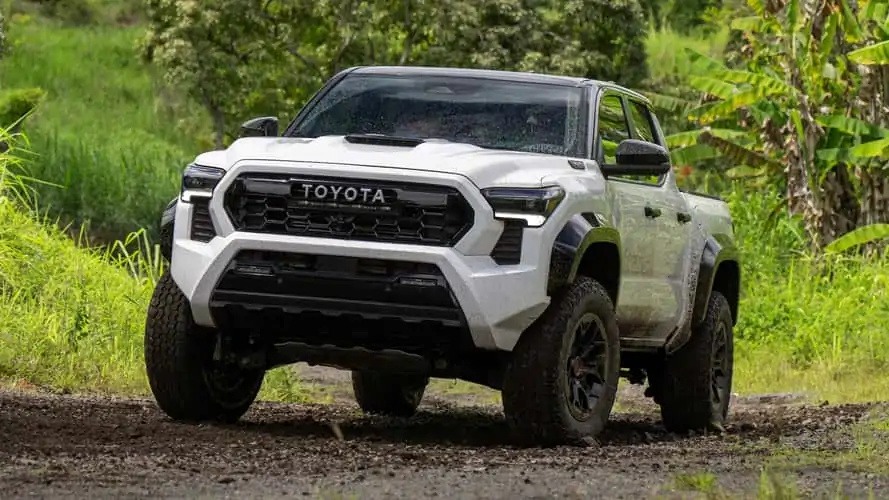
Strong Tacoma demand helped drive Toyota’s decision to expand U.S. production.
Toyota’s $3.6 billion investment reinforces the company’s long-term commitment to American manufacturing while responding to growing demand for its most popular trucks. Expanding Toyota Tacoma production in Texas will not only create thousands of jobs but also strengthen the automaker’s ability to supply one of the country’s best-selling midsize pickups.
With Tacoma sales continuing to rise and production capacity increasing, Toyota is positioning itself to meet future demand while expanding its manufacturing presence in the United States.








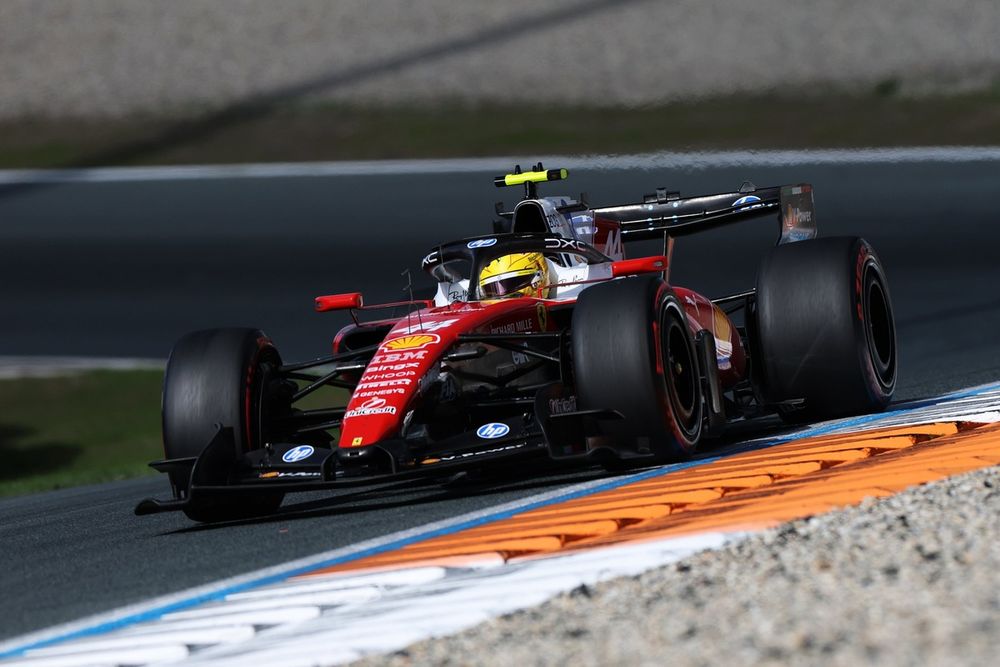
Lewis Hamilton believes Ferrari should have used team orders at Zandvoort, arguing that Charles Leclerc cost him valuable time during the Dutch Grand Prix.
Hamilton wanted Ferrari to act
Hamilton moved up to fifth after overtaking Oscar Piastri on lap 35. He then found himself behind a slower Leclerc, which prevented him from maintaining his progress.
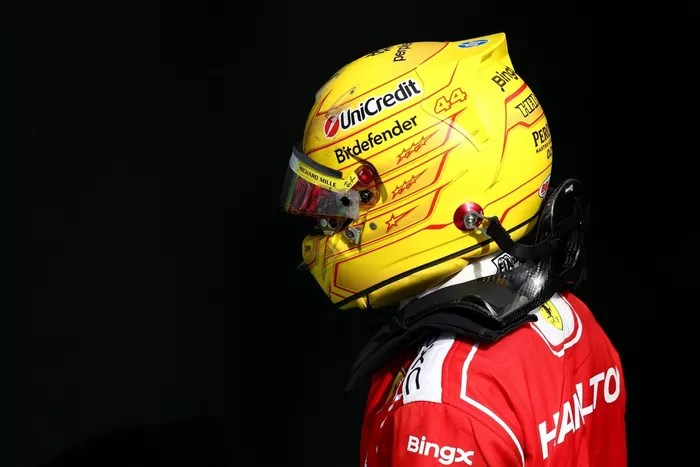
Lewis Hamilton became frustrated after getting stuck behind Charles Leclerc during the Dutch Grand Prix.
The Ferrari driver eventually complained over the radio, sarcastically criticizing the amount of time being lost.
Leclerc remained ahead until he made his pit stop on lap 43, finally freeing Hamilton to continue his recovery.
Hamilton later compared Ferrari’s approach with Mercedes, which instructed George Russell to give second place to Kimi Antonelli with seven laps remaining.
Mercedes’ decision influenced Hamilton’s frustration
Mercedes made the decision because Antonelli had significantly fresher tires and could potentially challenge Lando Norris for the lead.
Although Norris ultimately won, both Mercedes drivers accepted the decision and finished second and third.
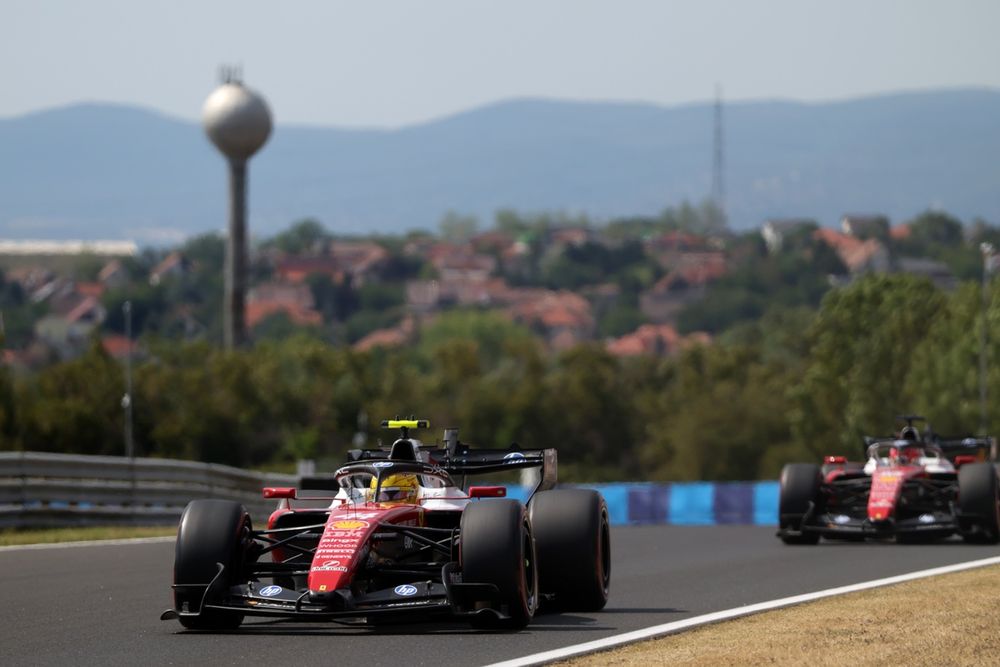
Hamilton pointed to Mercedes’ decision to swap Russell and Antonelli as an example of more effective team management.
Hamilton believes Ferrari could have acted similarly when Leclerc was slowing his progress.
He said he wants to win and finds it difficult when he sees another team making an immediate strategic decision while Ferrari does not react in the same way.
Hamilton also said he intends to discuss the matter with Ferrari when he returns to the team.
Lost time behind Leclerc hurt Hamilton’s podium hopes
Hamilton eventually had a chance to fight Russell for third place, but a late Virtual Safety Car made the opportunity even harder.
The British driver said he was getting close to the Mercedes when the VSC was deployed on lap 70.
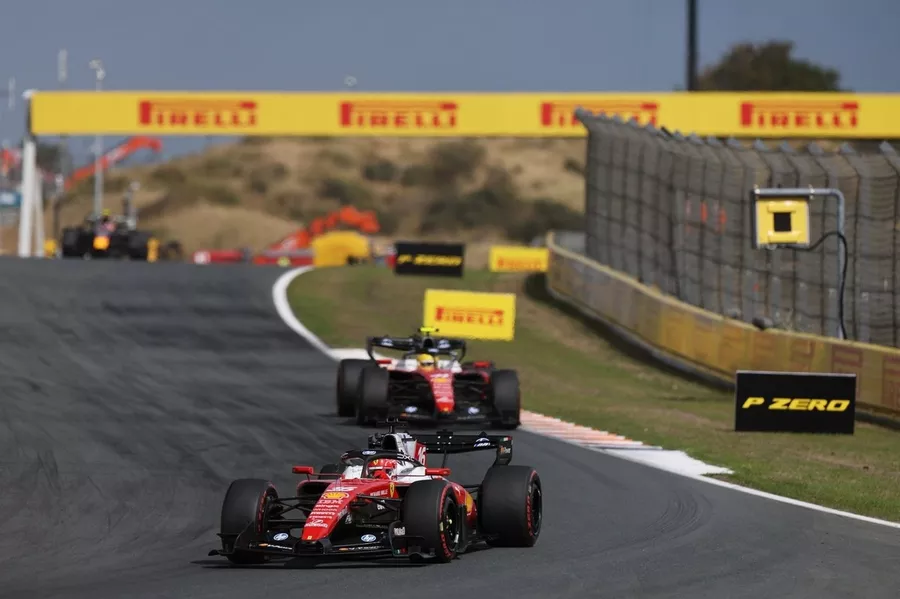
Hamilton believes the time lost behind Leclerc ultimately reduced his chances of challenging Russell for the final podium position.
He also pointed to Ferrari’s lack of straight-line speed.
Hamilton estimated Ferrari was losing around four tenths of a second per lap on the straights compared with Mercedes and McLaren.
That made overtaking particularly difficult and increased the importance of avoiding traffic.
Hamilton wants more engine performance from Ferrari
Despite his criticism, Hamilton praised Ferrari for bringing an upgrade to Zandvoort.
The seven-time world champion believes the team is moving closer to Mercedes, but he also thinks Ferrari must address its power deficit.
Hamilton praised Ferrari’s latest upgrade but believes the team still needs more engine performance to challenge Mercedes.
According to Hamilton, Ferrari has spent much of the season giving away performance on the straights.
He believes finding additional engine power is essential if Ferrari wants to close the gap and fight Mercedes consistently.
For Lewis Hamilton Ferrari, Zandvoort therefore produced a mixed result. The fourth-place finish was solid, but Hamilton believes Ferrari’s handling of team orders and its remaining power deficit prevented an even stronger result.
The Toyota Blade Master G packed a 3.5-liter V6, front-wheel drive, and a luxury-focused cabin into an understated hatchback that remains remarkably rare.
Toyota has built plenty of memorable performance cars, from the Celica and Supra to today’s GR Corolla. But one of its most unusual efforts has largely disappeared from the spotlight.
The Toyota Blade Master G was a Japanese-market hot hatch that paired an understated body with a 3.5-liter V6 producing 276 horsepower. It was front-wheel drive, automatic, and far more luxurious than the typical performance hatchback.
A V6 Hidden Under an Ordinary Hatchback
The Blade was positioned as a more upscale alternative to the Toyota Auris. It was never sold new in the United States, and the model remained exclusive to Japan.
Toyota launched the Blade in 2006 with a 2.4-liter four-cylinder. One year later, the company created something much more unusual.
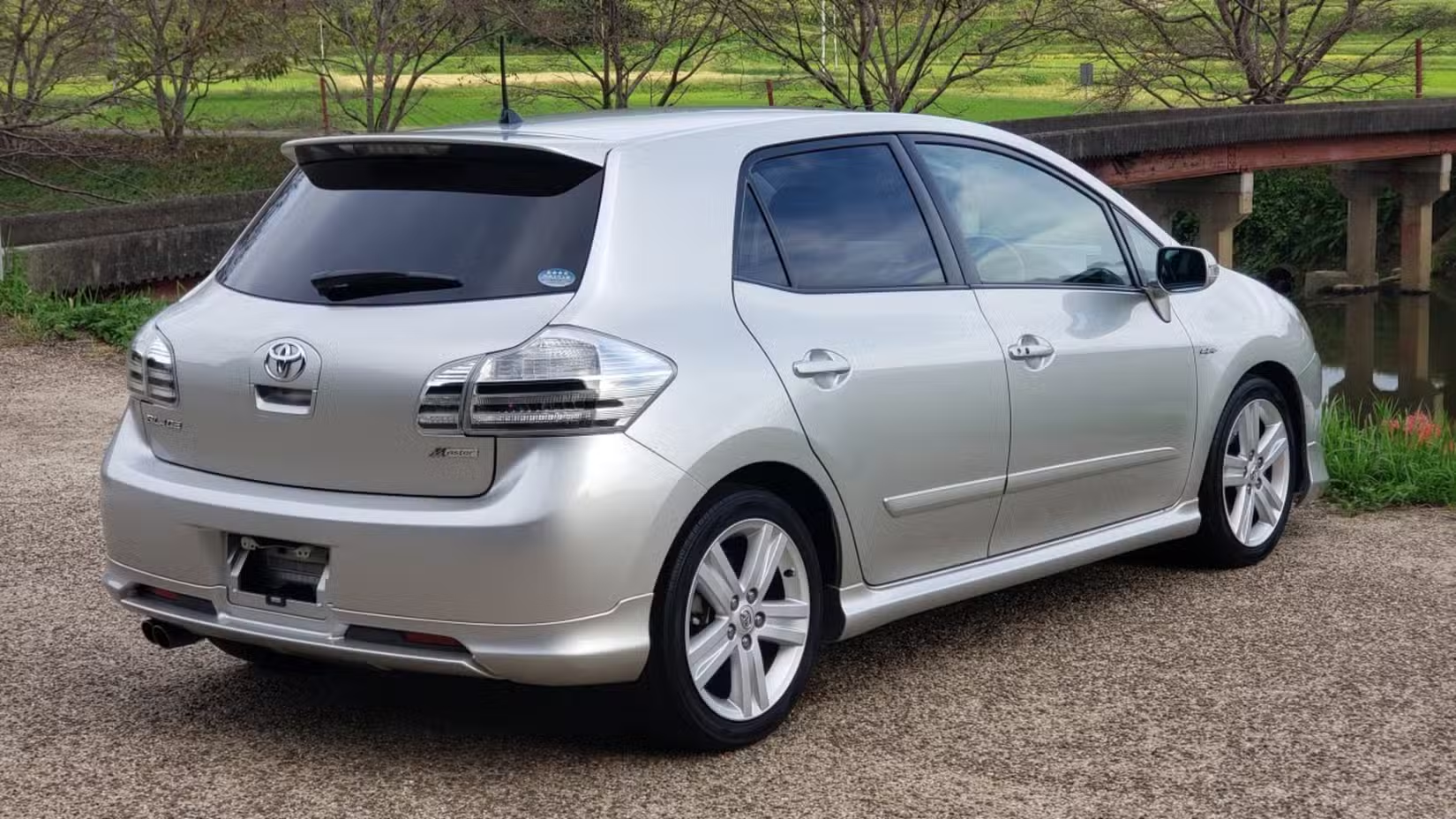
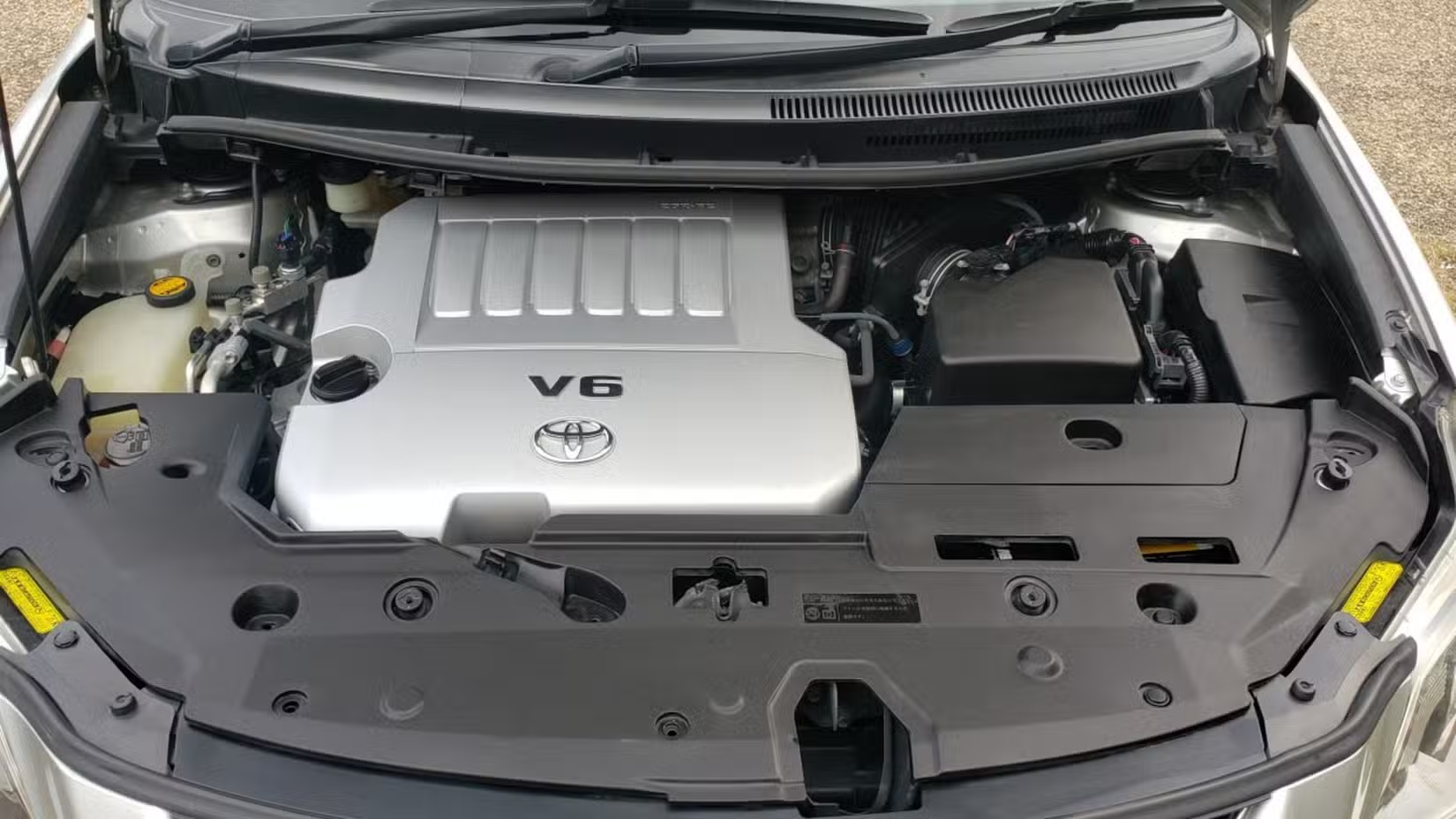
The Toyota Blade Master G looked understated but packed a 3.5-liter V6 producing 276 horsepower.
The 3.5-liter 2GR-FE V6 transformed the compact hatchback.
The engine produced 276 hp and 254 lb-ft of torque, figures that were substantial for a small front-wheel-drive car at the time.
Unfortunately for enthusiasts, Toyota paired the engine with a six-speed automatic transmission rather than a manual.
The other unusual decision was the drivetrain. The Blade Master G sent all of its power to the front wheels.
That combination could have created significant torque steer and understeer, but Toyota made extensive chassis changes to compensate.
Toyota Reworked the Chassis Around the V6
Toyota knew that simply installing a large V6 in a front-drive hatchback would not create a convincing performance car.
The Blade Master G therefore received significant chassis upgrades.
The rear suspension used a double-wishbone setup rather than the torsion-beam arrangement found on the standard model. Toyota also fitted stiffer springs and larger brakes.
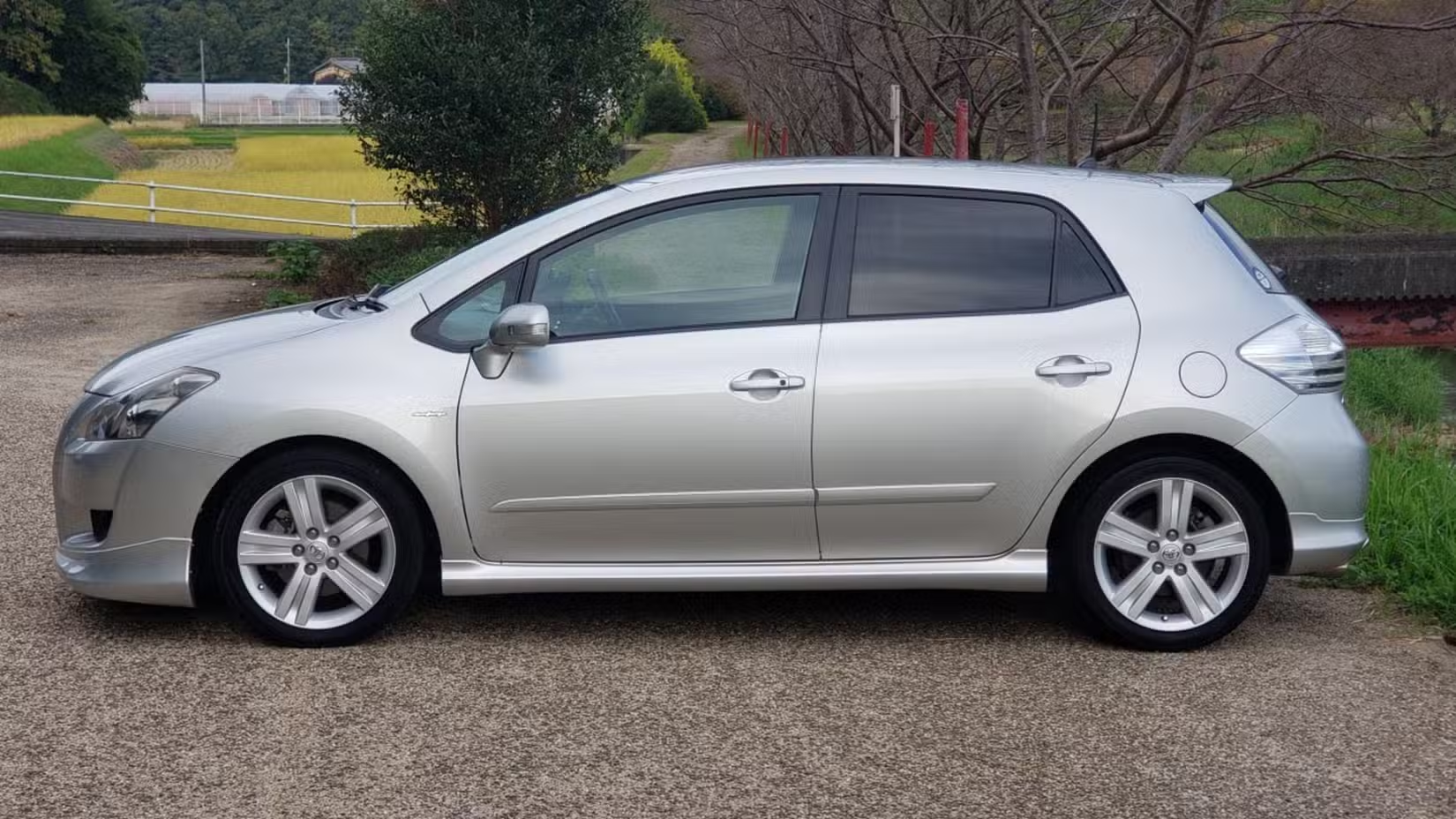
The Blade Master G received a double-wishbone rear suspension, larger brakes, and wider performance tires.
Factory equipment included 225/45R17 tires, ventilated front and rear brake discs, and lightweight five-spoke alloy wheels.
The car weighed around 3,241 pounds, only about 150 pounds more than the standard Blade despite the much larger engine.
The result was surprisingly quick.
The Blade Master G could reach 60 mph in roughly 5.8 seconds, beating several more obvious performance hatchbacks from the same era.
A Luxury Interior Made It Different
The Blade Master G was not stripped down or aggressively styled like many hot hatches.
The standard Blade was marketed as a more premium hatchback, and the Master G retained that character.
Inside, buyers could find leather- and suede-effect materials, a more upscale dashboard, and a cabin designed around comfort as much as performance.
The Blade Master G combined performance with a more luxurious cabin featuring suede-style materials and upscale finishes.
That approach made the Toyota fundamentally different from today’s GR Corolla.
The current GR model prioritizes performance, lightweight engineering, all-wheel drive, and a manual transmission. The Blade Master G instead attempted to create something more comfortable and discreet.
It was essentially a luxury sleeper.
One of Toyota’s Rarest Hot Hatches
Toyota discontinued the Blade in 2012 without developing a direct successor.
Approximately 2,880 Blades were produced, although reliable production figures specifically for the Master G are difficult to verify.
That makes the V6 version particularly unusual today.
Despite its rarity, examples on the Japanese used market can still be relatively affordable compared with modern collector cars, with prices typically cited in the $6,000-to-$12,000 range depending on condition.
The Blade Master G therefore represents one of Toyota’s most overlooked performance experiments.
A Forgotten Predecessor to Today’s GR Models
The Blade Master G did not directly create Toyota’s modern GR performance renaissance, but it demonstrated something important about the company’s engineering philosophy.
Toyota was already willing to take an ordinary hatchback, install a much larger engine, reinforce the chassis, and create something genuinely fast while keeping the exterior relatively anonymous.
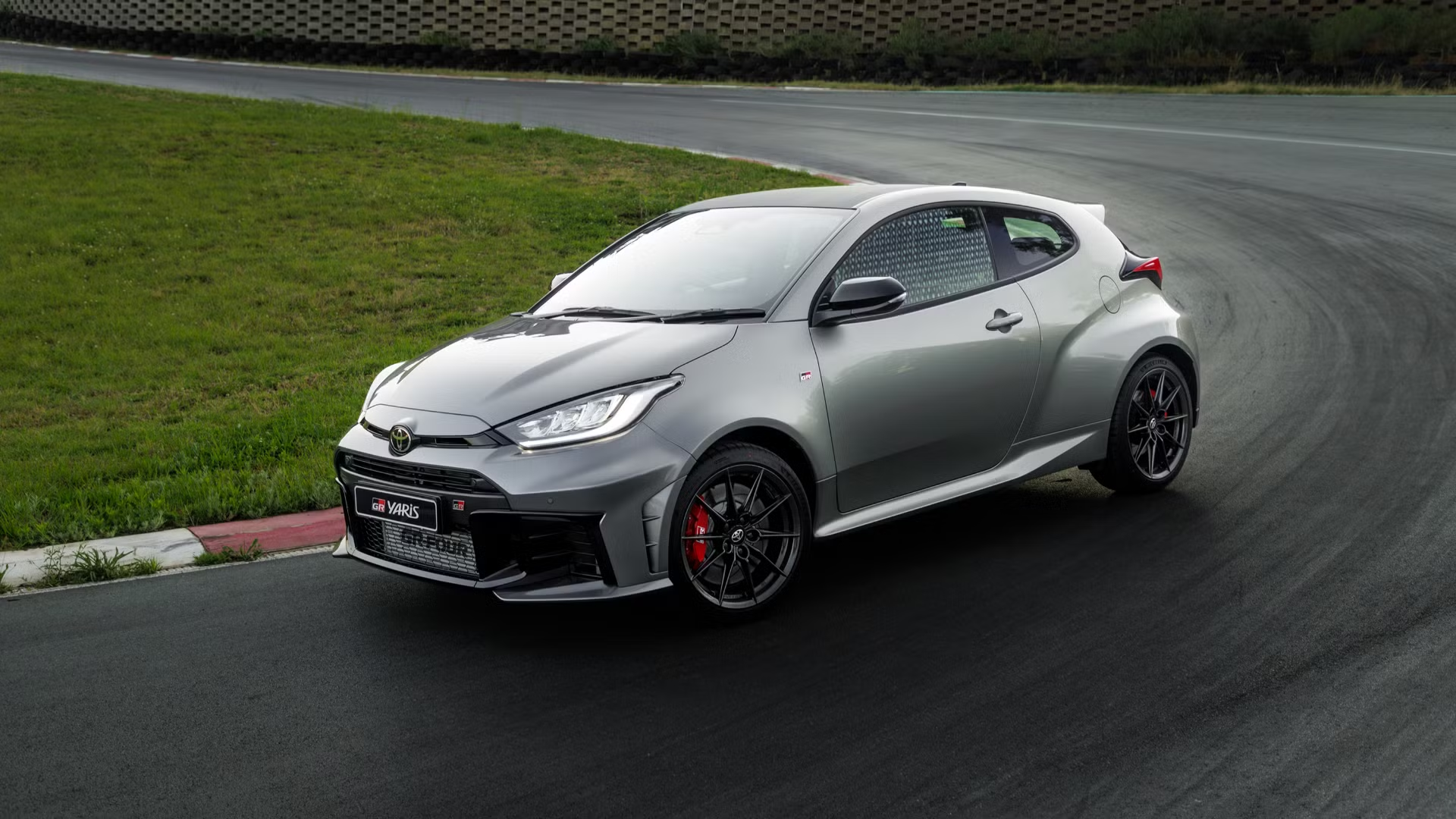
That same idea can still be seen today in models such as the GR Corolla and GR Yaris.
The difference is that the Blade Master G went in a completely different direction. It offered 276 horsepower, front-wheel drive, an automatic transmission, and a premium interior instead of maximum aggression.
For enthusiasts searching for unusual Japanese performance cars, the Toyota Blade Master G deserves far more attention. It is one of the strangest and most interesting V6 hot hatches Toyota ever built.
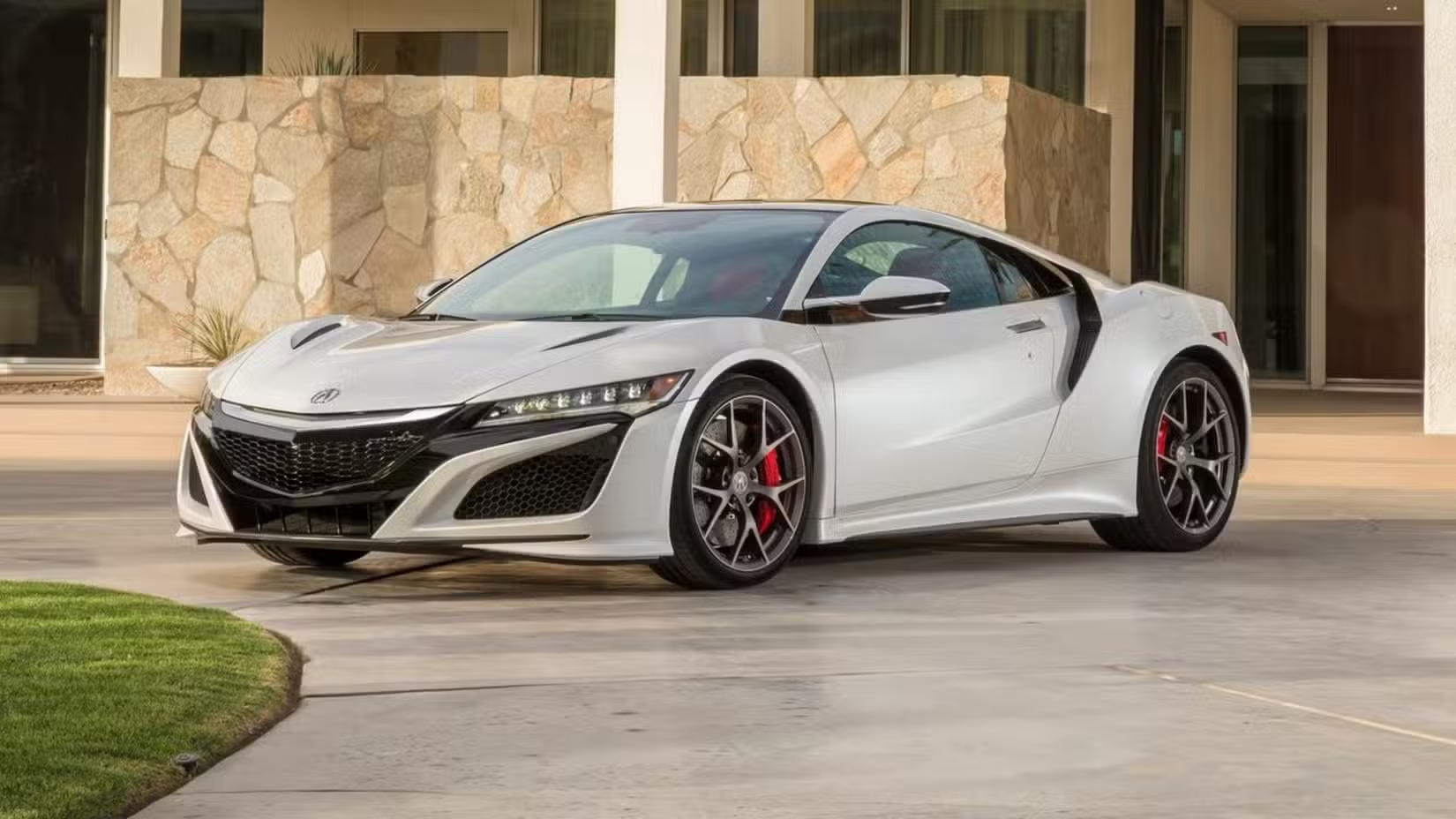
The second-generation Acura NSX combines 573 horsepower, hybrid efficiency, daily-driver comfort, and lower running costs than most V8, V10, and V12 supercars.
The Acura NSX was ahead of its time when it arrived for the 2017 model year. While most supercars still relied on large-displacement V8, V10, or V12 engines, the NSX combined a twin-turbocharged V6 with three electric motors and all-wheel drive.
That technology is much easier to appreciate today. With hybrid power now common among high-performance cars, the second-generation NSX has become an unusual proposition: a genuine mid-engine supercar that can also work remarkably well as a daily driver.
Supercar performance with hybrid power
The standard NSX uses a 3.5-liter twin-turbocharged V6 combined with three electric motors.
Together, the system produces 573 horsepower and 476 lb-ft of torque, while Acura’s Super Handling All-Wheel Drive system provides additional traction and torque vectoring.
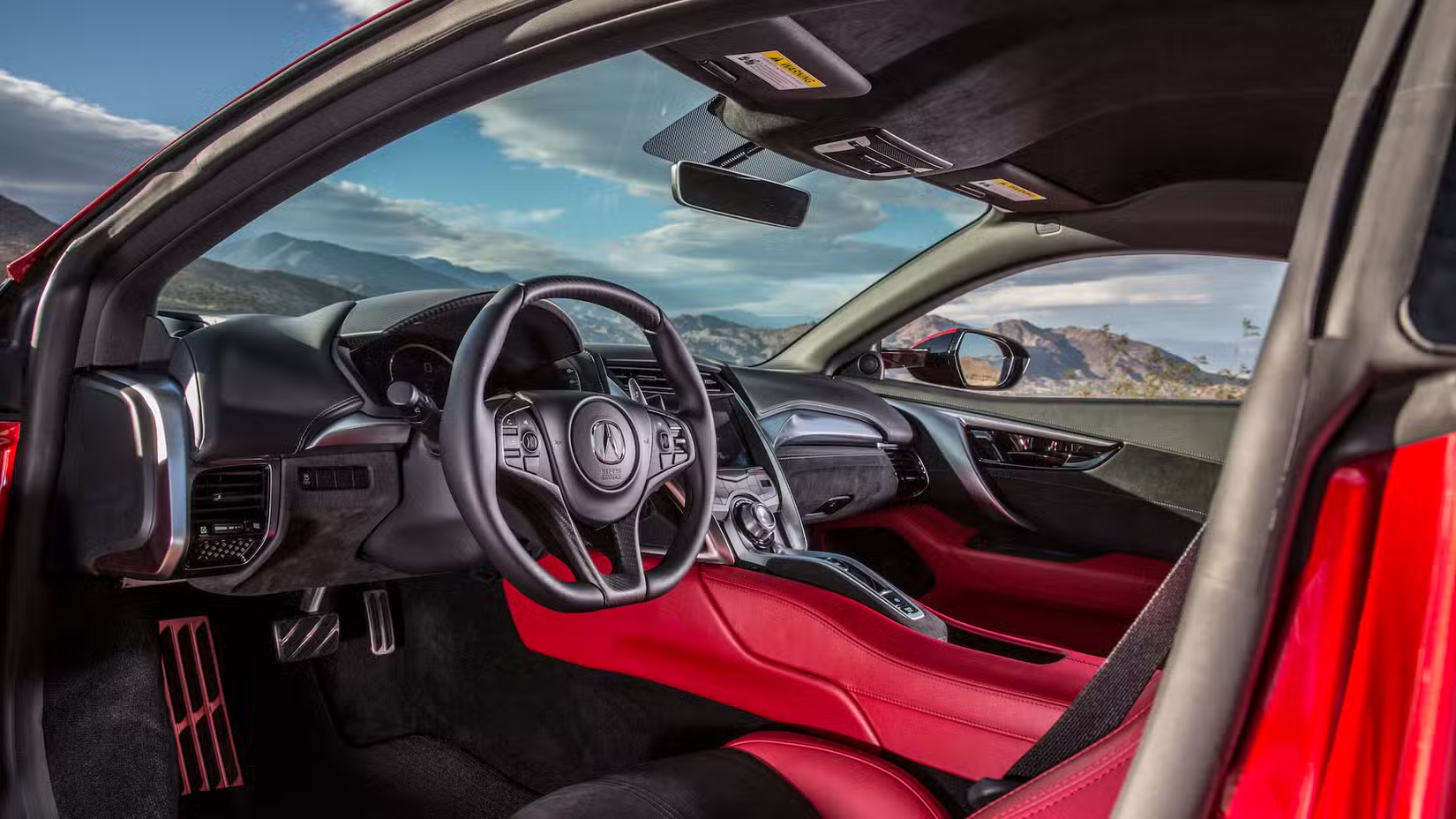
The Acura NSX combines a twin-turbo V6, three electric motors, and all-wheel drive for supercar performance.
The numbers remain impressive.
The NSX can accelerate from 0 to 60 mph in 3.1 seconds, complete the quarter-mile in 11.2 seconds, and reach a top speed of 191 mph.
The hybrid system also helps fill gaps in torque delivery from the turbocharged engine, contributing to the car’s strong response when accelerating out of corners.
For buyers wanting even more performance, Acura introduced the NSX Type S for 2022.
That version increased output to 600 horsepower and 492 lb-ft of torque, while quicker transmission shifts helped reduce the 0-to-60-mph time to 2.9 seconds.
A supercar that is surprisingly easy to live with
Performance is only half of the NSX’s appeal.
The hybrid system means the car can start and move through town in a remarkably quiet manner, particularly when operating in its more relaxed driving modes.
That makes the NSX considerably easier to live with than many exotic cars.
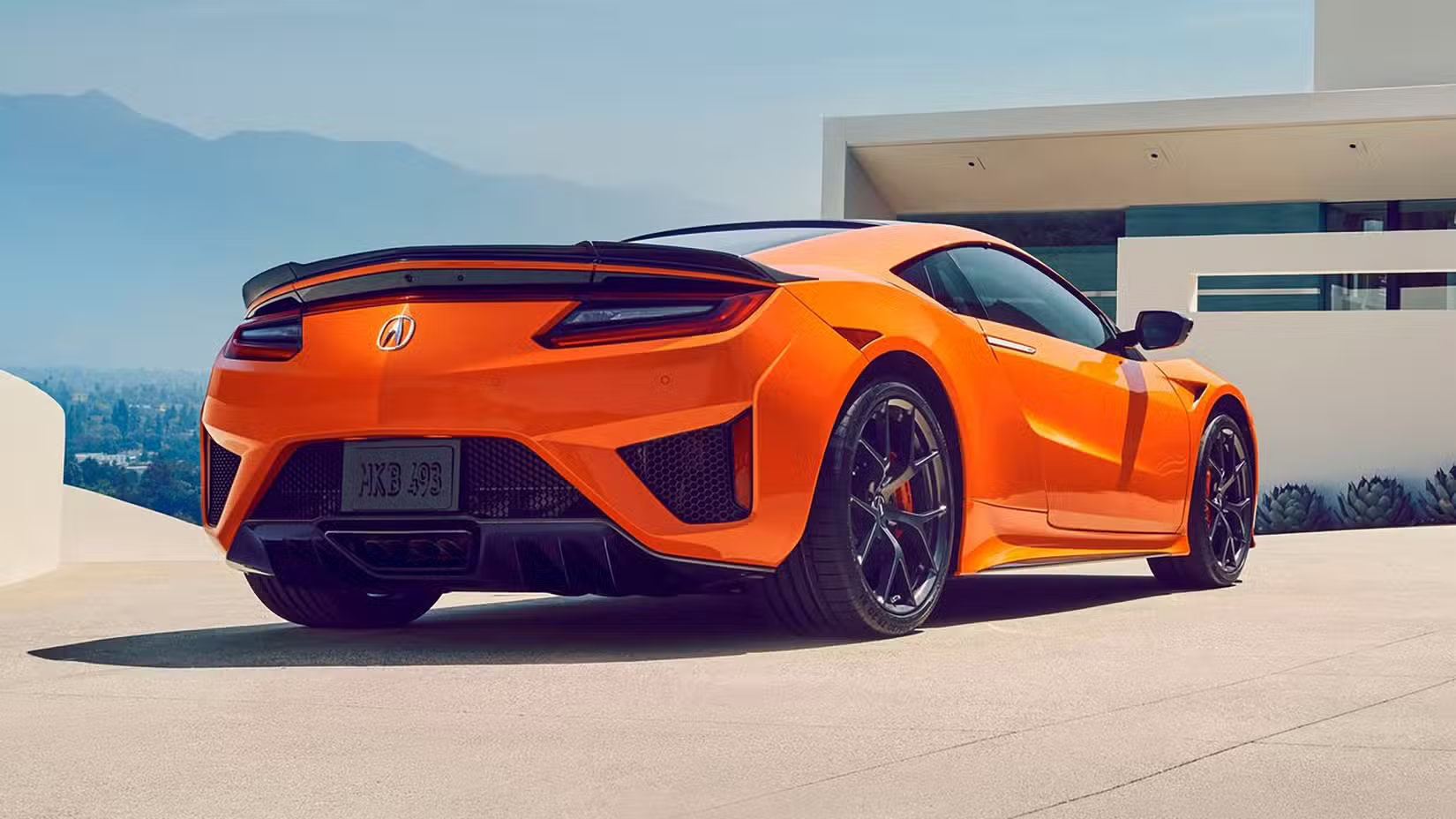
The NSX’s hybrid system allows it to operate quietly around town while retaining serious performance when pushed.
The ride is also relatively comfortable for a mid-engine supercar, while the dual-clutch transmission provides smooth responses during everyday driving.
There are some compromises.
The seats are not ideal for extremely long journeys, while the lack of adaptive cruise control and blind-spot monitoring is surprising for a car from Acura.
Rearward visibility can also be difficult because of the NSX’s thick rear pillars.
The infotainment system is another weak point, although it does include Apple CarPlay and Android Auto.
Fuel economy is the surprising advantage
The biggest surprise may be the NSX’s efficiency.
The EPA rates the second-generation NSX at 21 mpg combined, which is remarkable for a car with this level of performance.
Real-world driving can produce similar results. The source material cites an average of 20.5 mpg during enthusiastic mixed driving.
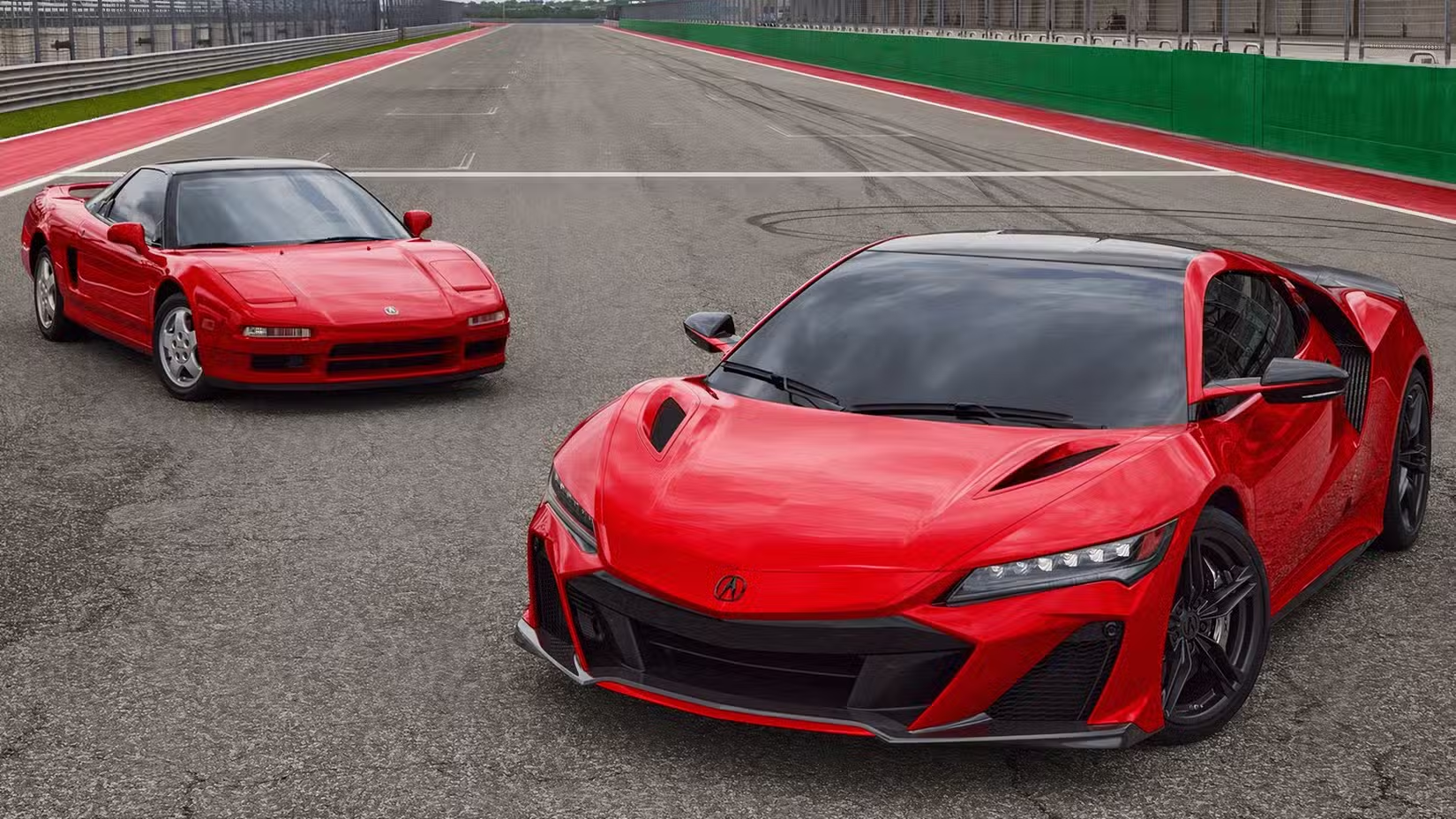
The NSX’s hybrid powertrain delivers unusually strong fuel economy for a mid-engine supercar.
That figure puts the NSX in an unusual position.
Its fuel economy can approach or even exceed that of some ordinary performance cars, while remaining significantly better than what you would expect from traditional V8, V10, or V12-powered supercars.
The hybrid system therefore provides a practical advantage that goes beyond environmental concerns.
Running costs can also be surprisingly reasonable
Maintenance is another area where the NSX differs from many exotic cars.
The recommended maintenance schedule is relatively conventional and includes many of the same types of services associated with other Acura hybrid models.
The car’s Honda/Acura engineering also contributes to its reputation for reliability.
Insurance will obviously remain more expensive than that of an ordinary pickup or family car, but the NSX can still compare favorably with other exotic cars in its price range.
Why aren’t more NSXs being driven?
There is one major reason these cars tend to accumulate relatively low mileage: rarity.
Acura built only 2,908 second-generation NSXs, including just 350 Type S examples.
Only 2,908 second-generation Acura NSXs were built, making the hybrid supercar increasingly desirable to collectors.
That limited production makes owners more cautious about putting huge mileage on their cars.
Resale value is another factor.
High-mileage examples remain relatively uncommon, while especially clean cars can command prices close to their original MSRP. The limited-production Type S is even more valuable, with some examples advertised for more than $300,000.
That makes it difficult for many owners to treat an NSX like an ordinary daily driver, despite the fact that its hybrid system and relatively comfortable road manners make it surprisingly well suited to that role.
The Acura NSX still makes sense today
The Acura NSX may not have the biggest engine or the loudest exhaust note in the supercar world.
What it does have is a combination that was unusual when it launched and has become even more relevant today: mid-engine performance, hybrid technology, all-wheel drive, strong fuel economy, everyday comfort, and relatively manageable running costs.
For anyone looking at used supercars, that combination makes the NSX one of the most interesting options of its generation.
-

 NOW TRENDING2 months ago
Polestar to Exit U.S. Market After 2026 Due to Connected Vehicle Rules
-
 NOW TRENDING2 months ago
Tesla Model Y L Arrives in the U.S. With More Space and Three Rows
-
 INTELLIGENT MOBILITY2 months ago
Bolt, Pony.ai and Stellantis launch autonomous mobility pilot in Luxembourg
-

 RACING2 months ago
McLaren F1 Unveils Special Silverstone Livery Honoring Its History
-
 NOW TRENDING2 months ago
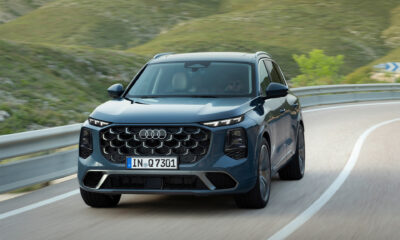
Audi Q9 interior revealed: Audi previews its new flagship SUV cabin ahead of 2026 debut
-
 INTELLIGENT MOBILITY2 months ago
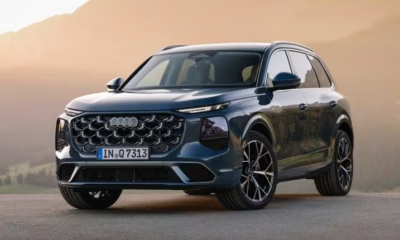
Audi A4 E-tron and Q7 E-tron Confirmed as New Electric Models
-
 NOW TRENDING2 months ago
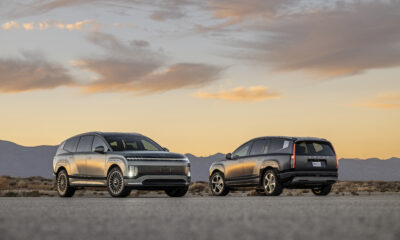
2026 Hyundai IONIQ 9 arrives in the U.S. with 335 miles of range
-
 TEST DRIVES2 months ago
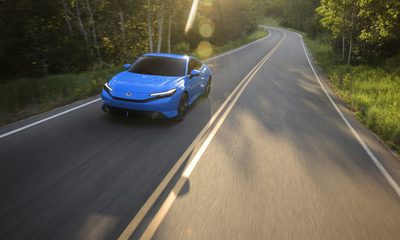
A Week Driving Honda’s New Hybrid Coupe
You must be logged in to post a comment Login