
NOW TRENDING
Audi Q9 interior revealed: Audi previews its new flagship SUV cabin ahead of 2026 debut


The Audi Q9 interior has been revealed ahead of the SUV’s full debut, previewing a six- or seven-seat flagship cabin with powered doors, a panoramic smart roof, 4D sound and a strong luxury focus.
The Audi Q9 interior is finally stepping into the spotlight. Ahead of the full reveal of Audi’s first full-size SUV, the brand has released an early look inside the new Audi Q9, showing a cabin designed to position the model as a true flagship in the premium SUV space. And from what Audi is already showing, the strategy is clear: the Audi Q9 interior is being shaped as a luxury-first environment built around space, comfort, technology and long-distance refinement.
That matters because the Audi Q9 is not just another addition to the brand’s SUV lineup. It will sit at the top of Audi’s SUV family as its first large full-size SUV, and Audi has already made clear that this model is aimed squarely at buyers who want more space, more comfort and more exclusivity than what the Q7 and Q8 currently offer. In that context, the Audi Q9 interior becomes the heart of the whole project. It is where Audi wants to justify the model’s flagship billing.
Audi Q9 interior puts space and flexibility at the center of the flagship SUV formula
Audi says space is the defining theme of the Audi Q9 interior, and that is visible from the seating layout alone. Buyers will be able to choose between a seven-seat configuration and an optional six-seat layout aimed at a more luxurious, business-class style experience.
In the six-seat version, the second row uses two electrically adjustable individual seats instead of a conventional bench. Audi says these seats feature active ventilation in both the seat cushion and backrest center panels, helping turn the middle row into one of the most premium parts of the vehicle rather than just a place to sit. That is an important detail because it tells you how Audi wants the Audi Q9 interior to be perceived: not simply as a large SUV cabin, but as a genuine high-end lounge on wheels.
For buyers prioritizing family use, the seven-seat version remains available and adds a more traditional three-seat second row. Audi says all three seats in that row can be fitted with child seats, which is the kind of practical detail that matters in a full-size SUV expected to serve as a family flagship. Meanwhile, access to the third row has also been designed to be easier, and the third-row seatbacks can be folded down individually via electric controls to quickly switch between passenger space and cargo capacity.

The Audi Q9 interior previews a flagship SUV cabin with a six- or seven-seat layout, lounge-style design and a stronger focus on luxury, space and long-distance comfort.
Audi Q9 interior introduces powered doors for the first time in an Audi
One of the biggest talking points in the Audi Q9 interior preview is not actually a screen or a seat, but the doors. For the first time in an Audi, all doors can be operated electrically, a feature Audi clearly sees as a key part of the Q9 experience.
According to the brand, the doors can be opened and closed using the key, the myAudi app, the MMI, the brake pedal or even the seatbelt buckle, depending on the situation. That is a major convenience feature in a large SUV, especially one designed for family use and executive-style comfort. Wide door opening angles should also make access easier when loading children, climbing into the third row, or dealing with shopping bags and bulky cargo.
Audi also says the Q9 uses a wide array of surround sensors with obstacle detection to stop a door from opening if there is not enough room. Beyond convenience, that system could also improve safety by helping detect cyclists or other road users approaching from outside the vehicle. In other words, the Audi Q9 interior is not just about luxury materials and big displays. It is also about making the full-size SUV experience easier to live with in the real world.
Panoramic smart roof becomes one of the highlights of the Audi Q9 interior
If there is one feature that visually defines the Audi Q9 interior, it may be the panoramic roof.
Audi says the standard panoramic sunroof in the Q9 measures around 1.5 square meters, helping create a more open and airy cabin feel. More importantly, it uses switchable transparency, allowing occupants to turn one or more of the roof’s nine individually controllable segments opaque at the touch of a button. That means the Audi Q9 interior can move from bright and open to shaded and private without relying on a conventional sunblind.
Audi also says the laminated safety glass reflects infrared light and blocks more than 99.5 percent of UV radiation, while the roof automatically turns opaque when the vehicle is parked to help protect privacy from outside. Once the vehicle is restarted, the most recent setting returns automatically.
On upper trims, Audi goes a step further by adding 84 LEDs into the roof itself. Those LEDs can bathe the panoramic roof in one of 30 colors, matching the selected ambient lighting and helping the Audi Q9 interior feel more theatrical after dark. In a vehicle positioned as a flagship, that kind of atmosphere-building feature makes perfect sense.
Audi Q9 interior uses lighting and 4D sound to create a more immersive cabin
Audi is also using the Audi Q9 interior to push further into immersive in-cabin tech. Lighting plays a big role here. The dashboard and doors use contour lighting to emphasize the width of the cabin, while indirect lighting beneath the Audi MMI panoramic display and around the center console creates a more floating, layered look.
A major part of that setup is the dynamic interaction light (IAL), an LED light strip that spans the width of the cabin and supports communication between vehicle and occupants. But Audi does not stop there. It also links that lighting system to the updated Bang & Olufsen premium sound system with 4D sound.
That combination could become one of the defining experiences of the Audi Q9 interior. Audi says the system can synchronize lighting effects with music rhythm and even match the color mood to album cover art. The 4D sound system also builds on Audi’s previous 3D sound approach by using headrest speakers for more isolated calls, navigation prompts and audio playback, while actuators in the front seats add physical feedback so passengers can actually feel the music.
In a luxury SUV, that is exactly the sort of feature set Audi needs. The full-size premium segment is increasingly about the quality of time spent inside the cabin, not just what happens when the driver floors the accelerator.

The Audi Q9 interior adds a panoramic smart roof with switchable transparency, ambient lighting effects and an optional six-seat layout designed to mimic business-class comfort.
Audi Q9 interior materials and trim options aim to push the SUV further upscale
Audi is also putting major emphasis on materials. The brand says the Audi Q9 interior will offer a broad mix of high-end upholstery and trim choices, including alpaca wool, Dinamica microfiber, leather and leatherette blends, and fine Nappa leather. Decorative trim options will include finishes such as fine grain ash natural in silk beige, lime structure natural, and carbon fiber weave with basalt gray accents.
That variety matters because the Audi Q9 interior needs to feel like a step beyond Audi’s existing SUV lineup, not just a stretched version of a Q7 or Q8. Audi also says it has reduced the use of glossy surfaces in favor of more matte and textured materials, which should help the cabin look more premium while also minimizing fingerprints and smudges.
New interior colors such as tamarind brown and stone beige are also part of the package. Put together, those choices suggest Audi wants the Q9 to deliver not just a high-tech feel, but also a warmer and more tailored sense of luxury than some modern cabins that rely too heavily on black gloss and oversized screens.
Audi Q9 interior adds practical full-size SUV features, not just luxury extras
The Audi Q9 interior is clearly being pitched as a luxury space, but Audi has not ignored practicality. Storage solutions appear to be a major part of the concept. The redesigned center console includes two wireless charging pads compatible with the Qi2.2 standard, plus USB-C ports delivering up to 100 watts, which should be especially useful for families or business travelers carrying multiple devices.
The cargo area also gets a new aluminum rail system integrated into the sides of the trunk. Audi says it allows owners to secure cargo in three dimensions with sliding hooks and adjustable anchors, leaving the main floor area free for larger luggage. For a full-size SUV that may be used for road trips, airport runs, family hauling and executive transport, that kind of flexibility is not a side detail. It is part of what the vehicle has to do well to justify its place in the segment.
Audi will even include a roof rack for the standard roof rails with every new Q9, which further reinforces the idea that this flagship SUV is meant to be both luxurious and genuinely useful.
Why the Audi Q9 interior matters for Audi’s SUV strategy
The Audi Q9 interior matters because the Q9 itself matters. This is the vehicle Audi is using to enter the full-size SUV space with a dedicated flagship, and the company has already signaled that the model is especially important for North America, where large three-row luxury SUVs remain a key battleground. That gives this interior preview more weight than a normal teaser.
Audi is not just showing off a few nice seats and a panoramic roof. It is making a statement about how it wants to compete at the top of the premium SUV market. The Q9 needs to appeal to families who want real third-row space, to executives who expect a first-class second row, and to luxury buyers who increasingly judge a flagship by its cabin atmosphere, digital experience and long-distance comfort rather than by raw horsepower alone.
From that perspective, the Audi Q9 interior is doing exactly what it needs to do. It is telling potential buyers that Audi’s answer to the big luxury SUV formula will be spacious, heavily digitized, richly trimmed and packed with comfort features that make the cabin feel like the centerpiece of the entire vehicle.

Powered doors, premium trim materials, 100-watt USB-C charging and a redesigned center console show how the Audi Q9 interior blends flagship luxury with everyday usability.
The Audi Q9 interior already makes a strong case before the full reveal
What makes this preview especially effective is that Audi still has not shown the full picture of the Q9, yet the Audi Q9 interior already gives the model a clear identity. This is not being framed as an off-road flagship or a performance-led SUV first. It is being framed as a mobile living space, a long-distance luxury vehicle and a family-focused full-size SUV that wants to compete through comfort, usability and atmosphere.
That positioning feels smart. Audi already has performance-oriented RS products and stylish premium SUVs elsewhere in the range. The Q9 appears ready to fill a different role: the biggest, most family-capable and most comfort-driven SUV the brand has ever offered.
Audi Q9 interior shows Audi is serious about the full-size luxury SUV fight
The full reveal of the Q9 is still to come, but the early signs are already strong. The Audi Q9 interior shows Audi understands exactly what a modern flagship SUV has to deliver: real second- and third-row usability, upscale materials, intuitive technology, high-end comfort features and a cabin experience that feels genuinely special from the moment the doors open.

The Audi Q9 interior is designed to anchor Audi’s first full-size SUV with more space, more flexibility and a flagship-level focus on comfort, lighting and premium cabin technology.
If the rest of the vehicle matches what Audi is already promising inside, the Q9 could become one of the most important SUV launches in the brand’s recent history. And that is exactly why this first look matters. The Audi Q9 interior is not just a teaser. It is Audi’s first real statement about how it plans to fight for buyers in the full-size luxury SUV segment—and based on this preview, the battle will begin from the inside out.











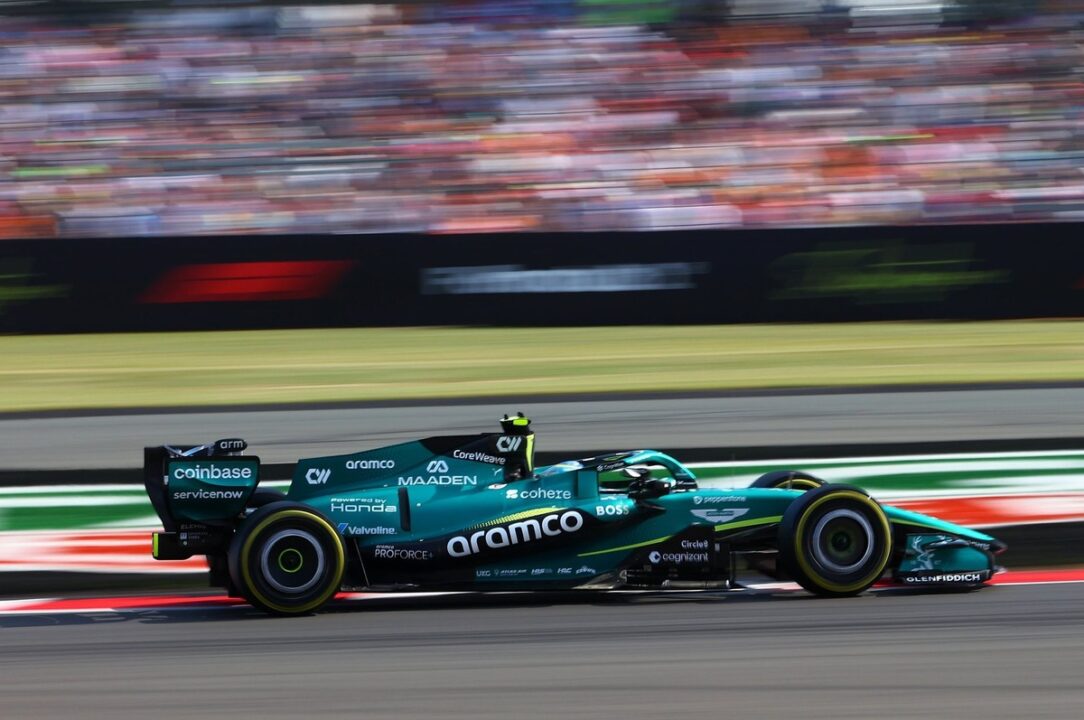
Aston Martin will introduce new aerodynamic upgrades at the Dutch Grand Prix alongside Honda’s latest power-unit update, building on the progress made in Hungary.
Aston Martin is continuing its push to recover from a difficult start to the 2026 Formula 1 season. The team will bring additional aerodynamic upgrades to the Dutch Grand Prix at Zandvoort, adding to the work already introduced in Hungary.
The latest changes will arrive alongside an important Honda power-unit update, giving the AMR26 several opportunities to improve its performance.
Aston Martin builds on its Hungary progress
The previous race in Hungary marked an important turning point for Aston Martin.
The team introduced a major B-specification AMR26 after deciding to focus its development effort on a larger package rather than bringing small upgrades to every race.
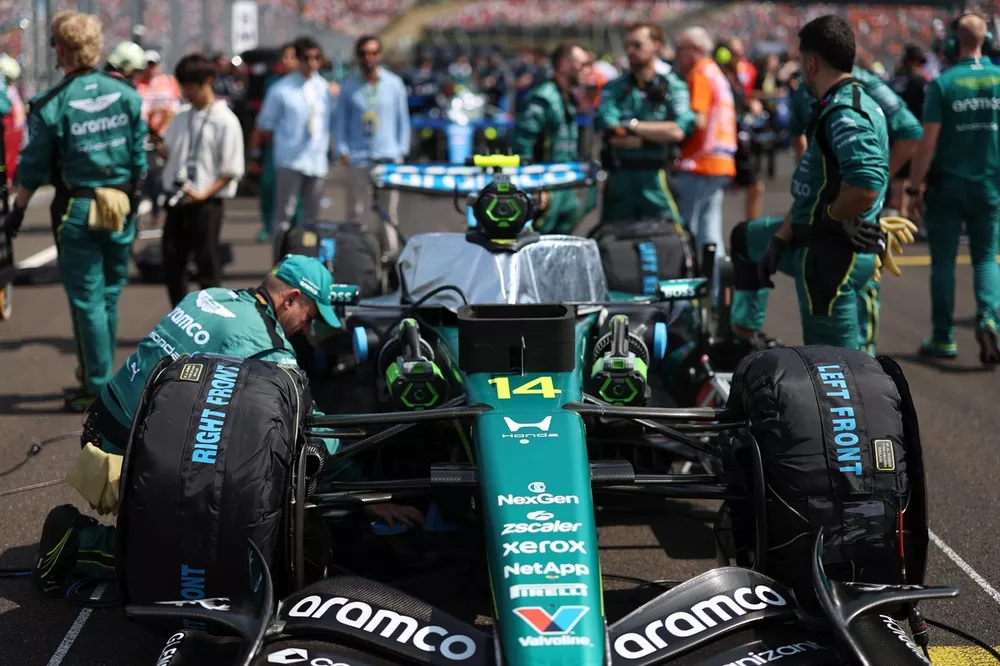
The Aston Martin AMR26 showed improved pace after receiving its major B-specification package in Hungary.
The result was encouraging.
Aston Martin moved closer to the midfield after struggling at the back of the grid earlier in the season. Fernando Alonso and Lance Stroll both reached Q2 and finished 13th and 14th at the Hungaroring.
The improvement was still not enough to challenge consistently for points, but it gave the team a stronger foundation for the second half of the season.
New aero upgrades are coming to Zandvoort
The improvements will continue in the Netherlands.
Aston Martin trackside operations chief Mike Krack confirmed that the team will introduce another group of aerodynamic changes for Zandvoort.
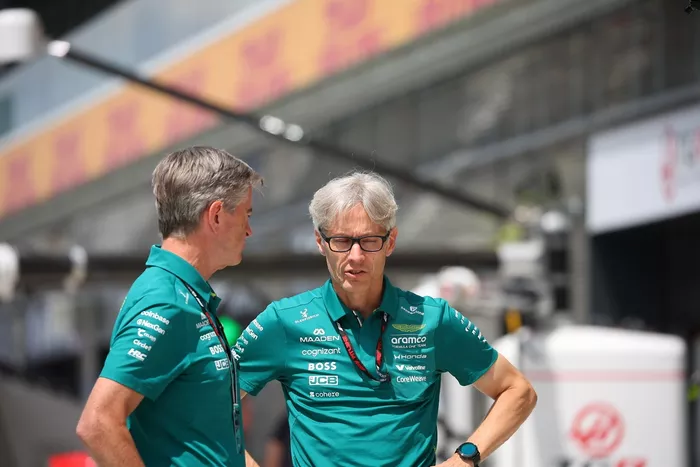
Mike Krack confirmed that Aston Martin will introduce aerodynamic changes to the floor and front wing at Zandvoort.
The upgrades focus on two important areas of the AMR26:
- The floor
- The front wing
Krack said the parts were developed from the lessons Aston Martin learned during the Hungarian Grand Prix.
The team expects the changes to provide a small performance step, although it will not have much opportunity to test the aerodynamic package during Friday’s running.
Honda also brings a new power-unit update
The aerodynamic changes are not the only development arriving at Zandvoort.
Honda will also introduce an update to its power unit through the FIA’s ADUO system. Aston Martin hopes the revised engine will provide additional performance as the team works to close the gap to its rivals.
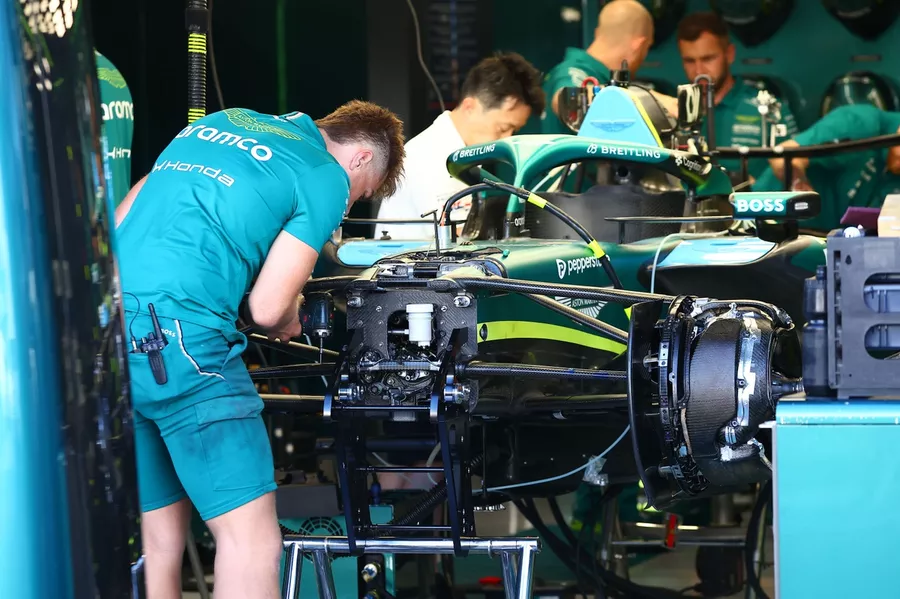
Honda’s latest power-unit update will debut alongside Aston Martin’s aerodynamic developments at Zandvoort.
However, the team will need to manage its track time carefully.
Zandvoort features only one free-practice session, making it more difficult to evaluate new aerodynamic components while also working through the engine update.
Weather could make the situation even more complicated.
A crucial weekend for Aston Martin
Aston Martin therefore arrives at Zandvoort with several important changes at once.
The B-specification car already produced a noticeable improvement in Hungary. The new aerodynamic upgrades could add another step, while Honda’s power-unit development could provide additional performance on top of that.
The team will now need to understand the new package quickly and extract as much performance as possible from a limited amount of practice time.
For Aston Martin AMR26 upgrades, Zandvoort could become another important checkpoint in the team’s recovery. After a difficult opening phase to the 2026 season, every development gain matters as Aston Martin tries to move closer to the midfield and eventually back into regular contention for points.
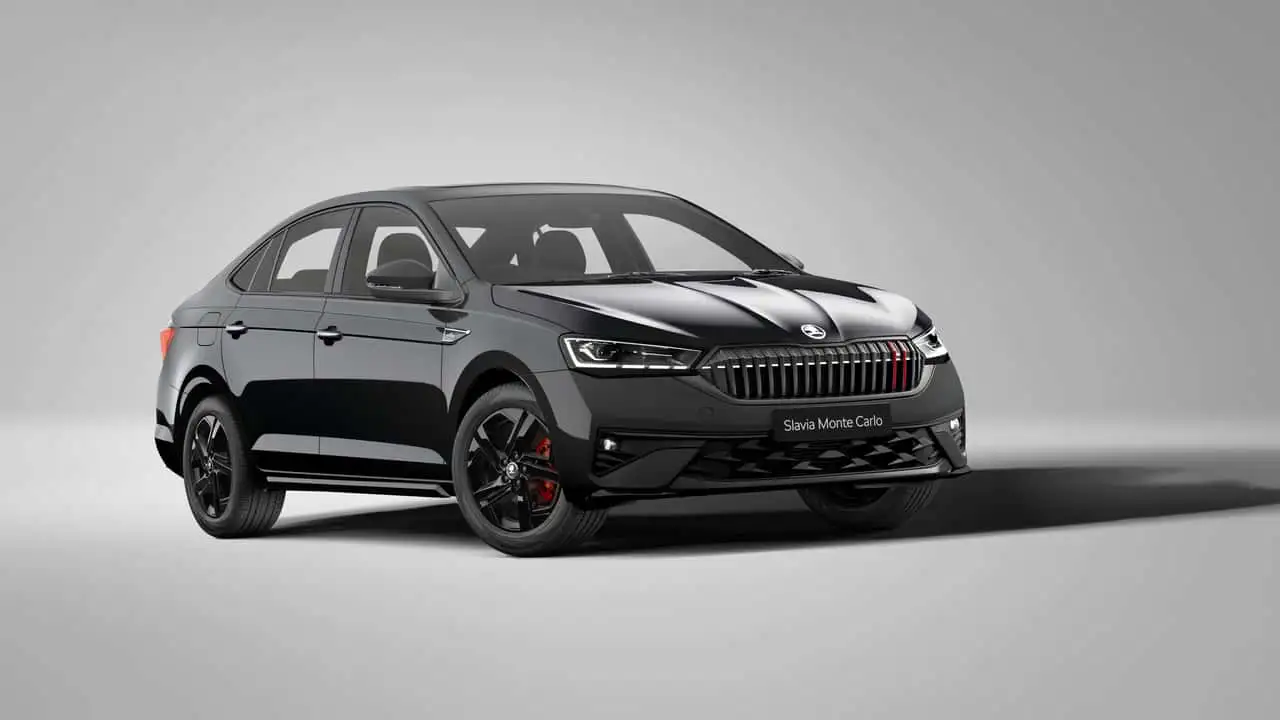
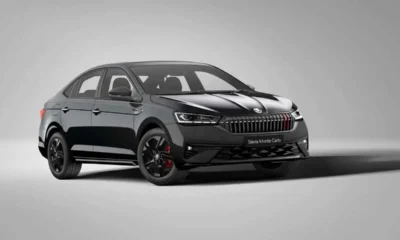
Skoda has refreshed the Slavia for India with updated styling, more technology, new automatic transmissions, and a rear-seat massage function.
Skoda has unveiled the updated Slavia sedan for the Indian market, adding new technology, improved comfort features, and revised styling.
The facelifted model remains based on the local MQB-A0-IN platform, developed and produced in India. It forms part of Skoda’s “made in India, for India” strategy alongside the Kushaq and Kylaq.
The Slavia is also exported to markets in the Middle East, Africa, and Vietnam.
Updated exterior design
The Skoda Slavia first arrived in 2022 and has now reached almost 80,000 sales in India.
The refreshed sedan keeps its overall dimensions, with a length of 178.7 inches, but receives several exterior updates.
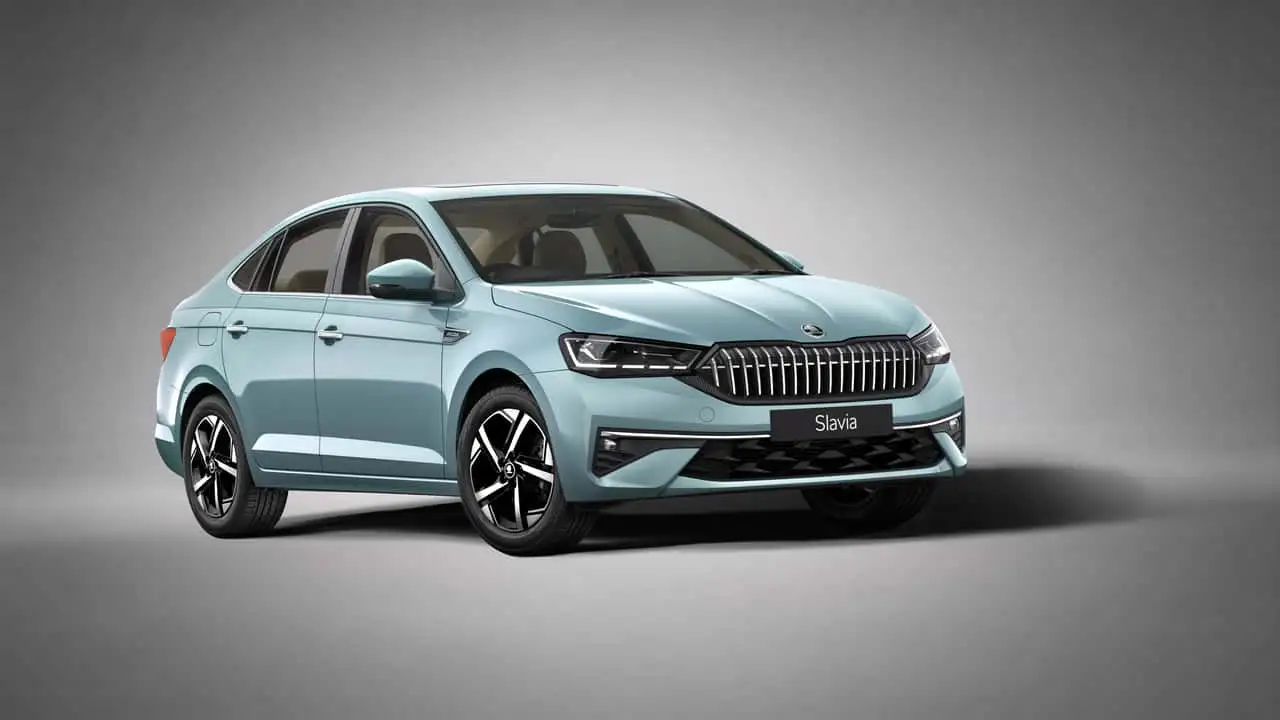
The facelifted Skoda Slavia gets new LED headlights and redesigned taillights with sequential turn signals.
The most noticeable change comes at the front, where new LED headlights give the sedan a fresher appearance.
At the rear, Skoda has redesigned the taillights and added sequential turn signals.
The range-topping Monte Carlo version also receives two-tone exterior paint, black accents, and exclusive badging.
More technology and comfort inside
The cabin receives several important updates for the facelift.
A 10.3-inch digital instrument cluster now works alongside a 10.1-inch infotainment display. Wireless Apple CarPlay and Android Auto are also available.
Skoda has also introduced an AI Companion based on Google Cloud’s Automotive AI Agent.
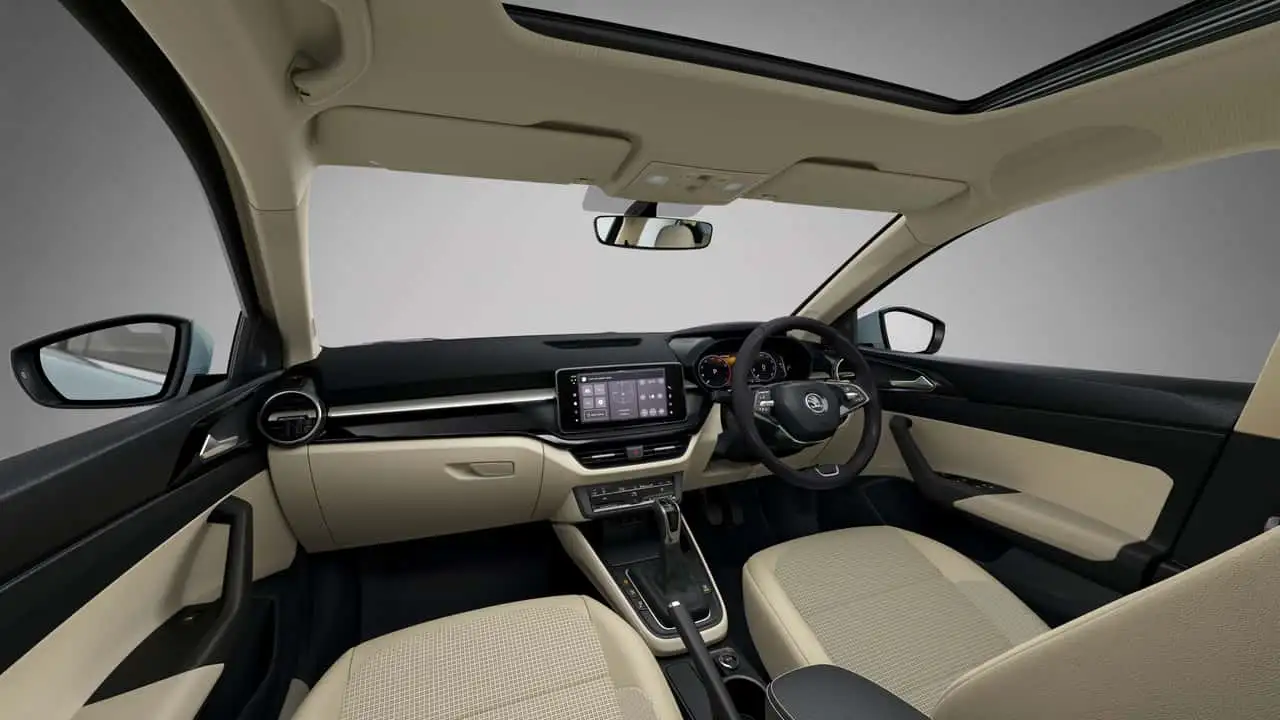
The updated Slavia combines digital displays with an AI assistant designed specifically for Indian English voice commands.
The system can recognize Indian English accents and respond to voice commands. Drivers can use it for music, phone calls, climate control, and other functions while also requesting real-time information.
However, the most unusual addition is aimed at passengers in the back.
The updated Slavia introduces a rear-seat massage function, which Skoda describes as a segment-first feature.
Other available equipment includes a 360-degree Area View camera, front parking sensors with Park Pilot, and additional convenience features.
Safety remains a major focus
Skoda has also expanded the Slavia’s safety package.
The sedan comes with six airbags as standard and more than 25 active and passive safety systems.
The Slavia has also earned a five-star Global NCAP rating for both adult and child occupant protection.
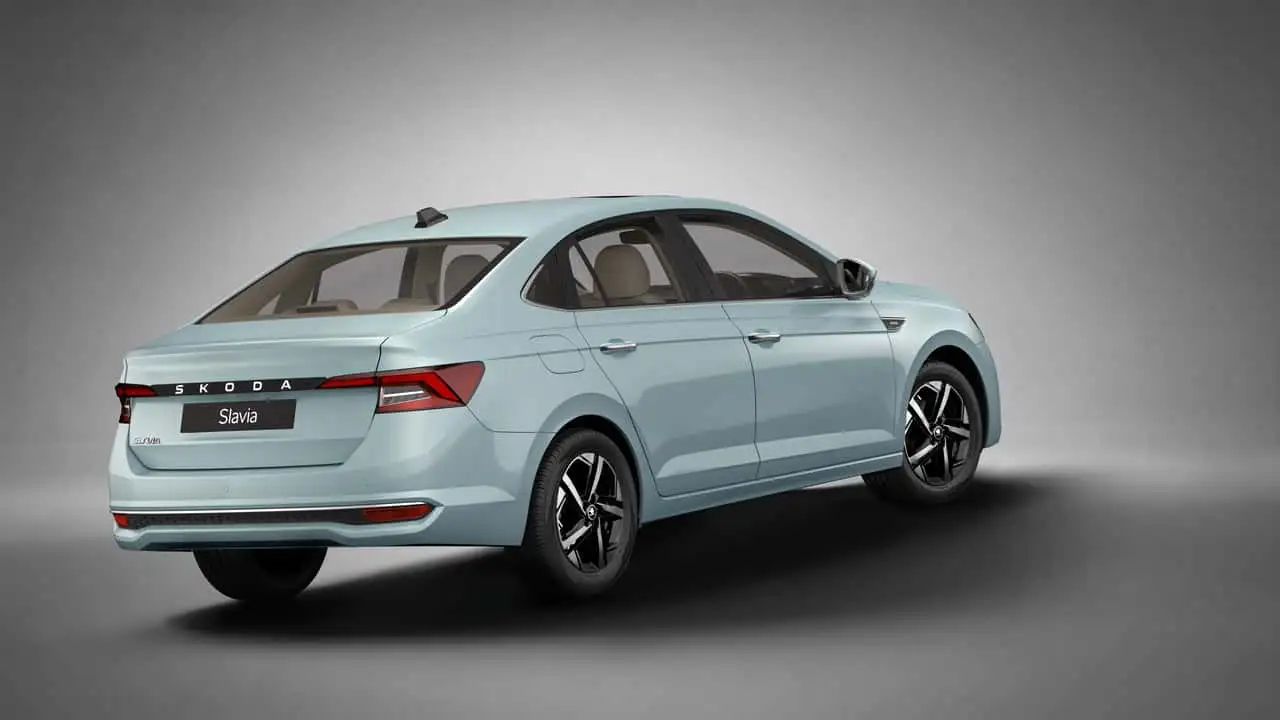
The Slavia combines six standard airbags with more than 25 active and passive safety systems.
That safety equipment adds to the sedan’s appeal in a market where buyers are increasingly focused on advanced driver assistance and occupant protection.
The updated technology package also makes the Slavia more competitive against newer rivals.
New eight-speed automatic transmission
The powertrain lineup continues to use TSI gasoline engines, but Skoda has introduced an important transmission update.
The 1.0 TSI can now be paired with a new eight-speed automatic transmission with a torque converter. Skoda says this setup is a segment-first feature.
A six-speed manual transmission remains available for buyers who prefer a more traditional driving experience.
The larger 1.5 TSI continues with a seven-speed DSG automatic transmission.
Vehicles equipped with the 1.5-liter engine also gain rear disc brakes, adding another technical upgrade to the revised model.
Pricing has not been announced
Skoda has not yet revealed pricing for the updated Slavia.
For reference, the outgoing model currently ranges from approximately $13,000 to $22,000 at current exchange rates, depending on the selected trim.
The updated Skoda Slavia gives the Indian-market sedan a substantial technology boost while retaining its compact dimensions and gasoline powertrains.
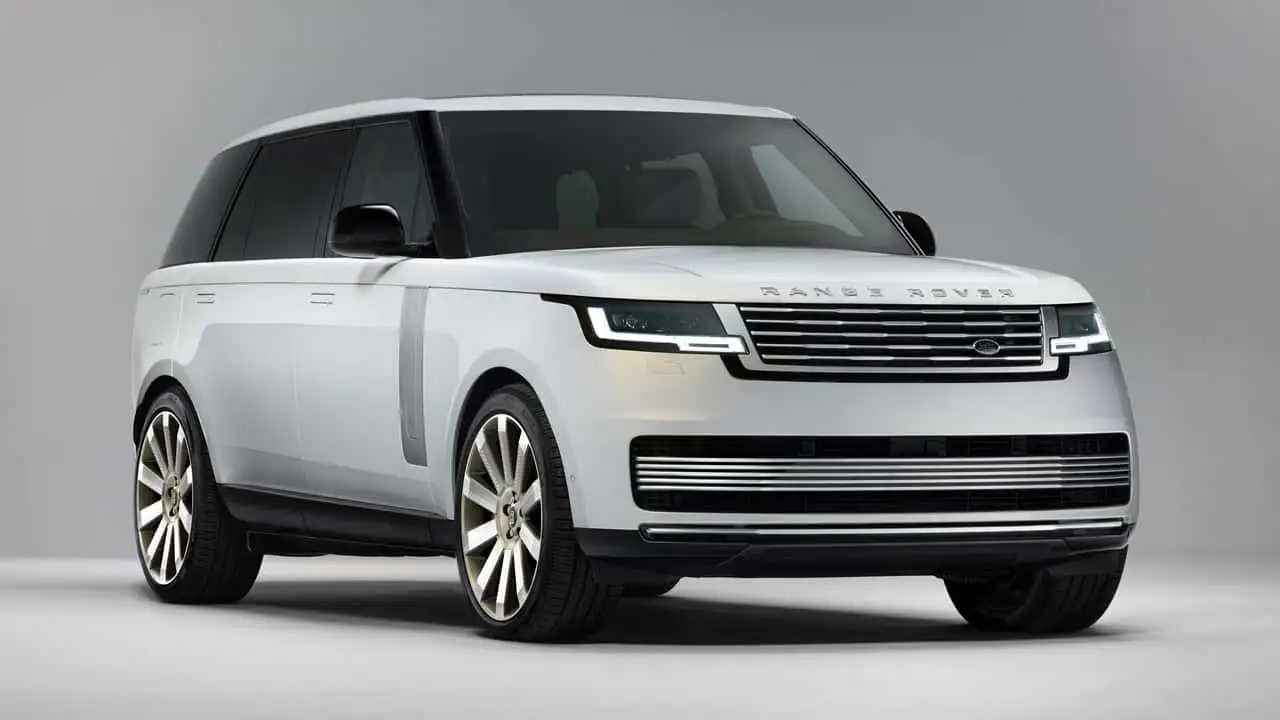
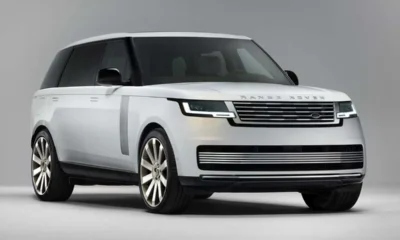
Range Rover has created the one-of-one SV Pearl Luster to showcase its expanding SV Bespoke program, with unique colors, materials, and design inspired by California’s coast.
Range Rover has unveiled the SV Pearl Luster, a one-of-one luxury SUV created to demonstrate the possibilities of its SV Bespoke customization program.
The long-wheelbase Range Rover SV made its debut during Monterey Car Week. Unlike a conventional special edition, this vehicle was built as a unique commission and will not be offered as a regular production model.
Range Rover has not disclosed the vehicle’s powertrain or final price, keeping the focus on its handcrafted design and exclusivity.
A unique Range Rover inspired by California
The exterior of the Range Rover SV Pearl Luster is finished in Bespoke White Pearl Gloss.
The color takes inspiration from White Abalone shells found along the California coast, giving the SUV a distinctive pearl-like appearance.
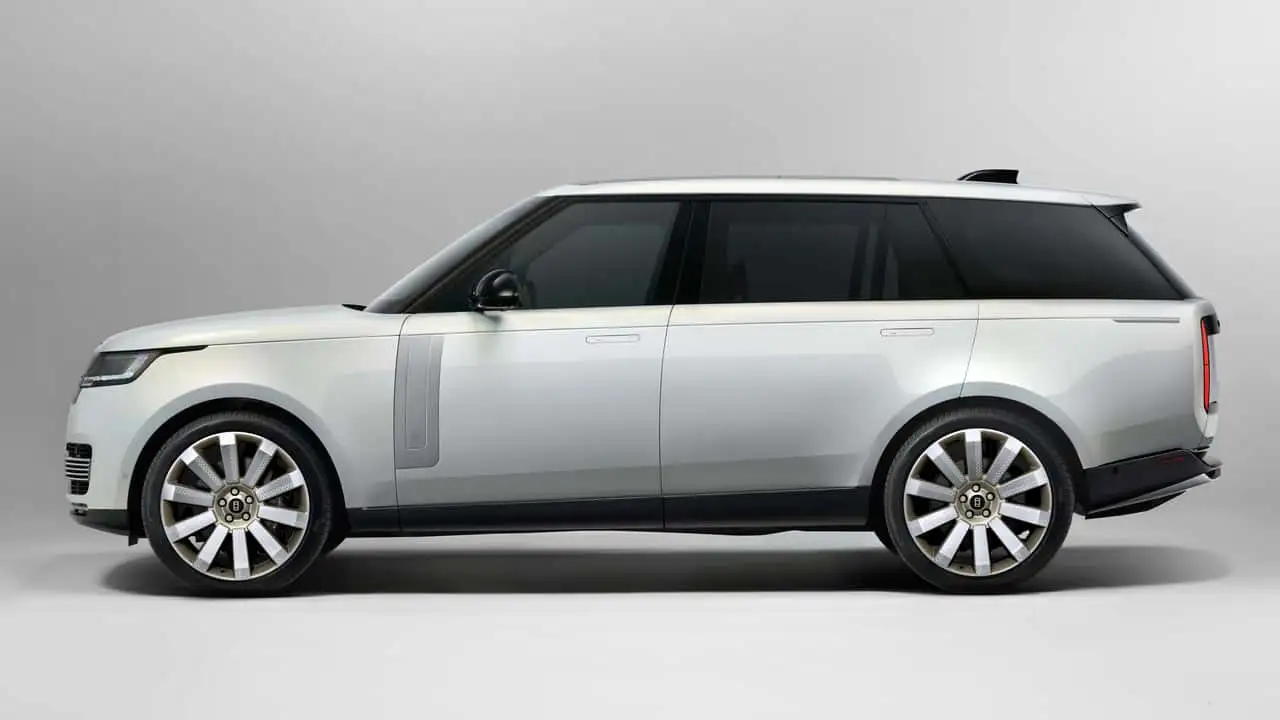
The Range Rover SV Pearl Luster features Bespoke White Pearl Gloss inspired by California’s White Abalone shells.
Range Rover also fitted the SUV with unique 23-inch wheels featuring machined spokes and engraved surfaces.
The result is a more exclusive interpretation of the Range Rover SV, with exterior details designed specifically for this single vehicle.
A handcrafted interior with coastal inspiration
The bespoke theme continues inside the cabin.
Range Rover uses Orchid leather, Natural Light Linear Wenge wood, and natural white mother-of-pearl inlays to create a bright and sophisticated interior.
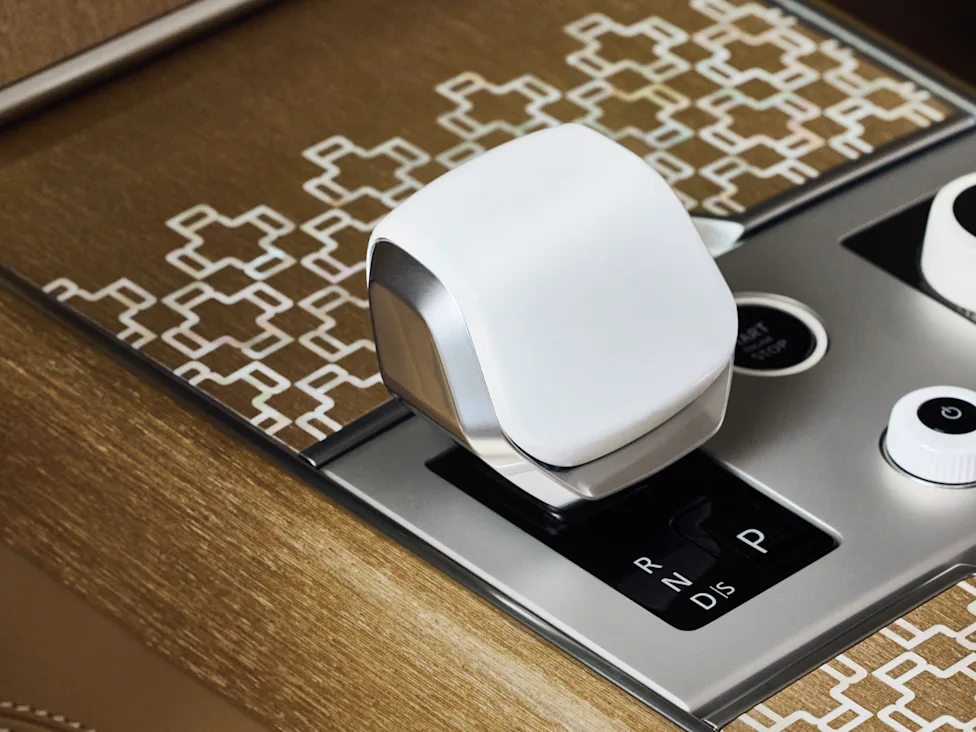
The SV Pearl Luster cabin combines Orchid leather, Wenge wood, and natural mother-of-pearl details.
The long-wheelbase configuration also includes the rear SV Signature Suite with fully reclining seats.
The interior is designed to feel more like a private luxury lounge than a conventional SUV cabin. Each material contributes to the overall coastal-inspired theme.
Monterey debut highlights the SV Bespoke program
The SV Pearl Luster was presented during Monterey Car Week, an event that has become an important showcase for ultra-exclusive automotive commissions.
Guests were given the opportunity to register interest in the unique Range Rover during the event.
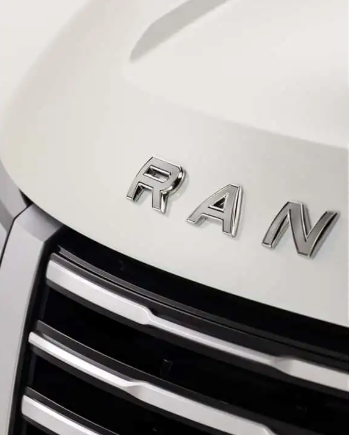
The one-of-one Range Rover SV Pearl Luster debuted during Monterey Car Week as a showcase for SV Bespoke.
A portion of the proceeds from the vehicle’s sale will be donated to the Monterey Bay National Marine Sanctuary, extending the California-inspired theme beyond the SUV’s design.
The project also demonstrates how Range Rover is positioning SV Bespoke as more than a collection of additional paint and leather options.
The future of SV Bespoke
Range Rover launched SV Bespoke in 2023 and has continued expanding its commissioning capabilities.
The SV Pearl Luster shows how the program can combine custom paint, unique wheels, exclusive interior materials, and a specific narrative into a single vehicle.
-

 NOW TRENDING2 months ago
Polestar to Exit U.S. Market After 2026 Due to Connected Vehicle Rules
-
 TEST DRIVES2 months ago
Subaru’s New Uncharted GT Could Be The Brand’s Most Interesting Small EV Yet
-

 NOW TRENDING2 months ago
Tesla Model Y L Arrives in the U.S. With More Space and Three Rows
-
 NOW TRENDING2 months ago
The 2026 Lexus ES Is No Longer Just A Hybrid Sedan — It’s Now A Three-Way Luxury Play With Hybrid And EV Power
-

 NOW TRENDING2 months ago
The 2026 Kia Sportage Is More Than A Mid-Cycle Refresh — It’s Kia’s Play To Keep Its Best-Seller At The Center Of America’s SUV Market
-
 RACING2 months ago
Why F1 2026 Batteries Have Become The Biggest Reliability Headache On The Grid
-

 INTELLIGENT MOBILITY2 months ago
Bolt, Pony.ai and Stellantis launch autonomous mobility pilot in Luxembourg
-

 RACING2 months ago
McLaren F1 Unveils Special Silverstone Livery Honoring Its History
You must be logged in to post a comment Login