
INTELLIGENT MOBILITY
AI Agents Are Changing the Way We Use Cars

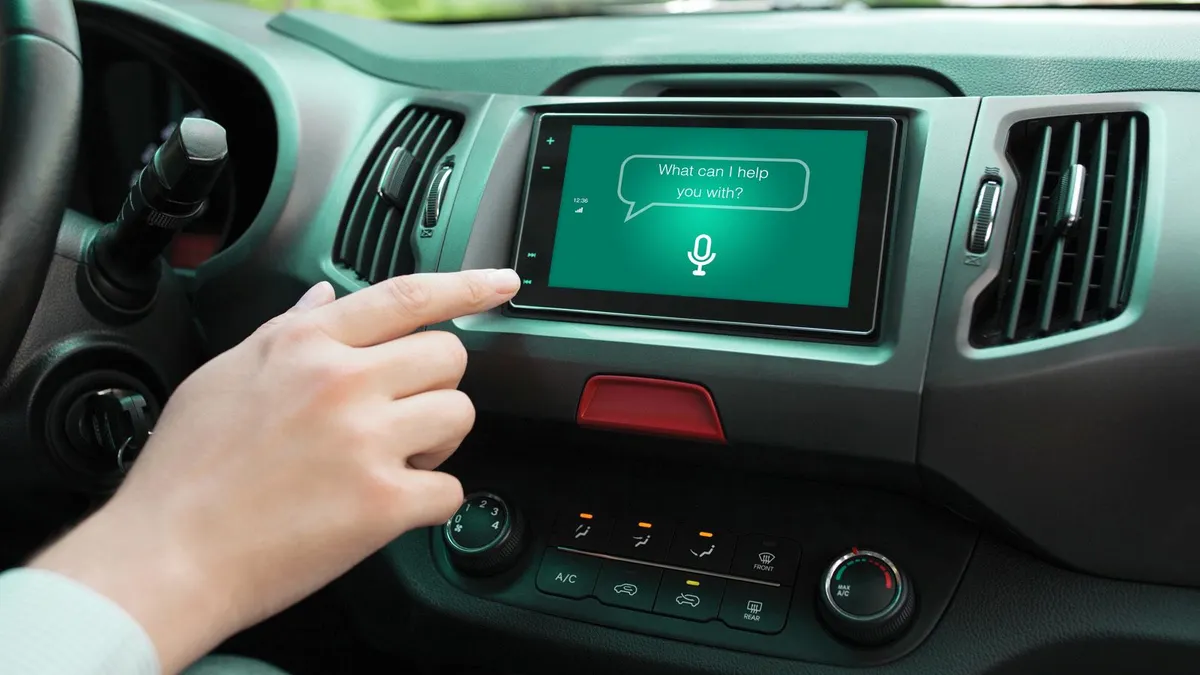
AI assistants are moving into vehicle cabins, promising smarter experiences and greater productivity while creating new challenges for automakers.
Artificial intelligence is moving deeper into the vehicle cabin, with AI agents in cars set to become an increasingly important part of the ownership experience.
These systems could allow drivers and passengers to interact with vehicle functions and outside services through natural conversations. At the same time, they could create a new challenge for automakers by increasing reliance on third-party technology providers.
AI could transform the cabin experience
For consumers, the biggest attraction is convenience.
AI agents could allow occupants to make better use of the time spent traveling, particularly as vehicles become increasingly connected and automated.
AI agents could turn the vehicle cabin into a more interactive and productive environment.
Instead of relying on traditional menus and complicated interfaces, drivers could simply tell the system what they need.
That makes the interface particularly important.
With autonomous driving still developing, voice interaction is expected to remain one of the main ways occupants communicate with these systems. The challenge will be making those conversations simple, fast, and reliable.
The goal is not just to have a conversation with an AI. It is to actually complete tasks.
From voice commands to real-world tasks
A capable AI agent could handle much more than navigation or vehicle settings.
Drivers could ask the system to book a restaurant, order flowers, arrange an appointment, or manage other personal tasks.
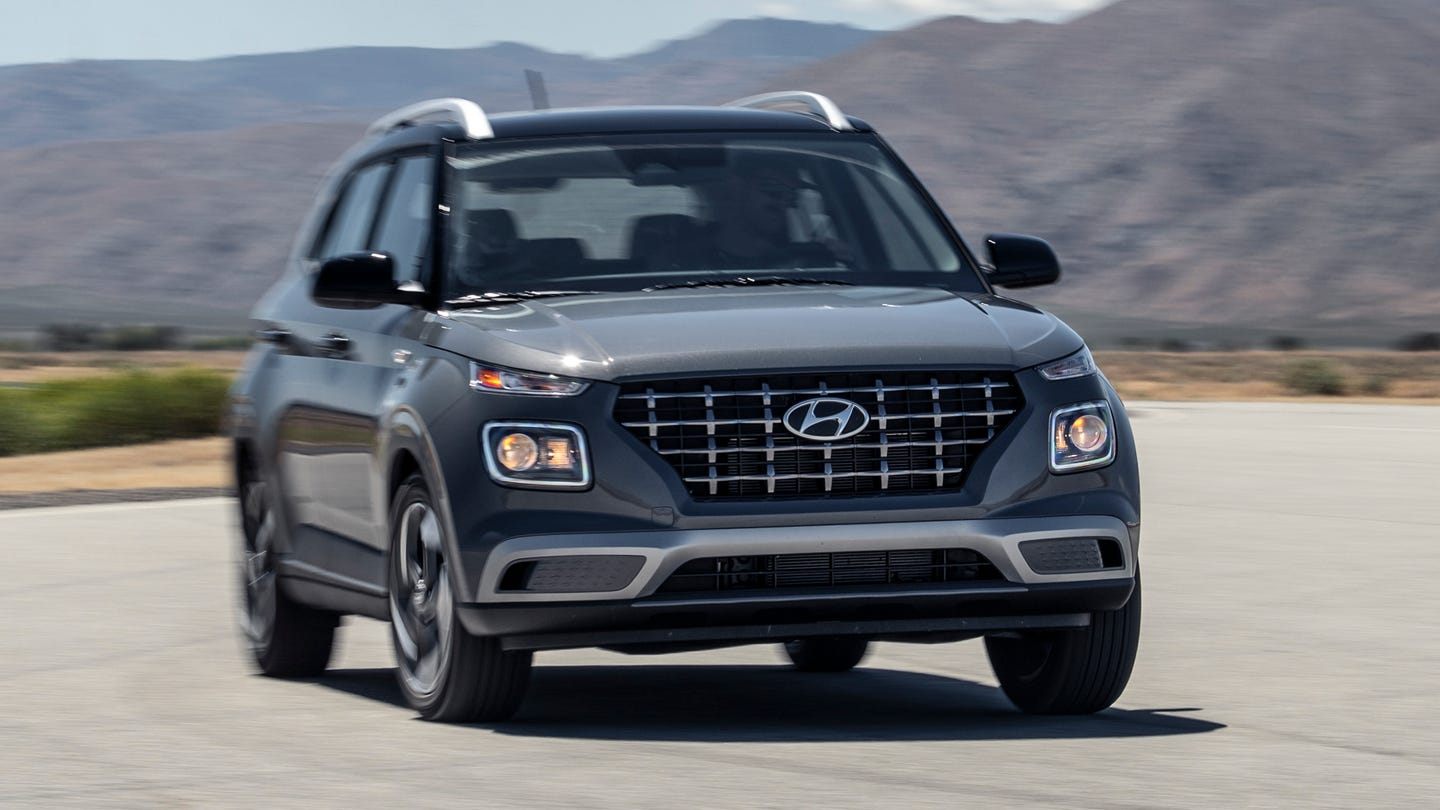
Future AI assistants could complete real-world tasks instead of simply providing search results.
That distinction could become one of the biggest advantages of AI-powered vehicle systems.
Instead of asking for a list of restaurants nearby, an occupant could explain what they want and allow the assistant to complete the booking process.
Automakers and technology suppliers are already demonstrating early versions of these capabilities. Cerence, for example, has showcased AI-powered conversational technology designed for automotive applications.
The cabin could become a mobile office
AI agents could also change how people use vehicles during longer journeys.
Productivity is becoming another major area of interest, with companies such as Microsoft investing in in-car productivity solutions.
AI could help turn the vehicle cabin into a connected workspace during journeys.
That could allow passengers to use travel time for work, communication, planning, or personal activities.
The broader idea is that the vehicle becomes more than a transportation device. It becomes another connected environment where people can complete tasks they would normally handle elsewhere.
ABI Research estimates that AI-driven occupancy of the vehicle cabin could grow from 5 million vehicles today to 70 million by 2035.
Automakers face new risks
The opportunity comes with a significant challenge for manufacturers.
As AI agents become more capable, automakers could lose some control over the cockpit experience if they increasingly depend on outside technology providers.
That could create concerns about software integration, customer experience, and long-term control over vehicle services.
The technology also needs to work reliably. If an AI assistant cannot understand what the customer wants or fails to complete basic tasks, drivers may simply return to their smartphones.
That is why the next phase of automotive AI will depend not only on how intelligent these systems are, but also on how naturally and reliably they work inside the vehicle.
The rise of AI agents in cars could ultimately transform the cabin from a passive space into a connected personal assistant and productivity environment. For automakers, however, delivering that experience without losing control of the cockpit will be one of the industry’s biggest challenges.








-
 NOW TRENDING2 months ago
Aston Martin DBX Becomes Harry Da Souza’s Ride in MobLand
-
 TEST DRIVES2 months ago
2026 Maserati GranTurismo Trofeo Review: Miami
-
 INTELLIGENT MOBILITY2 months ago
Tesla Cybercab Navigation Problem Hits Austin Robotaxis
-
 INTELLIGENT MOBILITY2 months ago
2027 Nissan Rogue Hybrid: e-POWER Comes to America
-
 TEST DRIVES2 months ago
2026 Maserati GranTurismo Coupe
-
 Formula12 months ago
Cadillac F1 2026 Faces an Eight-Race Logistics Challenge
-
 NOW TRENDING2 months ago
Land Rover Defender Recall 2026: 23,677 JLR SUVs Affected
-
 NOW TRENDING2 months ago
Every 2026 Chevrolet With AWD or 4WD