
NOW TRENDING
NHTSA Orders Tesla to Explain How the Cybercab Was Certified

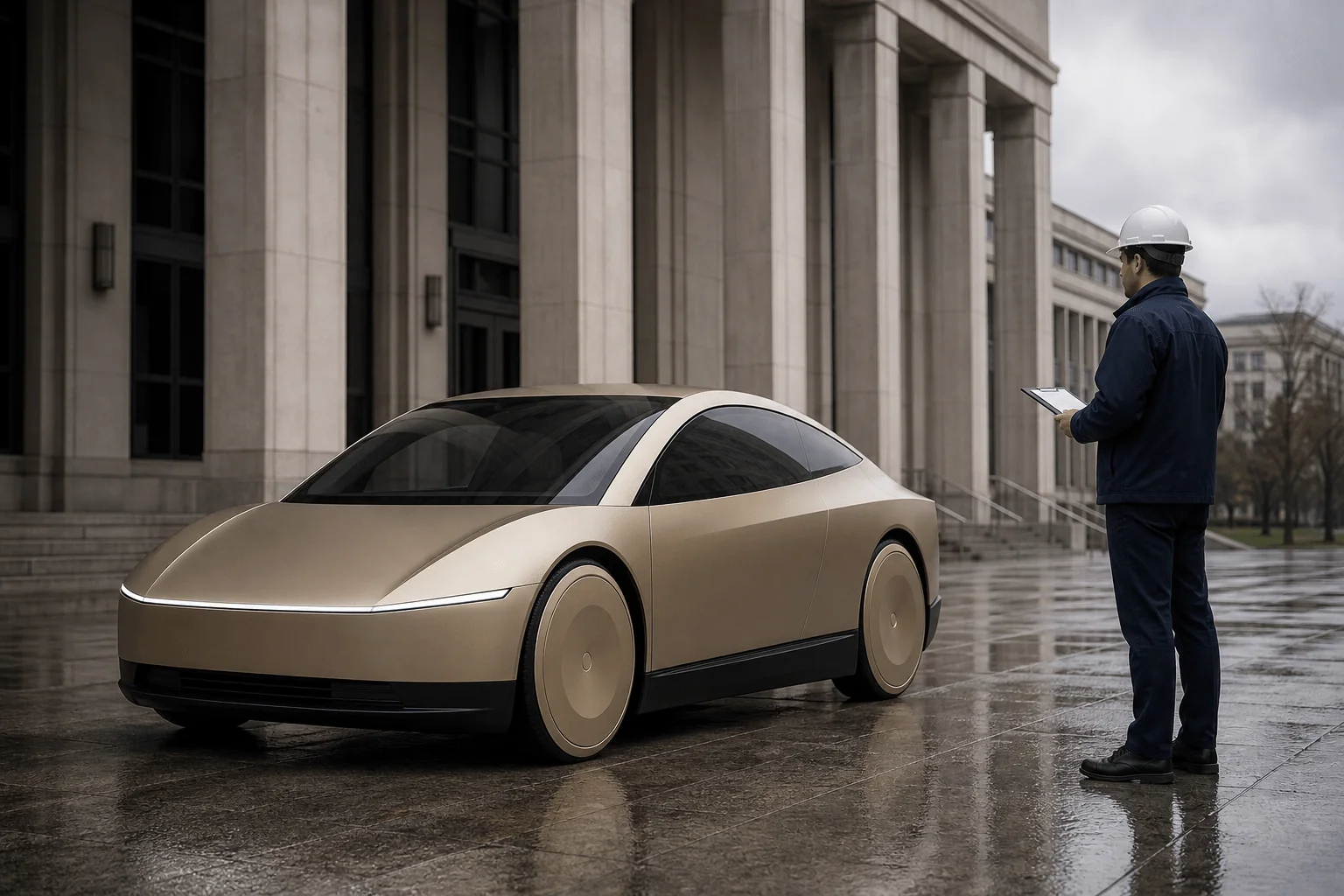
Federal regulators are asking Tesla to explain how the Cybercab was certified without conventional driving controls. The company must respond to NHTSA by September 30.
Tesla’s Cybercab is facing closer federal scrutiny just days after beginning limited commercial service in Austin, Texas. The Tesla Cybercab certification process is now being examined by the National Highway Traffic Safety Administration, which has ordered Tesla to answer a series of questions about how the autonomous vehicle was certified for U.S. roads.
NHTSA wants Tesla to respond by September 30. Among the agency’s questions is whether temporarily installed human-driver controls or other equipment were part of the technical basis Tesla used to certify the Cybercab as compliant with federal motor vehicle safety standards.
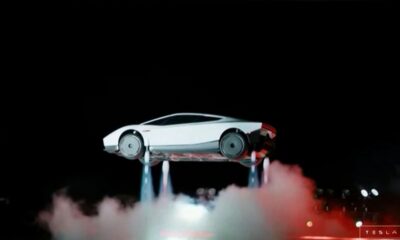
The inquiry comes after Tesla began offering limited Cybercab rides in Austin on September 3. The two-seat vehicle has no conventional steering wheel, accelerator pedal, brake pedal or exterior mirrors.
NHTSA Is Examining Tesla’s Self-Certification
Unlike some autonomous vehicle programs, Tesla did not obtain a specific federal exemption before deploying the Cybercab. Instead, the company certified that the vehicle complies with applicable Federal Motor Vehicle Safety Standards.
NHTSA opened an Audit Query on September 4 specifically to examine the technical data and processes Tesla used to reach that conclusion. The agency said it is assessing whether Tesla’s compliance framework treated certain existing safety requirements as inapplicable to a vehicle without conventional human controls.
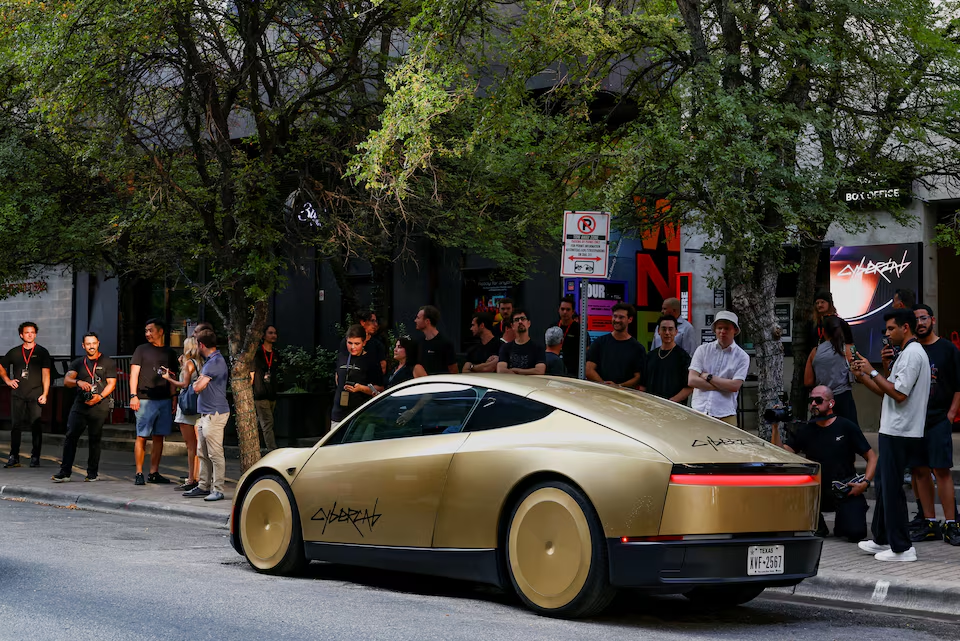
Tesla’s Cybercab began limited commercial robotaxi operations in Austin without a steering wheel or conventional driver pedals.
The questions are particularly important because current federal standards were developed around vehicles operated by human drivers.
NHTSA has been working on changes to several rules involving equipment such as brake pedals, rear-view mirrors, lighting and windshield wipers. However, the agency says existing requirements remain in force until those rule changes are finalized.
The Agency Wants to Know Whether the Cybercab Can Be Driven
NHTSA is also asking Tesla whether the Cybercab can be operated by a human driver.
The regulator wants information on whether any manual controls exist inside the vehicle, including touchscreen controls that could allow an occupant to move the Cybercab.
That question has become particularly relevant because reports have identified a hidden virtual driving interface within the Cybercab’s touchscreen. The system reportedly provides digital controls for steering, acceleration and reversing, although it is not intended as the vehicle’s normal method of operation.
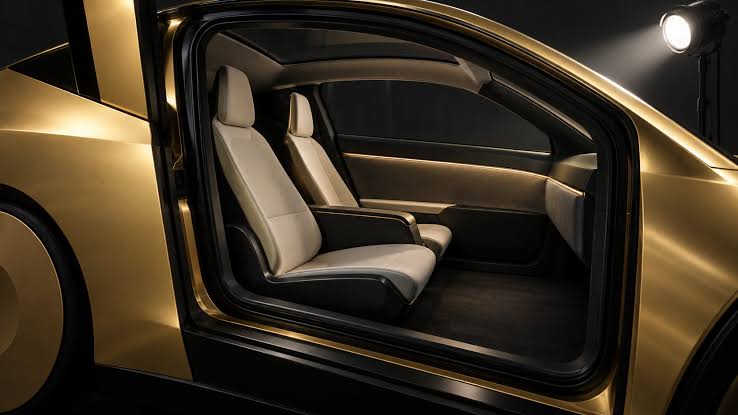
The Cybercab relies heavily on its touchscreen interface, with reports indicating that digital driving controls can be accessed through the display.
NHTSA is also asking about the robotaxi’s maximum speed and any operating restrictions.
Those include potential geographical limits, time-of-day restrictions and other conditions that could define where and when the Cybercab is permitted to operate.
Cybercab’s Austin Launch Triggered the Review
Tesla began offering rides to the public in limited areas of Austin earlier this month. The initial fleet is small, but the launch represents the company’s first commercial deployment of its purpose-built robotaxi.
The vehicle was designed specifically to operate without conventional human driving controls. Tesla describes it as a two-seat autonomous vehicle, and the initial service is being operated within a limited geographic area.
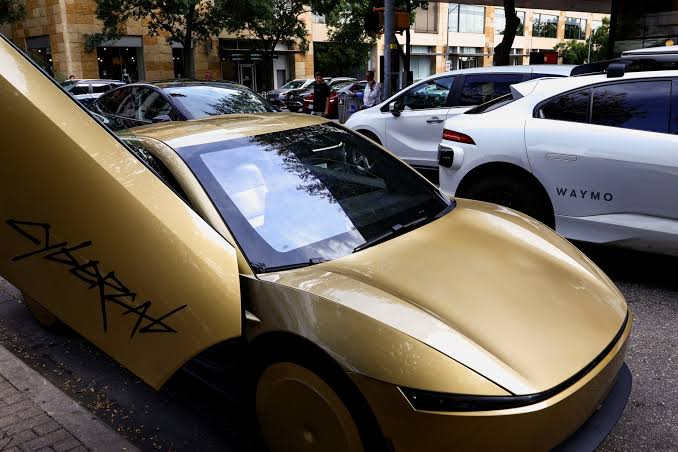
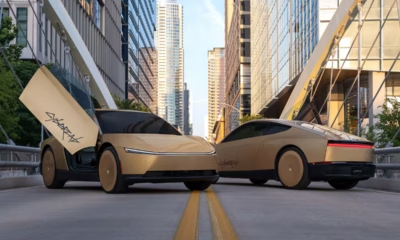
Tesla’s gold Cybercabs were deployed in limited areas of Austin as the company began its commercial robotaxi service.
The regulatory review does not itself establish that Tesla improperly certified the Cybercab. Instead, NHTSA is seeking information to determine whether the manufacturer’s certification complied with the standards currently in effect.
That distinction is important because the investigation is still ongoing.
Tesla Faces a Different Path From Zoox
The Cybercab’s certification approach also differs from that used by Amazon’s Zoox.
In July, NHTSA granted Zoox an exemption allowing the company to deploy its steering-wheel-free robotaxis commercially under a limited federal framework. The approval allows Zoox to deploy up to 2,500 vehicles annually for two years.
Tesla instead relied on its own certification that the Cybercab complied with applicable federal requirements.
That difference is now central to NHTSA’s questions.
Tesla Has Until September 30
For now, the Tesla Cybercab certification review remains an information-gathering process. NHTSA wants Tesla to explain exactly how it established compliance for a vehicle that lacks several pieces of equipment traditionally associated with human-controlled cars.
The agency’s September 30 deadline gives Tesla a specific window to address those questions. Until NHTSA reviews the company’s answers, the broader regulatory status of the Cybercab remains an open issue.
The investigation also comes as federal regulators consider changing the rules for autonomous vehicles. However, those proposed changes do not replace the standards currently in effect.
For Tesla, the immediate task is therefore straightforward: explain how the Cybercab was certified, what technical assumptions supported that certification and under what conditions the vehicle is designed to operate.








-
 NOW TRENDING2 months ago
Aston Martin DBX Becomes Harry Da Souza’s Ride in MobLand
-
 TEST DRIVES1 month ago
2026 Maserati GranTurismo Trofeo Review: Miami
-
 INTELLIGENT MOBILITY1 month ago
Tesla Cybercab Navigation Problem Hits Austin Robotaxis
-
 INTELLIGENT MOBILITY2 months ago
Tesla Cybercab Cannot Be Charged at Home—Here’s Why
-
 TEST DRIVES1 month ago
2026 Maserati GranTurismo Coupe
-
 INTELLIGENT MOBILITY1 month ago
2027 Nissan Rogue Hybrid: e-POWER Comes to America
-
 NOW TRENDING2 months ago
This Lotus Elise Restomod Weighs Just 1,320 Pounds
-

 NOW TRENDING2 months ago
Toyota Recalls Around 10,000 C-HR EVs Over Battery Overcharge Risk