
INTELLIGENT MOBILITY
Ford Mustang Mach-E Winter Range: Prepare Before You Go

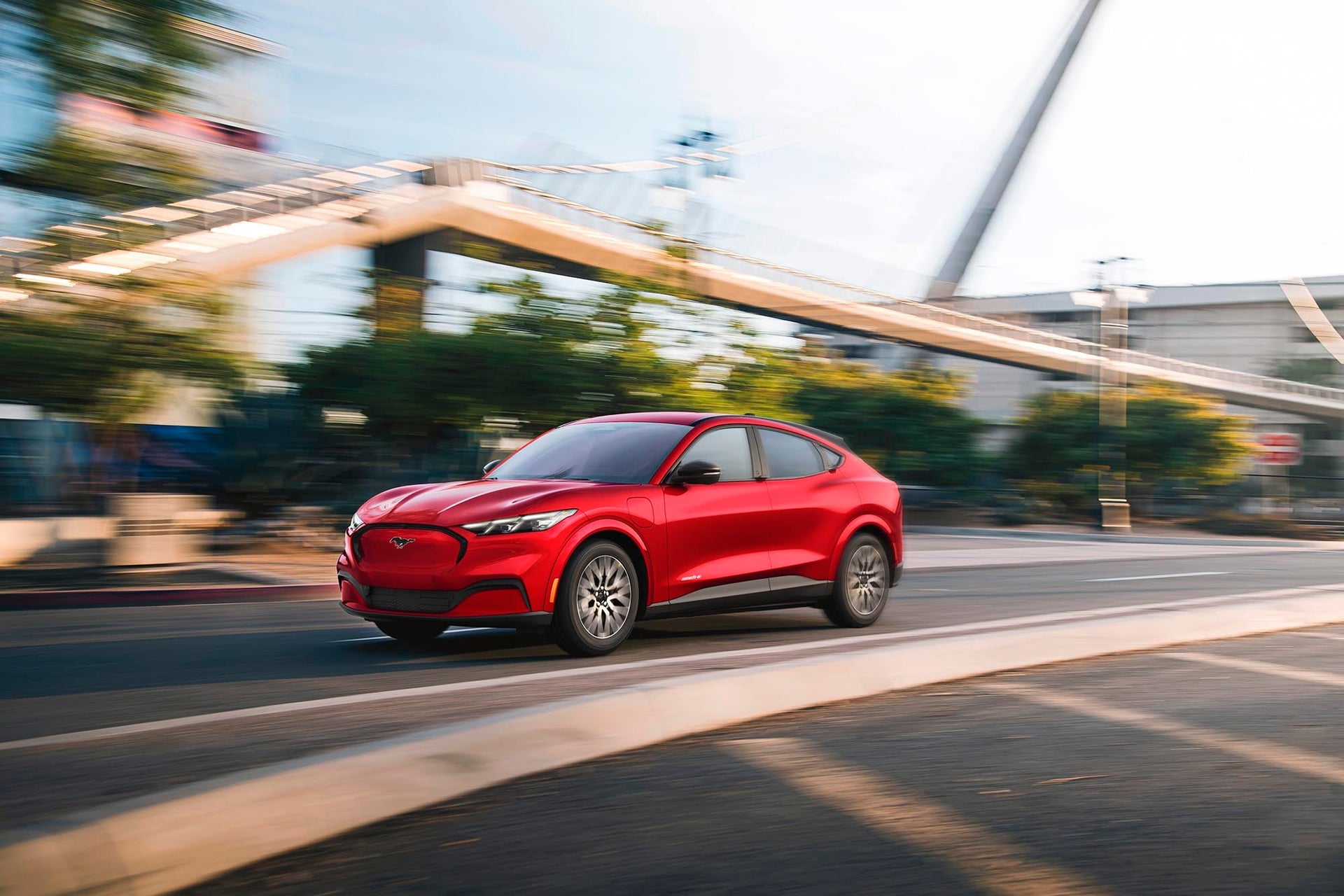
Where you park and how you set up your next charging stop can make winter driving easier. Here is how to use the Mach-E’s preparation features without confusing cabin comfort with battery readiness.

2026 Ford Mustang Mach-E GT shown. Winter preparation starts with the vehicle’s charging access and departure schedule. Image: Ford Motor Company.
A warm seat does not tell you whether your Ford Mustang Mach-E’s battery is ready for a cold morning. For U.S. owners heading into winter, the useful distinction is between warming the cabin, preparing the battery before departure and conditioning it on the way to a fast charger. Each serves a different purpose.
Carsfera’s approach is to build the routine around where the vehicle spends the night. Someone with a home charger can prepare before unplugging; someone using street parking needs a plan that accounts for energy spent on cabin heat and the next charging opportunity.
With home charging, schedule the departure
Ford’s winter EV guidance explains that a scheduled departure can prepare both the cabin and battery while the vehicle is plugged in. In the Ford app, look under Energy, then Charge settings and Departure times. Set the days, departure time and cabin comfort preference, then save.
Think of that time as “ready to leave,” rather than the moment you want heating to begin. For a regular commute, the useful habit is checking the schedule when your routine changes. A Saturday departure several hours later than your weekday commute deserves its own setting.
The benefit is using external power for preparation before driving. The U.S. Department of Energy and EPA’s cold-weather guidance identifies plugged-in cabin preheating as a way to preserve driving range. It does not make winter energy consumption disappear.
With street parking, separate comfort from preparation
Ford also describes a “Prepare cabin off plug” option. That can warm the interior without a charging connection, but the departure-time feature’s battery preconditioning requires the vehicle to be plugged in. The off-plug option therefore should not be treated as equivalent battery preparation.
For an apartment resident, the practical question is whether preheating fits comfortably within the energy available for the day’s driving. Plan the return trip, errands and charging stop together. Avoid building a schedule that depends on arriving at a charger with almost no reserve.
Covered parking may make clearing snow easier, but it is not a substitute for a charging connection. Likewise, a comfortable cabin is not proof that the battery has reached an ideal charging temperature.
Heading to a fast charger? Select the charger itself
There is a separate preparation process while driving. According to Ford’s Connected Navigation documentation, supported Mach-E vehicles with an active plan can warm or cool the battery as needed when routed to a DC fast charger.
Ford specifies selecting that charger from the built-in navigation system’s charging database. Entering its street address as an ordinary destination does not activate the feature. Check your vehicle’s eligibility and service status before relying on it; equipment, software and available services matter.
This gives drivers without home charging another useful tool. Set up the charging destination before leaving, rather than waiting until you pull into the station. Battery preparation can improve charging conditions, but it is not a guarantee that every session will match an advertised charging time.

2026 Ford Mustang Mach-E Premium shown at a public charger. Select a charging location within the vehicle’s navigation database to use supported en-route battery preparation. Image: Ford Motor Company.
Know your model year and leave room in the plan
Ford says a heat pump is standard on 2025 and later Mach-E models. Owners comparing those vehicles with earlier examples should keep that hardware difference in mind. Carsfera’s 2025 Mustang Mach-E Premium eAWD review and 2022 Mustang Mach-E GT review provide context on different versions, rather than a controlled winter comparison.
Cold-weather losses vary by vehicle and conditions. Federal guidance explains that cabin heating, reduced battery performance and lower tire pressures can all affect efficiency. Its general EV figures are not a prediction for your particular Mach-E.
Check tire pressures against the vehicle’s door label and keep the windows clear. Heated seats can help reduce the need for high cabin temperatures, but visibility and comfortable, attentive driving come first. On an unfamiliar winter journey, identify an alternative charging stop before setting out.
Carsfera’s assessment: a reliable charging routine is more useful than trying to recover a particular number of displayed miles. Home-charging owners should make scheduled departure preparation a habit, while street-parking owners gain more from planning charging access and using supported en-route battery conditioning.








-
 NOW TRENDING2 months ago
Aston Martin DBX Becomes Harry Da Souza’s Ride in MobLand
-
 TEST DRIVES2 months ago
2026 Maserati GranTurismo Trofeo Review: Miami
-
 INTELLIGENT MOBILITY2 months ago
Tesla Cybercab Navigation Problem Hits Austin Robotaxis
-
 INTELLIGENT MOBILITY2 months ago
2027 Nissan Rogue Hybrid: e-POWER Comes to America
-
 TEST DRIVES2 months ago
2026 Maserati GranTurismo Coupe
-
 Formula12 months ago
Cadillac F1 2026 Faces an Eight-Race Logistics Challenge
-
 NOW TRENDING2 months ago
Land Rover Defender Recall 2026: 23,677 JLR SUVs Affected
-
 NOW TRENDING2 months ago
Every 2026 Chevrolet With AWD or 4WD