
NOW TRENDING
JLR Is Betting On The U.S. And Hybrid Flexibility To Reignite Growth

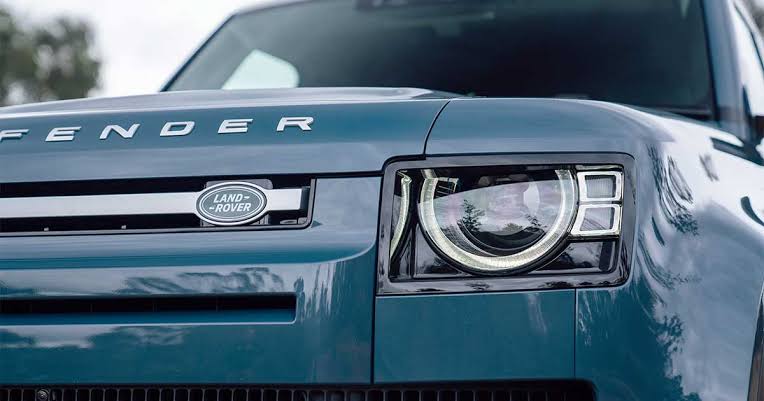
Jaguar Land Rover is entering a new phase of its transformation with a strategy built around three priorities: stronger growth in the United States, reduced dependence on China and a more flexible approach to electrification. At a time when luxury automakers are facing slower EV adoption in some regions and a far more unpredictable global market, JLR is reshaping its roadmap in an effort to restore momentum and improve long-term profitability.
The plan matters because it reflects a broader shift happening across the premium automotive industry. Brands that once pushed aggressively toward an all-electric future are now adapting to a more uneven transition, one where hybrids, combustion engines and EVs may need to coexist longer than originally expected.

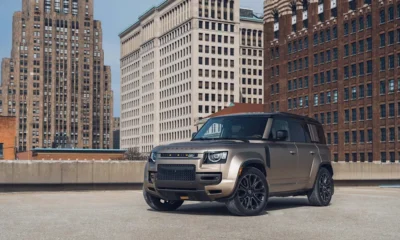
JLR is reshaping its global strategy as it looks to accelerate growth and improve profitability in a changing luxury market.
The U.S. Is Becoming Even More Important
For JLR, the United States is emerging as one of the most critical markets in its next chapter.
The American market continues to offer strong demand for premium SUVs, high-margin luxury vehicles and lifestyle-oriented off-road products, all areas where Land Rover in particular has established a powerful identity. As growth in China becomes less predictable, strengthening the company’s position in North America gives JLR a more stable foundation for future expansion.
That makes the U.S. far more than just another key market. It becomes a central pillar in the brand’s global recovery strategy.
Why Hybrid Flexibility Matters Right Now
One of the most important signals in JLR’s new direction is its willingness to remain flexible on powertrain strategy.
Instead of forcing a rigid transition to fully electric vehicles across every market and segment, the company is acknowledging that demand is evolving at different speeds around the world. In some regions, luxury buyers are embracing EVs quickly. In others, hybrids and even combustion-powered models still play a critical role in balancing performance, range, convenience and customer expectations.

JLR is leaning into a broader mix of powertrains as the transition to electrification remains uneven across global markets.
That flexibility could prove essential in protecting margins while JLR continues investing in the next generation of electric products.
China Is No Longer A Simple Growth Story
For years, China represented one of the most important growth engines for premium and luxury automakers.
That equation has become far more complicated. Intense local competition, rapid EV innovation from domestic brands and changing consumer behavior have made the Chinese market more difficult for foreign manufacturers to navigate. For JLR, reducing dependence on a single market is now part of a broader effort to create a more resilient business model.
The company’s renewed focus on North America and other regions reflects that changing reality.
A Luxury Brand Under Pressure To Deliver Results
JLR’s strategy is not unfolding in a vacuum. The luxury automotive business is becoming more demanding, more expensive and more competitive at the same time.
Electrification, software development, platform investments and regulatory pressure are forcing automakers to rethink where they spend money and how quickly they can generate returns. For JLR, that means growth is no longer just about selling more vehicles. It is about improving profitability, protecting margins and ensuring that future products align with what customers are actually willing to buy.

The company is trying to balance future EV investment with the profitability demands of the current luxury market.
That balancing act may define the next stage of the company’s identity just as much as any single product launch.
A More Realistic Luxury Strategy For A Tougher Market
The most important takeaway from JLR’s latest plan is not simply that the company wants to grow. It is the way it intends to do it.
By leaning harder into the U.S., reducing its exposure to China and allowing hybrids to remain part of the equation, JLR is embracing a more pragmatic luxury strategy for an industry that no longer rewards one-size-fits-all decisions. The transition to electrification is still happening, but it is clearly becoming more complex, more regional and more dependent on timing than many brands expected just a few years ago.

JLR is betting that a stronger presence in the U.S. and a more flexible product strategy can help drive its next phase of growth.
For Jaguar Land Rover, that shift could be decisive. If the company can turn flexibility into stronger margins and a more balanced global footprint, it may emerge from this period with a much clearer and more durable luxury strategy than before.








-
 NOW TRENDING2 months ago
Aston Martin DBX Becomes Harry Da Souza’s Ride in MobLand
-
 TEST DRIVES2 months ago
2026 Maserati GranTurismo Trofeo Review: Miami
-
 INTELLIGENT MOBILITY2 months ago
Tesla Cybercab Navigation Problem Hits Austin Robotaxis
-
 INTELLIGENT MOBILITY2 months ago
Tesla Cybercab Cannot Be Charged at Home—Here’s Why
-
 INTELLIGENT MOBILITY2 months ago
2027 Nissan Rogue Hybrid: e-POWER Comes to America
-
 TEST DRIVES2 months ago
2026 Maserati GranTurismo Coupe
-
 Formula12 months ago
Cadillac F1 2026 Faces an Eight-Race Logistics Challenge
-
 NOW TRENDING1 month ago
Land Rover Defender Recall 2026: 23,677 JLR SUVs Affected