
Formula1
Mercedes Defends W17 Update Despite Handling Problems

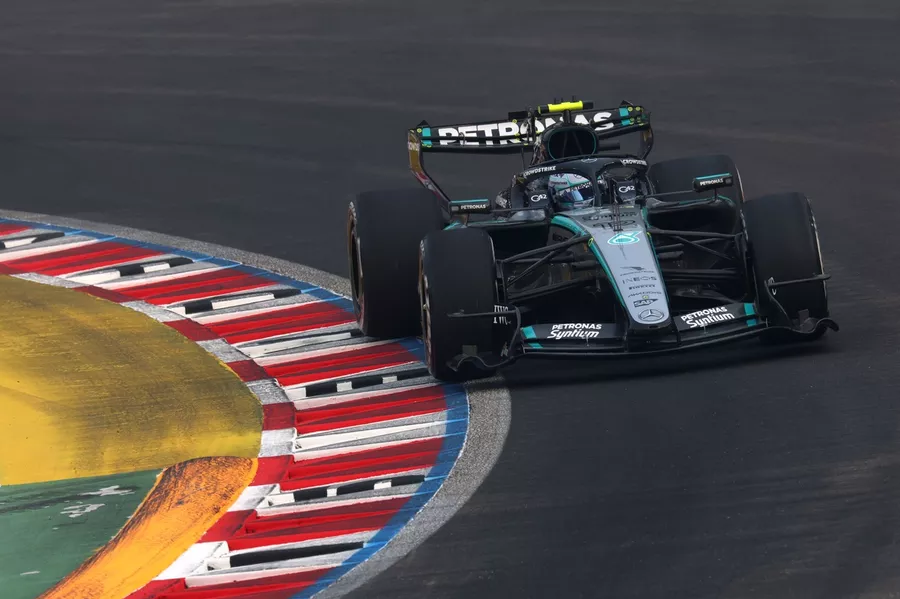
Mercedes says its latest W17 upgrades are not a failure, but the new package has made the car less stable and harder to drive ahead of the Singapore Grand Prix.
Mercedes is facing new questions about its W17 Formula 1 upgrades after struggling across two consecutive race weekends. The team believes the latest package offers greater performance potential, but drivers are finding it harder to extract that speed consistently.
George Russell returned to an earlier specification for sprint qualifying in Singapore. Meanwhile, Andrea Kimi Antonelli remained on the newer configuration and qualified seventh, around half a second behind his teammate.
The comparison has given Mercedes useful data. However, it has also exposed a key weakness: the updated car appears to have a narrower operating window and a less predictable balance.
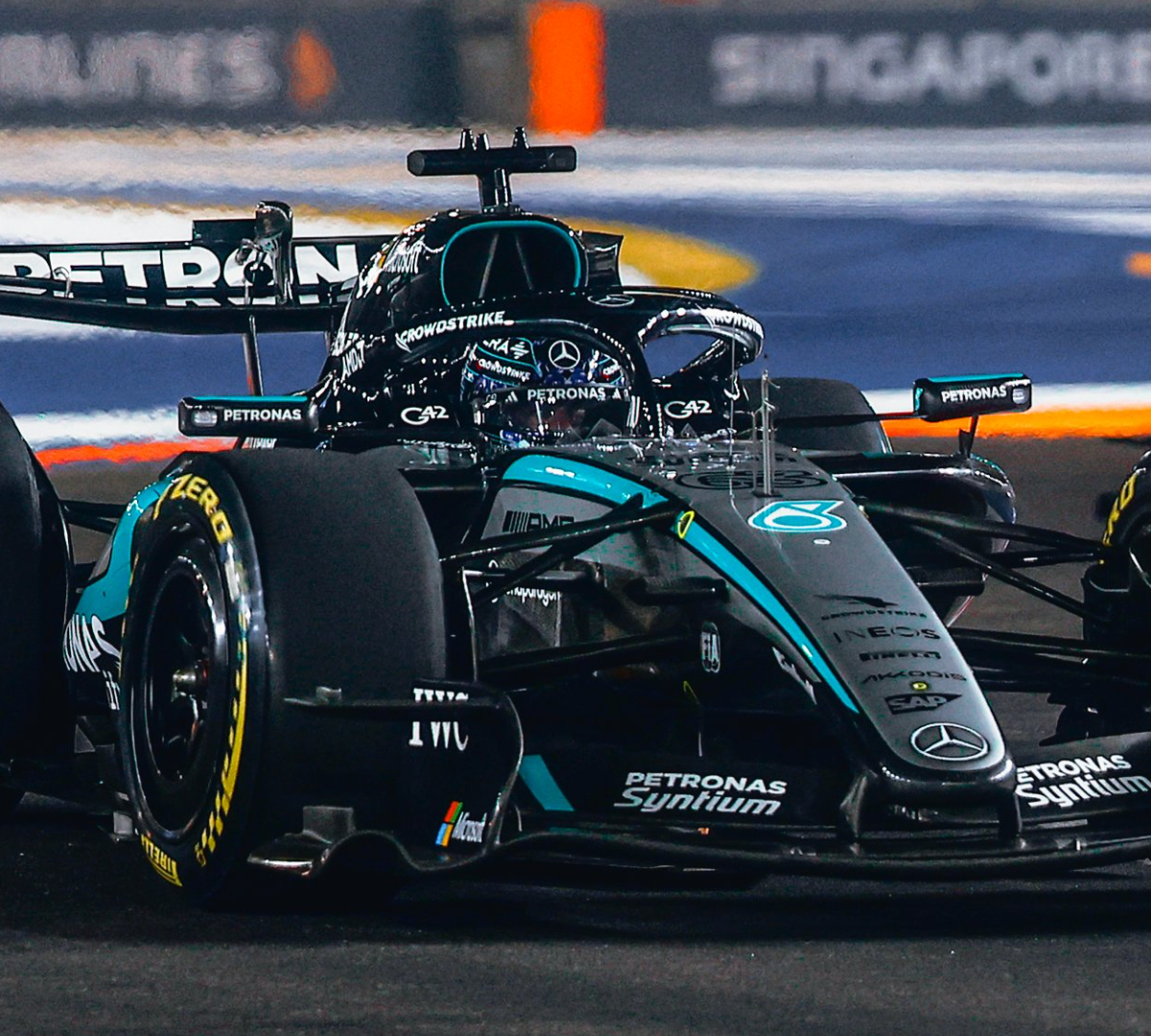
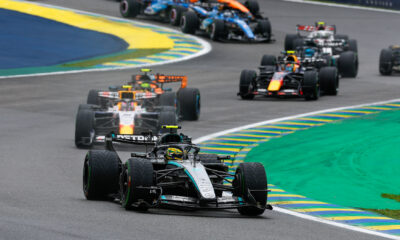
Mercedes is comparing different W17 configurations to understand the impact of its latest upgrades.
Why the Mercedes W17 Is Harder to Drive
Mercedes introduced its latest major upgrade package at the Malaysian Grand Prix weekend. The team then struggled to match Max Verstappen’s pace, while Russell suffered a late engine failure.
The results raised doubts about the new aerodynamic package. However, Mercedes believes the situation is more complicated than a simple failed upgrade.
Russell had a grid penalty for Sunday’s main race in Singapore, giving the team a reason to experiment with an older specification. Running different configurations also allowed Mercedes to compare the cars directly, something it could not do during the previous weekend.
The early evidence suggests the new package could offer a higher performance ceiling. The problem is that drivers may find it more difficult to reach that potential.
Mercedes Admits the Updated Car Is Less Stable
Mercedes deputy team principal Bradley Lord explained that the latest package has changed the car’s handling characteristics.
“Kimi said that seventh was all he could get today,” Lord explained.
He added that the new specification produces a less consistent balance and makes slow corners more difficult. Understeer forces drivers to carry more speed into corners, while the car can feel nervous on entry to faster turns.
These characteristics reduce driver confidence. In Formula 1, even a potentially faster aerodynamic concept can lose its advantage if drivers cannot push consistently through a lap.
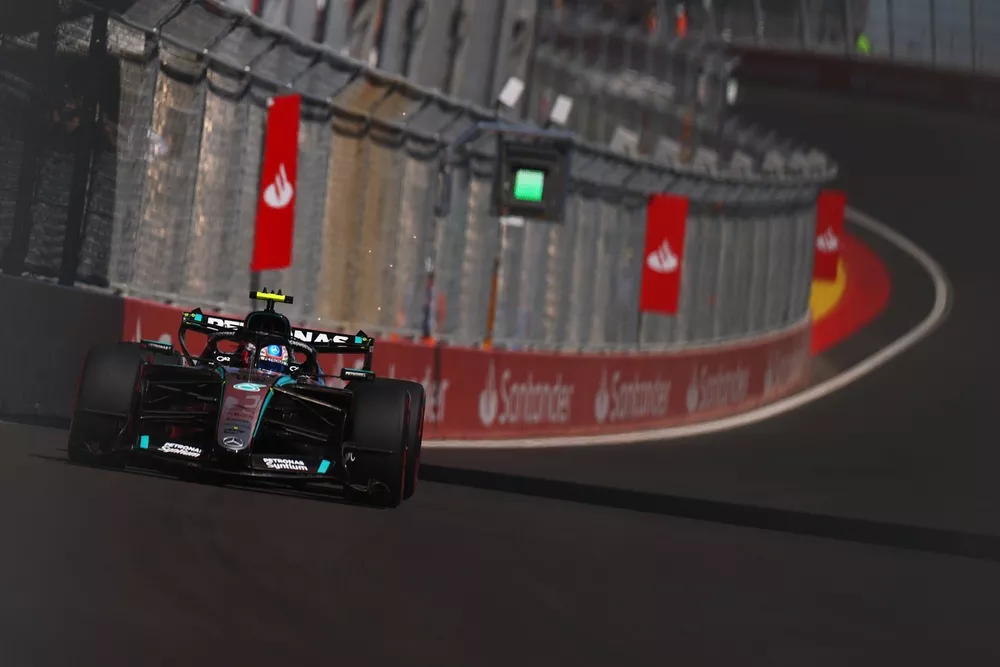
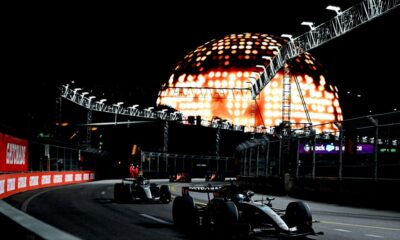
Antonelli’s seventh-place sprint qualifying result highlighted the handling challenges facing Mercedes.
Why Mercedes Cannot Fully Reverse the Upgrade
Mercedes has made some adjustments to Antonelli’s car, including switching to an older front wing. However, the team cannot simply restore the entire previous specification.
The updated package uses a different aerodynamic concept around the sidepods and associated bodywork. Returning to the old configuration would require substantial work rather than a straightforward component swap.
Bradley Lord confirmed that the team could not revert fully during the Singapore weekend. He said the conversion would require around two days of work, and the available time between sessions was insufficient.
Parc fermé regulations also restrict major changes once the relevant qualifying period begins. Although the rules allow a limited window between the sprint and main-race qualifying, Mercedes does not have enough time to rebuild the car around the earlier concept.
Mercedes Must Find a More Consistent Setup
The immediate priority is to improve the W17’s balance with the components already installed. Mercedes wants to give Antonelli a more stable platform while helping both drivers extract more performance from the updated package.
The experiment in Singapore is therefore about gathering information as much as chasing an immediate result. Comparing Russell’s older configuration with Antonelli’s newer setup should help the engineers understand where the gains and weaknesses lie.
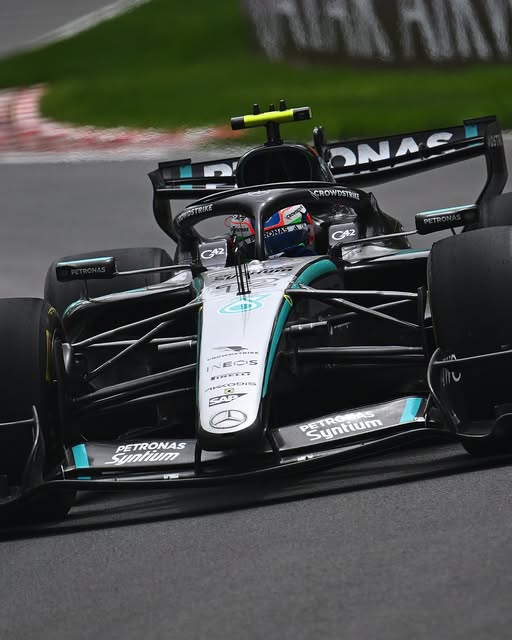
Mercedes is using the Singapore weekend to study how different W17 configurations affect performance.
What the W17 Upgrade Means for Mercedes
Mercedes has not abandoned its latest development direction. Instead, the team is trying to determine how to make the new package more predictable without sacrificing its potential performance gains.
The key question is whether engineers can improve the balance enough for Russell and Antonelli to exploit the updated aerodynamics consistently.
For now, the W17 appears to have become more demanding to drive. Mercedes must turn the data collected in Singapore into a more stable setup if it wants the upgrade to deliver the results the team expected.











-

 NOW TRENDING2 months ago
Land Rover Defender Recall 2026: 23,677 JLR SUVs Affected
-
 NOW TRENDING2 months ago
Hyundai September 2026 Sales Hit Record 77,439
-

 NOW TRENDING2 months ago
2027 Toyota Grand Highlander Woodland Adds Adventure
-

 NOW TRENDING2 months ago
Porsche Gas Macan Returns in 2028 as EV Plans Evolve
-

 INTELLIGENT MOBILITY2 months ago
Waymo Safety Data Shows 82% Fewer Injury Crashes
-

 INTELLIGENT MOBILITY2 months ago
IONNA EV Charging Network More Than Doubles in 2026
-

 NOW TRENDING2 months ago
Tesla Roadster Reveal Delayed Again Until October 15
-
 NOW TRENDING2 months ago
Mercedes Drops Three Models From Its 2027 U.S. Lineup