
INTELLIGENT MOBILITY
Tesla Model 3 and Y Finally Get V2H Charging

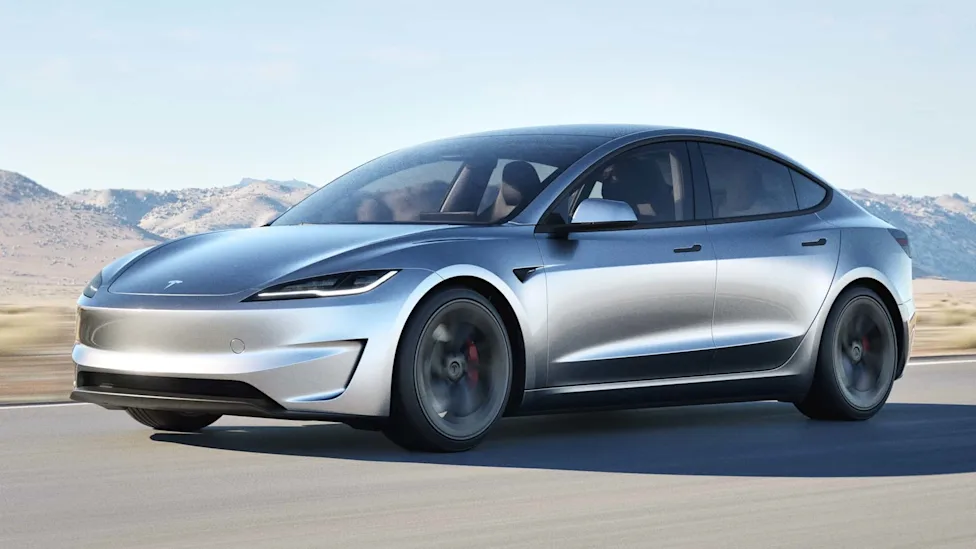
Tesla is finally bringing vehicle-to-home charging to the Model 3 and Model Y, allowing compatible cars to provide backup electricity through a Powerwall 3 system.
Tesla is expanding the energy capabilities of its two best-known electric vehicles. The Model 3 and Model Y can now support vehicle-to-home (V2H) bidirectional charging, allowing their batteries to provide electricity to a home during a power outage.
The feature has already been available on the Cybertruck, but Tesla’s volume-selling EVs require specific hardware to use it. The rollout is also being introduced gradually, meaning not every Model 3 or Model Y is compatible.
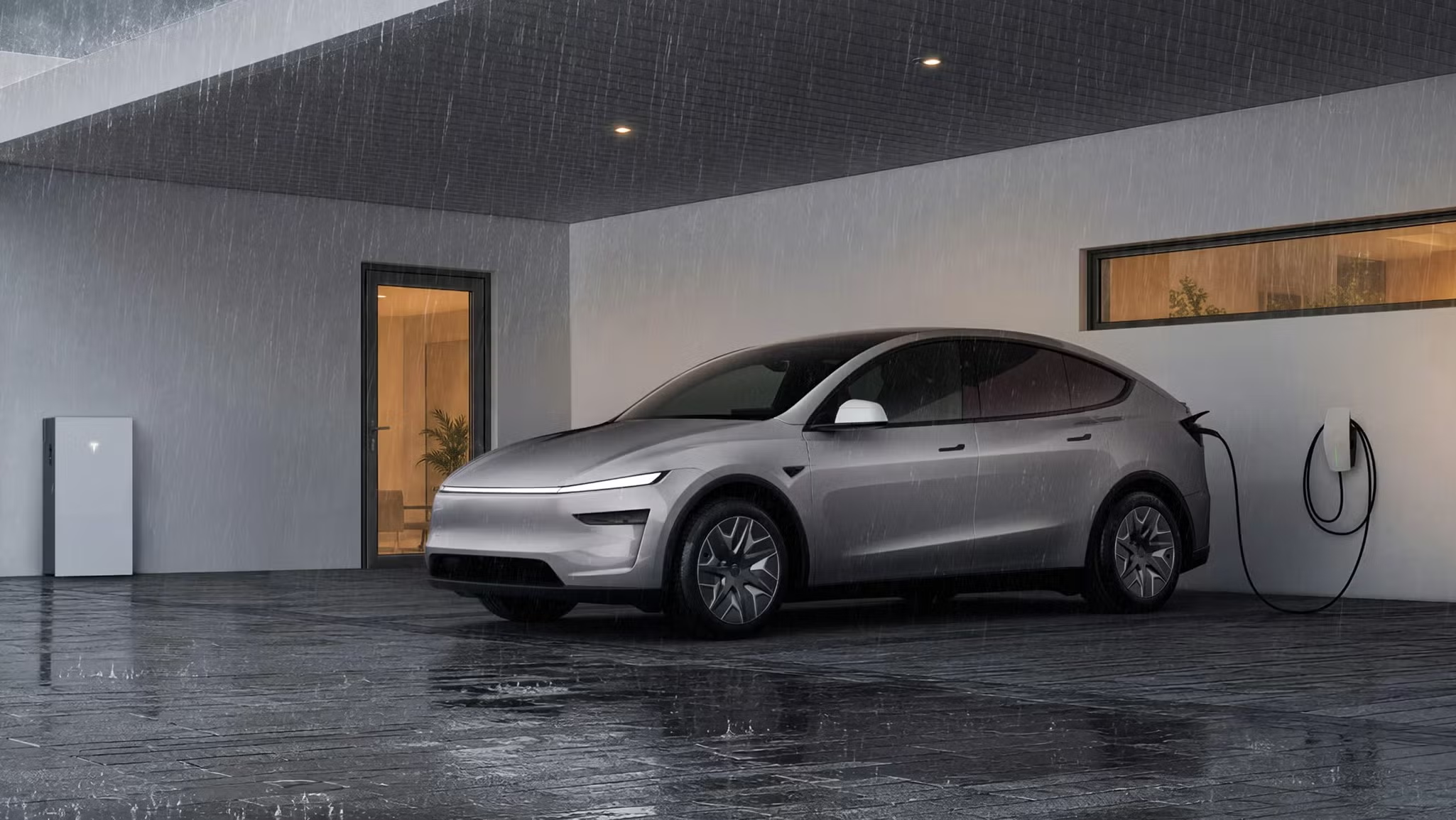
Compatible Model 3 and Model Y vehicles can now provide backup electricity to a home.
Model 3 and Model Y Need New Hardware
Tesla’s V2H functionality is enabled by a new inverter known as PCS2 Lite, short for Power Conversion System.
The hardware is related to the PCS2 inverter used by the Cybertruck. However, there is an important difference between the systems.
The Cybertruck can provide electricity directly to a home, while the Model 3 and Model Y require additional Tesla Energy hardware.
Compatible vehicles need a Powerwall 3 home battery and either a Tesla Universal Wall Connector or a Gen 3 Wall Connector.
Tesla says support for older Powerwall versions is expected to arrive in the future.
The additional hardware requirement makes the feature more difficult to adopt for owners who do not already have a compatible home energy system.
Which Tesla Vehicles Support V2H?
Tesla says Model 3 and Model Y vehicles ordered in the United States after October 1 will have the required capability.
Some vehicles produced before that date are also compatible.
Owners can check an individual vehicle through the Powershare Support section in the software menu. The information appears under the Additional Vehicle Information screen.
That check is important because the feature depends on the vehicle’s specific inverter hardware rather than simply being enabled through a software update.
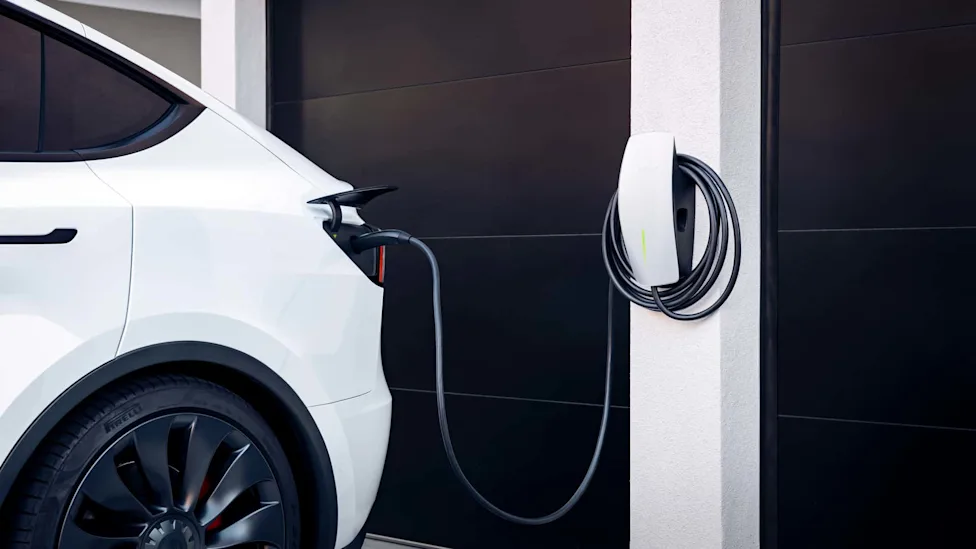
Powerwall 3 is a required part of Tesla’s current Model 3 and Model Y V2H setup.
The Powerwall Acts as a Backup to the Backup
Tesla’s approach is different from some other vehicle-to-home systems because the Powerwall 3 remains part of the energy chain.
During a power outage, the home can first use the energy stored in the Powerwall.
Once that battery is depleted, the compatible Model 3 or Model Y can begin supplying electricity to the home while also recharging the Powerwall.
That means the vehicle effectively becomes a backup for the home’s existing backup battery.
The arrangement can also reduce the amount of time the vehicle needs to remain directly involved in powering the house. Once the outage ends, the vehicle can return to normal use.
How Much Backup Power Can a Tesla Provide?
The amount of energy available depends on the vehicle’s battery capacity and state of charge when the backup system is activated.
The home’s energy demand also plays a major role. Running essential appliances and lights will consume much less electricity than attempting to power every system in a house.
Tesla estimates that a standard Model 3 or Model Y battery can extend backup power for an average home by approximately two days.
Vehicles equipped with larger battery packs, including Premium and Performance models, can extend that period to more than two days.
The maximum power output is rated at 11.5 kW, giving the Model 3 and Model Y a substantial amount of available power for household backup.
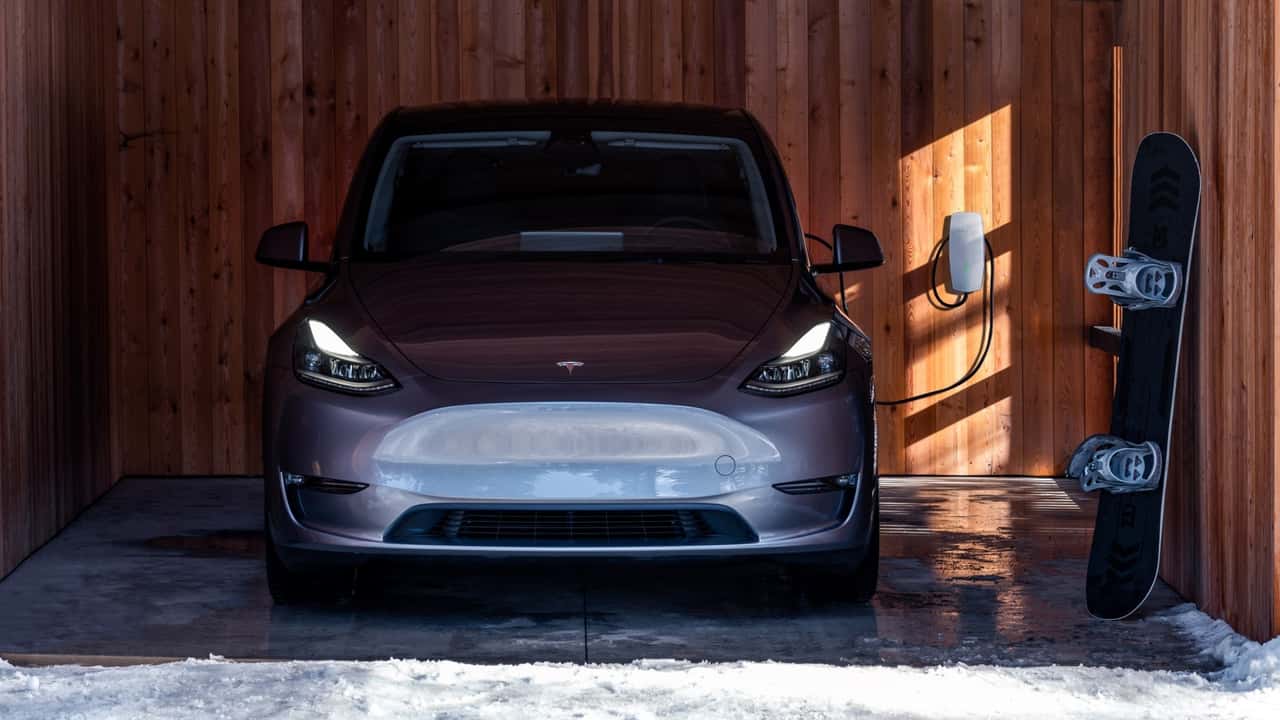
Tesla estimates that compatible vehicles can add roughly two days of backup power for an average home.
Tesla Is Late to the V2H Market
The arrival of V2H on the Model 3 and Model Y is significant because several competing EV manufacturers have offered vehicle-to-home functionality for years.
Tesla has also been active in the home energy market through its Powerwall products, making the absence of V2H from its highest-volume vehicles particularly notable.
The company had previously discussed moving toward vehicle electronics capable of supporting bidirectional energy flow.
Now, that technology is finally reaching the Model 3 and Model Y through the new PCS2 Lite hardware.
Older Model 3 and Model Y Vehicles Could Get an Upgrade
Owners of older Tesla vehicles may not necessarily be excluded forever.
Tesla service documentation includes a draft procedure for upgrading a Model Y from PCS1 to PCS2 Lite hardware.
That suggests a retrofit could be technically possible. However, it remains unclear whether the same approach will work with the Model 3 or whether Tesla will offer a retrofit program to customers.
For now, the safest assumption is that V2H availability depends on the specific hardware installed in the vehicle.
A Major New Role for Tesla’s EV Batteries
The addition of V2H gives the Tesla Model 3 and Model Y a new function beyond transportation.
Compatible vehicles can now become part of a home’s energy system, using their large battery packs to provide electricity during outages and extend the usefulness of a Powerwall 3 installation.
The 11.5-kW maximum output and estimated multi-day backup capability make the system potentially valuable for households that already have Tesla’s energy hardware.
For Tesla owners without the required equipment, however, the cost and hardware requirements remain significant.








-

 NOW TRENDING2 months ago
Aston Martin DBX Becomes Harry Da Souza’s Ride in MobLand
-

 TEST DRIVES2 months ago
2026 Maserati GranTurismo Trofeo Review: Miami
-
 INTELLIGENT MOBILITY2 months ago
Tesla Cybercab Navigation Problem Hits Austin Robotaxis
-
 INTELLIGENT MOBILITY2 months ago
2027 Nissan Rogue Hybrid: e-POWER Comes to America
-

 TEST DRIVES2 months ago
2026 Maserati GranTurismo Coupe
-

 Formula12 months ago
Cadillac F1 2026 Faces an Eight-Race Logistics Challenge
-
 NOW TRENDING2 months ago
Land Rover Defender Recall 2026: 23,677 JLR SUVs Affected
-
 NOW TRENDING2 months ago
Every 2026 Chevrolet With AWD or 4WD