
A new roofless beast joins the elite electric hypercar segment, challenging rivals like the Rimac Nevera and Pininfarina Battista. The Aspark Owl, Japan’s first electric hypercar, becomes even more desirable in its new and radical convertible version.
The Aspark Owl joins an exclusive category of electric hypercars. Rivals like the Lotus Evija, Pininfarina Battista, and Rimac Nevera are already part of this group. These models represent the potential future of high-performance vehicles. The Aspark Owl is absurd in every metric. Its fully electric powertrain firmly places it among the electric hypercar greats. Furthermore, its limited availability will make it a collector’s item for years to come. Now, Japan’s first electric hypercar is set to become even more desirable. “
World Record Without a Roof and Astonishing Figures
Meet the Aspark Owl Roadster–the world’s quickest electric roadster. The droptop model makes 1,953 horsepower. Likewise, it has a “theoretical” top speed of 413 km/h (257 mph). It can sprint from 0 to 300 km/h (0 to 186 mph) in less than 10 seconds. Those figures put it among the most extreme road-legal hypercars on the planet. The Owl Roadster follows the coupe's blueprint under its carbon bodywork. Its powertrain consists of four independent electric motors.
Performance and Carbon Architecture
Together, the motors deliver a combined 1,953 hp and 1,416 pound-feet of instantly available torque. These figures translate into extraordinary performance: 0–100 km/h in 1.78 seconds. The car reaches 0–200 km/h in 4.76 seconds and 0–300 km/h in 9.74 seconds. The estimated top speed is 413 km/h. Nonetheless, it is electronically limited to 350 km/h (217 mph) for road use. The Roadster weighs just 1,900 kg (4,189 pounds). Its battery pack is a sizable 69.0-kilowatt-hour unit. “
Chassis Technology and Active Aerodynamics
A carbon monocoque chassis forms the basis of the structure. The vehicle uses double-wishbone suspension with adjustable ride height (80–160 millimeters). Moreover, it features carbon-ceramic brakes that include 10-piston front calipers. Active aerodynamics include an adjustable rear wing. This wing ensures stability even at very high speeds. The Roadster offers multiple driving modes, ranging from Snow Mode to more aggressive performance-focused settings. “

A Pure $3.5 Million Experience
The new open roof defines the car’s identity. Aspark describes the experience as becoming “one with the road.” It heightens awareness of sound, airflow, and vibration. Naturally, that kind of performance and rarity comes at a price. Early estimates place the Owl Roadster’s base cost around $3.5 million (€3 million). This makes it one of the most expensive EVs in the world. Therefore, only a handful of very wealthy enthusiasts will ever be able to acquire one of the roughly 20 planned units. “
The Aspark Owl Roadster is not just a milestone of Japanese engineering, but it redefines the limits of what a production electric convertible can achieve. Its exclusivity and power establish it as an instant legend in the hypercar segment.










INTELLIGENT MOBILITY
The 2027 Porsche Taycan Isn’t Just Chasing More Range — It’s Trying To Put Emotion Back Into The EV Performance Formula

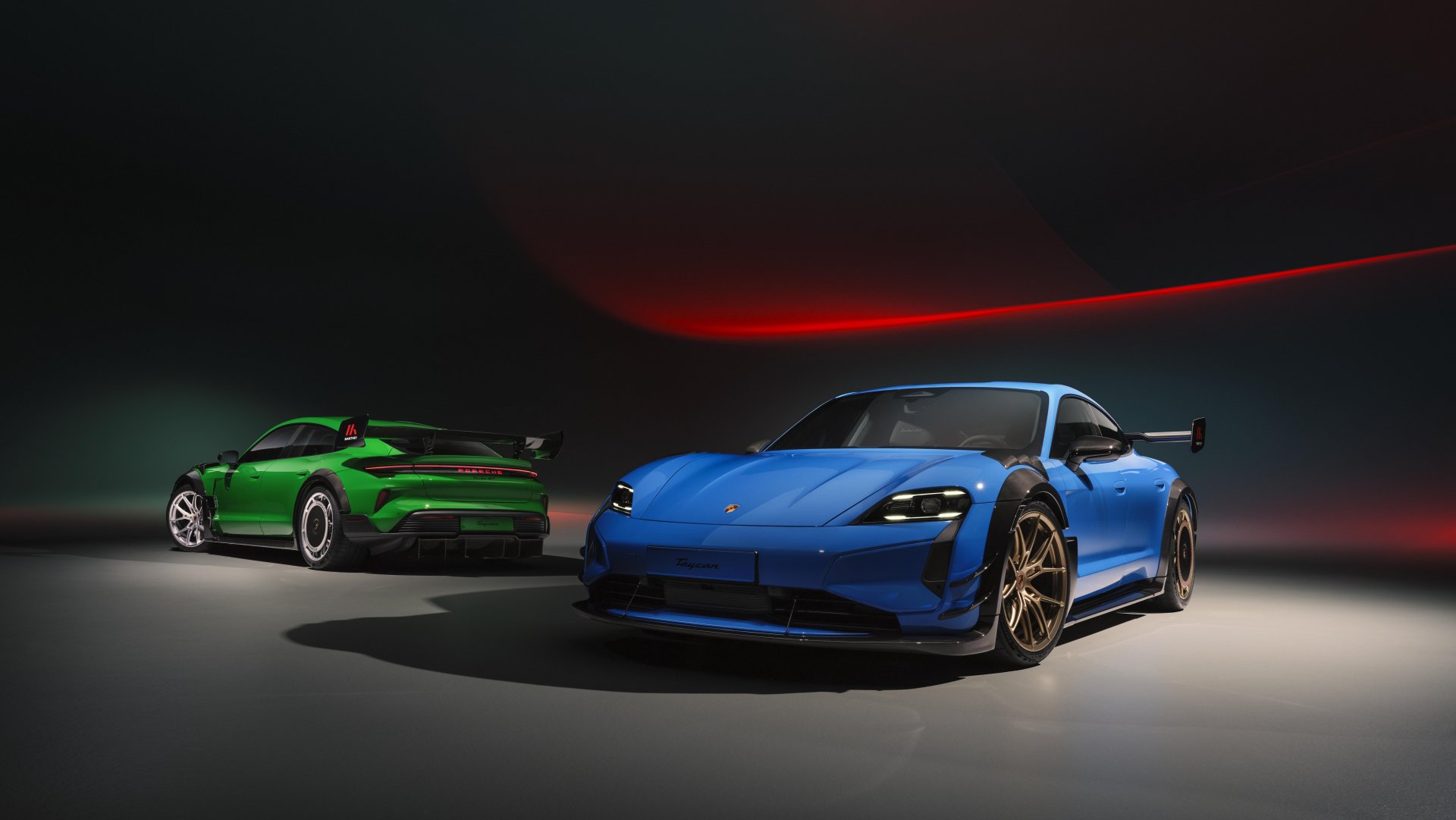
Porsche is updating the Taycan for the 2027 model year, but the most interesting part of the story is not just the bigger battery, the native NACS charging port or the new infotainment system. It is the fact that Porsche is trying to make its flagship EV feel more alive. With the introduction of E-Shift, a new system that simulates gear changes through steering-wheel paddles, perceptible shift sensations, a virtual rev counter and a more emotive Electric Sport Sound, Porsche is making a clear statement about where it thinks electric performance cars need to go next. Faster charging and smarter software matter, of course. But so does driver engagement, and the 2027 Porsche Taycan is now being positioned as an EV that wants to appeal not only to reason, but also to instinct.
That makes this update more significant than a routine model-year refresh. Porsche is touching nearly every part of the Taycan experience at once: driving feel, battery strategy, charging hardware, infotainment performance, AI voice control and digital personalization. For the U.S. market, where premium EV buyers increasingly expect both cutting-edge technology and genuine brand character, that matters. The 2027 Taycan is not trying to reinvent the car from scratch. It is trying to sharpen the areas that will determine whether Porsche’s electric sports sedan can keep feeling special as the EV segment becomes more crowded, more software-driven and more competitive.
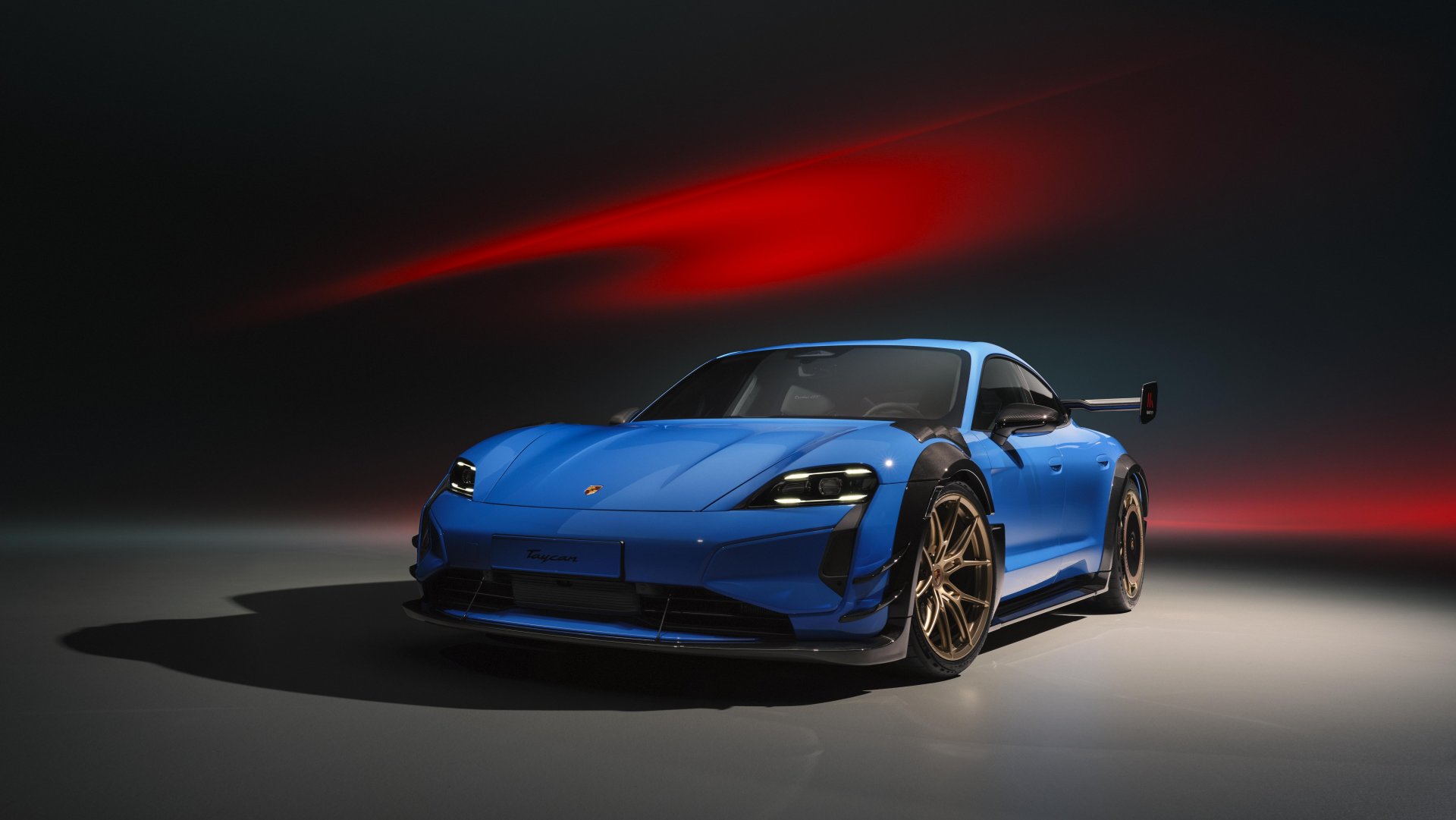
The 2027 Porsche Taycan arrives with one of its boldest updates yet: a new E-Shift system designed to make Porsche’s flagship EV feel more emotional, more interactive and more like a driver’s car.
Porsche’s Big Taycan Update Is Really About Making An EV Feel Less Digital And More Mechanical
The headline feature of the 2027 Porsche Taycan is easy to understand, but it is also a little provocative.
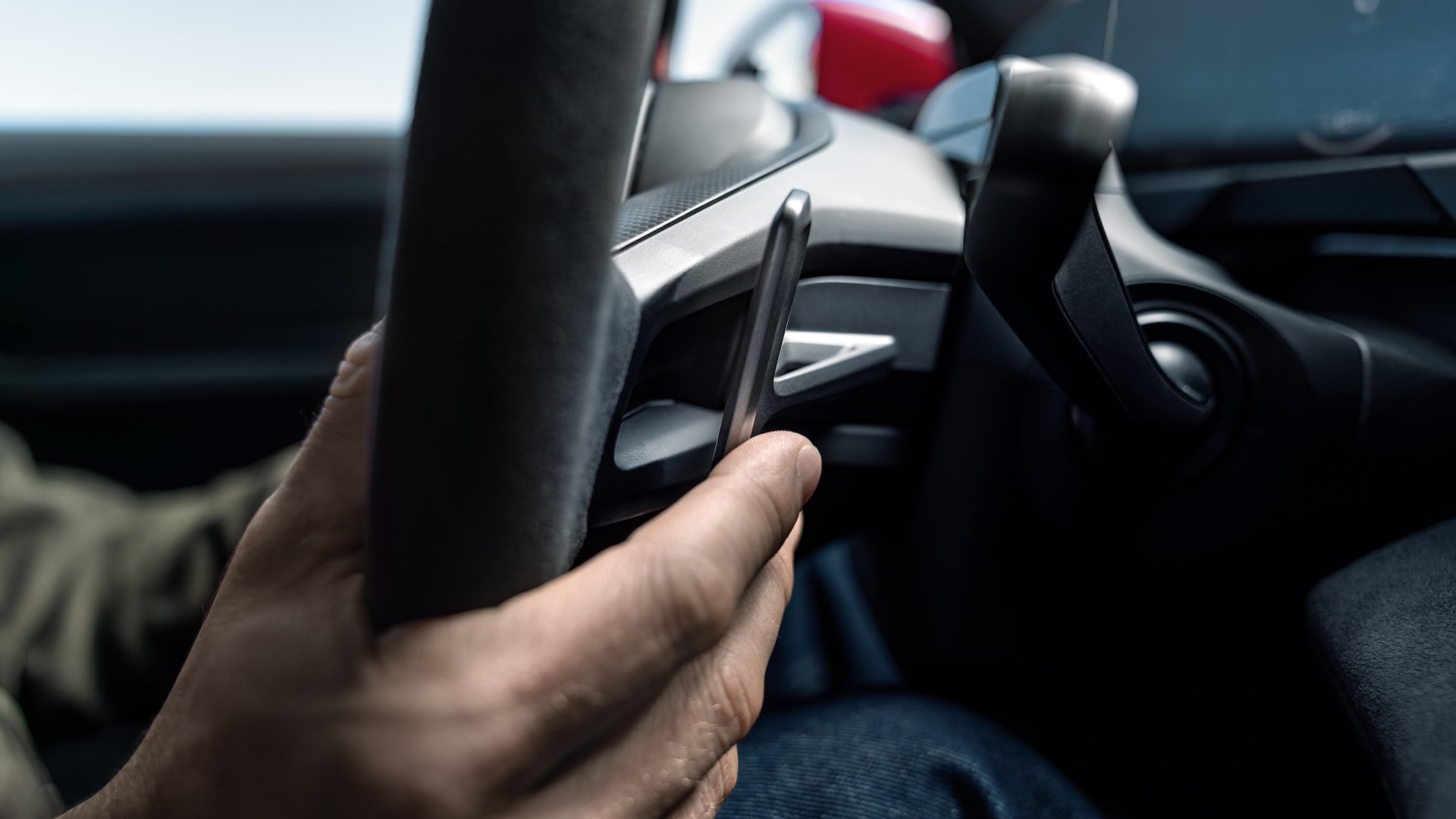
Porsche has created a system called E-Shift, available across the Taycan lineup, that introduces virtual gear changes into an electric car that does not actually need them. In manual mode, drivers can use paddles on the GT Sport steering wheel to cycle through eight simulated gears, while the system adds noticeable shift motion, gear-specific drag torque, a virtual rev limiter, a gear indicator with shift lights and a revised sound profile that changes depending on load and wheel speed. On paper, it sounds almost contradictory: an EV trying to recreate some of the sensations of a combustion performance car. But that is exactly why it matters.
Porsche clearly believes that one of the next big battles in the EV performance world will not be fought only on range, charging speed or 0–60 numbers. It will also be fought over emotion. Electric cars are already brutally quick. What many of them still struggle to deliver is the layered, interactive feel that makes a driver want to engage with the machine beyond simply pressing the accelerator. With E-Shift, Porsche is effectively acknowledging that reality and trying to answer it in its own way.
E-Shift Tells You A Lot About How Porsche Thinks EV Performance Should Evolve
This is not the first time an automaker has tried to add synthetic drama to an EV, but Porsche’s approach feels more serious than a gimmick.
The E-Shift system is not just adding a fake sound effect or a decorative animation on the instrument cluster. It is trying to build a more complete sensory experience around the driver. The Taycan now responds to paddle inputs with simulated gear changes, perceived shift motion and a soundtrack that adapts to the way the car is being driven. Porsche is effectively borrowing the rhythm and emotional punctuation of a traditional sports car, then translating those sensations into an electric format that still remains unmistakably a Taycan.
That matters because Porsche has always sold more than speed. It sells a very specific kind of connection between car and driver. The challenge with EVs is that their instant torque and single-speed smoothness can sometimes flatten that relationship into something that feels efficient rather than dramatic. E-Shift is Porsche’s way of putting some of that drama back in. It is a recognition that even in an electric future, the brand still wants its performance cars to feel like machines you actively work with, not just high-speed devices that happen to be very competent.
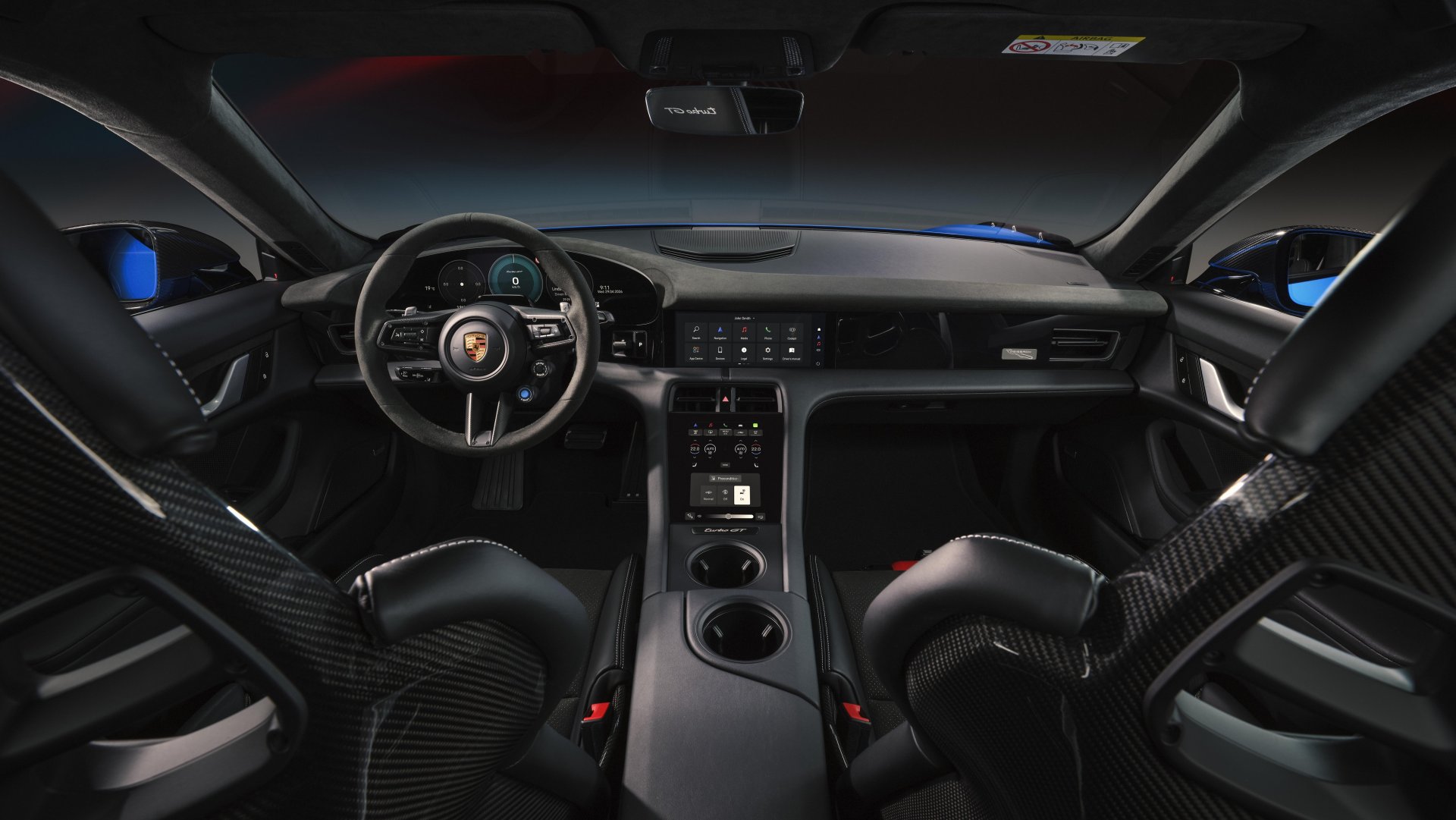
The new E-Shift system adds eight simulated gears, paddle inputs, shift sensations and a virtual rev counter in an effort to make the Taycan feel more interactive from behind the wheel.
The 2027 Porsche Taycan Also Gets The Kind Of Hardware Updates U.S. Buyers Will Actually Notice Every Day
As interesting as E-Shift is, Porsche did not stop at driver engagement.
For the U.S. market, one of the most meaningful changes may be the battery and charging update. Taycan, Taycan 4 and Taycan 4S now come standard with the larger Performance Battery Plus, a 105-kWh pack that not only increases the Taycan’s energy reserve but also supports a higher maximum DC fast-charging rate of 320 kW on compatible 800-volt chargers. Porsche has also added a battery state-of-health display, a small but increasingly important feature as EV buyers become more aware of long-term battery condition and resale value.
Just as important is the charging-port change. Taycan models — excluding the Taycan Turbo GT with Weissach Package — now gain a native NACS DC fast-charging port on the passenger-side fender, while the driver’s side remains a J1772 AC port. A CCS adapter will still be included. That is a major usability upgrade for North America because it aligns the Taycan more directly with the growing NACS charging ecosystem while still preserving compatibility for home and AC charging needs. It is exactly the kind of market-specific update Porsche needed to make if it wants the Taycan to feel less like a premium EV with a separate charging routine and more like a first-class citizen of the U.S. charging landscape.
Porsche Is Quietly Turning The Taycan Into A More Complete Everyday EV, Not Just A Fast One
That battery and charging story matters because it broadens what the 2027 Taycan is trying to be.
Porsche has never had trouble making the Taycan feel special from a performance perspective. The harder task is making it feel equally convincing as a daily luxury EV in a market where usability now matters almost as much as speed. By standardizing the larger battery on more versions of the lineup, adding a battery health display and improving charging flexibility through NACS, Porsche is doing exactly that. It is making the Taycan easier to justify not only as an emotional purchase, but as a practical one.
That is a subtle but important shift. The first phase of premium EVs often focused on proving that electric cars could be fast, beautiful and technologically advanced. The next phase is about making them feel complete. That means better route planning, easier public charging, more transparent battery information and fewer ownership compromises. The 2027 Porsche Taycan update suggests Porsche understands that very clearly.
The New PCM And Porsche Digital Interaction System Show Where The Taycan’s Cabin Is Heading Next
The other big piece of this update is the interior technology overhaul.
Porsche is introducing a new generation of infotainment software built around what it calls Porsche Digital Interaction, and it is a meaningful step beyond a simple graphics refresh. The new system brings a modernized operating concept, freely configurable widgets, a 3D vehicle model in the customer’s actual car color, expanded Apple CarPlay and Android Auto integration, and a new AI-supported Voice Pilot capable of more natural voice interactions. Porsche says the new PCM delivers up to five times more computing power than before, which should translate into faster response times, smoother menus and a much less frustrating everyday digital experience.
That is a big deal because luxury EV buyers are increasingly judging cars by how well their software works, not just by how quickly they accelerate. In that sense, Porsche is doing what it has to do. The Taycan cannot rely solely on chassis engineering and badge value anymore. It needs a cabin experience that feels just as advanced as the hardware underneath it. The new PCM, OTA capability, stronger smartphone integration and voice assistant improvements all push the Taycan further in that direction.
Porsche’s new PCM and Digital Interaction interface bring faster computing, more personalization, stronger smartphone integration and AI-backed voice control to the Taycan cabin.
Porsche Is Also Using Software To Make The Taycan Feel More Personal, Not Just More Functional
One of the smarter parts of the update is that Porsche is not treating the infotainment refresh purely as a spec-sheet exercise.
The new Themes app and broader personalization tools show that Porsche wants the Taycan’s digital environment to feel curated rather than generic. Owners can tailor the color world of the display content and ambient lighting, while widgets and app layouts can be configured more freely than before. The App Center expands the car’s digital ecosystem with a broader mix of Porsche and third-party apps, while voice control now extends to more vehicle functions, media controls and even opening the electric charging flap.
That matters because personalization is becoming a bigger part of the premium EV experience. Buyers are no longer comparing only horsepower, leather quality and ride comfort. They are comparing how much the car feels like their space — how well the screens work, how fast the system responds, how easily the car integrates with their phone, and whether the software feels current rather than dated. Porsche is clearly trying to make the Taycan feel more modern on that front without turning the interior into a cluttered tech demo.
The 2027 Porsche Taycan Is Not Just Getting More Tech — It’s Getting A Stronger U.S. Case
That is really the cleanest way to read the whole update.
For American buyers, the 2027 Porsche Taycan is now easier to understand as a premium EV because Porsche has improved both the emotional side and the ownership side at the same time. The car becomes more theatrical through E-Shift, more useful through NACS and the larger battery, and more competitive inside through the new PCM and AI voice control. Those are not random upgrades. They directly address the areas where premium EV buyers in the U.S. are becoming more demanding: charging convenience, software quality, personalization and the simple question of whether an EV can still feel genuinely exciting to drive.
That is why the Taycan update feels more ambitious than a normal model-year change. Porsche is not just adding features. It is refining the identity of the Taycan at a moment when the EV market is becoming more crowded and more mature. The message is clear: the Taycan should still feel like a Porsche first, but it also needs to feel like a smarter, easier and more emotionally rewarding EV to live with in 2027.
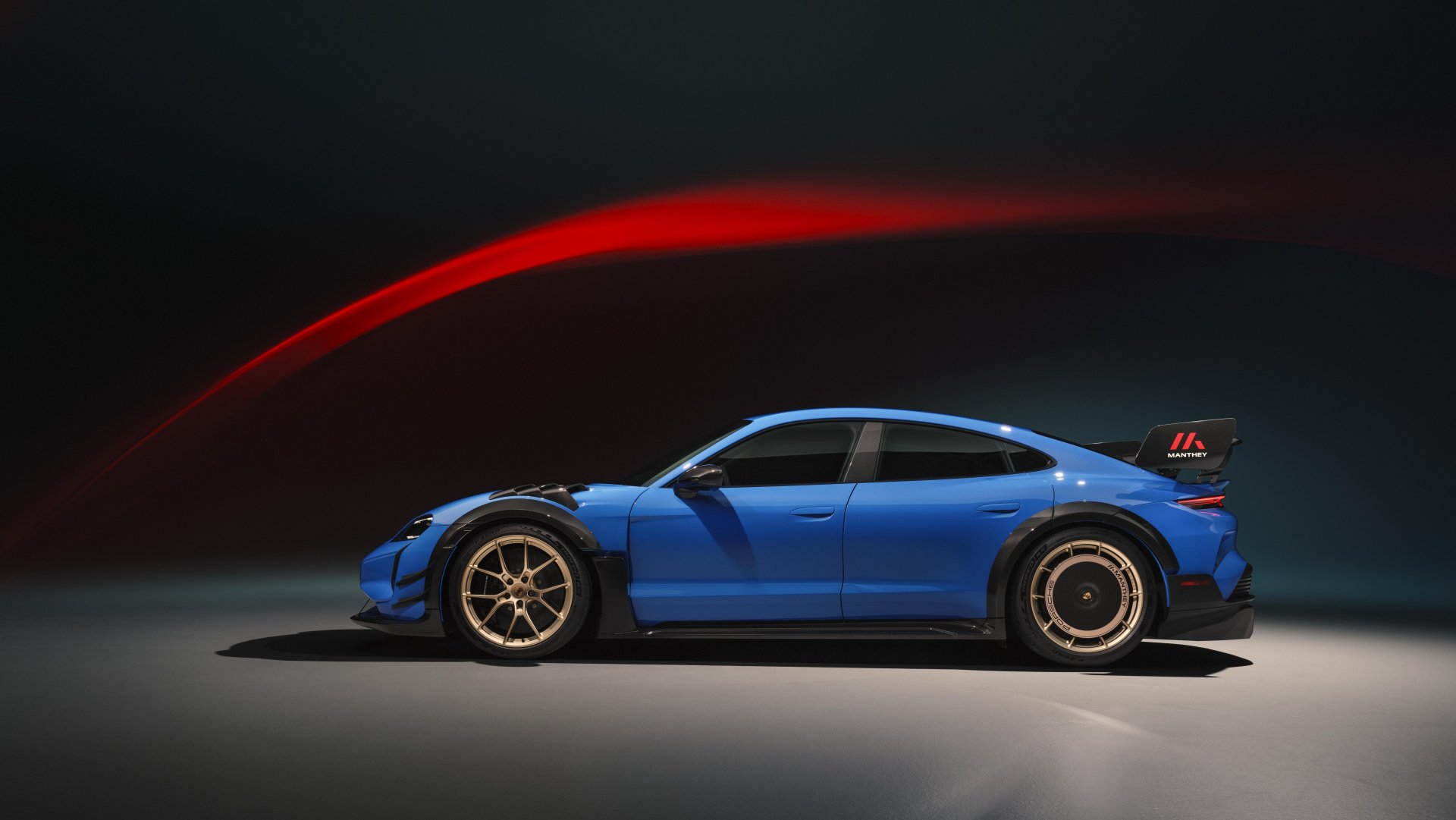
With a larger standard battery on more trims, a native NACS DC port and a more expressive E-Shift system, the updated Taycan is being reshaped for both emotional appeal and everyday EV usability in the U.S.
And that may be the most important takeaway from the entire update. The 2027 Porsche Taycan is not trying to win the EV conversation on one single metric. It is not just about range, or just about charging, or just about infotainment. Porsche is trying to build a more rounded electric sports sedan — one that charges more conveniently in North America, feels more modern inside, gives owners better visibility into battery health and, crucially, still finds a way to make the act of driving feel special.
Whether buyers embrace E-Shift as a brilliant idea or a synthetic one will depend on personal taste, but the logic behind it is hard to miss. Porsche knows that EV performance can no longer rely on silence and instant torque alone if it wants to stay emotionally compelling. By giving the Taycan more theater without walking away from the benefits of electrification, Porsche is making a broader argument about what the next phase of premium EVs should look like. Faster charging and smarter software are part of the formula. But so is the simple idea that an electric Porsche should still make you want to grab the wheel, hit the paddles and drive it for the sheer fun of it.
INTELLIGENT MOBILITY
Rivian’s R2 Has Officially Moved From Promise To Street And That Changes Everything For The Brand In America
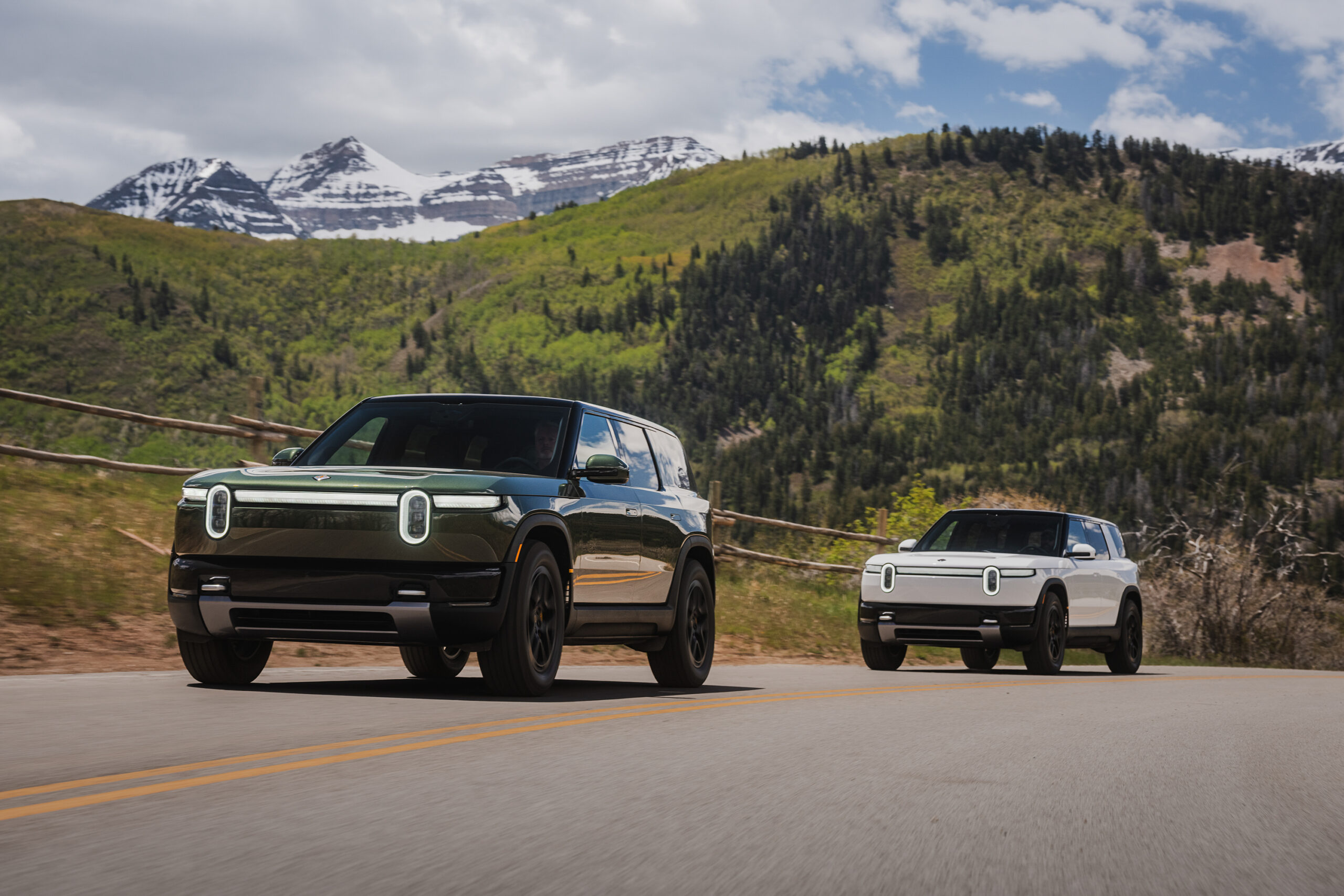
Rivian has officially begun public customer deliveries of the R2, and that makes this one of the most important moments in the company’s history since the launch of the R1T and R1S. The headline is simple enough: the all-new mid-size electric SUV is now reaching its first real customers, and Rivian has also started opening order invitations for existing reservation holders. But the significance of the moment goes much deeper than that. The Rivian R2 is not just another product launch. It is the vehicle that has to take Rivian from a niche premium EV maker with strong brand cachet into a much broader, more scalable player in the American market.
That is why this milestone matters so much. The R2 is the model designed to bring Rivian’s design language, software experience and adventure-focused identity to a significantly larger audience than the pricier R1T and R1S ever could. It sits in a much more mainstream part of the market, it starts at a meaningfully lower price point, and it has been engineered to become the foundation for Rivian’s next phase of volume growth in the U.S. If the company wants to prove it can move beyond being one of the EV industry’s most interesting boutique brands and become a durable long-term force, the Rivian R2 is the product that has to make that happen.
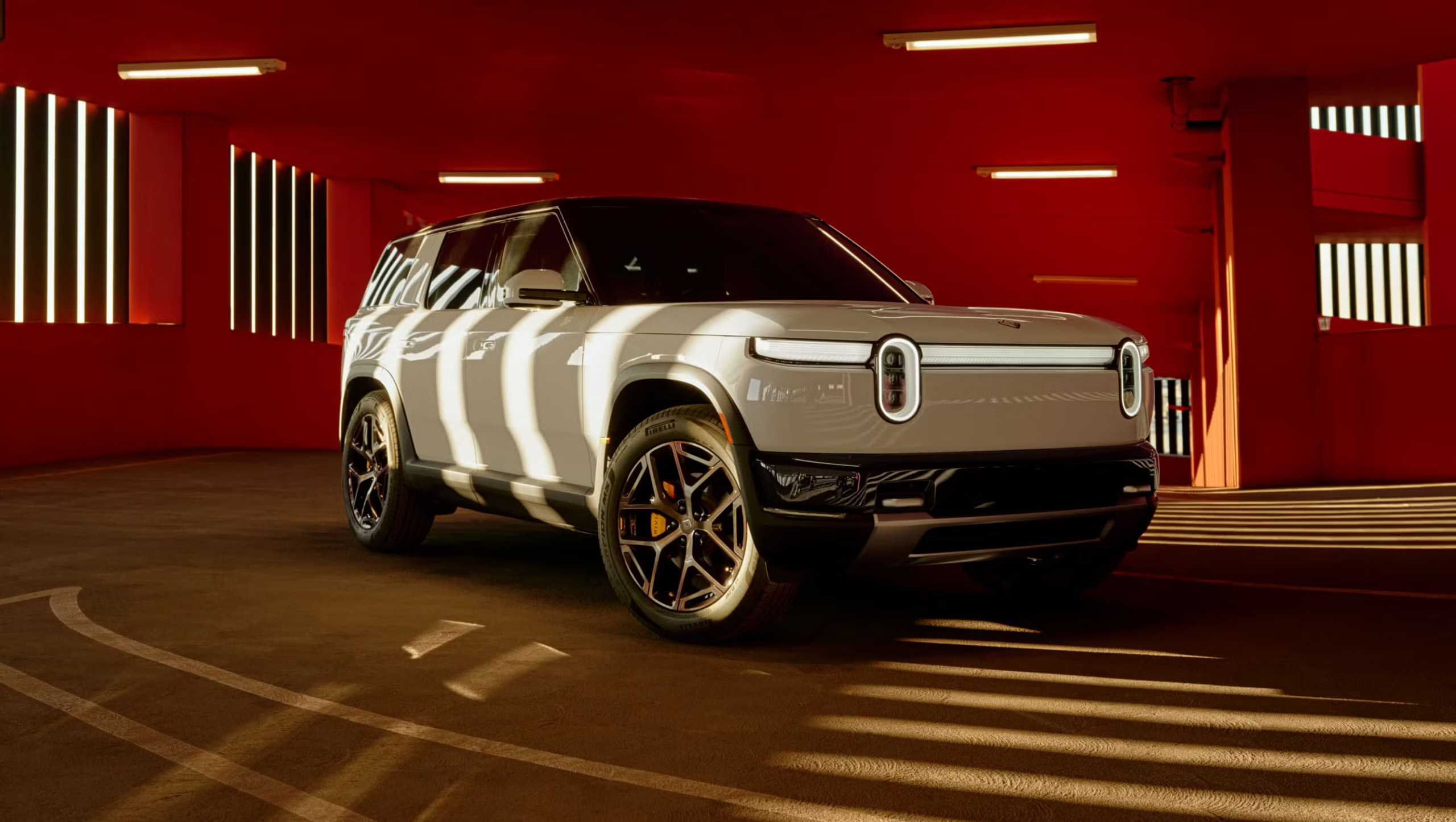
Public deliveries of the Rivian R2 have officially begun, turning the company’s most important next-generation EV from a promise into a real product on American roads.
Rivian Is No Longer Selling The Idea Of The R2: It Is Finally Delivering It
That shift from concept to customer driveway is the real story.
Rivian first unveiled the R2 in March 2024 as the model that would help bring the brand’s design, technology and off-road character to a broader audience. Since then, the SUV has carried enormous strategic weight. It has been discussed as Rivian’s volume play, its pricing bridge to a larger customer base, and its best chance to compete in the heart of the American electric SUV market rather than at the premium fringes. Now, with public customer deliveries officially underway, the conversation changes. Rivian is no longer asking people to imagine what the R2 could mean. It is finally putting the vehicle into the hands of paying buyers.
That matters because there is a big difference between unveiling a promising EV and actually delivering it at scale. The EV market is full of brands that looked compelling on paper but struggled once the conversation shifted from prototypes and reservation numbers to manufacturing, pricing discipline, logistics and customer handoff. By beginning external deliveries of the Rivian R2, the company has crossed into the part of the story that actually decides whether the model can fulfill its promise.
The Rivian R2 Is The Vehicle That Has To Expand The Brand Beyond The R1 Crowd
The R1T and R1S established Rivian’s identity. The R2 has to broaden it.
That is a crucial distinction. Rivian’s first-generation products helped the company build a strong brand image around rugged design, EV capability, premium software integration and a certain outdoorsy, lifestyle-driven cool factor. But they also lived in a relatively expensive space. The R2 is designed to reach a much wider part of the market, and that is exactly why it matters so much more commercially. Rivian needs a vehicle that can attract customers who like the company’s ethos but were never going to spend R1 money.
On paper, the Rivian R2 looks built for that role. It is a mid-size electric SUV rather than a full-size adventure truck or a larger premium SUV. It uses a new platform engineered for a lower price point. And it enters a part of the U.S. market where there is much more room to grow if Rivian can execute properly. This is not the halo product designed to show what the brand can do at its most ambitious. It is the model designed to turn Rivian into a more mainstream EV player without stripping away what makes the brand feel distinct in the first place.
Rivian Is Launching The R2 In A Way That Feels Deliberately Premium, Even If The Goal Is Greater Scale
The first version available tells you a lot about Rivian’s strategy.
Public deliveries begin with the R2 Performance with Launch Package, which starts at $57,990 in the U.S. and serves as the top-spec launch configuration. That means Rivian is not opening the R2 story with its most affordable trim. It is starting with the most powerful, most feature-rich version — a familiar tactic in the EV world, but one that also makes sense for a company still trying to protect margins and maintain a premium image even as it expands.
The numbers are strong enough to support that positioning. The R2 Performance delivers 656 horsepower, 609 lb-ft of torque, a 0–60 mph time as quick as 3.6 seconds and an EPA-estimated range of up to 330 miles. It also brings semi-active suspension, dual-motor all-wheel drive, a tow package with 4,400 pounds of towing capacity, and a package of premium cabin and technology features designed to keep the R2 feeling like a Rivian first and a “smaller, cheaper model” second.
That is an important point. Rivian is trying to make the R2 more accessible than the R1 family, but it is not trying to turn it into a stripped-down EV crossover that abandons the brand’s personality. The launch strategy suggests Rivian still wants the R2 to feel aspirational, design-led and capability-focused — just in a package that opens the door to many more buyers.
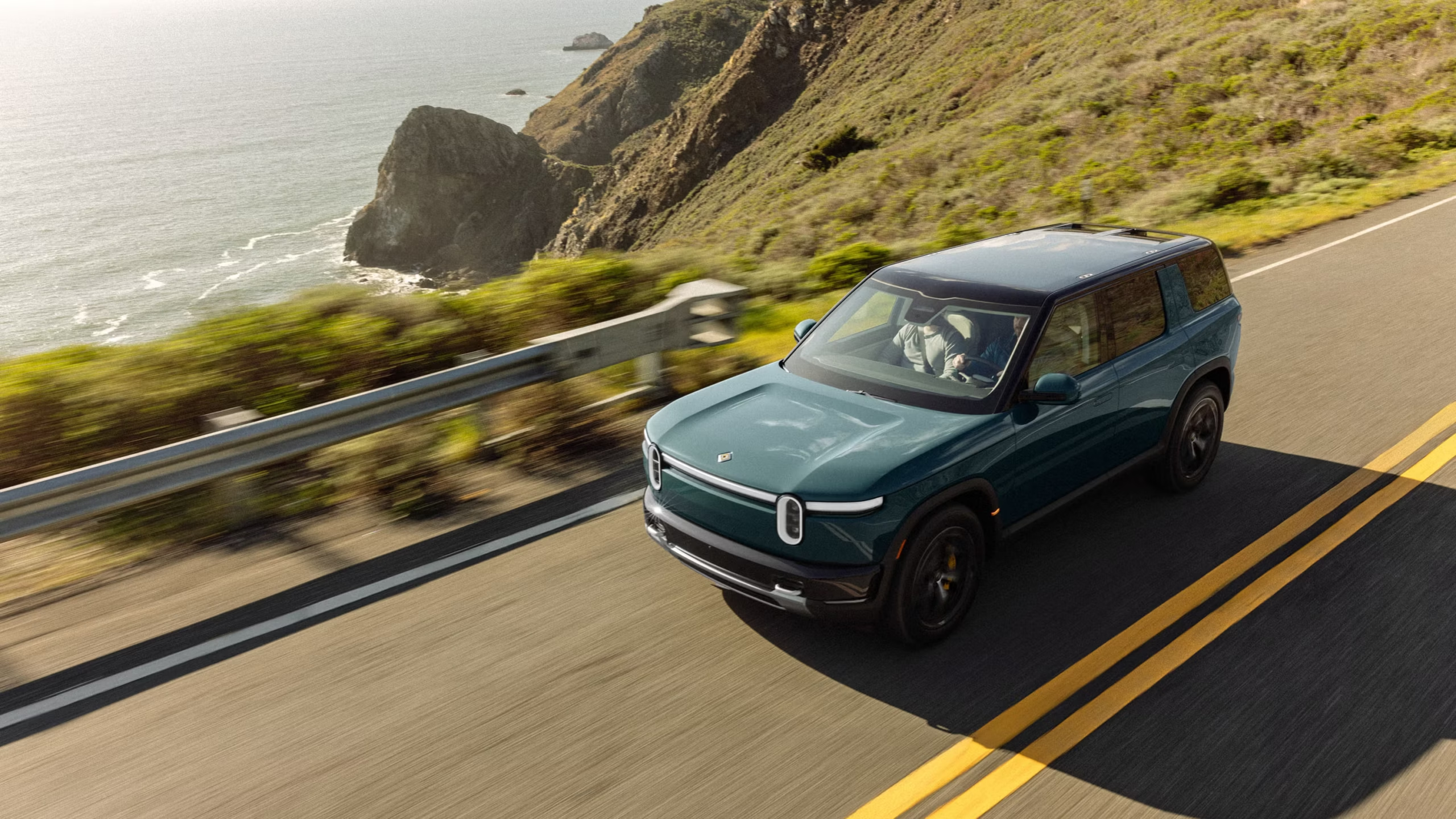
Rivian is starting R2 deliveries with the high-spec Performance Launch Package, signaling that the brand wants scale without giving up its premium identity.
The Real Importance Of The R2 Is That It Puts Rivian In A Much Bigger Part Of The U.S. EV Market
This is where the Rivian R2 becomes more than just a new model.
The American EV market does not only need six-figure trucks or expensive flagship SUVs. It needs products that sit closer to the center of the market — vehicles that are still aspirational and technologically advanced, but priced and sized to appeal to a broader group of buyers. That is exactly the space Rivian is targeting with the R2. It is smaller than the R1S, more approachable in price, and far better positioned to compete for customers who might otherwise be looking at a Tesla Model Y, a future mid-size electric SUV from legacy brands, or even a well-equipped hybrid crossover while waiting to see how the EV market settles.
That does not mean the R2 is cheap or mass-market in the traditional sense. It still carries a Rivian identity, and its initial pricing keeps it well above the bargain end of the segment. But it represents a much more scalable opportunity than anything Rivian has offered before. If the R1 family established the company’s credibility, the R2 is the vehicle that could establish its volume relevance.
There is also a timing factor here. Rivian is beginning deliveries at a moment when the EV market in the U.S. has become more demanding. Consumers are more price-sensitive, interest rates remain a factor, and buyers are no longer rewarding every EV startup simply for existing. That means the R2 cannot rely on novelty alone. It has to justify itself as a genuinely compelling product in a market that is already much tougher than the one Rivian entered with the R1T.
Rivian’s Software, Autonomy And Cabin Experience Are A Huge Part Of The R2 Pitch
The R2 is not just supposed to be a smaller Rivian. It is supposed to be a more scalable Rivian built around the company’s core software strengths.
That is why Rivian has packed the R2 with many of the ingredients it believes will define its future: a vertically integrated electrical architecture, over-the-air updates, a new infotainment stack, haptic steering-wheel controls, dual digital displays and a more advanced autonomy hardware platform. Rivian says the R2 includes 11 HDR cameras totaling 65 megapixels, a five-radar system, and the hardware foundation for Autonomy+, its hands-free assisted-driving platform across 3.5 million miles of roads in the U.S. and Canada.
That matters because Rivian increasingly wants to be understood not just as an EV manufacturer, but as a software-defined vehicle company. The R2 is one of the clearest expressions of that ambition so far. It is designed to evolve over time, to gain new features via software, and to offer a digital experience that feels native to the vehicle rather than bolted on from a supplier menu. In a market where more and more EVs are competing on screens, connectivity and driver-assistance capability as much as on battery size, that could be one of Rivian’s most valuable differentiators.
The Reservation And Ordering Process Shows Rivian Is Trying To Manage Demand Carefully
Rivian is also being deliberate about how it opens the order pipeline.
Existing R2 reservation holders are receiving order invitations in rolling batches rather than all at once, with timing influenced by factors such as reservation date and delivery location. Current Rivian owners are also getting accelerated timing in some cases, while the company says all reservation holders should receive an estimate for their order invitation timing by the end of June. Once invited, customers can configure their trim, wheels, color and interior directly through their Rivian account.
That is a smart approach for a brand in Rivian’s position. The company wants the R2 rollout to feel exciting, but it also needs to keep customer expectations aligned with actual production and delivery capacity. Managing reservation holders in waves helps Rivian avoid the kind of chaos that can happen when demand, supply and communication all move at different speeds.
It also reinforces the idea that the R2 is entering a very different phase. This is no longer a product that exists mainly in teaser images and speculative pricing charts. It is becoming a real production vehicle with real queue management, real handoffs and real customers waiting for delivery windows.
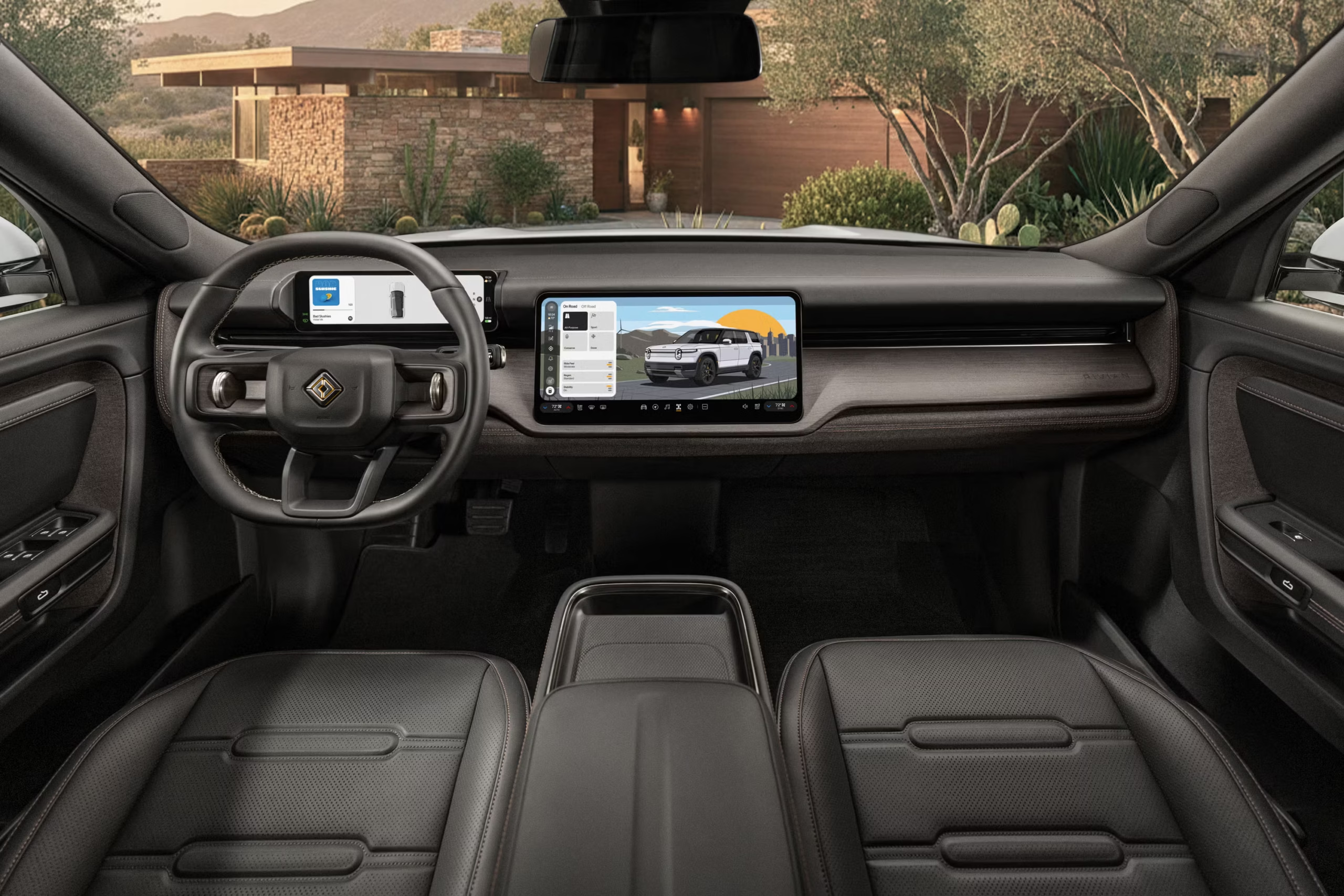
The R2 is central to Rivian’s software-defined vehicle strategy, pairing a more accessible price point with advanced driver-assistance hardware, dual displays and OTA-ready architecture.
Rivian Needs The R2 To Be More Than Popular It Needs It To Be Foundational
That is the part of the story that makes this launch so important.
Rivian does not simply need the R2 to be well-reviewed or socially popular. It needs it to become a true foundation for the company’s next stage of growth. The R2 has to help broaden the customer base, support production expansion, improve Rivian’s long-term business mix and create a stronger bridge to the future vehicles and platforms the company still wants to build.
That future is already taking shape around the R2. Rivian has made clear that its Normal, Illinois plant is producing the SUV now, while a second facility in Georgia is expected to add substantial capacity later in the decade. Rivian has even increased the planned initial production capacity of the Georgia site to 300,000 units annually in its first phase, underscoring how central the company believes its mid-size platform will become.
This is why the R2 cannot be viewed as a side project or simply a “smaller R1.” It is the vehicle around which Rivian is trying to build a much more durable industrial story in America. That story includes higher production volumes, a broader product base, deeper software monetization and, eventually, a more stable long-term business than one built only around premium adventure vehicles.
The R2 Could End Up Being The Car That Decides What Rivian Actually Becomes
The R1T and R1S made Rivian interesting. The R2 may be the model that decides what the company actually becomes.
If the rollout goes well, the Rivian R2 could become the vehicle that turns Rivian from a highly admired EV startup into a more complete American automaker with real scale. It has the right format for that: a mid-size SUV, a lower price point than the R1 family, a strong tech story, and enough Rivian character to avoid becoming generic. It also arrives at a moment when buyers are more demanding and the EV market is less forgiving, which means success will matter even more because it will have been earned in a tougher environment.
That is why the start of public deliveries matters so much. It marks the moment when the R2 stops being Rivian’s future plan and starts becoming Rivian’s real-world test. Can the company take its brand beyond early adopters? Can it scale without losing its identity? Can it turn software, design and EV capability into a broader commercial success? The answers will not come in a single delivery event, but the process has now officially begun.
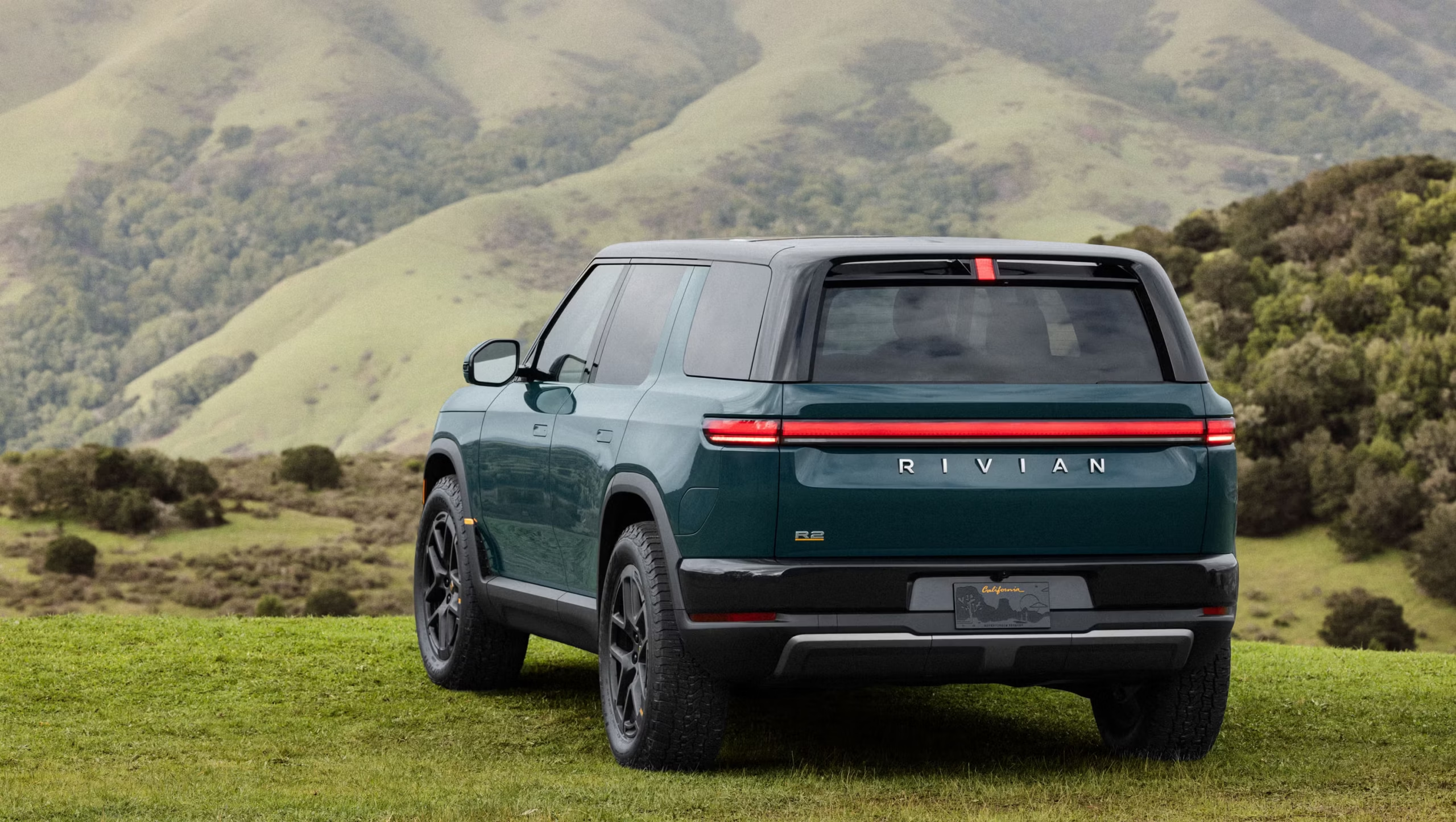
The R2 is more than a new electric SUV for Rivian: it is the model that has to carry the brand from premium niche player toward much broader relevance in the U.S. market.
And that is why this moment feels bigger than a normal launch. Rivian is not simply handing over keys to another new EV. It is beginning the rollout of the vehicle that has to prove the brand can translate admiration into scale. The R2 has the design, the specs and the software story to make that possible, but public deliveries are where those ideas stop being theoretical and start meeting the realities of manufacturing, customer expectations and a highly competitive U.S. market.
If the Rivian R2 succeeds, it will do more than add another SUV to the brand’s lineup. It will become the product that gave Rivian a credible path to grow beyond the boutique phase of its life and into something much larger. For a company still trying to define its long-term place in the American EV landscape, there may not be a more important vehicle on sale right now.
INTELLIGENT MOBILITY
Hyundai’s New Pleos Connect System Is About Much More Than Screens — It’s The Software Foundation Of Its Next-Generation Cars
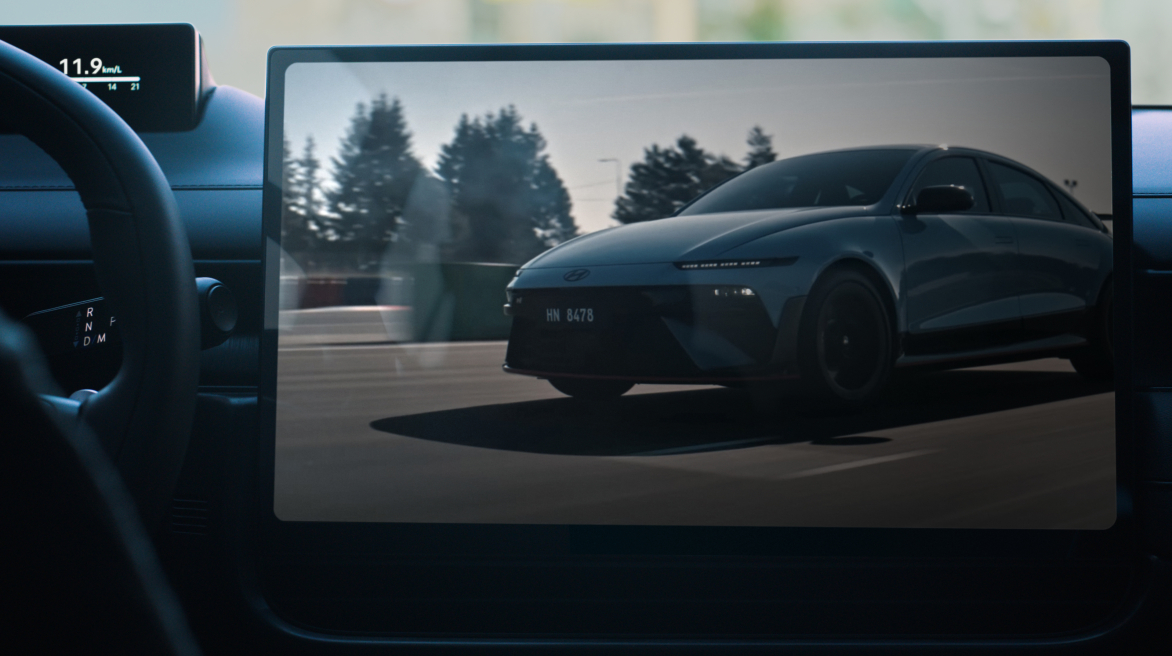
Hyundai Motor Group has unveiled Pleos Connect as its next-generation infotainment system, but reducing it to “a new screen interface” would miss the real story entirely. What Hyundai, Kia and Genesis are building here is not just a cleaner dashboard or a smarter navigation menu. Pleos Connect is one of the first major visible pieces of Hyundai Motor Group’s broader attempt to turn the car into a software-defined platform — one where navigation, voice AI, app ecosystems, over-the-air upgrades and in-vehicle services become just as important as horsepower, battery size or suspension tuning.
That is what makes Pleos Connect such a meaningful launch. Hyundai is not simply refreshing its infotainment stack. It is trying to redesign the entire in-car experience around software, data and AI, while also laying the groundwork for a future in which Hyundai, Kia and Genesis vehicles behave much more like connected digital platforms than traditional cars with a touchscreen bolted onto the dashboard. And if the company reaches its target of putting Pleos Connect into around 20 million vehicles by 2030, this will quickly become one of the most important software rollouts in the global automotive industry.
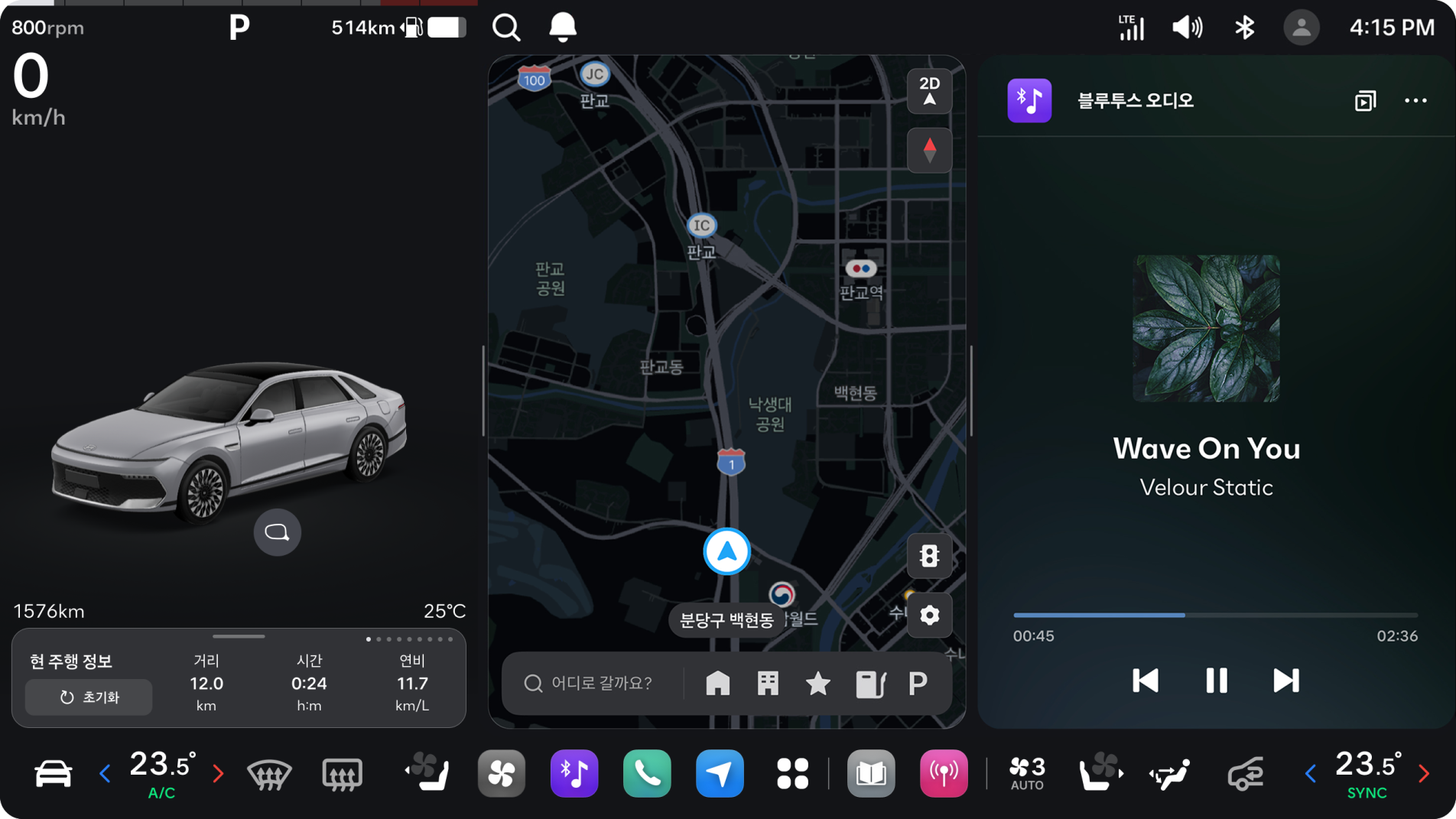
Pleos Connect is Hyundai Motor Group’s next-generation infotainment system, but its real significance lies in how it anchors the company’s shift toward software-defined vehicles.
Pleos Connect Is Hyundai’s Clearest Step Yet Toward A Software-Defined Vehicle Future
The most important thing to understand about Pleos Connect is that Hyundai Motor Group does not see it as a normal infotainment update. It sees it as an operating layer for the next phase of the car.
The system has been introduced as one of the first major production-facing steps in the Group’s software-defined vehicle transition, which immediately tells you where the emphasis is. This is not just about adding prettier graphics or faster menu animations. Hyundai is building Pleos Connect around three broader ideas — intuitiveness, safety and openness — with the goal of creating a scalable in-car platform that can evolve continuously through over-the-air updates, AI services and third-party applications.
That matters because the modern car is increasingly becoming a software product as much as a mechanical one. Automakers no longer compete only on engines, design or ride quality. They also compete on how naturally the car integrates digital services, how quickly it can gain new functions after purchase and how effectively it turns the cockpit into a connected environment rather than a static hardware package. In that sense, Pleos Connect is Hyundai Motor Group’s attempt to make sure it does not fall behind in the race to define the software side of the ownership experience.
Hyundai Wants Pleos Connect To Feel More Like A Smart Device Than A Traditional Infotainment System
That philosophy is visible in the layout of the system itself.
Rather than building the interface around a traditional car-first logic, Hyundai has designed Pleos Connect to feel more familiar to users who already live through phones, tablets and app ecosystems. The cockpit combines a large central display with a slim forward display positioned in front of the driver, and the overall UX has been shaped to reduce complexity, keep core information visible and make the interface behave more like a modern mobile environment than a conventional automotive menu structure.
The central screen is divided into three functional areas: a driving information zone that displays essentials such as speed, warning lights and visualizations of surrounding objects; an app area for navigation, media and third-party services; and a bottom bar that allows one-touch access to recently used or pinned apps. Hyundai also supports single-screen and split-screen layouts, which means drivers can keep navigation visible while using audio, apps or other connected functions at the same time.
That may sound like a UI detail, but it actually matters a lot. One of the biggest problems with many current infotainment systems is that they try to look modern while still behaving like layered, confusing menu trees. Pleos Connect appears to be Hyundai’s answer to that problem: a system designed to feel lighter, more configurable and more aligned with the way people already interact with digital devices outside the car.
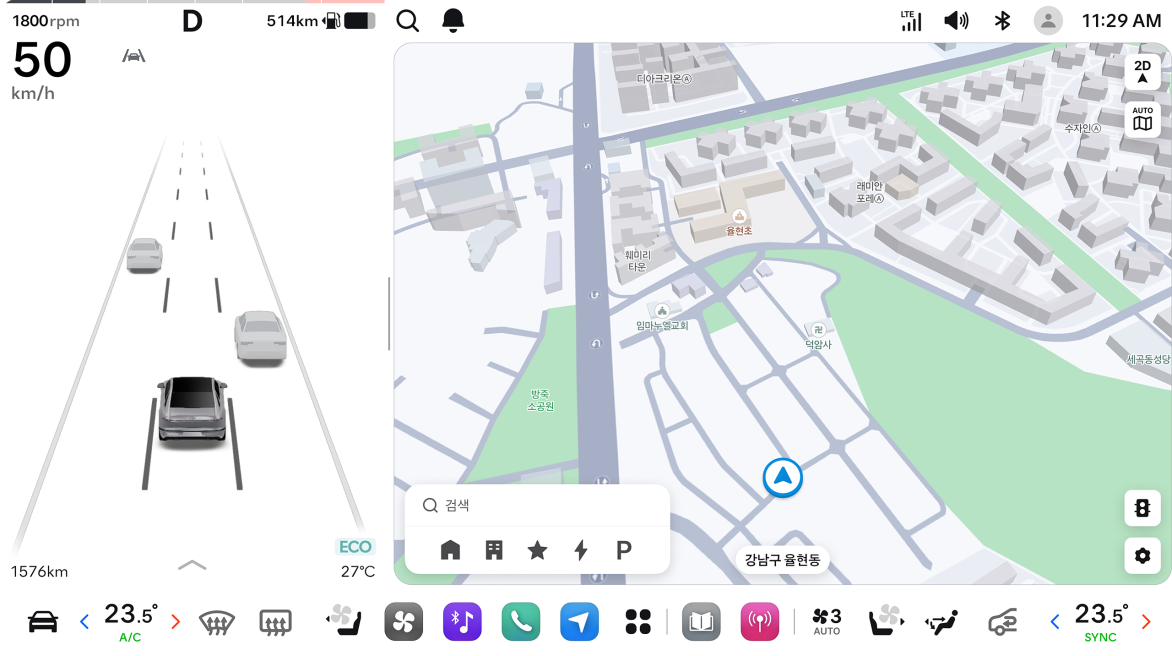
Hyundai designed Pleos Connect to feel closer to a mobile-device environment, with configurable layouts, app-based functionality and a cleaner digital interface.
Pleos Connect Is Also Hyundai’s Answer To The “Too Much Screen, Not Enough Usability” Problem
This is where the system gets more interesting than a typical infotainment launch.
A lot of new in-car interfaces promise modernity by removing buttons and moving everything into a giant touchscreen, but that often makes the car harder to use rather than easier. Hyundai appears to understand that problem, because Pleos Connect does not go all-in on touchscreen minimalism. Instead, it deliberately mixes touch controls with physical buttons on the steering wheel and below the main display, creating a layout that still allows quick access to key functions without forcing the driver to dig through menus for everything.
That is a smart move, because one of the biggest debates in the industry right now is whether automakers have gone too far in replacing tactile controls with digital interfaces that look futuristic but create distraction. Hyundai’s approach suggests it wants the software-defined cockpit without fully sacrificing usability. Even small interaction details, such as the three-finger gesture used to reposition or close app windows, show that the company is trying to think of the car interface more like a multitasking digital workspace than a fixed in-dash media screen.
In other words, Pleos Connect is not just about having more technology in the cabin. It is about organizing that technology in a way that feels more natural and less cognitively messy than what many rivals are currently offering.
Navigation And Gleo AI Show Hyundai Wants Software To Be A Core Driving Tool, Not Just A Convenience Layer
The deeper significance of Pleos Connect becomes even clearer when you look at what sits underneath the interface.
Hyundai has rebuilt navigation around real-time traffic data, online maps, configurable layouts and floating cards for route and ETA information, all with the goal of making route guidance more flexible and less visually cluttered. But the bigger leap comes from the integration of Gleo AI, the Group’s large-language-model-based voice assistant.
This is one of the most important pieces of the entire system. Gleo AI is designed to handle natural-language commands, understand contextual prompts, manage multiple requests at once and perform tasks that go well beyond changing a radio station or entering a destination. Hyundai says it can help control vehicle functions, answer broader information queries, support route planning and eventually evolve toward more personalized services based on driver behavior and preferences.
That is a big deal because it shows Hyundai is not treating AI as a marketing add-on. It wants Pleos Connect to become the interface through which the vehicle, the driver and a wider ecosystem of services all communicate. If that works well in the real world, it could fundamentally change how owners interact with Hyundai, Kia and Genesis products — not just by making them easier to use, but by making them feel more alive, adaptive and connected over time.
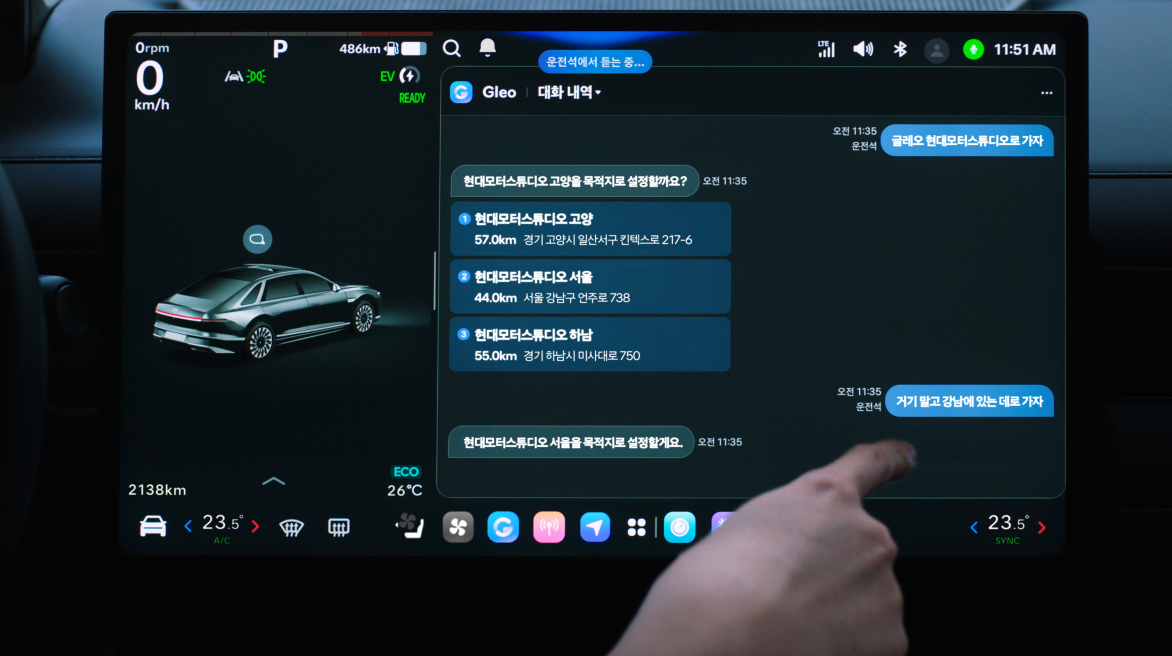
Gleo AI is one of the most important parts of Pleos Connect, turning the system from a touchscreen interface into a broader software and voice-based mobility platform.
The Open App Market May Be The Most Ambitious Part Of The Entire Pleos Connect Strategy
This is the part that pushes Pleos Connect beyond a normal OEM infotainment system and into something much more ambitious.
Hyundai Motor Group is introducing an App Market as part of the platform, opening the door to third-party services for media, video, web browsing and other in-car applications. The idea is to extend the mobile ecosystem into the vehicle rather than forcing users to live inside a closed automotive software bubble. Hyundai has also tied that strategy to Pleos Playground, a developer platform designed to give external partners and software creators the tools to build services for the ecosystem.
That matters because software-defined vehicles only become truly interesting when they stop being static. A closed infotainment system can still feel outdated within a few years, even if the hardware is decent. But a platform that supports new apps, evolving AI services, OTA upgrades and outside developer participation has a much better chance of staying relevant over a longer ownership cycle.
It also creates a new business opportunity for Hyundai. If Pleos Connect becomes a widely adopted platform across Hyundai, Kia and Genesis products, it could help the Group generate value not only from vehicle sales, but also from software features, service ecosystems and long-term user engagement inside the car. That is one of the reasons this launch matters far beyond a single dashboard design.
Pleos Connect Is Really About Turning Hyundai’s Cars Into Long-Term Digital Products
That may be the clearest way to frame the entire story.
For decades, the traditional logic of the auto industry was simple: build the vehicle, sell it, and maybe update a few hardware features at the next facelift. But Pleos Connect is built around a different idea — one in which the car keeps evolving after delivery through software, AI services, new applications and a much deeper digital relationship between the owner and the vehicle.
That is why this launch is so important for Hyundai Motor Group’s future. The company is trying to make the in-car experience feel less like a static infotainment package and more like an adaptable digital platform that can grow over time. If it works, Pleos Connect could become one of the central pillars of Hyundai’s transition from traditional automaker to software-driven mobility company.
And that is why this system matters. Pleos Connect is not just Hyundai’s next infotainment system. It is a preview of how the Group wants its cars to behave in the years ahead: connected, updateable, app-based, voice-driven and increasingly defined by software as much as by sheetmetal.
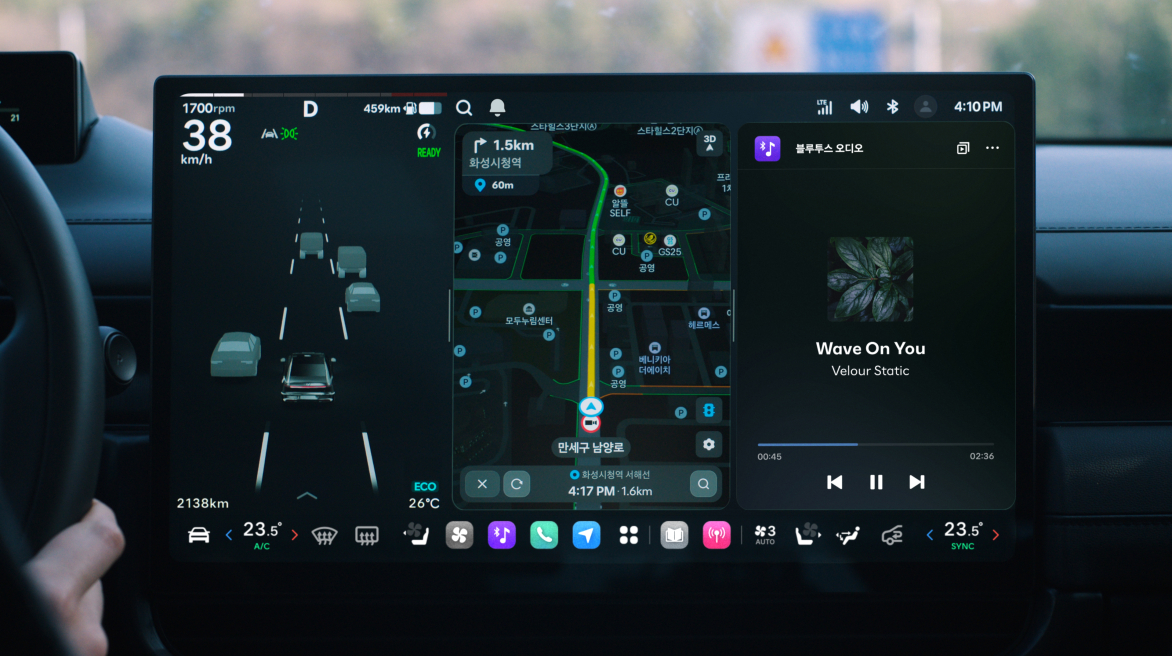
The App Market and OTA-focused architecture show that Pleos Connect is not simply a new infotainment screen, but a long-term software platform for Hyundai, Kia and Genesis vehicles.
-
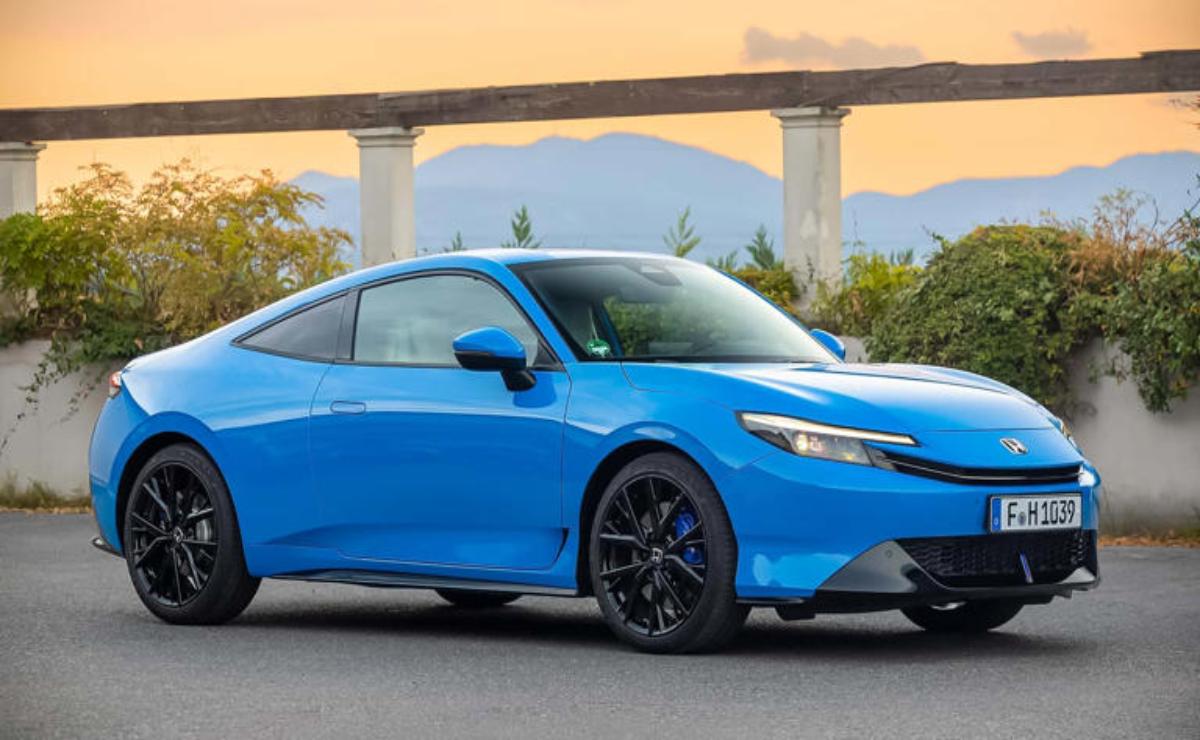 INTELLIGENT MOBILITY8 months ago
Customers Demand a Manual Honda Prelude: Will It Ever Happen?
-
 INTELLIGENT MOBILITY8 months ago
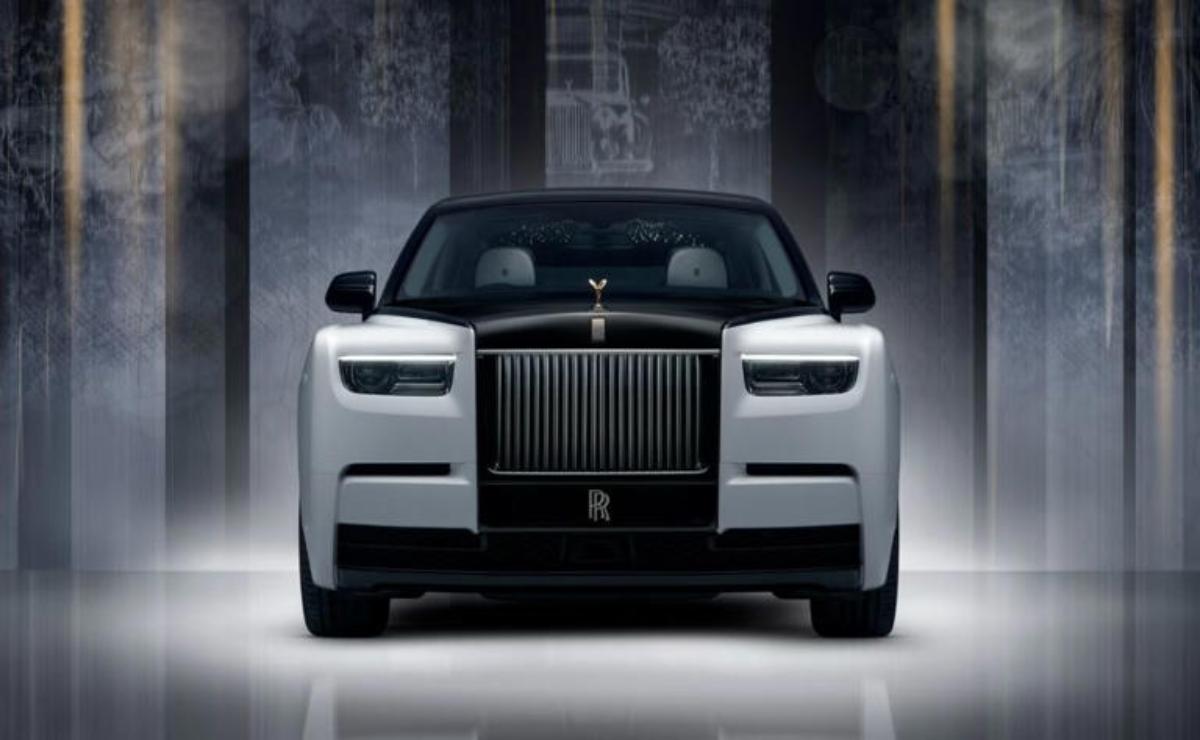
Rolls-Royce Phantom Centenary Edition: A Century of Luxury Taken to the Next Level
-
 INTELLIGENT MOBILITY8 months ago
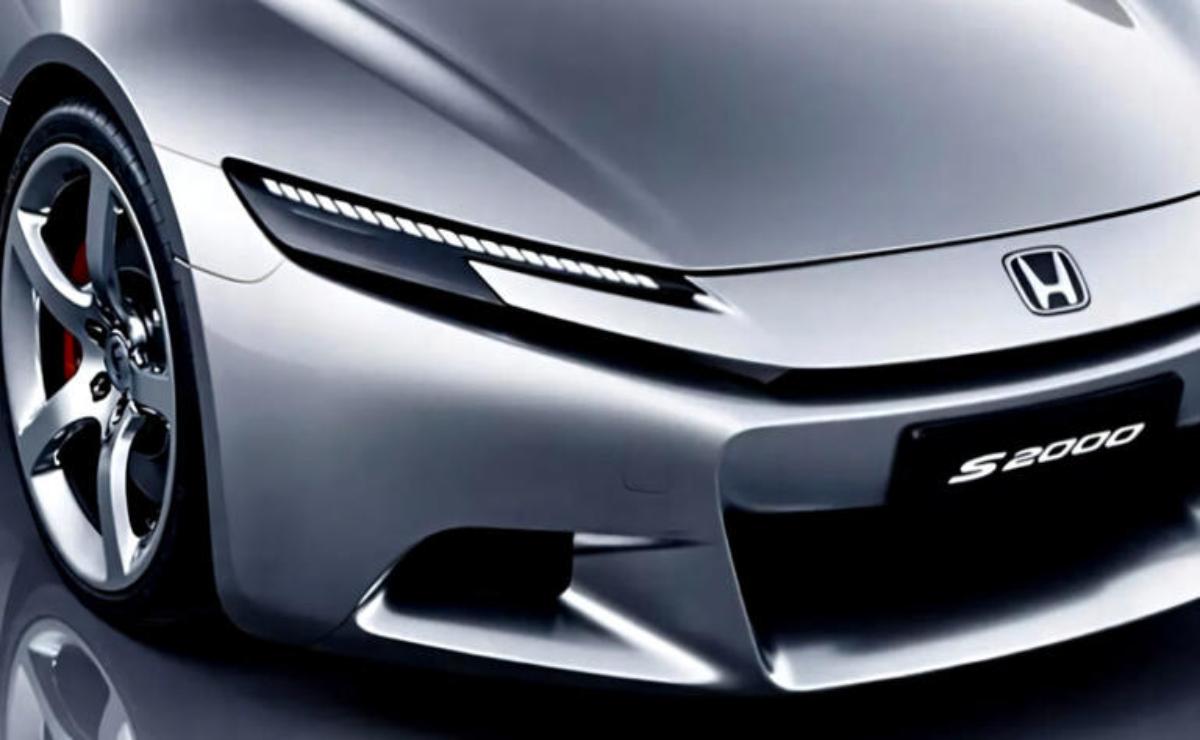
Honda S2000: The Iconic Roadster Could Return, But Challenges Remain
-
 INTELLIGENT MOBILITY8 months ago
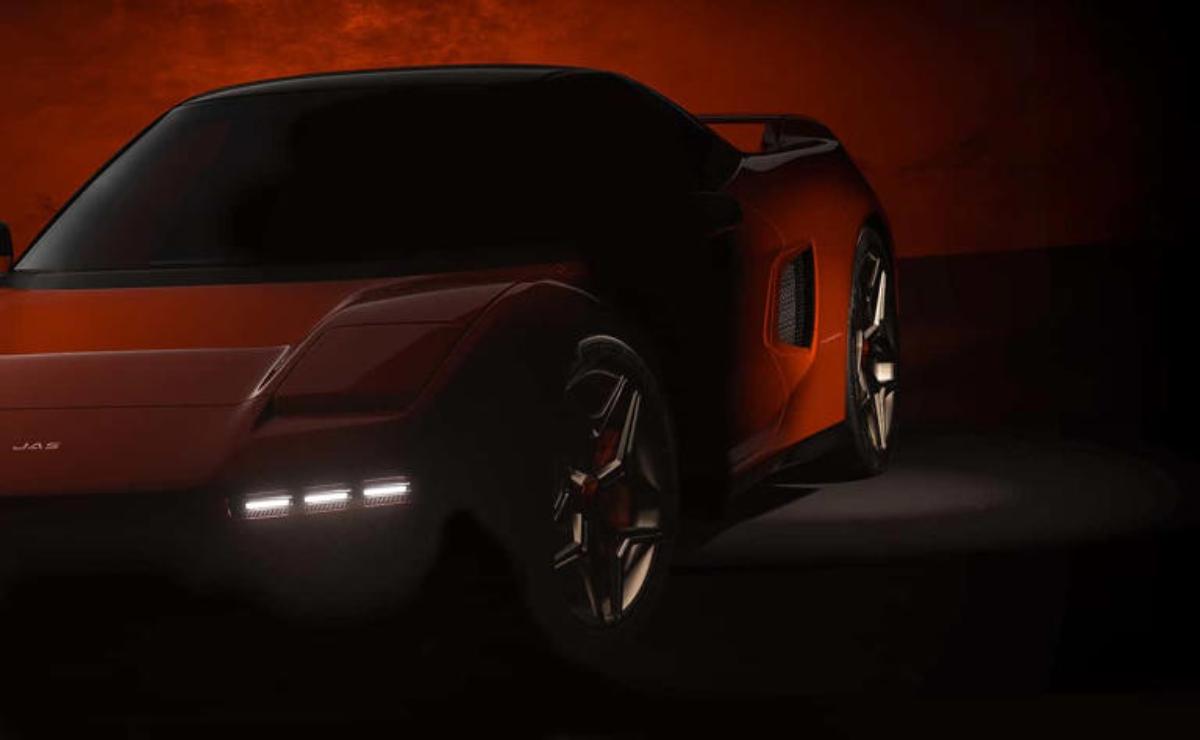
Honda NSX Reborn: Pininfarina and JAS Bring Back the V6 Legend with a Modern Twist
-
 NOW TRENDING12 years ago
Toyota Partners goes Glam with Fashion
-
 INTELLIGENT MOBILITY7 months ago
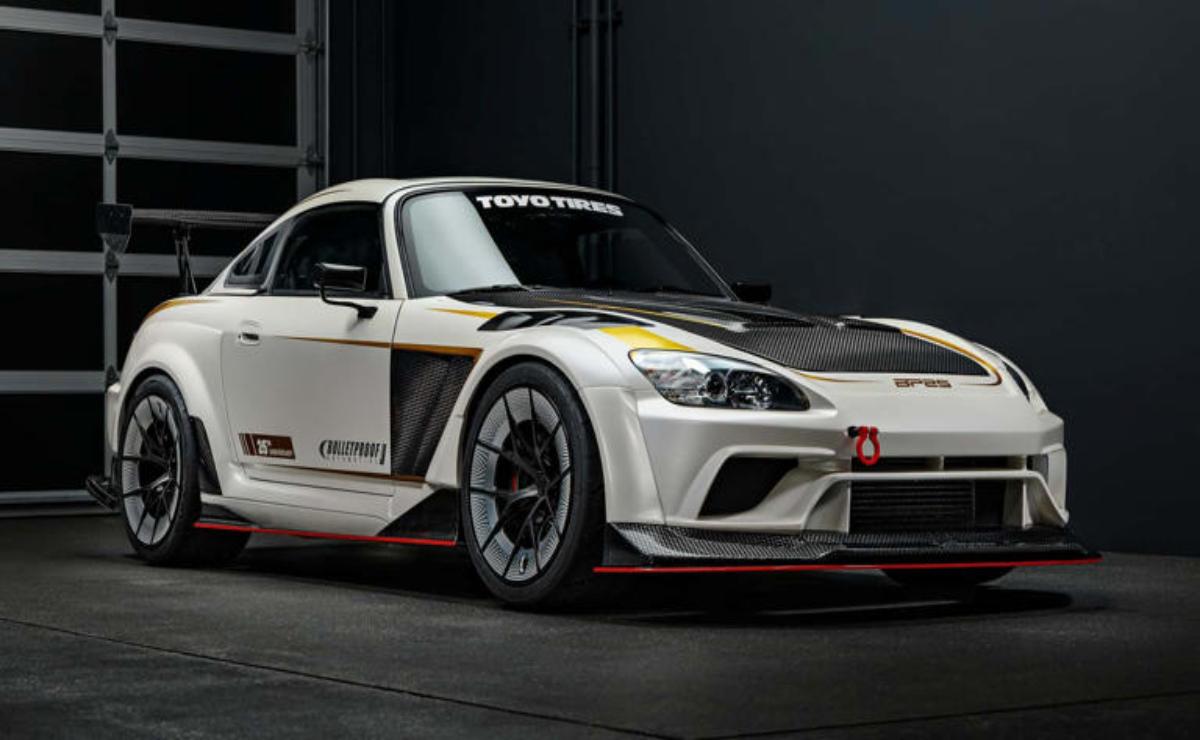
10,000 RPM Madness: The Honda S2000 Resurrected with 580 HP and a Supercharged Heart
-
 INTELLIGENT MOBILITY8 months ago
FIFA World Cup 2026: The Importance of Electric Vehicles
-
 INTELLIGENT MOBILITY8 months ago
BYD Atto 8: The New 7-Seater PHEV SUV Arrives in Mexico
You must be logged in to post a comment Login