
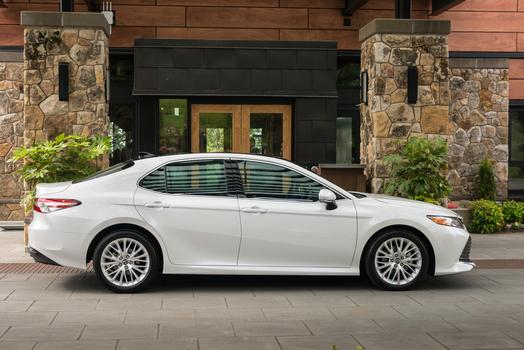
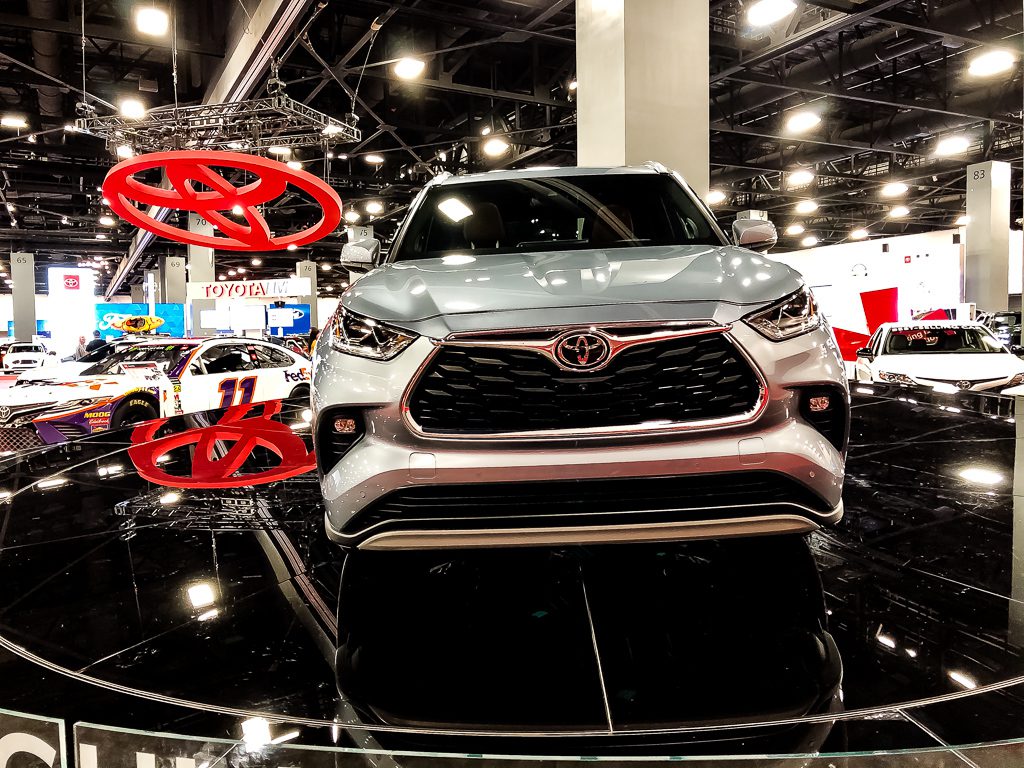
Por octavo año consecutivo, Lexus, la lujosa marca de Toyota, ocupó el primer lugar en el estudio de confiabilidad de vehÃculos del estudio del 2019 de J.D. Power, mientras la casa matriz Toyota, empató en el segundo lugar.
Porsche del Grupo Volkswagen compartió el segundo lugar y ganó el primer premio al vehÃculo más confiable de la industria: el Porsche 911.
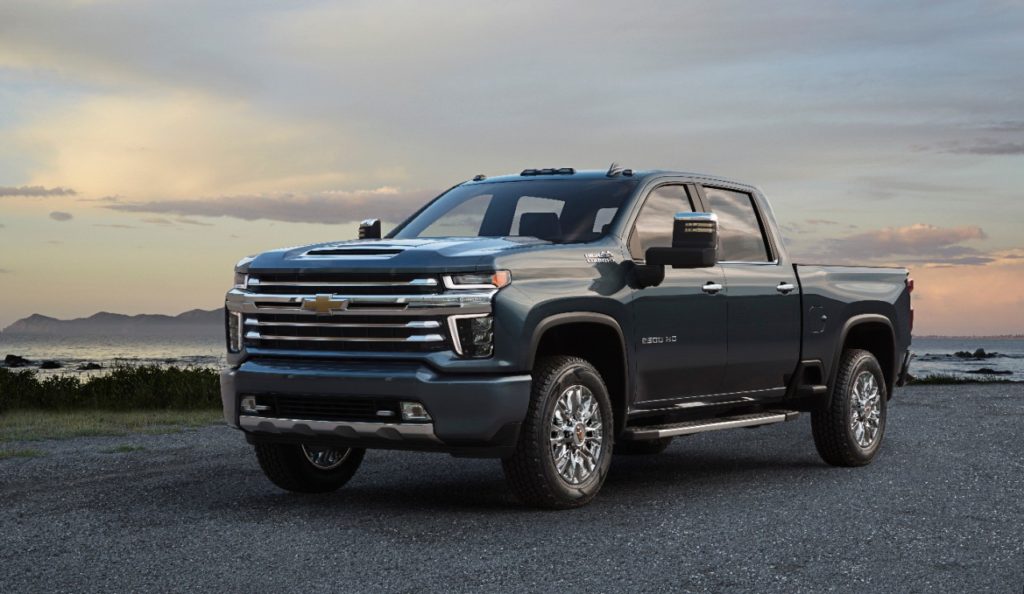
Chevrolet y Buick de GM se ubicaron en cuarto y quinto lugar, respectivamente, entre todas las marcas.
El estudio anual de J.D. Power evalúa la confiabilidad de los vehÃculos de tres años en los últimos 12 meses, lo que significa que la encuesta de este año evaluó el año modelo 2016.
La confiabilidad es un punto clave de consideración para los compradores, y por lo general se toma en cuenta los valores de reventa a largo plazo.
Audi, BMW, Mercedes-Benz y VW mostraron mejoras, ya que todas las marcas automotrices alemanas superaron el promedio de la industria por primera vez en los 30 años de historia del estudio.
La marca Fiat fue la última, como lo ha sido estos últimos años, registrando casi un 13 por ciento más de problemas que la siguiente peor marca, Land Rover, que no ha tenido vehÃculos que fueran confiables en los últimos años.
A pesar de todo, Chrysler produjo la mayor mejora de cualquier marca, por debajo del promedio de la industria, con la ayuda del minivan Pacifica.
Tesla no entro en el estudio, debido al insuficiente tamaño, pero la verdad es que la automotriz de vehÃculos eléctricos le puso restricciones a J.D. Power al no compartir los datos de sus vehÃculos.
De los 20 principales segmentos de vehÃculos rastreados por J.D. Power, Lexus, Toyota, BMW, Chevrolet y Buick fueron las únicas marcas que obtuvieron múltiples honores de vehÃculos más confiables, con dos cada uno.
Al menos tres de las marcas reconocidas en el estudio de este año han sido descontinuadas o están listas para salir de producción este año, como el Buick LaCrosse, Buick Verano y Chrysler Town & Country. Varios otros han sido rediseñados desde entonces.
El estudio, que mide la cantidad de problemas por cada 100 vehÃculos, encontró una mejora general del 4 por ciento para la industria con respecto al año anterior. Esto convierte al sector en el mejor año para la confiabilidad del vehÃculo.
“Pero no dirÃa que todo es optimista”, dijo Dave Sargent, vicepresidente de automoción global de JD Power, en un comunicado.
“Los vehÃculos son más confiables que nunca, pero los fabricantes de automóviles están lidiando con problemas como el reconocimiento de voz y la transmisión. Cambios y fallas en la baterÃa”, agrego Sargent.
Los investigadores rastrearon 177 problemas especÃficos en ocho categorÃas principales.
El promedio de la industria fue de 136 problemas por cada 100 vehÃculos.
La clasificación general de las principales marcas:
Lexus: 106
Porsche: 108
Toyota: 108
Chevrolet: 115
Buick: 118
Mini: 119
BMW: 122
Audi: 124
Hyundai: 124
Kia: 126
Infiniti: 128
Volkswagen: 131
Mercedes-Benz: 134
Subaru: 136
Nissan: 137
Chrysler: 146
Ford: 146
Honda: 146
Lincoln: 147
Mitsubishi: 158
Mazda: 159
GMC: 161
Cadillac: 166
Jeep: 167
Jaguar: 168
Acura: 171
Ram: 171
Esquivar: 178
Volvo: 204
Land Rover: 221
Fiat: 249
Los vehÃculos más confiables en cada segmento son:
Auto pequeño: Chevrolet Sonic
Auto compacto: Buick Verano
Auto deportivo compacto: MINI Cooper
VehÃculo multiusos compacto: Kia Soul
Auto compacto premium: Lexus ES
Auto mediano: Toyota Camry.
Auto deportivo mediano: Dodge Challenger.
Auto premium mediano: BMW Serie 5
Auto grande: Buick LaCrosse
SUV pequeño: Volkswagen Tiguan
SUV premium pequeño: Audi Q3
SUV compacto: Chevrolet Equinox
SUV compacto premium: BMW X3
Pick up mediana: Nissan Frontier
SUV mediano: Hyundai Santa Fe
SUV premium de tamaño mediano: Lexus GX
Minivan: Chrysler Town & Country
SUV grande: Ford Expedition
Gran pick up liviana: Toyota Tundra
Pick up grande y resistente: Chevrolet Silverado HD





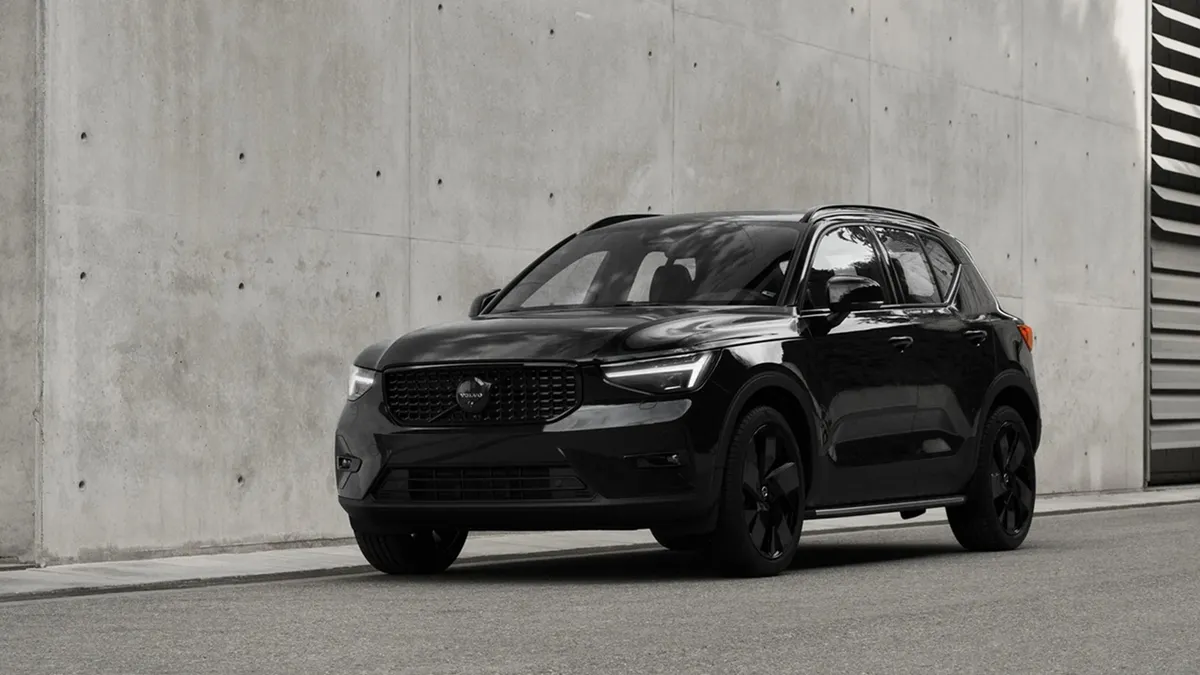
Volvo Cars is reshuffling its senior leadership, promoting Alexander Petrofski to CTO and Magnus Nilsson to chief manufacturing officer from September 1.
Alexander Petrofski Becomes Volvo’s New CTO
Petrofski, currently Volvo’s head of strategy and business ownership, will become the company’s chief technology officer, replacing Anders Bell.
He joined Volvo in 2005 and has held several positions across the company’s operations.
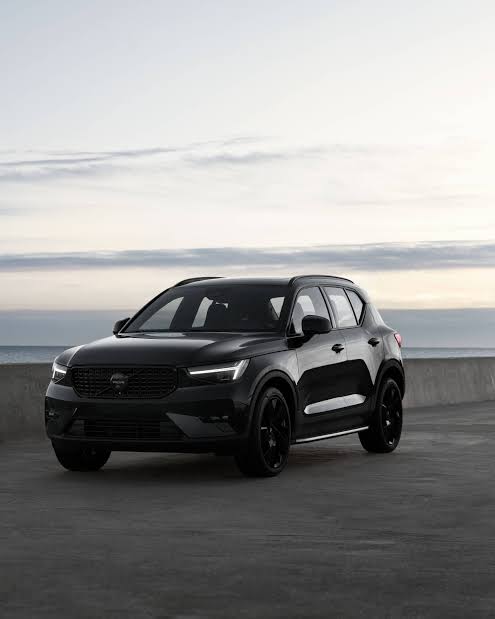
Alexander Petrofski will become Volvo Cars’ new chief technology officer on September 1.
Petrofski worked at Volvo’s Gothenburg headquarters before moving to the company’s Shanghai operation in 2011 as production line director.
In 2015, he became senior program manager for the XC40 SUV.
Bell will move into a new role leading a strategic startup initiative focused on identifying opportunities to scale Volvo’s platform and digital technology.
Magnus Nilsson Takes Over Manufacturing
Magnus Nilsson, currently head of Volvo’s Ghent production plant in Belgium, will become chief manufacturing officer.
He will oversee production and manufacturing engineering as Volvo adapts its operations to changing market conditions.
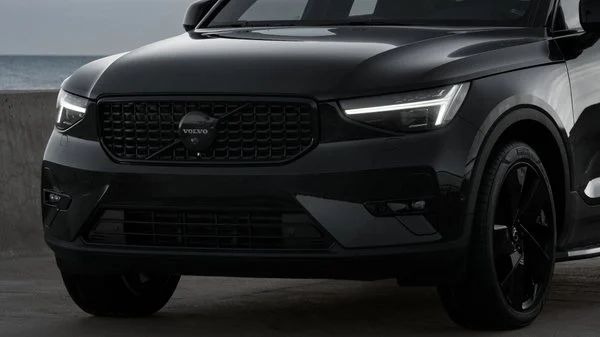
Magnus Nilsson will become Volvo Cars’ new chief manufacturing officer, overseeing production and manufacturing engineering.
The new structure is intended to strengthen Volvo’s ability to respond to a more regionalized automotive industry, faster technological change, and evolving customer expectations.
Volvo also announced that Francesca Gamboni will move into a more focused role as chief procurement and supply chain officer.
Volvo Prepares for Its Next Phase
The leadership changes come as Volvo Cars faces an industry undergoing significant changes in technology, manufacturing, and customer expectations.

Volvo is reshaping its leadership team as it prepares for the next stage of its business and technology strategy.
CEO Håkan Samuelsson said the changes are designed to reflect Volvo’s future priorities and enable faster execution.
The company is therefore placing greater emphasis on technology, manufacturing capabilities, and supply-chain management as it prepares for its next phase.
For Volvo Cars leadership, the reshuffle puts experienced executives into roles that will be central to the automaker’s future strategy.
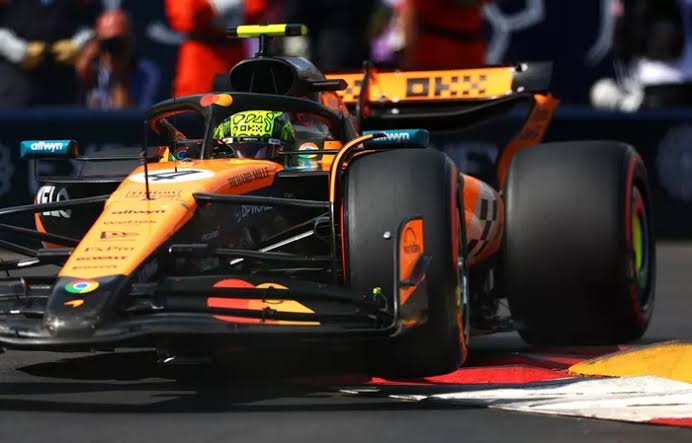
McLaren says its appeal against the Monaco Grand Prix result is aimed at protecting sporting integrity while also recovering points lost from Oscar Piastri’s penalty.
Why McLaren challenged the Monaco result
Several drivers were penalized during the Monaco Grand Prix for allegedly exceeding the pit-lane speed limit.
Among them were Oscar Piastri and Pierre Gasly.
It was later discovered that the timing loop used to calculate the speed at the entrance to Monaco’s pit lane had produced false positives.
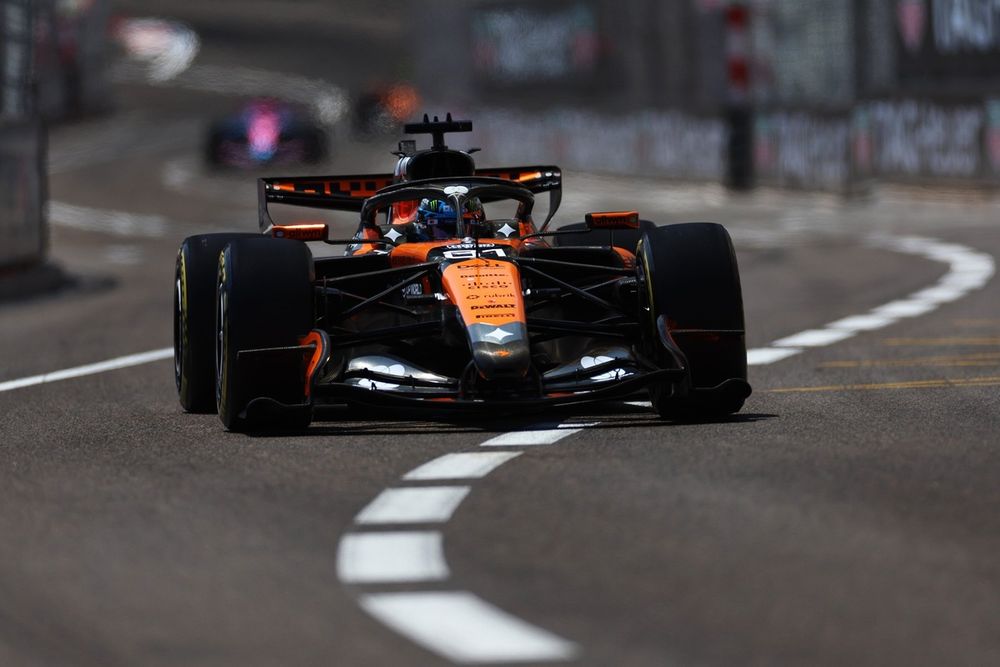
Oscar Piastri was among the drivers penalized for an alleged pit-lane speeding infringement at Monaco.
Most drivers had already served their penalties during the race.
Gasly was different. The Alpine driver received two five-second penalties after the race, dropping him from third to seventh.
Alpine subsequently requested a right of review, and the stewards overturned both penalties, restoring Gasly to the podium.
That decision also changed the positions of Isack Hadjar and Piastri.
McLaren says the process was unfair
McLaren and Red Bull subsequently launched appeals because they questioned why Gasly was able to have his penalties removed while other drivers did not receive the same opportunity.
Stella says this is the central issue behind McLaren’s appeal.
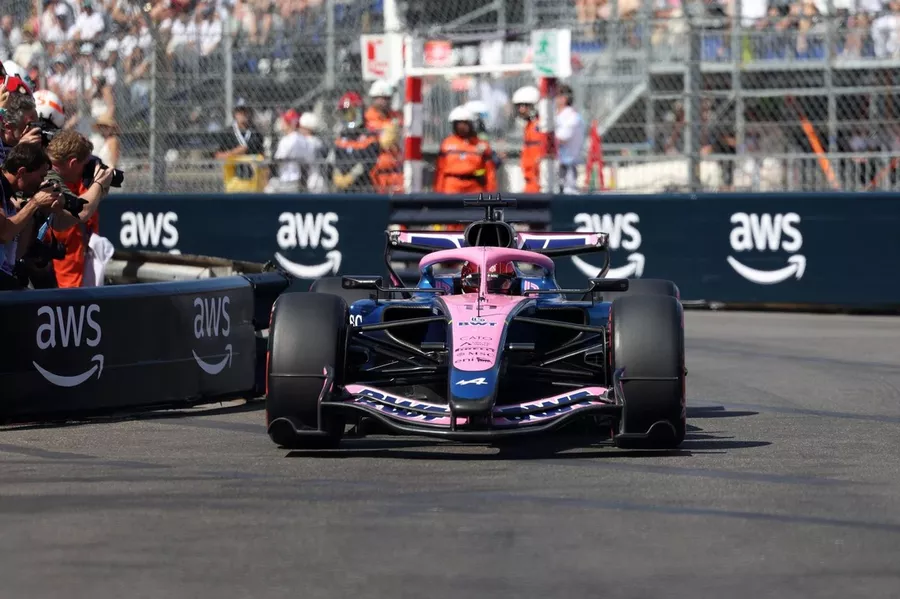
McLaren argues that the treatment of Gasly’s penalties raised broader questions about fairness between competitors.
According to Stella, the team wants the FIA appeal process to clarify the principle that should apply equally to all competitors.
He stressed that the issue goes beyond McLaren’s own interests and concerns the integrity of Formula 1.
The technical question of how the pit-lane speed was calculated is important, but Stella considers the broader procedural issue even more significant.
McLaren also wants its championship points back
There is also a direct competitive reason for McLaren’s appeal.
Piastri had already served his penalty during the Monaco race, meaning McLaren says the team suffered a tangible loss that could not be appealed in the same way as Gasly’s post-race sanctions.
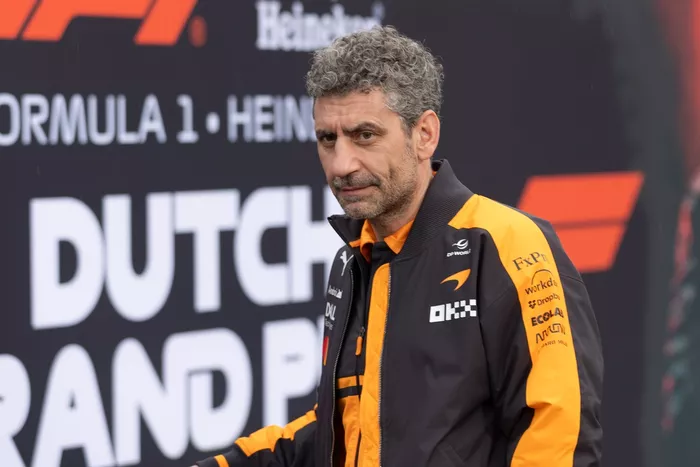
McLaren says Piastri’s penalty had a direct impact on its championship points.
Stella therefore described the appeal as having two objectives.
The first is to establish a fair principle for all competitors. The second is to address the impact the Monaco decision had on McLaren’s own constructors’ championship campaign.
The FIA International Court of Appeal’s decision could therefore have implications beyond the Monaco result itself.
For McLaren Monaco appeal, the team is arguing that the case is about more than recovering lost points. Stella says the outcome should clarify how sporting procedures are applied when an initial penalty is later found to have been based on incorrect data.
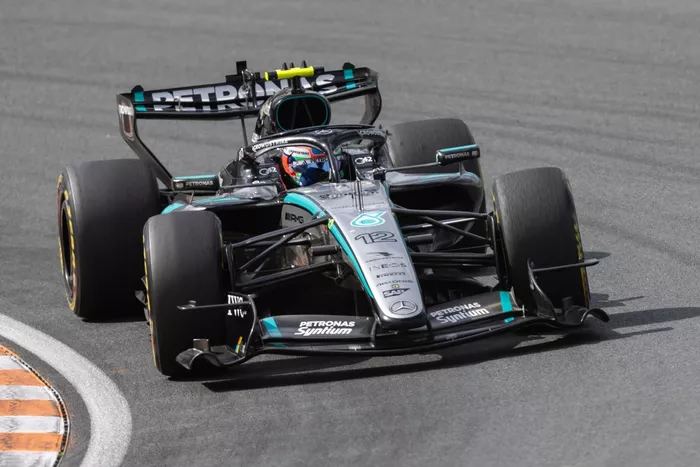
Kimi Antonelli is set to take a 20-place grid penalty at Monza, but Mercedes could use his fifth power unit to introduce its latest ADUO engine developments.
Antonelli will take a major grid penalty
Antonelli arrives in Italy leading the drivers’ championship by 59 points over Lewis Hamilton and George Russell.
However, Mercedes has already confirmed that the young Italian will receive a 20-place grid penalty after introducing his fifth power unit at Monza.
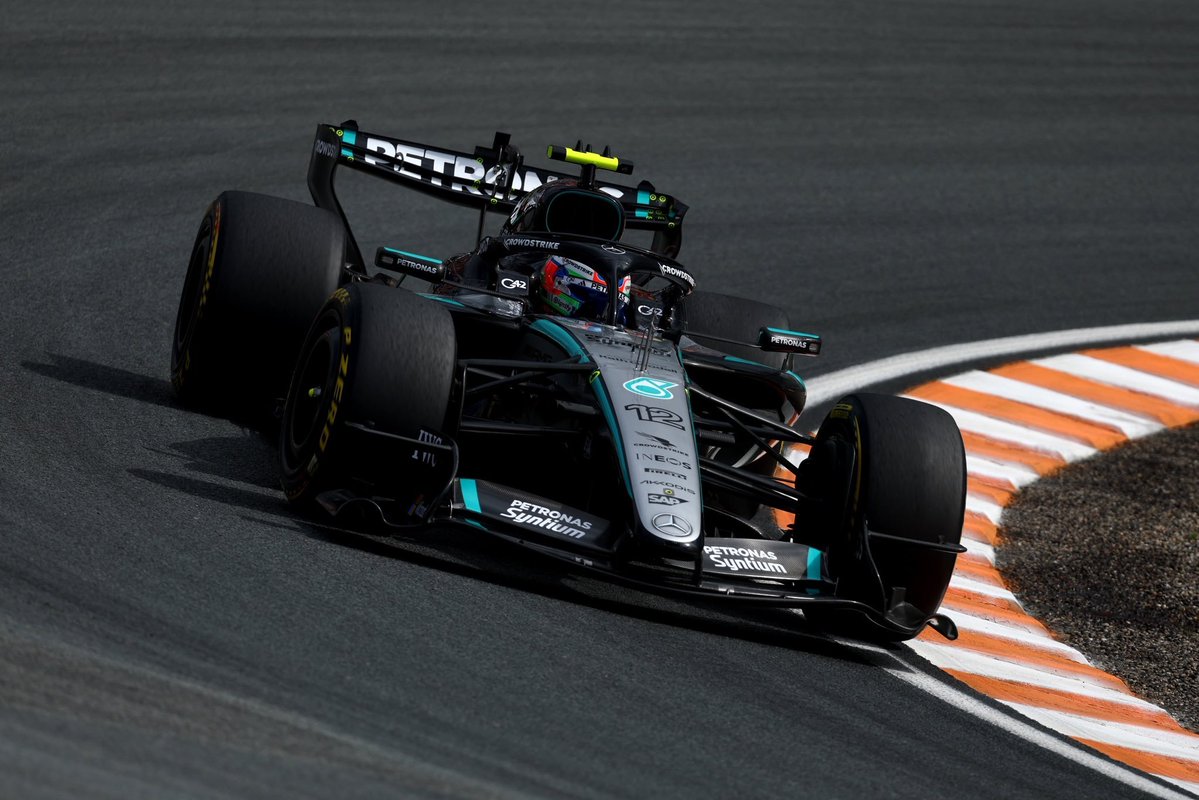
Kimi Antonelli is expected to take a 20-place grid penalty at Monza after Mercedes introduces his fifth power unit.
The penalty could make the weekend difficult, but Mercedes may be using the situation strategically.
Because Antonelli is already facing a significant grid drop, introducing the latest engine specification could allow the team to gain performance while minimizing the competitive cost of the new component.
Russell is also expected to receive the updated engine technology.
Mercedes could answer Ferrari’s ADUO upgrade
Ferrari is expected to introduce its 067/6 power unit with the second ADUO evolution at Monza.
The update is reportedly capable of adding around 15 horsepower, helped by a new Shell fuel formulation. Ferrari has already gained around seven horsepower from its first ADUO-related development since the Austrian Grand Prix.
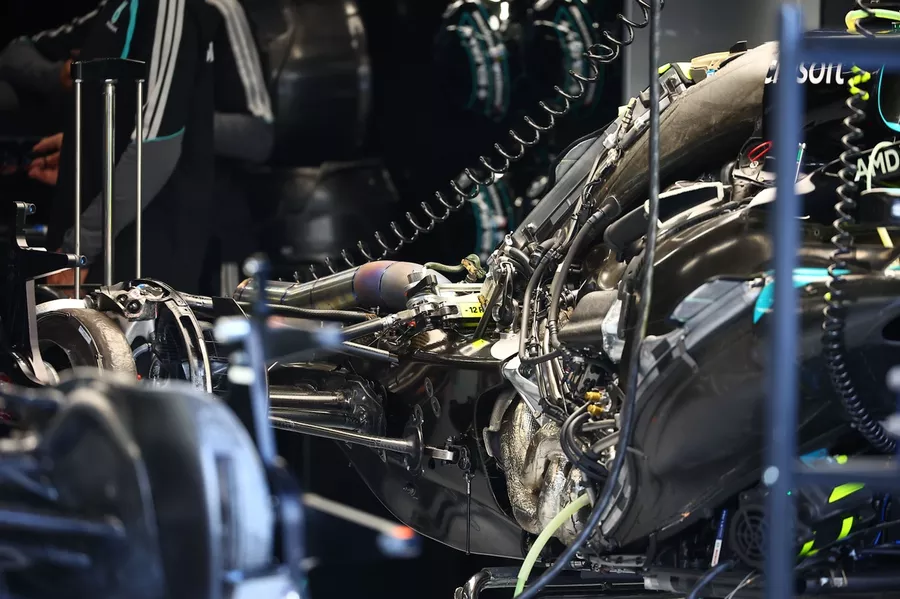
Ferrari is expected to introduce its second ADUO power-unit evolution at Monza, increasing pressure on Mercedes to respond.
That could significantly reduce Ferrari’s performance deficit to Mercedes.
The Scuderia is also arriving with aerodynamic improvements to the SF-26 after introducing changes to the floor, bargeboard, and diffuser at Zandvoort.
Mercedes therefore faces pressure from both Ferrari’s engine development and McLaren’s recent progress.
The fifth Mercedes engine could be the answer
Toto Wolff previously suggested that Mercedes would not introduce a major engine evolution during the 2026 season.
However, reports from Britain indicate that the fifth power unit could feature revised hardware developed at Brixworth.
The changes reportedly include modifications to the management of the large turbocharger, including its blade configuration.
Mercedes could use its fifth power unit to introduce revisions to the M17 E Performance engine.
The updated M17 E Performance could also benefit from new Petronas fuel technology.
If the power unit produces a measurable performance gain without increasing fuel consumption, Mercedes could restore some of the advantage it enjoyed earlier in the season.
The potential significance extends beyond the works team. The updated engine could eventually be supplied to Mercedes customer teams as well, meaning McLaren could also benefit from the development.
Monza could change the championship picture
The Italian Grand Prix could therefore become a critical moment in both championships.
Ferrari will arrive with an important power-unit development, while Mercedes could respond with its own engine evolution.
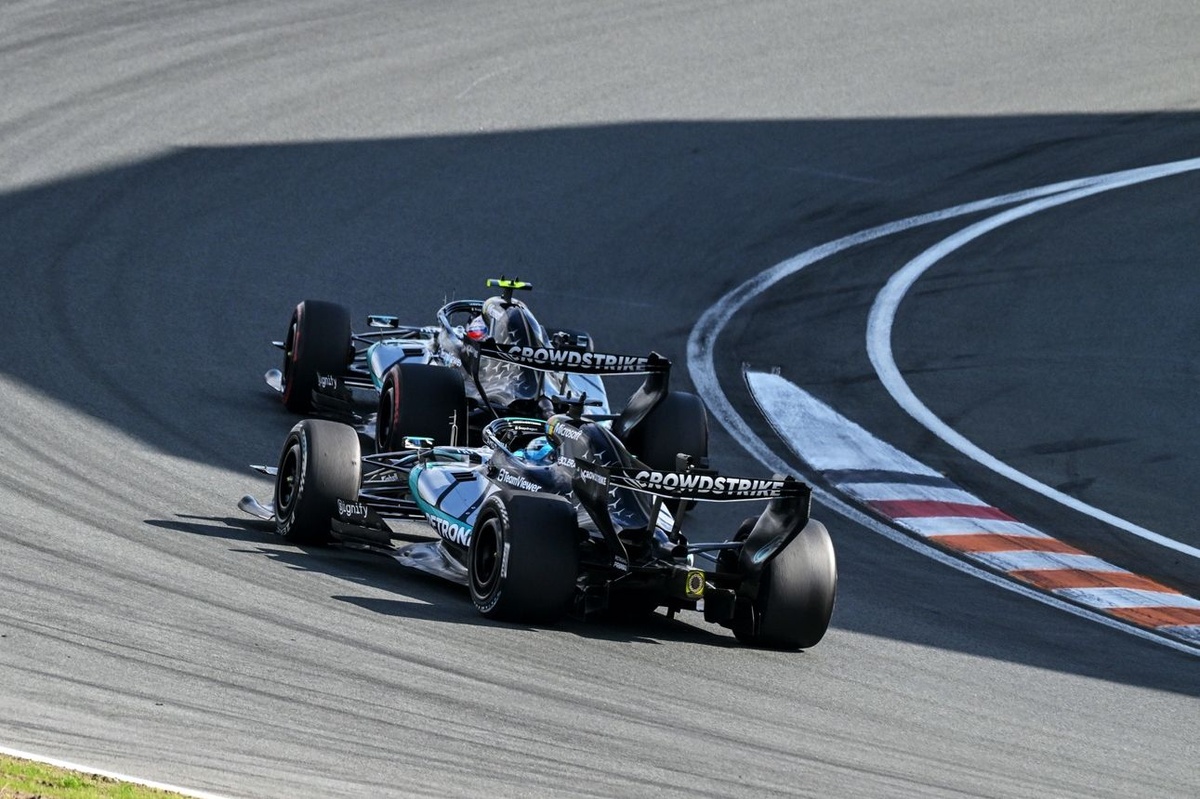
Monza could reveal whether Mercedes can maintain its advantage over Ferrari and McLaren as the championship enters its decisive phase.
Mercedes has already admitted that its budget limits how many major upgrades it can introduce during the season.
That makes the timing of the engine update especially important.
If the upgraded Mercedes power unit delivers the expected performance, the team could regain some of the advantage it has lost to Ferrari and McLaren.
If it does not, the championship battle could become significantly tighter heading into the final races.
The next major aerodynamic development for the W17 is expected later in the season, with a larger package reportedly planned for Malaysia on October 4.
For Mercedes engine upgrade plans, Monza could therefore be one of the most important weekends of the 2026 season.
-

 NOW TRENDING2 months ago
Polestar to Exit U.S. Market After 2026 Due to Connected Vehicle Rules
-
 NOW TRENDING2 months ago
Tesla Model Y L Arrives in the U.S. With More Space and Three Rows
-

 RACING2 months ago
McLaren F1 Unveils Special Silverstone Livery Honoring Its History
-
 INTELLIGENT MOBILITY2 months ago
Audi A4 E-tron and Q7 E-tron Confirmed as New Electric Models
-
 TEST DRIVES2 months ago
A Week Driving Honda’s New Hybrid Coupe
-

 TEST DRIVES2 months ago
Ford Recalls More Than 741,000 Trucks and SUVs Over Rollaway Risk
-
 NOW TRENDING2 months ago
Toyota Reports Strong June and Q2 2026 U.S. Sales Growth
-

 INTELLIGENT MOBILITY2 months ago
GM Expands Super Cruise With Exclusive Hands-Free Towing Technology
You must be logged in to post a comment Login