
INTELLIGENT MOBILITY
BMW Says Younger Buyers Are Driving the Shift Away From Buttons

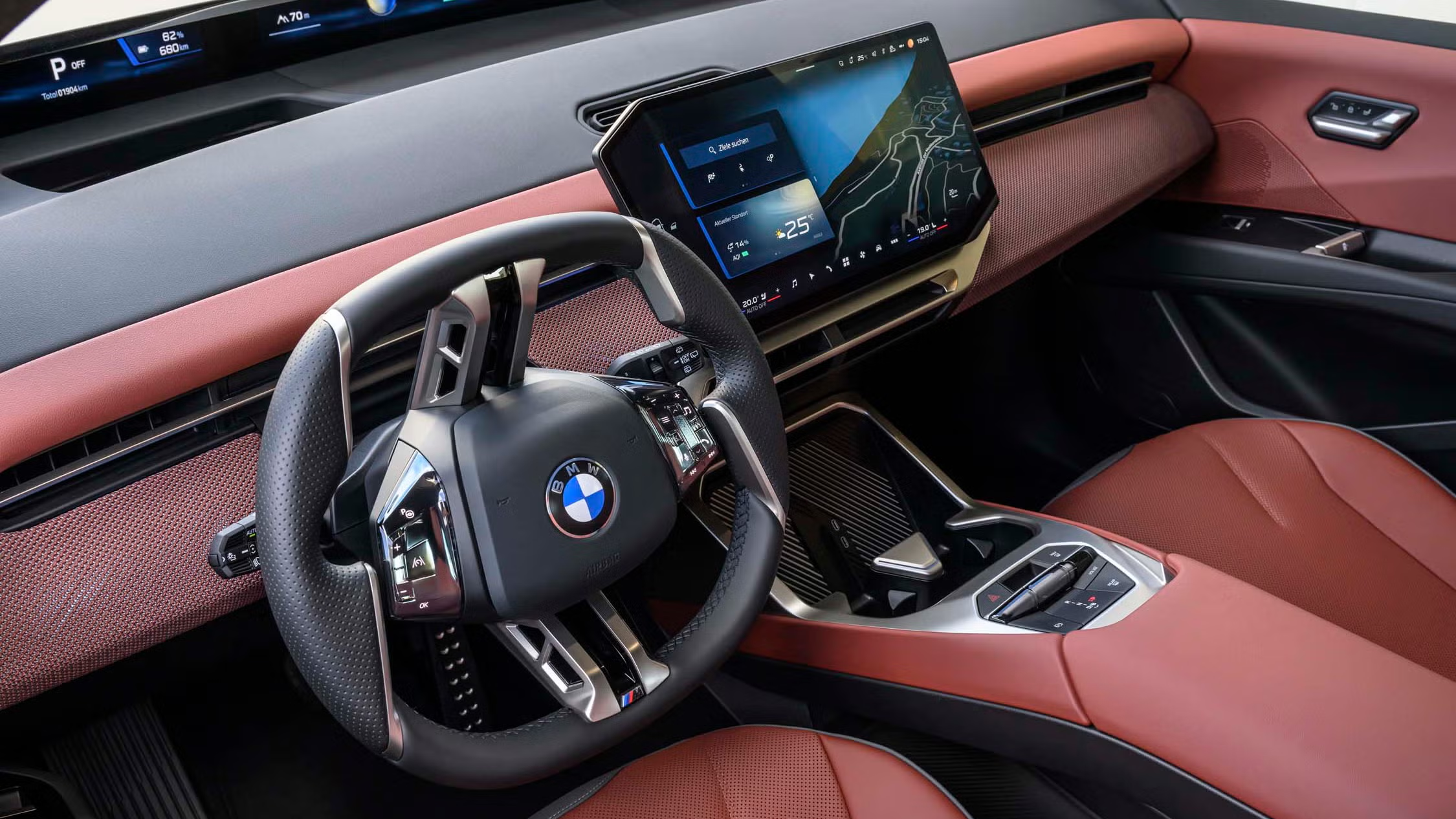
BMW says younger customers increasingly prefer voice and touchscreen controls, helping push the brand toward fewer physical buttons in its newest models.
BMW is moving further away from traditional physical controls in its newest vehicles, and one executive says younger buyers are helping drive the change.
The shift is particularly noticeable in the BMW iX3, one of the first models built around the company’s Neue Klasse platform. The electric SUV places many functions on its central display, including climate controls.
While BMW is far from the only automaker reducing the number of buttons, the company believes changing customer habits are an important reason for the transition.
BMW says younger buyers prefer digital controls
Vikram Pawah, CEO of BMW Group Australia, said younger customers are increasingly comfortable using voice commands and touchscreens instead of traditional switches and knobs.
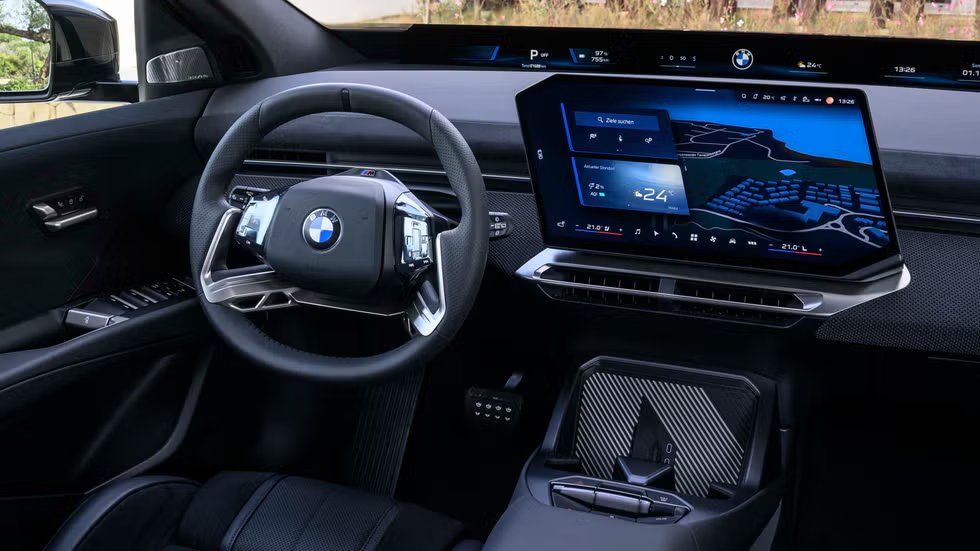
The BMW iX3 uses a touchscreen-heavy interior with fewer traditional physical controls.
Pawah pointed to customers 45 and younger as a group that has adopted these technologies particularly quickly.
According to the executive, younger buyers are also more accustomed to multitasking and expect technology to complete tasks quickly.
That means automakers are increasingly designing vehicle interfaces around the same habits people already have with smartphones and other connected devices.
The Neue Klasse pushes BMW further toward screens
BMW’s Neue Klasse platform represents a major change in the brand’s approach to vehicle interiors.
The iX3 is among the clearest examples, with many functions integrated into the center display rather than controlled through dedicated physical switches.
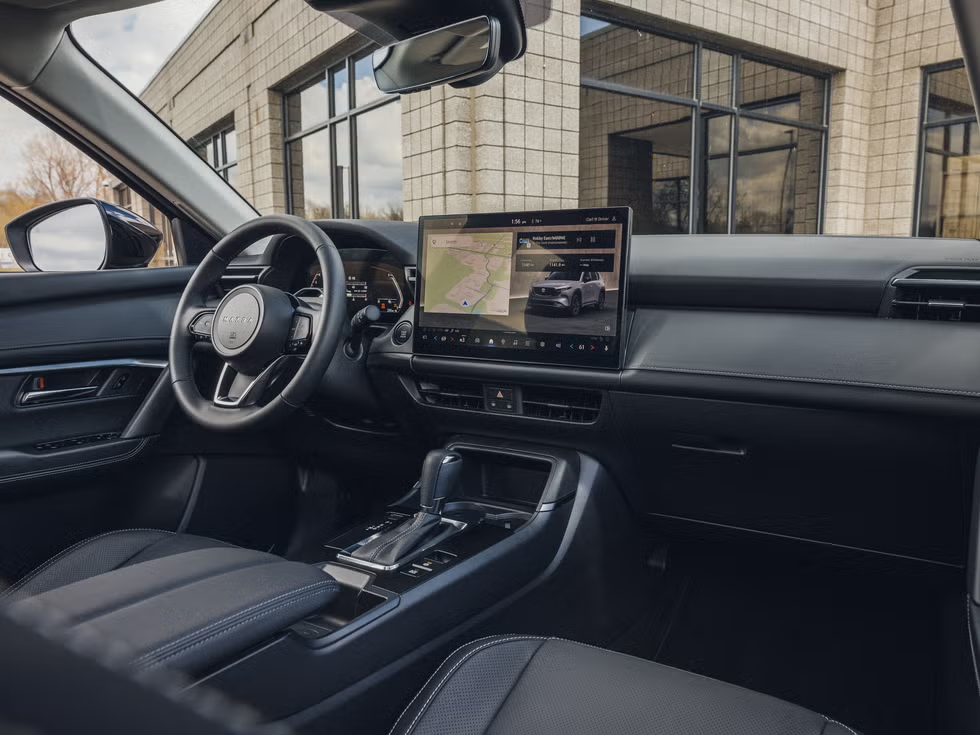
BMW’s Neue Klasse models are reducing traditional switchgear in favor of touchscreen and voice controls.
BMW is not alone in taking this approach.
Tesla has relied heavily on central touchscreens for years, while newer manufacturers such as Rivian have also adopted screen-based controls.
Established automakers including Mazda and Mercedes-Benz have similarly moved more functions into digital interfaces.
The result is a broader industry trend toward software-defined vehicle cabins.
Convenience versus physical controls
The move away from buttons is not without controversy.
Physical controls can be operated by feel, while touchscreen menus often require drivers to look away from the road to locate a function.
That creates an important debate over whether the convenience of a digital interface outweighs the potential drawbacks.
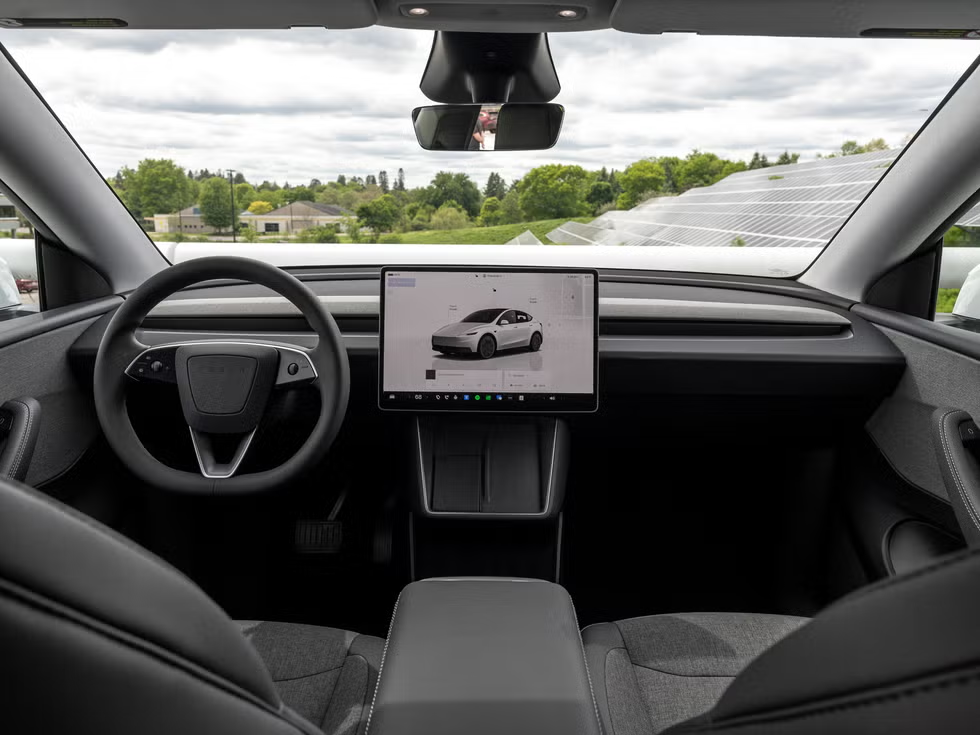
BMW is increasingly replacing dedicated controls with touchscreen and voice interfaces as vehicle interiors become more software-driven.
BMW’s argument is that vehicle technology needs to reflect how society is changing.
Pawah described the modern automobile as something that is increasingly connected to the wider digital environment rather than functioning as a completely standalone product.
That philosophy suggests BMW’s newest interiors will continue moving toward voice interaction, touch controls, and software-based functions.
For BMW physical buttons, the trend is clear: traditional knobs and switches are becoming less common as automakers try to match the digital habits of newer generations.










-
 NOW TRENDING2 months ago
Aston Martin DBX Becomes Harry Da Souza’s Ride in MobLand
-

 TEST DRIVES2 months ago
2026 Maserati GranTurismo Trofeo Review: Miami
-
 INTELLIGENT MOBILITY2 months ago
Tesla Cybercab Navigation Problem Hits Austin Robotaxis
-
 INTELLIGENT MOBILITY2 months ago
Tesla Cybercab Cannot Be Charged at Home—Here’s Why
-
 INTELLIGENT MOBILITY2 months ago
2027 Nissan Rogue Hybrid: e-POWER Comes to America
-

 TEST DRIVES2 months ago
2026 Maserati GranTurismo Coupe
-
 Formula12 months ago
Cadillac F1 2026 Faces an Eight-Race Logistics Challenge
-

 NOW TRENDING2 months ago
2027 Lexus LS Gets Another Update, But Not in America