
INTELLIGENT MOBILITY
Hyundai’s New Pleos Connect System Is About Much More Than Screens — It’s The Software Foundation Of Its Next-Generation Cars

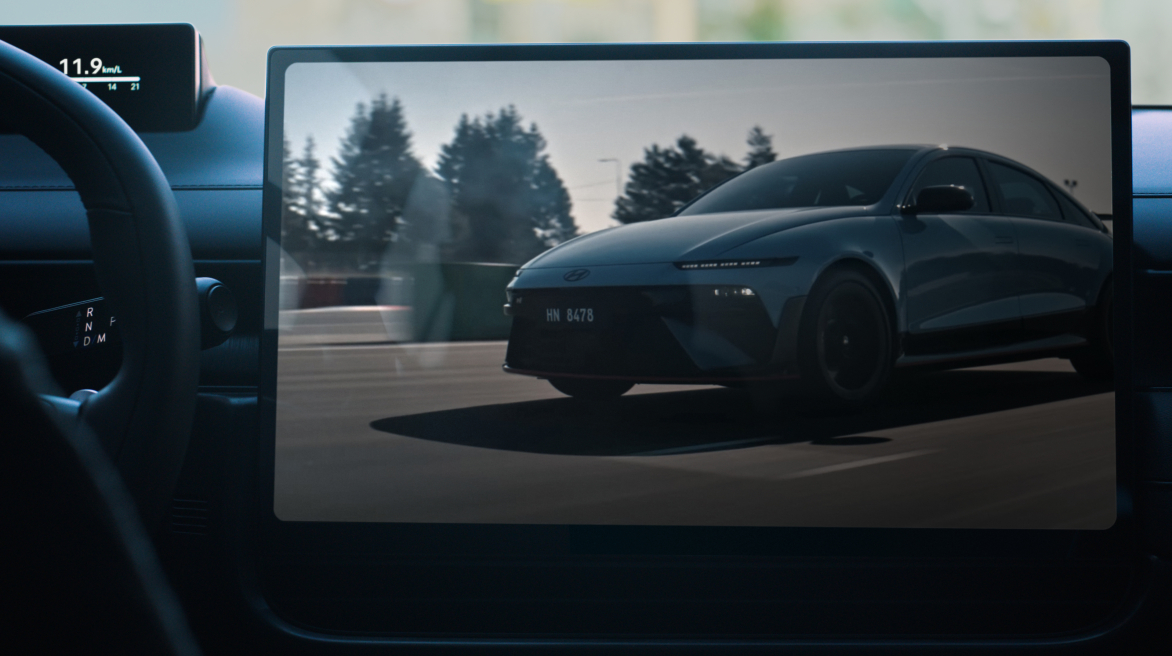
Hyundai Motor Group has unveiled Pleos Connect as its next-generation infotainment system, but reducing it to “a new screen interface” would miss the real story entirely. What Hyundai, Kia and Genesis are building here is not just a cleaner dashboard or a smarter navigation menu. Pleos Connect is one of the first major visible pieces of Hyundai Motor Group’s broader attempt to turn the car into a software-defined platform — one where navigation, voice AI, app ecosystems, over-the-air upgrades and in-vehicle services become just as important as horsepower, battery size or suspension tuning.
That is what makes Pleos Connect such a meaningful launch. Hyundai is not simply refreshing its infotainment stack. It is trying to redesign the entire in-car experience around software, data and AI, while also laying the groundwork for a future in which Hyundai, Kia and Genesis vehicles behave much more like connected digital platforms than traditional cars with a touchscreen bolted onto the dashboard. And if the company reaches its target of putting Pleos Connect into around 20 million vehicles by 2030, this will quickly become one of the most important software rollouts in the global automotive industry.
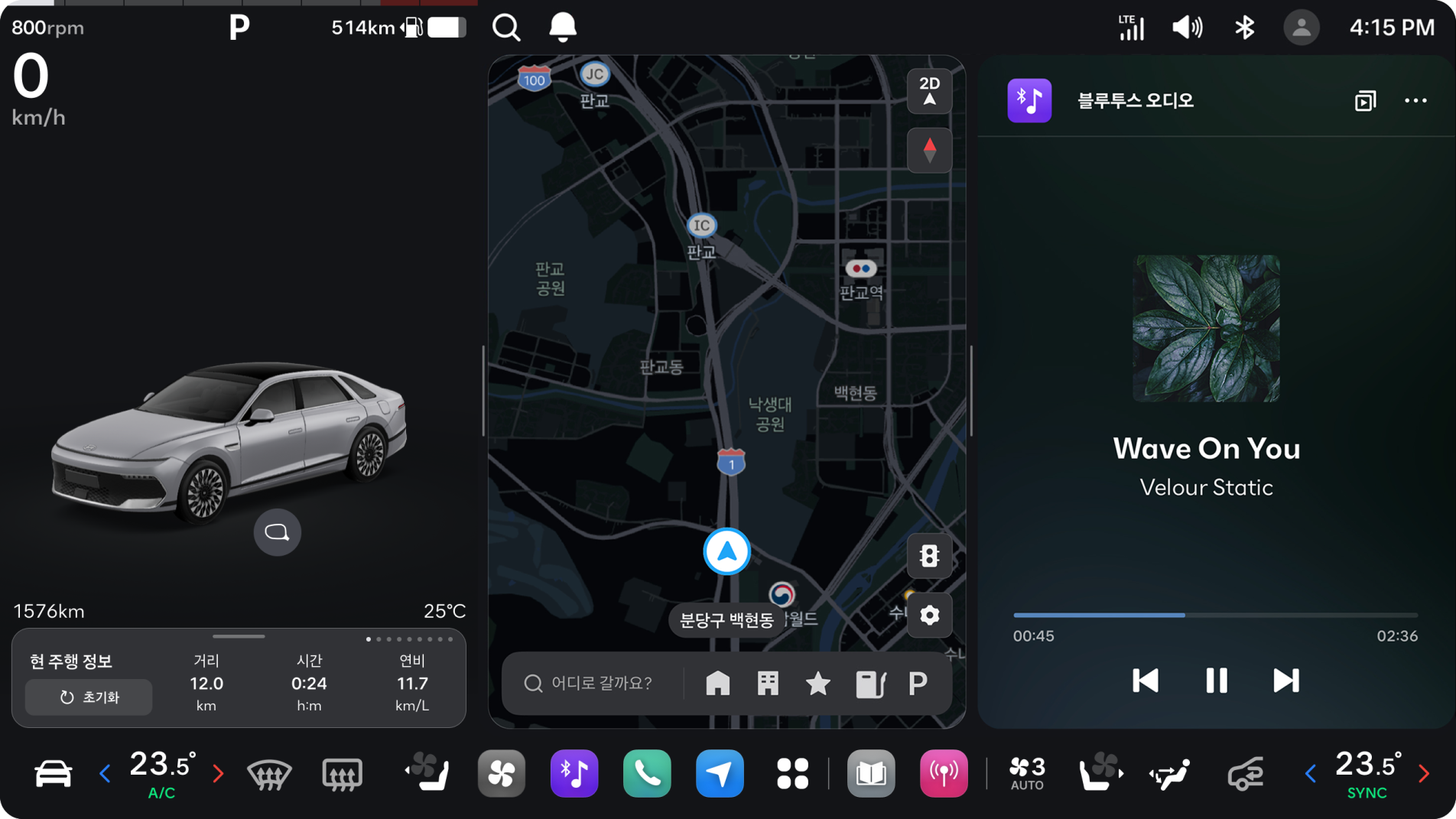
Pleos Connect is Hyundai Motor Group’s next-generation infotainment system, but its real significance lies in how it anchors the company’s shift toward software-defined vehicles.
Pleos Connect Is Hyundai’s Clearest Step Yet Toward A Software-Defined Vehicle Future
The most important thing to understand about Pleos Connect is that Hyundai Motor Group does not see it as a normal infotainment update. It sees it as an operating layer for the next phase of the car.
The system has been introduced as one of the first major production-facing steps in the Group’s software-defined vehicle transition, which immediately tells you where the emphasis is. This is not just about adding prettier graphics or faster menu animations. Hyundai is building Pleos Connect around three broader ideas — intuitiveness, safety and openness — with the goal of creating a scalable in-car platform that can evolve continuously through over-the-air updates, AI services and third-party applications.
That matters because the modern car is increasingly becoming a software product as much as a mechanical one. Automakers no longer compete only on engines, design or ride quality. They also compete on how naturally the car integrates digital services, how quickly it can gain new functions after purchase and how effectively it turns the cockpit into a connected environment rather than a static hardware package. In that sense, Pleos Connect is Hyundai Motor Group’s attempt to make sure it does not fall behind in the race to define the software side of the ownership experience.
Hyundai Wants Pleos Connect To Feel More Like A Smart Device Than A Traditional Infotainment System
That philosophy is visible in the layout of the system itself.
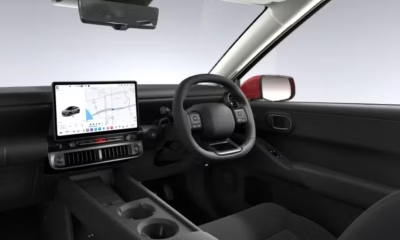
Rather than building the interface around a traditional car-first logic, Hyundai has designed Pleos Connect to feel more familiar to users who already live through phones, tablets and app ecosystems. The cockpit combines a large central display with a slim forward display positioned in front of the driver, and the overall UX has been shaped to reduce complexity, keep core information visible and make the interface behave more like a modern mobile environment than a conventional automotive menu structure.
The central screen is divided into three functional areas: a driving information zone that displays essentials such as speed, warning lights and visualizations of surrounding objects; an app area for navigation, media and third-party services; and a bottom bar that allows one-touch access to recently used or pinned apps. Hyundai also supports single-screen and split-screen layouts, which means drivers can keep navigation visible while using audio, apps or other connected functions at the same time.
That may sound like a UI detail, but it actually matters a lot. One of the biggest problems with many current infotainment systems is that they try to look modern while still behaving like layered, confusing menu trees. Pleos Connect appears to be Hyundai’s answer to that problem: a system designed to feel lighter, more configurable and more aligned with the way people already interact with digital devices outside the car.
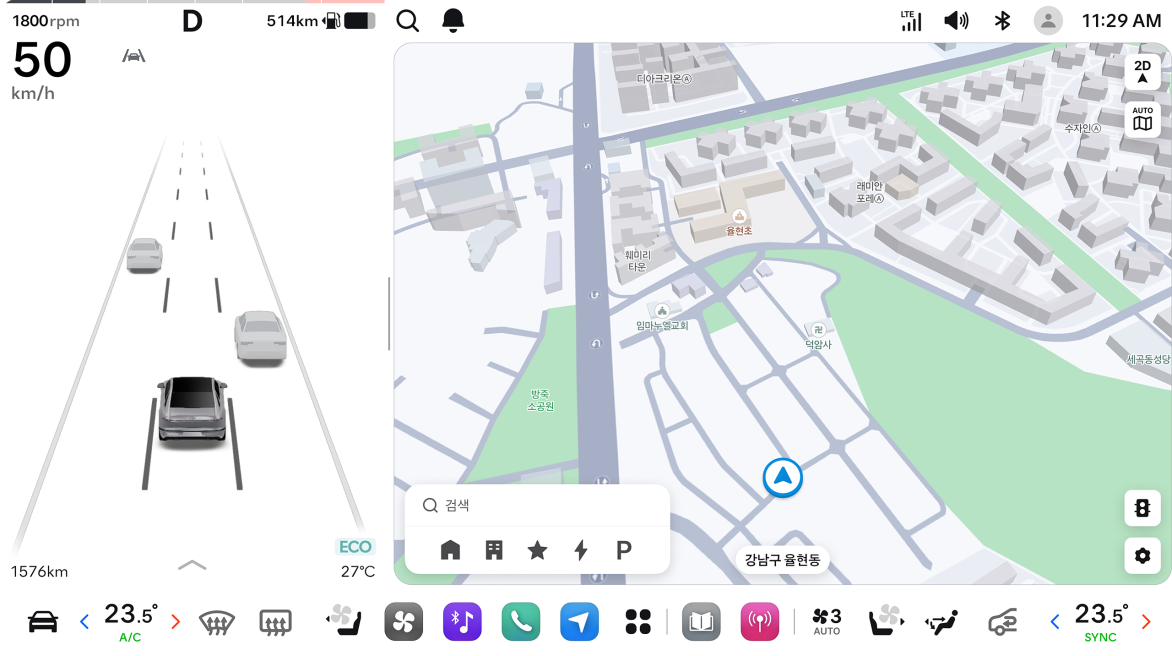
Hyundai designed Pleos Connect to feel closer to a mobile-device environment, with configurable layouts, app-based functionality and a cleaner digital interface.
Pleos Connect Is Also Hyundai’s Answer To The “Too Much Screen, Not Enough Usability” Problem
This is where the system gets more interesting than a typical infotainment launch.
A lot of new in-car interfaces promise modernity by removing buttons and moving everything into a giant touchscreen, but that often makes the car harder to use rather than easier. Hyundai appears to understand that problem, because Pleos Connect does not go all-in on touchscreen minimalism. Instead, it deliberately mixes touch controls with physical buttons on the steering wheel and below the main display, creating a layout that still allows quick access to key functions without forcing the driver to dig through menus for everything.
That is a smart move, because one of the biggest debates in the industry right now is whether automakers have gone too far in replacing tactile controls with digital interfaces that look futuristic but create distraction. Hyundai’s approach suggests it wants the software-defined cockpit without fully sacrificing usability. Even small interaction details, such as the three-finger gesture used to reposition or close app windows, show that the company is trying to think of the car interface more like a multitasking digital workspace than a fixed in-dash media screen.
In other words, Pleos Connect is not just about having more technology in the cabin. It is about organizing that technology in a way that feels more natural and less cognitively messy than what many rivals are currently offering.
Navigation And Gleo AI Show Hyundai Wants Software To Be A Core Driving Tool, Not Just A Convenience Layer
The deeper significance of Pleos Connect becomes even clearer when you look at what sits underneath the interface.
Hyundai has rebuilt navigation around real-time traffic data, online maps, configurable layouts and floating cards for route and ETA information, all with the goal of making route guidance more flexible and less visually cluttered. But the bigger leap comes from the integration of Gleo AI, the Group’s large-language-model-based voice assistant.
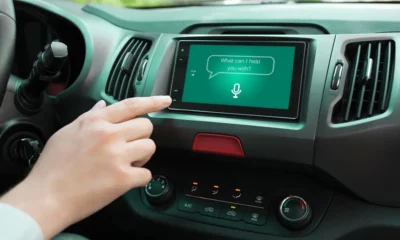
This is one of the most important pieces of the entire system. Gleo AI is designed to handle natural-language commands, understand contextual prompts, manage multiple requests at once and perform tasks that go well beyond changing a radio station or entering a destination. Hyundai says it can help control vehicle functions, answer broader information queries, support route planning and eventually evolve toward more personalized services based on driver behavior and preferences.
That is a big deal because it shows Hyundai is not treating AI as a marketing add-on. It wants Pleos Connect to become the interface through which the vehicle, the driver and a wider ecosystem of services all communicate. If that works well in the real world, it could fundamentally change how owners interact with Hyundai, Kia and Genesis products — not just by making them easier to use, but by making them feel more alive, adaptive and connected over time.
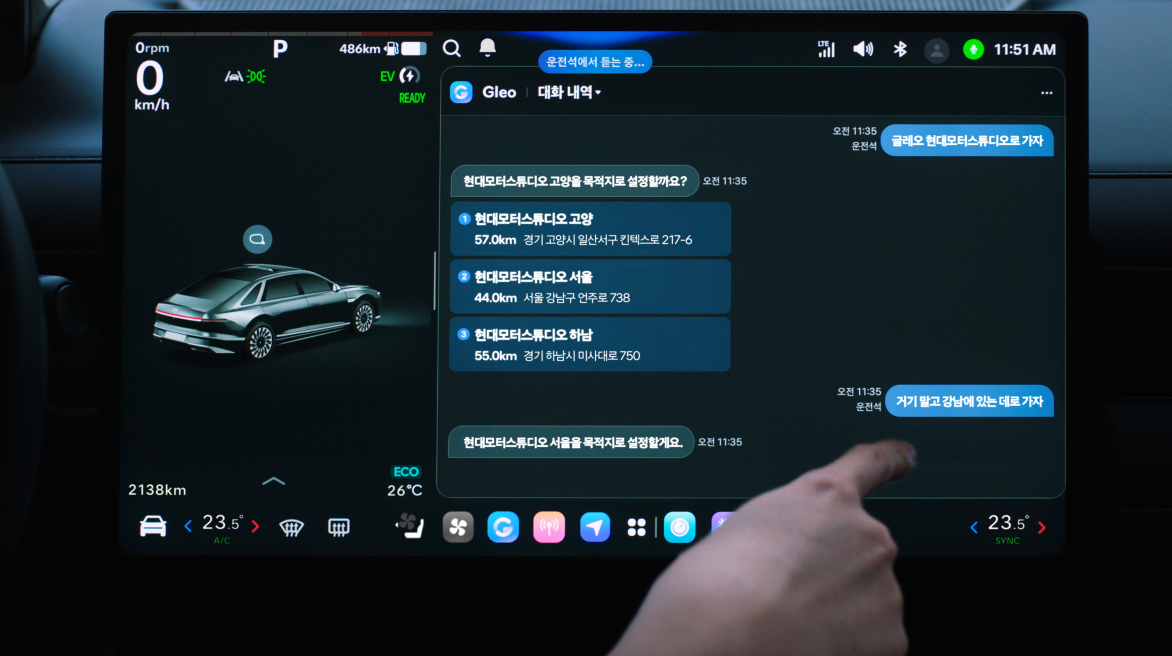
Gleo AI is one of the most important parts of Pleos Connect, turning the system from a touchscreen interface into a broader software and voice-based mobility platform.
The Open App Market May Be The Most Ambitious Part Of The Entire Pleos Connect Strategy
This is the part that pushes Pleos Connect beyond a normal OEM infotainment system and into something much more ambitious.
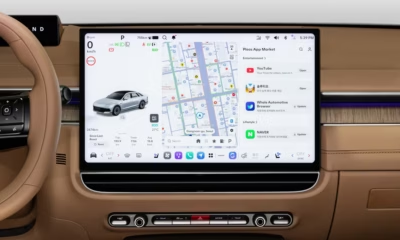
Hyundai Motor Group is introducing an App Market as part of the platform, opening the door to third-party services for media, video, web browsing and other in-car applications. The idea is to extend the mobile ecosystem into the vehicle rather than forcing users to live inside a closed automotive software bubble. Hyundai has also tied that strategy to Pleos Playground, a developer platform designed to give external partners and software creators the tools to build services for the ecosystem.
That matters because software-defined vehicles only become truly interesting when they stop being static. A closed infotainment system can still feel outdated within a few years, even if the hardware is decent. But a platform that supports new apps, evolving AI services, OTA upgrades and outside developer participation has a much better chance of staying relevant over a longer ownership cycle.
It also creates a new business opportunity for Hyundai. If Pleos Connect becomes a widely adopted platform across Hyundai, Kia and Genesis products, it could help the Group generate value not only from vehicle sales, but also from software features, service ecosystems and long-term user engagement inside the car. That is one of the reasons this launch matters far beyond a single dashboard design.
Pleos Connect Is Really About Turning Hyundai’s Cars Into Long-Term Digital Products
That may be the clearest way to frame the entire story.
For decades, the traditional logic of the auto industry was simple: build the vehicle, sell it, and maybe update a few hardware features at the next facelift. But Pleos Connect is built around a different idea — one in which the car keeps evolving after delivery through software, AI services, new applications and a much deeper digital relationship between the owner and the vehicle.
That is why this launch is so important for Hyundai Motor Group’s future. The company is trying to make the in-car experience feel less like a static infotainment package and more like an adaptable digital platform that can grow over time. If it works, Pleos Connect could become one of the central pillars of Hyundai’s transition from traditional automaker to software-driven mobility company.
And that is why this system matters. Pleos Connect is not just Hyundai’s next infotainment system. It is a preview of how the Group wants its cars to behave in the years ahead: connected, updateable, app-based, voice-driven and increasingly defined by software as much as by sheetmetal.
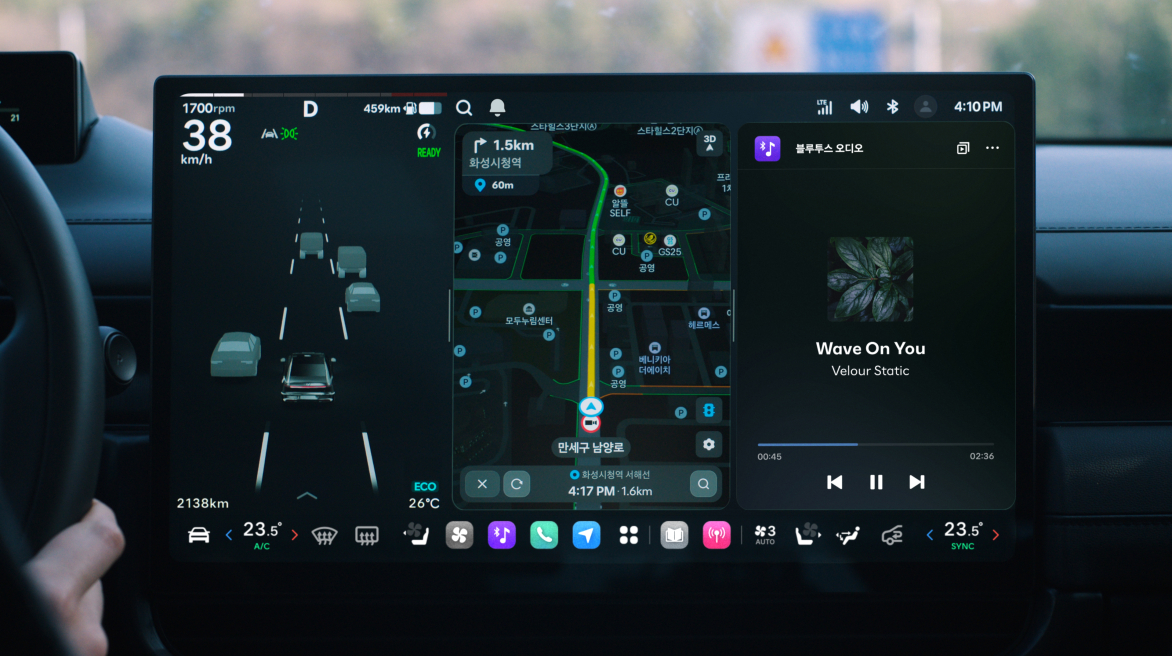
The App Market and OTA-focused architecture show that Pleos Connect is not simply a new infotainment screen, but a long-term software platform for Hyundai, Kia and Genesis vehicles.









GM Energy and PG&E are giving eligible California EV buyers access to a home charger and smart-charging incentives directly through participating Chevrolet, GMC and Cadillac dealers.
GM and PG&E bring home charging into the showroom
General Motors is making home EV charging part of the buying process for some customers in Northern and Central California.
GM Energy and Pacific Gas and Electric Company are launching the Smart Charge Bundle. The program gives eligible PG&E residential customers access to a home charger and smart-charging support when they purchase or lease a new Chevrolet, GMC or Cadillac EV through a participating dealer.
The goal is straightforward.
Customers can discuss charging needs before they leave the dealership. They can also enroll in the utility program and select a qualifying GM Energy charger as part of the process.

Eligible customers can choose a GM Energy PowerShift Charger or PowerUp 2 charger at no additional hardware cost.
GM says the value can reach $1,999, depending on the charger and the vehicle purchase or lease path. Installation, permits and electrical upgrades are separate customer expenses.
That distinction is important.
The charger hardware can be included under the offer, but getting the equipment installed at the home is not covered by the hardware incentive.
What the two GM Energy chargers do
The GM Energy PowerUp 2 is a Level 2 home charger.
The PowerShift Charger offers additional capabilities when paired with compatible GM Energy equipment and an eligible vehicle. Those systems can support bidirectional charging, allowing energy to move from the home to the EV and, with the required equipment and grid connection, from the EV back to the home.
That second function can be useful during a power outage.
A properly equipped home and compatible GM EV can use stored vehicle energy for backup power. GM has already been working with utilities on programs designed to expand those capabilities.

GM has demonstrated home charging and energy-management equipment with the GMC Sierra EV.
The new Smart Charge Bundle, however, is focused first on making standard home charging easier to access.
That matters because charging is one of the main questions for people considering an EV for the first time.
Customers need to know where they will charge, which equipment they need and how charging could affect their electricity bill.
GM and PG&E are trying to answer those questions before the vehicle reaches the customer’s driveway.
Smart charging can lower charging costs
The program goes beyond the charger itself.
Eligible customers can participate in PG&E’s EV Charge Manager program. Participating households may receive a $15 monthly bill credit and could save up to an additional $50 per month by shifting charging to lower-cost periods.
Actual savings will vary.
They depend on utility rates, program rules and the customer’s charging behavior. The monthly figures therefore represent potential benefits, not guaranteed savings for every participant.
Managed charging works by scheduling charging during periods when electricity demand and costs are lower.
Customers still remain in control. GM says they can override a managed charging session when they need to charge immediately.

The Chevrolet Silverado EV can be paired with GM Energy home energy equipment for compatible vehicle-to-home applications.
The software layer for the new program comes from WeaveGrid, which works with GM and PG&E to manage charging.
The system is designed to help shift charging away from periods of higher demand. That can also help reduce localized strain on the electrical grid.
This approach is part of a larger strategy.
GM and PG&E have been testing ways for electric vehicles to interact with the grid. GM says the companies are targeting a future in which up to 52,000 GM EVs could participate in grid-balancing programs in Northern California by 2030.
Who can get the Smart Charge Bundle?
The program is not available to every EV buyer.
Eligible customers must be PG&E residential customers in a qualifying area of Northern or Central California. They must purchase or lease a new Chevrolet, GMC or Cadillac EV through a participating dealership.
The offer runs through February 2027 or until program capacity is reached.
Customers must also live in a qualifying single-family or detached home and have permission to install a charger there.
There are additional requirements.
Participants must complete enrollment, accept the program’s terms and use GM Energy’s preferred installer network to receive the charger. An active OnStar service plan with location services enabled is also required. Customers cannot already be enrolled in another qualifying smart-charging or demand-response program.
GM wants charging to become part of the EV purchase
The Smart Charge Bundle reflects a broader change in how automakers are approaching EV ownership.
Instead of treating the vehicle and home charging equipment as separate purchases, GM is bringing the two conversations together.
That could make the process easier for first-time buyers.
The program also builds on GM’s existing work with PG&E. The utility and automaker previously launched a vehicle-to-everything pilot that can help compatible GM EVs provide power to properly equipped homes and could support future grid applications.
The new bundle focuses on a simpler starting point: buy the EV, arrange the charger and understand the smart-charging program at the same time.
For eligible California customers, the GM Energy and PG&E Smart Charge Bundle creates a more integrated path into home EV charging, while also introducing potential monthly utility savings and laying groundwork for broader vehicle-to-grid applications.
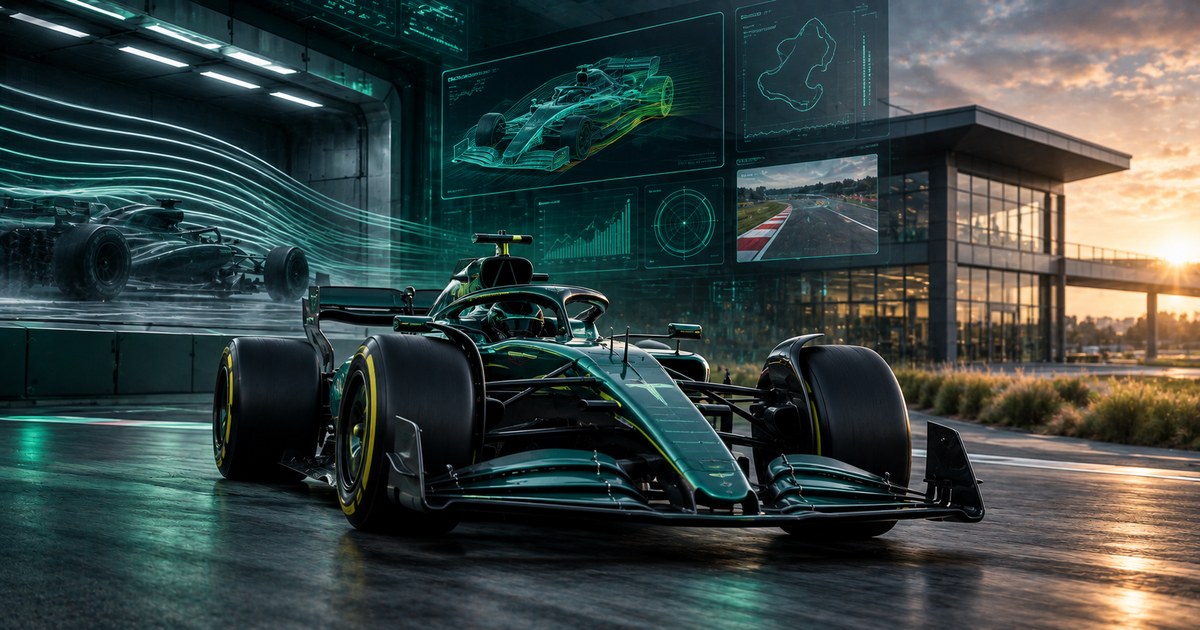
Aston Martin is using artificial intelligence with its CoreWeave AI.R Tunnel to improve aerodynamic correlation and turn massive amounts of F1 data into faster decisions.
Aston Martin is putting AI to work in Formula 1
Artificial intelligence is becoming part of Aston Martin’s daily Formula 1 operation.
The team is working with CoreWeave to process large amounts of information and turn it into useful engineering and race-strategy insights. The project covers areas that range from aerodynamic correlation to competitor radio analysis.
The latest details were published by Aston Martin on September 21, 2026. The team says millions of data points are generated during every Grand Prix weekend, making speed of analysis increasingly important.
The objective is not to replace engineers.
Instead, Aston Martin wants its engineers to find important information faster. In Formula 1, saving even a few seconds can affect a setup change or a strategy decision.
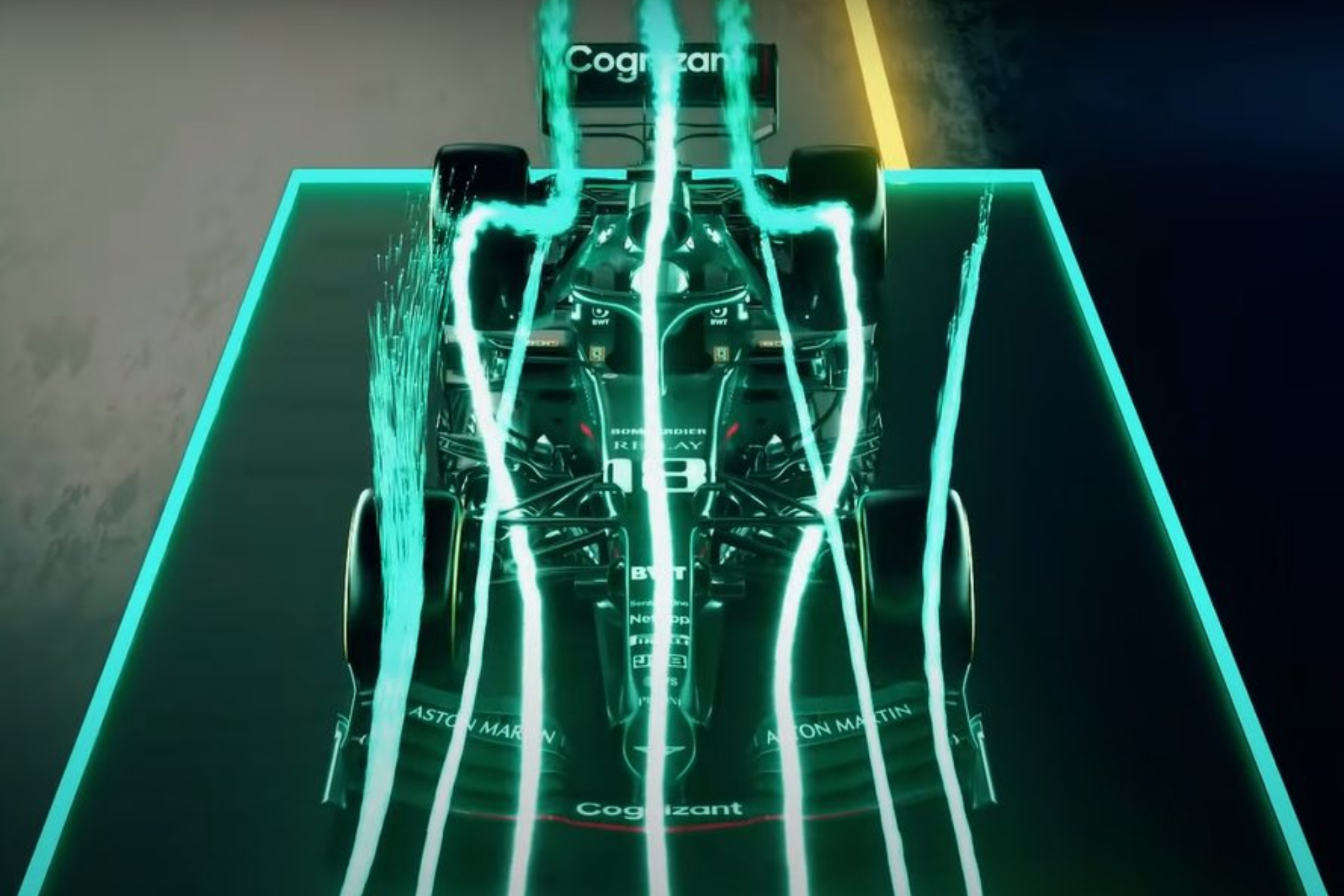
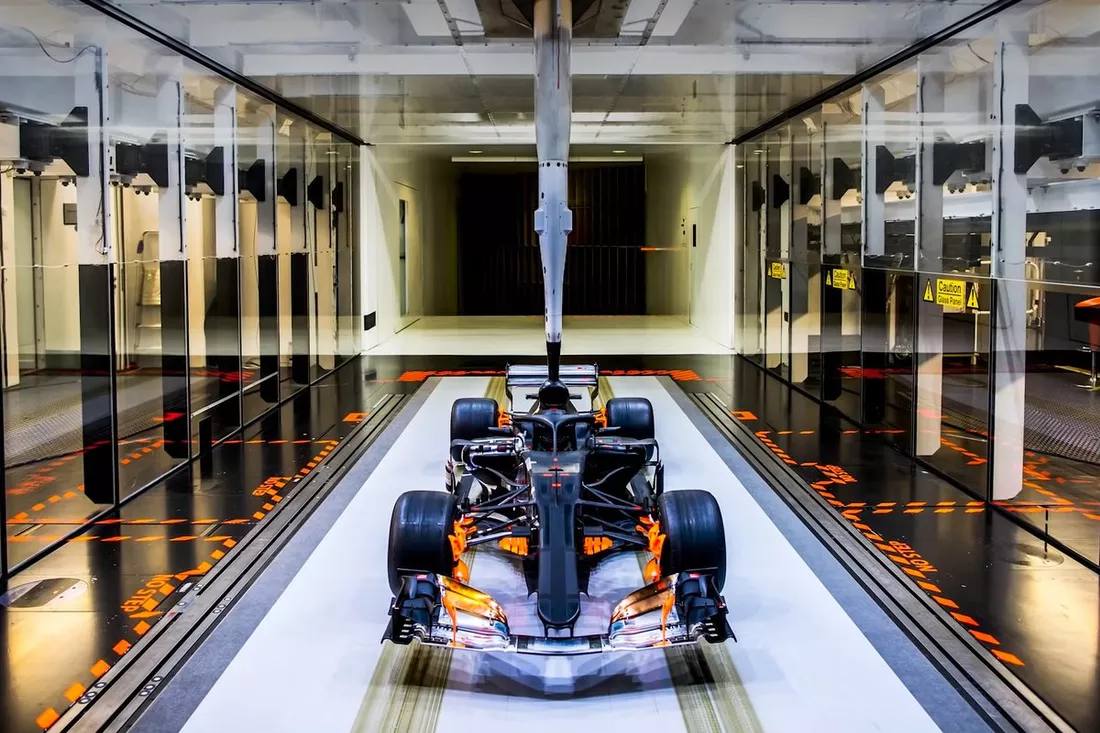
The CoreWeave AI.R Tunnel became a central part of Aston Martin’s technical operation as the team prepared for the 2026 regulations.
The wind tunnel is at the center of the first application.
Aston Martin’s CoreWeave AI.R Tunnel provides precise aerodynamic measurements. However, a laboratory cannot reproduce every condition found at a Formula 1 circuit.
The team points to changing kerb heights, weather conditions and dirty air as examples.
Those variables can create a gap between what simulations predict and what the driver experiences on track. That difference is known as aerodynamic correlation.
AI helps Aston Martin close the correlation gap
Aston Martin describes correlation as one of the biggest challenges in modern F1 aerodynamics.
The team and CoreWeave developed analytical methods that compare historical race data with vehicle-dynamics research. The goal is to identify the factors that can cause real-world performance to differ from controlled testing.
The result is a more accurate prediction of how aerodynamic components could behave at a Grand Prix.
That information can then be used before the cars arrive at the circuit.
Aston Martin says its Vehicle Engineering team uses the insights in the week before a race to help calibrate the car’s setup. The aim is simple: make the car behave as closely as possible to the engineers’ expectations during the first practice session.
CoreWeave branding is visible on Aston Martin’s Formula 1 machinery as the partnership expands into AI-powered engineering.
The second application happens during the race itself.
Aston Martin says engineers can face 22 competitor radio channels plus more than 15 internal channels at the same time. Finding a specific piece of information manually can take valuable minutes.
That becomes a problem when a strategy decision has to be made quickly.
AI turns F1 radio into searchable data
CoreWeave has built a system that listens to, transcribes and categorizes radio communications.
The tool processes competitor and internal audio. Engineers can then search the information through a dedicated interface instead of manually reviewing long audio streams or noisy transcripts.
The system also uses a large language model to standardize terms.
For example, different ways of saying “Turn 1” can be organized as T1, making the information easier to filter.
This can help answer questions about tire performance, grip, strategy or driver feedback much faster.
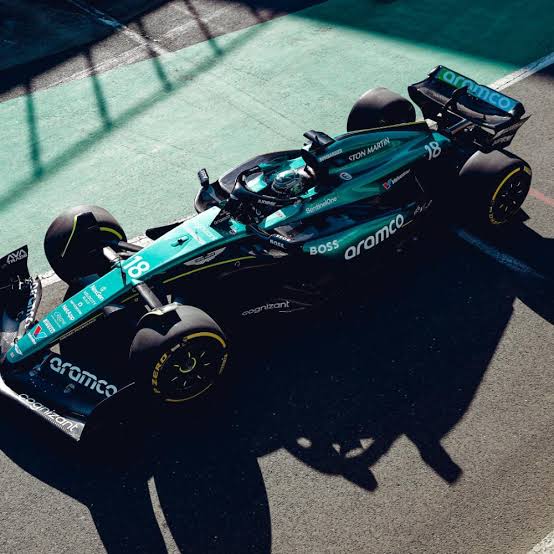
Race engineers remain responsible for interpreting the data and making the decisions during a Grand Prix.
The scale of the system is significant.
At the 2026 Monaco Grand Prix, Aston Martin says the platform processed tens of hours of radio, thousands of messages and hundreds of thousands of words.
CoreWeave has also described a broader system capable of processing 40 radio channels simultaneously. Its technical report says the platform can transcribe, categorize and make those feeds searchable within seconds.
That system was tested during the final two races of the 2025 season before being deployed for 2026. CoreWeave says its development included 75 model iterations, seven hours of hand-annotated F1 radio and more than 3,000 labeled samples.
AI is another tool for Aston Martin’s engineers
Aston Martin is clear about the role of the technology.
AI is not replacing the people making decisions. Instead, it changes how much information those people can process and how quickly they can access it.
That distinction matters in Formula 1.
An AI system can organize data. It can identify patterns. It can surface relevant information.
But engineers still need to decide what that information means for the car.
The same principle applies to aerodynamic development. The AI can help predict how a component will behave, but the engineering team still decides which solution should be developed and tested.
The AI work fits a larger technical transformation
Aston Martin’s AI project is part of a much broader investment at its AMR Technology Campus in Silverstone.
The team’s new wind tunnel began operation in 2025 and was created to support both the existing car and the transition to the 2026 regulations.
Adrian Newey has also acknowledged that Aston Martin started its 2026 development cycle later than many rivals. He said the first 2026 model did not enter the AI.R Tunnel until mid-April, leaving the team roughly four months behind in that phase of aerodynamic testing.
That makes efficient use of every available development tool even more important.
The AI work is therefore not a separate experiment. It is part of Aston Martin’s effort to connect simulation, wind-tunnel data, vehicle dynamics and race information more effectively.
The Aston Martin AI and CoreWeave partnership shows how Formula 1 is moving beyond simply collecting more data. The focus is increasingly on finding the right information quickly and turning it into decisions that can improve the car on the track.
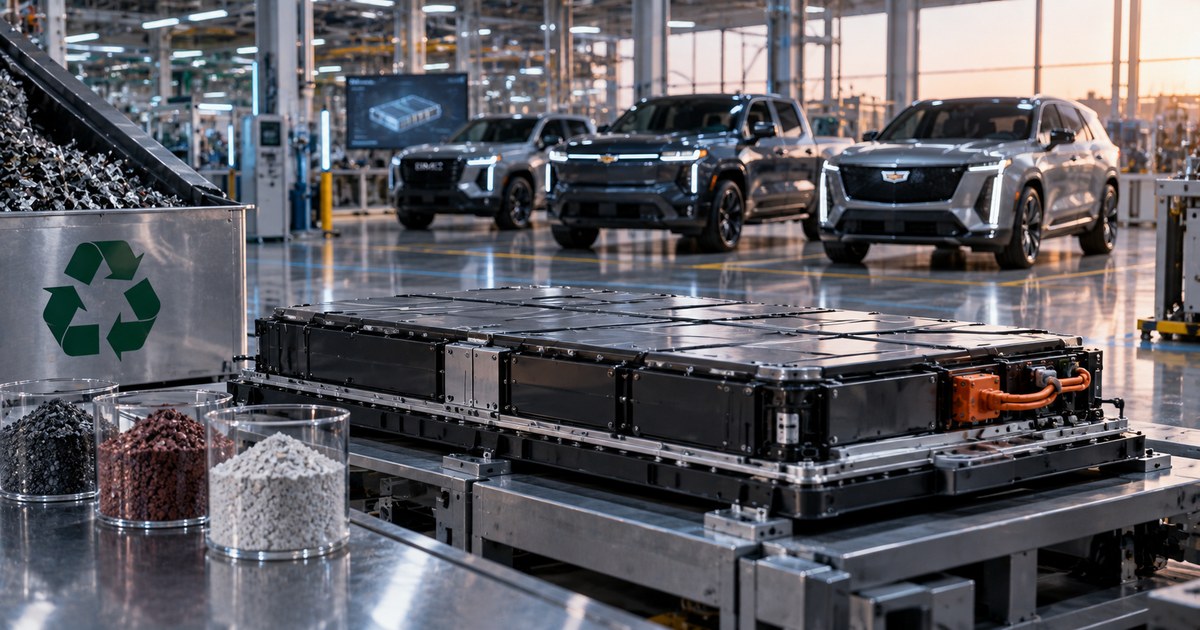
GM has completed a closed-loop battery recycling pilot in the U.S., using recovered nickel, cobalt and manganese to make new EV battery cells.
GM completes its closed-loop battery pilot
General Motors has completed a major step in its EV battery recycling strategy.
The automaker says materials recovered from end-of-life GM EV batteries were refined and used to produce new battery cells. The project is designed to show how critical battery materials can move through a circular supply chain instead of being used only once.
GM announced the milestone on September 22, 2026. The company says the pilot was built with partners across battery recycling, materials processing and cell manufacturing.
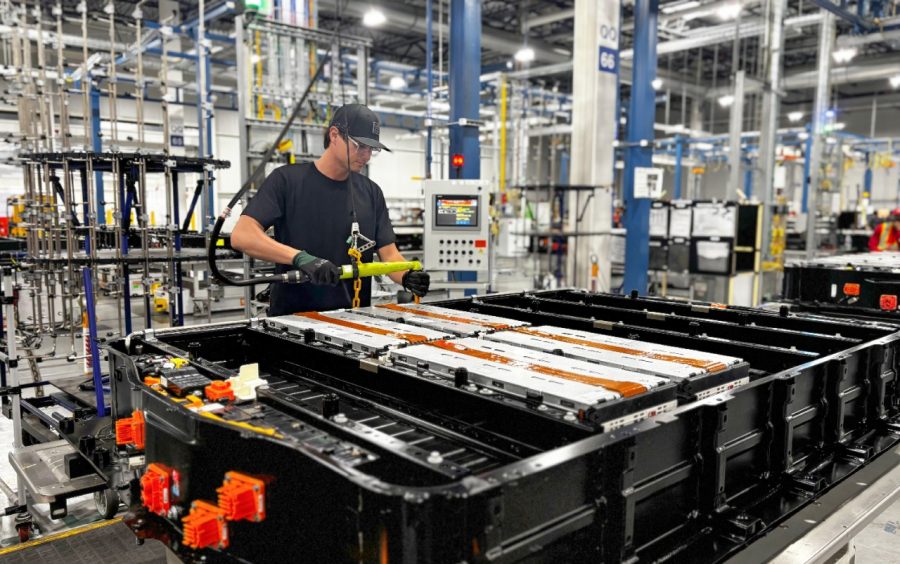
GM shows battery modules being installed with cells made from recycled battery materials at Factory ZERO.
The process started with 80 end-of-life GM EV batteries.
Cirba Solutions recovered and recycled those batteries. The material was then converted into black mass, a mixture created during the breakdown and separation of used lithium-ion batteries.
Black mass is only an intermediate step. It must be processed further before its valuable minerals can return to battery production.
More than 12 metric tons of new material
GM says the recovered black mass was turned into more than 12 metric tons of cathode active material.
That material contained 100% recycled nickel, cobalt and manganese. Those three minerals are important parts of many EV battery cathodes and can influence cost, safety and performance.
The recycled material also had to meet the same requirements as newly sourced material.
GM says it was tested for quality, safety and performance before it could be used in new battery cells. The company reports that cells made with the recycled material performed as well as cells made with virgin material during validation.
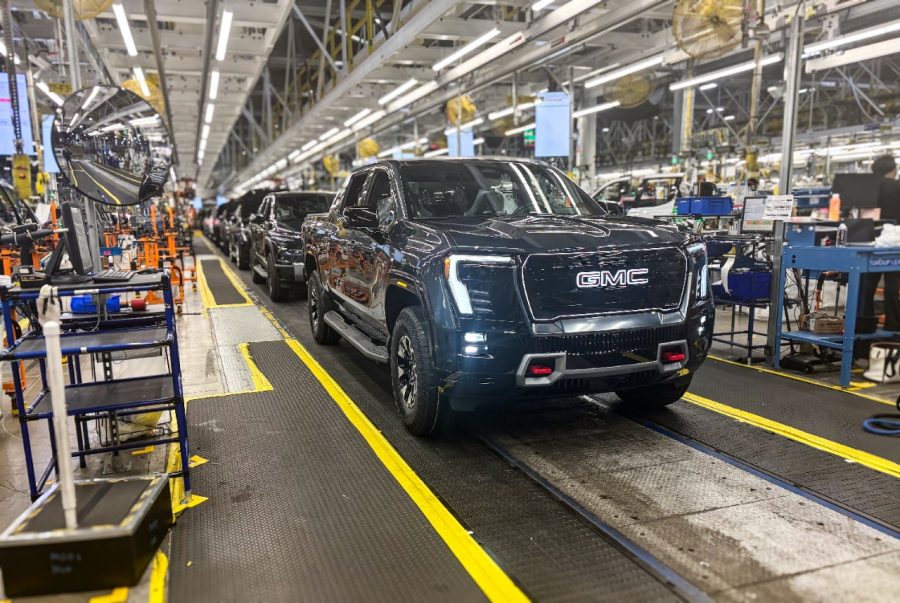
One of the first GMC Sierra EVs using battery cells made with recycled materials rolls off the Factory ZERO line.
Once the material passed testing, Ultium Cells produced new battery cells with the recycled cathode active material.
GM then assembled those cells into battery modules and packs at Factory ZERO in Michigan and Spring Hill in Tennessee.
The first vehicles using these batteries are already leaving GM production lines. The list includes the Cadillac LYRIQ, LYRIQ-V, VISTIQ, ESCALADE IQ and ESCALADE IQL, along with the Chevrolet Silverado EV Trail Boss and GMC Sierra EV AT4.
That is an important part of the pilot. The recycled material has moved beyond testing and into vehicles destined for customers.
Why recycling matters for EV batteries
Battery recycling can have a role beyond waste reduction.
GM says raw materials are among the largest cost drivers in battery cells. Recovering those materials could help support lower battery costs over time, reduce reliance on newly extracted resources and strengthen supply-chain resilience.
Current recycling technology can recover up to 95% of nickel, cobalt and manganese and up to 80% of lithium, depending on the battery chemistry and recycling process. GM notes that future technologies could increase those recovery rates.
This does not mean every used EV battery will follow the exact same path. Battery condition, chemistry and application can change what happens next.
Recycling is only one part of the process
GM is also looking beyond recycling.
The company says its remanufacturing and refurbishment programs are designed to reuse more than 70% of pack components. That can extend the useful life of battery hardware before recycling becomes necessary.
Used batteries can also serve another purpose.
GM and Redwood Materials are deploying roughly 10,000 second-life GM batteries into energy infrastructure. GM says the program includes the largest second-life battery microgrid in North America.
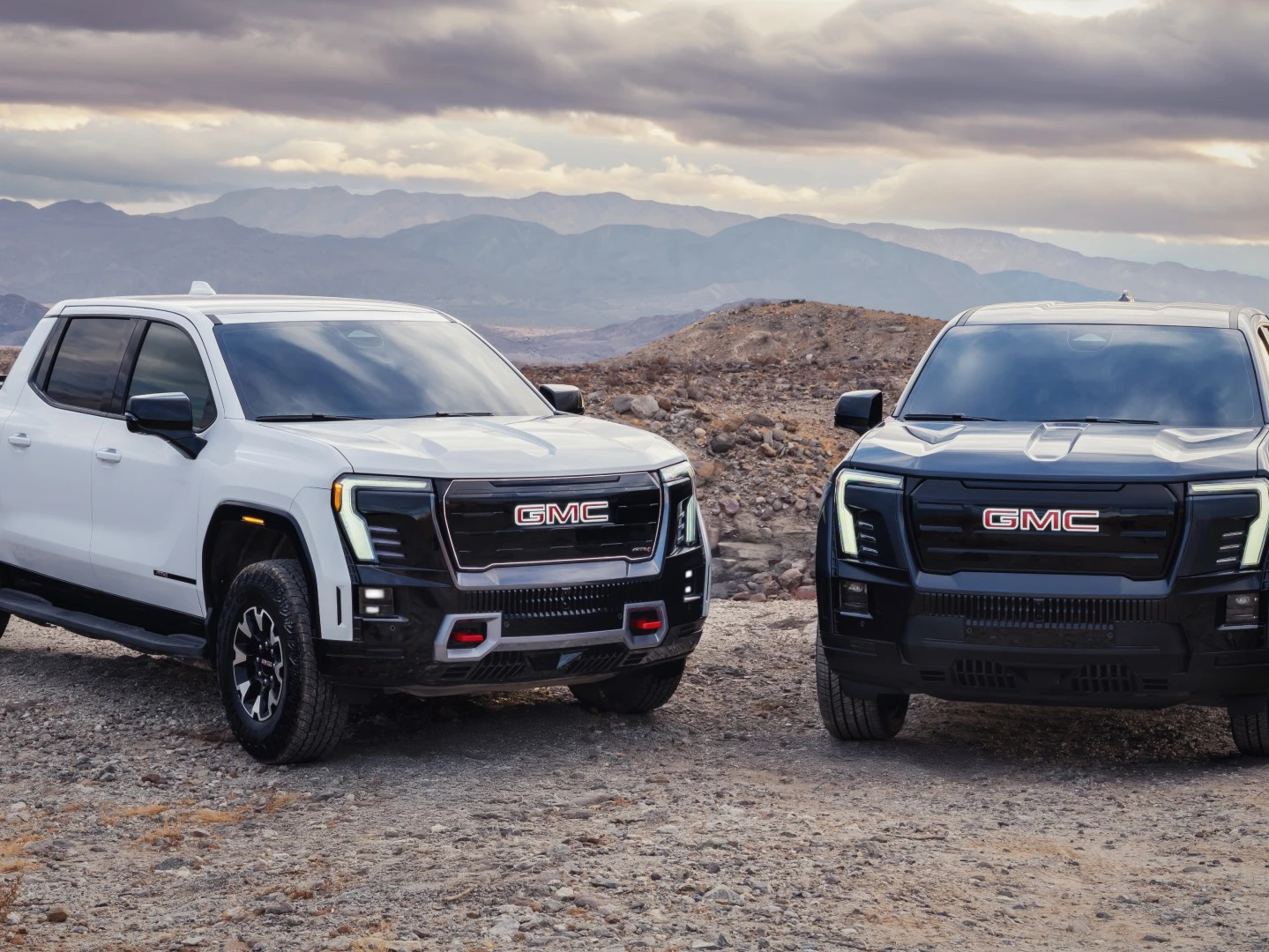
GM is also developing second-life and vehicle-to-grid applications for EV batteries.
This creates several possible stages in a battery’s life.
A battery can first power an EV. Later, it can potentially be reused for stationary energy storage. At the end of that second phase, its materials can be recovered and returned to battery manufacturing.
That approach gives GM a broader battery lifecycle strategy instead of relying on recycling alone.
A U.S. battery supply chain is taking shape
The pilot also connects recycling with GM’s American battery manufacturing network.
The company worked with Cirba Solutions, Ultium Cells, LG Energy Solution and other partners to move recovered materials through recycling, refinement, testing and cell production.
GM says the experience will provide data for future projects. That will become increasingly important as more EV batteries reach the end of their first vehicle life over the coming years.
The company also continues to work on energy-storage applications. Earlier this year, GM said it was expanding its work with Redwood Materials on second-life batteries and developing additional battery solutions for the U.S. energy system.
For now, the new closed-loop pilot provides a clear example of how GM EV battery recycling can connect an old battery pack with a new EV.
The process has already moved recovered nickel, cobalt and manganese back into new battery cells, helping demonstrate a circular path from used batteries to new U.S.-built electric vehicles.
-
 NOW TRENDING1 month ago
Tesla Cybercab Gets September 3 Austin Launch Date
-
 INTELLIGENT MOBILITY2 months ago
GM Updates Infotainment System With Smarter Features
-
 NOW TRENDING2 months ago
2027 Audi Q9 and SQ9 Debut as Brand’s Largest SUVs
-
 NOW TRENDING2 months ago
2027 Hyundai Tucson Spied With New Design and Hybrid Power
-

 NOW TRENDING2 months ago
2026 Toyota GRMN Corolla Debuts as the Ultimate Hot Hatch
-
 NOW TRENDING2 months ago
Every GM Assembly Plant Operating in the U.S. in 2026
-

 NOW TRENDING2 months ago
Ferrari Sold Out Through 2027 as Demand Hits New High
-

 NOW TRENDING1 month ago
Audi’s New SUVs Could Help Reverse Its Sales Decline in 2026
You must be logged in to post a comment Login