
NOW TRENDING
Kia PV7 Wants to Be the Electric Van for Almost Everyone

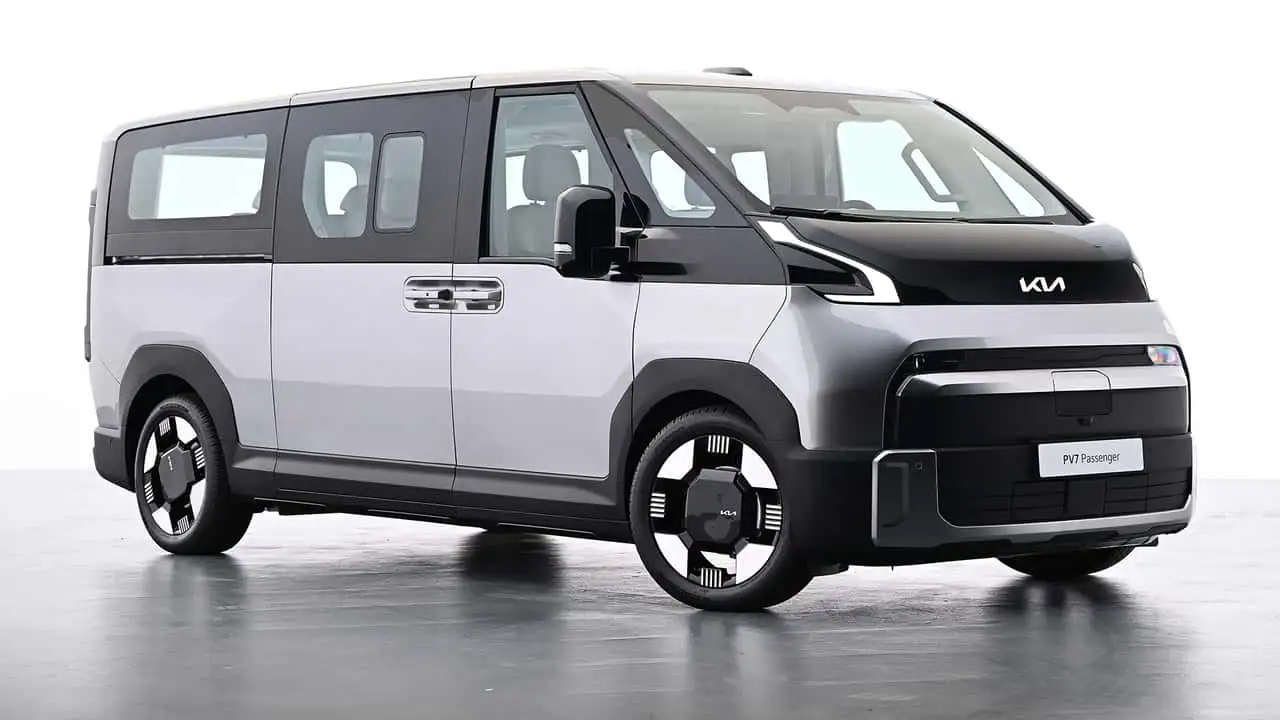
Kia is expanding its electric commercial vehicle lineup with the PV7, a highly flexible van planned in 23 versions for cargo, passenger and specialized uses.
The Kia PV7 is the latest expansion of Kia’s electric commercial vehicle strategy, bringing a much larger and more versatile model to the brand’s growing Platform Beyond Vehicle lineup.
Unveiled at IAA Transportation 2026 in Hannover, Germany, the PV7 will be offered in both Cargo and Passenger configurations. Kia is planning an unusually broad range of versions, with as many as 23 variants expected across different body styles and applications.
The van is built on Kia’s dedicated E-GMP.S architecture, which uses a flat floor to maximize cabin and cargo space.
The PV7 Comes in Cargo and Passenger Forms
The PV7 measures 17.6 feet long, 6.5 feet wide and 6.5 feet tall, with a 11.5-foot wheelbase. That gives Kia plenty of room to tailor the electric van for very different customers.
Cargo versions will be available with two or three seats. The Long model offers up to 215.4 cubic feet of cargo space, while the High Roof variant increases capacity to 282.5 cubic feet.
Depending on the configuration, payload capacity can reach 2,646 pounds.
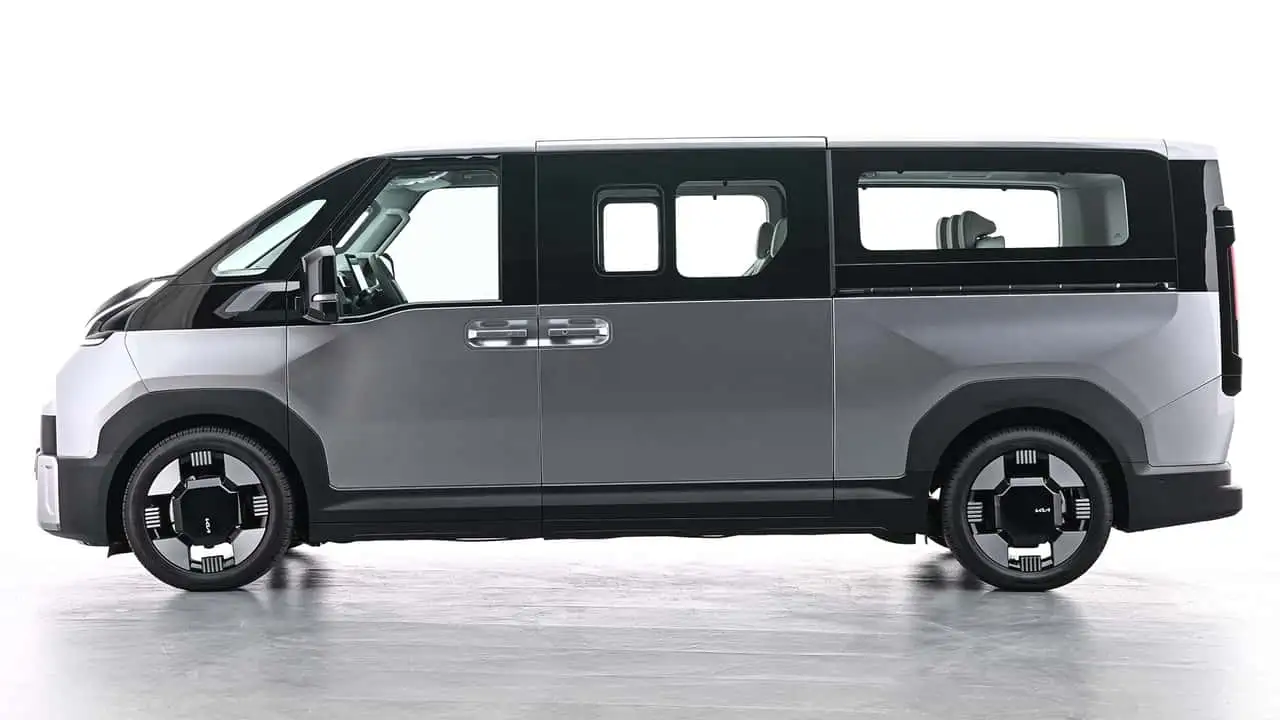
The Kia PV7 Cargo is designed for delivery, logistics and commercial applications, with up to 282.5 cubic feet of cargo space.
The Long version also has a low 21.7-inch loading height and can accommodate up to three Euro pallets.
Kia will offer multiple cargo-floor layouts, while buyers can choose between a traditional lift-up tailgate and twin-swing rear doors designed to make loading easier in tighter locations.
The Passenger PV7 Can Carry Up to 11 People
The passenger version takes the PV7 in a completely different direction.
European models can carry up to nine people, while Korean-market versions will support as many as 11 occupants. Kia is also giving customers considerable flexibility with removable seats mounted on long rails.
The seven-seat configuration can be rearranged, while the nine-seat model can be ordered with or without a fourth row.
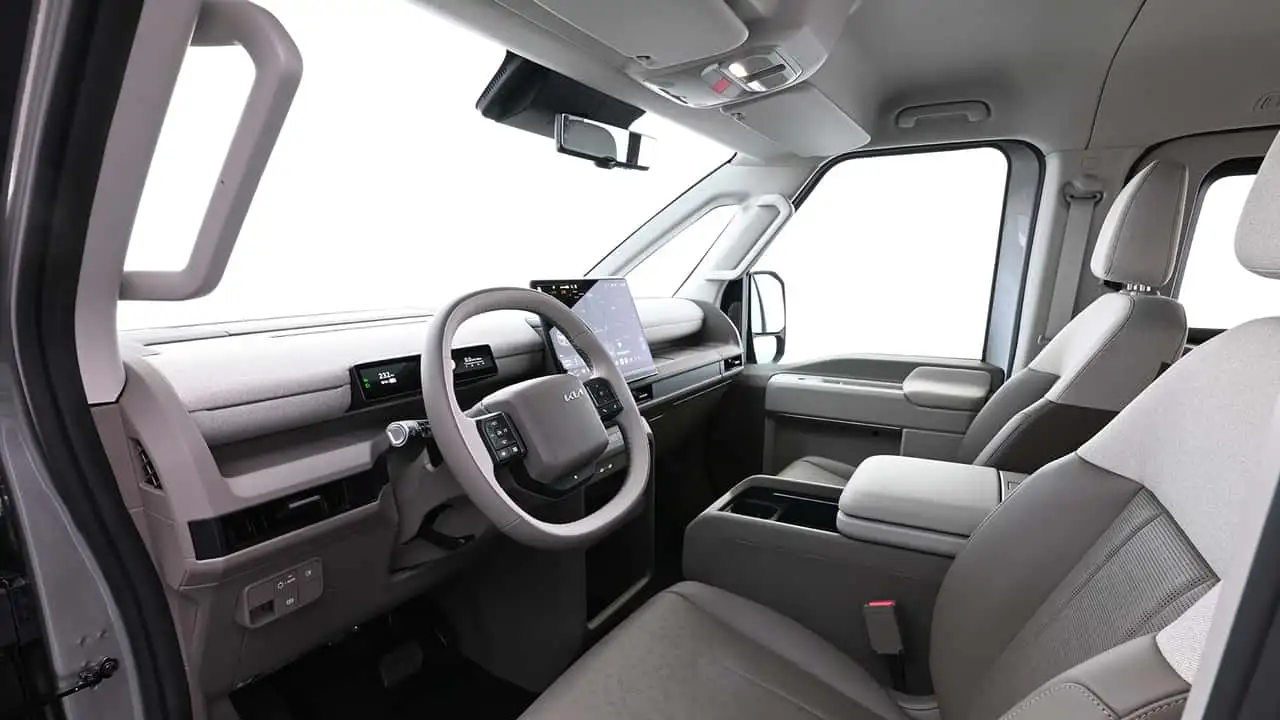
The Kia PV7 Passenger can carry up to nine occupants in Europe, with even greater seating capacity planned for Korea.
That versatility could make the PV7 suitable for employee transportation, rental fleets and tourism operators.
Kia also plans to make the passenger cabin more comfortable with rear climate controls, USB-C ports, additional storage and power-sliding doors.
Two Battery Sizes and Up to 286 Miles of Range
The Kia PV7 will launch with two NCM battery options: 71.5 kWh and 96.2 kWh.
The electric powertrain produces up to 268 horsepower and 310 lb-ft of torque, with power initially sent to the front wheels. An all-wheel-drive version is planned for a later date.
The Long Range Cargo model with the larger battery is expected to travel more than 286 miles on the WLTP cycle.
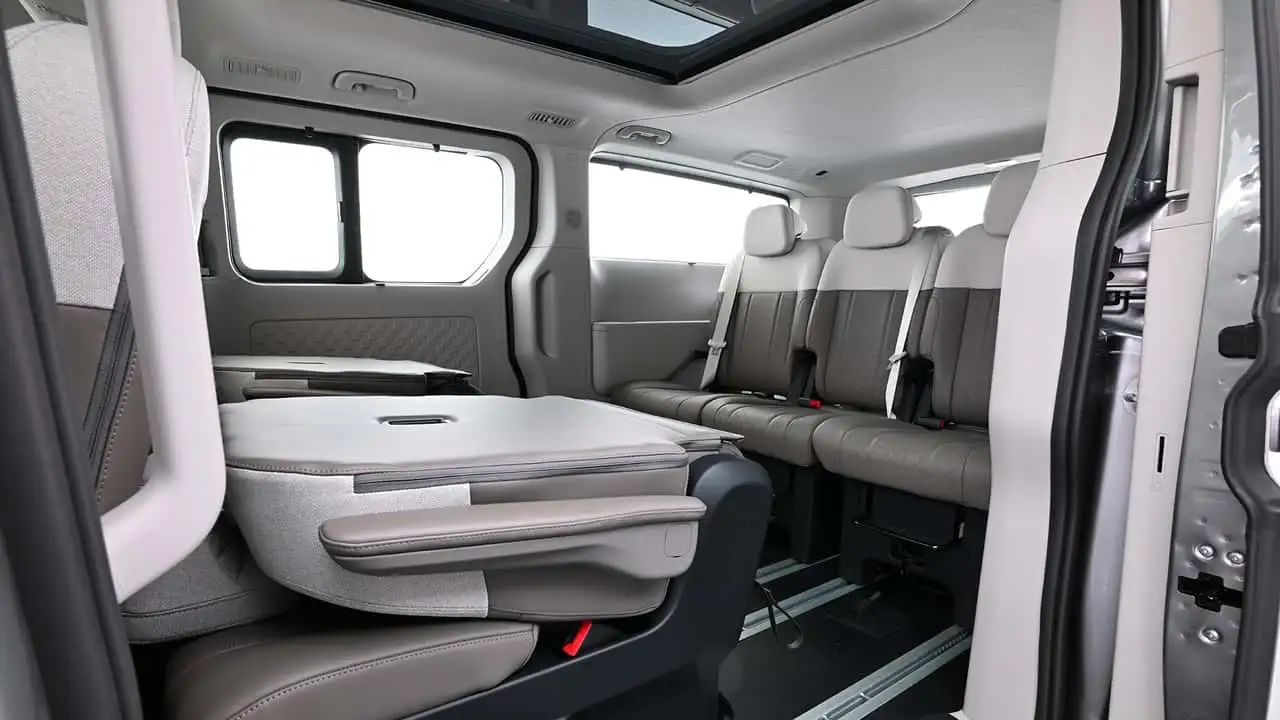
The Kia PV7 offers 71.5-kWh and 96.2-kWh batteries, with the larger pack delivering an expected range of more than 286 miles.
Kia is also taking advantage of an 800-volt electrical architecture. When connected to a 350-kW DC fast charger, the battery can reportedly go from 10% to 80% in the mid-20-minute range.
Another unusual feature is the inclusion of two charging ports. Alongside the front AC/DC port, an optional rear-side AC connection gives fleet operators more flexibility when positioning the van for charging.
The PV7 Can Power Tools and Equipment
Kia is designing the PV7 to do more than transport passengers or cargo.
The van supports Vehicle-to-Load functionality, allowing operators to use the battery to power tools and other equipment. A dedicated heavy-load driving mode can also adjust the vehicle’s behavior depending on how much weight it is carrying.
Inside, the PV7 features 12.9-inch and 14.6-inch displays and uses Kia’s Android Automotive-based Pleos Connect infotainment system.
That combination turns the large commercial vehicle into a more connected workspace rather than simply a basic transportation platform.
Kia Plans 23 PV7 Variants
The Kia PV7 is only the beginning of the broader lineup. Kia plans to offer 23 different versions, including Cargo Compact, Cargo Long, High Roof, Passenger Compact, Passenger Long and Chassis Cab configurations.
Conversion models will further expand the platform’s applications, allowing the same basic vehicle architecture to serve very different commercial needs.
That approach gives Kia a way to compete across multiple parts of the electric van market without developing an entirely different vehicle for every customer.
Kia’s Electric Van Strategy Is Getting Much Bigger
The Kia PV7 is shaping up to be one of the most flexible electric commercial vehicles in Kia’s lineup. With multiple batteries, cargo and passenger versions, fast charging, V2L capability and 23 planned variants, the company is clearly targeting a much wider audience than with a conventional delivery van.
The first versions are not expected to reach Korea and Europe until the second half of 2027. By then, Kia will have had additional time to expand the lineup and prepare the many specialized configurations planned for the platform.
Rather than being just another electric van, the PV7 is designed as a complete commercial vehicle platform that can adapt to different jobs, making flexibility one of its biggest strengths.









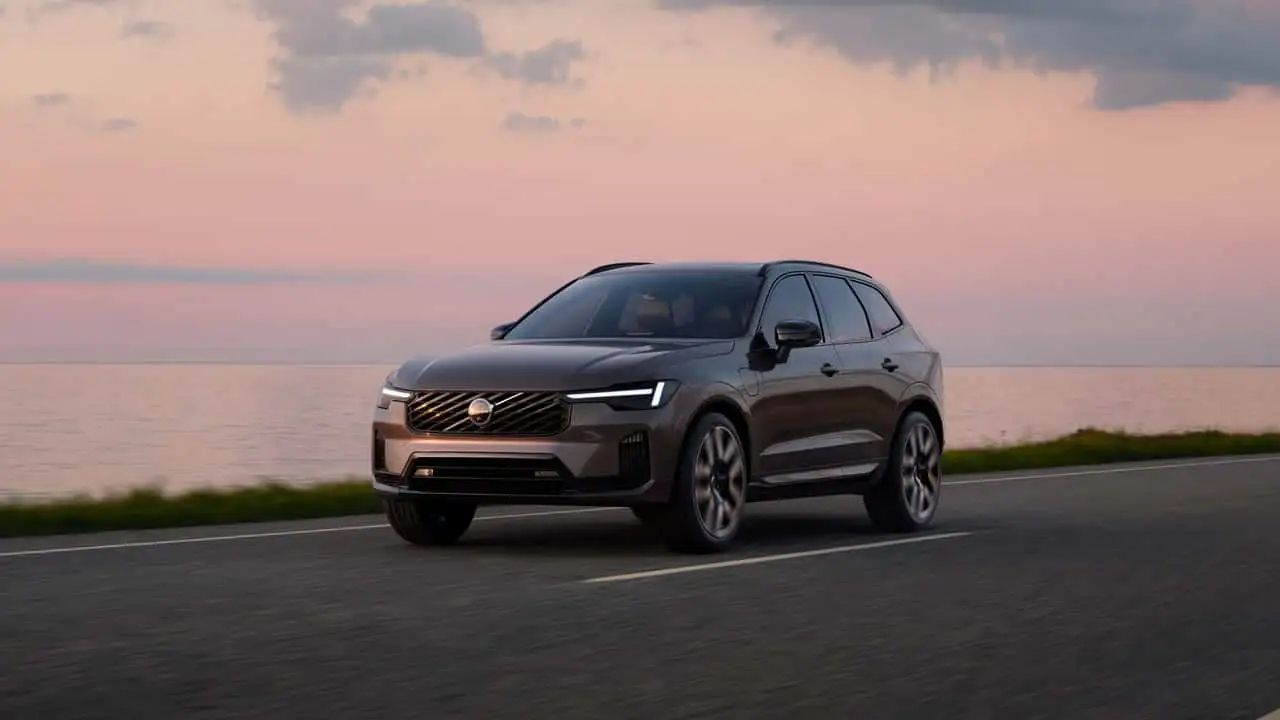
Volvo is bringing unusually long-range plug-in hybrids to the U.S. with the 2028 XC60 and XC90, offering up to 78 miles of electric driving and 455 horsepower.
The 2028 Volvo XC60 XC90 plug-in hybrids are set to challenge the usual limits of PHEVs in the United States. Volvo is preparing both SUVs with significantly larger batteries and more than 70 miles of electric-only range.
The XC60 T8 will lead the lineup with 78 miles of EV range, while the larger XC90 T8 will deliver 73 miles. Volvo says the extended range is designed to make electric driving a much bigger part of the daily experience while still retaining the flexibility of a gasoline engine.
Both SUVs also deliver 455 horsepower, making these long-range plug-ins more than simple efficiency-focused models.
Volvo Gives Its PHEVs Serious Performance
The 2028 XC60 T8 combines a 2.5-liter four-cylinder engine with the larger battery and electric motor. Total output reaches 455 horsepower and 523 lb-ft of torque, while an eight-speed automatic transmission sends power to all four wheels.
The result is a 0-60 mph time of just 4.5 seconds.
More importantly, the XC60 can travel up to 78 miles using electric power alone. Volvo believes that is enough for some owners to complete several days of regular driving without relying heavily on the gasoline engine.
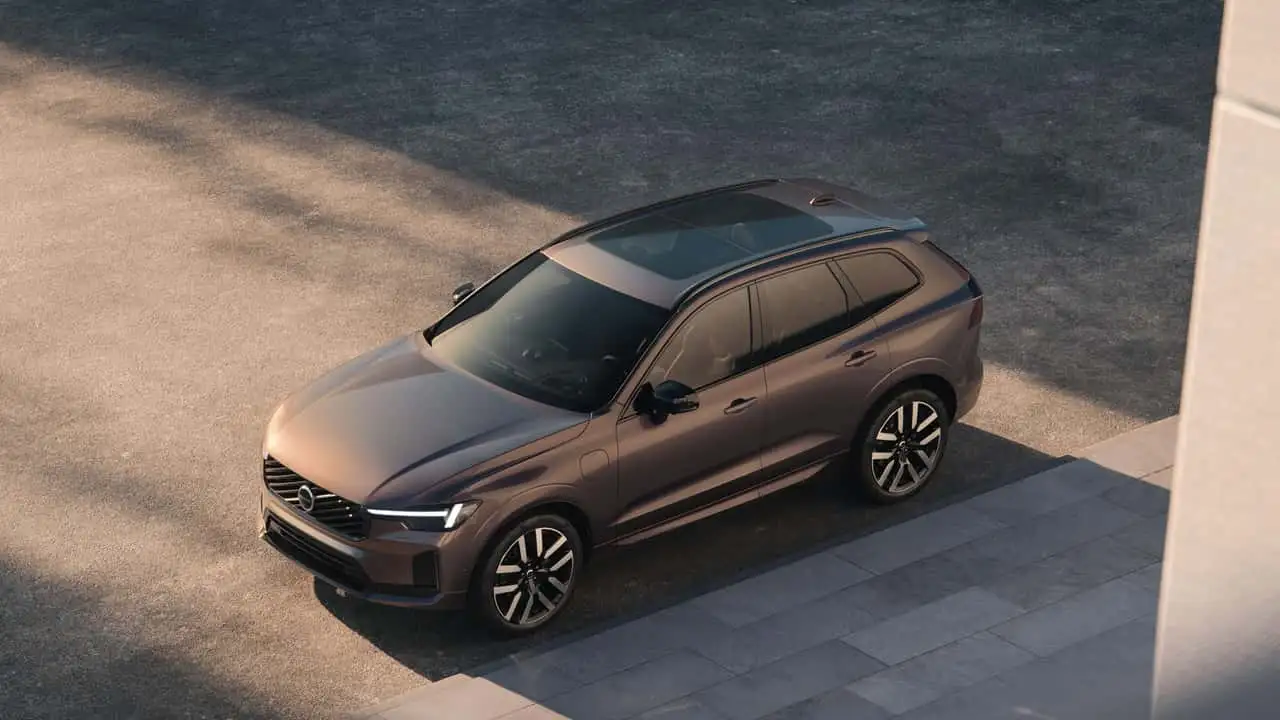
The 2028 Volvo XC60 T8 combines 455 horsepower with an impressive 78 miles of electric range.
The XC90 uses essentially the same powertrain but is naturally slower because of its larger size and additional weight. It reaches 60 mph in 5.0 seconds while offering 73 miles of electric range.
Both SUVs have a 112-mph top speed.
The XC60 Gets Another Design Refresh
Volvo is also updating the XC60 for the 2028 model year. The changes give the SUV another visual refresh while keeping its basic design and cabin architecture familiar.
The front end receives a redesigned bumper, grille and hood. New sculpted fenders and a revised rear bumper provide additional changes around the rest of the body.
The XC60 also gets the latest version of Volvo’s signature Thor’s Hammer LED headlights.
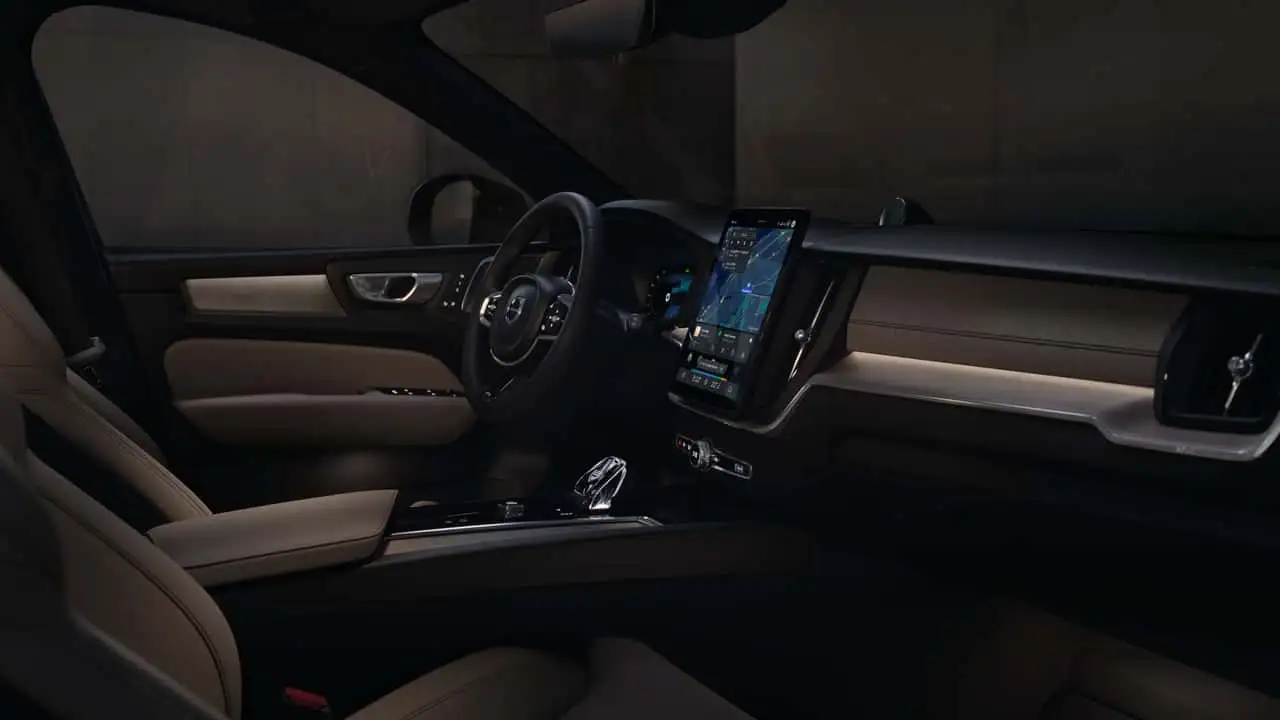
The refreshed 2028 Volvo XC60 gains a redesigned front end and Volvo’s latest Thor’s Hammer LED lighting.
Inside, the changes are more subtle. Volvo adds a new Cardamom brown leather option and Brown Ash wood trim, while the updated infotainment system brings Google Gemini as standard.
An 11.2-inch central touchscreen serves as the main interface for the cabin’s digital functions.
More Safety Technology Joins the XC60
Volvo is also expanding the XC60’s safety technology for the new model year.
A redesigned 360-degree camera system uses additional surround sensors to give the driver a clearer view around the vehicle. That should make tight parking areas and other difficult environments easier to navigate.
The SUV can also be equipped with a new cyclist detection system. It can warn occupants when a bicycle is approaching the vehicle’s doors while the XC60 is stationary.
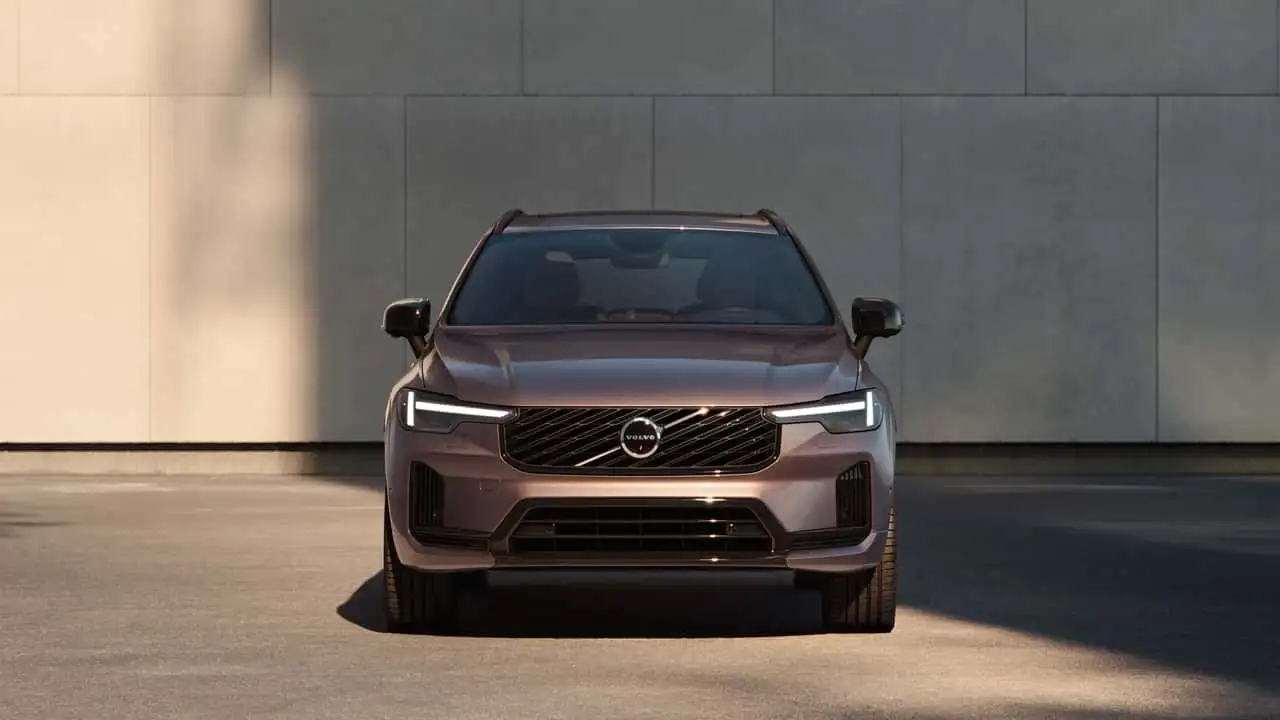
The updated XC60 adds new camera and cyclist-detection technology alongside Volvo’s existing driver-assistance systems.
Volvo’s standard driver-assistance systems can also intervene to help avoid potential collisions. Active brake assistance is designed to reduce impact speed when a collision cannot be prevented entirely.
XC60 and XC90 Bring Long-Range PHEVs to America
The biggest story remains the battery technology. Long-range plug-in hybrids have become more common in other global markets, but vehicles offering more than 70 miles of electric range remain unusual in the United States.
Volvo is positioning the 2028 Volvo XC60 XC90 as a bridge between conventional hybrids and fully electric vehicles. Owners can rely more heavily on electric power for everyday driving while retaining the gasoline engine for longer trips.
The XC60 T8 offers 78 miles of electric range, while the XC90 T8 reaches 73 miles.
Volvo’s New PHEVs Arrive in Late 2027
The updated XC60 T8 is scheduled to reach the U.S. market in late 2027 as a 2028 model. The XC90 will follow shortly afterward.
Volvo has not announced final pricing yet. Current expectations place the XC60 around $65,000, with the XC90 potentially starting closer to $80,000.
The long electric range could give both SUVs an interesting advantage against luxury battery-electric models from BMW, Mercedes-Benz and other rivals.
Ultimately, the 2028 Volvo XC60 XC90 lineup represents a different approach to electrification. Instead of forcing buyers to choose between a traditional hybrid and a full EV, Volvo is giving its two popular SUVs enough electric range to make daily driving far more electric while preserving the convenience of a gasoline powertrain for longer journeys.
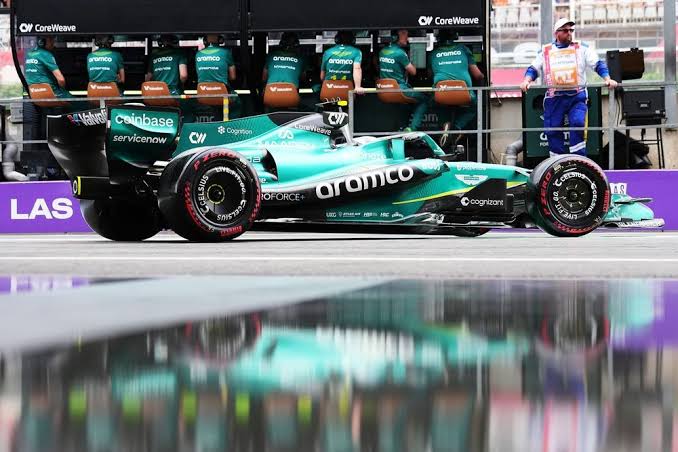
Honda is changing the leadership of its Formula 1 power unit project as it looks beyond a difficult 2026 season with Aston Martin and prepares for the next phase of development.
Honda is making a significant change at the top of its Formula 1 power unit program. Starting October 1, 2026, Yoichiro Fukao will replace Tetsushi Kakuda as the person responsible for leading the Japanese manufacturer’s F1 power unit development.
Honda Racing Corporation describes the move as a planned transition. The stated objectives are to accelerate power unit development and ensure a smooth transfer of technical knowledge to the next generation of engineers.
The timing is particularly important because Honda and Aston Martin have struggled during the opening season of the new 2026 engine regulations. Honda is already looking toward the development framework needed for the changes expected from 2027 onward.
Yoichiro Fukao Takes Over Honda’s F1 Project
Fukao currently serves as the deputy leader of Honda’s F1 project and heads its software division. Beginning October 1, he will become the Large Project Leader, taking over the role that Kakuda has held during the development of Honda’s current power unit.
His background extends well beyond the current project. Fukao joined Honda in 2002 and has worked on F1 engine and gearbox control systems, hybrid systems and MotoGP technology during his career.
He returned to the F1 program in 2014 and later became deputy leader of the project. That experience makes the transition less of a complete change in direction and more of a transfer of responsibility within an experienced technical group.
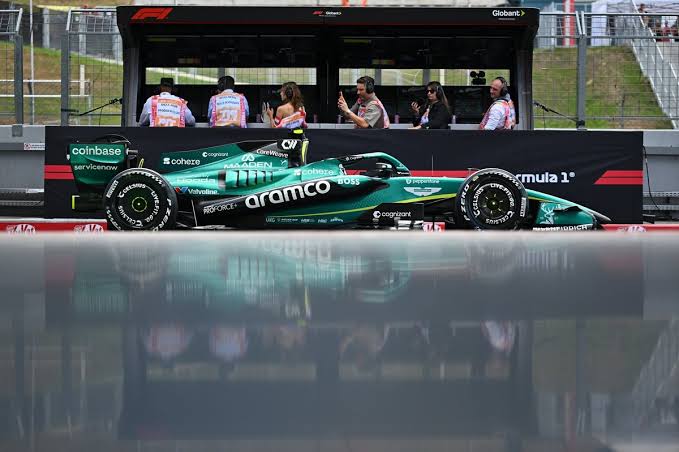
Yoichiro Fukao, Honda’s incoming F1 power unit development chief, has a long background in engine control systems and motorsport technology.
Honda Insists the Change Is Planned
Honda has been careful to characterize the leadership change as a planned organizational transition rather than a direct reaction to the team’s results.
The manufacturer says the primary goal is to preserve technical knowledge while preparing the next generation of engineers to take on greater responsibility.
That is particularly important at a time when Formula 1 is already moving toward another period of technical development. Honda wants the transition to happen early enough that it does not interrupt work on future power unit concepts.
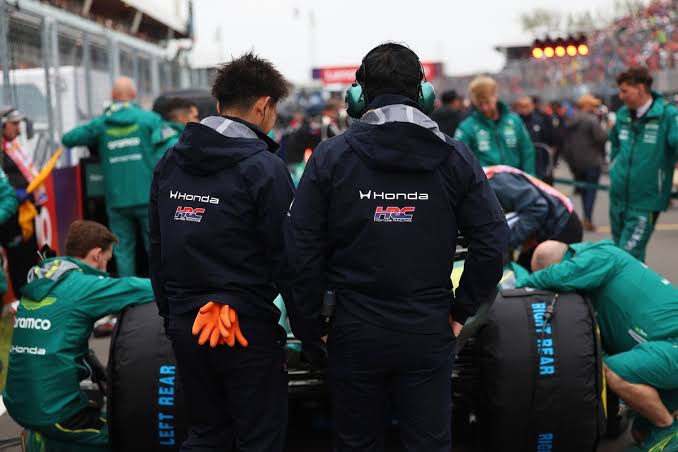
Tetsushi Kakuda has led Honda’s F1 power unit development and will hand responsibility to Yoichiro Fukao on October 1.
Honda’s 2026 F1 Project Has Struggled
The organizational change comes during a difficult first season for Honda under the new 2026 power unit regulations.
The manufacturer returned as Aston Martin’s works power unit partner for the new regulations, but performance and reliability have left the partnership near the bottom of the championship order. Honda and Aston Martin currently sit 10th in the constructors’ standings with three points, according to the supplied race information.
The problems have made Honda eligible for additional development opportunities under the FIA’s framework. However, the manufacturer is now increasingly focused on establishing a stronger foundation for the next stage of development rather than simply trying to recover the entire gap during 2026.
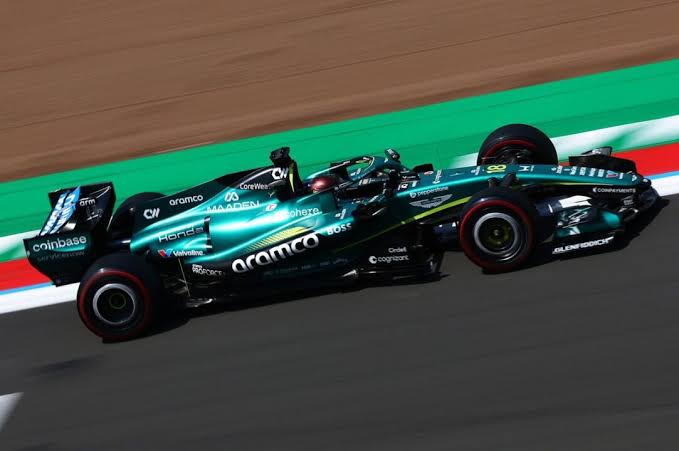
Aston Martin’s difficult 2026 campaign has put additional attention on Honda’s power unit development program.
2027 Is Already Becoming the Bigger Target
Honda’s announcement makes clear that the manufacturer is already planning beyond the current season. Following the introduction of the 2026 regulations and with additional regulatory changes expected from 2027, Honda wants to establish a stronger development structure as early as possible.
That makes Fukao’s promotion particularly significant. Rather than simply replacing one project leader with another, Honda is using the transition to preserve experience while giving a new generation of engineers greater responsibility.
For Aston Martin, the hope is that this approach eventually produces a much more competitive power unit.
A New Phase Begins for Honda and Aston Martin
The Honda F1 power unit program is entering a new phase just months after the manufacturer returned as a full works partner with Aston Martin. Fukao will take control on October 1 with the immediate challenge of improving development efficiency while preparing for what comes next.
The change does not guarantee an instant performance turnaround. However, Honda clearly sees the leadership transition as an opportunity to strengthen its technical organization and establish a better foundation for 2027.
For now, the Japanese manufacturer remains in recovery mode. The bigger test will be whether the changes behind the scenes eventually translate into a power unit capable of moving Aston Martin away from the back of the Formula 1 field.
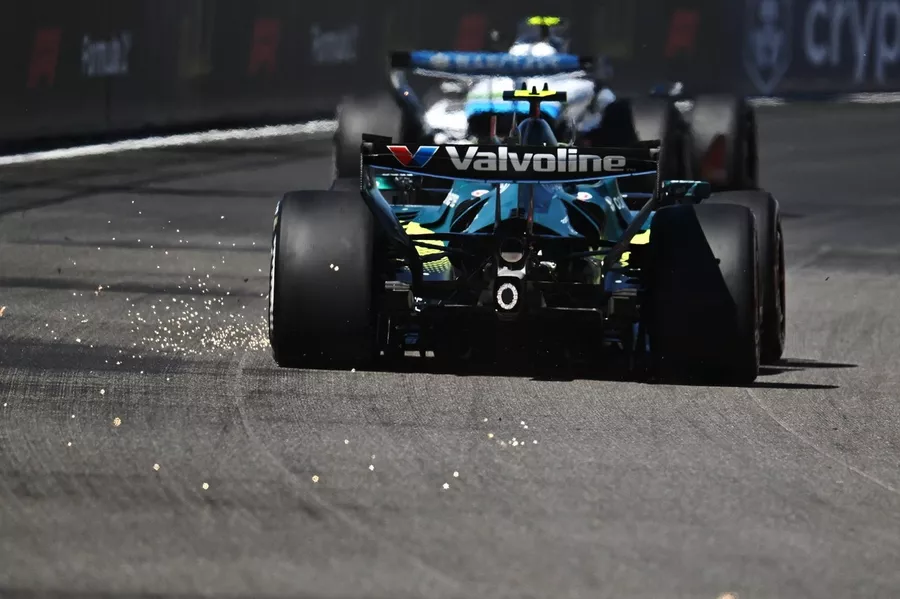
Aston Martin believes its AMR26 had enough pace to fight near the front of the midfield at Madring, but Fernando Alonso’s early damage prevented the team from showing its true potential.
Aston Martin left the Spanish Grand Prix believing it had more performance than the final result suggested. According to team boss Mike Krack, the Aston Martin Madring package had enough pace to fight for the upper end of the midfield, but early damage to Fernando Alonso’s car prevented the team from proving it over a full race distance.
The team had expected to be more competitive in Madrid than it had been at Monza. However, Aston Martin remained realistic about its chances of reaching Q3 and eventually saw its race prospects compromised by Alonso’s problems.
Krack said the team had discussed the possibility of stronger performance throughout the weekend. He felt the expectation was justified, especially after comparing the AMR26 with its previous outing.
Aston Martin Expected More From the Race
Aston Martin’s qualifying performance did not immediately suggest a major breakthrough. Krack said the team was not far from its recent results, but the expectation was that the car would be stronger once the race began.
That expectation became difficult to evaluate because Alonso suffered damage during the opening laps.
“We had more expectations for the race,” Krack explained. “But we had quite a bit of damage early in the race, so I don’t think we saw the full potential of the car.”
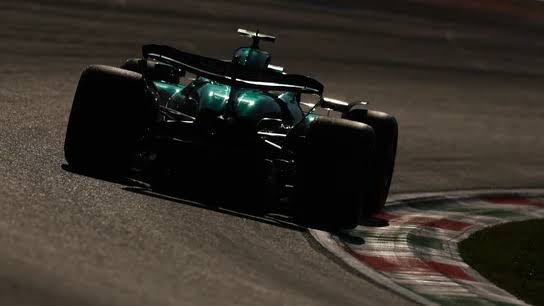
Fernando Alonso drives the Aston Martin AMR26 at Madring after suffering early damage during the Spanish Grand Prix.
The incident meant Aston Martin never had a clean reference for its genuine race pace. Instead of measuring the car against its midfield rivals over a normal stint, the team had to work around the compromised performance of Alonso’s AMR26.
That made the final classification less representative of what Aston Martin believed it could have achieved.
Madring’s Grip Changed the Competitive Picture
Krack also pointed to another important factor: the circuit gained grip much faster than Aston Martin expected.
The increase in track adhesion became noticeable from the opening practice session and changed the relative competitiveness between teams as the weekend progressed.
“You could see from the first session that the grip was increasing faster than we expected,” Krack said.
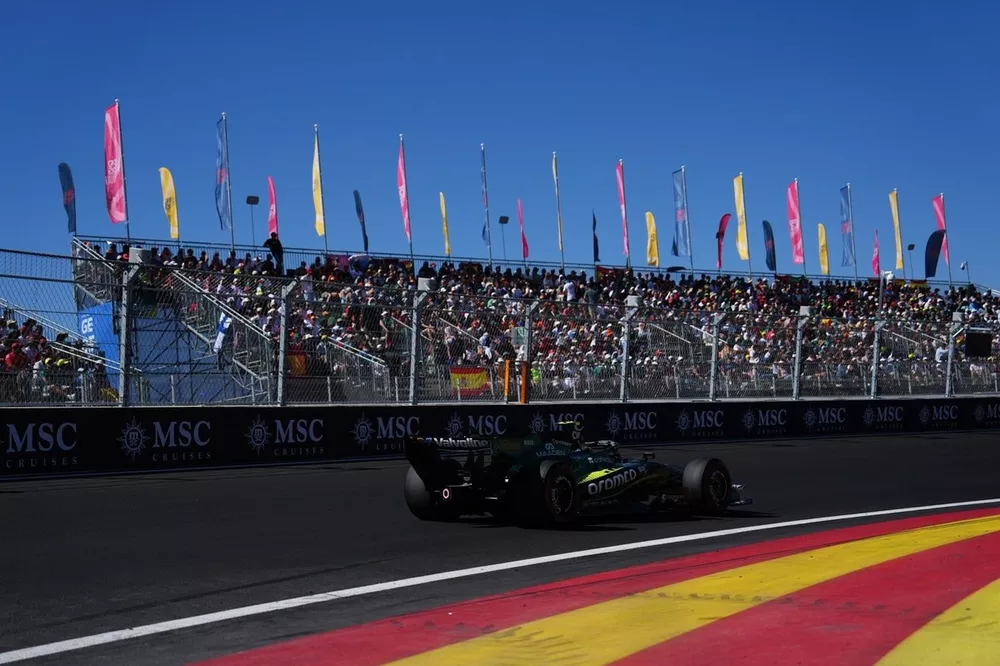
Aston Martin struggled to maximize its pace as track grip increased rapidly throughout the Madring weekend.
That progression mattered because the balance between teams can shift significantly as circuit conditions improve. A car that looks competitive early in a weekend can lose ground as rivals find additional performance from the extra grip.
For Aston Martin, that made the race even more important as the team searched for confirmation of the potential it believed was there.
Krack Believed Aston Martin Could Fight the Midfield
Despite the difficulties, Krack remained positive about the AMR26’s underlying speed.
He believed Aston Martin was quicker than many of the cars that started close to Alonso on the grid. That suggested the team had enough performance to compete effectively in the midfield under normal circumstances.
“I’m pretty sure we could win that race, so to speak,” Krack said, referring to the midfield battle.
However, that potential never translated into the result Aston Martin wanted because of Alonso’s early damage.
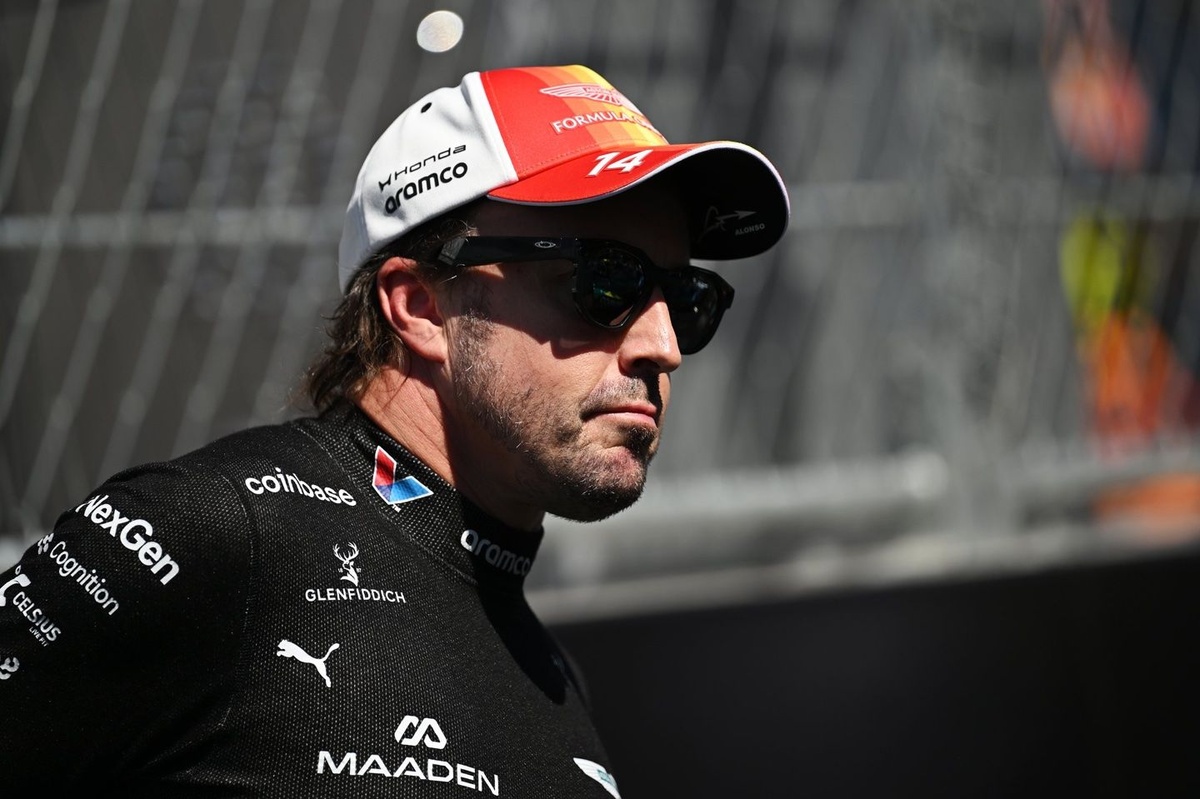
Aston Martin team boss Mike Krack believes the team had enough pace to fight for the top of the midfield at Madring.
Alonso’s Damage Left Aston Martin Without a Clear Answer
The Aston Martin Madring weekend therefore ended with an important question still unresolved. The team believes the AMR26 had enough race pace to fight strongly in the midfield, but Alonso’s damaged car prevented it from demonstrating that performance over a full Grand Prix.
Moreover, the rapidly improving grip levels at the new Madrid circuit made the competitive picture harder to predict. Aston Martin appeared to have a stronger package than the final result indicated, yet it did not get the clean race needed to prove it.
For Krack, the conclusion is clear: the AMR26 had the potential to fight for the midfield win at Madring, but the damage suffered early in Alonso’s race ultimately hid that potential from the results sheet.
-

 TEST DRIVES2 months ago
2026 Maserati MCPura Cielo
-

 NOW TRENDING2 months ago
2027 Range Rover GT Debuts as the Brand’s Lowest EV
-

 INTELLIGENT MOBILITY2 months ago
2027 Toyota Crown Gets New Hybrid System and Fresh Design
-
 NOW TRENDING2 months ago
Mercedes-AMG Admits the C63 Hybrid Was a Mistake for Buyers
-

 NOW TRENDING2 months ago
Honda Civic Si Production Ends After 2026 Model Year Pause
-

 NOW TRENDING2 months ago
Next-Gen Cadillac CT5-V Blackwing Could Keep the V8 Alive
-
 NOW TRENDING2 months ago
Rolls-Royce’s $32 Million Droptail Took 9 Months of Handcrafted Woodwork
-

 NOW TRENDING2 months ago
2027 Toyota Sequoia Adds Trailhunter Package and New Tech
You must be logged in to post a comment Login