
INTELLIGENT MOBILITY
BYD Plans €2 Billion Investment To Bring Five-Minute EV Charging Across Europe


BYD is preparing one of the biggest infrastructure investments in the European electric vehicle market. The Chinese automaker plans to spend nearly €2 billion expanding its ultra-fast charging network, a move designed to bring its revolutionary five-minute charging technology to customers across Europe.
BYD aims to deploy thousands of ultra-fast charging stations capable of adding significant range in just minutes, accelerating the adoption of electric vehicles across the continent.

BYD plans to invest €2 billion to expand its ultra-fast charging network throughout Europe.
The world’s largest electric vehicle manufacturer believes charging speed will become one of the most important factors in convincing drivers to switch from combustion-powered vehicles to EVs.
To support that goal, BYD intends to roll out thousands of new charging stations capable of delivering its latest flash-charging technology.
BYD Wants To Make Five-Minute EV Charging A Reality
According to company executives, BYD plans to install around 3,000 flash chargers across Europe by 2027, including approximately 600 in the United Kingdom.
The investment follows the successful deployment of the technology in China, where the company expects to have 20,000 flash chargers operating before the end of the year.
Each station represents a significant investment, with costs estimated at around €580,000.
BYD says the expansion will be essential if the company wants to bring ultra-fast charging capabilities to a wider range of electric vehicles.

BYD’s flash-charging technology is designed to dramatically reduce charging times for electric vehicles.
The charging technology is currently available on vehicles equipped with BYD’s latest-generation battery systems.
One of the first models to showcase the technology is the Denza Z9GT, a premium electric vehicle capable of charging from low battery levels to 70 percent capacity in approximately five minutes.
The Technology Behind BYD’s Flash Charging System
The Denza Z9GT can reach nearly a full charge in around 12 minutes, even in temperatures as low as -30 degrees Celsius.
BYD plans to gradually expand the technology beyond premium models and eventually introduce it to more affordable vehicles sold in Europe and the United Kingdom.
The company’s long-term objective is to make ultra-fast charging available across its entire product portfolio.

Future BYD models are expected to benefit from the company’s next-generation battery and charging technology.
Company executives believe that charging convenience remains one of the final barriers preventing broader EV adoption.
By reducing charging times to levels closer to traditional refueling, BYD hopes to make electric vehicles more appealing to mainstream buyers.
Following Tesla’s Infrastructure Strategy
The strategy mirrors Tesla’s approach to expanding its Supercharger network.
Tesla’s investment in charging infrastructure helped accelerate electric vehicle adoption and strengthen customer confidence in long-distance travel.
BYD now appears determined to replicate that success by building its own network of high-performance charging stations throughout Europe.
Unlike traditional fast chargers, BYD’s stations rely heavily on on-site battery storage systems.
According to the company, these battery units can be charged during off-peak hours and then deliver massive charging power without placing additional strain on local electricity grids.

Battery storage systems allow BYD’s charging stations to deliver high power without increasing grid demand.
BYD Continues To Expand Across Europe
The timing of the investment comes as BYD continues to gain market share across Europe.
The company’s share of the European Union market has grown significantly during 2026, supported by an expanding range of electric and hybrid vehicles.
BYD has also introduced new models specifically designed for European customers, strengthening its position against established rivals.
With a €2 billion investment, thousands of charging stations, and charging times measured in minutes rather than hours, BYD is making a clear statement about the future of electric mobility.
If successful, the company’s flash-charging network could become one of the most important developments in Europe’s transition toward electric transportation.



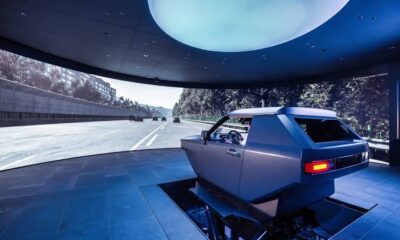







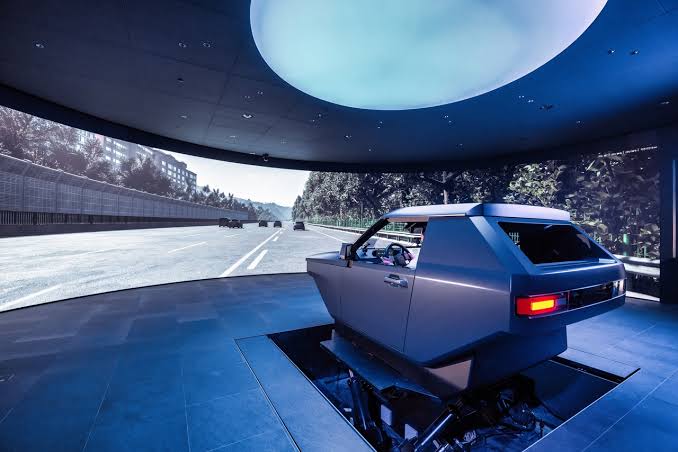
Hyundai Motor Group has opened UX Studio Shanghai, a new research hub designed to study Chinese consumer behavior and shape the next generation of connected mobility worldwide.
Hyundai UX Studio Shanghai is the latest step in the automaker’s strategy to develop smarter and more connected mobility experiences. Located in one of China’s leading innovation centers, the new research hub will gather consumer insights and help transform them into future vehicle technologies for global markets.
Moreover, the facility strengthens Hyundai Motor Group’s commitment to designing vehicles around real customer needs.
A New Center Focused on User Experience
The new Hyundai UX Studio Shanghai expands the company’s global user experience network, joining existing research centers in Seoul, Frankfurt and Irvine.
As a result, Hyundai can better understand how Chinese consumers interact with connected vehicles and digital technologies. The facility will also support the company’s “In China, For China, To Global” strategy by turning local innovations into worldwide solutions.
Furthermore, researchers will work directly with customers throughout the product development process.
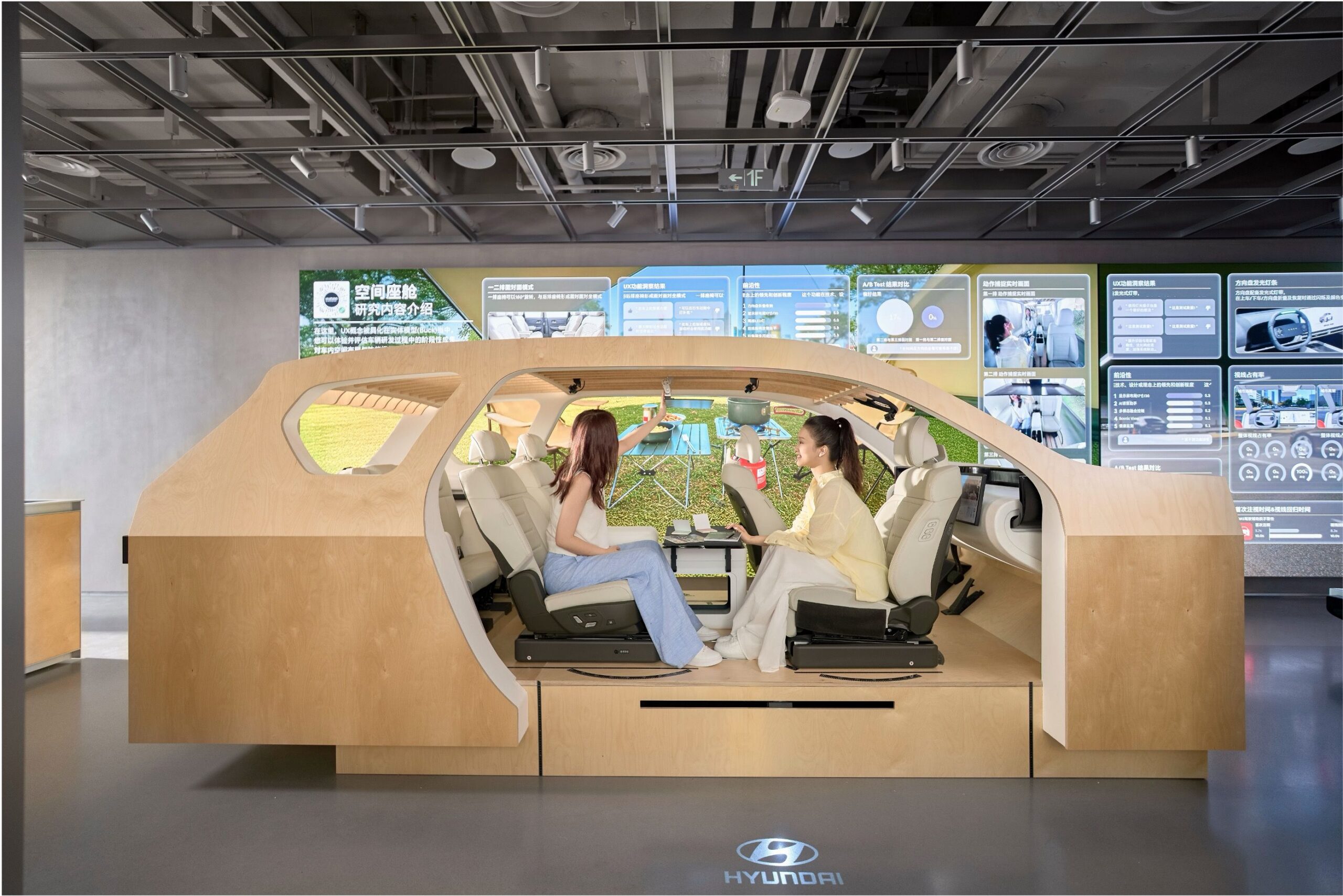
Hyundai’s new UX Studio Shanghai will study consumer behavior to improve future mobility experiences.
Designed for the Era of Software-Defined Vehicles
As vehicles become increasingly software-driven, Hyundai believes customer experience is becoming just as important as performance.
Therefore, UX Studio Shanghai focuses on technologies such as connected ecosystems, voice interaction, intelligent interfaces and digital mobility services. In addition, the company expects local consumer feedback to influence future software-defined vehicles across its global lineup.
The new center also supports collaboration between engineers, designers and customers from the earliest development stages.
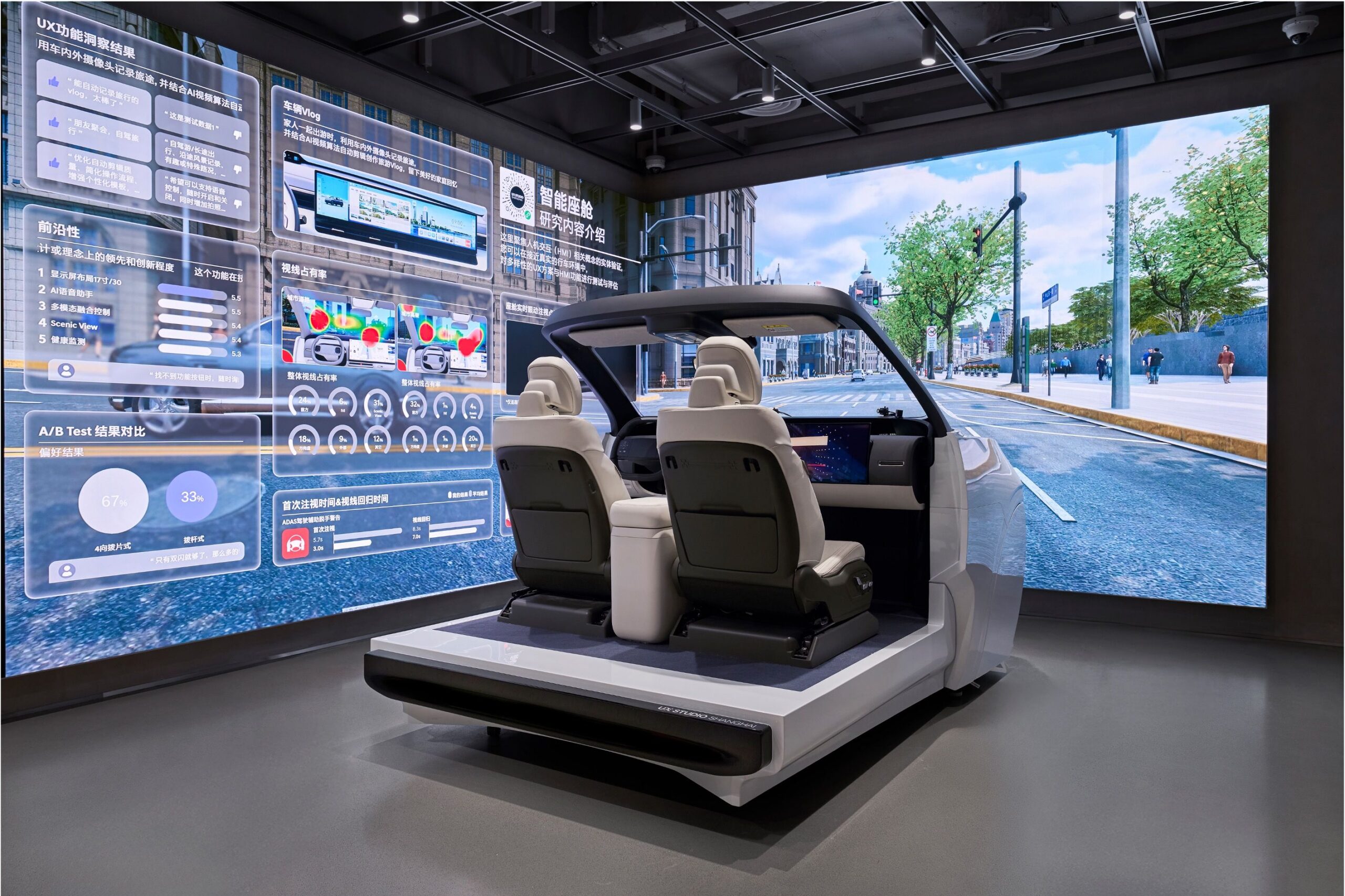
The research hub will help develop software-defined vehicles through customer collaboration.
Chinese Innovation Will Influence Global Products
Shanghai was selected because of its advanced technology ecosystem and rapidly evolving mobility market.
Meanwhile, Hyundai is partnering with leading academic institutions and local experts to better understand changing consumer behaviors. Research will cover a wide range of mobility scenarios, including family transportation, urban commuting and connected driving experiences.
Consequently, innovations developed in Shanghai will be shared across Hyundai’s worldwide research and development network.
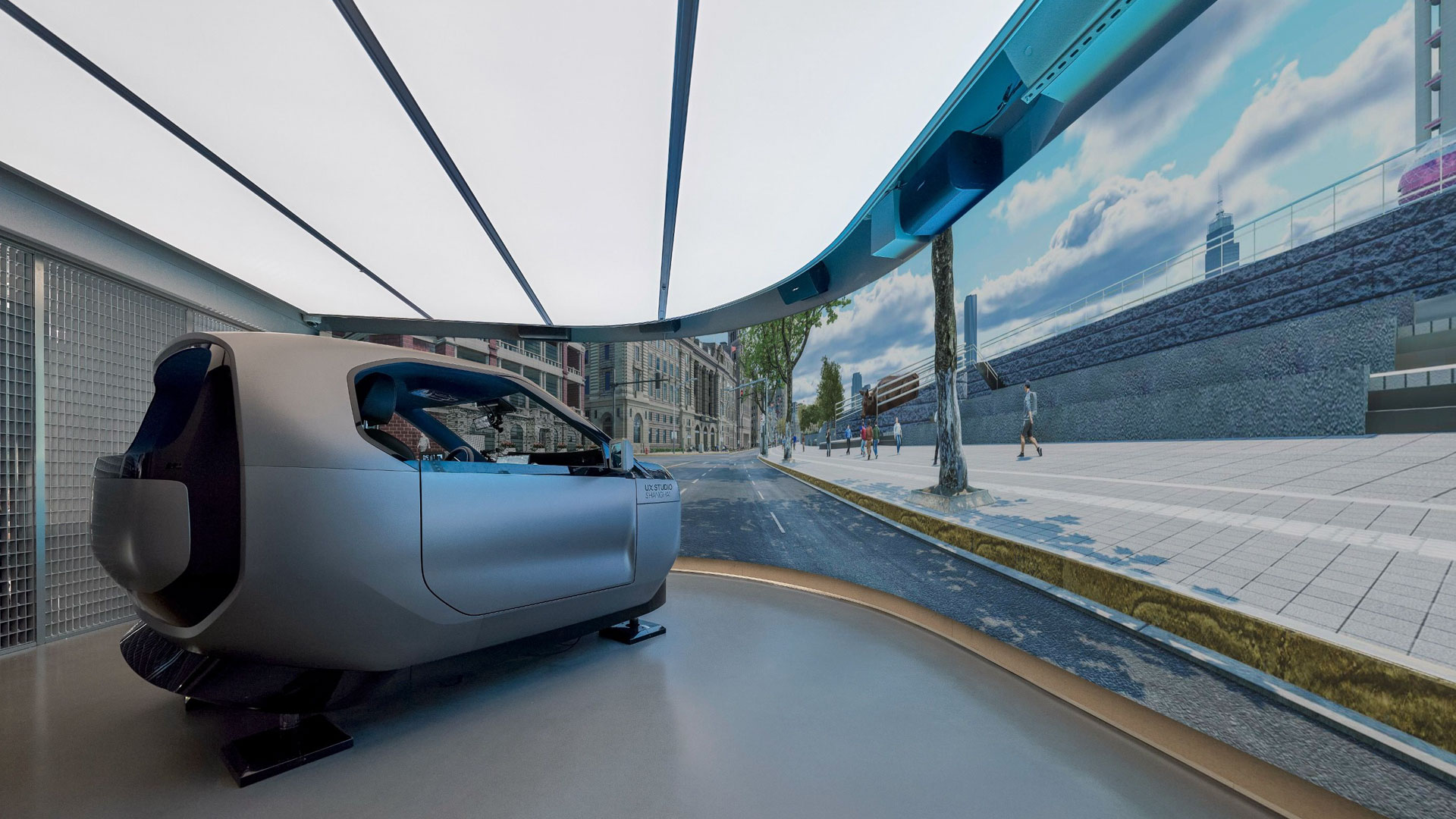
Hyundai expects insights from Shanghai to shape future vehicles sold around the world.
Hyundai UX Studio Shanghai Strengthens Future Mobility Development
The Hyundai UX Studio Shanghai represents far more than a regional research center.
Overall, the new facility reinforces Hyundai Motor Group’s strategy of combining local innovation with global development. By placing Chinese consumer insights at the center of future product planning, the company aims to create smarter, more connected and more personalized mobility experiences for customers worldwide.
Ford has announced that its upcoming electric vehicles will replace Google-based navigation with native Apple Maps, bringing improved EV route planning and enhanced hands-free driving features.
Ford is preparing a major change for its next generation of electric vehicles. Beginning with its new Universal Electric Vehicle (UEV) platform, the automaker will introduce native Apple Maps integration, giving drivers built-in navigation without relying on Apple CarPlay.
Moreover, the new system is expected to improve both the EV ownership experience and Ford’s advanced driver-assistance technology.
Apple Maps Will Be Built Into Ford’s EVs
Unlike traditional Apple Maps, which requires an iPhone connected through Apple CarPlay, Ford’s upcoming system will operate directly from the vehicle’s infotainment software.
As a result, every driver will have access to real-time traffic updates, intelligent EV route planning and battery preconditioning, regardless of whether they own an iPhone.
Meanwhile, Apple CarPlay will remain available for customers who prefer using their smartphone interface.

Ford’s next-generation EVs will feature Apple Maps integrated directly into the infotainment system.
BlueCruise Receives a Major Technology Upgrade
The new Ford Apple Maps integration goes beyond navigation.
Ford says Apple Maps’ highly detailed road data will help improve the next generation of BlueCruise, the company’s hands-free driving system. Consequently, BlueCruise will be able to deliver more accurate operation between highway entrance and exit ramps, making the driving experience smoother and more reliable.
Furthermore, the additional mapping data is expected to improve route awareness and vehicle positioning during assisted driving.

Apple Maps data will help enhance Ford’s BlueCruise hands-free driving system.
Ford Takes a Different Direction From Rivals
Ford’s new strategy sets it apart from several major competitors.
While some automakers continue relying on proprietary infotainment platforms or Google-based operating systems, Ford has chosen to integrate Apple Maps directly into its next-generation EV architecture.
The technology will debut on the company’s approximately $30,000 midsize electric pickup, which is scheduled to launch in 2027 before expanding to additional models built on the UEV platform.

Ford’s affordable electric pickup will be the first model to launch with native Apple Maps.
Ford Apple Maps Marks a New Direction for Future EVs
The Ford Apple Maps partnership represents a significant step in the company’s software strategy.
Overall, native Apple Maps integration should provide a more seamless navigation experience while supporting smarter charging, improved route planning and enhanced BlueCruise performance. As Ford expands its next-generation EV lineup, software is becoming just as important as hardware in defining the driving experience.
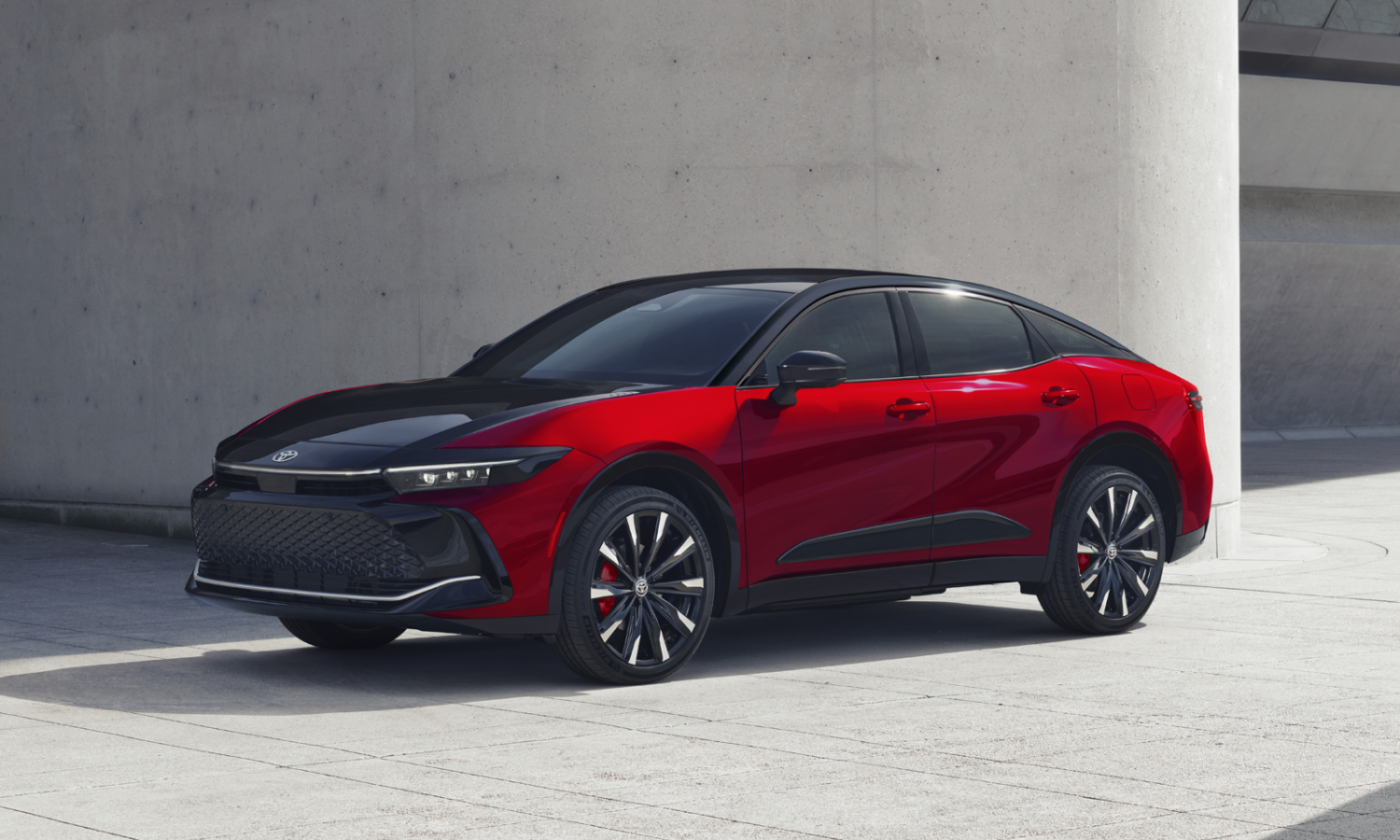
Toyota has refreshed the 2027 Crown with a next-generation hybrid system, updated styling, new technology and additional premium features for its flagship sedan.
The 2027 Toyota Crown receives a comprehensive update that enhances both performance and luxury. Toyota has introduced its fifth-generation hybrid system on most trims, refreshed the exterior styling and expanded premium features throughout the lineup.
Available in four grades, the updated Crown continues to blend sedan comfort with crossover-inspired practicality while offering improved efficiency, advanced technology and a more refined driving experience.

The 2027 Toyota Crown features updated styling and a new fifth-generation hybrid system.
Fifth-Generation Hybrid System Improves Performance
The biggest mechanical upgrade for the 2027 Toyota Crown is the introduction of Toyota’s fifth-generation Hybrid System (THS 5) on the XLE, Limited and Nightshade trims.
The system pairs a 2.5-liter gasoline engine with front and rear electric motors, delivering smoother acceleration while maintaining an EPA-estimated 40 mpg combined. Paddle shifters are also now standard on these grades, providing a more engaging driving experience.
For drivers seeking additional performance, the Platinum grade continues to feature Toyota’s Hybrid MAX powertrain. This setup combines a turbocharged 2.4-liter engine with an electric motor to produce 340 net combined horsepower and 400 lb-ft of torque, paired with a six-speed automatic transmission.
Refreshed Exterior Brings a More Premium Appearance
Toyota has refined the exterior design of the 2027 Toyota Crown with subtle but noticeable styling improvements.
A redesigned rear bumper gives the sedan a cleaner and more sophisticated profile, while updated satin-finished hybrid and all-wheel-drive badges add a modern touch.
The Platinum trim now includes red brake calipers, black window trim and an updated two-tone paint design featuring a body-colored trunk combined with a contrasting black roof.
Toyota also expands the color palette with the addition of Inked, a new black exterior finish, alongside existing colors including Oxygen White, Heavy Metal, Bronze Age, Finish Line Red and Storm Cloud.

The Platinum trim receives exclusive styling upgrades, including red brake calipers and refined two-tone paint.
A More Luxurious Cabin
Inside, the 2027 Toyota Crown continues its premium approach with new interior options and enhanced comfort.
The Limited grade now offers full Saddle Tan seating, while Platinum buyers can also choose the same elegant interior color. The Bronze Age exterior can now be paired with the Saddle Tan cabin, creating one of the lineup’s most distinctive combinations.
Every model comes equipped with a 12.3-inch digital instrument cluster and a 12.3-inch Toyota Audio Multimedia touchscreen. Heated and ventilated front seats, wireless Apple CarPlay, Android Auto, multiple USB-C ports and a wireless charging pad are standard across the range.
Higher trims further add a panoramic moonroof, JBL premium audio, a Head-Up Display and a Panoramic View Monitor.
Advanced Technology and Standard All-Wheel Drive
Every 2027 Toyota Crown comes standard with all-wheel drive, although Toyota offers two different AWD systems depending on the powertrain.
Hybrid models equipped with THS 5 use an Electronic On-Demand AWD system that automatically powers the rear wheels when additional traction is needed.
Meanwhile, the Platinum trim benefits from a Full-Time Electronic AWD system paired with the Hybrid MAX powertrain, helping maximize grip and improve overall handling.
Drivers can also select multiple drive modes, including Normal, Eco, Sport and Custom, while Platinum models add an exclusive Rear Comfort mode that prioritizes ride quality for rear passengers.

Every 2027 Toyota Crown features standard all-wheel drive and a 12.3-inch multimedia touchscreen.
The 2027 Toyota Crown Continues to Raise the Bar
The 2027 Toyota Crown builds on its unique identity by combining premium comfort, efficient hybrid technology and distinctive styling.
With the addition of Toyota’s latest hybrid system, refreshed exterior design, expanded luxury features and improved technology, the updated Crown offers an even stronger package for buyers looking for a sophisticated full-size hybrid sedan.
-
 TEST DRIVES2 months ago
2026 Subaru Outback Touring
-
 TEST DRIVES2 months ago
2026 Hyundai Santa Cruz Limited AWD
-

 TEST DRIVES2 months ago
Lamborghini prepares multiple launches for 2026 as electrification plans continue
-
 INTELLIGENT MOBILITY1 month ago
2026 Cadillac Escalade IQL Redefines Luxury In The Electric SUV Segment
-

 RACING2 months ago
Barcelona-Catalunya Grand Prix: Everything You Need To Know About Formula 1’s Ultimate Benchmark Circuit
-
 RACING1 month ago
George Russell Leads Final Barcelona Practice As Kimi Antonelli Receives Reprimand
-
 RACING2 months ago
Why Formula 1 Has Pit Lane Speed Limits And How They Are Measured
-

 NOW TRENDING2 months ago
Porsche Creates A Buzz Lightyear-Inspired 911 GT3 RS That Looks Ready To Go “To Infinity And Beyond”
You must be logged in to post a comment Login