
Formula1
Yuki Tsunoda: The Red Bull Setup Mistake He Regrets

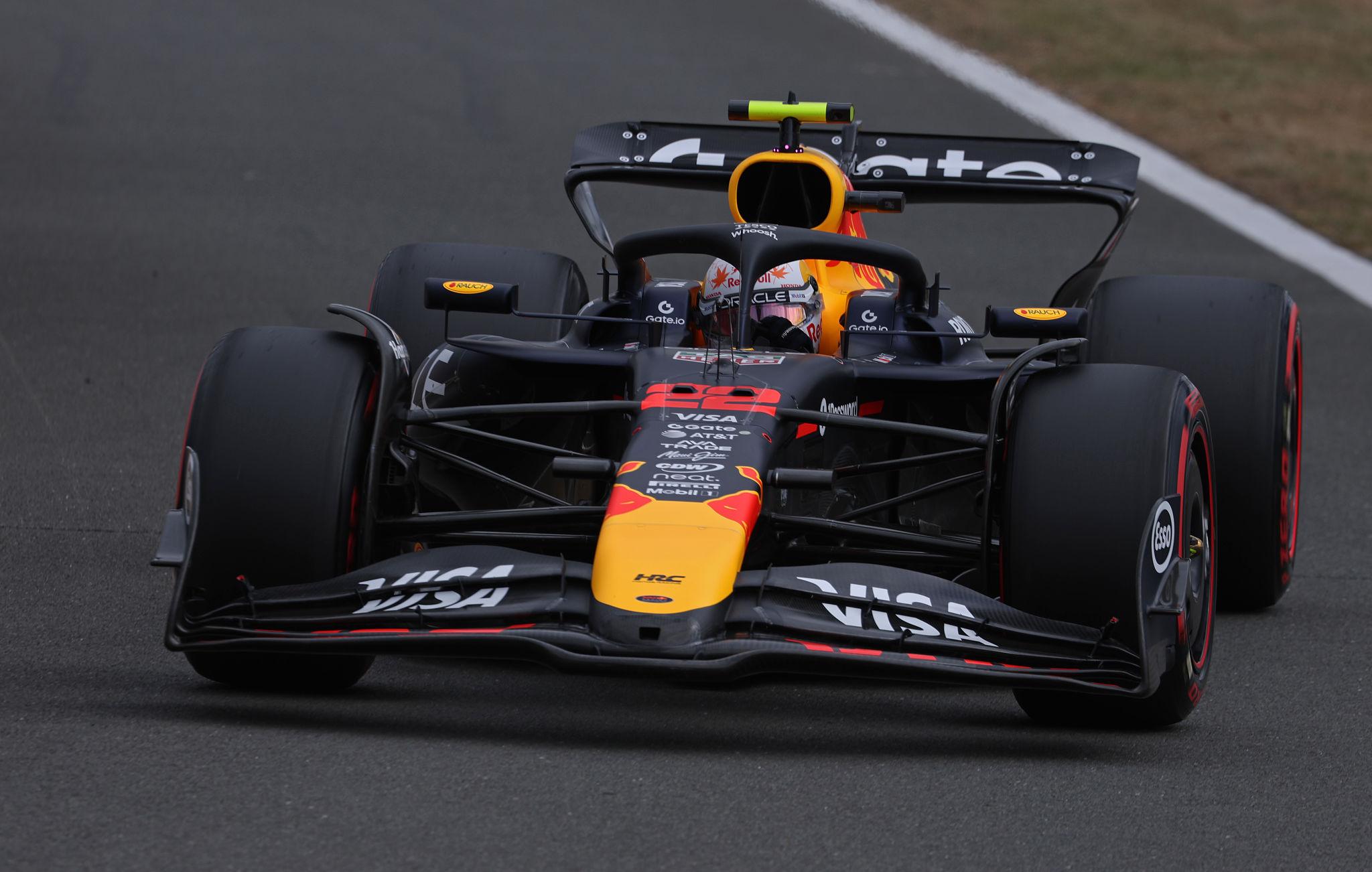
Yuki Tsunoda has identified the setup choice that he believes hurt his difficult Red Bull season, admitting he tried too hard to replicate Max Verstappen’s car.
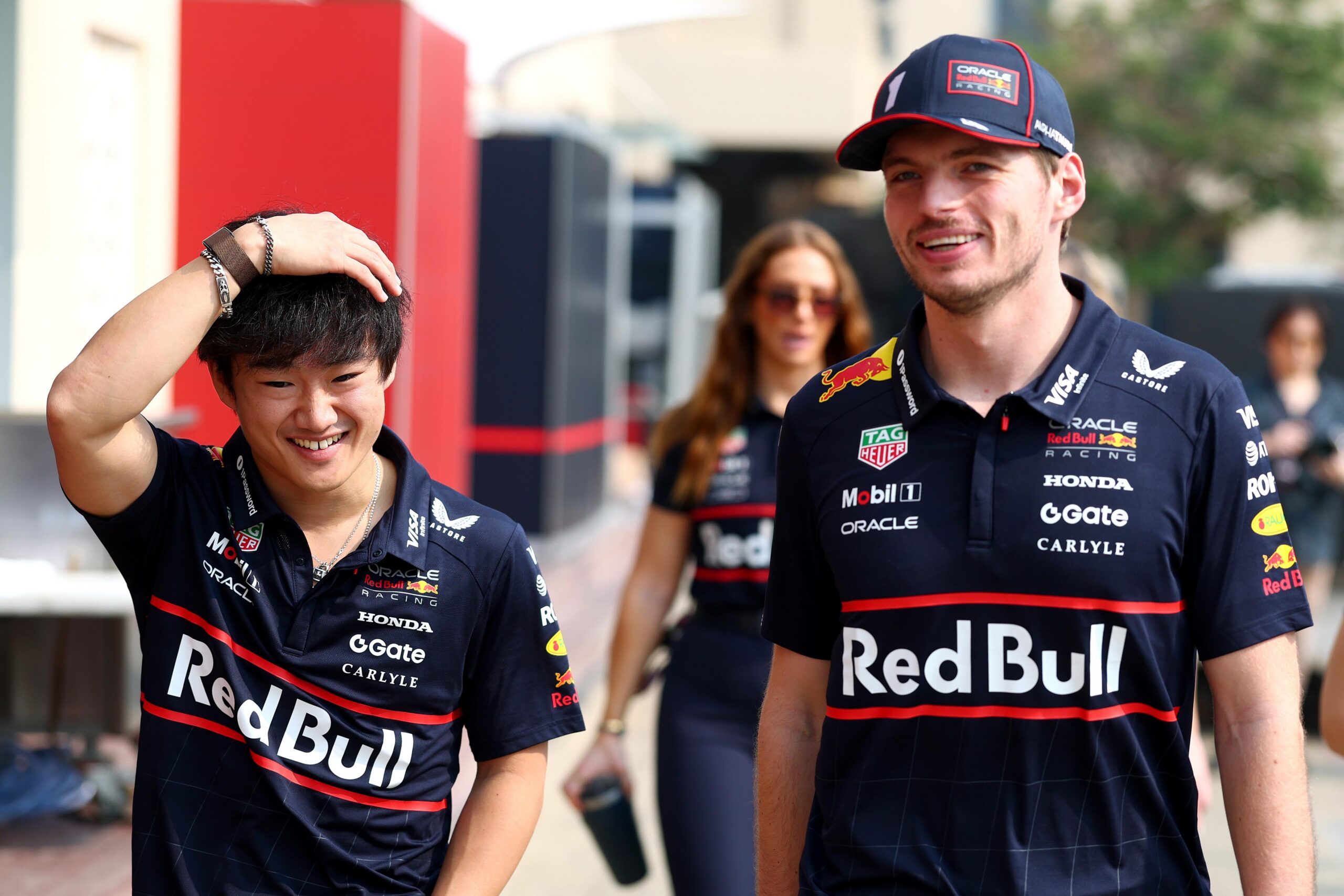
The Japanese driver admits that trying to copy Max Verstappen’s setup was probably his biggest mistake during his time with the team.
Tsunoda arrived at Red Bull for the Japanese Grand Prix after the team changed its driver line-up. He immediately found himself sharing a garage with Verstappen and facing the challenge of understanding the demanding RB21.
At first, following Verstappen’s direction seemed logical.
The four-time world champion had already shown that he could extract performance from the car. Tsunoda therefore looked closely at the setup used on the other side of the garage.
Over time, however, he realised that a setup that worked for Verstappen did not necessarily suit his own driving style.
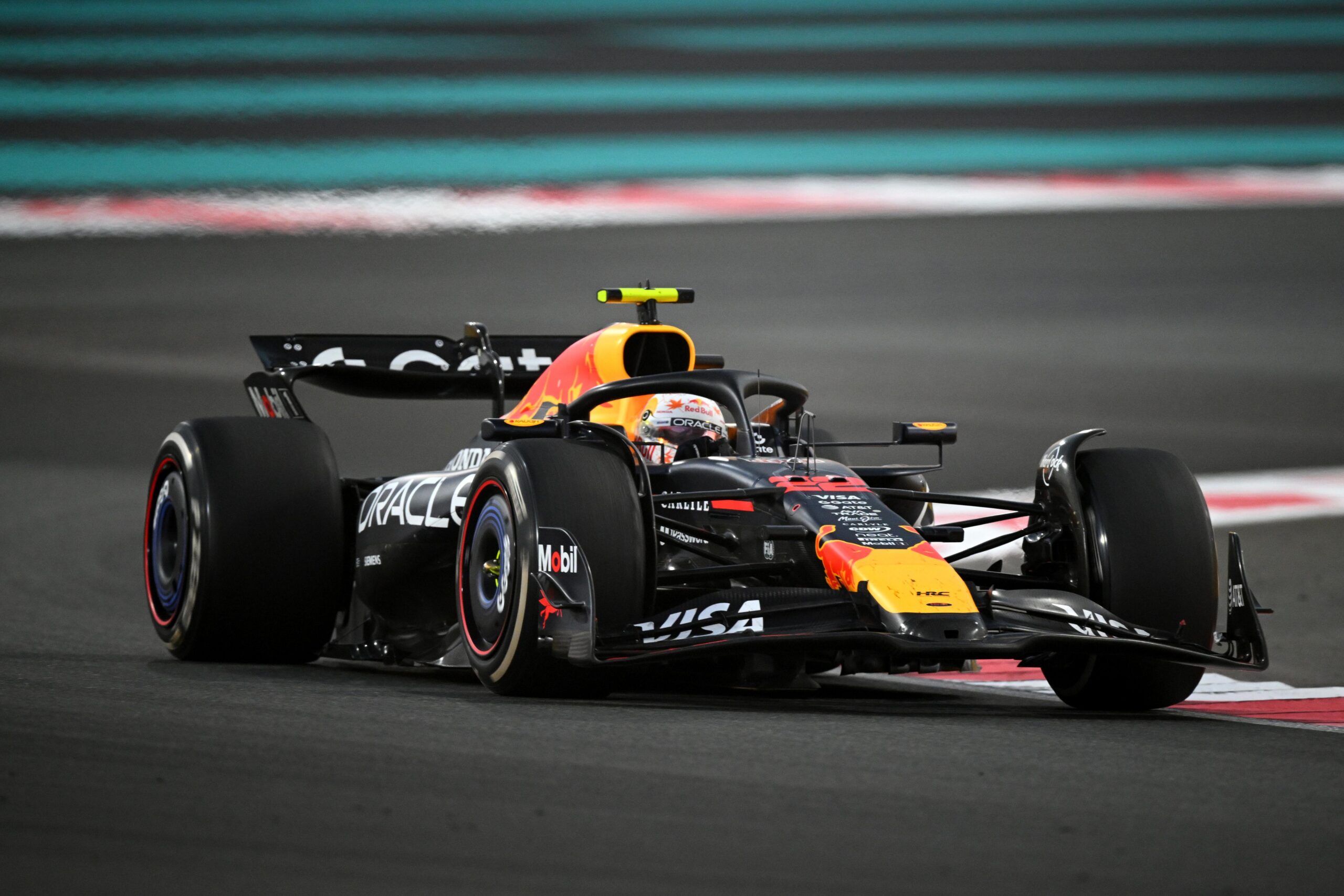
The problem was not simply that Tsunoda was trying to drive like Verstappen.
He says he still had confidence in his own abilities. In fact, he did not want to completely change his driving style for another driver.
The real issue was the direction he took with the car’s setup.
When Tsunoda felt oversteer, he sometimes moved toward settings that created even more of that behaviour because those characteristics appeared to work for Verstappen.
The same happened in the opposite direction.
When Tsunoda felt understeer, he could still choose a setup that moved the car further toward the balance Verstappen preferred.
That approach made the RB21 harder for him to understand.
Tsunoda now believes he should have focused more closely on what his own car was telling him, rather than trying to reproduce the configuration of his teammate.
Verstappen could exploit behaviour Tsunoda struggled with
Tsunoda’s explanation also highlights an important difference between the two drivers.
According to the Japanese racer, Verstappen has an exceptional ability to recognise how the car behaves during each part of a corner.
That includes small changes in rotation, front-end movement and sliding.
Verstappen can detect those reactions quickly and use them to his advantage.
Tsunoda says he approached the same situations differently.
When the RB21 produced a reaction that did not match what he expected, he often tried to force the car toward the behaviour he preferred.
That created another problem.
Instead of adapting completely to the car, he was trying to make the car adapt to him.
The contrast became especially important because the RB21 had a very narrow operating window.
Tsunoda discovered that while he could make the car feel reasonably manageable, extracting its maximum performance was much harder.
That distinction became clear from his first weekends with Red Bull.
The Japanese driver had a promising start in practice at Suzuka. He was close to Verstappen and showed that he could adapt quickly. However, qualifying and the race exposed how difficult it was to extract consistent performance from the car.
As the season progressed, Tsunoda continued searching for confidence.
He eventually realised that his biggest problem was not necessarily a lack of speed. Instead, he had not fully understood how to work with the behaviour of the RB21.
That realisation came with hindsight.
Tsunoda had spent four seasons developing his own understanding of how to work with a Formula 1 car. At Red Bull, he moved away from that process by placing too much emphasis on what Verstappen was doing.
The Red Bull RB21 remained difficult to understand
The Japanese driver has described the RB21 as a completely different challenge from the car he had driven previously.
His promotion to the senior Red Bull team came suddenly. He had already been familiar with the Racing Bulls environment. Then, from Suzuka onward, he had to adapt to a far more demanding machine.
The pressure was also different.
Tsunoda was now competing alongside Verstappen. That made every comparison more visible.
Instead of only focusing on his own progress, he found himself looking at the setup and driving approach used by the benchmark on the other side of the garage.
That comparison became counterproductive.
Tsunoda now believes that confidence should have come from understanding his own relationship with the car.
The more he tried to reproduce Verstappen’s configuration, the harder that process became.
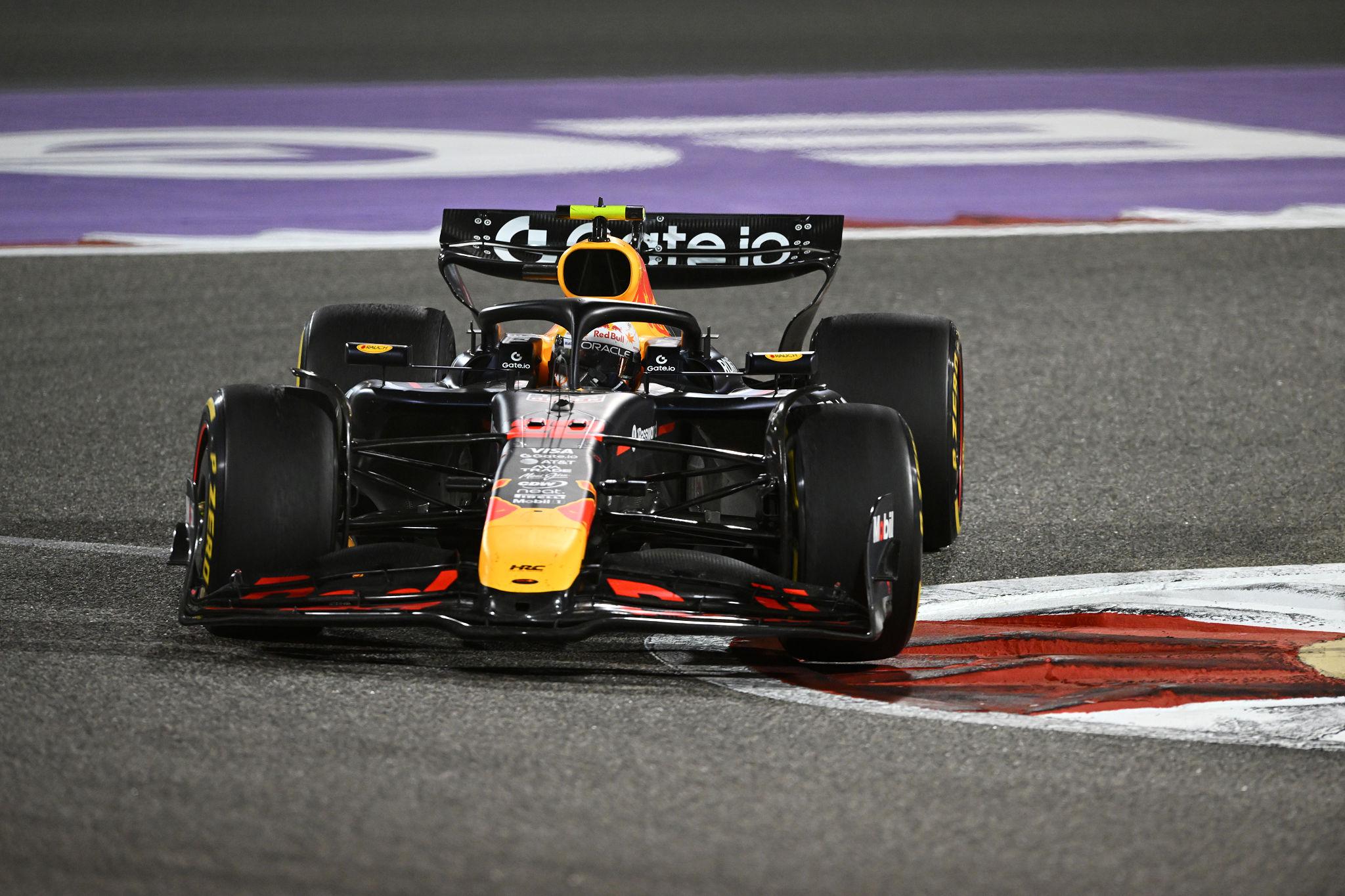
The most striking part of Tsunoda’s reflection is how long the problem lasted.
He says that even after the 2025 season ended in Abu Dhabi, he still did not completely understand the RB21.
That was unusual for him.
Tsunoda had previously been able to develop a relationship with his cars over time. With Red Bull, that process never reached the same level.
The experience left him with a clear lesson.
A Formula 1 setup is not a universal formula. A configuration that allows one driver to extract the strengths of a car can create problems for another.
That lesson is especially relevant when the reference point is Verstappen.
Tsunoda did not need to make his Red Bull behave exactly like Verstappen’s Red Bull. He needed to find the configuration that allowed him to exploit the car in his own way.
That is the conclusion he has reached after looking back on the season.
His time with Red Bull therefore became more than a difficult chapter. It also showed him how important it is for a driver to trust his own feedback and understand the characteristics of the machine underneath him.
The key lesson from Tsunoda’s experience is clear: copying the fastest driver’s setup does not automatically make another driver faster.
For Tsunoda, understanding that difference came only after a full season of trying to make the RB21 work.








-
 NOW TRENDING2 months ago
Aston Martin DBX Becomes Harry Da Souza’s Ride in MobLand
-
 TEST DRIVES2 months ago
2026 Maserati GranTurismo Trofeo Review: Miami
-
 INTELLIGENT MOBILITY2 months ago
Tesla Cybercab Navigation Problem Hits Austin Robotaxis
-
 INTELLIGENT MOBILITY2 months ago
Tesla Cybercab Cannot Be Charged at Home—Here’s Why
-
 INTELLIGENT MOBILITY2 months ago
2027 Nissan Rogue Hybrid: e-POWER Comes to America
-
 TEST DRIVES2 months ago
2026 Maserati GranTurismo Coupe
-
 Formula12 months ago
Cadillac F1 2026 Faces an Eight-Race Logistics Challenge
-

 NOW TRENDING2 months ago
2027 Lexus LS Gets Another Update, But Not in America