
RACING
Williams F1 2026: The Team Is Already Looking to 2027

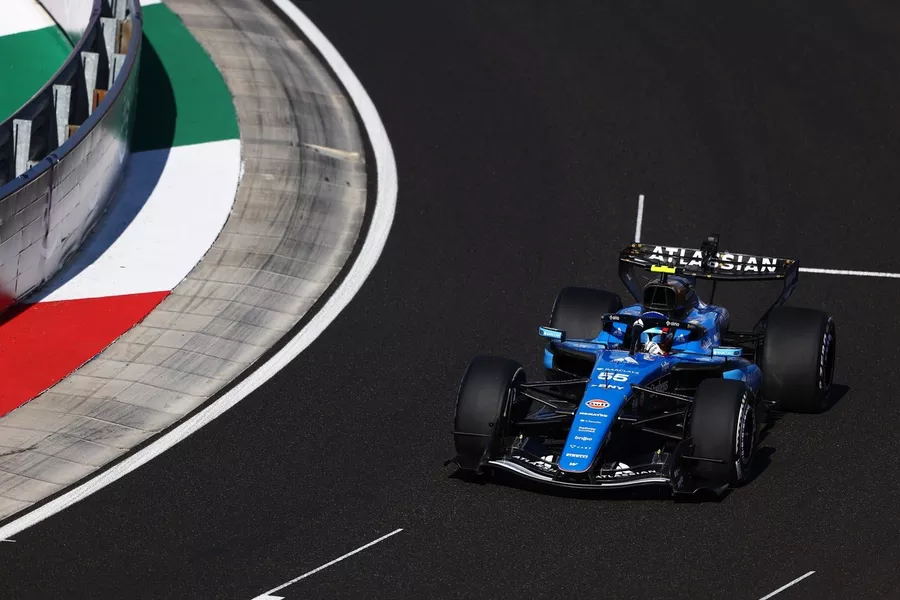
Williams is accepting a limited 2026 development programme as James Vowles confirms that most of the team’s resources have already moved toward its 2027 Formula 1 project.
Williams is making a difficult development trade-off
Williams has accepted that the 2026 Formula 1 car will not receive everything the team could have developed. Team Principal James Vowles says the decision comes from a clear change in priorities.
The Grove-based team has already moved most of its resources toward the 2027 project. As a result, the remaining upgrades for the FW48 will be more limited.
The decision follows a difficult period for Williams. The team has struggled to add performance to its 2026 car, while several rivals have continued to develop.
That gap became clear at the Spanish Grand Prix at Madring. Alex Albon finished 15th, while Carlos Sainz retired after suffering floor damage.
Vowles admitted that the current situation has left Williams falling behind the cars around it. The team now has to manage what it can realistically achieve during the rest of the season.
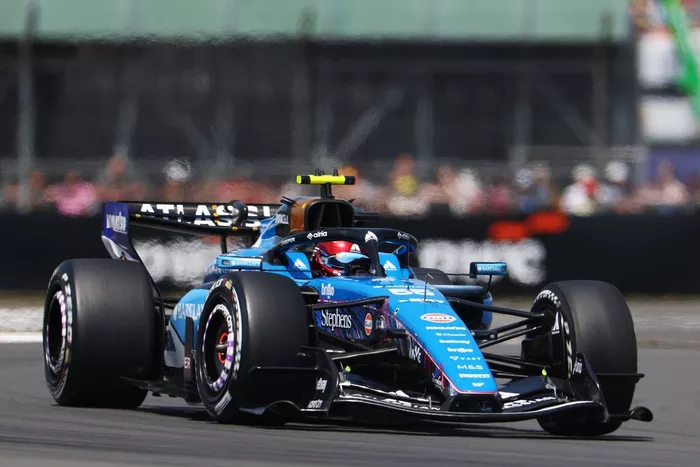
Vowles has been clear about the reason behind the decision.
Williams is already investing heavily in its 2027 car. That investment has an immediate consequence for the current FW48.
The team must therefore accept a compromise.
This does not mean Williams has stopped developing its 2026 car. The team still has changes planned for the upcoming races.
However, those developments will not be enough to completely close the gap to its rivals.
Williams had already announced further upgrades for the 2026 season. Vowles previously confirmed that the team expected significant changes to the FW48 beyond the summer break.
The current strategy is now more targeted.
Rather than committing major resources to the 2026 car, Williams wants to prepare for the next major technical opportunity.
New chassis and aerodynamic upgrades are coming
The next major opportunity comes at Baku.
Williams plans to bring two new chassis to the Azerbaijan Grand Prix. The objective is important because the team wants to reduce the car’s weight below the regulatory limit.
Reducing weight could provide a noticeable performance gain.
The team also expects to bring new aerodynamic parts to Baku. Those components should work together with the lighter chassis.
However, Williams knows that its rivals will continue developing their own cars.
That is why Vowles has warned that the Baku package will not suddenly transform Williams’ season.
The upgrades should move the FW48 forward, but the rest of the grid has also made progress.
The team therefore does not expect the changes to provide enough performance to score points consistently.
This is an important distinction.
Williams is not abandoning 2026. Instead, it is trying to extract useful performance from the resources still allocated to the current car.
At the same time, the team wants to avoid spending too much time and money on development that would have a limited long-term benefit.
That balance is particularly important during a regulation cycle.
Formula 1 teams must constantly decide when to stop developing one car and concentrate on the next one. Williams has now reached that point earlier than it would have wanted.
Why 2027 has become the priority
The biggest change is happening away from the race track.
Most of Williams’ development resources have already moved to the 2027 project.
That means engineers, aerodynamicists and other technical groups are increasingly focused on the next-generation car.
Williams has already spent months working on its longer-term transformation. Vowles has repeatedly described the team’s current period as part of a wider rebuild aimed at returning to regular front-running performance.
The 2027 project therefore represents a much larger opportunity than simply adding another update to the FW48.
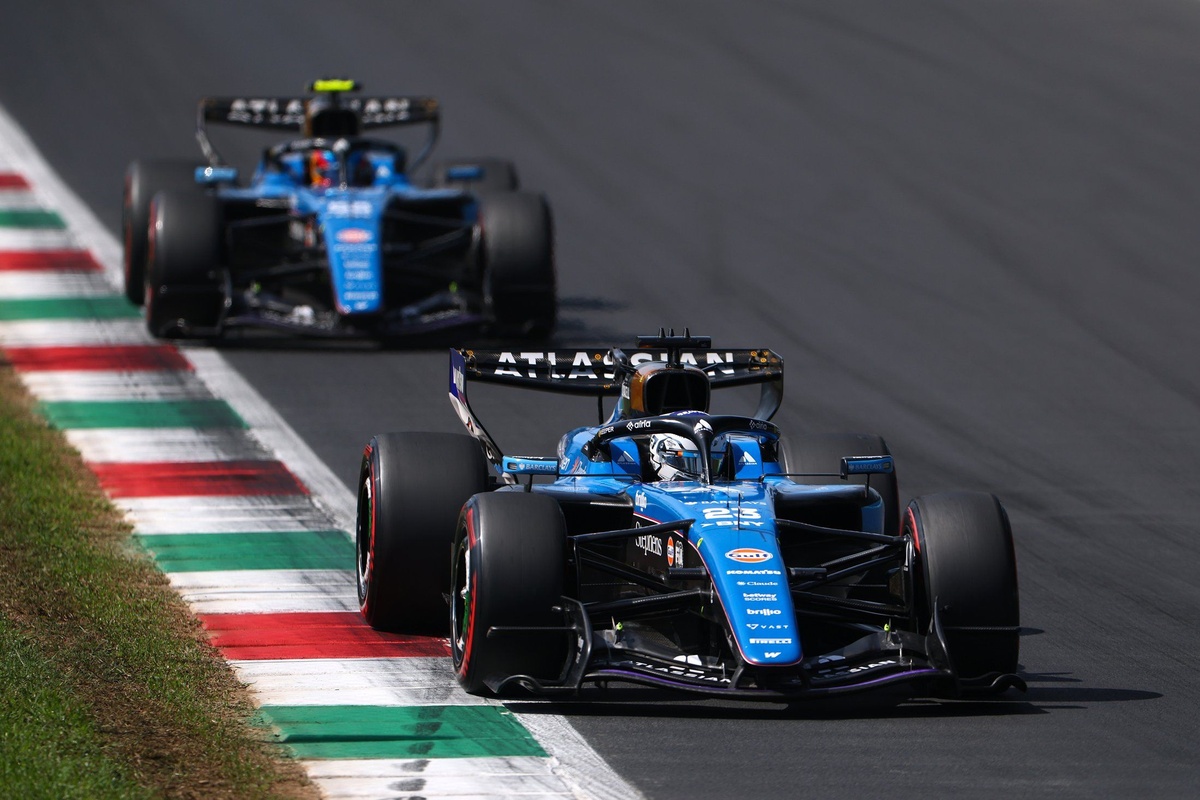
For Alex Albon and Carlos Sainz, that creates a difficult final part of the 2026 season.
The current car still has to compete at every remaining circuit. However, Williams is also preparing the equipment that will define its next phase.
The team’s two drivers therefore have to work with a car that may receive fewer major developments than some rivals.
That does not mean every remaining race will be ignored.
Instead, Williams can use the rest of 2026 to gather data. Every qualifying session, race and upgrade can provide information that helps the team understand where it needs to improve.
Vowles has also emphasised that Williams still has a development roadmap for the current season.
The challenge is deciding where each resource creates the greatest benefit.
Williams knows 2026 will require a compromise
The Spanish Grand Prix showed why the decision has become necessary.
Williams entered the weekend knowing the new Madring layout could expose some of the FW48’s weaknesses. The team then struggled to find enough performance to challenge for points.
The situation is not expected to change immediately.
Baku should bring a useful step forward thanks to the new chassis and aerodynamic developments. After that, however, Williams’ focus will continue moving toward the future.
That future is 2027.
The strategy is straightforward, even if it is difficult to execute. Williams wants to take the performance gains still available from the FW48 while protecting its larger investment in the next car.
The team therefore accepts that some potential 2026 improvements will be sacrificed.
For Vowles, that is the consequence of what happened during the winter and the performance gap Williams has been unable to fully recover.
The remaining 2026 upgrades can move Williams forward, but the team’s bigger response is being prepared for 2027.
That makes the current season a combination of development and preparation. Baku will provide another opportunity to improve the FW48, while the Grove factory is already working toward the next generation.
Williams is effectively using the rest of F1 2026 to learn, develop where possible and prepare for a much more ambitious 2027 programme.




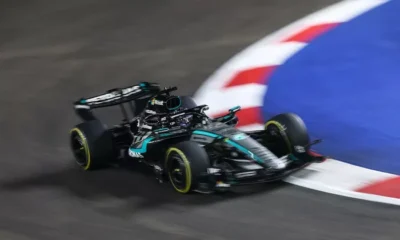

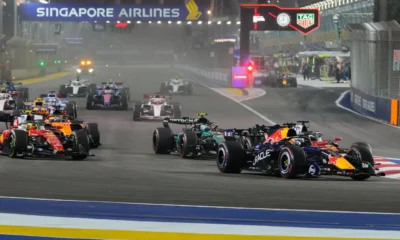


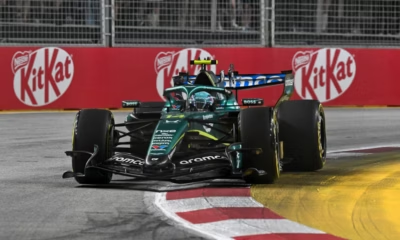

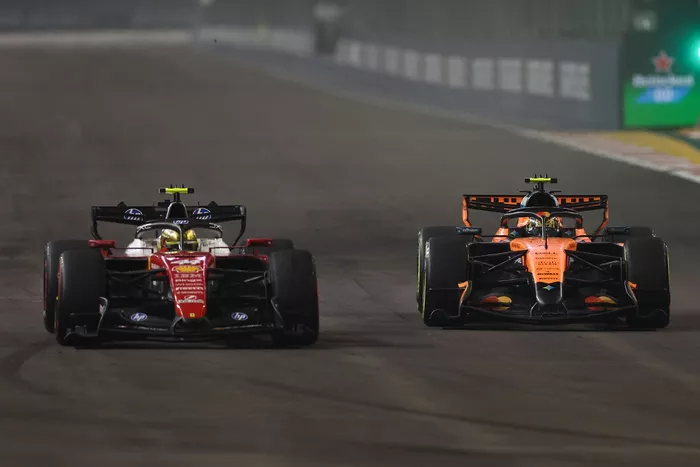
Lewis Hamilton rejected Ferrari’s pit-stop call during a Virtual Safety Car, sacrificing a potential podium and raising questions about team strategy.
Lewis Hamilton’s decision to stay on track during the Singapore Grand Prix has reignited debate over his relationship with Ferrari’s strategy team. The seven-time world champion chose not to pit during a Virtual Safety Car period, despite the team’s instructions, and ultimately finished sixth after struggling with tyre degradation.
The incident was more than a strategic miscalculation. It highlighted the difficult balance between a driver’s instinct and a team’s collective judgment, particularly when the decision can determine the outcome of a race. While Hamilton accepted responsibility afterward, the episode raises a broader question: was it a case of excessive confidence in his own assessment, or evidence that strategic coordination at Ferrari still needs to improve?
Hamilton and Ferrari Had a Podium Within Reach
Hamilton entered the Singapore Grand Prix weekend with reasons for optimism. He finished second in the sprint after an impressive start in wet conditions and qualified third for the main race, demonstrating that he could fight near the front in the Ferrari SF-26.
Charles Leclerc also showed encouraging pace, narrowly missing out on pole position after finishing just 0.054 seconds behind Max Verstappen. Ferrari appeared capable of challenging its rivals, giving the team a realistic opportunity to secure a strong double finish.
However, Sunday’s race presented a different set of challenges. Ferrari split its tyre strategy, sending Leclerc out on soft tyres and Hamilton on medium compounds. The decision reflected the limited information available about dry-weather tyre performance, but the medium tyres did not deliver the pace Hamilton needed.
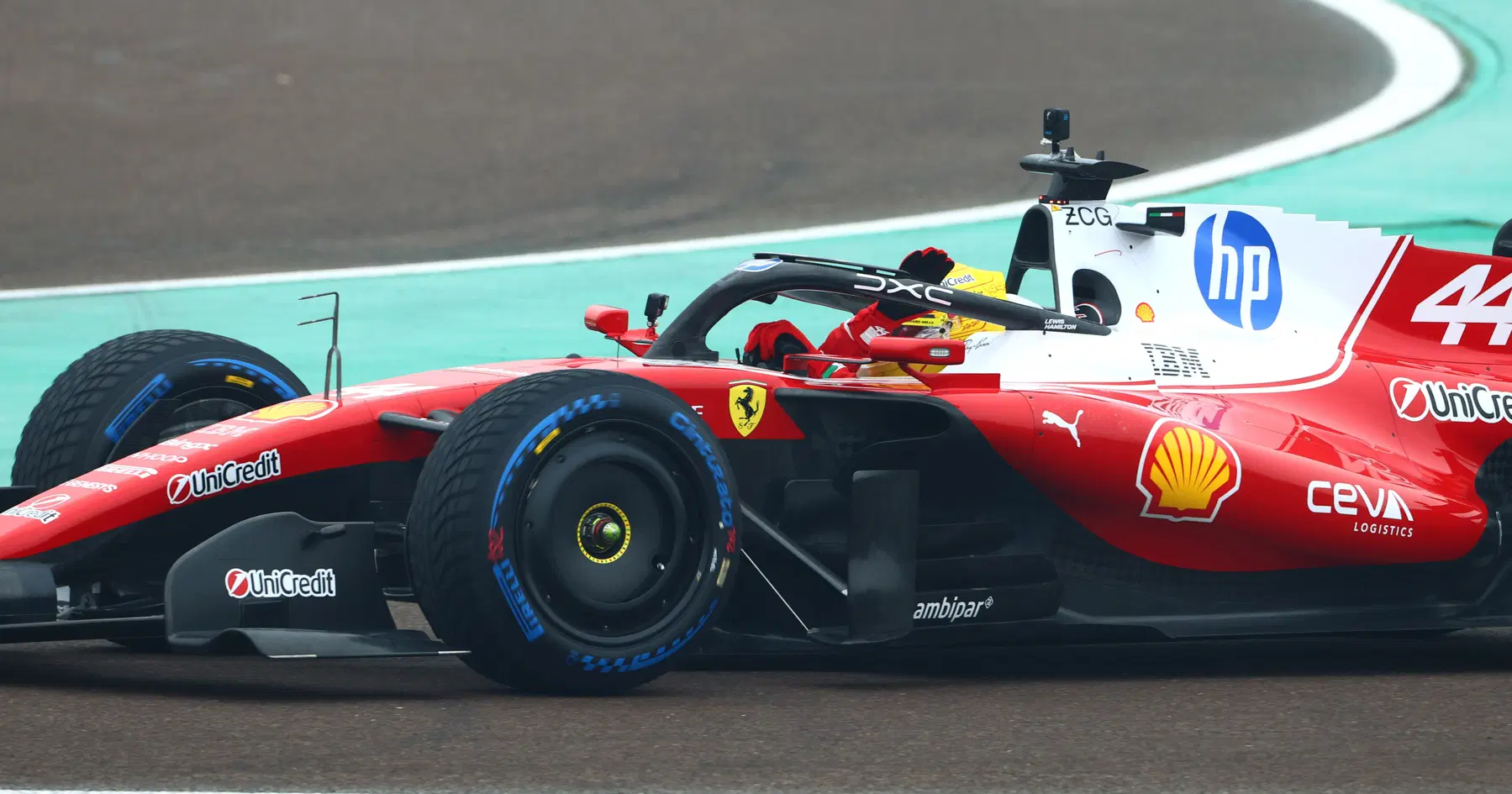
Hamilton showed competitive pace earlier in the Singapore weekend, but tyre strategy became a decisive factor in the race.
Hamilton was forced to pit on lap 18, switching to soft tyres in an attempt to recover performance. From that point onward, he became more competitive, but the change created another strategic dilemma: should he attempt to reach the finish without stopping again, or wait for an opportunity to make another tyre change?
That opportunity arrived on lap 39, when Lance Stroll’s Aston Martin retirement triggered a Virtual Safety Car. Ferrari’s strategists quickly identified a chance to bring both cars into the pits while the neutralisation reduced the time lost during a stop.
Leclerc followed the instruction. Hamilton stayed out.
Why Hamilton Rejected Ferrari’s Pit-Stop Call
Remaining on track offered an apparent advantage. In Singapore, where overtaking can be difficult, track position is particularly valuable. By staying out, Hamilton could preserve his position relative to Leclerc and attempt to defend against the cars behind him.
However, the decision depended on a critical assumption: that his soft tyres could survive the remaining distance without a significant drop in performance.
That assumption proved costly. Hamilton had to manage the same set of soft tyres over an extended stint, and degradation progressively undermined his pace. What initially appeared to be an opportunity to gain track position became a growing disadvantage as the race approached its conclusion.
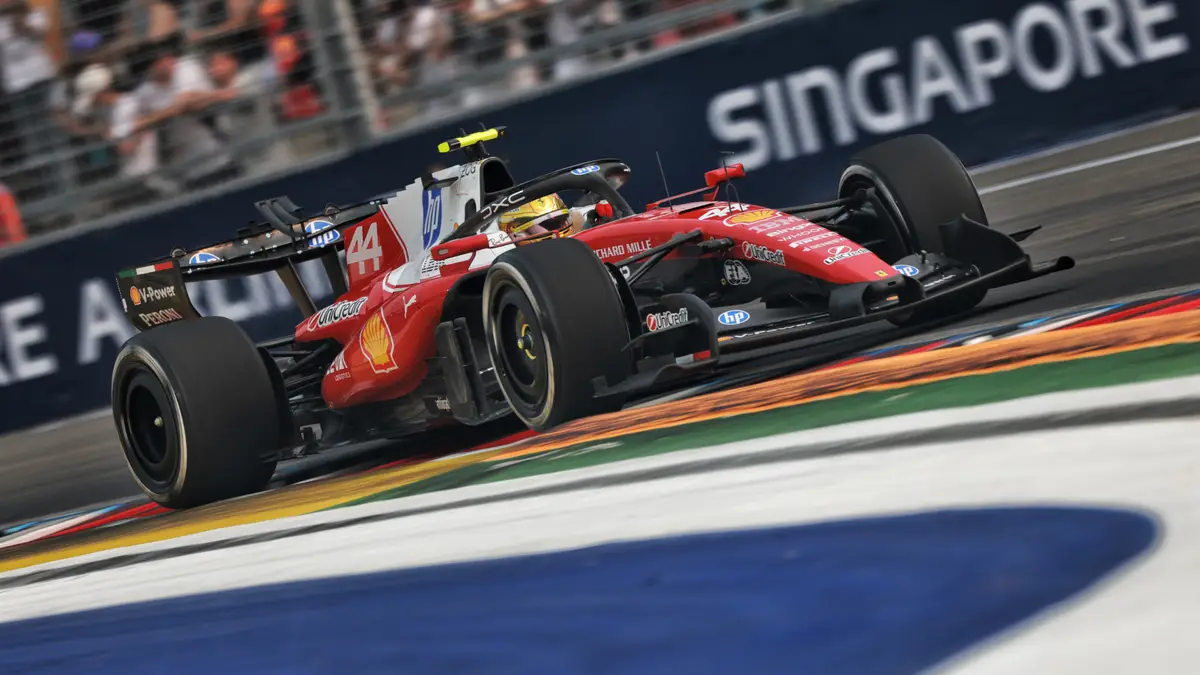
Ferrari faced a strategic choice during the Virtual Safety Car, with Leclerc pitting while Hamilton continued on track.
The final result was sixth place for Hamilton, leaving Ferrari to consider what might have been possible had both drivers followed the team’s pit-stop plan.
Ferrari team principal Frédéric Vasseur attributed the decision to remain on track to Hamilton. The driver subsequently accepted responsibility, apologising to the team over the radio and acknowledging that his choice had cost valuable points.
The episode illustrates the risks of making an individual strategic call during a rapidly changing race. A driver has immediate feedback about tyre behaviour and car balance, while the team can evaluate broader information, including rival strategies, projected stint lengths and the likely benefit of a pit stop.
Neither perspective is automatically correct. The challenge is combining them quickly enough to make the best decision under pressure.
Confidence or a Breakdown in Strategic Trust?
Hamilton’s choice naturally invites questions about his confidence in Ferrari’s judgment. However, one disputed pit-stop decision is not sufficient evidence of a breakdown in trust between the driver and the team.
Experienced drivers frequently make independent assessments during races. They feel changes in grip, tyre temperature and balance that cannot always be captured fully by simulations or timing data. That experience can be valuable, particularly on a demanding street circuit such as Singapore.
Yet instinct can also become a liability when a driver underestimates how quickly circumstances are changing. In Hamilton’s case, the decision to stay out depended on the tyres retaining enough performance to protect his position. As degradation increased, the strategic calculation became increasingly difficult to justify.
Ferrari’s own history of controversial strategy calls may also form part of the wider context. Hamilton has spent years working within Mercedes, where communication patterns and decision-making processes developed around his preferences. Establishing the same level of coordination at a new team requires time, shared experience and confidence in the information being exchanged.
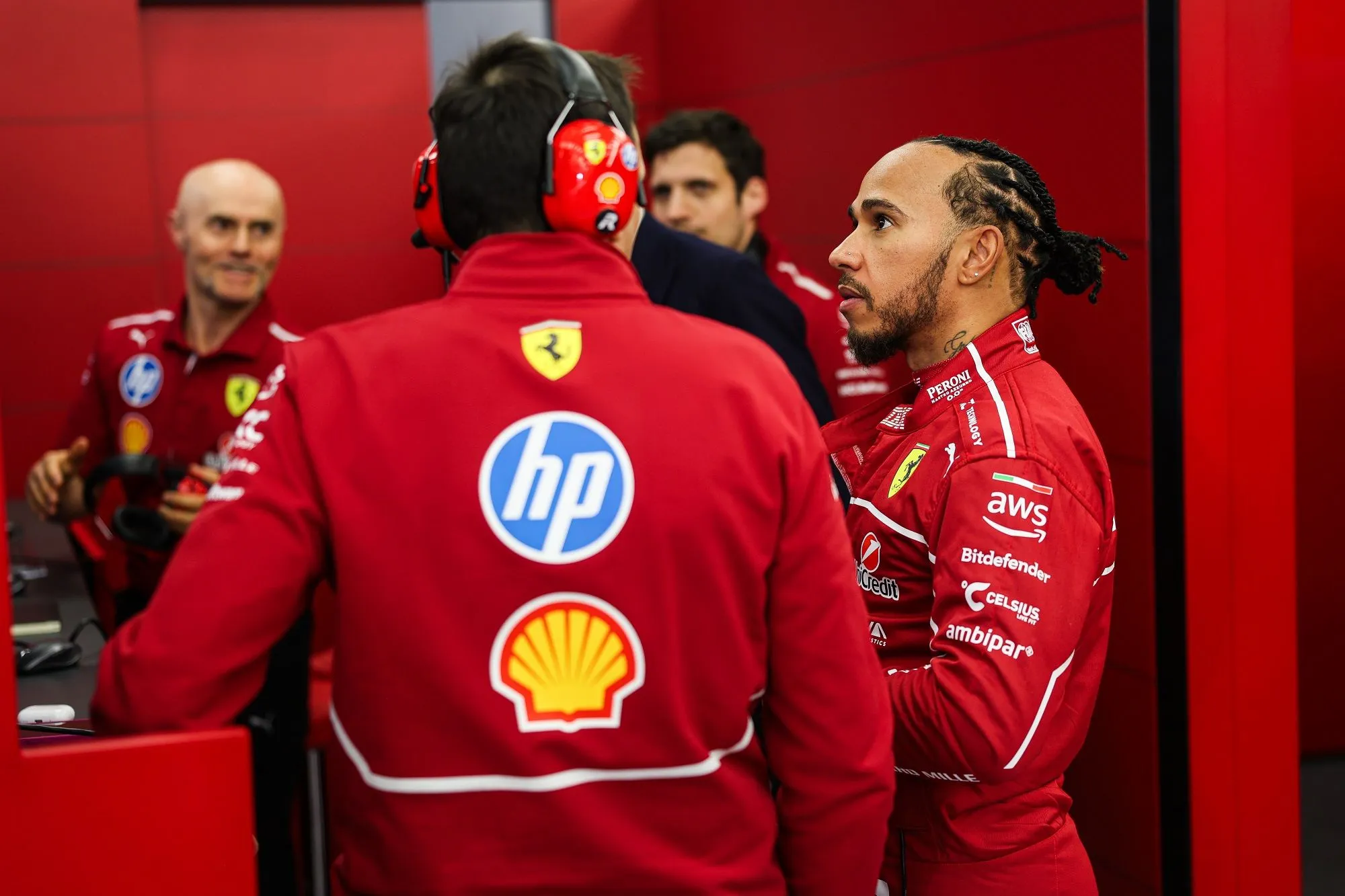
Communication between Hamilton and Ferrari’s engineers remains central to making effective strategic decisions under pressure.
That does not mean Hamilton deliberately challenged Ferrari’s authority or intended to undermine the team. His decision may simply have reflected a belief that his own reading of the race offered a better chance of preserving track position.
The distinction matters. Disagreement over a strategic call is part of racing; a lasting problem emerges only if the driver and team struggle to establish a consistent process for making and executing those decisions.
Hamilton’s Apology Offers an Important Signal
Hamilton’s apology after the race helped prevent the incident from becoming an open dispute over responsibility. By acknowledging that he had made the wrong call, he showed a willingness to accept the consequences of his decision rather than publicly shift the blame to Ferrari’s strategists.
That response does not erase the points lost in Singapore, but it provides a basis for reviewing what happened and improving future communication.
Ferrari and Hamilton must now assess how similar situations should be handled. That includes clarifying when the driver can override a pit-stop recommendation, what information should guide such a decision and how quickly the team can respond when the race situation changes.
The objective is not to remove the driver’s autonomy. Instead, it is to ensure that individual judgment and the team’s wider strategic picture work together rather than against each other.
Hamilton has made independent decisions throughout his career, including during his championship-winning years with Mercedes. Sometimes those instincts have paid off; on other occasions, they have produced costly outcomes. The Singapore incident is another reminder that experience alone cannot guarantee the correct answer in every racing situation.
Ultimately, the key question is not whether Hamilton wanted to challenge Ferrari. It is whether both sides can turn a costly disagreement into a more effective decision-making process.
The Singapore Grand Prix exposed the risks of relying on an individual assessment when a team has identified an alternative strategy. Whether the episode becomes a turning point or simply an isolated mistake will depend on how Hamilton and Ferrari respond in the races that follow.
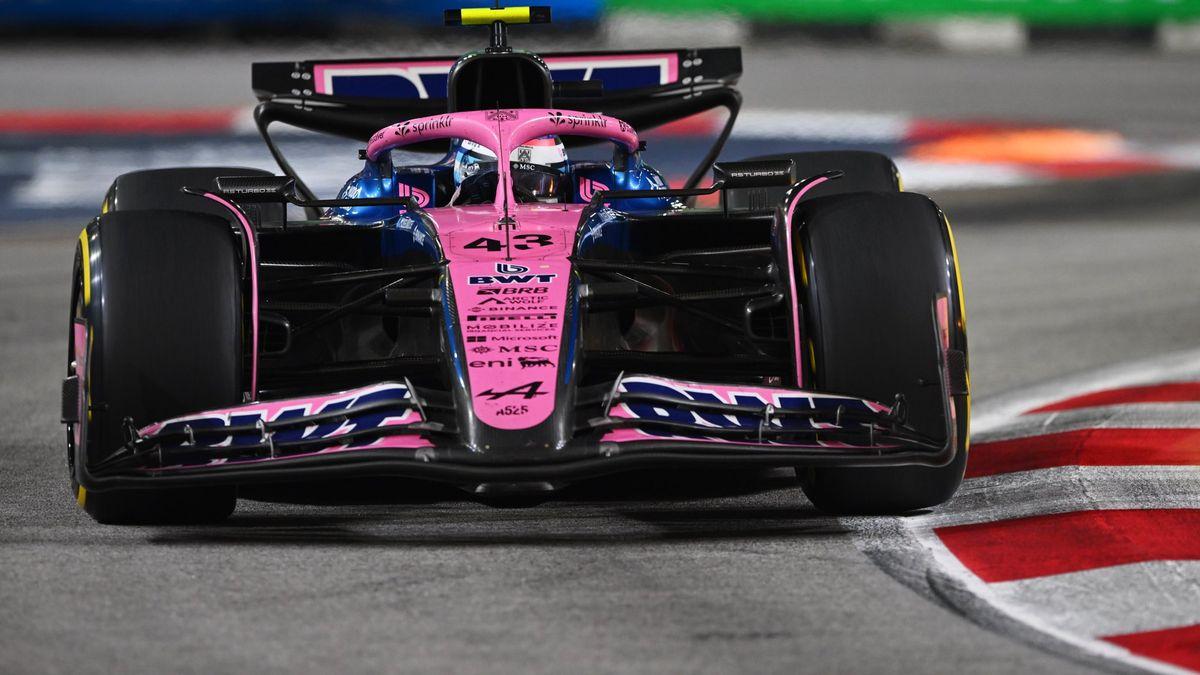
Franco Colapinto has urged fans to stop attacking fellow drivers and Alpine staff, warning that online abuse could harm his future in Formula 1.
Franco Colapinto has delivered a strong message to his supporters, asking them to stop directing abuse at other drivers, engineers, mechanics and members of Alpine. In a video published on social media, the Argentine driver explained that hostile behaviour carried out in his name does not help his career and could undermine the very future his fans want to protect.
The Alpine driver acknowledged the extraordinary support he has received since reaching Formula 1. However, he also made clear that there is a difference between defending a driver and attacking the people around him. His message was direct: passionate support should never become harassment.
Colapinto Says Online Attacks Are Hurting His Future
Colapinto addressed his followers personally, thanking them for standing behind him throughout his career while asking them to reconsider how they express that support.
“Sé que están pensando que me están defendiendo, pero están generando lo contrario. No me ayudan ni a mí ni a mi futuro”, he explained in the video.
The message highlights a concern that has increasingly surrounded the Argentine’s time in Formula 1. Although his fan base has become one of the most visible sources of support for an Argentine driver on the international motorsport stage, some online exchanges have crossed the line into personal attacks against rivals and members of his own team.
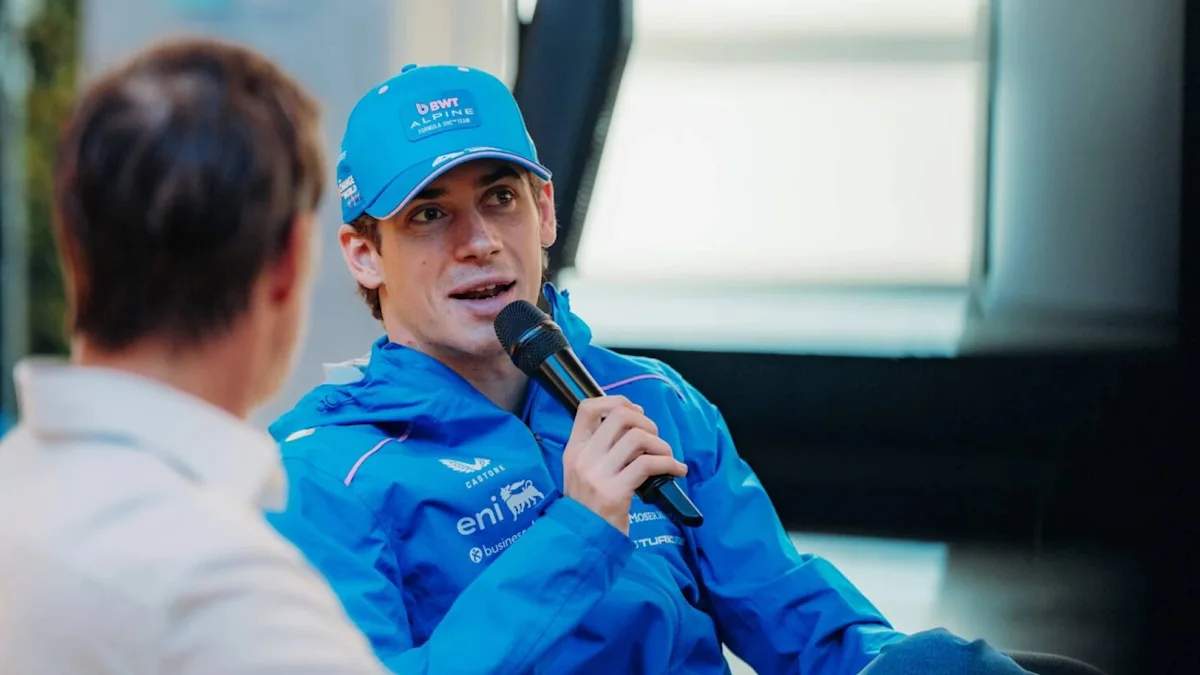
Colapinto has asked his supporters to channel their passion into constructive backing rather than online abuse.
The driver also acknowledged how much the fans mean to him, describing himself as grateful for their support from the beginning. He recognised the role their encouragement has played in motivating him to keep pursuing better performances and results.
However, he warned that attacking other people is not a way to help him progress.
“There are times when we go too far,” Colapinto explained, referring to criticism and attacks directed at other drivers, teammates, mechanics and engineers who work alongside him every day.
His appeal is particularly relevant in Formula 1, where a driver’s performance depends on the coordinated work of a large team. Engineers, mechanics and other personnel contribute to preparing the car, developing its performance and executing race weekends.
Alpine Has Faced Repeated Online Abuse Controversies
Colapinto’s intervention comes after several controversies involving online hostility surrounding Alpine and its drivers during the 2026 season.
The team has previously responded to allegations of deliberate mistreatment involving Colapinto and his teammate Pierre Gasly. Such claims have fuelled arguments among sections of the fan base, sometimes turning sporting disagreements into accusations against individual team members.
Tensions escalated after an incident at the Spanish Grand Prix, when Gasly reported receiving threats that also involved his family. Alpine’s leadership subsequently urged supporters to back Colapinto respectfully rather than direct hostility towards other people.
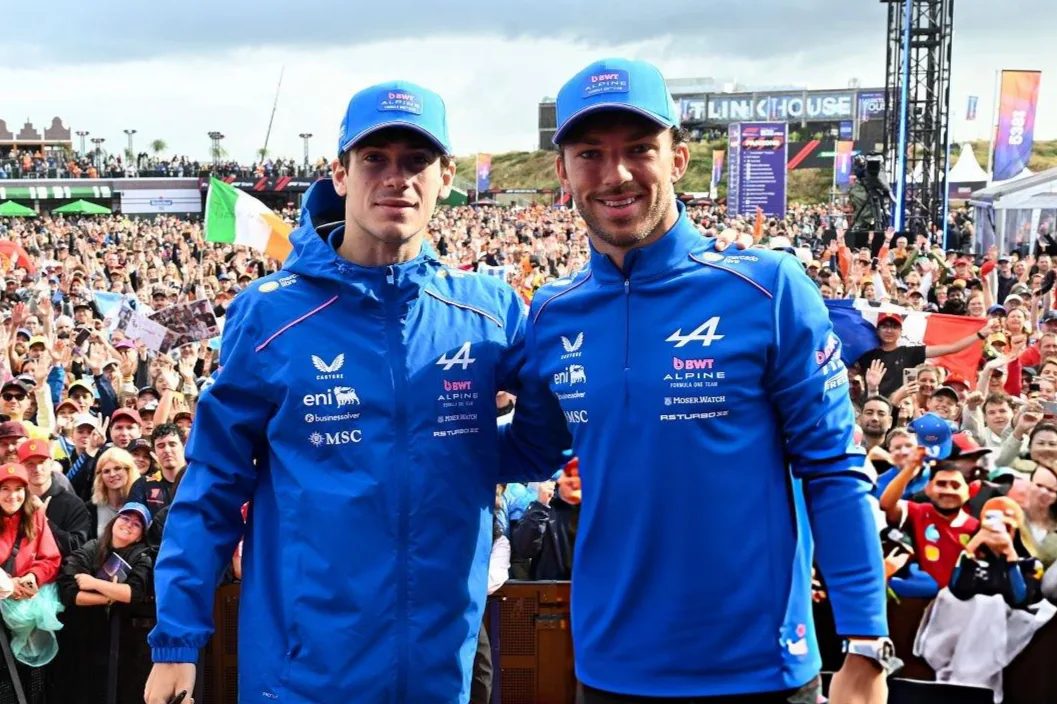
Colapinto’s message emphasizes that supporting him should not come at the expense of his teammate or the Alpine personnel working with both drivers.
Further criticism followed incidents on track and difficult race weekends, including renewed accusations on social media about the team’s treatment of the Argentine. Alpine has stressed that sporting disagreements and disappointing results do not justify threats or abusive behaviour.
Colapinto’s latest statement reinforces that position from the driver’s perspective. Rather than allowing the controversy to grow, he has asked his followers to help change the atmosphere surrounding the team.
The message does not ask fans to stop supporting him or to ignore legitimate sporting criticism. Instead, it draws a distinction between questioning performance and targeting individuals with personal abuse.
Why Colapinto Is Taking a Break From Social Media
The Argentine also explained that he had decided to reduce his presence on social media to concentrate on his career and his work with Alpine.
He said he wanted to focus on his dream, his sporting development and the team’s objectives, rather than becoming distracted by the constant debate surrounding his performances.
That decision does not mean he wants to distance himself from his supporters. Colapinto specifically asked them to continue backing both him and Alpine, insisting that the team can achieve important results by working together.
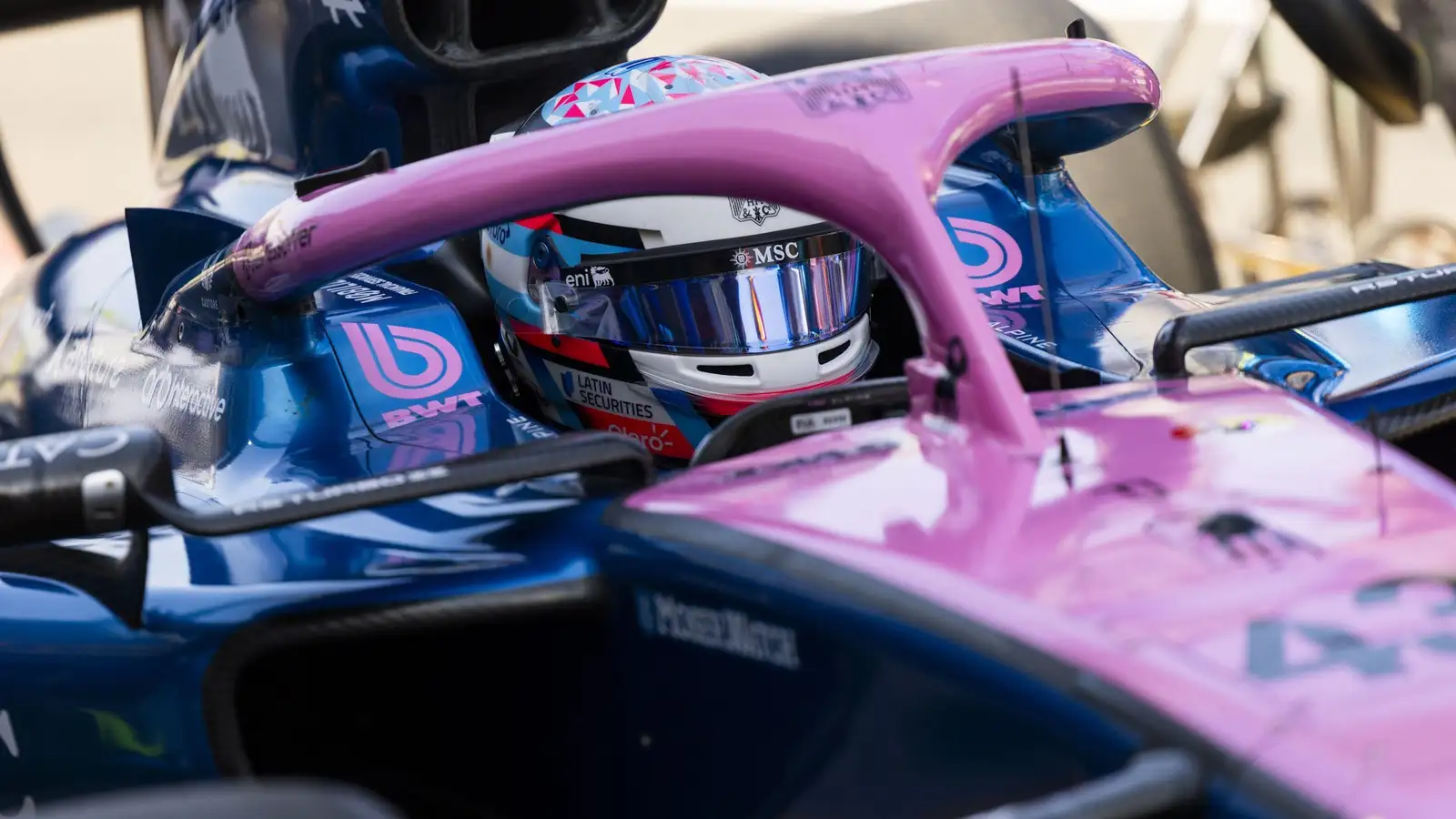
Colapinto wants to concentrate on his performance and team objectives while maintaining a positive relationship with his supporters.
The distinction is important for a driver operating under intense public scrutiny. Social media can help athletes connect directly with fans, but it can also amplify rumours, hostility and personal criticism during difficult periods.
By stepping back, Colapinto appears intent on keeping his attention on the areas he can control: preparation, performance and collaboration with the team.
He also called for a collective effort to change the behaviour that has affected the atmosphere around Alpine. His message was not simply a request for restraint; it was an appeal for supporters to understand how their actions can affect the people they claim to defend.
Colapinto Wants Fans to Support Alpine as a Team
Colapinto closed his message by asking fans to stand behind him and Alpine in both good and bad moments. He expressed confidence that the team could achieve strong results if everyone remained united.
He also looked ahead to upcoming races in the Americas, where he hoped to reconnect with supporters closer to home.
The broader message is clear: Colapinto does not want to lose the passionate backing that helped him reach Formula 1. He wants that support to remain a positive force rather than become a source of conflict with his colleagues.
For a driver whose future depends on performance, teamwork and relationships within the paddock, the distinction matters. Attacks against teammates, engineers and mechanics cannot improve his results, and they risk damaging the environment in which he needs to work.
Colapinto has now made his position explicit. Fans can defend him, celebrate his achievements and demand better performances without harassing others. His request is for that support to strengthen his Formula 1 career, not create another obstacle along the way.

The Aston Martin Valkyrie heads to Barcelona seeking to extend its points streak and strengthen its position in the 2026 World Endurance Championship.
The Aston Martin Valkyrie will make its Spanish competition debut at the Circuit de Barcelona-Catalunya as the FIA World Endurance Championship approaches the final two rounds of the 2026 season. The seventh round will take place at the 2.9-mile circuit in Montmeló, where Aston Martin THOR Team aims to build on a consistent run of results.
Barcelona marks the first appearance of the Spanish circuit on the WEC calendar. For Aston Martin, it represents another opportunity to demonstrate the Valkyrie’s progress against established rivals in the Hypercar class, with the season finale at Monza still to come.
Aston Martin Valkyrie Extends Its Points Streak
The Valkyrie arrives in Spain after scoring points in eight consecutive races. That run includes fourth-place finishes at the 6 Hours of Spa-Francorchamps and Lone Star Le Mans at Circuit of the Americas in Austin, Texas.
The team’s latest performance came at Fuji Speedway in Japan, where both Valkyries started inside the top six for the first time. The No. 007 car, driven by Britain’s Tom Gamble and Harry Tincknell, also led during the race. Meanwhile, the No. 009 entry, shared by Spain’s Alex Riberas and Denmark’s Marco Sørensen, remained in contention for a podium before the final Safety Car period changed the race’s closing phase.

The Aston Martin Valkyrie showed front-running pace at Fuji, giving the team momentum heading into Barcelona.
The result reinforced the progress made by Aston Martin THOR Team throughout the campaign. However, the team must convert that speed into stronger finishing positions if it hopes to climb the manufacturers’ standings before the season ends.
Championship Standings Leave Room for Progress
Aston Martin sits sixth in the FIA Hypercar World Endurance Manufacturers’ Championship with 54 points. The team is 42 points behind fourth place, with a maximum of 88 points still available across the Barcelona round and the season-ending 6 Hours of Monza on November 8.
That gap makes the remaining races particularly important. A strong result in Spain could improve Aston Martin’s position, although the final standings will depend on the performance of its competitors as well as its own results.
Consistency has been one of the Valkyrie’s defining characteristics this season. Its consecutive points finishes show that the car can regularly challenge for meaningful results, even as the team continues to pursue the pace required to compete more consistently at the front.
The Valkyrie Combines a V12 With Racing Technology
The competition version of the Aston Martin Valkyrie is developed from the road-going hypercar by Aston Martin and The Heart of Racing. Its design combines a race-optimised carbon-fibre chassis with a modified 6.5-litre V12 engine.
In standard form, the powerplant produces more than 1,000 bhp and can rev to 11,000 rpm. For endurance racing, however, the car must comply with the regulations governing the WEC Hypercar class and IMSA’s GTP category. Its maximum permitted output is therefore limited to 500 kW, equivalent to approximately 671 bhp.
The Valkyrie’s carbon-fibre construction, aerodynamic package and naturally aspirated V12 form the foundation of its racing specification.
The regulatory power limit means the competition car cannot simply rely on the output of its road-going counterpart. Instead, performance depends on the overall package, including aerodynamic efficiency, chassis behaviour, tyre management and how effectively the team executes its race strategy.
Barcelona will provide a useful test of that balance. The circuit combines a fast opening sector with a slower final section, creating different demands on the car across a single lap.
Barcelona Brings a New WEC Challenge
Although Barcelona is familiar to many drivers and teams, its inclusion in the WEC schedule presents a new challenge for the Hypercar field. The circuit’s layout and traffic conditions could influence how the race develops, particularly when faster prototypes negotiate slower cars during long-distance competition.
Tincknell believes the circuit’s characteristics could suit the Valkyrie, particularly following the return of the final two corners to their original high-speed configuration. The British driver also sees the race as an opportunity to respond after Fuji, where the team showed encouraging pace but did not fully convert it into the result it wanted.
Gamble is equally optimistic. He returns to Barcelona after previously finishing on the podium there and hopes to carry the speed demonstrated in Japan into the Spanish round.

Barcelona’s mix of high-speed and low-speed sections will test the Valkyrie’s balance and the team’s ability to manage traffic.
For Riberas, the event has additional significance. The Spanish driver will contest his first home WEC race at the circuit where he grew up. He described the opportunity to compete there in a Valkyrie with Aston Martin THOR Team as a dream come true, while expressing confidence in the car’s potential after Fuji.
Sørensen, meanwhile, highlighted traffic management as a possible deciding factor. Barcelona’s relatively narrow layout could make overtaking and navigating slower traffic particularly challenging for the Hypercar field.
Aston Martin Focuses on Execution for the Final Rounds
Team principal Ian James believes recent races have demonstrated that the Valkyrie can fight near the front when conditions suit the car. He also pointed to the team’s run of points finishes as evidence that it has been able to make the most of its available performance.
The priority for Barcelona will be to execute the race cleanly, avoid mistakes and take advantage of opportunities as they arise. With only two rounds remaining, every point could influence Aston Martin’s final championship position.
Adam Carter, Aston Martin’s head of endurance motorsport, also sees reasons for confidence. He noted that the Valkyrie has performed as expected on circuits with characteristics similar to Barcelona, while acknowledging the experience and strength of the opposition.
The Spanish race will therefore offer a fresh measure of the Valkyrie’s development. Aston Martin has established a reliable points-scoring record, but a stronger finish would provide a more significant reward for the progress made throughout 2026.
With the Monza finale approaching, the objective is clear: maintain the points streak, challenge for a better result and finish the season as strongly as possible.
-
 NOW TRENDING2 months ago
Tesla Cybercab Gets September 3 Austin Launch Date
-
 INTELLIGENT MOBILITY2 months ago
GM Super Cruise: How It Works and What Comes Next in 2028
-

 TEST DRIVES1 month ago
2026 Toyota GR Supra MkV Final Edition
-

 TEST DRIVES2 months ago
2025 Ford Bronco Sport Badlands: The Adventure SUV You Can Drive Every Day
-
 NOW TRENDING2 months ago
2027 Toyota Corolla Celebrates 60 Years With Special Edition
-

 NOW TRENDING2 months ago
Aston Martin Valen: The Most Powerful Front-Engined Supercar
-
 RACING2 months ago
FIA Reveals Second ADUO Results With Red Bull-Ford Still on Top
-

 NOW TRENDING2 months ago
2027 Jeep Wrangler Smoky Mountain Edition Debuts With 4×4
You must be logged in to post a comment Login