
Formula1
Cadillac F1 2026 Faces an Eight-Race Logistics Challenge

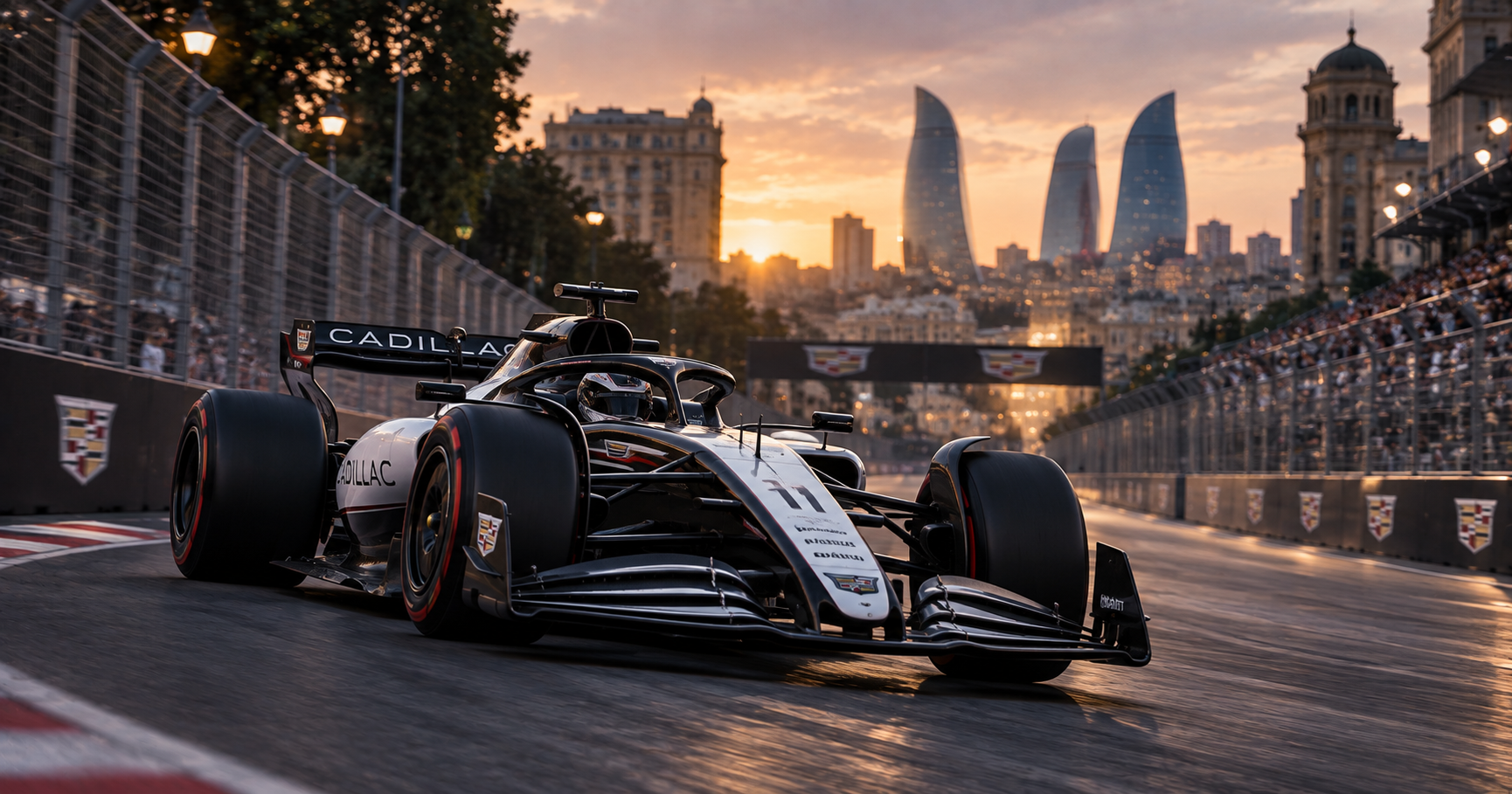
Cadillac enters the most demanding phase of its debut F1 season with eight races across roughly 11 weeks, putting major pressure on its track, factory and production operations.
Cadillac faces a new challenge in the 2026 F1 season
The Cadillac F1 2026 campaign is entering a demanding final phase.
The current official calendar places eight races between the Azerbaijan Grand Prix on September 26 and the Abu Dhabi finale on December 6. Between them are Singapore, the United States, Mexico, Brazil, Las Vegas and Qatar. That creates a long run of flyaway events with very little recovery time.
For an established Formula 1 organization, this type of schedule is already difficult. For Cadillac, the pressure is even greater because this is its first season as an F1 team.
The team is still building processes, expanding its workforce and developing infrastructure. At the same time, it must keep two race cars running every weekend.
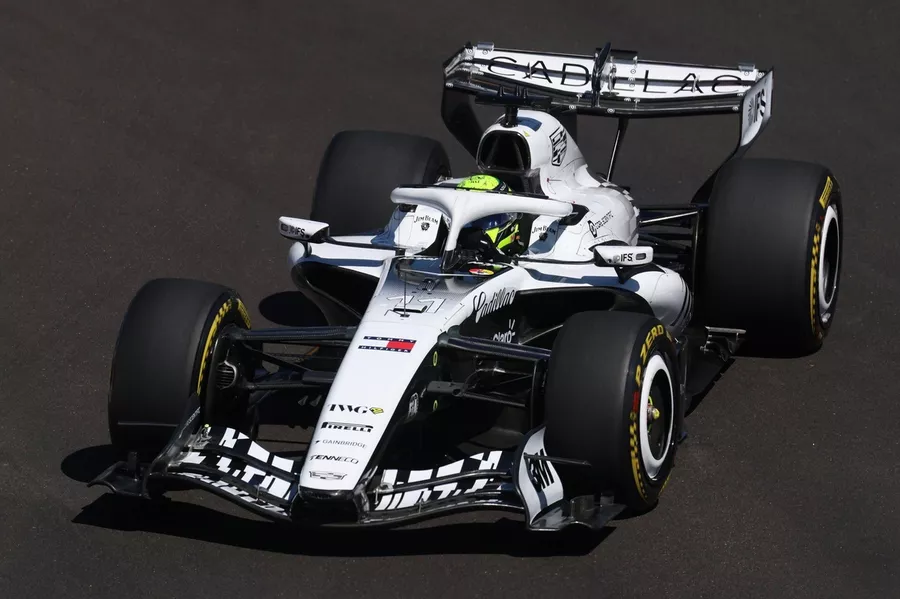
Sergio Perez and Valtteri Bottas form Cadillac’s driver lineup for its first Formula 1 season.
Cadillac’s drivers are Sergio Perez and Valtteri Bottas, two of the most experienced racers on the grid.
That experience is valuable during a long season. However, some roles cannot simply be rotated from one race to another.
Race engineers, performance engineers and senior trackside personnel often need to remain closely connected to their drivers and cars. With races spread across several continents, the workload can become particularly intense.
The factory faces pressure too
The challenge extends well beyond the paddock.
Cadillac must keep its production and support operations running while the race team moves from country to country. Parts have to be manufactured, inspected and shipped quickly when a car needs repairs or replacement components.
That task becomes harder late in the season.
Teams are already preparing their 2027 cars at this point of the year. Cadillac must therefore balance current-season demands with the development work required for its next Formula 1 project.
For a new operation, that can create a difficult overlap.
Manufacturing capacity also matters. Cadillac is still expanding its internal structure, so not every component is necessarily produced in-house. External suppliers remain part of the team’s early operating model.
That makes scheduling and logistics even more important when several races arrive in quick succession.
Three demanding sequences are on the way
The current schedule also creates several compressed blocks of racing.
Baku is followed by Singapore on October 9-11, then the United States Grand Prix follows on October 23-25. Mexico and Brazil come next, before Las Vegas, Qatar and Abu Dhabi complete the season.
The geographic distances are significant.
The Azerbaijan Grand Prix is held on September 26, while the following round takes place in Singapore on October 11. That leaves the team with only a short window between events once travel, freight handling and preparation are included.
There is one useful feature in this sequence.
The Baku and Singapore rounds are both flyaway races, but their logistics can be planned as part of a broader European-to-Asia movement rather than a return to the team base after every event.
Even so, the workload remains high.
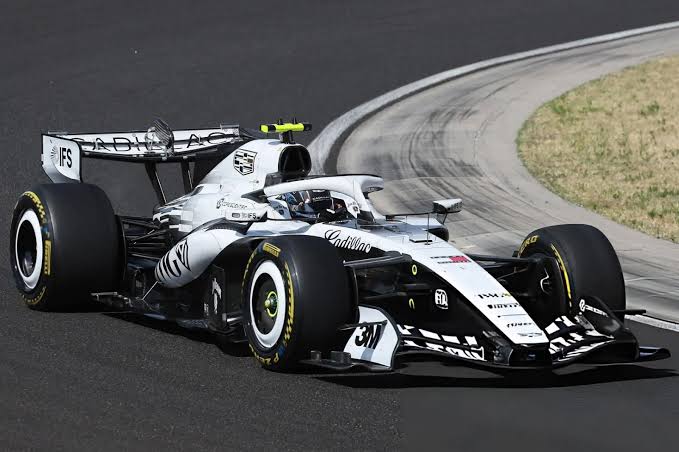
Cadillac’s first F1 season has already taken the team through a wide range of circuits and operating environments.
The final phase also raises the risk of production bottlenecks.
By this stage of a season, teams normally have inventories of many components. Yet crashes or unexpected failures can quickly change that situation.
A major accident can require a large number of replacement parts in a very short period.
For Cadillac, that pressure arrives while the organization is still developing the systems that established teams have refined over many seasons.
Baku brings a technical test as well
The first stop in this demanding sequence is Baku, where Formula 1 will race on September 26.
The Baku City Circuit is 6.003 kilometers long and combines very long straights with tight sections around the old city. The race covers 51 laps.
That combination puts a premium on aerodynamic efficiency and energy management.
Cadillac is therefore arriving with a small aerodynamic update aimed at improving the car’s performance. The team has also confirmed that Sergio Perez will receive a new-specification Ferrari power unit in Baku.
The power-unit change could be particularly relevant on a circuit with extended full-throttle sections.
Cadillac currently uses Ferrari power units, while General Motors is developing its own F1 engine for a future full-works program. Formula 1 currently lists Ferrari as Cadillac’s power-unit supplier, with the GM Cadillac unit planned for 2029.
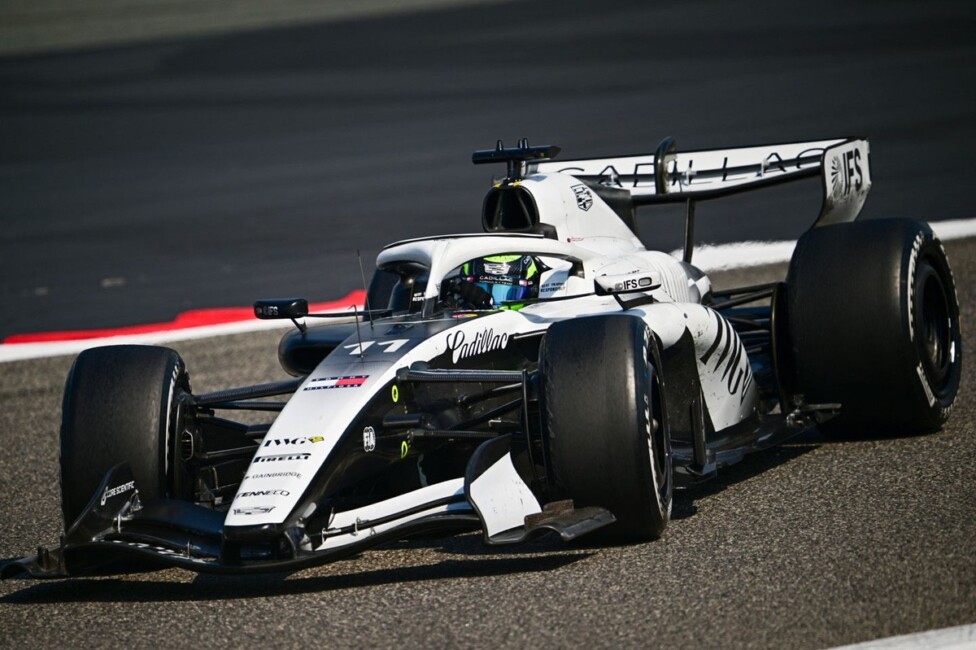
The Cadillac team is continuing to develop its car during its first year on the Formula 1 grid.
The Baku upgrade package is intentionally small.
At this stage of the season, teams are careful about how much new hardware they introduce. Development resources are increasingly focused on the following year’s car, while the current car still needs to deliver results.
That makes every upgrade decision more important for Cadillac.
The team must determine which developments can deliver useful performance without consuming too much manufacturing capacity or trackside manpower.
Cadillac must manage growth and racing at the same time
This is what makes the final part of 2026 particularly complicated for Cadillac.
The team is not only racing. It is also building its organization.
Every trip provides more data about the car, the crew and the processes behind the operation. But those lessons have to be absorbed while the next race is already approaching.
That leaves little margin for delays.
The upcoming stretch will test Cadillac’s ability to coordinate its engineers, drivers, factory staff, suppliers and logistics teams. It will also provide one of the clearest indications yet of how quickly the new American operation can establish the routines required to compete across a full F1 season.
The Cadillac F1 2026 schedule now moves into its most demanding phase, with Baku opening an eight-race run that ends in Abu Dhabi. The team’s challenge is not only to improve the car, but to keep the entire organization operating efficiently while the races arrive week after week.









-

 NOW TRENDING2 months ago
Aston Martin DBX Becomes Harry Da Souza’s Ride in MobLand
-
 TEST DRIVES2 months ago
2026 Maserati GranTurismo Trofeo Review: Miami
-

 INTELLIGENT MOBILITY2 months ago
Tesla Cybercab Navigation Problem Hits Austin Robotaxis
-

 INTELLIGENT MOBILITY2 months ago
Tesla Cybercab Cannot Be Charged at Home—Here’s Why
-

 INTELLIGENT MOBILITY2 months ago
2027 Nissan Rogue Hybrid: e-POWER Comes to America
-
 TEST DRIVES2 months ago
2026 Maserati GranTurismo Coupe
-

 NOW TRENDING2 months ago
2027 Lexus LS Gets Another Update, But Not in America
-

 NOW TRENDING1 month ago
Land Rover Defender Recall 2026: 23,677 JLR SUVs Affected