
RACING
George Russell F1 2026: When Will He Take His Penalty?

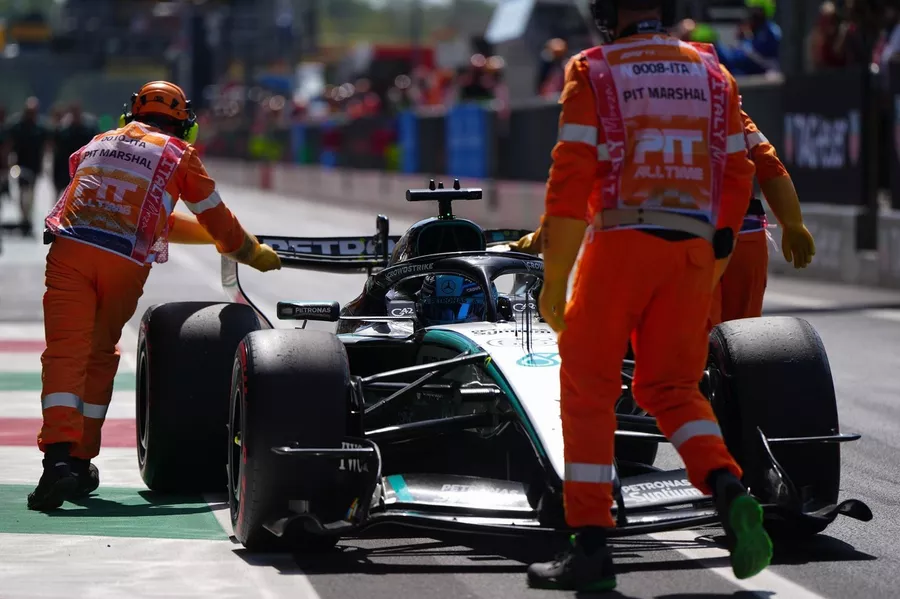
George Russell is waiting for Mercedes’ upgraded power unit before taking his 2026 engine penalty, with the change expected around Austin or Mexico City.
Both Mercedes drivers have already reached, or are expected to exceed, their permitted power-unit allocation. Kimi Antonelli already took a penalty at Monza after using additional components.
Antonelli started the Italian Grand Prix from 19th place. He then recovered through the field and won the race.
Russell was also expected to take a penalty in Baku. However, Mercedes chose a different approach.
The team is now waiting for its new power unit. The upgrade should arrive in late October, with Austin or Mexico City currently expected to be the key opportunities.
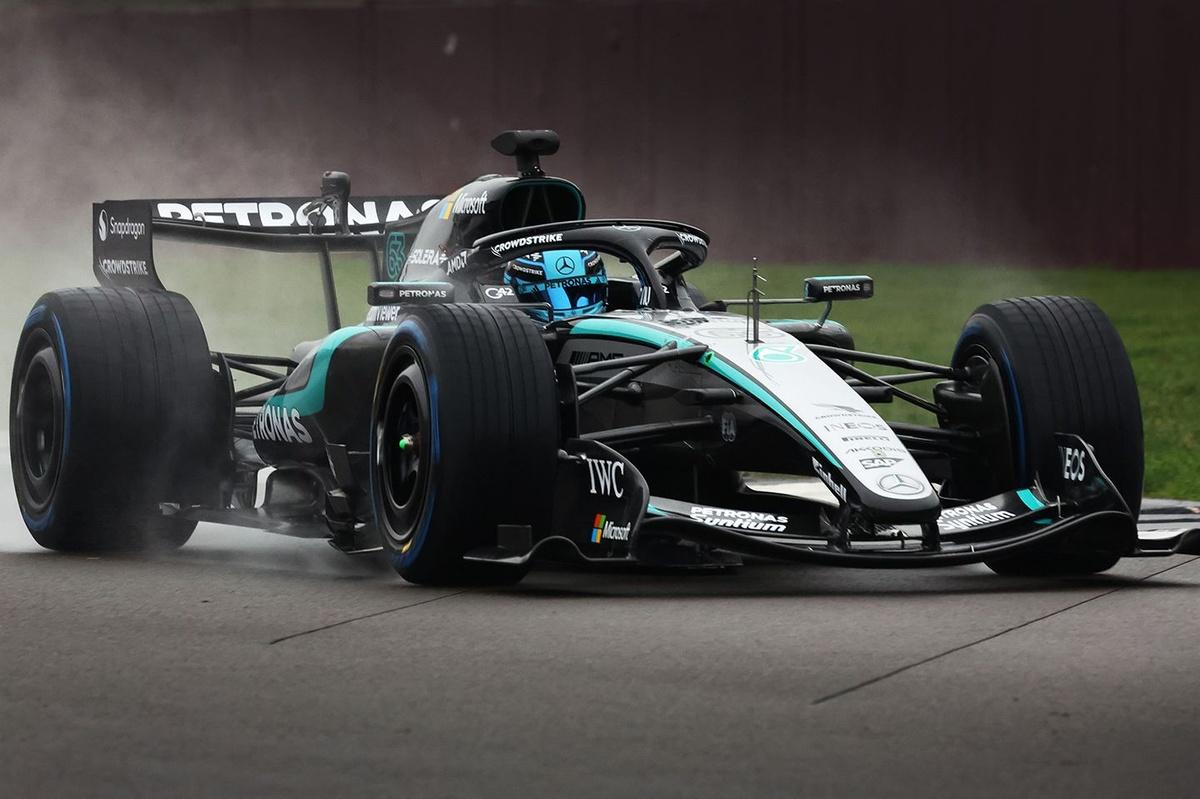
Russell explained why Mercedes decided to wait.
The driver does not want to take a penalty with one engine and then face another penalty when the upgraded unit arrives.
The plan is to make the change once and combine it with the new specification.
That gives Mercedes a more efficient way to manage its power-unit allocation during the final part of the season.
It also means Russell can introduce the upgraded hardware at the same time as the required penalty.
Why Mercedes can introduce another engine upgrade
Mercedes has been allowed an additional development opportunity under the ADUO system. The system is linked to the performance of the internal-combustion engine.
That opportunity allows Mercedes to introduce another power-unit development during the season.
The team is expected to use that opportunity later in 2026. According to the information provided, the new specification could arrive at Austin or Mexico City.
Mercedes therefore has to decide when the timing is most suitable.
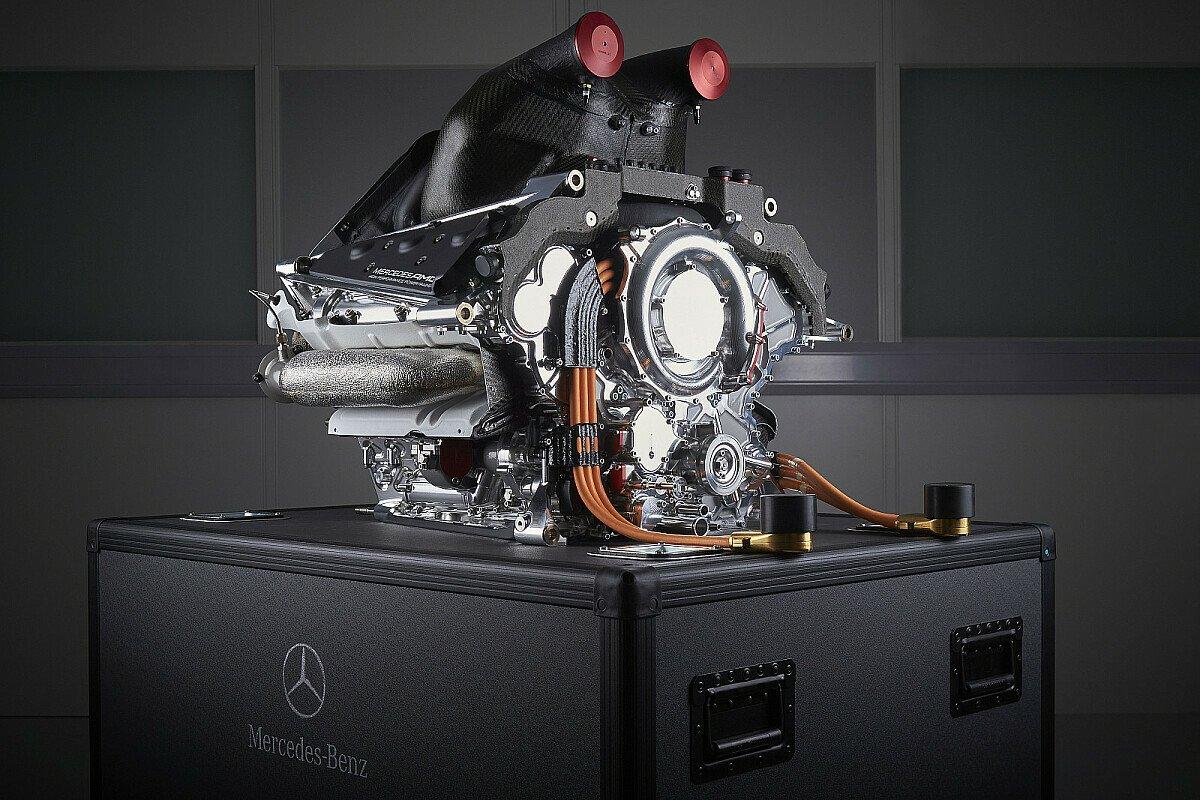
Russell believes waiting makes more sense than taking the penalty earlier.
He explained that an earlier engine change could create another problem. If Mercedes later fitted the upgraded power unit, Russell could have been forced to take another penalty.
Waiting allows the team to align the penalty with the new engine specification.
That decision also gives Mercedes more flexibility when planning the final races.
The 2026 regulations have created a new technical environment for Formula 1. Power units now have a much closer balance between combustion and electrical power.
Mercedes’ W17 was designed for those new regulations. The car uses a new power unit, new chassis and active aerodynamic technology.
Antonelli will face a similar situation
Russell is not the only Mercedes driver affected by the power-unit allocation.
Antonelli will also receive a penalty when Mercedes introduces its new power unit. However, his situation is different because he has already exceeded his allocation.
As a result, his penalty will be five grid places for each new component, rather than ten places.
Antonelli already faced a major penalty at Monza. Mercedes therefore knows how important the timing of these changes can be.
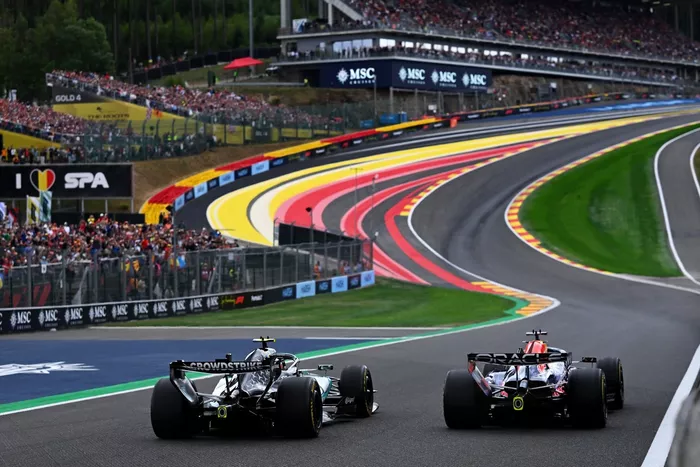
The decision also affects Mercedes’ strategy for the rest of the season.
Ferrari has already introduced two upgrades during the campaign, while Mercedes has one additional opportunity under the ADUO system.
Russell expects the competitive picture to change when Mercedes finally introduces its update.
For now, however, the team is focused on choosing the right moment.
Austin and Mexico City are the two locations identified as possible debut points for the upgraded power unit. The final decision will depend on Mercedes’ preparation and the timing of the new components.
Russell’s penalty is therefore being delayed rather than avoided.
Mercedes wants to fit the upgraded power unit and accept the associated grid penalty at the same time.
That approach could prevent Russell from having to repeat the process later in the season.
The same principle applies to Antonelli, although his grid penalty will be calculated differently because of his current allocation.
The next major step will come when Mercedes confirms exactly when its upgraded power unit will enter competition.
Until then, George Russell F1 2026 plans remain focused on waiting for the new engine before serving his penalty.


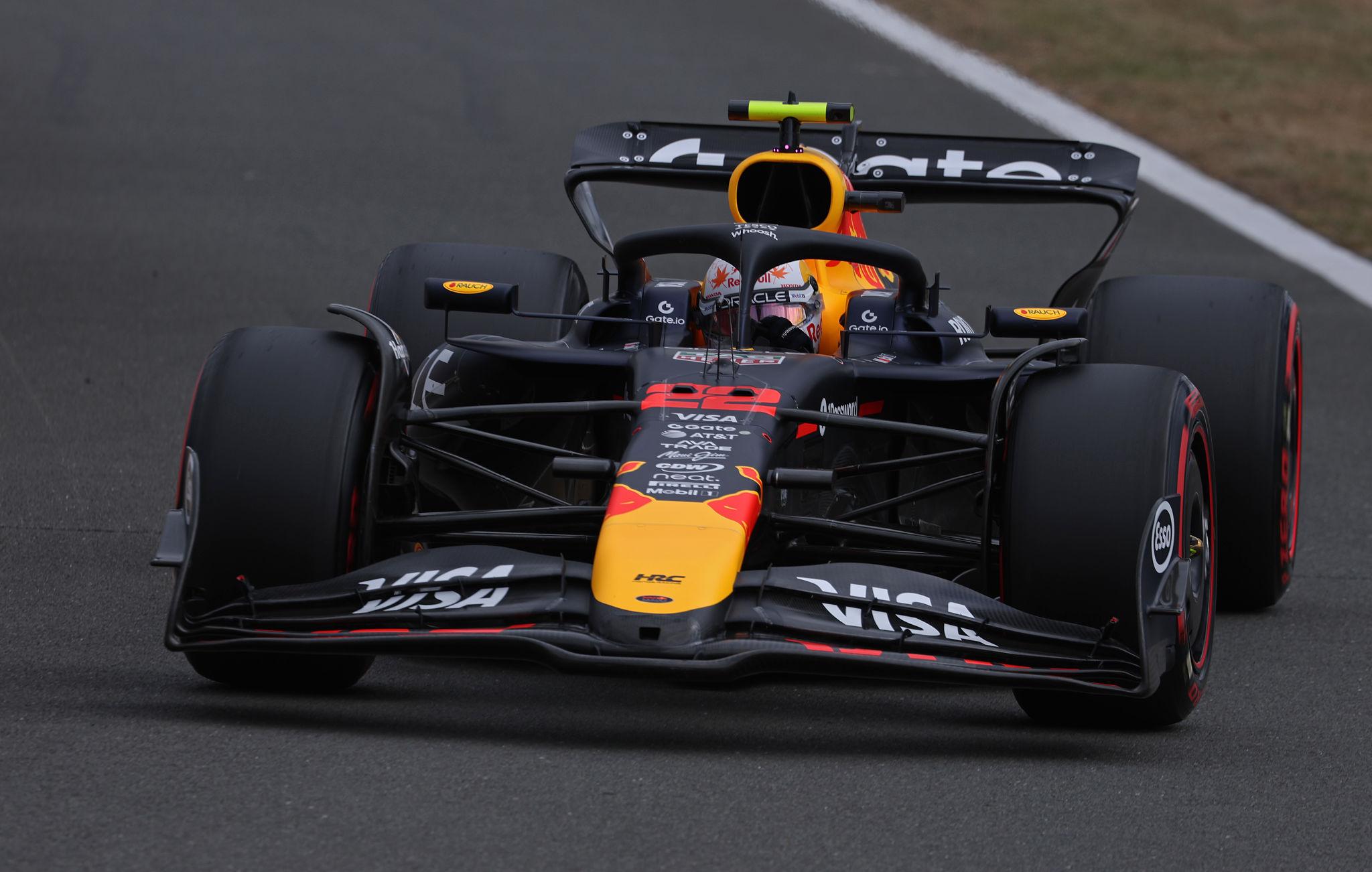
Yuki Tsunoda has identified the setup choice that he believes hurt his difficult Red Bull season, admitting he tried too hard to replicate Max Verstappen’s car.
The Japanese driver admits that trying to copy Max Verstappen’s setup was probably his biggest mistake during his time with the team.
Tsunoda arrived at Red Bull for the Japanese Grand Prix after the team changed its driver line-up. He immediately found himself sharing a garage with Verstappen and facing the challenge of understanding the demanding RB21.
At first, following Verstappen’s direction seemed logical.
The four-time world champion had already shown that he could extract performance from the car. Tsunoda therefore looked closely at the setup used on the other side of the garage.
Over time, however, he realised that a setup that worked for Verstappen did not necessarily suit his own driving style.
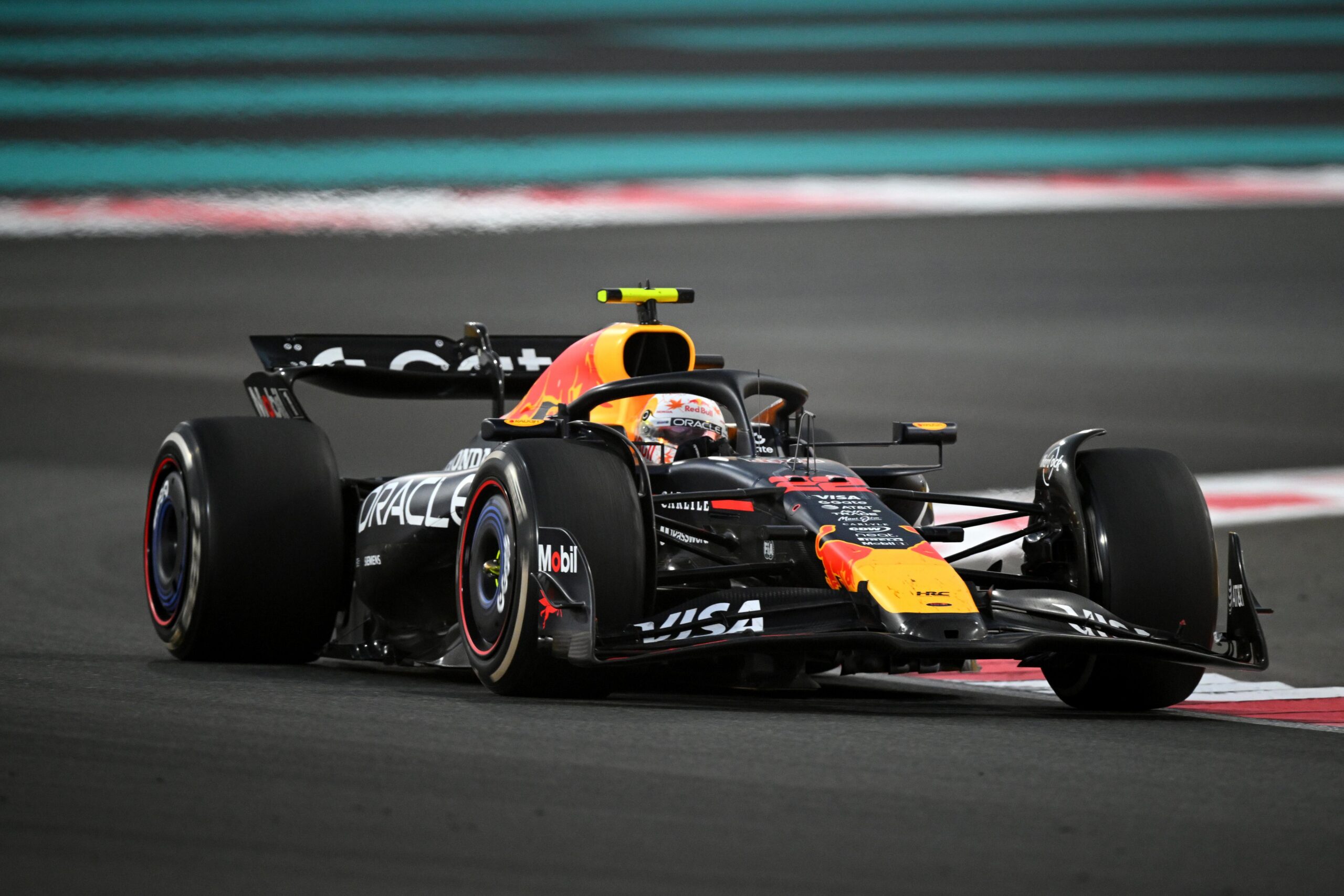
The problem was not simply that Tsunoda was trying to drive like Verstappen.
He says he still had confidence in his own abilities. In fact, he did not want to completely change his driving style for another driver.
The real issue was the direction he took with the car’s setup.
When Tsunoda felt oversteer, he sometimes moved toward settings that created even more of that behaviour because those characteristics appeared to work for Verstappen.
The same happened in the opposite direction.
When Tsunoda felt understeer, he could still choose a setup that moved the car further toward the balance Verstappen preferred.
That approach made the RB21 harder for him to understand.
Tsunoda now believes he should have focused more closely on what his own car was telling him, rather than trying to reproduce the configuration of his teammate.
Verstappen could exploit behaviour Tsunoda struggled with
Tsunoda’s explanation also highlights an important difference between the two drivers.
According to the Japanese racer, Verstappen has an exceptional ability to recognise how the car behaves during each part of a corner.
That includes small changes in rotation, front-end movement and sliding.
Verstappen can detect those reactions quickly and use them to his advantage.
Tsunoda says he approached the same situations differently.
When the RB21 produced a reaction that did not match what he expected, he often tried to force the car toward the behaviour he preferred.
That created another problem.
Instead of adapting completely to the car, he was trying to make the car adapt to him.
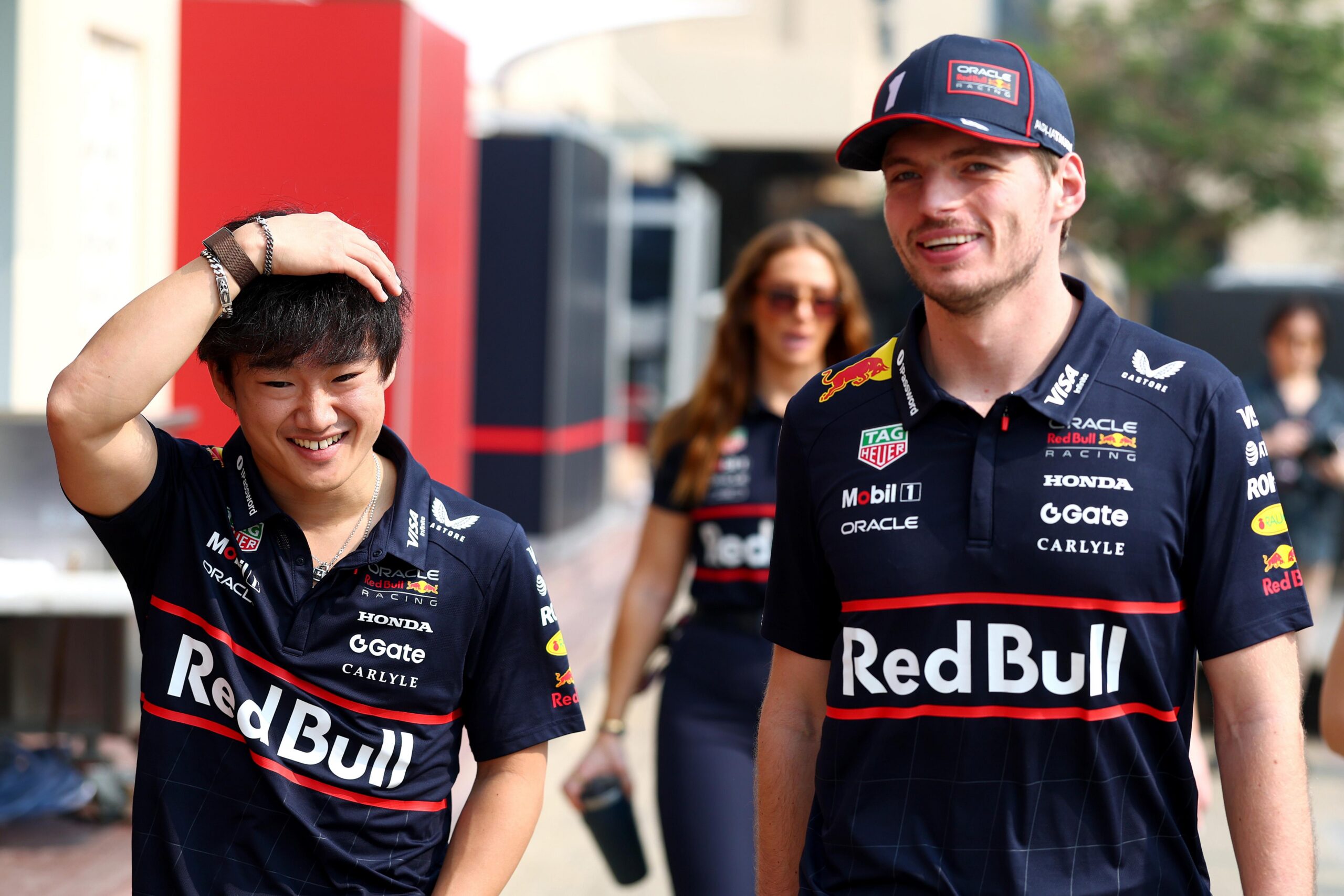
The contrast became especially important because the RB21 had a very narrow operating window.
Tsunoda discovered that while he could make the car feel reasonably manageable, extracting its maximum performance was much harder.
That distinction became clear from his first weekends with Red Bull.
The Japanese driver had a promising start in practice at Suzuka. He was close to Verstappen and showed that he could adapt quickly. However, qualifying and the race exposed how difficult it was to extract consistent performance from the car.
As the season progressed, Tsunoda continued searching for confidence.
He eventually realised that his biggest problem was not necessarily a lack of speed. Instead, he had not fully understood how to work with the behaviour of the RB21.
That realisation came with hindsight.
Tsunoda had spent four seasons developing his own understanding of how to work with a Formula 1 car. At Red Bull, he moved away from that process by placing too much emphasis on what Verstappen was doing.
The Red Bull RB21 remained difficult to understand
The Japanese driver has described the RB21 as a completely different challenge from the car he had driven previously.
His promotion to the senior Red Bull team came suddenly. He had already been familiar with the Racing Bulls environment. Then, from Suzuka onward, he had to adapt to a far more demanding machine.
The pressure was also different.
Tsunoda was now competing alongside Verstappen. That made every comparison more visible.
Instead of only focusing on his own progress, he found himself looking at the setup and driving approach used by the benchmark on the other side of the garage.
That comparison became counterproductive.
Tsunoda now believes that confidence should have come from understanding his own relationship with the car.
The more he tried to reproduce Verstappen’s configuration, the harder that process became.
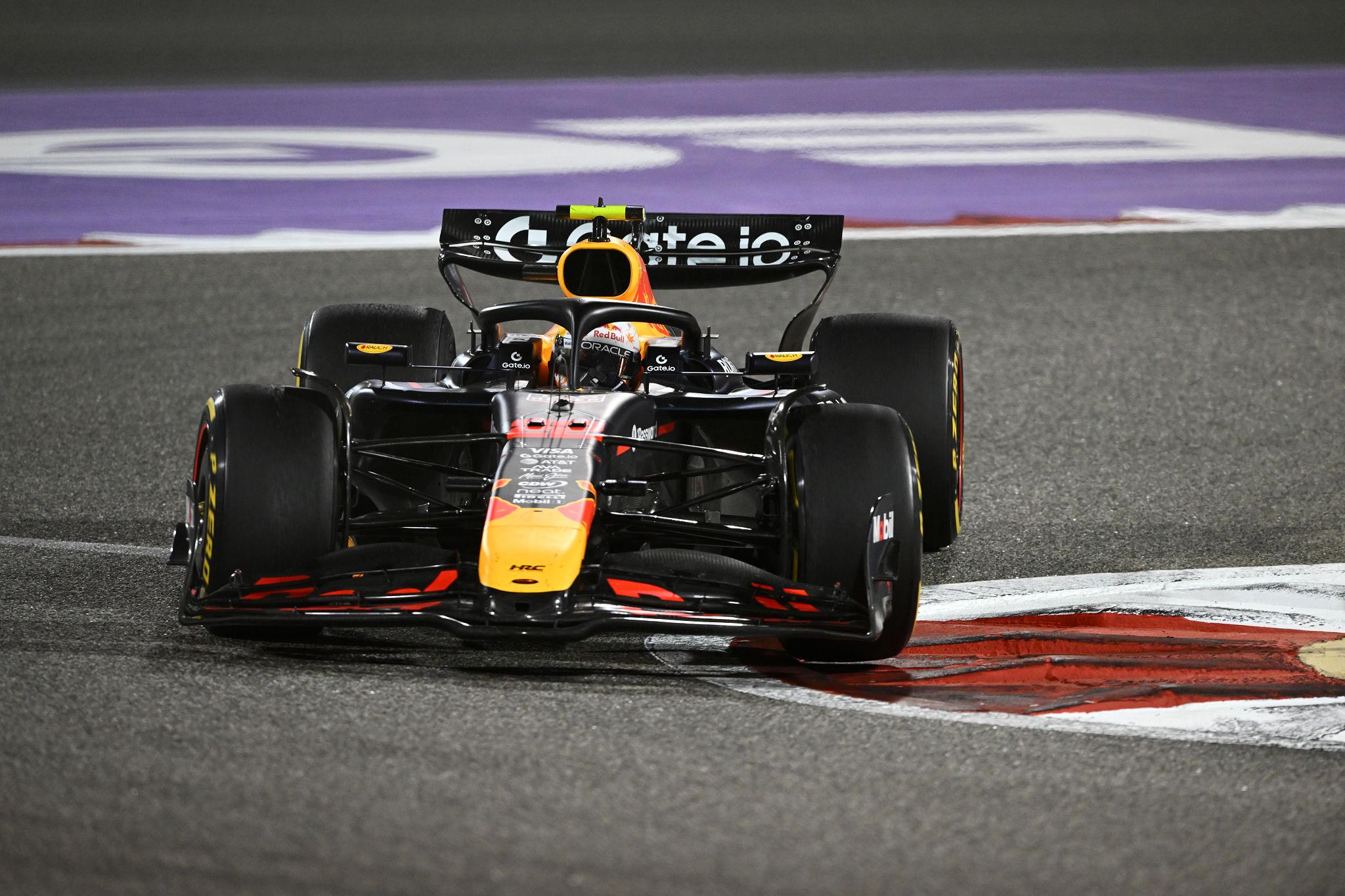
The most striking part of Tsunoda’s reflection is how long the problem lasted.
He says that even after the 2025 season ended in Abu Dhabi, he still did not completely understand the RB21.
That was unusual for him.
Tsunoda had previously been able to develop a relationship with his cars over time. With Red Bull, that process never reached the same level.
The experience left him with a clear lesson.
A Formula 1 setup is not a universal formula. A configuration that allows one driver to extract the strengths of a car can create problems for another.
That lesson is especially relevant when the reference point is Verstappen.
Tsunoda did not need to make his Red Bull behave exactly like Verstappen’s Red Bull. He needed to find the configuration that allowed him to exploit the car in his own way.
That is the conclusion he has reached after looking back on the season.
His time with Red Bull therefore became more than a difficult chapter. It also showed him how important it is for a driver to trust his own feedback and understand the characteristics of the machine underneath him.
The key lesson from Tsunoda’s experience is clear: copying the fastest driver’s setup does not automatically make another driver faster.
For Tsunoda, understanding that difference came only after a full season of trying to make the RB21 work.
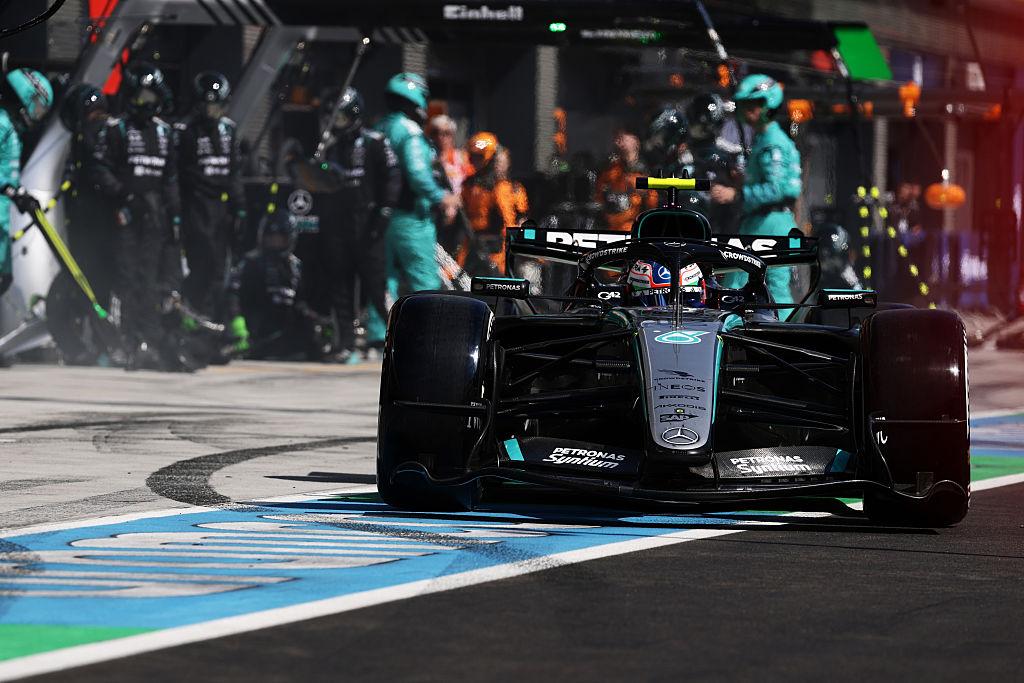
A hidden Mercedes radio code helped Kimi Antonelli gain a crucial second in Madrid, allowing the team to react perfectly when the Virtual Safety Car appeared.
Mercedes anticipated the decisive Virtual Safety Car
The F1 Madrid race was decided by tiny margins. Kimi Antonelli was close to the pit-lane entrance when the Virtual Safety Car was activated. Mercedes had already prepared for that possibility.
Before the VSC appeared, Antonelli received a coded message from his race engineer. He then began reducing his speed between Turns 18 and 20.
The idea was simple. Antonelli needed to create extra time in case Race Control neutralised the race. That decision became one of the most important moments of the Grand Prix.
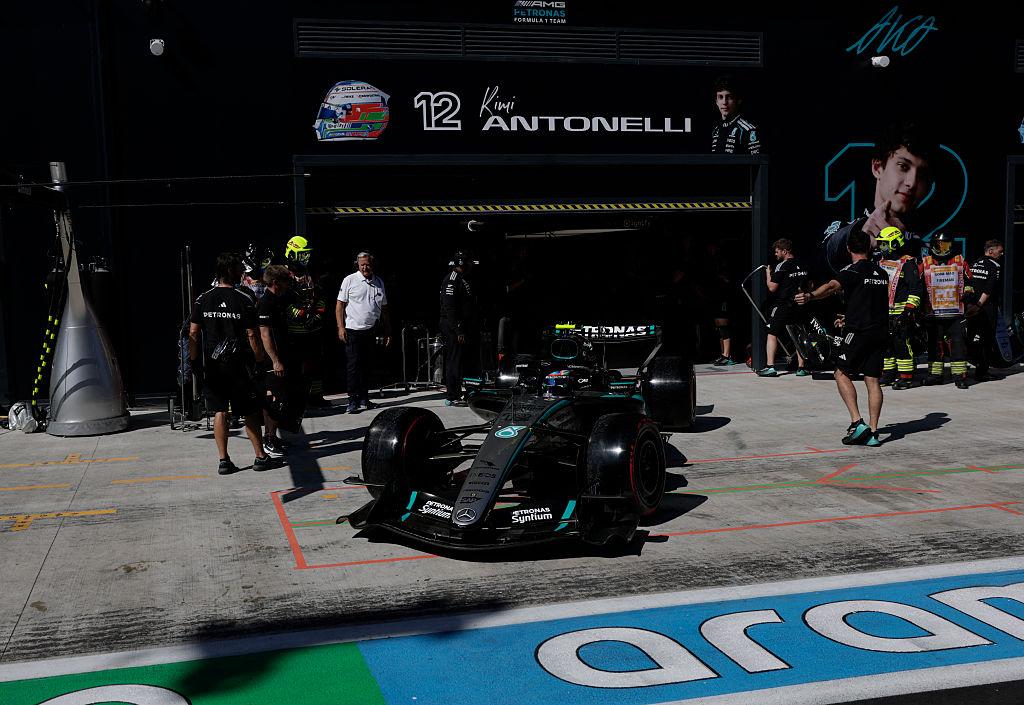
The lap data shows how aggressive that slowdown was.
At Turn 19, Antonelli was 29 km/h slower than on the previous lap. He then reached the braking zone for Turn 20 24 km/h slower.
Lance Stroll’s car was stopped in that area. Antonelli had already lifted off the throttle before reaching the corner.
Max Verstappen approached the same section differently. He took Turn 19 15 km/h faster than Antonelli. He also reached the Turn 20 braking zone 18 km/h faster.
Antonelli was therefore doing more than simply obeying the yellow flag. He was managing his speed to prepare for a possible VSC.
The secret code gave Antonelli valuable time
Mercedes uses changing secret codes to communicate strategic situations to its drivers. The team changes them regularly so rival teams cannot easily understand their meaning.
In Madrid, that system told Antonelli that a pit stop could become necessary. The message arrived before the VSC was officially activated.
That advance warning mattered because the timing window was extremely small.
There were 35 seconds between the yellow flag and the VSC activation. Another 15 seconds passed before Antonelli reached his Mercedes pit box.
That left almost no margin.
The Italian was already close to the pit-lane entry when the VSC became active. His earlier slowdown had given him an extra second.
That single second was crucial.
Without it, Antonelli could still have reached the pit lane. However, the situation would have been much tighter. Mercedes needed every available moment to complete the operation.
The team also prepared for George Russell’s stop. Both Mercedes cars needed to be handled during the same neutralisation.
Mercedes had to coordinate everything perfectly
A successful VSC strategy requires much more than a radio call.
The engineers must identify the opportunity. The driver must react immediately. At the same time, the mechanics need to have the correct tyres ready.
In Madrid, Mercedes managed that entire sequence in seconds.
Antonelli arrived at his pit box with an extremely small margin. The tyres reached the position almost at the same moment as the car.
The pit crew therefore had very little room for error.
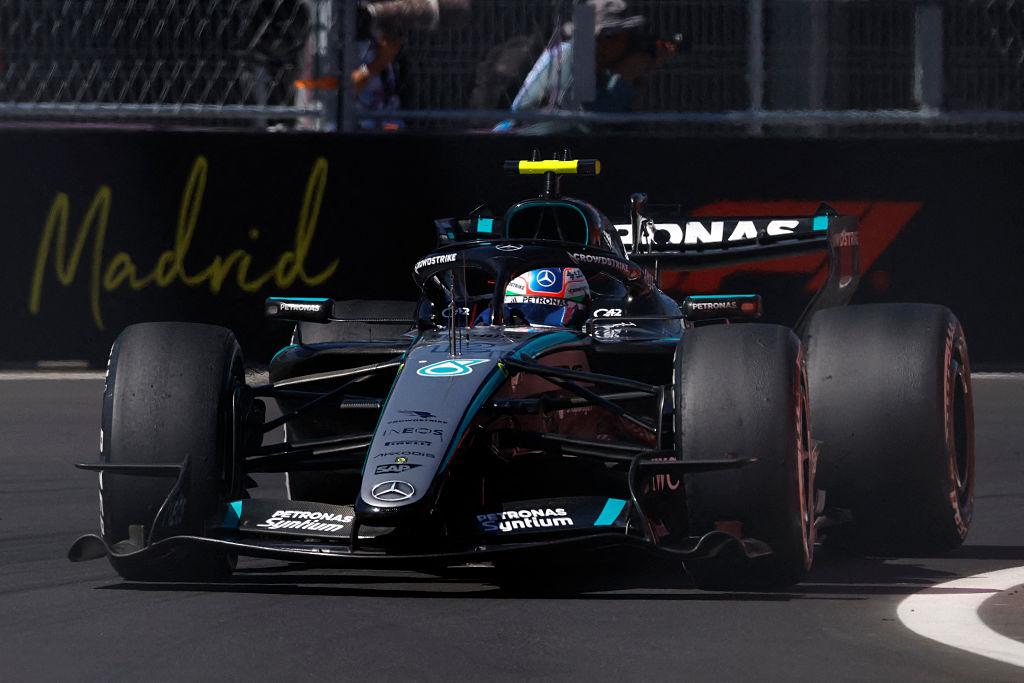
The sequence explains why the VSC became so important to the final result.
Antonelli gained time before the neutralisation. Mercedes prepared the tyres. Then the VSC appeared at exactly the right moment for the team’s strategy.
The extra second gave Antonelli a larger margin to enter the pit lane.
The advantage became even more important because overtaking around the Madrid circuit was difficult. Once Antonelli gained track position through the pit sequence, the strategy had done its job.
Mercedes had discussed Safety Car and VSC scenarios before the race. That preparation meant the team already knew how to react when an incident occurred.
Antonelli also understood what the coded message meant. He slowed down before the VSC was confirmed.
That combination created the opportunity.
One second changed the race
Luck still played a part in the sequence. The VSC appeared while Antonelli was close enough to the pit-lane entry to benefit from it.
However, Mercedes had prepared for exactly this type of situation.
The team identified the possibility early. Antonelli adjusted his speed. The mechanics prepared the tyres. Then the pit stop was completed during the neutralisation.
Antonelli ultimately became the first Formula 1 winner at Madring, with Max Verstappen second and Lando Norris third. The victory was his eighth of the 2026 season.
The Madrid Grand Prix therefore offered a clear example of how modern F1 strategy works.
A yellow flag lasted only moments. The VSC created a narrow window. And one extra second helped Mercedes turn that window into a winning opportunity for Antonelli.
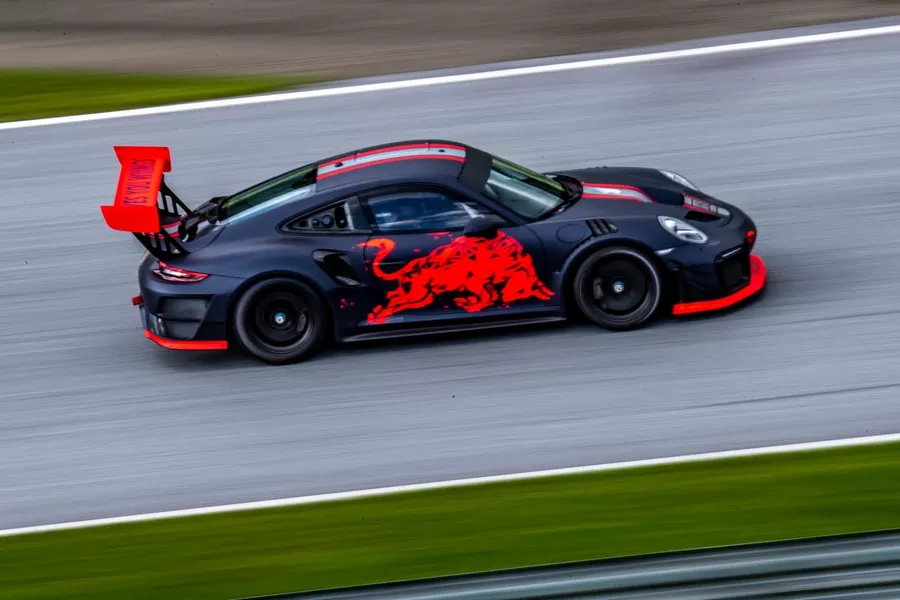
Porsche and Red Bull were remarkably close to joining forces for Formula 1 in 2022. Former Porsche Motorsport chief Fritz Enzinger has now revealed how advanced the deal really was and why it ultimately collapsed.
The Red Bull Porsche F1 deal came remarkably close to becoming one of the biggest partnerships in modern Formula 1. Porsche was preparing to enter the sport alongside Red Bull for the 2026 regulations, but the agreement collapsed shortly before the planned announcement.
Former Porsche Motorsport boss Fritz Enzinger has now provided new insight into just how advanced those negotiations had become. According to Enzinger, the two sides had already reached a handshake agreement between senior figures at Volkswagen and Red Bull before the project suddenly changed direction.
Porsche itself confirmed in September 2022 that discussions with Red Bull had ended. The manufacturer said the proposed partnership was supposed to be based on equal footing and include both the power-unit relationship and the F1 team, but those conditions could not be achieved.
Porsche Was Preparing to Announce the Partnership
Enzinger says the agreement had progressed far enough for Porsche and Red Bull to begin planning an official announcement.
The original plan was reportedly to make the partnership public at the Austrian Grand Prix at the Red Bull Ring, or at the following race. However, several questions surrounding the upcoming power-unit regulations remained unresolved.
Rather than announce an agreement before those issues had been settled, the two companies decided to wait.
Porsche and Red Bull came close to forming a Formula 1 partnership for the 2026 engine regulations.
The delay turned out to be much more significant than either side initially expected.
According to Enzinger, Red Bull subsequently experienced a change of direction, and the planned partnership was ultimately abandoned.
The Deal Was Supposed to Be More Than an Engine Agreement
One of the most important details surrounding the Red Bull Porsche F1 deal was its proposed structure.
Porsche was not simply preparing to become Red Bull’s engine supplier. The plan involved Porsche acquiring a significant stake in the Formula 1 operation and becoming a genuine partner of the team.
That was consistent with Porsche’s desire for an equal partnership rather than a traditional customer-engine arrangement.
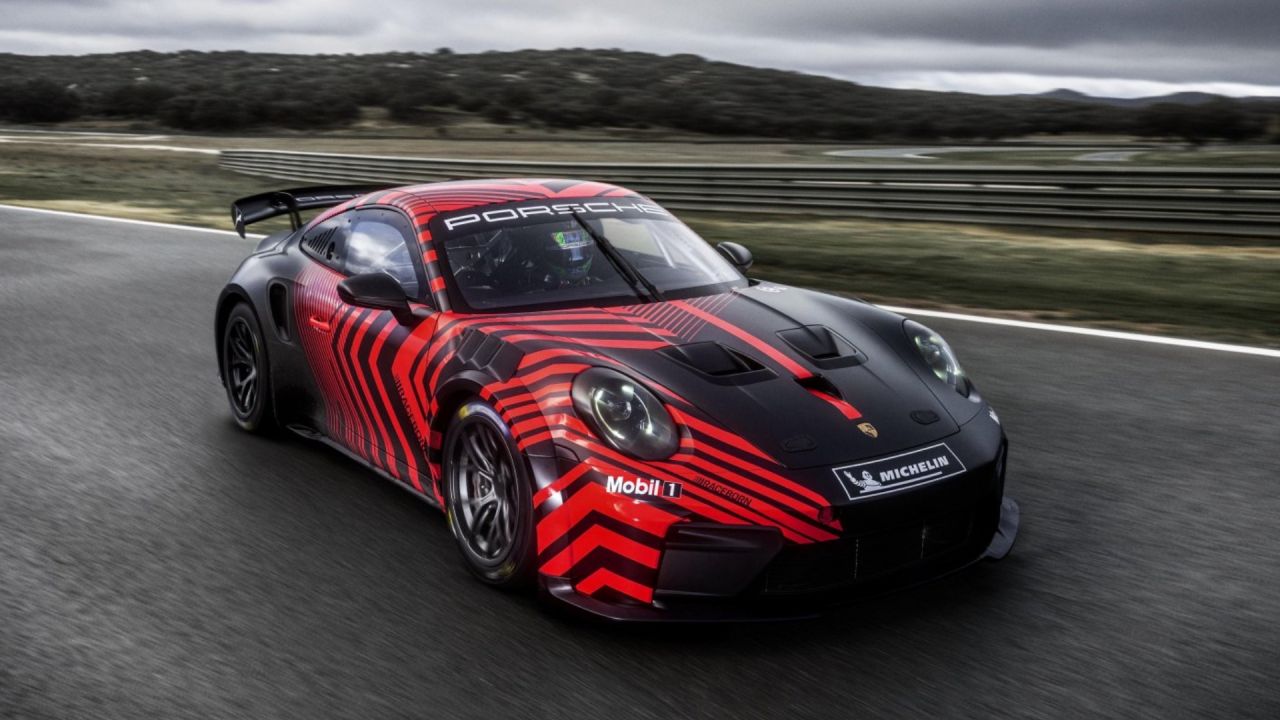
Porsche wanted its proposed Red Bull Formula 1 partnership to extend beyond supplying power units.
The arrangement would have given Porsche a much deeper role in Red Bull’s F1 operation while allowing the Austrian team to enter the new power-unit era with a major automotive manufacturer.
However, that structure also created one of the central obstacles in the negotiations.
Red Bull was not prepared to give up the level of independence Porsche wanted from the partnership.
Red Bull Eventually Changed Direction
Enzinger described the decisive moment simply as a change of direction within Red Bull.
He said Porsche had been focused almost exclusively on Red Bull during the negotiations and had not seriously pursued parallel discussions with other Formula 1 teams.
From Porsche’s perspective, Red Bull was the target.
“From Porsche’s point of view, there was really only one goal: entering Formula 1 with Red Bull,” Enzinger recalled.
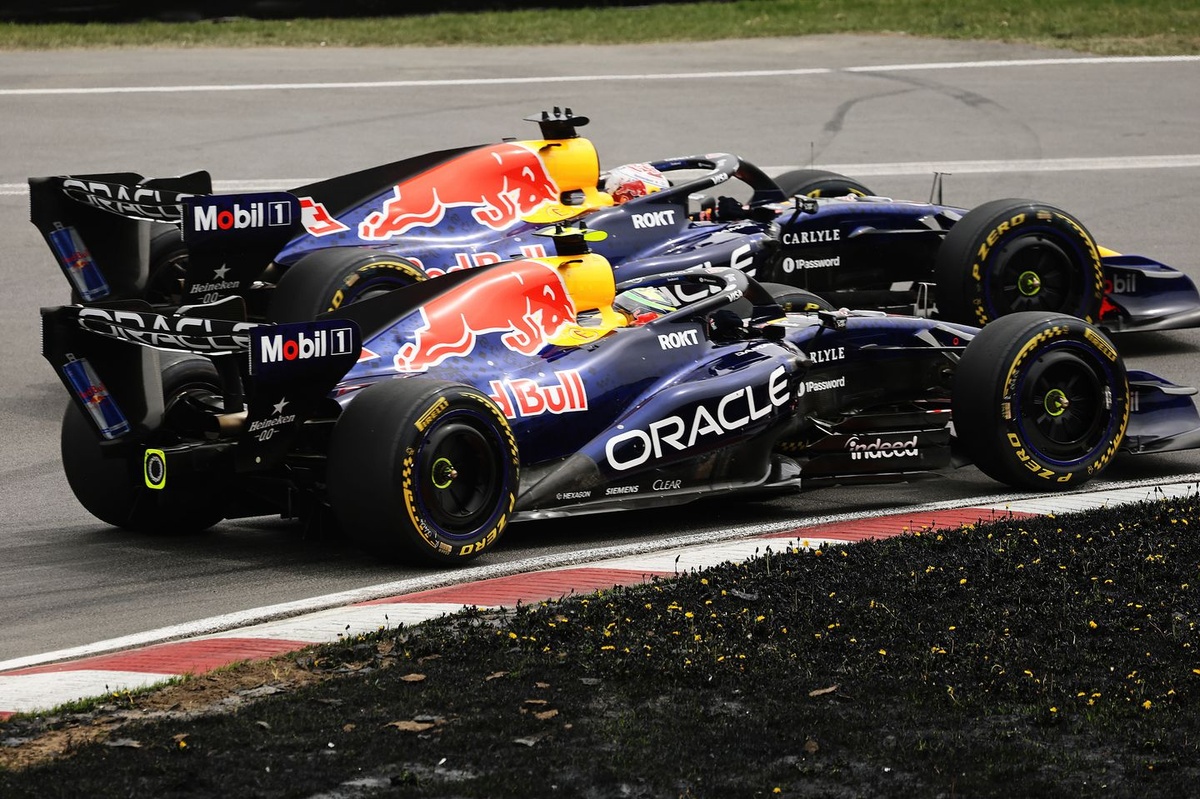
The Porsche-Red Bull partnership ultimately collapsed before the German manufacturer could enter Formula 1 for 2026.
The two sides eventually ended their negotiations in September 2022. Porsche’s official statement confirmed that the proposed equal-footing structure, including both the engine partnership and the team, could not be achieved.
That decision sent Porsche back to the drawing board while Red Bull eventually chose a different path for its 2026 power-unit program.
Audi Became Volkswagen Group’s Only F1 Project
The collapse also changed the Volkswagen Group’s Formula 1 strategy.
Audi ultimately became the group’s sole Formula 1 entrant, taking over Sauber and entering the championship as a works operation under the new 2026 regulations.
Enzinger now believes there was also a positive side to Porsche’s failed agreement.
Looking back at the much larger investment required to operate successfully in modern Formula 1, he said it would have been difficult for Volkswagen Group to sustain two separate programs at the highest level.
Red Bull Porsche F1 Deal Nearly Changed the Grid
The Red Bull Porsche F1 deal was much closer to reality than the final outcome suggested. Porsche had advanced discussions, a planned announcement and a structure that went far beyond supplying engines.
Ultimately, the two companies could not agree on the level of integration and control required for the partnership to work. Porsche officially ended the talks, while Red Bull moved forward with its own power-unit project before eventually partnering with Ford for the new generation.
Four years later, Enzinger’s account provides a clearer picture of how close the proposed alliance came to becoming reality. Had the agreement survived those final negotiations, the 2026 Formula 1 grid would have looked very different.
-

 TEST DRIVES2 months ago
2026 Maserati MCPura Cielo
-
 NOW TRENDING2 months ago
Honda Civic Si Production Ends After 2026 Model Year Pause
-

 INTELLIGENT MOBILITY2 months ago
2027 Toyota Crown Gets New Hybrid System and Fresh Design
-

 NOW TRENDING2 months ago
2027 Range Rover GT Debuts as the Brand’s Lowest EV
-

 NOW TRENDING2 months ago
Next-Gen Cadillac CT5-V Blackwing Could Keep the V8 Alive
-
 NOW TRENDING2 months ago
Rolls-Royce’s $32 Million Droptail Took 9 Months of Handcrafted Woodwork
-

 NOW TRENDING2 months ago
2027 Toyota Sequoia Adds Trailhunter Package and New Tech
-
 NOW TRENDING2 months ago
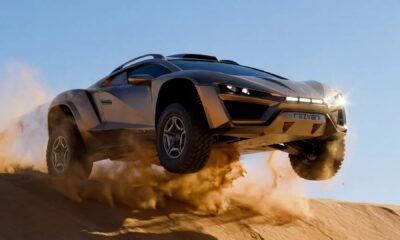
Rezvani Dune Turns the Huracan Into an 800-HP Off-Road Beast
You must be logged in to post a comment Login