
Formula1
Williams F1’s Four-Minute Problem Reveals Its Technical Gap


James Vowles says Williams still faces major structural problems, with basic computer tasks taking minutes and aerodynamic processes running twice as slowly as those of leading rivals.
Williams is still working to overcome years of underinvestment, and team principal James Vowles has offered a striking example of the scale of the challenge. According to the British executive, a routine computer operation that should take one second can require around four minutes at the Formula 1 team.
The problem goes beyond the performance of the car itself. Williams must also improve its software, internal systems and development processes if it wants to close the gap to Formula 1’s leading constructors. Vowles believes rebuilding that infrastructure will take time, even with the team’s ongoing investment.
Williams Takes Twice as Long to Develop Aerodynamic Ideas
Vowles has repeatedly emphasized that Williams is still dealing with the consequences of decades of insufficient investment. The team cannot eliminate those weaknesses overnight, particularly under Formula 1’s budget cap, which limits how quickly resources can be deployed.
The team principal explained that some aerodynamic development processes take approximately twice as long at Williams as they do at leading competitors. From the moment an aerodynamicist develops an idea to the point when it can be evaluated in the wind tunnel, the process remains significantly slower.

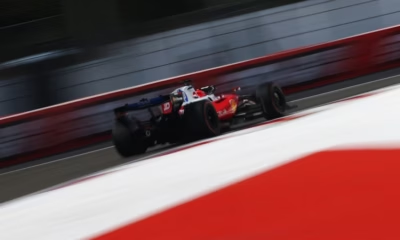
Williams is working to improve its aerodynamic development processes as it attempts to close the gap to leading F1 teams.
That delay can affect the team’s ability to introduce improvements throughout a season. Even when engineers identify a promising concept, slower development and testing can postpone its arrival on the car, potentially reducing the team’s ability to respond to competitors.
The challenge is therefore not simply to produce better aerodynamic ideas. Williams must also build a technical structure capable of turning those ideas into usable components more efficiently.
A One-Second Computer Task Takes Four Minutes
One of Vowles’ most revealing examples concerns a routine operation used in aerodynamic design. Mirroring an object from one side of the car to the other should be a straightforward computer task, yet Williams’ systems can take approximately four minutes to complete it.
The team principal described how an engineer can click a button and then wait long enough to make a cup of tea. For a task that should take about one second, the delay illustrates how outdated software and internal systems can disrupt everyday work.

Slow internal software can add unnecessary waiting time to routine engineering work at Williams.
Vowles explained that the problem is not an isolated technical fault. Instead, it reflects years of underinvestment in the systems supporting the team’s engineers. He suggested that the two examples he described represent only a small part of a much larger collection of inefficiencies.
Those delays may appear insignificant individually, but their cumulative effect can be substantial. When hundreds of small problems affect different departments, they can consume working hours and slow the development process across an entire organization.
Williams Faces Hundreds of Small Problems
Inside Williams, the accumulated obstacles have been described as “a thousand paper cuts.” The phrase captures a structural problem in which no single issue explains the team’s difficulties, but numerous small inefficiencies combine to create a significant disadvantage.
These weaknesses can affect everything from computer-aided design to aerodynamic development and the speed at which engineering decisions become physical parts. Improving one system may help, but the wider challenge requires changes across multiple departments.

Williams needs improvements across its engineering systems and factory operations, not just a faster car.
Vowles estimates that the team will need another 12 to 18 months to bring many of these problems under control. Even then, further weaknesses may emerge as the organization improves and identifies new areas where it falls behind the leading teams.
The timeline highlights the scale of the task facing Williams. Progress depends not only on investment in the car but also on improving the tools, processes and working environment that allow engineers to develop it.
James Vowles’ Long-Term Plan for Williams
Vowles joined Williams as team principal in 2023 after spending years at Mercedes, giving him direct experience of the systems and working methods used by a championship-winning organization. That background provides a benchmark for the improvements he wants to introduce at Williams.
However, he has stressed that a team cannot reverse two decades of underinvestment in just three years while operating under a budget cap. Infrastructure upgrades, software improvements and more efficient development processes all require time and careful prioritization.
For Williams, the objective is to create an organization that can develop upgrades and respond to technical challenges at a speed comparable with its leading competitors. Until that happens, even strong engineering ideas may take too long to translate into performance on track.
The four-minute computer task illustrates why Williams’ recovery involves much more than the design of its next Formula 1 car. Closing the gap requires a faster, more reliable organization behind it, with improvements across hundreds of small processes that collectively influence performance.












-

 NOW TRENDING2 months ago
Aston Martin DBX Becomes Harry Da Souza’s Ride in MobLand
-

 TEST DRIVES2 months ago
2026 Maserati GranTurismo Trofeo Review: Miami
-

 INTELLIGENT MOBILITY2 months ago
Tesla Cybercab Navigation Problem Hits Austin Robotaxis
-

 INTELLIGENT MOBILITY2 months ago
2027 Nissan Rogue Hybrid: e-POWER Comes to America
-

 TEST DRIVES2 months ago
2026 Maserati GranTurismo Coupe
-

 Formula12 months ago
Cadillac F1 2026 Faces an Eight-Race Logistics Challenge
-

 NOW TRENDING2 months ago
Land Rover Defender Recall 2026: 23,677 JLR SUVs Affected
-

 NOW TRENDING2 months ago
Every 2026 Chevrolet With AWD or 4WD