
Formula1
Carlos Sainz Warns F1 Is Splitting Into Three Competitive Tiers

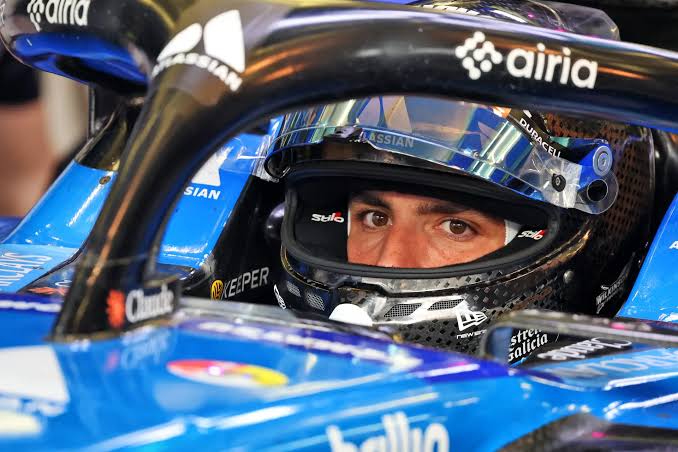
Carlos Sainz believes Formula 1’s new regulations are widening the performance gap, although he also sees positive changes.
Carlos Sainz has raised concerns about the competitive balance of Formula 1 under its new technical regulations, arguing that the grid is increasingly divided into distinct performance groups. The Williams driver believes the current situation could be described as a championship with two or even three competitive tiers, with the leading teams separated from the midfield and the struggling outfits at the back.
The debate over the latest power unit regulations has intensified since the start of the season. Drivers have questioned several aspects of the new cars, while software problems in Malaysia added further pressure on the sport to examine how the rules are working in practice. Sainz’s latest comments highlight another concern: whether the regulations are creating a wider gap between teams rather than bringing them closer together.

Carlos Sainz believes the new regulations have contributed to a more divided Formula 1 grid.
Sainz Sees Three Different Competitive Groups
Sainz points to the results on track as evidence that Formula 1 is becoming increasingly divided. In his assessment, the leading four teams currently form one group, while the rest of the field struggles to match their performance. He also believes a third tier can be identified among teams that remain significantly behind the midfield.
Cadillac, competing in its first Formula 1 season, and Aston Martin have faced particularly difficult challenges. Both have struggled to keep pace with the more competitive teams, although their circumstances differ. Cadillac is building its operation as a new entrant, while Aston Martin has been dealing with significant performance limitations.
History shows that major regulation changes can create substantial gaps between teams. As a new technical cycle develops, some manufacturers and constructors find competitive advantages earlier than others. Those differences can gradually shrink as teams improve their cars, refine their processes and learn how to extract more performance from the rules.
However, the central question is whether the current regulations will allow the field to converge quickly enough to maintain close racing throughout the grid.
Sergio Perez Questions the Budget Cap
Sergio Perez has offered a different perspective on the performance gap. The Cadillac driver argues that the team’s difficulties cannot be explained by its power unit alone. He also points to the challenges faced by a new and relatively small operation competing against established Formula 1 organizations.
Perez believes the current budget cap can place smaller teams at a disadvantage. During his time at Red Bull, he recalls an environment in which the team introduced upgrades almost every race weekend and concentrated its resources on improving performance.

Sergio Perez believes smaller teams can face additional challenges under Formula 1’s financial restrictions.
Aston Martin Highlights the Limits of Spending
Aston Martin’s struggles also illustrate why financial resources do not automatically translate into competitive performance. The team has faced significant difficulties this season, with Honda’s power unit identified as one of the key challenges, particularly early in the campaign.
A competitive Formula 1 car depends on several elements working together. Engine performance, aerodynamics, chassis design, reliability and the efficiency of the organization all influence the final result. Strong investment can help address weaknesses, but it cannot immediately eliminate technical problems or replace the time needed to develop a competitive package.
The situation also reinforces the importance of cooperation between constructors and power unit manufacturers. Even when a team has substantial resources, a lack of performance or reliability in one major area can limit the potential of the entire car.

Aston Martin’s early-season difficulties demonstrate that financial investment alone cannot guarantee performance.
For Formula 1, these challenges raise broader questions about how the current technical regulations affect the competitive order. The power unit rules, the financial framework and the teams’ ability to develop their cars will all influence how quickly the gaps can narrow.
Sainz Sees Positive Changes Despite the Problems
Despite his concerns, Sainz does not believe the new regulations have been negative in every respect. The Williams driver has highlighted increased overtaking as one of the potential benefits of the current rules, suggesting that the sport should assess the changes individually rather than dismissing the entire concept.
Sainz acknowledges that teams, power unit manufacturers, the FIA and Formula One Management are all trying to make the most of a framework established several years ago. The challenge now is to evaluate which elements are improving the racing and which are creating unwanted consequences.
His comments point toward a broader review of the regulations as Formula 1 considers its direction through 2030. Any future adjustments will need to balance competitive fairness, racing quality, technical challenges and the commercial interests of the championship.
The immediate priority is to understand why some teams are progressing more effectively than others and whether changes to the rules could address the biggest weaknesses without undermining the improvements already achieved. For Sainz, the sport must recognize both the advantages and disadvantages of the current system before deciding how to move forward.
Formula 1’s competitive order is not necessarily fixed for the remainder of the regulation cycle. However, the concerns raised by Sainz and Perez underline the importance of ensuring that the new rules deliver compelling racing across the grid, rather than leaving a growing number of teams fighting from a significant disadvantage.








-

 NOW TRENDING2 months ago
Aston Martin DBX Becomes Harry Da Souza’s Ride in MobLand
-
 TEST DRIVES2 months ago
2026 Maserati GranTurismo Trofeo Review: Miami
-

 INTELLIGENT MOBILITY2 months ago
Tesla Cybercab Navigation Problem Hits Austin Robotaxis
-

 INTELLIGENT MOBILITY2 months ago
2027 Nissan Rogue Hybrid: e-POWER Comes to America
-

 TEST DRIVES2 months ago
2026 Maserati GranTurismo Coupe
-
 Formula12 months ago
Cadillac F1 2026 Faces an Eight-Race Logistics Challenge
-

 NOW TRENDING2 months ago
Land Rover Defender Recall 2026: 23,677 JLR SUVs Affected
-
 NOW TRENDING2 months ago
Every 2026 Chevrolet With AWD or 4WD