
NOW TRENDING
Honda Prelude: Hybrids Deserve More Than an MPG Contest

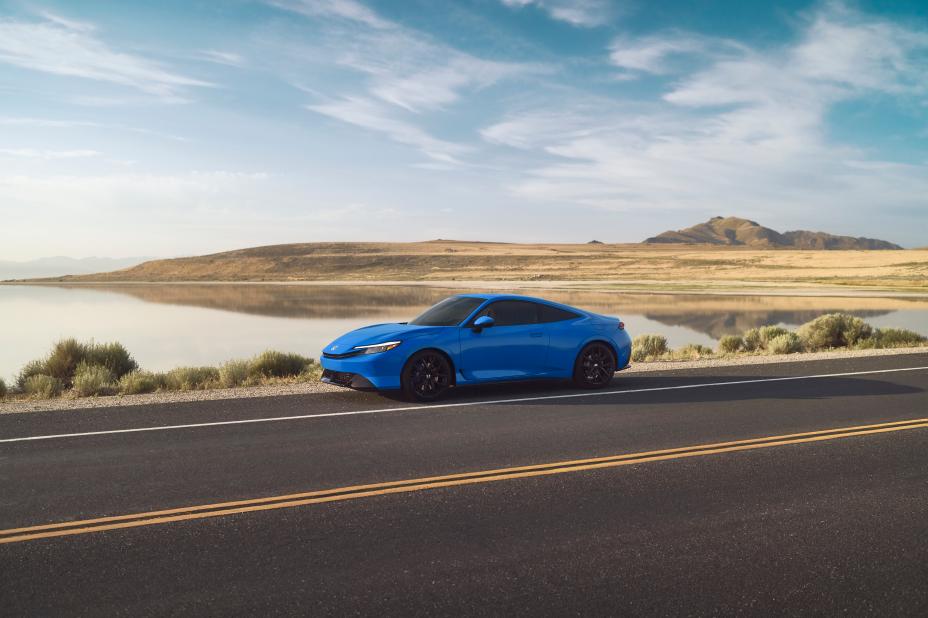
The Honda Prelude and Ford Maverick Hybrid make a stronger case for electrification when we look at the choices they preserve, not just the gasoline they save.
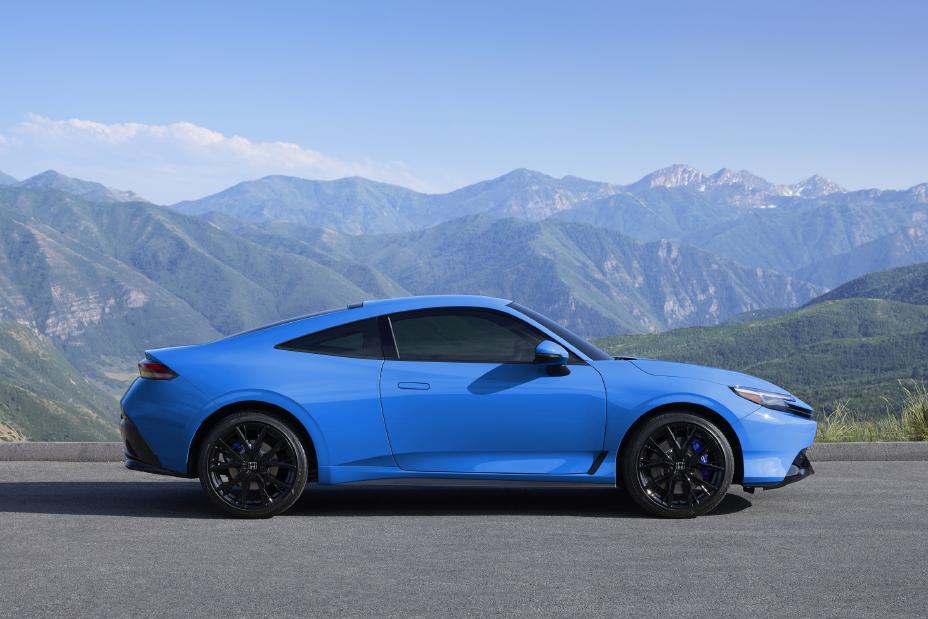
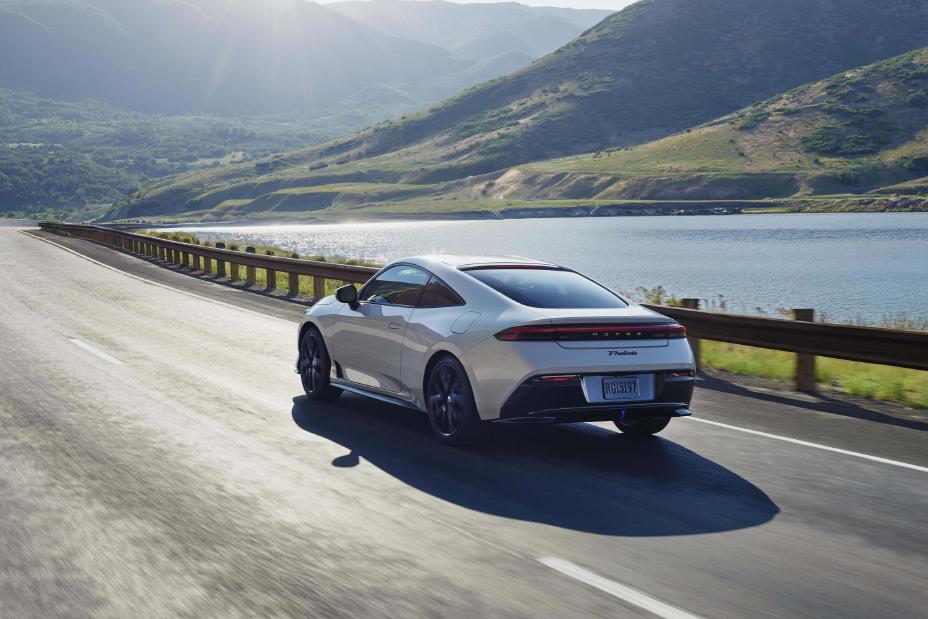
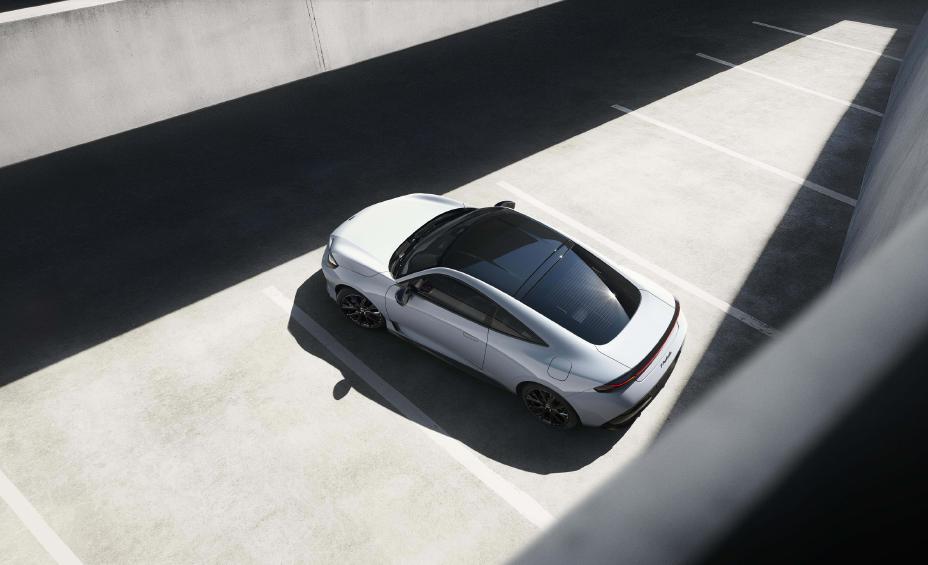
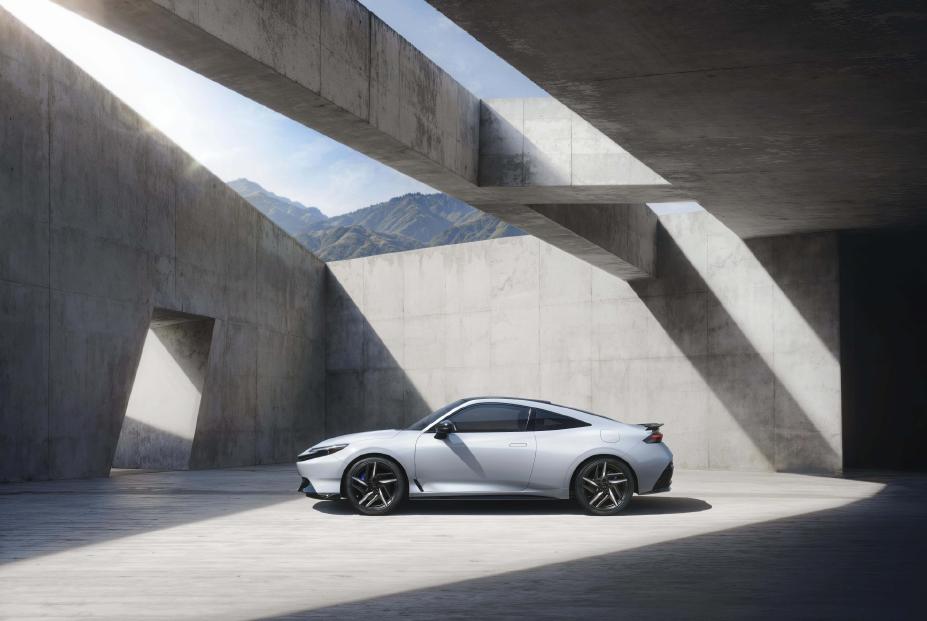
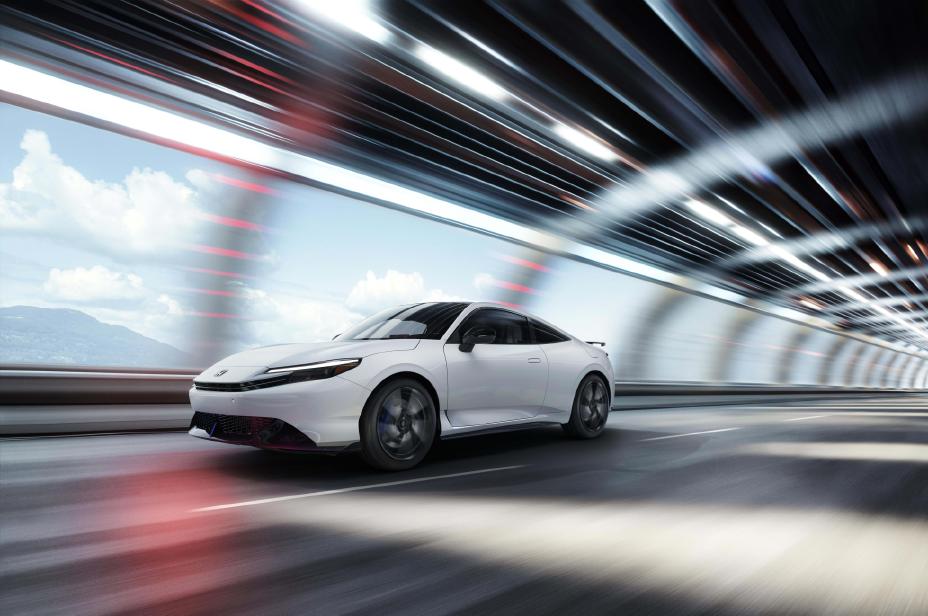
A coupe and a compact pickup have something useful to tell us about hybrids: the engine should serve the car we want to own. The 2026 Honda Prelude and Ford Maverick Hybrid approach that idea from opposite directions. One gives buyers a low, two-door shape. The other leaves room for an open bed. Both make efficiency part of a recognizable purpose.
That deserves more attention as manufacturers decide where their next hybrid systems belong. Carsfera’s view is that electrification becomes more valuable when it expands the kinds of vehicles Americans can choose. Counting hybrid models tells only part of that story. Looking at what those models let people do tells us considerably more.
A pickup puts the same argument to work
The Maverick supplies a useful counterpoint. Its bed serves a different purpose from the Prelude’s coupe proportions, yet a hybrid system supports both ideas. A buyer who wants to keep dirty equipment outside the passenger compartment has a reason to consider a pickup that has little to do with its position in an MPG table.
There is commercial evidence behind Ford’s approach. In its third-quarter 2026 sales release, Ford reported 27,793 Maverick Hybrid sales, up 59.6% from a year earlier. Through September, the total reached 74,300. Those are hybrid sales specifically, rather than figures for every Maverick powertrain.
Those results do not reveal why each customer bought one. They do establish that the combination has found a substantial audience. It would be a mistake to read the numbers solely as enthusiasm for fuel savings while overlooking the truck attached to the powertrain.
What 1,000 miles reveal
Carsfera calculated a simple comparison using the EPA’s 2026 Fuel Economy Guide. The Prelude’s 44-mpg combined rating implies about 22.7 gallons over 1,000 miles. The front-wheel-drive Maverick Hybrid’s 38-mpg combined rating implies about 26.3 gallons. The difference is approximately 3.6 gallons.
At an illustrative $4 per gallon, that difference becomes about $14.35 per 1,000 miles. This is arithmetic based on EPA ratings, not a road test or a claim about current pump prices. It also applies to the specified front-wheel-drive hybrid truck; other Maverick configurations carry different ratings.
The two vehicles are unlikely substitutes for most households. That is precisely what makes the comparison useful: radically different body styles can sit within a relatively narrow fuel-use interval. Across 12,000 miles, the same assumptions produce a difference of about $172. That remains real money, but it does not measure the usefulness of a bed or the appeal of a coupe.
Purchase price, insurance and depreciation still matter. This calculation cannot establish which vehicle is cheaper to own, and it makes no such claim. Readers considering charging costs as well can find that separate discussion in Carsfera’s analysis of conventional and plug-in hybrid costs.
The next hybrid deserves a reason to exist
The lesson for manufacturers is straightforward: start with a vehicle people have a reason to want, then make its energy use fit that purpose. Repeating the same general package with another badge may increase the number of products on sale without expanding meaningful choice.
That does not establish that hybrid technology saved either body style from disappearing. We do not have the internal business cases needed to make that claim. What we can see is the result: two different applications already exist. The opportunity for the industry is to build on that range of uses, while leaving buyers free to decide how much space, utility and visual character they actually want in the vehicle they drive every day.
We should also resist giving every unusual hybrid a free pass. A distinctive silhouette cannot compensate for inconvenient controls, weak packaging or a price its equipment does not justify. Variety earns its place through execution. The argument is for preserving different possibilities and evaluating them honestly, rather than assuming a single format suits everyone.
Carsfera’s opinion: the Prelude and Maverick Hybrid are valuable examples because they give efficiency different jobs. The next worthwhile hybrid should offer a clear reason to choose its shape and purpose, as well as a credible number on the fuel-economy label.










-
 NOW TRENDING2 months ago
Land Rover Defender Recall 2026: 23,677 JLR SUVs Affected
-
 NOW TRENDING2 months ago
Hyundai September 2026 Sales Hit Record 77,439
-
 NOW TRENDING2 months ago
2027 Toyota Grand Highlander Woodland Adds Adventure
-

 NOW TRENDING2 months ago
Porsche Gas Macan Returns in 2028 as EV Plans Evolve
-

 INTELLIGENT MOBILITY2 months ago
Waymo Safety Data Shows 82% Fewer Injury Crashes
-

 INTELLIGENT MOBILITY2 months ago
IONNA EV Charging Network More Than Doubles in 2026
-
 NOW TRENDING2 months ago
Tesla Roadster Reveal Delayed Again Until October 15
-
 NOW TRENDING2 months ago
Mercedes Drops Three Models From Its 2027 U.S. Lineup