
INTELLIGENT MOBILITY
Tesla Driver-Assist Crashes Hit Record in July 2026

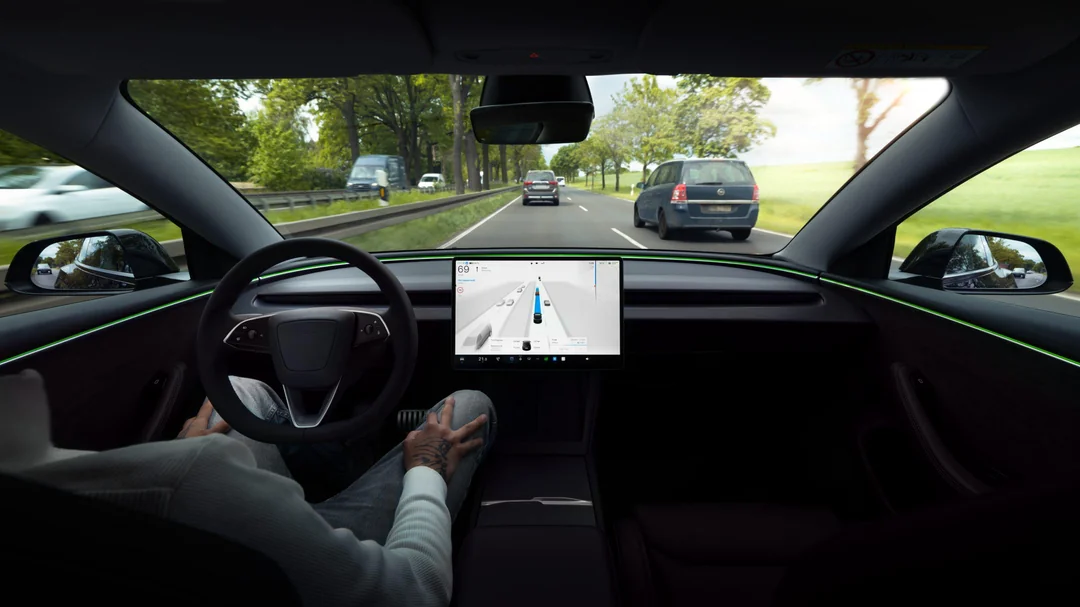
Tesla reported 236 driver-assistance crash incidents in July 2026, the highest monthly total so far, including four fatal cases with the system confirmed as engaged.
July brought a new record for Tesla
A new report published today, September 20, 2026, highlights a record month for Tesla’s driver-assistance crash filings. In July, the company submitted 236 crash reports to U.S. federal regulators. That is the highest monthly total reported so far.
The figure also continues a rising trend during 2026. Tesla reported 135 incidents in March, followed by 207 in May and 209 in June. July then moved above that previous high with 236 reports.
The reports are connected to the federal reporting system for advanced driver-assistance technology. Under NHTSA’s Standing General Order, qualifying Level 2 ADAS crashes must be reported when the system was engaged within 30 seconds of the incident and the crash meets specific severity criteria.
That detail is important when interpreting the numbers.
A reported crash does not automatically mean the driver-assistance system caused it. The filing system records crashes involving an engaged system. It does not, by itself, establish responsibility for the collision.

The July total becomes more notable because four of the reported crashes were fatal.
In each case, Tesla’s submissions were marked “Verified Engaged”, meaning telemetry data confirmed that a driver-assistance feature was active.
However, the public versions of those reports do not reveal enough information to determine whether the system contributed to the crashes.
The available records also do not clearly identify whether Autopilot or Full Self-Driving was active in each incident.
That distinction matters because Tesla uses several driver-assistance configurations. The public filings are not detailed enough to separate the systems in these fatal cases.
Four fatal crashes are part of the July data
The four fatal incidents occurred in Maryland, Minnesota and California.
One crash happened on July 12 in Upper Marlboro, Maryland. Another took place on July 20 in Ashby, Minnesota, during a work-zone incident.
California accounted for two more cases. One occurred in San Mateo on July 15. Another happened near Ione on July 22.
The four incidents resulted in deaths, but the circumstances were different in each case. Public records identified different crash scenarios, from a collision during a left turn to a road departure and a multi-vehicle incident.
Because important sections of the Tesla filings are redacted, the available information does not provide a complete picture of what happened immediately before each collision.

The redactions are particularly important.
The reports hide information such as the crash narrative and software version. Those fields could provide additional context about the vehicle’s behaviour before impact.
Without that information, it is difficult to determine the precise role of the driver-assistance technology.
This is why the July figures need careful interpretation.
The record number of filings shows that Tesla reported more qualifying crashes than in any previous month. It does not prove that Tesla’s software caused those 236 incidents.
NHTSA itself warns that the data should be interpreted carefully. The agency notes that reports can contain limitations and that duplicate reporting can occur when the same incident is submitted more than once.
NHTSA uses the reports to monitor ADAS safety
The federal reporting system exists to give regulators more information about the real-world performance of advanced driving technology.
NHTSA says the Standing General Order allows it to receive timely information about crashes involving Level 2 ADAS and automated driving systems. The agency can then use that information to identify potential safety concerns and conduct further investigations when necessary.
Level 2 systems remain driver-assistance technologies. NHTSA states that drivers must remain fully engaged and in control of the vehicle when these systems are active.
That makes the language around Tesla’s technology particularly relevant.
The July reports identify crashes where the assistance system was engaged. They do not establish that the technology was operating incorrectly in every case.

The record also comes as federal regulators continue to examine Tesla’s broader driver-assistance operations.
NHTSA maintains a public database of reported incidents and updates the underlying files as more information becomes available. The agency says its datasets are designed to improve understanding of ADAS and automated-driving safety in real-world conditions.
For Tesla, July now stands out for the 236 crash reports filed in a single month.
Four of those incidents were fatal, and Tesla’s telemetry indicated that a driver-assistance system was engaged. However, the available public records do not establish that the system caused any of the four crashes.
The key issue is therefore not just the number of reports. It is the amount of information available to explain what happened.
Tesla’s July data set a new monthly record, but the record alone cannot be treated as proof that its driver-assistance technology caused those crashes.
As regulators continue collecting and reviewing the filings, additional information could provide a clearer picture of the circumstances behind these incidents.













-

 NOW TRENDING2 months ago
Aston Martin DBX Becomes Harry Da Souza’s Ride in MobLand
-

 TEST DRIVES2 months ago
2026 Maserati GranTurismo Trofeo Review: Miami
-

 INTELLIGENT MOBILITY2 months ago
Tesla Cybercab Navigation Problem Hits Austin Robotaxis
-

 INTELLIGENT MOBILITY2 months ago
Tesla Cybercab Cannot Be Charged at Home—Here’s Why
-

 INTELLIGENT MOBILITY2 months ago
2027 Nissan Rogue Hybrid: e-POWER Comes to America
-

 TEST DRIVES2 months ago
2026 Maserati GranTurismo Coupe
-

 Formula12 months ago
Cadillac F1 2026 Faces an Eight-Race Logistics Challenge
-

 NOW TRENDING2 months ago
2027 Lexus LS Gets Another Update, But Not in America