
The legendary Honda Prelude returns to Europe after 25 years, completely reinvented as a high-performance hybrid coupé that blends elegance, technology, and the timeless spirit of Japanese engineering.

The return of a Japanese icon
After a quarter of a century, the Honda Prelude is making its long-awaited comeback to Europe in 2026, combining sporting heritage with cutting-edge technology. Its aerodynamic design, inspired by gliders, conveys motion even while standing still, while its low, wide body enhances visual stability and athletic presence. With sharp, flowing lines, the new Prelude e:HEV captures the essence of a classic coupé – updated for today’s standards of efficiency and refined style.
Next-generation hybrid powertrain
At the heart of the Honda Prelude e:HEV lies the latest evolution of Honda’s full hybrid system, pairing a 2.0-litre petrol engine with two electric motors and a compact automatic transmission, delivering a combined output of 184 hp. Drivers can choose from four driving modes – Comfort, GT, Sport, and Individual – adjusting engine response, steering, and suspension to suit every mood and situation. The result is a personalised balance between comfort and performance worthy of Honda’s engineering excellence.
Revolutionary Honda S+ Shift system
One of the most innovative features of the new Prelude is the Honda S+ Shift system, which simulates an eight-speed automatic gearbox. Using the steering-wheel paddles, the driver can make virtual gear changes, enhanced by Active Sound Control (ASC) that replicates the feedback of a traditional transmission. When downshifting, the system even produces an engine braking effect, providing greater control through corners and a genuinely mechanical driving feel that enthusiasts will love.
Refined interior with a technological soul
Inside, the Prelude e:HEV blends technology, comfort, and craftsmanship. It features a 10.2-inch digital instrument cluster with unique graphics that adapt to each driving mode, alongside a 9-inch central touchscreen with wireless Apple CarPlay and Android Auto. The Bose premium audio system ensures high-fidelity sound quality, while the spacious cabin accommodates up to four passengers and includes a hatchback-style boot offering 663 litres of cargo space – perfect for long journeys without sacrificing elegance.
Advanced safety and launch in Spain
The Honda Prelude e:HEV comes equipped with the updated Honda SENSING suite, featuring adaptive cruise control, lane keeping assist, and road departure mitigation, all finely tuned for smoother and more precise driving dynamics. Sales in Spain will begin in February 2026, with pre-orders already available through the brand’s official dealership network. The model will be offered in the Advance trim, priced at €49,500, marking the rebirth of a modern classic that seamlessly fuses emotion, efficiency, and sophistication.












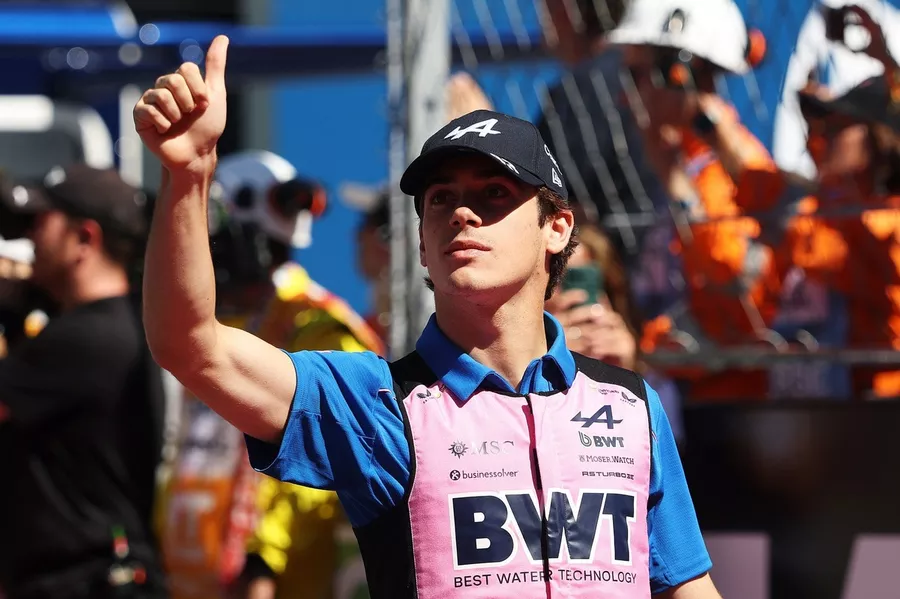
Franco Colapinto returns to Baku with Alpine after a seventh-place finish in Spain, aiming to continue his recent run of points-scoring results in Formula 1.
Colapinto returns to the scene of his F1 breakthrough
Some Formula 1 circuits become closely linked to a driver’s career. For Franco Colapinto, Baku is one of those places.
The Argentine returns to the Azerbaijan Grand Prix this weekend with Alpine. He arrives after finishing seventh at the Spanish Grand Prix in Madrid, another points-paying result during his 2026 campaign. Formula 1’s official results show that Colapinto also finished seventh in Miami and sixth in Canada earlier this season.
Baku carries a different meaning, though. It was here in 2024 that Colapinto scored the first Formula 1 points of his career.
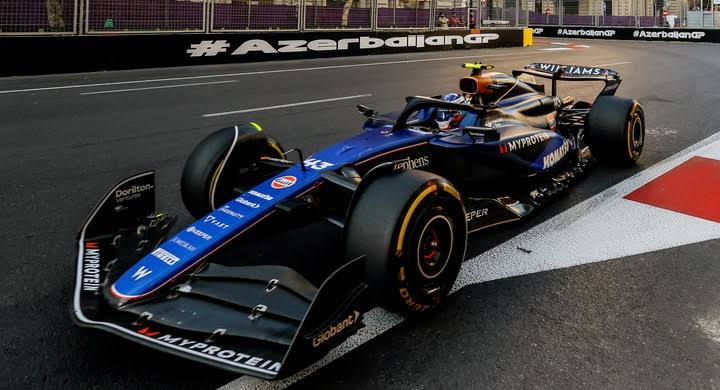
Franco Colapinto raced at Baku for Williams in 2024, scoring points in only his second Formula 1 appearance.
Colapinto reached Q3 and started eighth in the 2024 Azerbaijan Grand Prix. He then finished eighth after 51 laps, collecting four championship points for Williams.
The result was significant for another reason. Colapinto became the first Argentine driver to score Formula 1 points since Carlos Reutemann in 1982, according to Formula 1’s report from that weekend.
Now, two years later, his situation is very different.
He is no longer a young substitute making his first steps in the championship. He is racing as a full-time Alpine driver and arrives in Azerbaijan after one of his strongest weekends of the 2026 season.
Alpine wants to carry its recent momentum
Colapinto’s seventh place in Madrid came after another strong qualifying performance. He reached Q3 and qualified ninth, finishing ahead of his Alpine teammate Pierre Gasly. Formula 1 described the Spanish weekend as probably Colapinto’s best race weekend of the season in terms of execution.
The result also continued an important recent run.
Colapinto scored points in Spain after collecting points in the previous two European rounds. His 2026 record now includes eight points-scoring finishes after 14 races, according to Formula 1’s official driver results.
That gives Alpine a stronger foundation heading into Baku.
Colapinto said he wants to transfer the performance level from Madrid to Azerbaijan. The team’s official preview also highlights the confidence created by its recent points-scoring form.
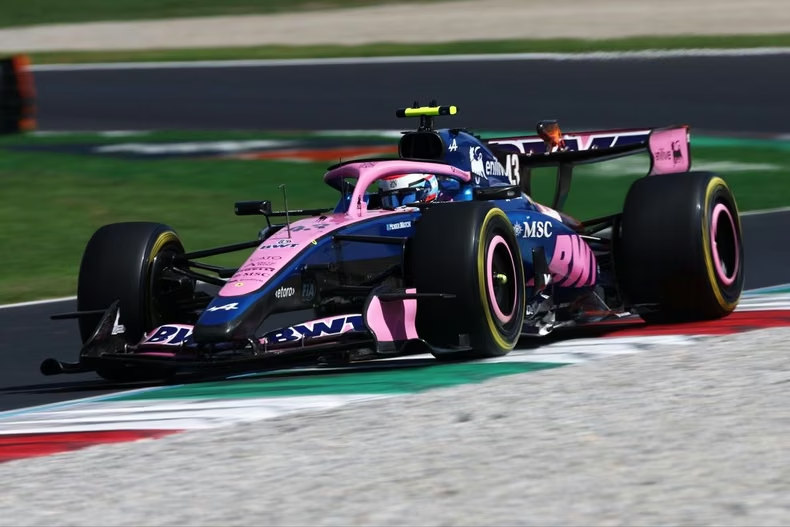
Colapinto arrives in Baku after finishing seventh for Alpine at the 2026 Spanish Grand Prix.
The challenge will be different.
The Baku City Circuit is a high-speed street track with long straights, heavy braking zones and very narrow sections. Alpine says the difference from Turn 16 to Turn 1 is around 2.2 kilometers, creating opportunities for overtaking.
The most famous section is the castle area. The track becomes extremely narrow there, with a minimum width of only 7.6 meters at Turn 8.
That leaves almost no room for mistakes.
Baku could create opportunities for Alpine
Street circuits can also produce unpredictable races. Close barriers, changing track position and strategy can quickly alter the order.
That is something Colapinto is aware of. His objective is not simply to repeat the seventh-place result from Madrid. Instead, he wants Alpine to be ready to capitalize if opportunities appear during the race.
The team is entering a particularly busy period. The Azerbaijan Grand Prix is the first race of a triple-header, adding another layer of pressure to preparation and execution.
Colapinto has already identified the key approach: carry Alpine’s recent performance into another demanding street circuit.
That means finding a good setup, qualifying strongly and staying out of trouble around the walls.
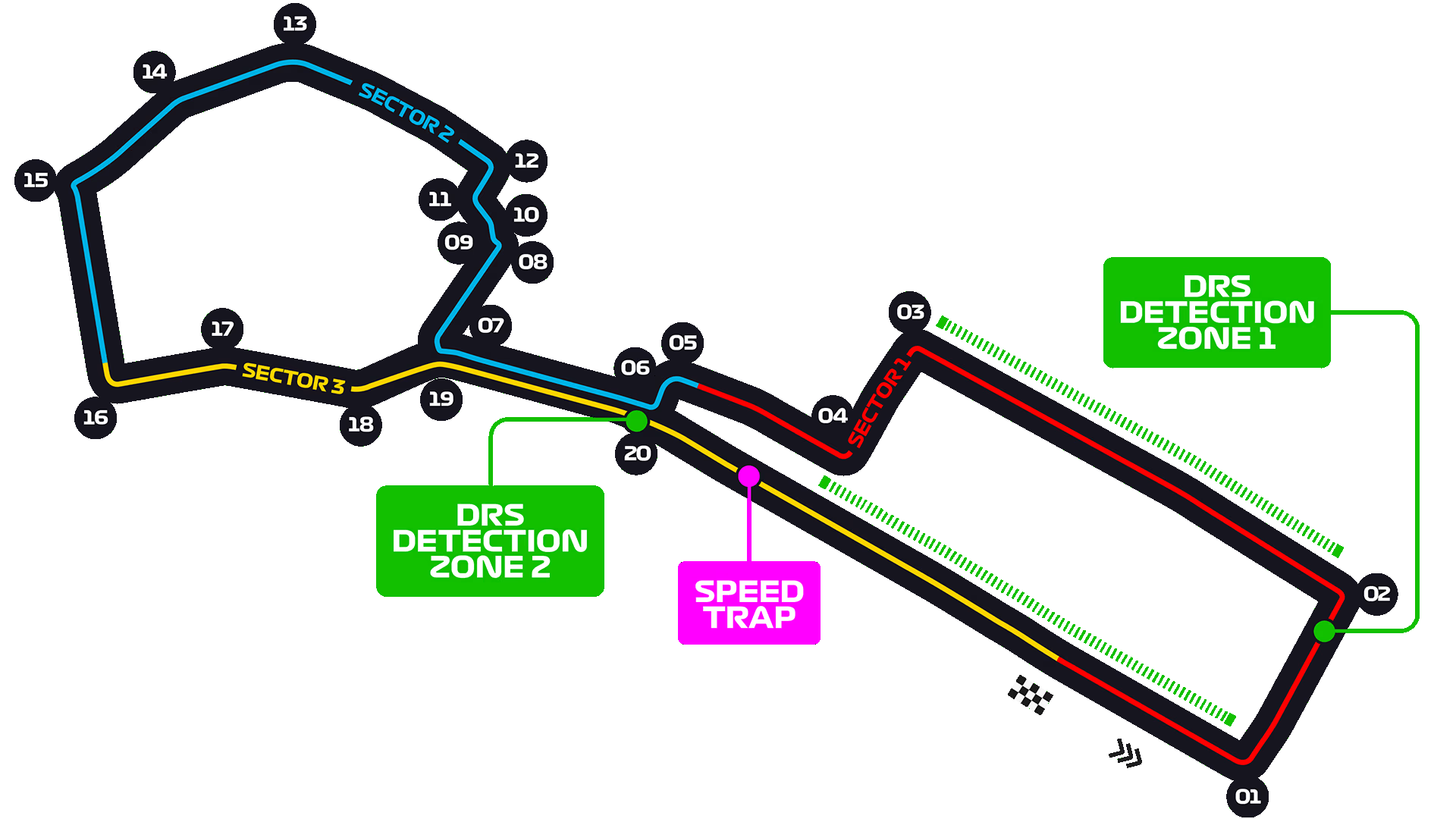
The Baku City Circuit combines long straights with the narrow castle section through the historic center of the city.
Pierre Gasly will also look to build on Alpine’s recent form. The Frenchman has a particularly strong Baku memory, having finished third at the circuit in 2021.
Gasly, however, also noted that the circuit has not always been particularly favorable to Alpine in recent seasons. The team’s target is therefore to establish a competitive setup early in the weekend and put both cars in a position to fight for points.
For Colapinto, Baku offers something more personal.
His 2024 result changed the perception around his rookie campaign. It was his first Q3 appearance and his first points finish, all in only his second Grand Prix.
Now he returns as an Alpine driver with a much larger body of Formula 1 experience behind him.
The Franco Colapinto Baku return therefore combines a meaningful memory with a current sporting objective. After taking seventh in Madrid, the Argentine wants another top-10 finish as Alpine continues its push for more championship points.
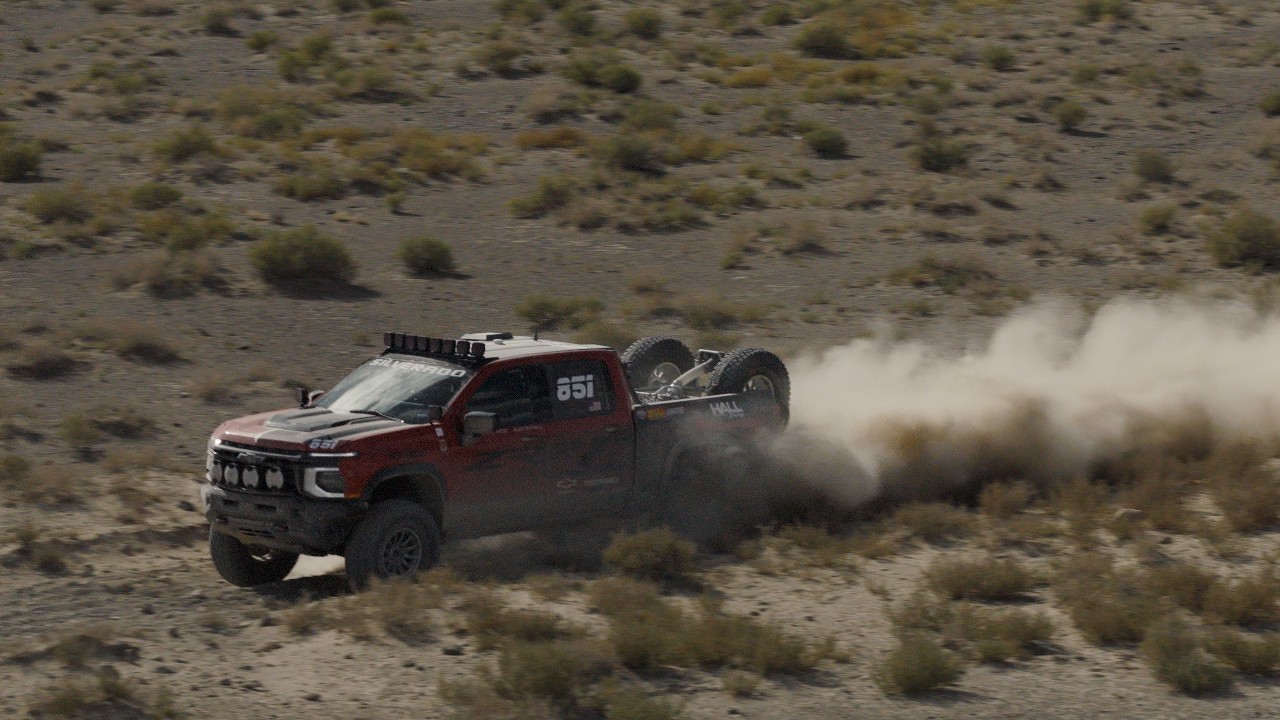
GM has officially teased its new 8.3L Duramax Turbo-Diesel V8, which will power the refreshed 2027 Chevrolet Silverado HD and GMC Sierra HD in the U.S.
GM gives its new diesel a predator-inspired name
General Motors has given its next heavy-duty diesel pickup program a dramatic first look. The company has teased the all-new 8.3L Duramax Turbo-Diesel V8, which will become the heart of the refreshed 2027 Chevrolet Silverado HD and GMC Sierra HD.
GM published the teaser on September 21, 2026, confirming the engine’s displacement and its planned application in the two heavy-duty pickups. The automaker is not releasing horsepower, torque or towing figures yet.
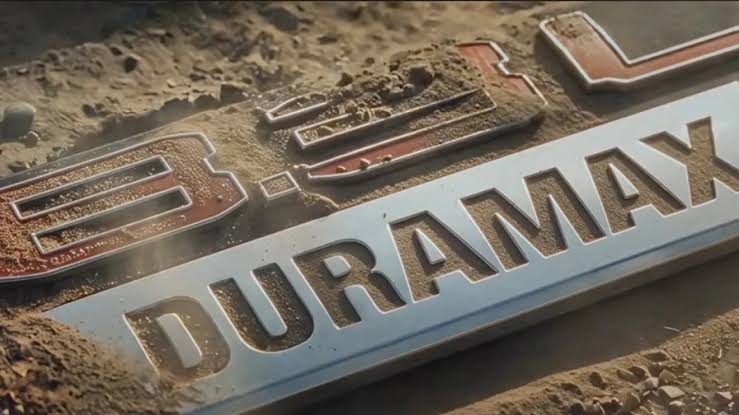
GM’s official teaser introduces the new “Mongoose” name for its upcoming Duramax diesel.
The new engine has been given the nickname Mongoose. GM is using the name to create a direct connection with the heavy-duty diesel competition.
The automaker specifically references a rival HD V8 diesel known as the “Scorpion.” GM’s message is clear: the new diesel is designed to compete in one of the most demanding areas of the pickup market.
For now, though, the teaser is deliberately limited. GM says this is only a first look and that Chevrolet and GMC will reveal more information soon.
That means the biggest questions remain unanswered. Buyers still need to know the engine’s horsepower, torque, towing capacity, fuel economy and availability by trim.
A new era for Silverado HD and Sierra HD
The 8.3L Duramax will arrive with refreshed versions of the 2027 Silverado HD and 2027 Sierra HD. That places the new diesel at the center of GM’s heavy-duty truck strategy for the U.S. market.
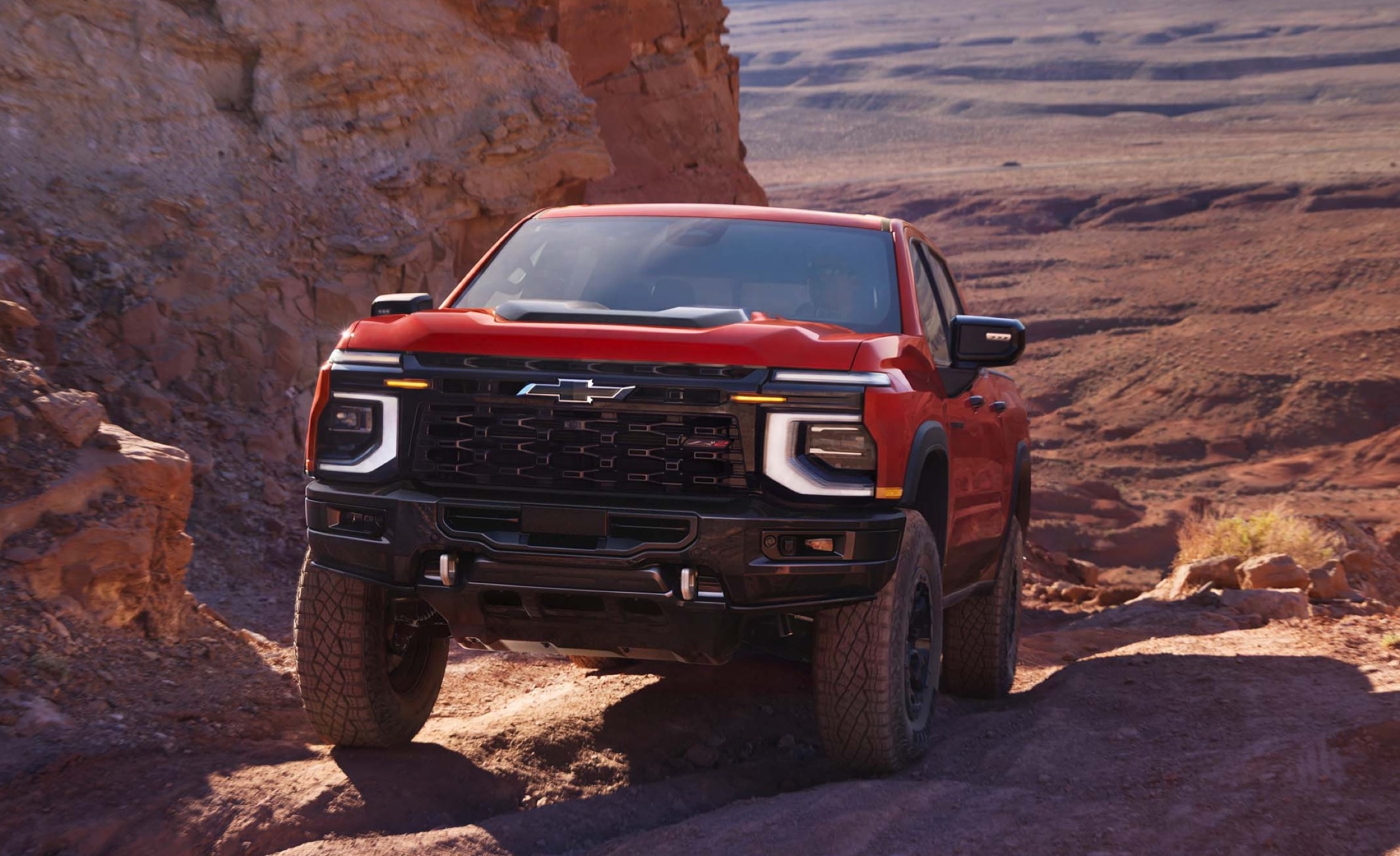
The Silverado HD is one of the two GM heavy-duty pickups set to receive the new diesel.
The Silverado HD and Sierra HD are built for customers who need serious towing and hauling capability. Their diesel engines are especially important for buyers who regularly pull large trailers or carry heavy loads.
GM has not yet explained how the 8.3-liter engine will affect the trucks’ existing chassis and towing systems. However, the larger displacement points to a major change under the hood.
The current Chevrolet and GMC heavy-duty lineup uses a 6.6-liter Duramax V8 diesel. GMC’s current HD diesel is rated at 470 horsepower and 975 lb-ft of torque, while the 2027 engine shown in today’s teaser will use a significantly larger 8.3-liter displacement.
It is important to separate those figures from the new engine. GM has not yet published official output numbers for the 8.3L Mongoose.
That makes any current horsepower or torque estimates speculative. The confirmed information is limited to the engine’s displacement, turbo-diesel V8 layout and application in the refreshed 2027 HD pickups.
The Mongoose could reshape the diesel pickup battle
The new diesel arrives during an especially competitive period for American heavy-duty trucks. Ford, Chevrolet, GMC and Ram continue to compete heavily on towing, payload, torque and long-distance capability.
GM’s decision to move to an 8.3-liter diesel V8 suggests that conventional diesel power remains an important part of its strategy for customers who prioritize maximum truck capability.
The GMC Sierra HD will also receive the new Duramax 8.3L Turbo-Diesel V8.
The Sierra HD will share the new powertrain with the Silverado HD. That means the Mongoose will serve both Chevrolet and GMC buyers, while each brand continues to give its trucks a different design and market identity.
There is also an important timing element. GM has already revealed extensive updates for its 2027 light-duty Silverado 1500 and Sierra 1500 range, including new gasoline V8 engines and an updated 3.0-liter Duramax diesel. The 8.3L Mongoose is a separate development for the heavy-duty trucks.
GM is therefore expanding its powertrain strategy across multiple truck segments. The company is retaining diesel technology while introducing new engines across its gasoline and diesel lineups.
For now, the 8.3L Duramax Mongoose remains partially hidden. GM has confirmed the engine and the 2027 Silverado HD and Sierra HD applications, but the most important performance specifications are still to come.
The 2027 Chevrolet Silverado HD and GMC Sierra HD will bring GM’s new 8.3L Duramax Turbo-Diesel V8 to the U.S. heavy-duty pickup market, marking a major new chapter for the company’s diesel strategy.
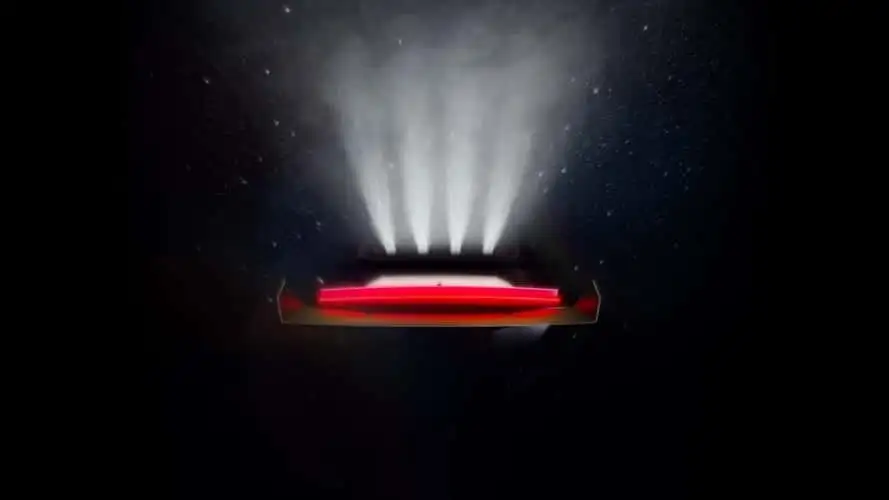
Tesla has reopened Roadster reservations in the U.S. with a $50,000 deposit, even though the production car has not yet been shown.
Tesla asks buyers for $50,000 before the Roadster reveal
The Tesla Roadster is back on Tesla’s reservation page. This time, the company is asking prospective buyers to commit $50,000 before the production version has been publicly revealed.
The reservation process requires $5,000 by credit card, followed by a $45,000 payment by wire transfer within 10 days. Tesla’s current U.S. reservation terms say the payment secures an approximate priority for future configuration and ordering. They also state that the exact purchase price has not yet been confirmed.
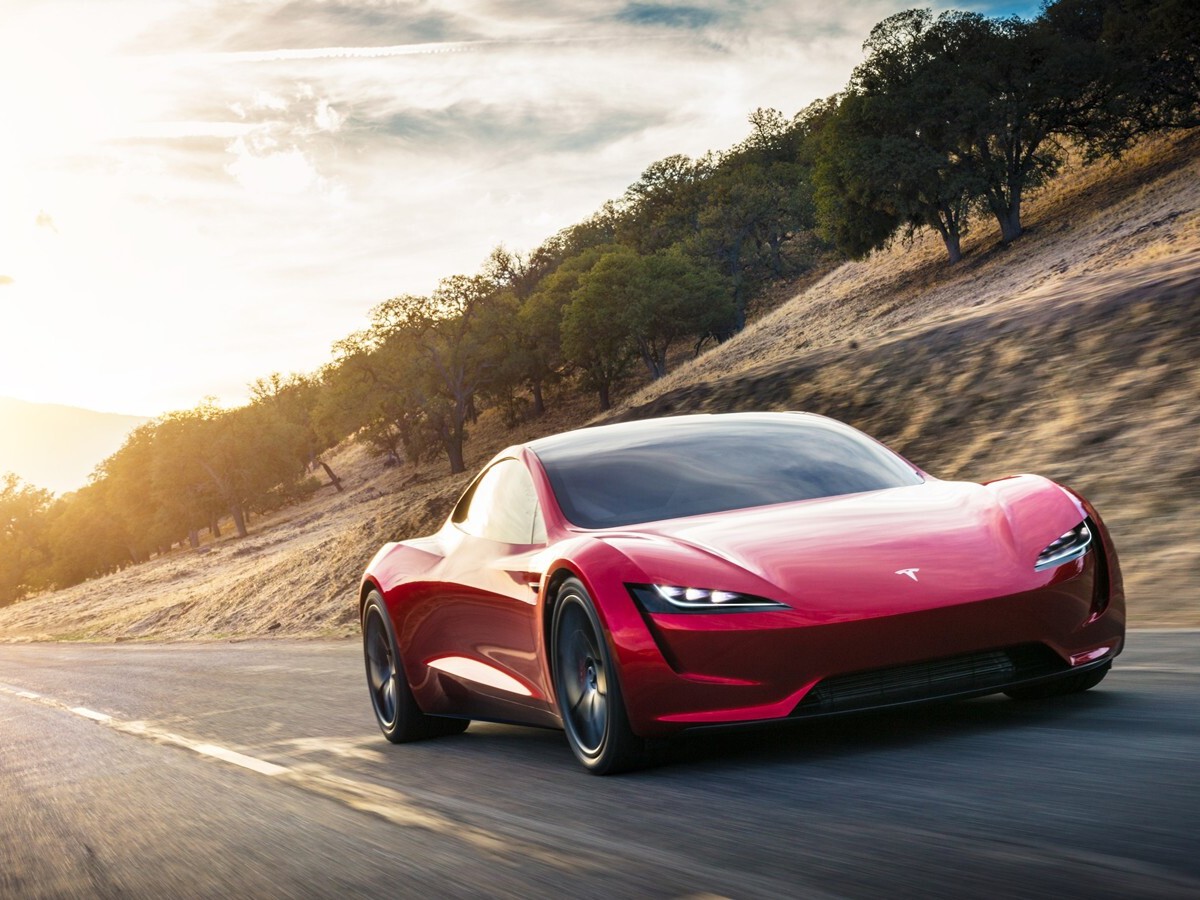
The red Tesla Roadster shown above is the model currently featured on Tesla’s official Roadster pages. It is not confirmation of the final production design.
The timing is unusual because Tesla has scheduled an official Roadster reveal for October 1, 2026, at an event in Texas near Waco. According to Tesla’s reservation information, the event is expected to provide details about the car that are still missing today. Current reporting says Tesla plans to present pricing, specifications and production targets at the event.
That means customers are being asked to reserve a place in line before seeing the production-specification vehicle. For a car positioned as Tesla’s flagship sports model, that makes the reservation process particularly significant.
The situation also brings back memories of the original reservation program.
The Roadster has been waiting since 2017
Tesla first unveiled the second-generation Roadster in November 2017 during the presentation of the Tesla Semi. Reservations followed soon afterward.
The company originally offered a $50,000 reservation for the standard Roadster. A more exclusive Founders Series required a $250,000 payment. Tesla originally targeted production for 2020, but the Roadster did not enter production on that schedule.
Nearly nine years later, the sports car still has not reached customers.
Tesla is now restarting the reservation process just days before the new reveal. The company therefore has an opportunity to show how much the vehicle has changed since the original prototype appeared.
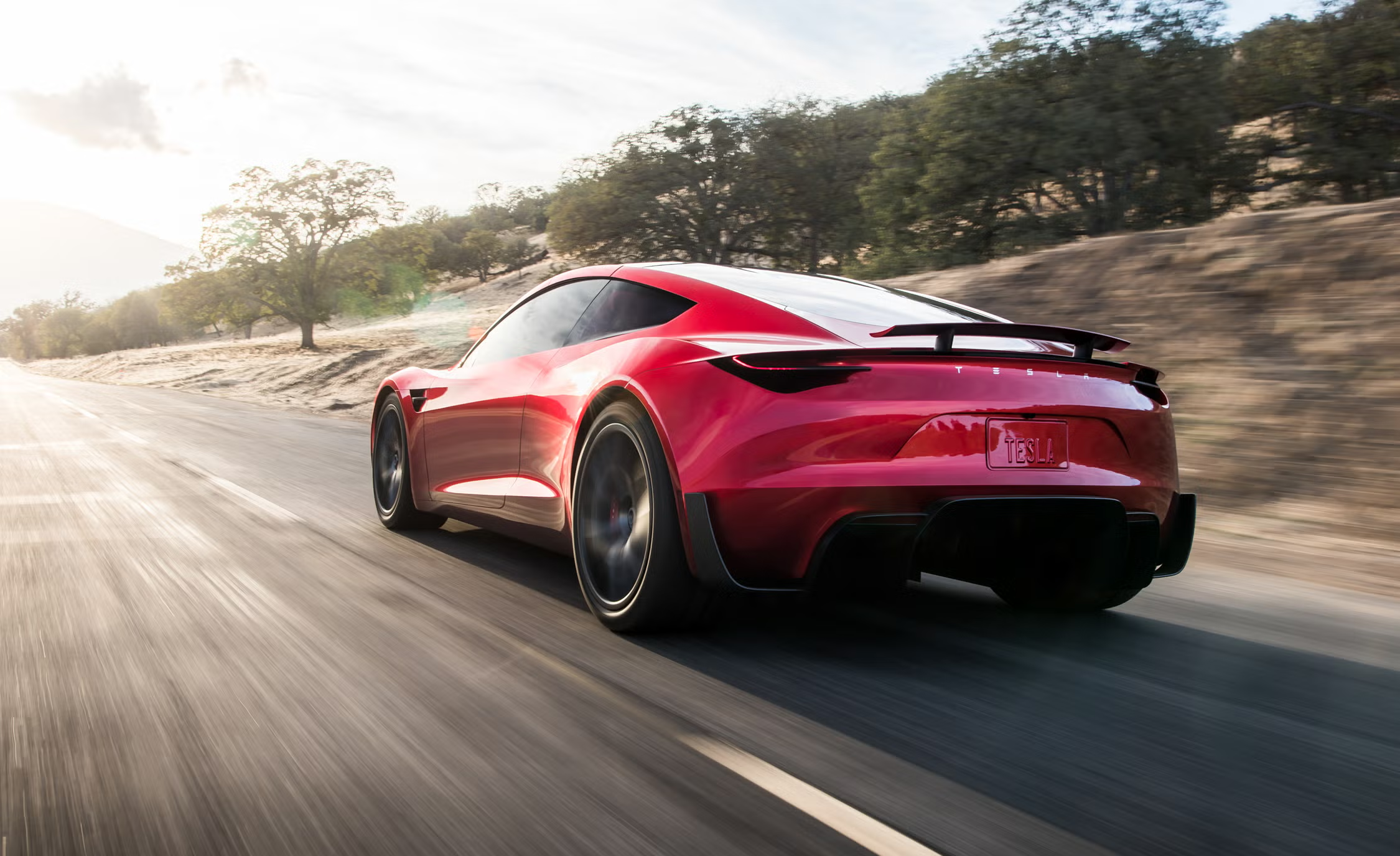
The official Roadster design has been shown from several angles, including this rear three-quarter view.
The new model may also look different from the sleek red car shown in 2017. Recent Tesla teasers point toward a more angular design, with visual elements that appear closer to the company’s newer Cyber-inspired models.
However, Tesla has not yet provided a complete production car with final specifications for the public to examine. The October event should therefore be important for separating older promises from the final vehicle.
There is another major question: how much will the Roadster actually cost?
Tesla’s current U.S. reservation terms explicitly say that the final purchase price is not confirmed. Options, features and hardware are still being finalized, according to the company’s terms.
Tesla still advertises extreme performance figures
Tesla’s official U.S. Roadster page currently lists some remarkable targets. The car is advertised with a 0-60 mph time of 1.9 seconds, a top speed of more than 250 mph and a range of 620 miles.
Those numbers come from Tesla’s current website. They should not be treated as EPA-certified production figures.
The Roadster’s specifications have also changed over time. In some international Tesla markets, the company now displays a claimed 1,000-mile range, while the U.S. page continues to list 620 miles. That difference highlights why the final October specifications will matter.
Elon Musk has also previously discussed a potential SpaceX-related package for the Roadster. The concept involves cold-gas thrusters and has been linked to extraordinary acceleration claims.
Tesla has not yet confirmed that such technology will be part of a normal street-legal production Roadster.
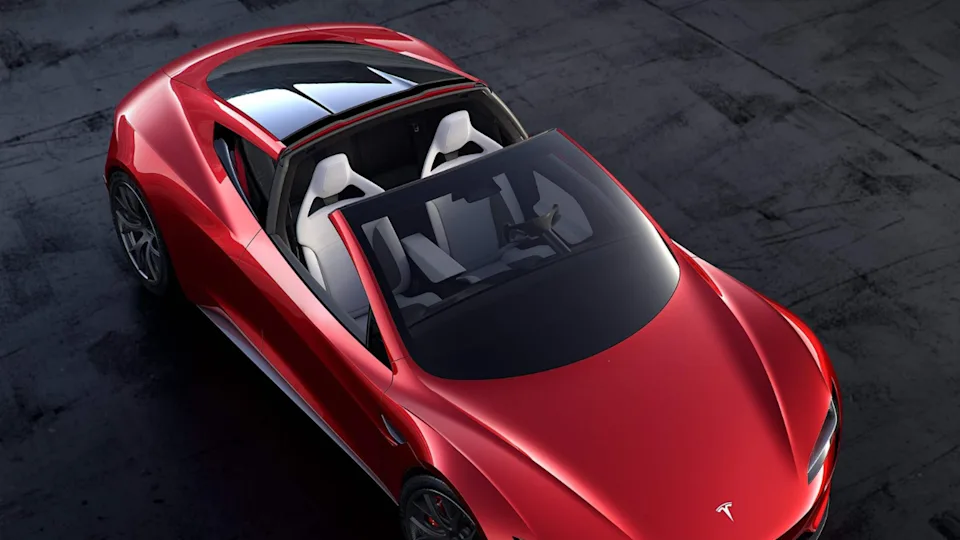
Tesla’s official Roadster imagery emphasizes its low roofline, glass roof and two-plus-two layout.
The October event is expected to answer several basic questions. Tesla needs to show the production-intent design, explain the final powertrain and publish a clearer timeline for manufacturing.
The reservation terms also make one point clear: placing the $50,000 reservation does not itself constitute a vehicle purchase or order. It secures an approximate position for the future ordering process.
For U.S. buyers, the Roadster is therefore entering another important phase. Tesla has reopened reservations, but the production version is still waiting for its formal presentation.
The Tesla Roadster reveal is scheduled for October 1, 2026, giving prospective buyers a short wait before seeing what the new electric sports car actually brings to the table.
-

 NOW TRENDING2 months ago
Honda Civic Si Production Ends After 2026 Model Year Pause
-
 NOW TRENDING2 months ago
Rolls-Royce’s $32 Million Droptail Took 9 Months of Handcrafted Woodwork
-

 NOW TRENDING4 weeks ago
Tesla Cybercab Gets September 3 Austin Launch Date
-

 INTELLIGENT MOBILITY2 months ago
GM Updates Infotainment System With Smarter Features
-
 NOW TRENDING2 months ago
2027 Audi Q9 and SQ9 Debut as Brand’s Largest SUVs
-
 NOW TRENDING2 months ago
2027 Hyundai Tucson Spied With New Design and Hybrid Power
-
 RACING2 months ago
Aston Martin Upgrades Deliver Alonso’s Best Qualifying of 2026
-
 INTELLIGENT MOBILITY2 months ago
Hyundai Opens UX Studio Shanghai to Drive Global Innovation
You must be logged in to post a comment Login