
Despite the setback, the German automaker keeps its 2025 outlook intact. CEO Ola Källenius downplays the situation, focusing on efficiency, innovation, and customer experience.
Mercedes-Benz reported a 31% year-on-year drop in net profit for the third quarter of 2025, falling to €1.19 billion, compared with €1.71 billion a year earlier. Revenue declined by 7% to €32.15 billion, while adjusted EBITDA slid 17% to €2.1 billion.
The brand attributes the slump to weaker sales in China and higher U.S. import tariffs, which have weighed heavily on profit margins. It’s a sign that even the most established European luxury brands are not immune to global trade and economic pressures.
Källenius: “Our Annual Targets Remain on Track”
Despite the disappointing figures, Mercedes-Benz CEO Ola Källenius has played down the downturn, insisting that “third-quarter results are consistent with our full-year projections.” The Swedish executive emphasized that the company’s product launch schedule remains on course, while maintaining a strong focus on efficiency and customer satisfaction.
In addition, Mercedes is moving forward with its €2 billion share buyback program, approved earlier this year, a clear statement of confidence aimed at reinforcing investor trust and long-term stability.
China and the U.S.: Mercedes-Benz’s Biggest Headaches
In China, sales dropped by 27%, largely due to intensified competition from local automakers such as BYD and Xiaomi, who are dominating the electric vehicle segment with aggressive pricing and rapid innovation. Meanwhile, higher tariffs in the United States continue to challenge European exports.
This dual front of pressure underscores the fragile state of the European automotive industry, already struggling with sluggish sales, soaring energy costs, and uncertain regulations. As Chairman of the European Automobile Manufacturers’ Association (ACEA), Källenius has urged European leaders to develop a unified industrial strategy to stay competitive in a rapidly evolving market.
Europe Looks for Urgent Solutions Amid an Industry in Crisis
The European Commission, led by Ursula von der Leyen, has convened top automotive executives for another crisis meeting in Brussels this Friday — the third and final one this year — as part of the “Strategic Dialogue on the Future of the Automotive Industry.”
The goal is to address whether Europe can maintain its position in global manufacturing as the balance of power shifts toward Asia and North America. The central question remains: can these talks prevent the long-feared decline, or is Europe’s automotive dominance approaching its end?
Driving Toward a More Inclusive and Sustainable Future
While challenges remain, Mercedes-Benz and its peers are rethinking what progress means in today’s mobility landscape. Innovation must go hand in hand with sustainability, accessibility, and inclusivity, ensuring that the transition to cleaner, smarter vehicles benefits everyone.
As electrification accelerates and new technologies reshape the industry, a collective, global effort will be key — one that includes manufacturers, policymakers, and consumers alike — to build an automotive future that’s fair, green, and forward-looking.









GM AI is reshaping how General Motors designs, tests and manufactures vehicles by using artificial intelligence, virtual simulations and digital engineering throughout the development process.
General Motors is accelerating the future of automotive engineering through GM AI, integrating artificial intelligence and virtual development tools into every stage of vehicle creation. The company says its new digital-first approach allows engineering teams to collaborate faster, improve decision-making and reduce the need for costly physical prototypes.
The strategy combines AI, simulation and decades of engineering data to create smarter, more efficient vehicle development.
GM AI transforms vehicle development
With GM AI, engineers, designers and manufacturing teams can now work simultaneously using the same digital vehicle model instead of following the traditional sequential development process.
Artificial intelligence helps generate and evaluate multiple design alternatives in a matter of hours, dramatically shortening development timelines while allowing engineers to identify potential issues much earlier.
The new workflow also improves collaboration between departments, helping accelerate innovation across future GM vehicles.

GM AI allows multiple engineering teams to collaborate in real time during vehicle development.
Virtual testing reduces development time
One of the biggest advantages of GM AI is its ability to perform advanced virtual simulations before physical prototypes are built.
General Motors now uses digital crash simulations, virtual wind tunnels and software validation systems to evaluate aerodynamics, structural performance, thermal management and vehicle dynamics much faster than traditional methods.
For example, roof crush simulations that previously required several hours can now be completed in just minutes using AI-powered analysis.
AI also improves manufacturing
The benefits of GM AI extend beyond engineering into manufacturing operations.
Using virtual reality and augmented reality technologies, production teams can simulate assembly processes, optimize factory layouts and identify ergonomic improvements before installing equipment on the production line.
This digital workflow helps reduce production delays while improving manufacturing efficiency and overall vehicle quality.

Virtual simulations allow GM to validate vehicle performance before physical testing begins.
GM prepares for the software-defined future
General Motors believes GM AI will become a core part of its future vehicle strategy as software continues playing a larger role in modern automobiles.
By combining artificial intelligence, virtual engineering and advanced simulation technologies, the company expects to develop safer, higher-quality vehicles while significantly reducing development times and increasing engineering efficiency across future product programs.

GM AI is becoming a key pillar of the company’s next-generation vehicle development strategy.
The expansion of GM AI demonstrates how artificial intelligence is transforming the automotive industry beyond autonomous driving. By integrating AI into design, engineering, testing and manufacturing, General Motors is building a faster, more connected development process that could shape the next generation of vehicles for the U.S. market.
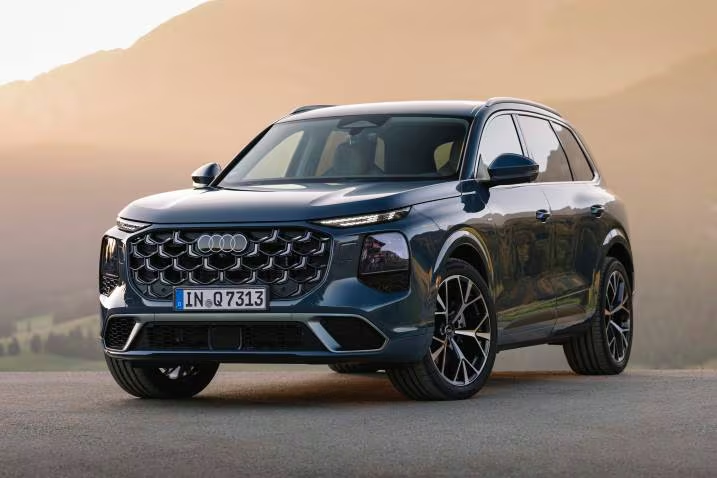
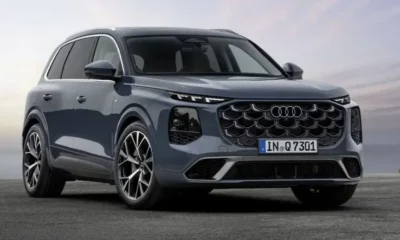
The Audi A4 E-tron and Q7 E-tron have officially been confirmed, marking the next step in Audi’s global electric vehicle strategy with new premium EVs arriving over the next few years.
Audi has officially confirmed that the Audi A4 E-tron and the Q7 E-tron are entering production as part of the brand’s expanding electric vehicle portfolio. The announcement reinforces Audi’s commitment to offering both combustion-engine and fully electric versions of its core models while accelerating its global electrification strategy.
The two upcoming EVs will target different segments but share Audi’s latest technologies, new design language and next-generation electric architecture.
Audi A4 E-tron joins Audi’s growing EV lineup
The Audi A4 E-tron will become one of the brand’s most important electric models when it launches after the Q7 E-tron.
Audi plans to offer the model with both single-motor and dual-motor configurations, along with multiple battery options depending on the market. Performance-oriented S4 E-tron and RS 4 E-tron variants are also expected to join the lineup later.
The sedan will play a key role in Audi’s premium electric vehicle strategy.

Audi continues expanding its next-generation electric vehicle portfolio.
Q7 E-tron expands Audi’s electric SUV range
Before the arrival of the Audi A4 E-tron, Audi expects to introduce the all-electric Q7 E-tron.
The luxury SUV is expected to feature dual electric motors as standard, available three-row seating and advanced battery technology designed to compete with premium electric SUVs from BMW, Porsche and Rivian.
The Q7 E-tron will also introduce a redesigned cabin focused on cleaner styling, improved ergonomics and a greater balance between physical controls and digital displays.
Audi prepares a new generation of electric vehicles
The upcoming Audi A4 E-tron represents more than a new model. It forms part of Audi’s long-term plan to offer electric and combustion-powered alternatives across its core vehicle lineup.
Future EVs will adopt styling cues inspired by the brand’s latest concept vehicles while incorporating updated infotainment systems, improved driving technologies and more efficient electric powertrains.
Audi believes this flexible strategy will allow it to meet customer demand as different markets continue transitioning toward electrification at different speeds.

The Audi A4 E-tron will feature next-generation electric technology.
Audi A4 E-tron signals the brand’s electric future
With the confirmation of the Audi A4 E-tron and Q7 E-tron, Audi continues building one of the industry’s most comprehensive premium EV portfolios.
The new models are expected to combine improved range, advanced driver technology and modern interior design while giving buyers greater flexibility through multiple powertrain options.

Audi continues accelerating its transition toward electric mobility.
The confirmation of the Audi A4 E-tron demonstrates Audi’s commitment to expanding its electric lineup without abandoning traditional combustion models. As more premium EVs arrive over the coming years, the A4 E-tron is expected to become one of the brand’s most important products, offering buyers a modern luxury sedan designed for the next generation of electric mobility.
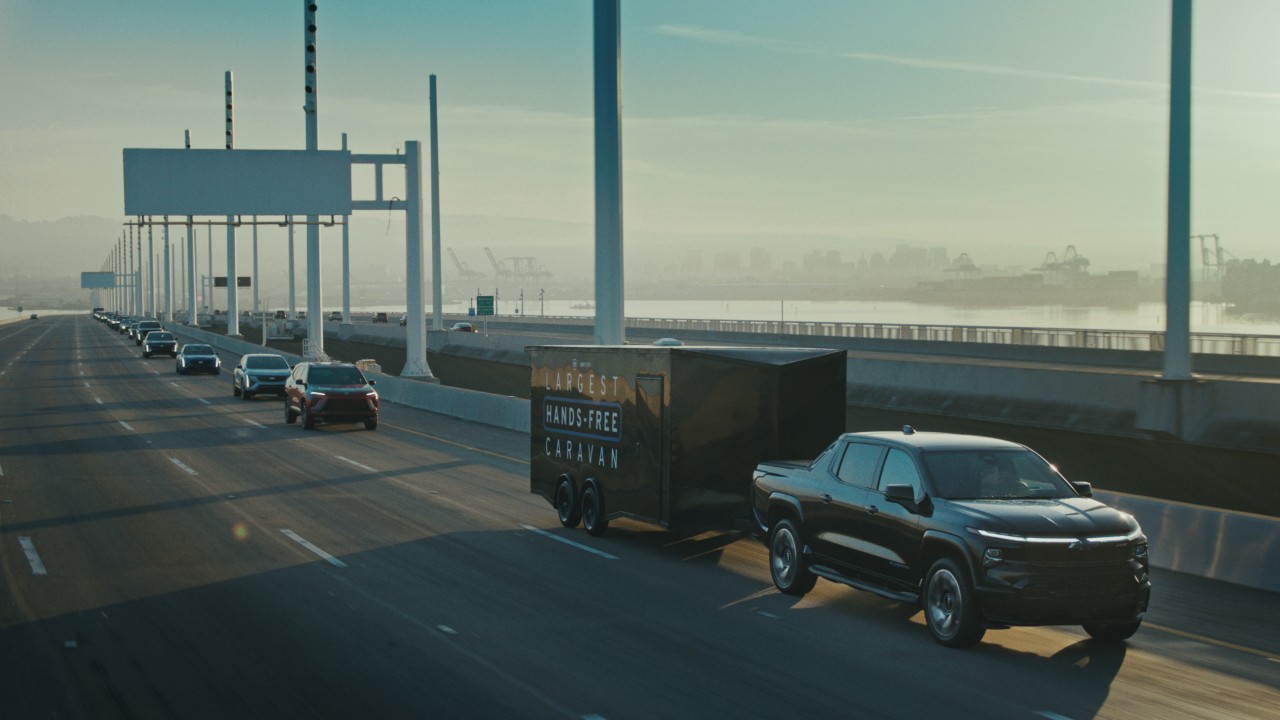
GM Super Cruise continues evolving with an exclusive hands-free towing system that automatically adapts vehicle performance while hauling a trailer.
GM Super Cruise is taking towing technology to the next level with an exclusive hands-free trailering feature designed to make hauling safer and more comfortable. Available on a growing number of Chevrolet, GMC, Cadillac and Buick models, the system automatically adjusts vehicle behavior when a trailer is connected.
By combining advanced driver assistance with intelligent vehicle monitoring, GM aims to reduce driver fatigue during long trips while improving towing confidence.
GM Super Cruise adapts automatically when towing
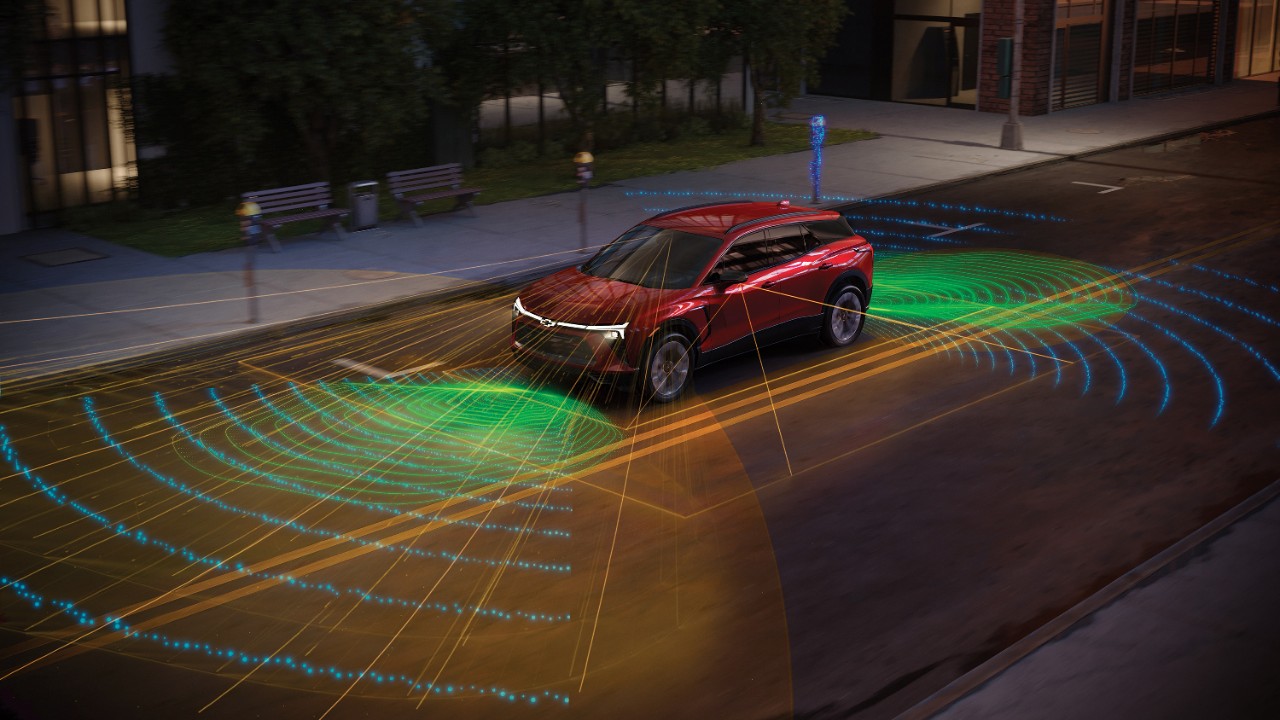
The latest version of GM Super Cruise is capable of detecting when a trailer is attached and automatically adjusts steering, braking and acceleration to match the vehicle’s new dynamics.
Using onboard sensors and advanced software, the system estimates trailer weight and continuously refines its calculations to deliver smoother and more predictable driving performance without requiring manual adjustments from the driver.

GM Super Cruise automatically adapts its driving assistance when towing a trailer.
Advanced technology improves towing performance
The towing capability built into GM Super Cruise relies on sophisticated algorithms that analyze vehicle movement, acceleration and road conditions in real time.
As driving conditions change, the system continuously adapts steering inputs and braking behavior to help maintain stability while towing. The technology also stores trailer-specific settings, allowing returning users to enjoy an even smoother experience with previously connected trailers.
More GM models now support hands-free towing
The hands-free towing feature is now available on an expanding lineup of GM vehicles equipped with GM Super Cruise, including several Chevrolet, GMC, Cadillac and Buick models.
The broader availability reflects GM’s continued investment in advanced driver assistance technologies aimed at improving everyday usability, especially for customers who frequently tow trailers, campers or recreational equipment.

More GM trucks and SUVs now offer Super Cruise with hands-free towing capability.
GM Super Cruise continues leading intelligent mobility
As driver assistance systems continue evolving, GM Super Cruise remains one of the industry’s most advanced hands-free technologies.
With features like automatic lane centering, hands-free highway driving and intelligent towing assistance, the platform continues expanding its capabilities while improving convenience for everyday drivers and towing enthusiasts alike.

GM continues expanding Super Cruise across its truck and SUV lineup.
The continued development of GM Super Cruise highlights the growing role of intelligent mobility in modern vehicles. By integrating advanced software with real-world towing capability, GM is enhancing both safety and convenience while reinforcing its leadership in hands-free driving technology.
-
 TEST DRIVES1 month ago
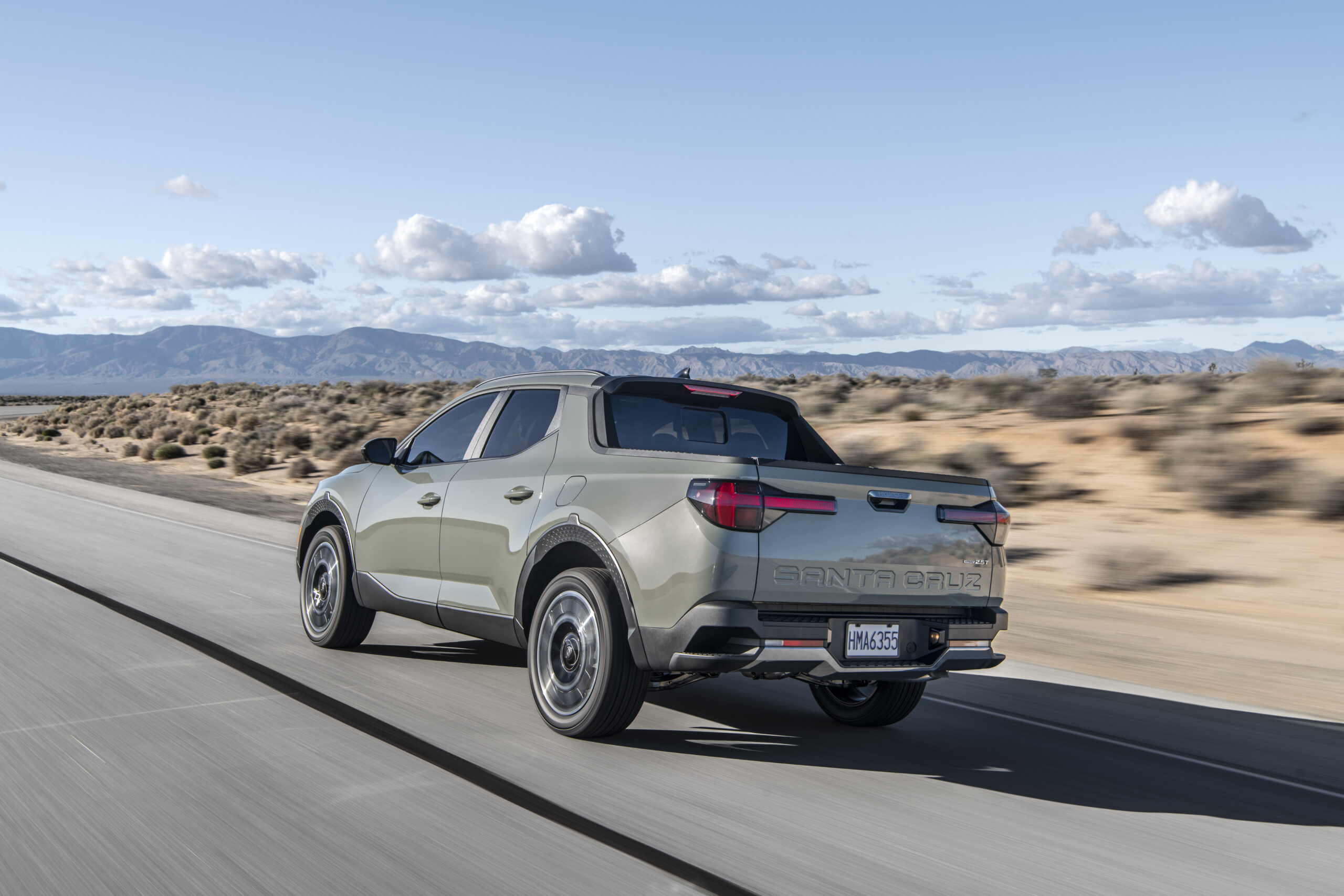
2026 Hyundai Santa Cruz Limited AWD
-
 TEST DRIVES2 months ago
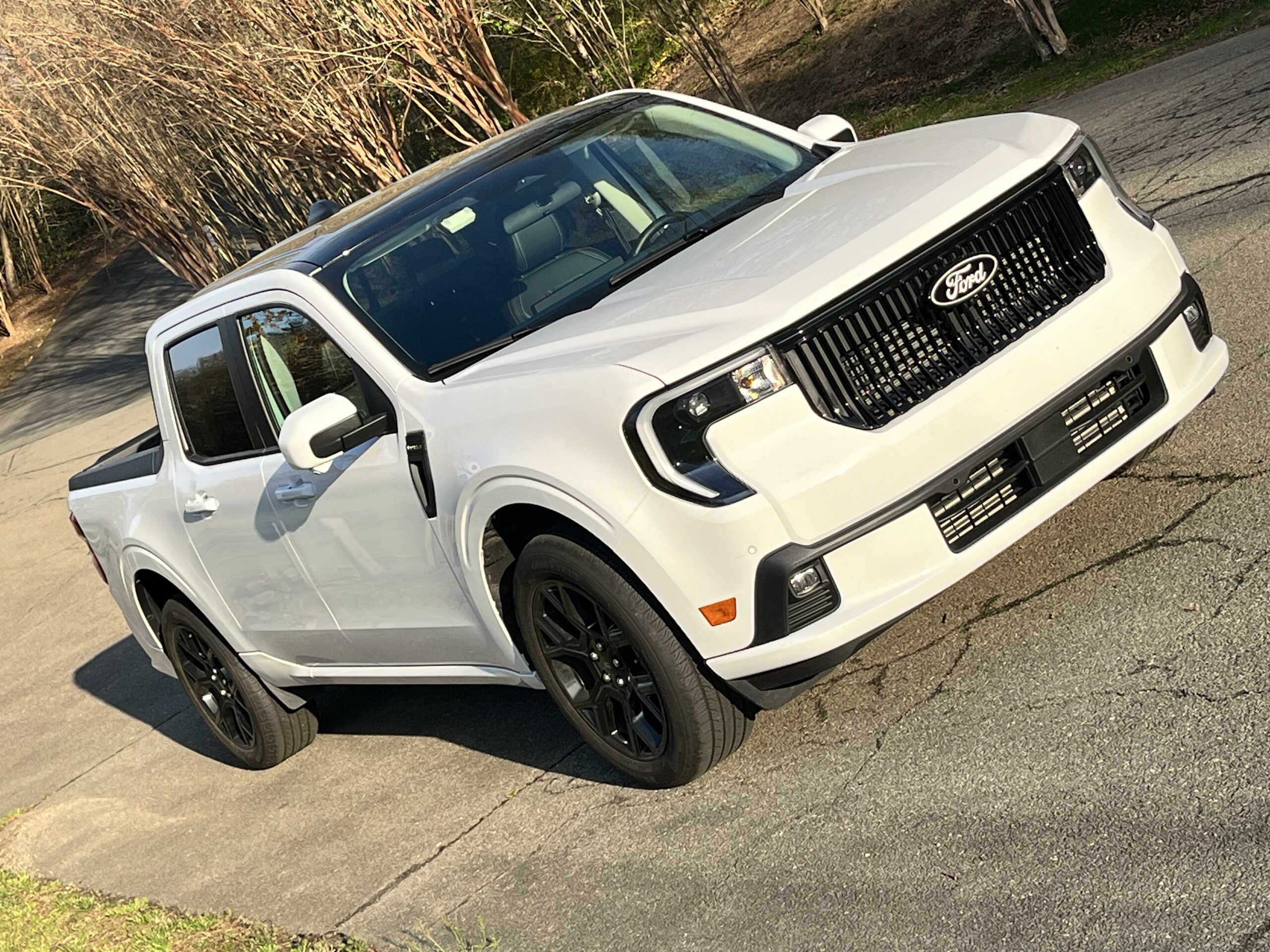
2025 Ford Maverick Lobo
-
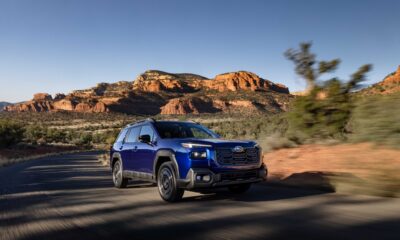
 TEST DRIVES4 weeks ago
2026 Subaru Outback Touring
-
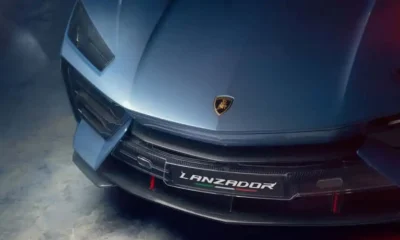
 TEST DRIVES3 weeks ago
Lamborghini prepares multiple launches for 2026 as electrification plans continue
-
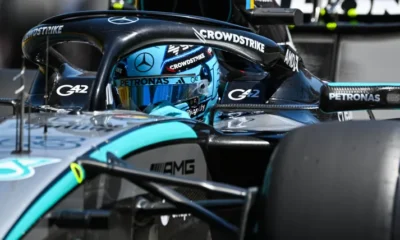
 RACING3 weeks ago
George Russell Leads Final Barcelona Practice As Kimi Antonelli Receives Reprimand
-

 RACING4 weeks ago
Why Formula 1 Has Pit Lane Speed Limits And How They Are Measured
-
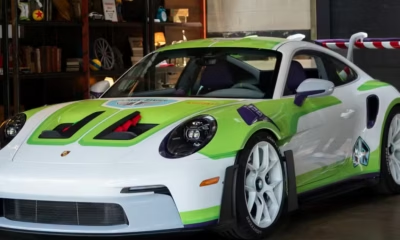
 NOW TRENDING4 weeks ago
Porsche Creates A Buzz Lightyear-Inspired 911 GT3 RS That Looks Ready To Go “To Infinity And Beyond”
-
 NOW TRENDING4 weeks ago
2026 Audi Q7 Brings New Design, Smarter Technology, And Greater Versatility
You must be logged in to post a comment Login