
RACING
Charles Leclerc Regains Confidence as Ferrari Shines at Silverstone

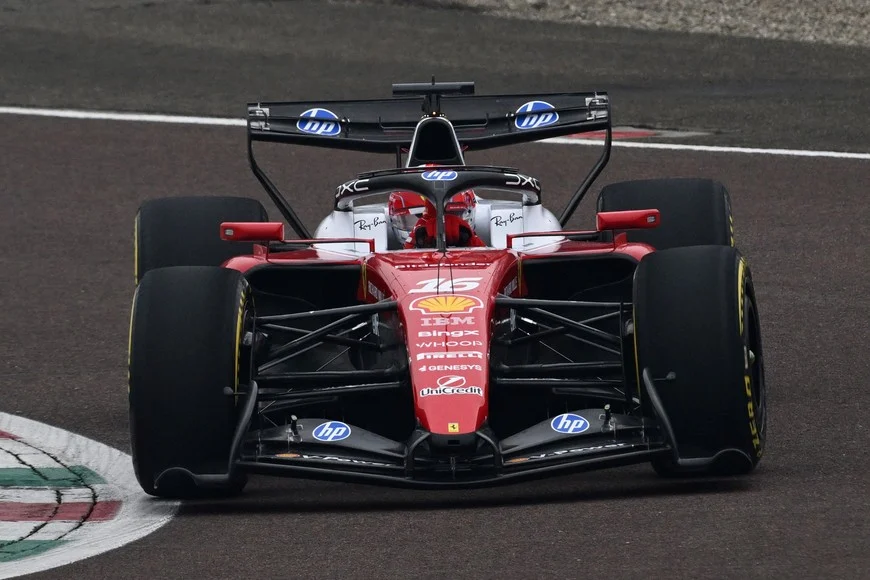
Charles Leclerc says he finally rediscovered the confidence he had been missing in recent races after qualifying on the front row for the British Grand Prix, although the Ferrari driver remains cautious about Sunday’s race.
Charles Leclerc believes Ferrari has taken an important step forward after one of his strongest qualifying performances of the 2026 Formula 1 season. The Monegasque driver secured second place on the grid at Silverstone, finishing less than two-tenths of a second from pole position, and admitted he finally felt comfortable behind the wheel of the SF-26 again.
After struggling to extract the car’s full potential over the past several race weekends, Leclerc described Saturday’s qualifying session as a turning point in his relationship with Ferrari’s latest Formula 1 challenger.
Charles Leclerc says Ferrari confidence has finally returned
The Charles Leclerc Ferrari Silverstone weekend marked a significant improvement compared with his recent performances.
Leclerc explained that one of his greatest strengths had always been finding extra performance during the final stage of qualifying, but that feeling had disappeared over the past five or six races.
“Today, finally, it came back,” Leclerc said after qualifying.
The Ferrari driver revealed that although the team had already solved several technical issues affecting the SF-26, he still hadn’t fully regained confidence behind the wheel until Silverstone.
According to Leclerc, recent setup changes have helped him better understand how the current generation of Formula 1 cars behaves at the limit.

Charles Leclerc qualified on the front row after regaining confidence in the Ferrari SF-26.
Ferrari’s setup changes deliver immediate results
Leclerc admitted Ferrari made several significant changes before qualifying, including what he described as a philosophical shift in how the team approaches certain aspects of the car’s setup.
Those adjustments immediately improved his confidence during the decisive Q3 session.
However, the Ferrari driver warned that qualifying pace does not necessarily guarantee similar performance over race distance.
“I just hope I can keep the same feeling tomorrow,” Leclerc explained. “There’s no guarantee everything will work perfectly in the race.”
Ferrari will now look to confirm that the improvements seen during qualifying translate into stronger race pace at one of the fastest circuits on the Formula 1 calendar.
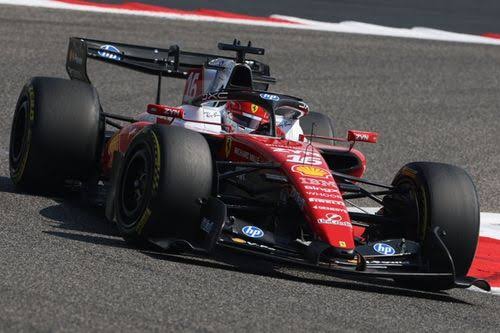
Ferrari’s latest setup changes helped Leclerc unlock more performance in qualifying.
Leclerc remains realistic about the British Grand Prix
Despite Ferrari’s encouraging qualifying result, Leclerc believes Sunday’s race will present a much greater challenge.
The Monegasque driver acknowledged that matching the pace of the race favorite will not be easy, even with his renewed confidence.

Leclerc believes Ferrari has improved but remains cautious ahead of Sunday’s race.
While Leclerc left qualifying encouraged by Ferrari’s progress, he made it clear that the team still has work to do before challenging consistently for victories. Regaining confidence in the SF-26 represents an important step forward, but maintaining that performance over a full Grand Prix will be the real test. If Ferrari can build on the momentum shown at Silverstone, Leclerc could emerge as one of the strongest contenders during the second half of the 2026 Formula 1 season.




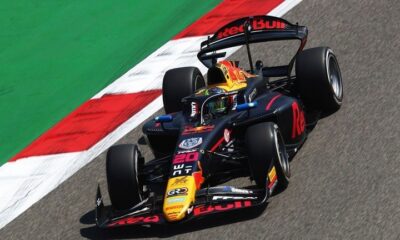

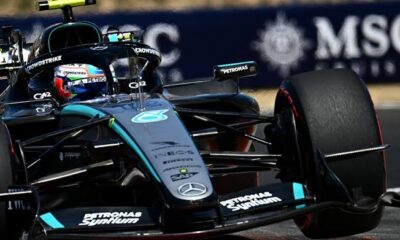

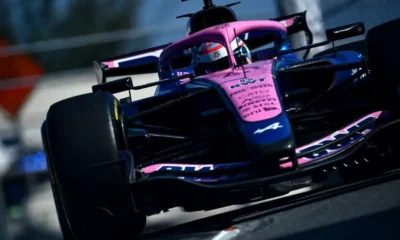


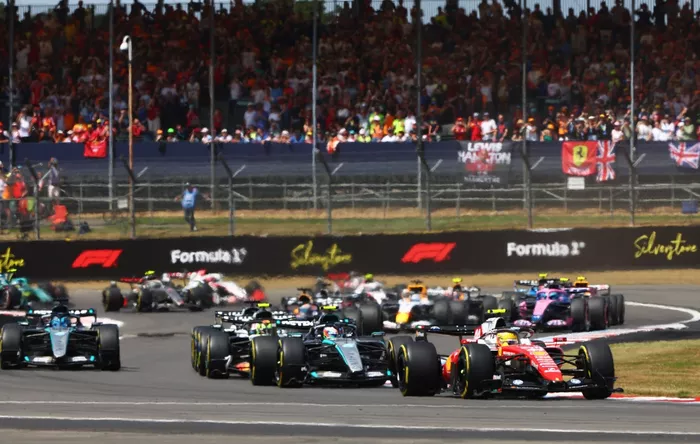
Formula 1’s $215 million budget cap has changed how teams develop their cars, making timing, validation, and development efficiency just as important as finding performance.
Formula 1’s budget cap has transformed the way teams approach car development. Teams are still free to introduce as many upgrades as they want, but every new floor, wing, or bodywork component must come from the same limited pool of money.
That makes one question increasingly important: when is the right time to spend the development budget?
The answer can determine whether a team gains performance at the right moment or wastes valuable resources on upgrades that fail to deliver on track.
Every upgrade now has a financial cost
Ferrari attracted attention earlier in the season with its relentless flow of new parts. Rival teams questioned how the Scuderia could continue bringing upgrades at such a rapid pace.
Toto Wolff described Ferrari’s development program as seemingly “unlimited,” while Fernando Alonso joked that some teams might have a money-printing machine at the factory. Carlos Sainz also admitted that Williams was surprised by how frequently the leading teams were introducing new components.
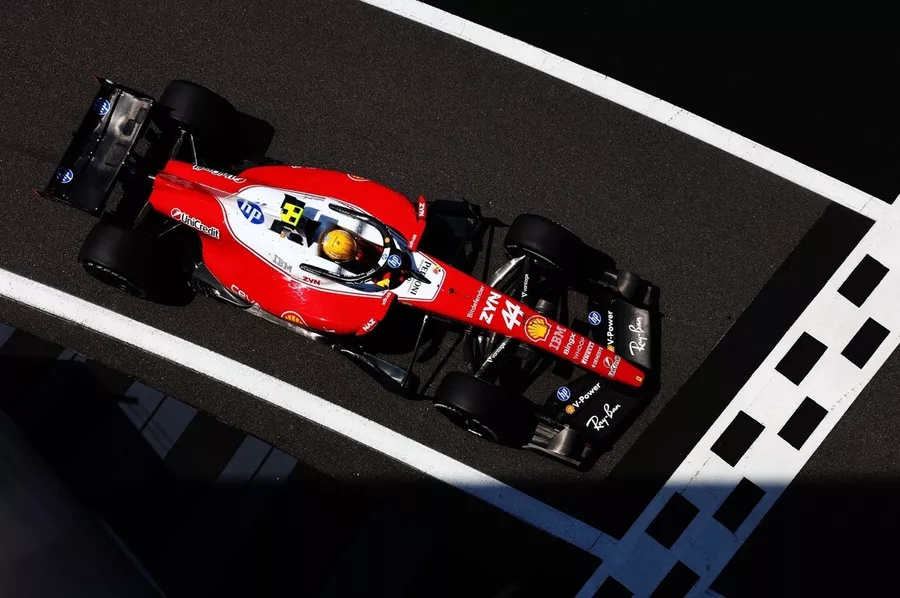
The reality, however, is that every upgrade consumes part of the same $215 million budget.
Money spent on a new floor today cannot be used for another development later in the season. That makes the timing of upgrades almost as important as the size of the performance gain they are expected to deliver.
Ferrari team principal Frédéric Vasseur warned about this before the season began. He suggested that logistics alone could consume a significant portion of the development budget when teams send new parts to distant races.
Ferrari and Aston Martin chose different strategies
Ferrari and Aston Martin have offered two very different approaches to managing development under the budget cap.
Ferrari has continued producing updates throughout the season. Aston Martin, meanwhile, deliberately waited for a much larger package before introducing major changes.
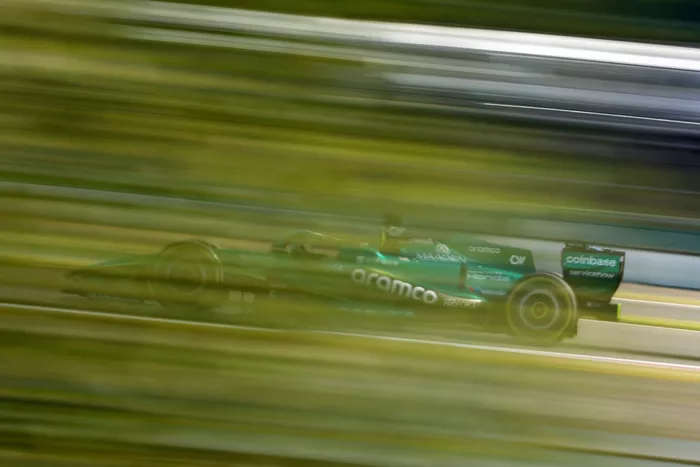
Aston Martin chose to delay its major upgrade package, accepting short-term difficulties in search of a larger performance step.
Ferrari brought 11 updates to Miami, more than any other team. However, part of that investment produced little additional lap time because the car behaved differently on track than expected in simulation.
The team did not stop developing. Instead, Ferrari continued bringing new parts in an attempt to recover the lost performance.
Aston Martin took the opposite approach.
Adrian Newey described the decision to delay the team’s major package until Hungary as painful but deliberate. The idea was to accept weaker results for longer in exchange for a potentially larger gain from a carefully developed package.
That strategy carries its own risk.
If the major upgrade fails to deliver, months of work and a large portion of the budget have already been spent.
Correlation has become more valuable than ever
The two approaches ultimately depend on the same thing: confidence in development data.
A team that can accurately predict how a component will perform before manufacturing it can avoid wasting resources.
That is particularly important under a budget cap because a failed upgrade does more than cost time. It also consumes money that cannot simply be recovered later.
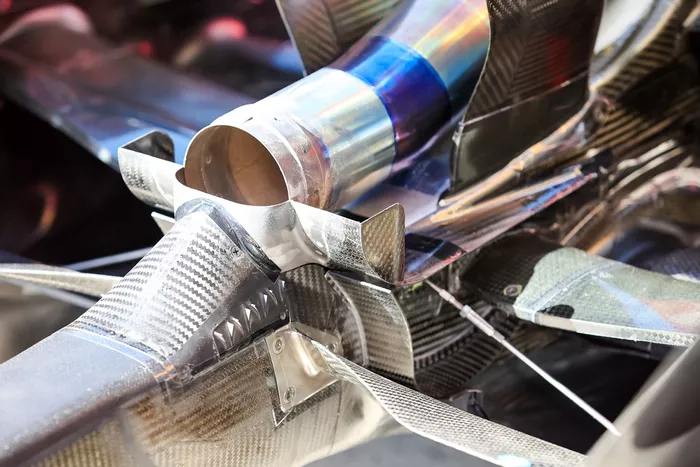
Accurate simulation and track correlation are becoming increasingly important as teams manage development under a fixed budget.
Newey has acknowledged that Aston Martin’s simulation tools are not yet as sophisticated or well correlated as the team would like.
That uncertainty makes development decisions much harder.
If simulation predicts a major gain and the part produces little performance on track, the team has lost both development time and budget.
The same principle applies to Ferrari. Its frequent upgrades make sense only if the team can identify improvements quickly enough to justify the cost of manufacturing and transporting them.
The calendar also affects development strategy
The race calendar has become another factor in the financial equation.
With races removed or replaced, teams do not automatically receive a smaller budget. That means money allocated for those weekends can remain available for development elsewhere in the season.
According to estimates from the paddock, each canceled race can effectively free roughly $1 million per team in potential spending that might otherwise have gone toward operations.
That creates another strategic variable.
Teams must decide whether to use the additional resources on upgrades immediately or preserve them for later stages of the championship.
The biggest risk is getting an upgrade wrong
Before the budget cap, teams could often respond to a failed upgrade by spending more money on another solution.
That option is far more limited today.
A new floor that fails to deliver cannot simply be followed by another expensive experiment without affecting the rest of the development program.
That is why F1 budget cap strategy increasingly revolves around avoiding mistakes rather than simply producing more parts.
Ferrari’s approach is based on maintaining a constant flow of improvements. Aston Martin has chosen to place greater emphasis on validating a larger package before bringing it to the circuit.
Neither strategy is automatically better.
Ferrari has the pressure of fighting for the championship and therefore needs performance as quickly as possible. Aston Martin, after a difficult start to the 2026 regulations, has had more reason to prioritize the future and concentrate its resources on rebuilding its development direction.
Under the budget cap, the real advantage may belong to the team that can predict performance most accurately before spending the money to build it.
The development race has therefore changed. Teams are no longer competing only to find more downforce or reduce lap time. They are competing to decide where, when, and how to spend a limited budget without making an expensive mistake.
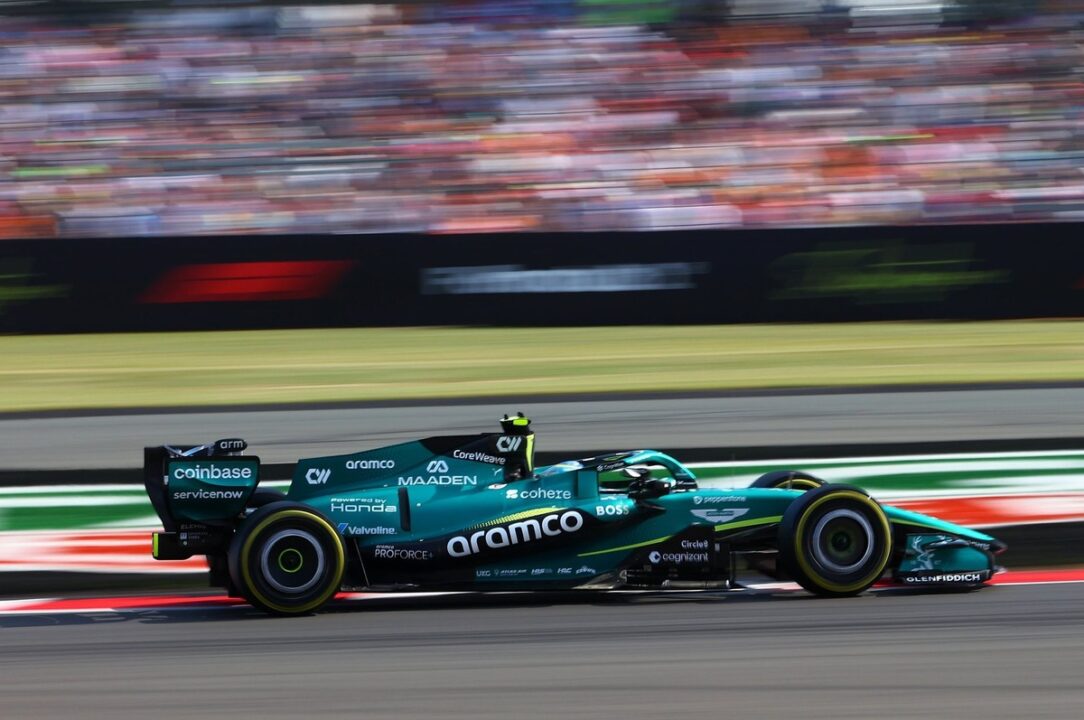
Aston Martin will introduce new aerodynamic upgrades at the Dutch Grand Prix alongside Honda’s latest power-unit update, building on the progress made in Hungary.
Aston Martin is continuing its push to recover from a difficult start to the 2026 Formula 1 season. The team will bring additional aerodynamic upgrades to the Dutch Grand Prix at Zandvoort, adding to the work already introduced in Hungary.
The latest changes will arrive alongside an important Honda power-unit update, giving the AMR26 several opportunities to improve its performance.
Aston Martin builds on its Hungary progress
The previous race in Hungary marked an important turning point for Aston Martin.
The team introduced a major B-specification AMR26 after deciding to focus its development effort on a larger package rather than bringing small upgrades to every race.
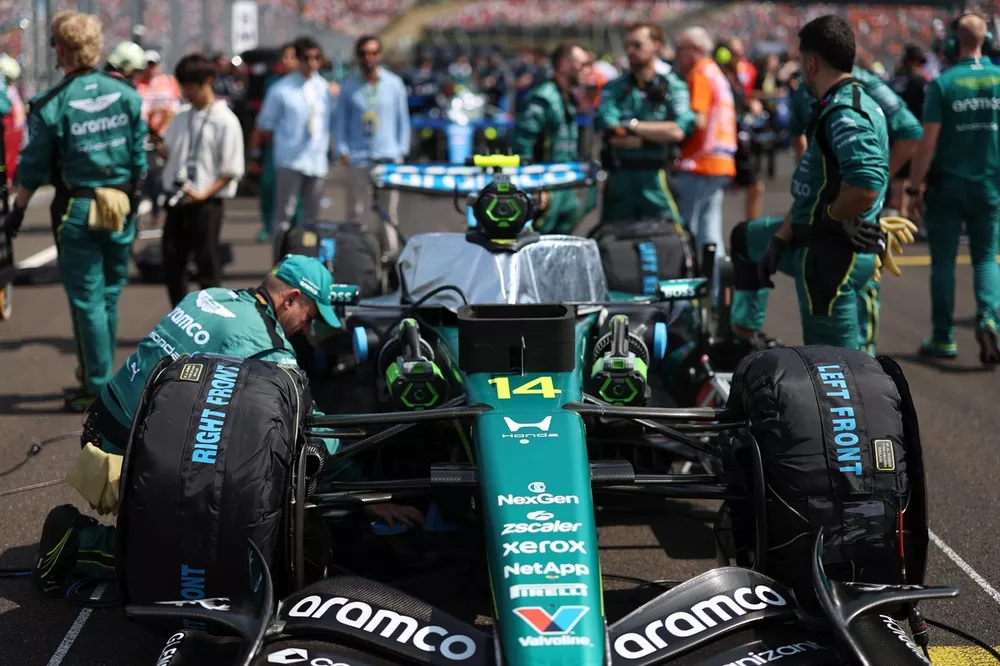
The Aston Martin AMR26 showed improved pace after receiving its major B-specification package in Hungary.
The result was encouraging.
Aston Martin moved closer to the midfield after struggling at the back of the grid earlier in the season. Fernando Alonso and Lance Stroll both reached Q2 and finished 13th and 14th at the Hungaroring.
The improvement was still not enough to challenge consistently for points, but it gave the team a stronger foundation for the second half of the season.
New aero upgrades are coming to Zandvoort
The improvements will continue in the Netherlands.
Aston Martin trackside operations chief Mike Krack confirmed that the team will introduce another group of aerodynamic changes for Zandvoort.
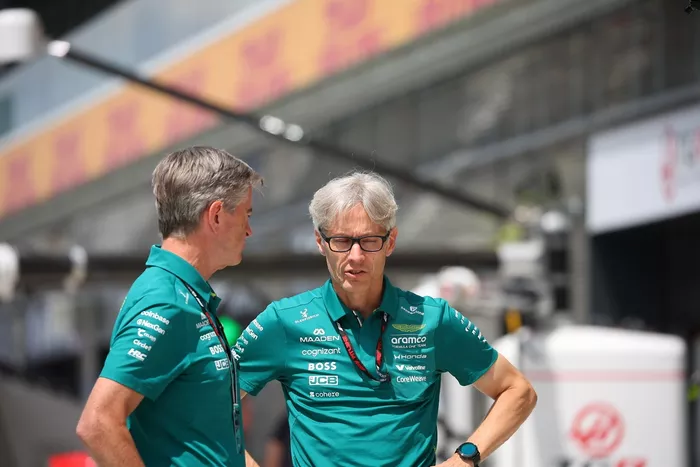
Mike Krack confirmed that Aston Martin will introduce aerodynamic changes to the floor and front wing at Zandvoort.
The upgrades focus on two important areas of the AMR26:
- The floor
- The front wing
Krack said the parts were developed from the lessons Aston Martin learned during the Hungarian Grand Prix.
The team expects the changes to provide a small performance step, although it will not have much opportunity to test the aerodynamic package during Friday’s running.
Honda also brings a new power-unit update
The aerodynamic changes are not the only development arriving at Zandvoort.
Honda will also introduce an update to its power unit through the FIA’s ADUO system. Aston Martin hopes the revised engine will provide additional performance as the team works to close the gap to its rivals.
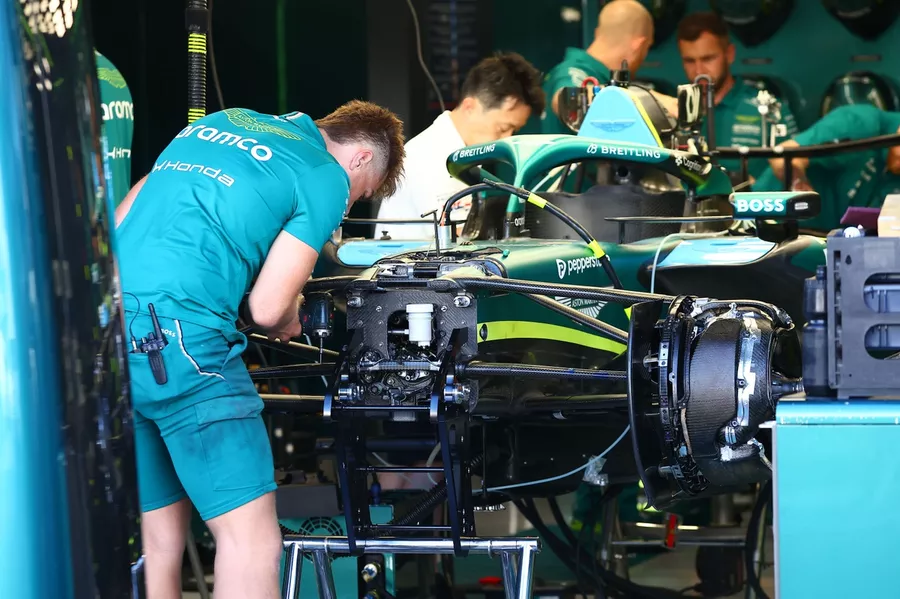
Honda’s latest power-unit update will debut alongside Aston Martin’s aerodynamic developments at Zandvoort.
However, the team will need to manage its track time carefully.
Zandvoort features only one free-practice session, making it more difficult to evaluate new aerodynamic components while also working through the engine update.
Weather could make the situation even more complicated.
A crucial weekend for Aston Martin
Aston Martin therefore arrives at Zandvoort with several important changes at once.
The B-specification car already produced a noticeable improvement in Hungary. The new aerodynamic upgrades could add another step, while Honda’s power-unit development could provide additional performance on top of that.
The team will now need to understand the new package quickly and extract as much performance as possible from a limited amount of practice time.
For Aston Martin AMR26 upgrades, Zandvoort could become another important checkpoint in the team’s recovery. After a difficult opening phase to the 2026 season, every development gain matters as Aston Martin tries to move closer to the midfield and eventually back into regular contention for points.
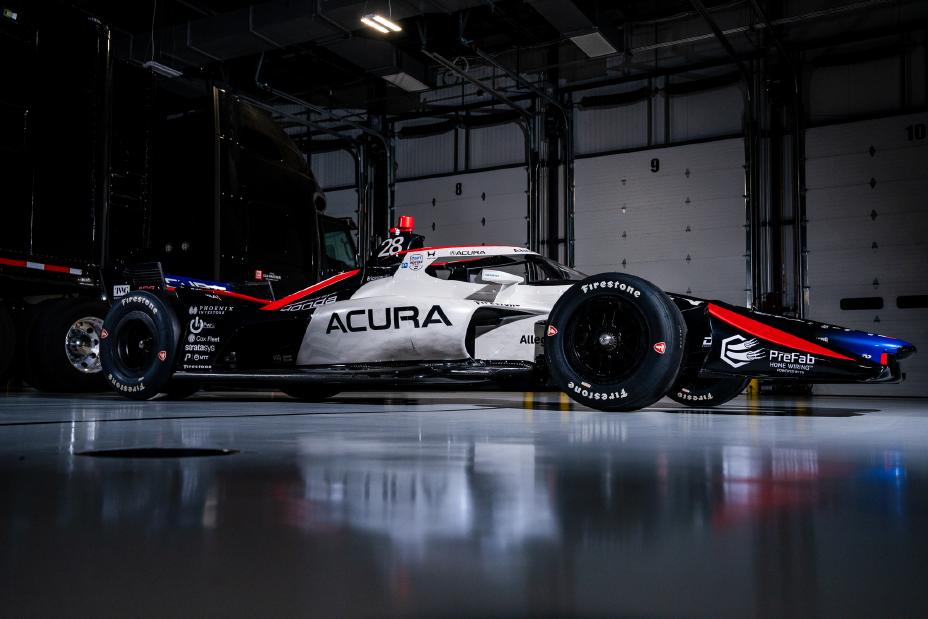
Honda-powered teams head to Washington, D.C., for the inaugural Freedom 250 Grand Prix with Alex Palou leading the title fight and Honda seeking another street-course win.
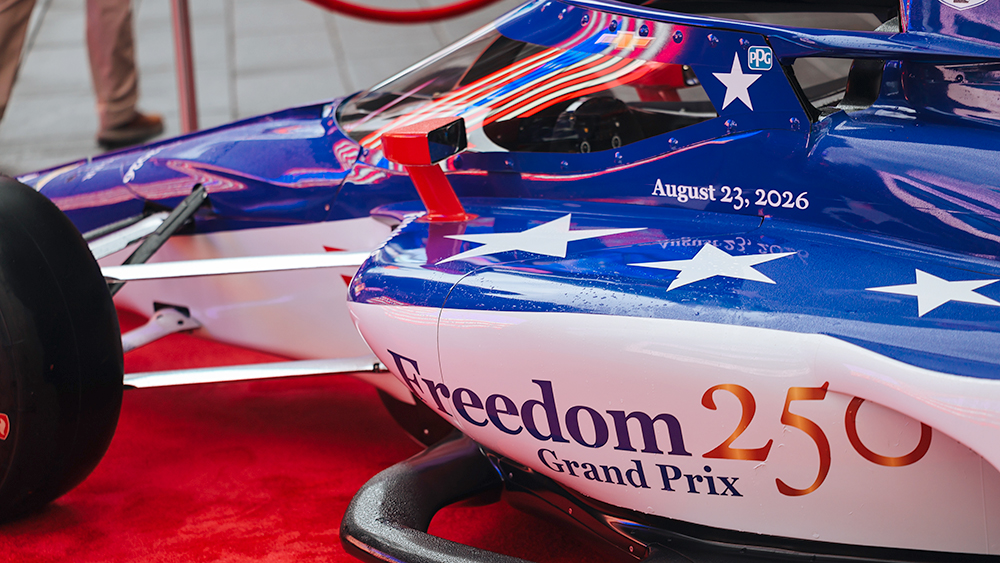
The Freedom 250 Grand Prix of Washington will bring the NTT INDYCAR SERIES to the streets of Washington, D.C., for the first time on Sunday, August 23, 2026.
The race will begin at 1 p.m. ET, with pre-race coverage starting at 11:30 a.m. ET and live coverage on Fox.
The inaugural event will take drivers around the nation’s capital and past some of its most recognizable museums and monuments. The race also celebrates 250 years since the signing of the Declaration of Independence.
Honda enters another major street-course test
Honda arrives in Washington with a strong record on street circuits during the 2026 season.
Honda-powered drivers have won all five street-course races held so far this year. Four of those victories were part of all-Honda podium sweeps.
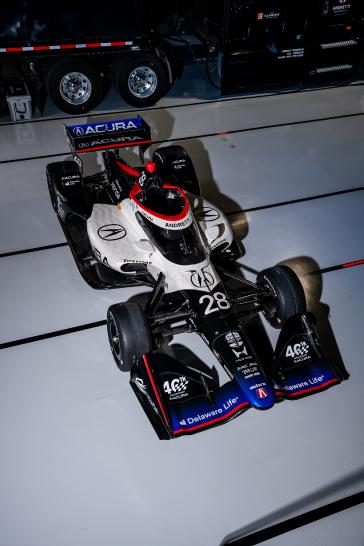
Honda-powered teams have won every street-course race of the 2026 IndyCar season ahead of the Washington debut.
Alex Palou opened the season with a victory at St. Petersburg before leading all-Honda podiums at Long Beach and Detroit.
Kyle Kirkwood then won the inaugural race in Arlington, while Marcus Ericsson followed with victory at Markham last weekend.
The results have helped Honda build a 169-point lead in the manufacturers’ championship.
Palou leads a major championship fight
The Washington race could also have a major impact on the 2026 drivers’ championship.
Alex Palou currently leads the standings by 133 points, giving the Chip Ganassi Racing driver a significant advantage heading into the second half of the season.
Alex Palou holds a 133-point championship lead heading into the inaugural Washington street race.
Palou has collected victories at St. Petersburg, Barber, Long Beach, Detroit, Nashville, and Portland during the 2026 campaign.
Andretti Global’s Kyle Kirkwood is currently second and represents one of the biggest threats to Palou’s championship advantage.
The Washington street circuit gives Palou’s rivals another opportunity to reduce the gap. A strong result for the championship leader, however, could bring him significantly closer to a fifth NTT INDYCAR SERIES title.
Acura joins the Washington celebration
The inaugural race will also feature an important Acura celebration.
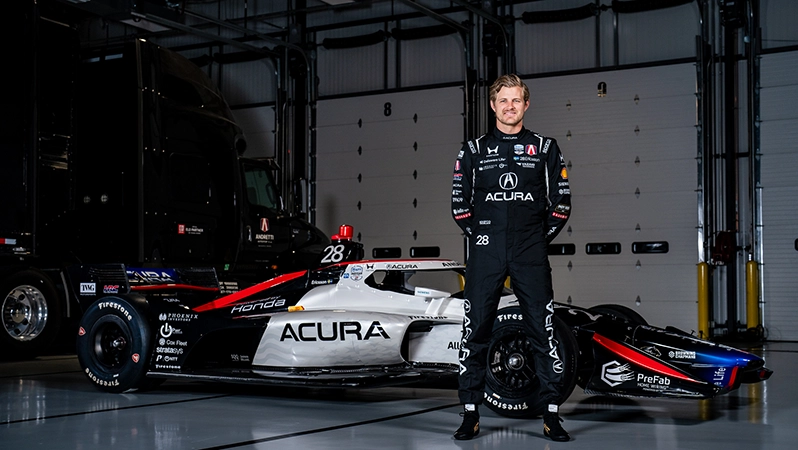
Marcus Ericsson’s No. 28 Andretti Global Honda will carry an Acura-themed livery during the Washington race.
Marcus Ericsson’s No. 28 will feature an Acura livery celebrating both America’s 250th anniversary and 40 years of Acura.
The special design celebrates 250 years of the United States while also marking 40 years of Acura, which entered the American market in 1986 as the first Japanese luxury car brand.
The partnership gives Acura another opportunity to connect with motorsport fans through the NTT INDYCAR SERIES.
Honda lineup for the Freedom 250 Grand Prix
Honda will field a strong group of drivers across its participating teams in Washington.
Andretti Global
- No. 26 Will Power — Series Champion, Indianapolis 500 winner, Race Winner
- No. 27 Kyle Kirkwood — Race Winner
- No. 28 Marcus Ericsson — Indianapolis 500 winner, Race Winner
Chip Ganassi Racing
- No. 8 Kyffin Simpson
- No. 9 Scott Dixon — Series Champion, Indianapolis 500 winner, Race Winner
- No. 10 Alex Palou — Series Champion, Indianapolis 500 winner, Race Winner
Dale Coyne Racing
- No. 18 Romain Grosjean
- No. 19 Dennis Hauger — Series Rookie
Meyer Shank Racing
- No. 60 Felix Rosenqvist — Indianapolis 500 winner, Race Winner
- No. 66 Marcus Armstrong
Rahal Letterman Lanigan Racing
- No. 15 Graham Rahal — Race Winner
- No. 45 Louis Foster
- No. 47 Mick Schumacher — Series Rookie
With Honda already dominant on street circuits and Palou holding a commanding championship lead, the Honda IndyCar Washington GP will provide another important test for both the manufacturer and its leading drivers.
-

 NOW TRENDING2 months ago
Polestar to Exit U.S. Market After 2026 Due to Connected Vehicle Rules
-
 TEST DRIVES2 months ago
Subaru’s New Uncharted GT Could Be The Brand’s Most Interesting Small EV Yet
-
 NOW TRENDING2 months ago
Tesla Model Y L Arrives in the U.S. With More Space and Three Rows
-
 NOW TRENDING2 months ago
The 2026 Lexus ES Is No Longer Just A Hybrid Sedan — It’s Now A Three-Way Luxury Play With Hybrid And EV Power
-

 NOW TRENDING2 months ago
The 2026 Kia Sportage Is More Than A Mid-Cycle Refresh — It’s Kia’s Play To Keep Its Best-Seller At The Center Of America’s SUV Market
-
 RACING2 months ago
Why F1 2026 Batteries Have Become The Biggest Reliability Headache On The Grid
-
 INTELLIGENT MOBILITY2 months ago
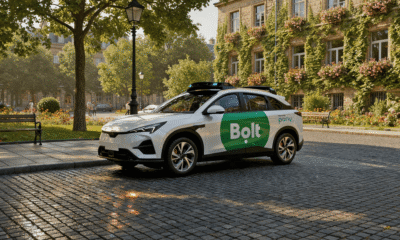
Bolt, Pony.ai and Stellantis launch autonomous mobility pilot in Luxembourg
-

 RACING2 months ago
McLaren F1 Unveils Special Silverstone Livery Honoring Its History
You must be logged in to post a comment Login