
RACING
McLaren’s Zandvoort Secret: New Wheels Helped Unlock Its Pace


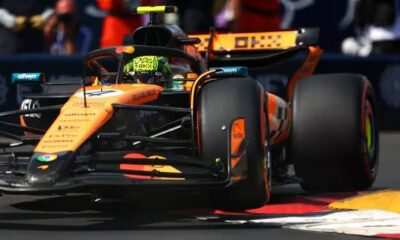
McLaren’s latest front wheels helped raise tire temperatures at Zandvoort, complementing the aerodynamic upgrades that have made the MCL40 increasingly difficult to beat.
McLaren’s victory at Zandvoort was not only about aerodynamic upgrades.
The MCL40 has now won two consecutive Grands Prix, with its latest improvements restoring downforce and making the car especially strong through fast corners.
But another change may have played an important role: new front wheels and wheel covers designed to improve tire temperatures.
McLaren’s New Front Wheels Target Tire Temperatures
McLaren introduced several small updates for Zandvoort.
The package included a revised section of the floor, changes to the rear brake ducts, and new front wheels.
The goal of the wheel update was simple: help the front tires reach their operating temperature more effectively.

McLaren introduced new front wheels at Zandvoort to improve tire temperature management.
Technical director Neil Houdley said the changes were not expected to produce a major lap-time gain on their own.
Instead, they were intended to make the MCL40 more consistent and competitive, particularly when preparing the tires for a fast lap.
That detail became especially important during qualifying.
Tire Warm-Up Has Been a McLaren Weakness
McLaren has been extremely competitive in fast corners, but tire preparation has caused problems at several circuits this season.
The issue was particularly visible in Monaco, where the team struggled to generate enough temperature in the front tires.
Similar difficulties appeared in Australia and China, where the MCL40 experienced graining.

McLaren’s focus on front-tire temperatures addresses a weakness that had appeared at several circuits earlier in the season.
That made front-tire preparation one of the main concerns heading into Zandvoort.
Instead, the graining remained relatively limited and McLaren was able to get the tires into the correct operating window.
The effect was particularly noticeable in the final Q3 runs.
While Ferrari and other teams needed an additional preparation lap, McLaren managed to extract enough performance from the tires to take pole position.
The Wheel Design Gives McLaren More Control
Wheel development has become an increasingly important area in Formula 1.
Under the 2026 regulations, teams once again have greater freedom to develop their wheels, creating opportunities to influence tire temperatures and operating pressures.
McLaren appears to have taken advantage of that freedom.

The new front wheel and more enclosed cover help McLaren control how airflow interacts with the tire.
The wheel design includes internal cavities that can influence how airflow reaches the tire.
For Zandvoort, McLaren adjusted the front wheel to generate more heat and help the tire reach its ideal operating range.
The wheel is supplied by long-time partner Enkei, while the more closed wheel cover reduces the amount of cool outside air reaching the tire.
McLaren did not make the same change at the rear.
Rear tires were already dealing with significant wear at Zandvoort because of strong winds, sliding through high-speed corners, and traction demands out of slower turns.
That made the front axle the more important area to address.
Another Piece of McLaren’s Recent Progress
The wheel update is only one part of McLaren’s recent improvement.
The team has also gained performance from its aerodynamic development program, particularly in the fastest corners.
Those gains have helped turn the MCL40 into the benchmark at circuits that reward sustained high-speed cornering.
At Zandvoort, however, the McLaren Zandvoort story also shows how small technical details can make a major difference.
Better front-tire preparation can improve qualifying performance, reduce the risk of graining, and allow drivers to extract more from the car when the track is at its fastest.
That combination of aerodynamic efficiency and tire management has helped McLaren become the team to beat over the last two race weekends.










Alex Albon played down speculation of a rift with Carlos Sainz after their Williams clash at Zandvoort, revealing they cleared the air over breakfast.
Alex Albon has dismissed suggestions of tension with Carlos Sainz after their collision at the Dutch Grand Prix, insisting the Williams teammates have no problem with each other.
The two drivers met for breakfast on Monday to discuss what happened at Zandvoort.
Sainz accepted responsibility for the crash
Sainz took full responsibility for the incident between the two Williams cars.
While defending on used hard tires into Turn 1, the Spaniard hit a bump on the inside, locked his wheels, and slid into Albon.

Carlos Sainz collided with Williams teammate Alex Albon during the Dutch Grand Prix.
The contact damaged the floor of Albon’s car and forced him to retire.
Sainz continued but finished 16th and received a 10-second penalty for the incident.
Despite the disappointing outcome, Albon insists the crash did not create any lasting tension between the teammates.
Albon: “It wasn’t like Max and Daniel”
Speaking on The Fast And The Curious podcast, Albon joked about their meeting the following Monday.
He said Sainz even offered to pay for breakfast.

Alex Albon says he and Carlos Sainz quickly moved on from their Zandvoort collision.
Albon believes people outside the team have tried to make the incident appear more serious than it really was.
He specifically compared it with the famous Max Verstappen and Daniel Ricciardo clash in Baku in 2018.
For Albon, the Williams incident was nowhere near that level of conflict.
He said both drivers understood that the media would be eager to turn the crash into a bigger story, but neither wanted to encourage that narrative.
Albon jokes about revenge
The Williams driver even joked that the incident could give him permission to return the favor one day.
When asked whether he was now allowed to take Sainz off the track once as revenge, Albon laughed and suggested it might be a good idea.
He immediately acknowledged that the Williams team probably would not approve.

Albon joked that he could now “repay” Sainz, although he admitted Williams would not be happy with the idea.
The conversation eventually moved away from racing and into breakfast.
Albon revealed that the group ordered pancakes, protein pancakes, avocado toast, and even scrambled eggs with caviar.
He also joked about Sainz’s confidence when making pancakes, saying the Spaniard talks about his technique with the confidence of a professional chef.
The relaxed exchange reinforces Albon’s main point: despite the Zandvoort crash, Alex Albon Carlos Sainz remains a healthy Williams teammate relationship, with both drivers apparently ready to put the incident behind them.
The FIA has published its second ADUO assessment for 2026, again ranking Red Bull-Ford’s combustion engine as the strongest while granting no additional homologation to any manufacturer.
The FIA has published the second ADUO assessment of the 2026 Formula 1 season, and Red Bull-Ford remains the benchmark under the system.
The analysis covers every race from the Australian Grand Prix through the Hungarian Grand Prix and compares the performance of the internal combustion engines.
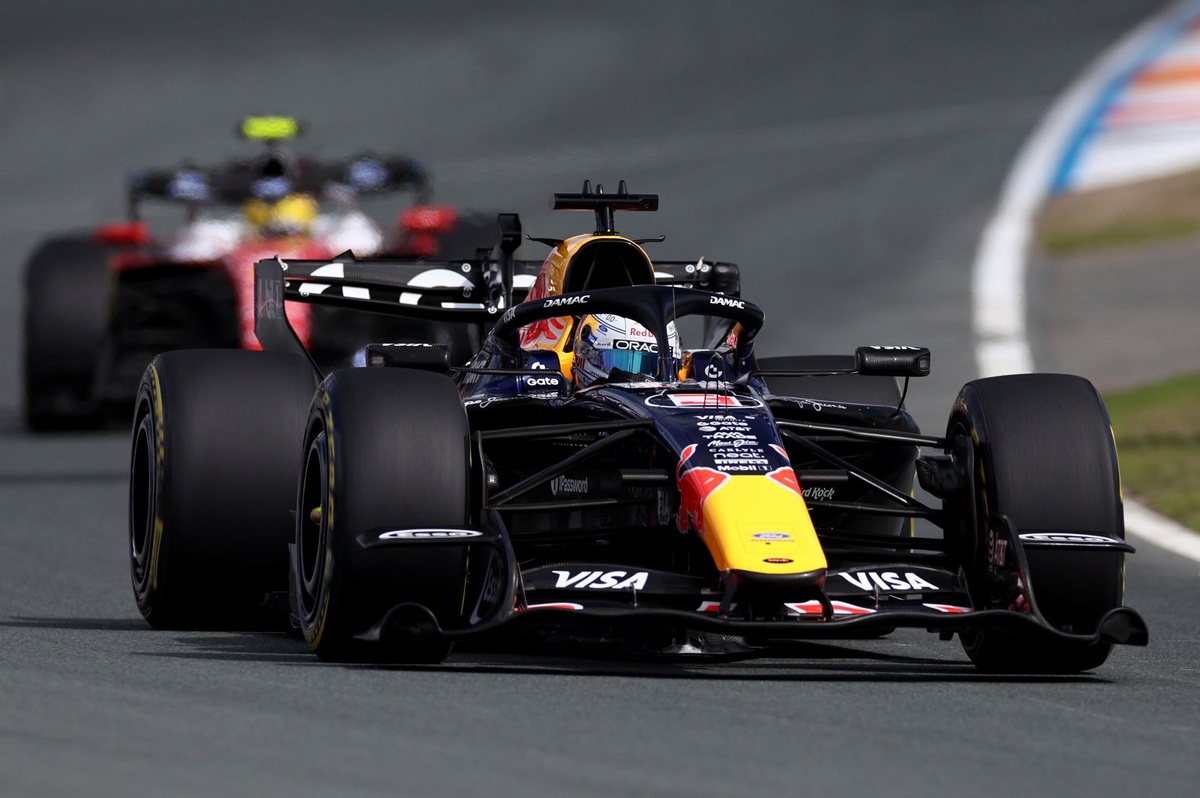
According to the FIA’s figures, Red Bull-Ford has the most powerful combustion engine on the grid.
Red Bull-Ford remains the ADUO benchmark
The latest assessment places Mercedes between 2% and 4% behind Red Bull-Ford.
Audi, Ferrari, and Honda are all more than 4% behind under the FIA’s calculation.
However, the assessment does not include Honda’s latest power-unit development introduced at the Dutch Grand Prix.
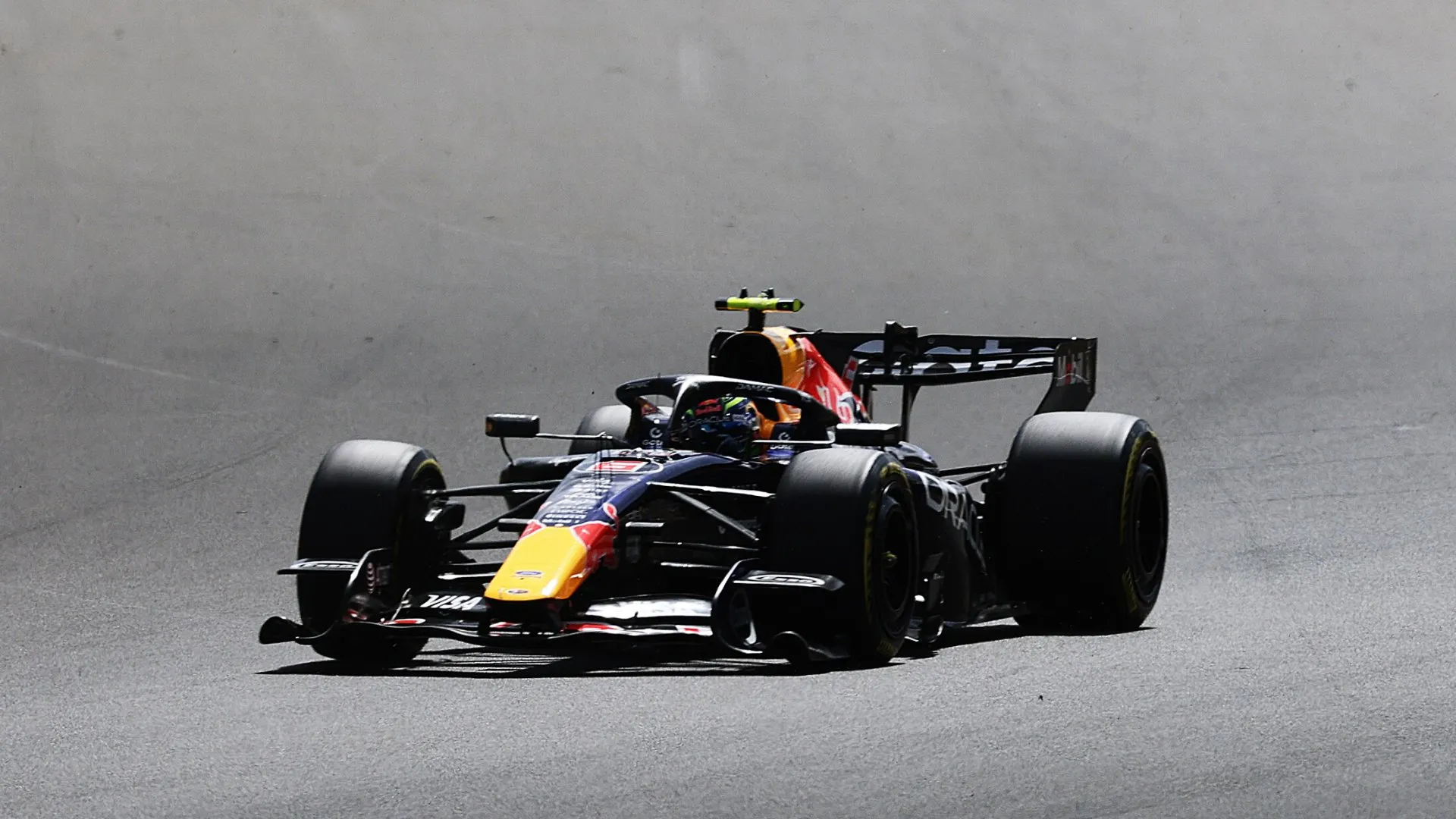
The FIA’s second ADUO assessment again places Red Bull-Ford at the top of the combustion-engine rankings.
The results are significant because the ADUO system can provide manufacturers with additional development opportunities when a sufficient performance gap is identified.
After the first assessment period, Mercedes received one additional homologation for 2026 and 2027.
Audi, Ferrari, and Honda received two additional homologations for both seasons.
This time, however, no manufacturer received additional homologations.
No extra development allocation this time
The ADUO system provides additional spending allocation and extra dynamometer testing when a manufacturer qualifies under the FIA’s criteria.
The FIA says its latest analysis was based on extensive data from the opening part of the season.
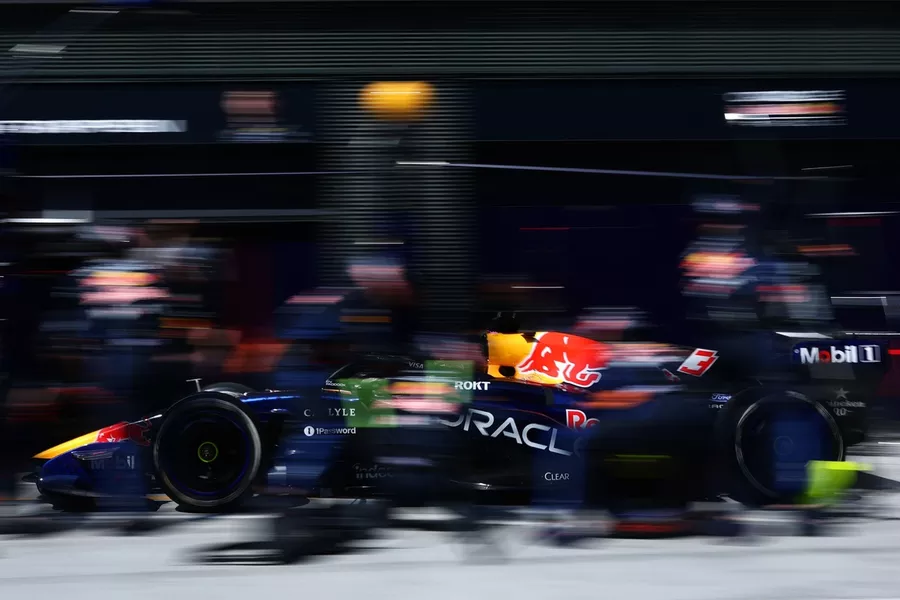
No additional homologations were awarded after the FIA completed its second ADUO review.
Nicholas Tombazis, the FIA’s single-seater director, said the quality of the available data gives the governing body a high level of confidence in the latest conclusions.
He also stressed that confidentiality and intellectual property considerations limit how much technical information can be publicly disclosed.
Because 2026 is the first year of ADUO, the FIA expects to continue refining the process alongside the power-unit manufacturers.
Why the ADUO ranking is controversial
The system has already generated criticism because it evaluates only the internal combustion engine.
That is just one part of the performance equation in Formula 1’s hybrid power units.
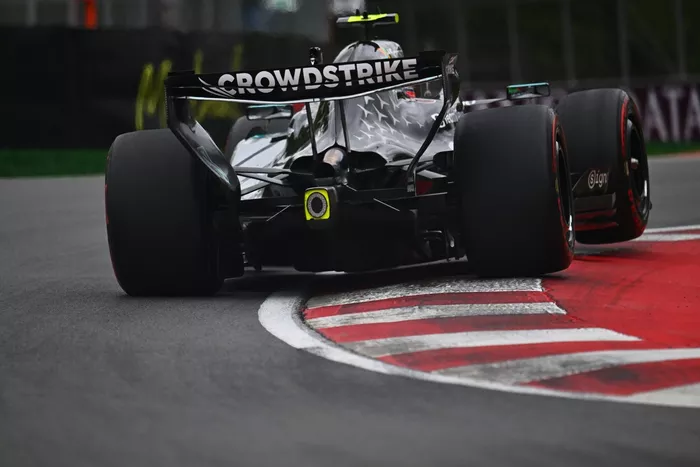
The ADUO ranking focuses on the combustion engine, while teams evaluate the performance of the complete hybrid power unit.
That distinction has created a gap between the FIA’s official ranking and perceptions within the paddock.
Mercedes is widely considered to have one of the strongest complete power units, and team principal Toto Wolff has also acknowledged its strength.
Red Bull has previously questioned the ADUO methodology and requested a review of the results after Canada, but that request was unsuccessful.
The subject is likely to become even more relevant at Monza, where long straights make engine performance particularly visible.
For FIA ADUO, the second assessment keeps Red Bull-Ford officially on top, but it does not necessarily settle the wider debate over which manufacturer has the strongest complete hybrid power unit.
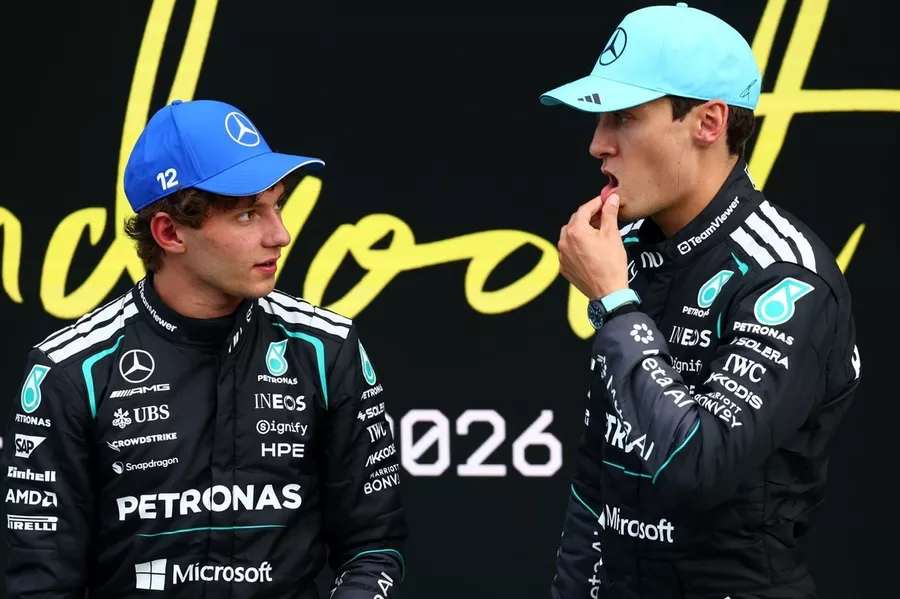
Mercedes says its late team-order decision at Zandvoort was made to protect George Russell from Ferrari and help secure his third-place finish.
Mercedes has explained the thinking behind its team orders at the Dutch Grand Prix, revealing that asking George Russell to let Andrea Kimi Antonelli through was primarily designed to protect Russell’s podium finish.
The instruction came late in the race after Antonelli stopped for fresh tires during a Virtual Safety Car. Russell stayed out and temporarily moved ahead of his teammate.
Mercedes wanted to protect Russell
The key moment came after the Virtual Safety Car on lap 55.
Ferrari took advantage of the neutralization to pit both cars for fresh tires, while Mercedes brought Antonelli into the pits one lap later.
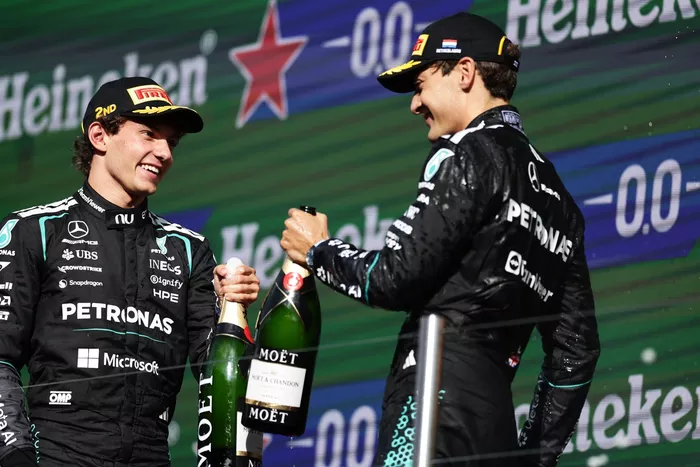
George Russell was asked to let Andrea Kimi Antonelli through during the closing stages at Zandvoort.
Antonelli rejoined behind Russell, but he had a major tire advantage.
Mercedes could have allowed the two drivers to fight, but the team feared that would cost Russell valuable time and expose him to the Ferraris behind.
According to track engineering director Andrew Shovlin, the objective was therefore not simply to give Antonelli his position back.
It was to save Russell time and improve his chances of defending third place.
Why Antonelli had to pass
Antonelli had enough grip to attack Russell on his newer tires.
Mercedes believed that allowing an internal battle would create unnecessary risk.
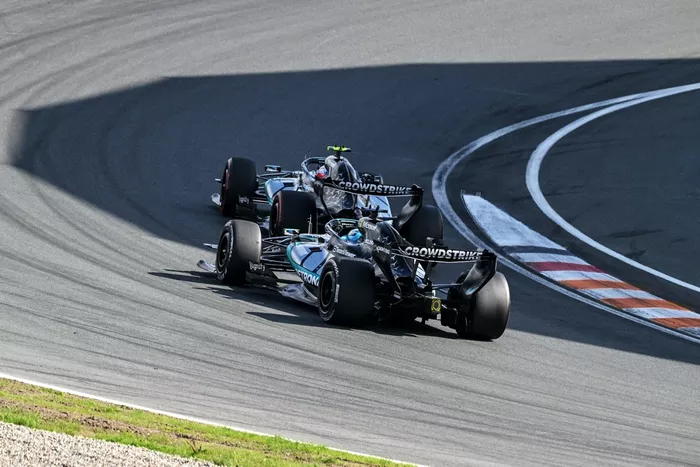
Antonelli’s fresher tires gave him the pace to attack Russell in the closing stages.
Every second Russell lost while defending against his teammate would have given Ferrari more opportunities to close the gap.
Mercedes therefore ordered Russell to move aside on lap 65, allowing Antonelli to continue ahead.
Russell accepted the decision after the race, acknowledging that Antonelli could probably have passed him anyway.
Russell then had to defend from Hamilton
Once the positions were switched, Russell faced another challenge.
Lewis Hamilton was closing rapidly from behind and eventually challenged for the final podium position.
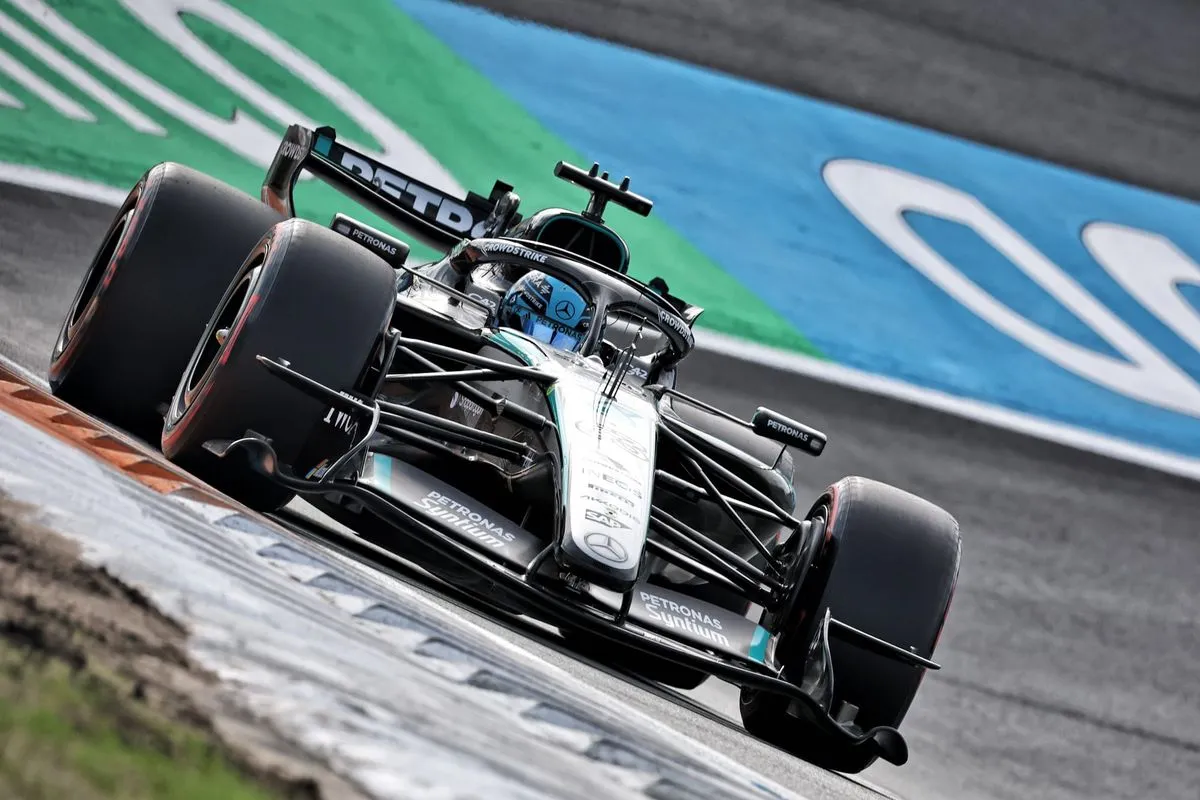
Russell defended third place from Lewis Hamilton after Mercedes swapped positions between its two drivers.
Russell managed to hold Hamilton behind and finished third, just 0.8 seconds ahead of the Ferrari driver.
Charles Leclerc crossed the line in fifth, another 0.5 seconds behind Hamilton.
Shovlin praised Russell’s defense, particularly because Mercedes did not have the fastest car during the race.
Mercedes believes the strategy worked
The result gave Mercedes a double podium, with Antonelli second and Russell third behind Lando Norris.
Shovlin said Russell’s defense was one of the highlights of the race and praised him for completing a strong weekend that included pole and victory in the Sprint.
Russell had also made clear that he never intended to ignore the team’s instruction.
Mercedes has a standing rule that its drivers should not fight when they are running different strategies, with positions exchanged when necessary.
For Mercedes team orders, Zandvoort provided a clear example of that policy. The decision to move Russell aside was not simply about prioritizing Antonelli; Mercedes believed it gave Russell the best possible chance of keeping the podium.
Russell ultimately finished third, while Antonelli remained second in the championship fight.
-

 NOW TRENDING2 months ago
Polestar to Exit U.S. Market After 2026 Due to Connected Vehicle Rules
-
 NOW TRENDING2 months ago
Tesla Model Y L Arrives in the U.S. With More Space and Three Rows
-

 RACING2 months ago
McLaren F1 Unveils Special Silverstone Livery Honoring Its History
-

 INTELLIGENT MOBILITY2 months ago
Audi A4 E-tron and Q7 E-tron Confirmed as New Electric Models
-
 TEST DRIVES2 months ago
A Week Driving Honda’s New Hybrid Coupe
-

 TEST DRIVES2 months ago
Ford Recalls More Than 741,000 Trucks and SUVs Over Rollaway Risk
-
 NOW TRENDING2 months ago
Toyota Reports Strong June and Q2 2026 U.S. Sales Growth
-

 INTELLIGENT MOBILITY2 months ago
GM Expands Super Cruise With Exclusive Hands-Free Towing Technology
You must be logged in to post a comment Login