
RACING
Hamilton’s Singapore Call Raises Questions at Ferrari

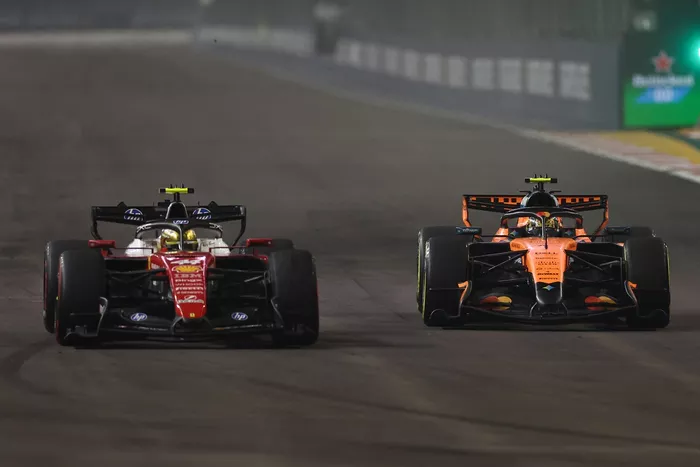
Lewis Hamilton rejected Ferrari’s pit-stop call during a Virtual Safety Car, sacrificing a potential podium and raising questions about team strategy.
Lewis Hamilton’s decision to stay on track during the Singapore Grand Prix has reignited debate over his relationship with Ferrari’s strategy team. The seven-time world champion chose not to pit during a Virtual Safety Car period, despite the team’s instructions, and ultimately finished sixth after struggling with tyre degradation.
The incident was more than a strategic miscalculation. It highlighted the difficult balance between a driver’s instinct and a team’s collective judgment, particularly when the decision can determine the outcome of a race. While Hamilton accepted responsibility afterward, the episode raises a broader question: was it a case of excessive confidence in his own assessment, or evidence that strategic coordination at Ferrari still needs to improve?
Hamilton and Ferrari Had a Podium Within Reach
Hamilton entered the Singapore Grand Prix weekend with reasons for optimism. He finished second in the sprint after an impressive start in wet conditions and qualified third for the main race, demonstrating that he could fight near the front in the Ferrari SF-26.
Charles Leclerc also showed encouraging pace, narrowly missing out on pole position after finishing just 0.054 seconds behind Max Verstappen. Ferrari appeared capable of challenging its rivals, giving the team a realistic opportunity to secure a strong double finish.
However, Sunday’s race presented a different set of challenges. Ferrari split its tyre strategy, sending Leclerc out on soft tyres and Hamilton on medium compounds. The decision reflected the limited information available about dry-weather tyre performance, but the medium tyres did not deliver the pace Hamilton needed.
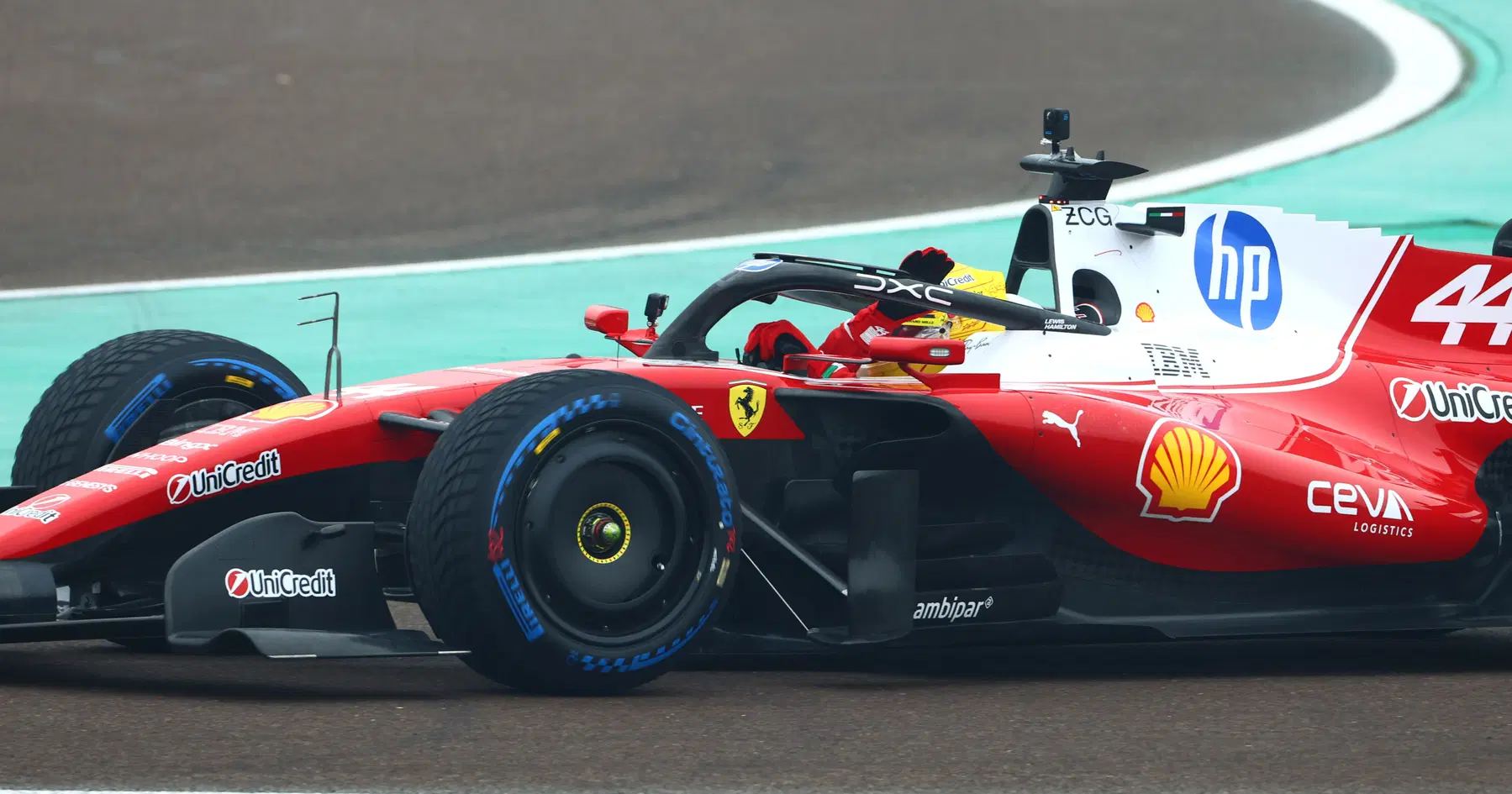
Hamilton showed competitive pace earlier in the Singapore weekend, but tyre strategy became a decisive factor in the race.
Hamilton was forced to pit on lap 18, switching to soft tyres in an attempt to recover performance. From that point onward, he became more competitive, but the change created another strategic dilemma: should he attempt to reach the finish without stopping again, or wait for an opportunity to make another tyre change?
That opportunity arrived on lap 39, when Lance Stroll’s Aston Martin retirement triggered a Virtual Safety Car. Ferrari’s strategists quickly identified a chance to bring both cars into the pits while the neutralisation reduced the time lost during a stop.
Leclerc followed the instruction. Hamilton stayed out.
Why Hamilton Rejected Ferrari’s Pit-Stop Call
Remaining on track offered an apparent advantage. In Singapore, where overtaking can be difficult, track position is particularly valuable. By staying out, Hamilton could preserve his position relative to Leclerc and attempt to defend against the cars behind him.
However, the decision depended on a critical assumption: that his soft tyres could survive the remaining distance without a significant drop in performance.
That assumption proved costly. Hamilton had to manage the same set of soft tyres over an extended stint, and degradation progressively undermined his pace. What initially appeared to be an opportunity to gain track position became a growing disadvantage as the race approached its conclusion.
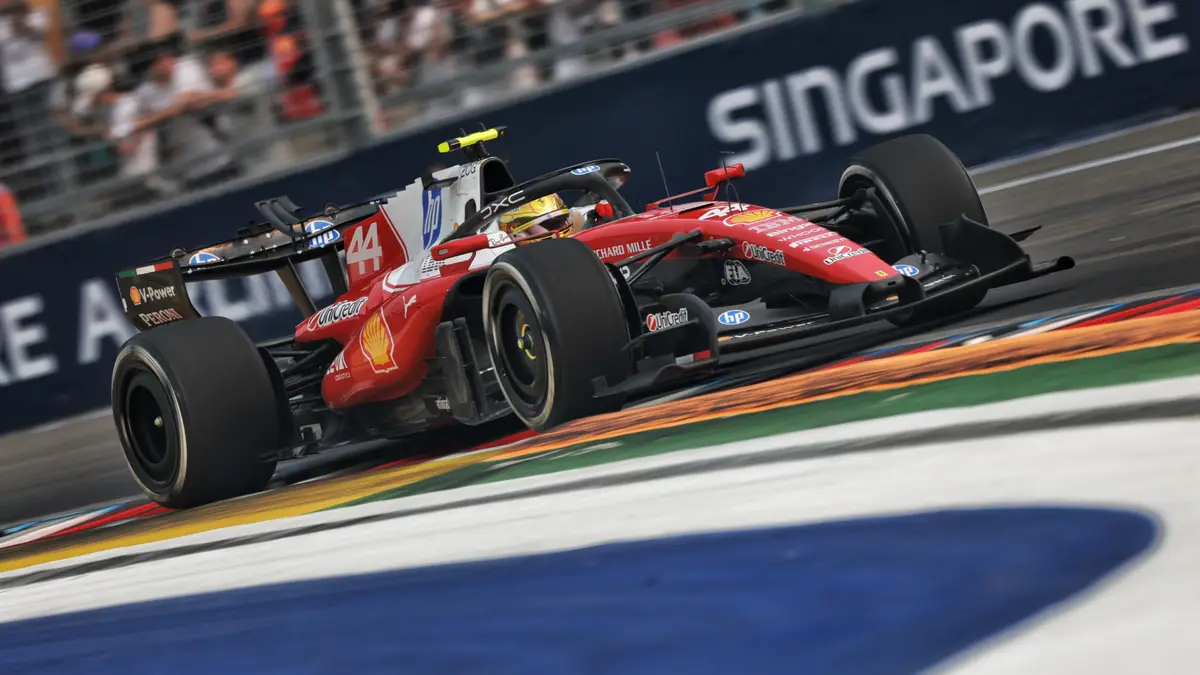
Ferrari faced a strategic choice during the Virtual Safety Car, with Leclerc pitting while Hamilton continued on track.
The final result was sixth place for Hamilton, leaving Ferrari to consider what might have been possible had both drivers followed the team’s pit-stop plan.
Ferrari team principal Frédéric Vasseur attributed the decision to remain on track to Hamilton. The driver subsequently accepted responsibility, apologising to the team over the radio and acknowledging that his choice had cost valuable points.
The episode illustrates the risks of making an individual strategic call during a rapidly changing race. A driver has immediate feedback about tyre behaviour and car balance, while the team can evaluate broader information, including rival strategies, projected stint lengths and the likely benefit of a pit stop.
Neither perspective is automatically correct. The challenge is combining them quickly enough to make the best decision under pressure.
Confidence or a Breakdown in Strategic Trust?
Hamilton’s choice naturally invites questions about his confidence in Ferrari’s judgment. However, one disputed pit-stop decision is not sufficient evidence of a breakdown in trust between the driver and the team.
Experienced drivers frequently make independent assessments during races. They feel changes in grip, tyre temperature and balance that cannot always be captured fully by simulations or timing data. That experience can be valuable, particularly on a demanding street circuit such as Singapore.
Yet instinct can also become a liability when a driver underestimates how quickly circumstances are changing. In Hamilton’s case, the decision to stay out depended on the tyres retaining enough performance to protect his position. As degradation increased, the strategic calculation became increasingly difficult to justify.
Ferrari’s own history of controversial strategy calls may also form part of the wider context. Hamilton has spent years working within Mercedes, where communication patterns and decision-making processes developed around his preferences. Establishing the same level of coordination at a new team requires time, shared experience and confidence in the information being exchanged.
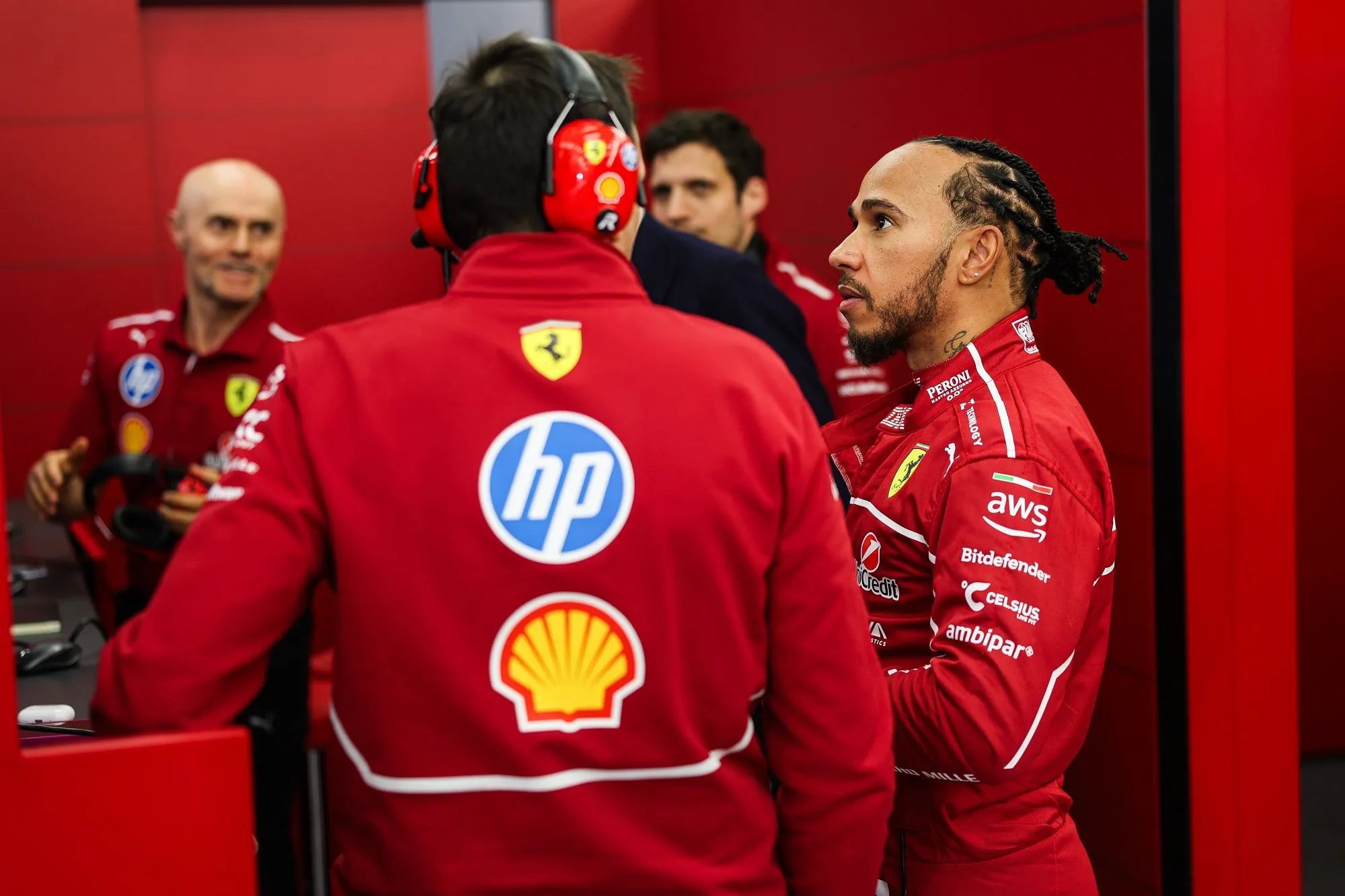
Communication between Hamilton and Ferrari’s engineers remains central to making effective strategic decisions under pressure.
That does not mean Hamilton deliberately challenged Ferrari’s authority or intended to undermine the team. His decision may simply have reflected a belief that his own reading of the race offered a better chance of preserving track position.
The distinction matters. Disagreement over a strategic call is part of racing; a lasting problem emerges only if the driver and team struggle to establish a consistent process for making and executing those decisions.
Hamilton’s Apology Offers an Important Signal
Hamilton’s apology after the race helped prevent the incident from becoming an open dispute over responsibility. By acknowledging that he had made the wrong call, he showed a willingness to accept the consequences of his decision rather than publicly shift the blame to Ferrari’s strategists.
That response does not erase the points lost in Singapore, but it provides a basis for reviewing what happened and improving future communication.
Ferrari and Hamilton must now assess how similar situations should be handled. That includes clarifying when the driver can override a pit-stop recommendation, what information should guide such a decision and how quickly the team can respond when the race situation changes.
The objective is not to remove the driver’s autonomy. Instead, it is to ensure that individual judgment and the team’s wider strategic picture work together rather than against each other.
Hamilton has made independent decisions throughout his career, including during his championship-winning years with Mercedes. Sometimes those instincts have paid off; on other occasions, they have produced costly outcomes. The Singapore incident is another reminder that experience alone cannot guarantee the correct answer in every racing situation.
Ultimately, the key question is not whether Hamilton wanted to challenge Ferrari. It is whether both sides can turn a costly disagreement into a more effective decision-making process.
The Singapore Grand Prix exposed the risks of relying on an individual assessment when a team has identified an alternative strategy. Whether the episode becomes a turning point or simply an isolated mistake will depend on how Hamilton and Ferrari respond in the races that follow.


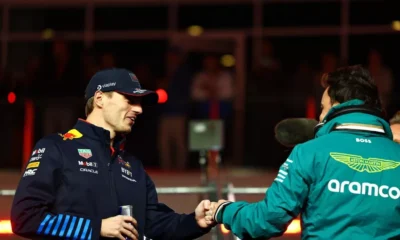

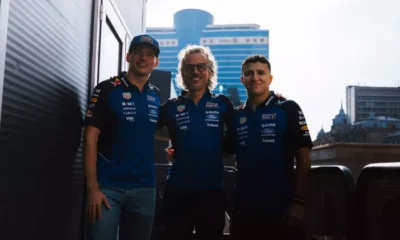





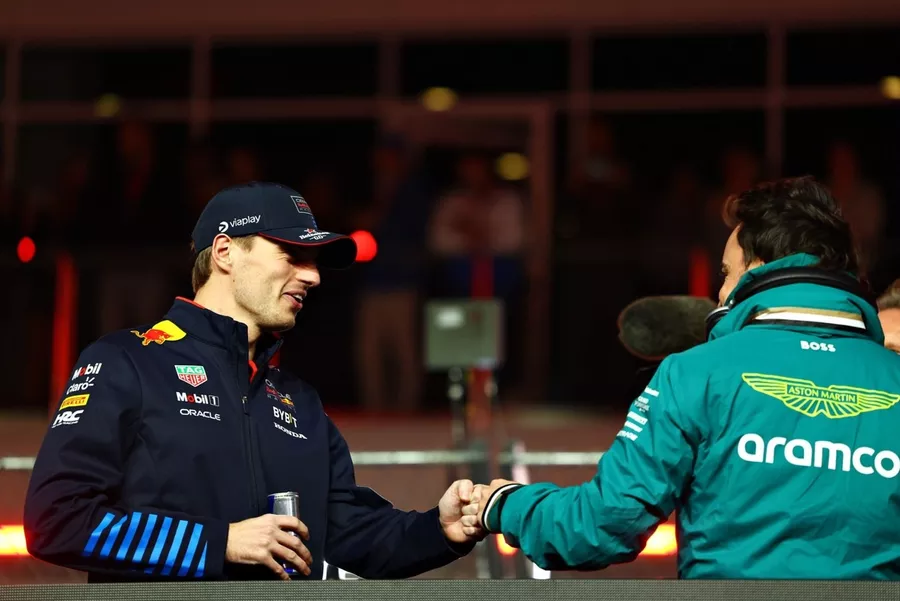
Christian Horner says Fernando Alonso wanted to join Max Verstappen at Red Bull, but internal opposition stopped the deal.
Christian Horner has revealed that Red Bull considered signing Fernando Alonso to partner Max Verstappen for the 2025 Formula 1 season. According to the former team principal, the Spanish driver was interested in the opportunity, but opposition from within the organization ultimately prevented the move.
The revelation appears in Horner’s forthcoming autobiography, Drive, and offers a new perspective on one of the most intriguing hypothetical driver line-ups in recent Formula 1 history. Horner says Helmut Marko opposed the idea, apparently representing the position of Verstappen’s management circle, although he insists that the Dutchman himself was not responsible for blocking the deal.
For Horner, the decision was a disappointment. He believed Alonso could have been a strong addition to Red Bull at a time when Sergio Pérez was struggling to reproduce his earlier performances.
Alonso Was Interested in Joining Verstappen at Red Bull
Red Bull began exploring alternatives for its second seat during the 2024 season as Pérez’s results deteriorated. Although the Mexican driver had previously helped the team secure important championship results, his declining form raised questions about whether he remained the right long-term partner for Verstappen.
Alonso emerged as a potential candidate. The two-time world champion was still demonstrating his competitiveness with Aston Martin, and his experience, racecraft and technical feedback made him an attractive option for a team seeking a stronger driver pairing.
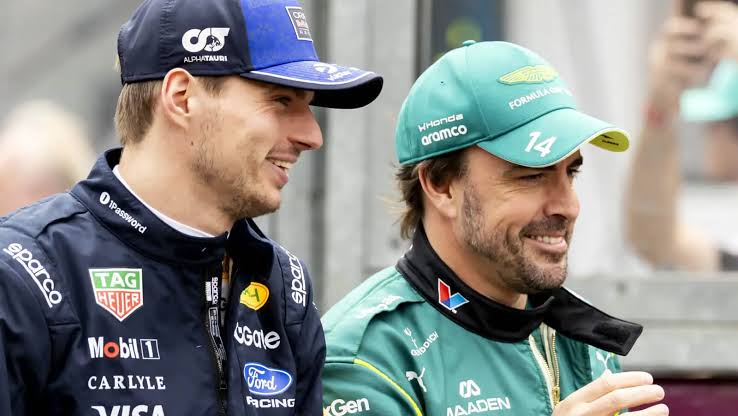
Alonso and Verstappen could have formed one of the most experienced and competitive driver pairings on the 2025 grid.
Horner says conversations took place during the Japanese Grand Prix in April 2024, before Alonso had announced his contract extension with Aston Martin.
“During the Japanese Grand Prix, Fernando even told me that he was really looking forward to driving alongside Max the following season,” Horner recalled.
The account suggests that the possibility went beyond speculation about a hypothetical partnership. According to Horner, Alonso personally expressed enthusiasm about the prospect of sharing a garage with Verstappen.
At the time, Red Bull needed to decide whether to retain Pérez or pursue another driver. Alonso would have offered a very different profile from the Mexican, bringing two world championships, extensive experience and a record of competing at the front with several teams.
However, the proposed partnership never progressed to a completed agreement.
Helmut Marko Opposed the Alonso Deal
According to Horner, Marko subsequently made it clear that the proposed signing was not welcomed by the relevant people within Red Bull.
“Afterward, Helmut, apparently on behalf of Verstappen’s management, made it clear that they were not happy with the idea,” Horner explained.
That account places Marko at the centre of the opposition, but it does not establish precisely who made the final decision. Horner also draws a distinction between the position he says was communicated to him and Verstappen’s own views.
“I immediately knew that order had not come from Max. But someone, at some point, had decided that it was not the right move for Red Bull. I was disappointed,” he said.
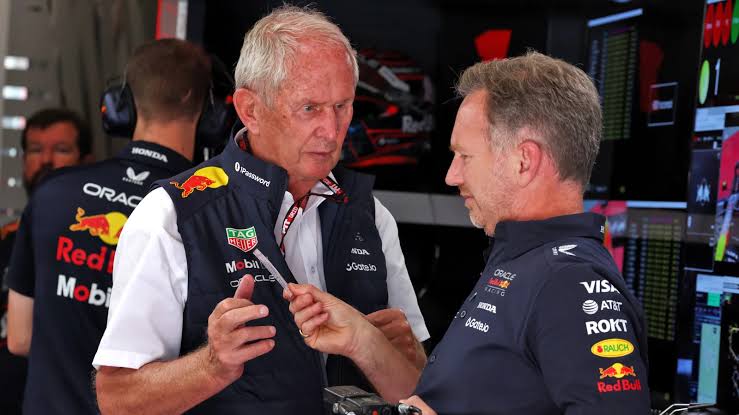
Horner’s account describes an internal disagreement over the driver line-up, with Marko reportedly opposing Alonso’s arrival.
Horner believed Verstappen was confident enough in his own abilities to compete against any teammate. From that perspective, bringing Alonso into the team would not necessarily have threatened the Dutchman’s position as Red Bull’s leading driver.
Nevertheless, the precise reasoning behind the reported opposition remains unclear. Horner’s account does not establish whether the decision was based on sporting considerations, management preferences or concerns about the dynamics of having two highly competitive champions in the same team.
Alonso’s future was settled shortly afterward. On April 11, 2024, Aston Martin announced that he would remain with the team, effectively ending the possibility of a Red Bull move for 2025.
Charles Leclerc Was Another Driver Horner Wanted
Alonso was not the only leading driver Horner considered as a potential teammate for Verstappen. Charles Leclerc, Ferrari’s Monegasque star, had also attracted the former Red Bull boss’s attention.
Horner recalled speaking with Nicolas Todt, Leclerc’s representative, during the 2023 Qatar Grand Prix. He believed the Ferrari driver could have been an excellent fit for Red Bull, citing his outright speed, competitive character and commitment.
“I thought he could be the perfect driver for us,” Horner recalled.
However, Horner says Marko also rejected that possibility.
“Shortly afterward, Helmut told me to forget about Charles as well. Just as with Fernando, it was not going to happen,” he explained.
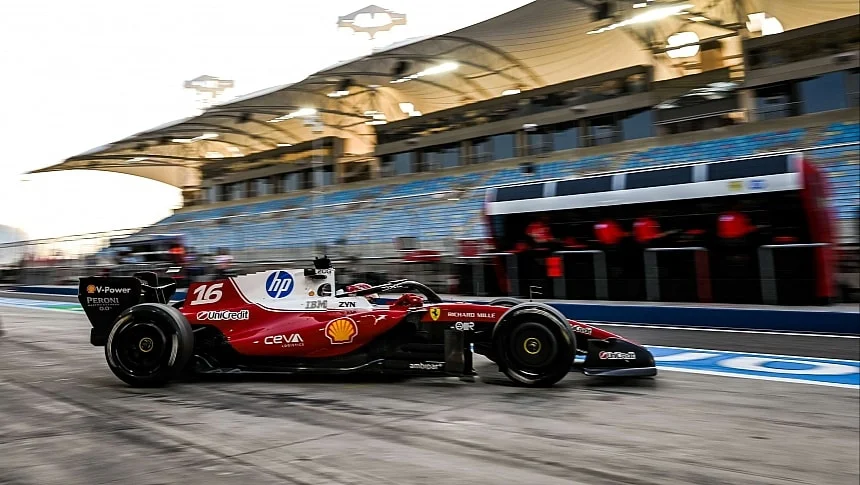
Leclerc was another driver Horner considered before Red Bull settled on its eventual line-up.
The revelations raise questions about how much influence internal disagreements had over Red Bull’s driver decisions. However, the available account does not fully establish who had the final authority over each potential signing or the complete reasoning behind the rejections.
What is clear from Horner’s recollection is that he wanted to consider alternatives beyond Pérez as the team evaluated its future.
Red Bull’s Subsequent Driver Changes Raised More Questions
Pérez received a contract extension during 2024, but his time at Red Bull ended after that season. Liam Lawson was selected for the 2025 campaign, only to be replaced by Yuki Tsunoda after the opening two Grands Prix.
The rapid change highlighted the difficulty Red Bull faced in finding a driver capable of delivering consistent results alongside Verstappen. Lawson had limited Formula 1 experience when he was promoted, and the pressure of the role proved considerable.
Horner admitted that he had reservations about the decision to promote the New Zealander.
“I was not comfortable. He was young and inexperienced, with only 11 F1 races behind him, and we were asking an enormous amount of him,” Horner recalled.
The search for alternatives continued beyond the immediate second-seat decision. Horner also held discussions with Carlos Sainz about a possible move for 2026, but that opportunity did not materialize. Horner was dismissed from his Red Bull role shortly after meeting the Spanish driver, according to his account.
These developments provide context for his disappointment over the Alonso and Leclerc possibilities. Both drivers had substantial experience and established records, but neither joined Verstappen at Red Bull.
What an Alonso-Verstappen Partnership Could Have Meant
A partnership between Alonso and Verstappen would have brought together two world champions with different racing backgrounds and highly competitive reputations. It would also have created a demanding challenge for Red Bull’s management, particularly in balancing strategy, development priorities and the expectations of two leading drivers.
Alonso’s experience could have helped Red Bull evaluate its car and technical direction, while Verstappen’s pace would have provided an immediate benchmark. At the same time, combining two drivers accustomed to competing for major results would have required careful management.
There is no way to know whether the pairing would have delivered more victories or created additional internal tension. Those outcomes would have depended on the car’s competitiveness, the relationship between the drivers and how the team handled difficult sporting decisions.
Horner’s account nevertheless offers a glimpse into an alternative path Red Bull considered during a period of uncertainty over its driver line-up.
The former team principal says he was disappointed that the move did not happen, but his explanation leaves one important question unanswered: who ultimately decided that Alonso should not join Verstappen?
For now, the proposed partnership remains one of Formula 1’s most compelling what-if scenarios. Red Bull chose a different route, and the subsequent changes to its second seat demonstrated how difficult it can be to find the right balance alongside a dominant lead driver.
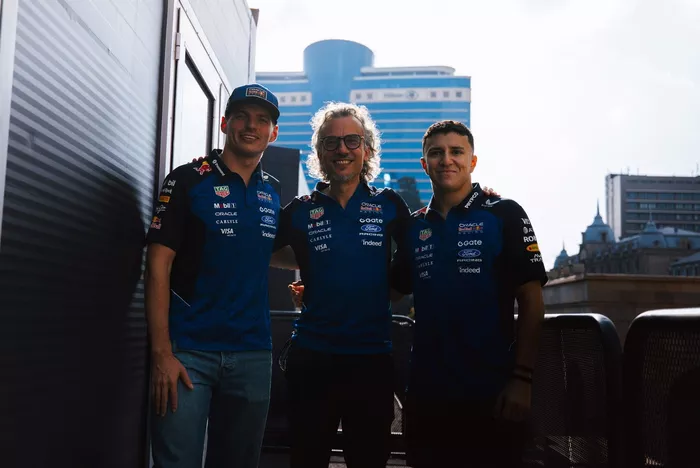
Red Bull has secured long-term leadership continuity after its recent Formula 1 resurgence.
Red Bull Racing has extended Laurent Mekies’ contract as CEO and team principal through the end of the 2031 season, confirming its commitment to the Frenchman following a significant turnaround in 2026. The decision comes after Max Verstappen secured consecutive victories in Malaysia and Singapore, restoring Red Bull’s ability to challenge for race wins.
The announcement reinforces the team’s long-term strategy after a period of considerable change. Mekies took charge in July 2025 following Christian Horner’s departure, inheriting a team facing sporting pressure and internal uncertainty. Now, with renewed momentum on track and key personnel secured for the future, Red Bull has made clear that Mekies will remain central to its next chapter.
Red Bull Rewards Mekies After a Difficult Transition
Mekies’ appointment in July 2025 marked the end of Horner’s two-decade leadership of Red Bull Racing. Before taking the top role at Milton Keynes, the Frenchman had led the sister team Racing Bulls and held senior positions at Ferrari and the FIA.
His arrival came during a challenging period for the organization. Red Bull had to manage a leadership transition while trying to recover its competitive form. Under Mekies, the team made substantial progress during the second half of 2025, with Verstappen finishing just two points short of the Drivers’ Championship.
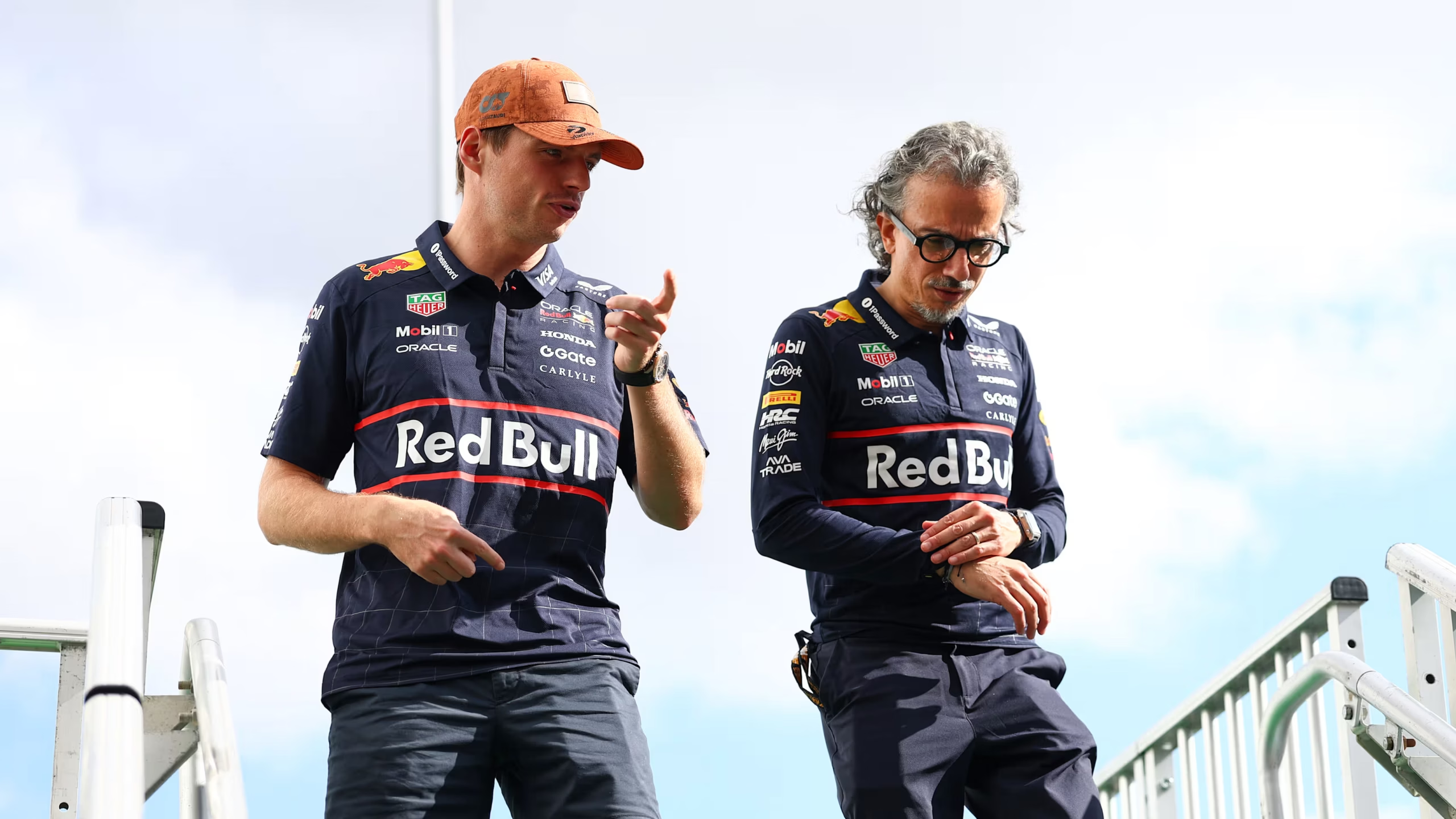
Red Bull has committed to Mekies through 2031 after he guided the team through a major leadership transition.
The start of 2026 brought another challenge: Red Bull entered a new technical era with its own power unit for the first time. The early part of the season did not meet the team’s expectations, but its performance improved as the campaign progressed.
Verstappen’s victory in Malaysia marked Red Bull’s first win of the season. A week later, the team delivered an even stronger performance in Singapore, winning both the Sprint and the Grand Prix. Those results demonstrated that Red Bull’s recovery had translated into victories rather than simply improved pace.
The contract extension reflects the organization’s confidence in Mekies’ leadership and its belief that continuity will help sustain that progress.
Red Bull Owners Back a Long-Term Vision
The decision was announced by shareholder Mark Mateschitz during a team debrief at the Milton Keynes headquarters following the victories in Malaysia and Singapore. Red Bull’s shareholders, Chalerm Yoovidhya and Mateschitz, highlighted the importance of teamwork and a stable environment for continued success.
They credited Mekies with guiding the organization through a significant transition while preserving the competitive culture associated with Red Bull Racing. Their message was clear: the extension is intended to support a long-term project, not simply reward a short run of positive results.
Oliver Mintzlaff, Red Bull’s CEO for corporate projects and investments, also emphasized the value of continuity. Mekies combines technical knowledge with strategic thinking
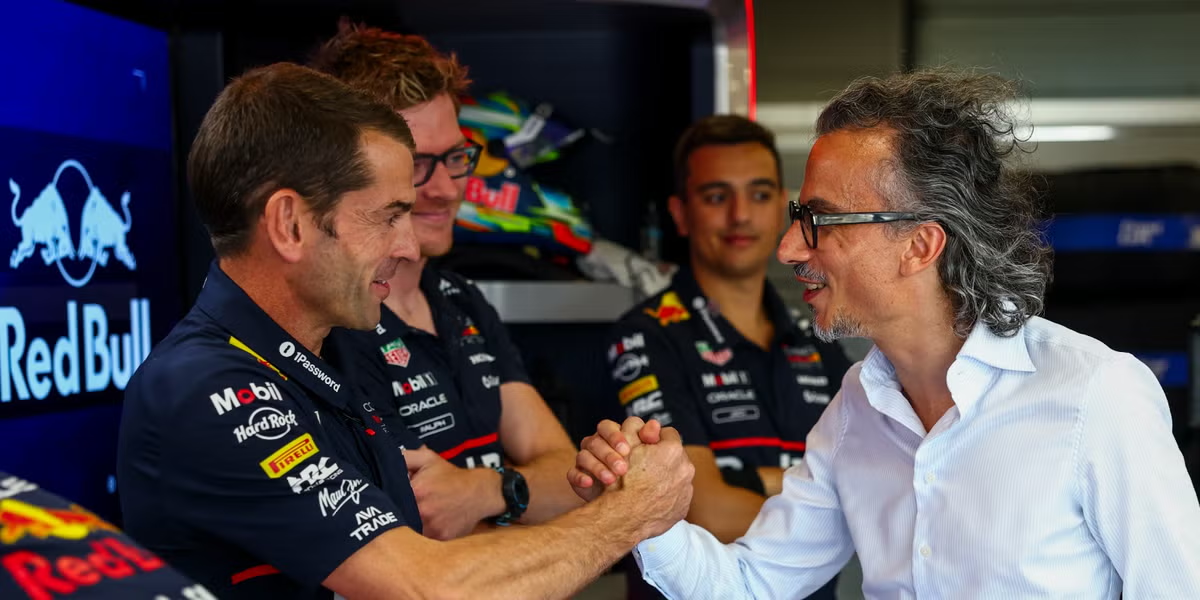
Red Bull’s leadership sees continuity at the top as an important part of its long-term Formula 1 ambitions.
The contract provides Mekies with a longer planning horizon as the team develops its car, power unit and technical organization. Formula 1 performance depends on decisions made over several seasons, from engineering recruitment and infrastructure investment to the development direction of future cars.
A stable leadership structure can help align those decisions, although results will ultimately depend on how effectively the organization converts its resources and technical capabilities into performance on track.
Verstappen and Hadjar Strengthen Red Bull’s Future
Mekies’ renewal is part of a broader effort to secure Red Bull’s key personnel. Verstappen has a contract through 2030, while Isack Hadjar has been confirmed to remain with the senior team for the 2027 season.
Verstappen remains the team’s central competitive reference. His recent victories in Malaysia and Singapore have provided an immediate demonstration of Red Bull’s progress, while his long-term commitment gives the organization continuity in its driver line-up.
Hadjar’s position is also important. The Frenchman has delivered encouraging performances alongside Verstappen in 2026, offering Red Bull a more stable pairing as it prepares for the coming seasons.
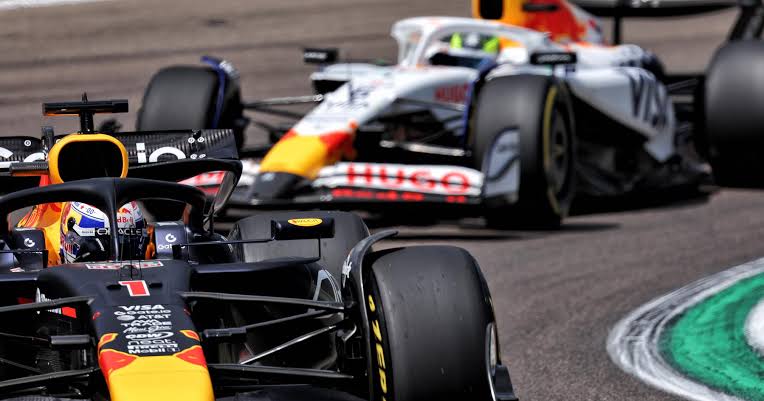
Red Bull is building its next phase around leadership continuity and a driver line-up featuring Verstappen and Hadjar.
Beyond the drivers, the team is relying on technical leaders to translate its ambitions into a competitive package. Pierre Waché’s aerodynamic and vehicle-development group and Ben Hodgkinson’s power-unit organization are central to that effort.
The power-unit project is particularly significant because 2026 marks Red Bull’s first season competing with its own power unit. Integrating engine development with chassis and aerodynamic work creates both a substantial technical challenge and an opportunity to align the car’s major systems more closely.
Mekies said he was proud to continue working with Red Bull and thanked the shareholders, the wider team and everyone involved in the project for their confidence. He also pointed to the contributions of Waché and Hodgkinson as central to the team’s future.
Red Bull Wants Its Recovery to Become a New Era
The victories in Malaysia and Singapore have changed the tone around Red Bull’s season, but the team still has work to do to establish sustained competitiveness. A strong run of races is encouraging, yet maintaining that level requires consistent development, reliable operations and the ability to respond to rivals’ improvements.
The extension through 2031 gives Mekies the time and authority to pursue that longer-term objective. It also signals that Red Bull wants to avoid another major leadership change while adapting to a new technical landscape.
Securing Verstappen, Hadjar and key technical personnel further supports that strategy. The combination gives Red Bull a clearer framework for planning future cars, developing its power unit and maintaining a consistent approach to race operations.
However, a long contract alone cannot guarantee championships. Red Bull must continue improving its performance, manage its technical program effectively and turn promising race weekends into regular results.
Mekies arrived at Milton Keynes to lead the team through a period of uncertainty. After helping restore its ability to win races, he now has a long-term mandate to build on that progress. Red Bull’s objective is no longer just to recover from a difficult transition, but to establish a competitive foundation that can last through the end of the decade.
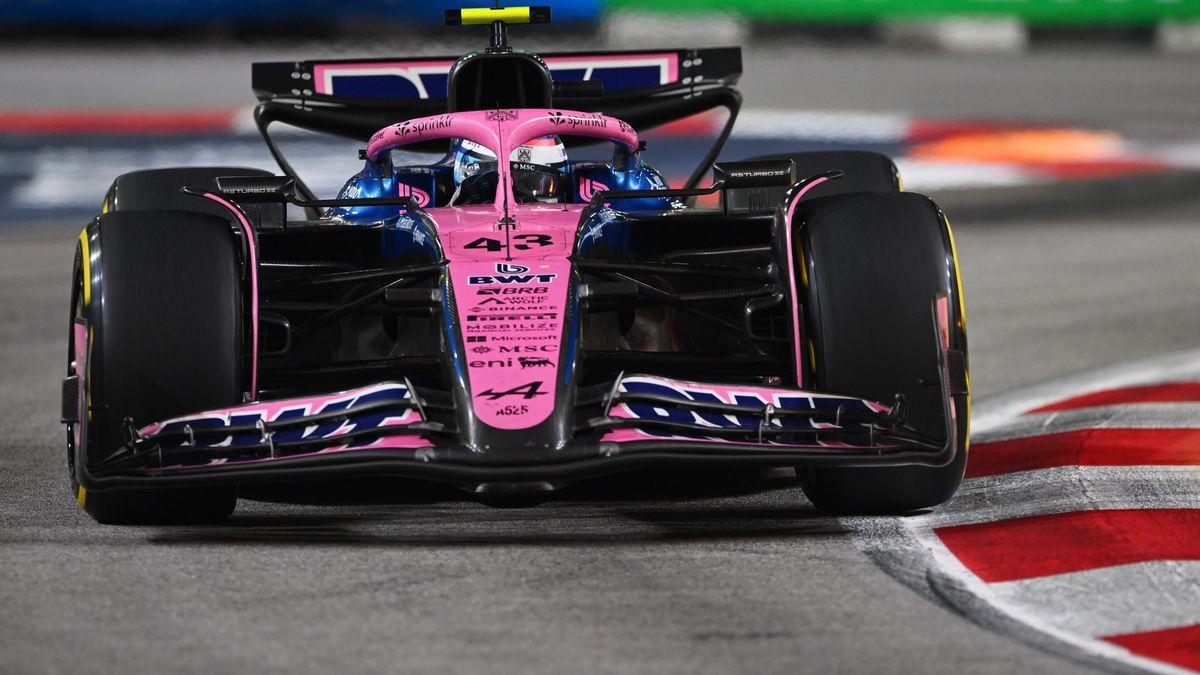
Franco Colapinto has urged fans to stop attacking fellow drivers and Alpine staff, warning that online abuse could harm his future in Formula 1.
Franco Colapinto has delivered a strong message to his supporters, asking them to stop directing abuse at other drivers, engineers, mechanics and members of Alpine. In a video published on social media, the Argentine driver explained that hostile behaviour carried out in his name does not help his career and could undermine the very future his fans want to protect.
The Alpine driver acknowledged the extraordinary support he has received since reaching Formula 1. However, he also made clear that there is a difference between defending a driver and attacking the people around him. His message was direct: passionate support should never become harassment.
Colapinto Says Online Attacks Are Hurting His Future
Colapinto addressed his followers personally, thanking them for standing behind him throughout his career while asking them to reconsider how they express that support.
“Sé que están pensando que me están defendiendo, pero están generando lo contrario. No me ayudan ni a mí ni a mi futuro”, he explained in the video.
The message highlights a concern that has increasingly surrounded the Argentine’s time in Formula 1. Although his fan base has become one of the most visible sources of support for an Argentine driver on the international motorsport stage, some online exchanges have crossed the line into personal attacks against rivals and members of his own team.
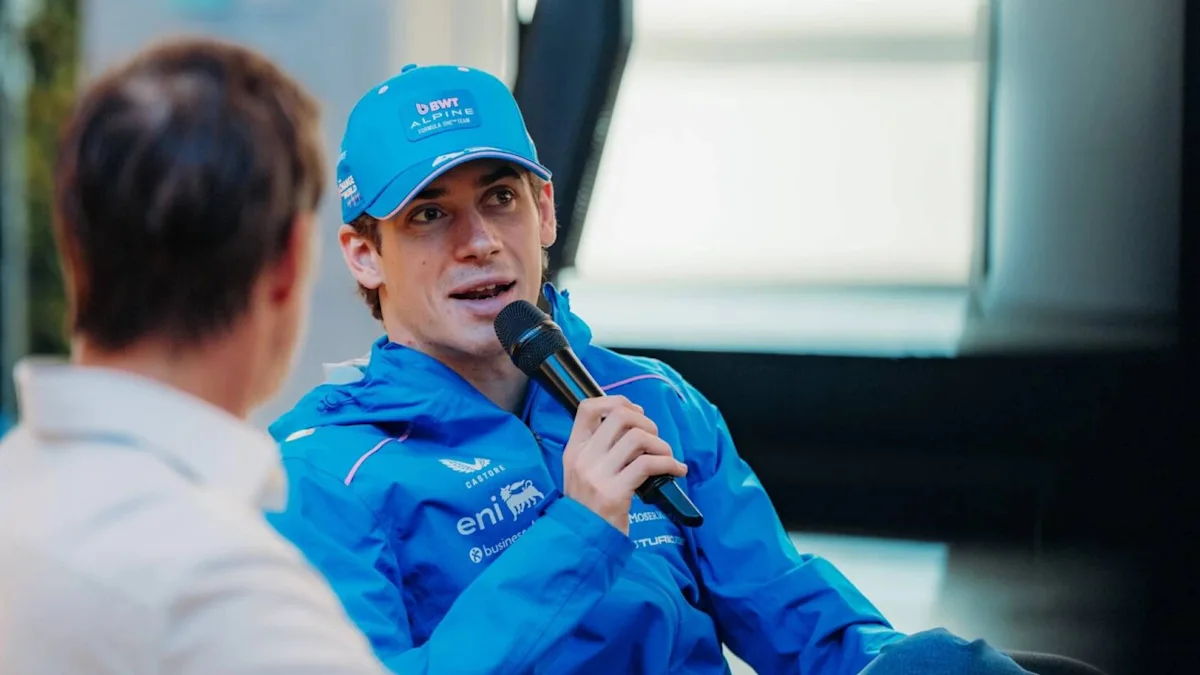
Colapinto has asked his supporters to channel their passion into constructive backing rather than online abuse.
The driver also acknowledged how much the fans mean to him, describing himself as grateful for their support from the beginning. He recognised the role their encouragement has played in motivating him to keep pursuing better performances and results.
However, he warned that attacking other people is not a way to help him progress.
“There are times when we go too far,” Colapinto explained, referring to criticism and attacks directed at other drivers, teammates, mechanics and engineers who work alongside him every day.
His appeal is particularly relevant in Formula 1, where a driver’s performance depends on the coordinated work of a large team. Engineers, mechanics and other personnel contribute to preparing the car, developing its performance and executing race weekends.
Alpine Has Faced Repeated Online Abuse Controversies
Colapinto’s intervention comes after several controversies involving online hostility surrounding Alpine and its drivers during the 2026 season.
The team has previously responded to allegations of deliberate mistreatment involving Colapinto and his teammate Pierre Gasly. Such claims have fuelled arguments among sections of the fan base, sometimes turning sporting disagreements into accusations against individual team members.
Tensions escalated after an incident at the Spanish Grand Prix, when Gasly reported receiving threats that also involved his family. Alpine’s leadership subsequently urged supporters to back Colapinto respectfully rather than direct hostility towards other people.
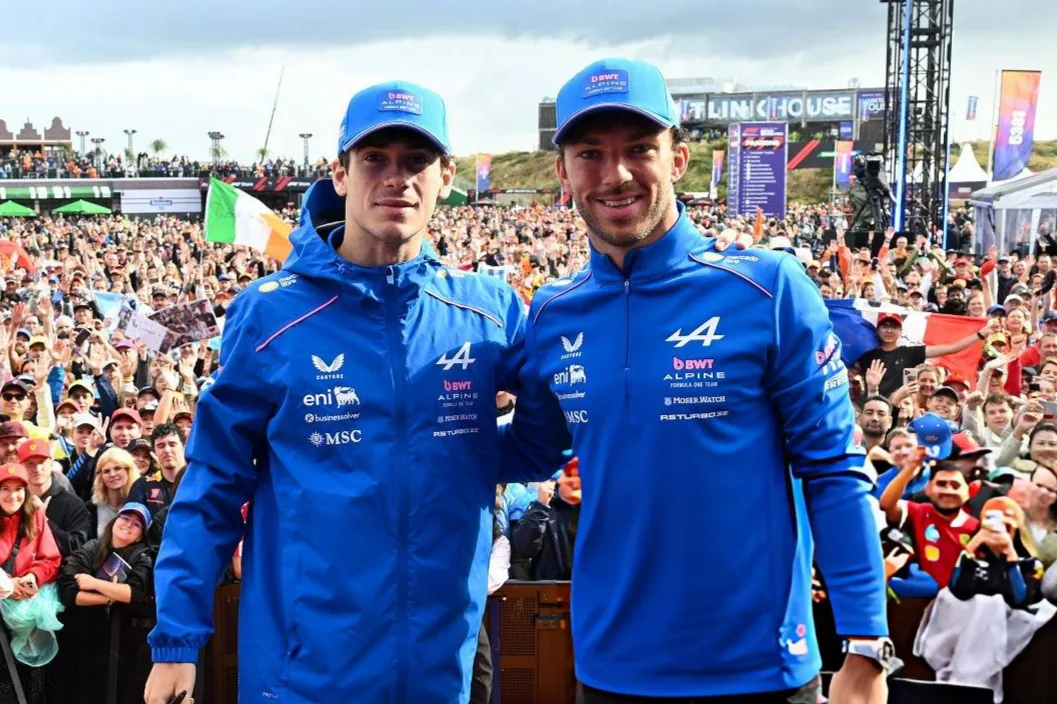
Colapinto’s message emphasizes that supporting him should not come at the expense of his teammate or the Alpine personnel working with both drivers.
Further criticism followed incidents on track and difficult race weekends, including renewed accusations on social media about the team’s treatment of the Argentine. Alpine has stressed that sporting disagreements and disappointing results do not justify threats or abusive behaviour.
Colapinto’s latest statement reinforces that position from the driver’s perspective. Rather than allowing the controversy to grow, he has asked his followers to help change the atmosphere surrounding the team.
The message does not ask fans to stop supporting him or to ignore legitimate sporting criticism. Instead, it draws a distinction between questioning performance and targeting individuals with personal abuse.
Why Colapinto Is Taking a Break From Social Media
The Argentine also explained that he had decided to reduce his presence on social media to concentrate on his career and his work with Alpine.
He said he wanted to focus on his dream, his sporting development and the team’s objectives, rather than becoming distracted by the constant debate surrounding his performances.
That decision does not mean he wants to distance himself from his supporters. Colapinto specifically asked them to continue backing both him and Alpine, insisting that the team can achieve important results by working together.
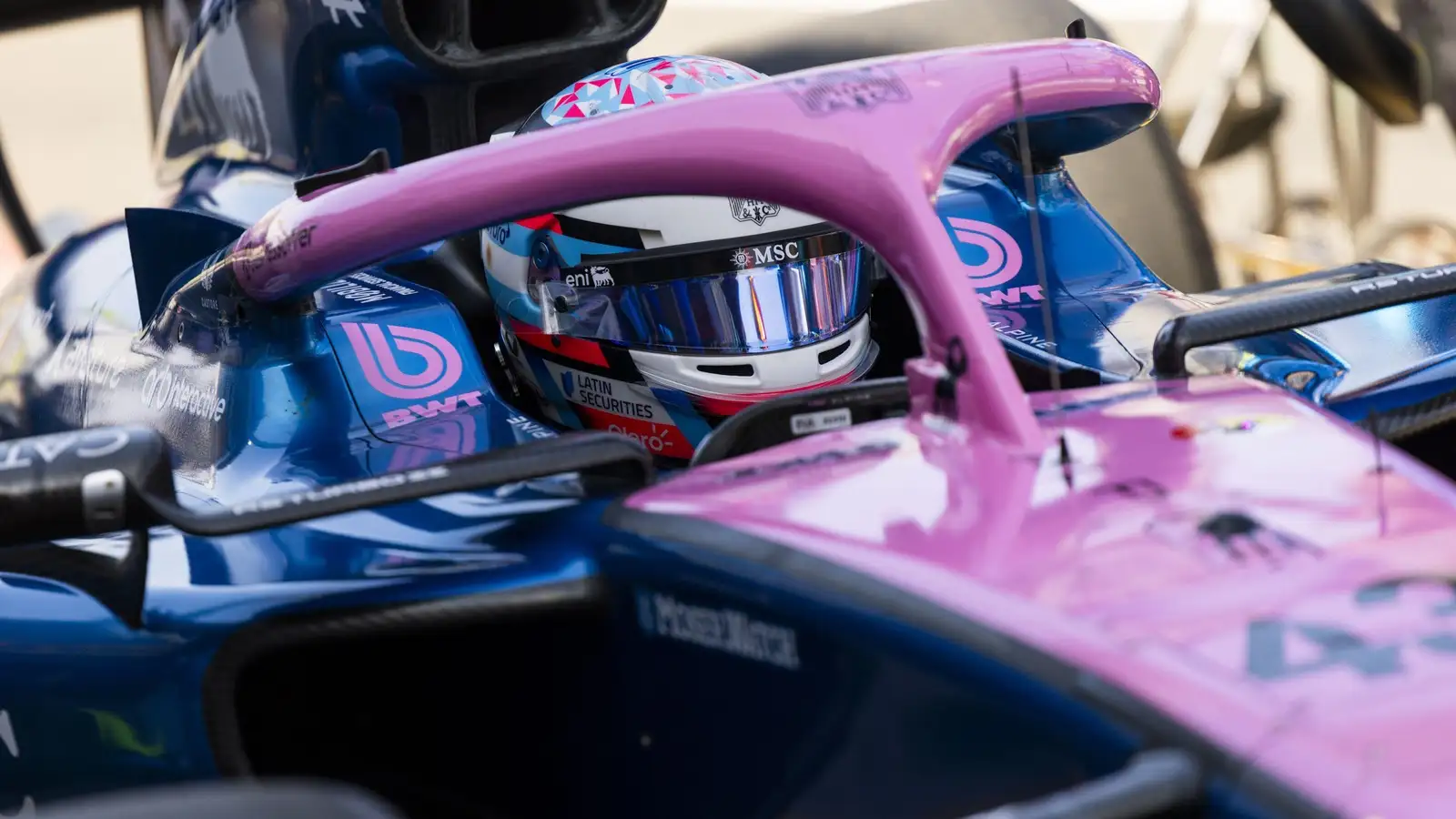
Colapinto wants to concentrate on his performance and team objectives while maintaining a positive relationship with his supporters.
The distinction is important for a driver operating under intense public scrutiny. Social media can help athletes connect directly with fans, but it can also amplify rumours, hostility and personal criticism during difficult periods.
By stepping back, Colapinto appears intent on keeping his attention on the areas he can control: preparation, performance and collaboration with the team.
He also called for a collective effort to change the behaviour that has affected the atmosphere around Alpine. His message was not simply a request for restraint; it was an appeal for supporters to understand how their actions can affect the people they claim to defend.
Colapinto Wants Fans to Support Alpine as a Team
Colapinto closed his message by asking fans to stand behind him and Alpine in both good and bad moments. He expressed confidence that the team could achieve strong results if everyone remained united.
He also looked ahead to upcoming races in the Americas, where he hoped to reconnect with supporters closer to home.
The broader message is clear: Colapinto does not want to lose the passionate backing that helped him reach Formula 1. He wants that support to remain a positive force rather than become a source of conflict with his colleagues.
For a driver whose future depends on performance, teamwork and relationships within the paddock, the distinction matters. Attacks against teammates, engineers and mechanics cannot improve his results, and they risk damaging the environment in which he needs to work.
Colapinto has now made his position explicit. Fans can defend him, celebrate his achievements and demand better performances without harassing others. His request is for that support to strengthen his Formula 1 career, not create another obstacle along the way.
-

 NOW TRENDING2 months ago
Tesla Cybercab Gets September 3 Austin Launch Date
-
 INTELLIGENT MOBILITY2 months ago
GM Super Cruise: How It Works and What Comes Next in 2028
-

 TEST DRIVES1 month ago
2026 Toyota GR Supra MkV Final Edition
-

 TEST DRIVES2 months ago
2025 Ford Bronco Sport Badlands: The Adventure SUV You Can Drive Every Day
-
 NOW TRENDING2 months ago
2027 Toyota Corolla Celebrates 60 Years With Special Edition
-

 NOW TRENDING2 months ago
Aston Martin Valen: The Most Powerful Front-Engined Supercar
-
 RACING2 months ago
FIA Reveals Second ADUO Results With Red Bull-Ford Still on Top
-

 NOW TRENDING2 months ago
2027 Jeep Wrangler Smoky Mountain Edition Debuts With 4×4
You must be logged in to post a comment Login