
INTELLIGENT MOBILITY
U.S. EV Charging Network Grows Despite Falling Electric Car Sales

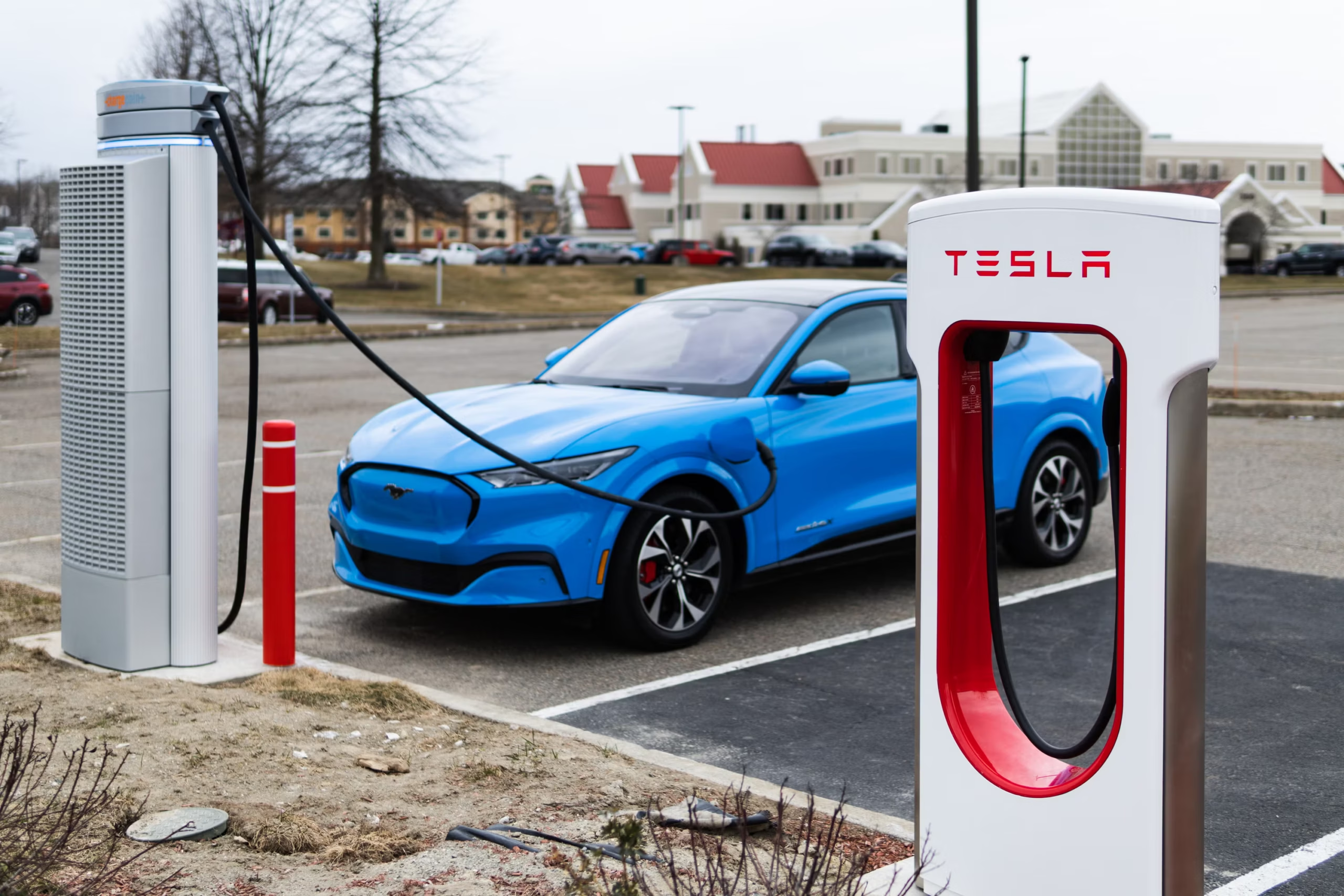
America’s EV market is slowing, but public charging infrastructure continues to expand with more plugs, faster charging and improved reliability.
The U.S. electric vehicle market is facing a difficult period, but its charging infrastructure is moving in the opposite direction. Even as EV sales decline, charging companies continue to add public stations, install more plugs and improve the experience for drivers. The expansion could help existing EV owners today while preparing the country for a possible recovery in electric car demand.
EV Sales Fall as Charging Infrastructure Expands
Electric vehicle demand in the United States has weakened following the removal of federal tax incentives and changes to policies supporting electrification. EVs accounted for around 12% of the new-car market at their peak in the third quarter of 2025, but their share has hovered around 6% during 2026.
Despite that slowdown, charging providers are continuing to expand their networks. By early October, the industry had added nearly 2,000 public charging stations and more than 12,000 plugs during the year. The pace puts the sector on track to approach the record number of public plugs installed in 2025.

Public charging infrastructure continues to expand despite weaker electric vehicle sales.
The contrast highlights a significant shift in the market. Automakers are reassessing some electric vehicle plans, while charging companies continue investing in infrastructure that could support future demand.
Faster Chargers and Better Locations Improve the Experience
The expansion is not just about adding more charging points. Providers are also installing stations with more plugs, higher charging speeds and locations that offer useful amenities nearby.
These improvements address common frustrations experienced by EV drivers, including waiting for an available charger, dealing with unreliable equipment and stopping at locations with limited facilities. More charging points at each site can also help reduce congestion during busy travel periods.

Higher-power chargers and additional plugs can make electric road trips more convenient.
Tesla remains a major player in the U.S. charging market, while companies such as ChargePoint and EVgo are also investing in network expansion. Their challenge is to make charging more convenient while building sustainable businesses. Infrastructure growth alone does not guarantee profitability, particularly when installation, maintenance and operating costs remain substantial.
The Charging Build-Out Could Help Used EV Buyers
A stronger public charging network could benefit drivers who already own electric vehicles, as well as people considering a used EV. Better access to charging can make daily driving and longer trips more practical, particularly for households without convenient home charging.
The infrastructure expansion also addresses a longstanding challenge for EV adoption: drivers may hesitate to buy an electric car if they are uncertain about finding a reliable charger. A broader network can help reduce that concern, although charging access remains uneven across the country.
Much of the recent expansion has been concentrated in coastal states, where EV adoption and charging demand are relatively established. However, infrastructure deployment is also accelerating in states such as Texas and Florida.

Convenient charging locations can make EV ownership more practical for a wider range of drivers.
For used EV shoppers, a more accessible charging network may help make electric ownership a more realistic option. The benefit will depend on local coverage, charger reliability, charging prices and whether the available equipment is compatible with a particular vehicle.
Can Charging Infrastructure Outlast the EV Slowdown?
The central question is whether charging companies are building capacity for a future recovery in demand or risking investment ahead of a market that may take longer to rebound.
Industry executives remain optimistic that more affordable electric vehicles could attract new buyers. Higher gasoline prices could also improve the appeal of EVs, although consumer demand will depend on several factors, including vehicle prices, financing costs, public policy and charging convenience.
For now, the charging industry is continuing to expand even as the wider EV market faces headwinds. More stations, additional plugs and improved equipment represent tangible progress for drivers, regardless of how quickly new-car sales recover.
The long-term outcome remains uncertain. However, if electric vehicle demand strengthens again, a larger and more reliable charging network could help the U.S. market accommodate that growth. If the recovery takes longer than expected, charging providers will need to ensure that their investments can be supported by actual usage and sustainable business models.











-

 NOW TRENDING2 months ago
Aston Martin DBX Becomes Harry Da Souza’s Ride in MobLand
-

 TEST DRIVES2 months ago
2026 Maserati GranTurismo Trofeo Review: Miami
-
 INTELLIGENT MOBILITY2 months ago
Tesla Cybercab Navigation Problem Hits Austin Robotaxis
-
 INTELLIGENT MOBILITY2 months ago
2027 Nissan Rogue Hybrid: e-POWER Comes to America
-

 TEST DRIVES2 months ago
2026 Maserati GranTurismo Coupe
-

 Formula12 months ago
Cadillac F1 2026 Faces an Eight-Race Logistics Challenge
-

 NOW TRENDING2 months ago
Land Rover Defender Recall 2026: 23,677 JLR SUVs Affected
-
 NOW TRENDING2 months ago
Every 2026 Chevrolet With AWD or 4WD