
The large German minivan offers luxury, space, and all-wheel drive. It combines industrial modularity with the most advanced PHEV technology.
The Volkswagen Multivan e-Hybrid redefines the concept of a family vehicle. This model is a direct alternative to the ubiquity of SUVs. In fact, it offers seven spacious seats and the coveted DGT Zero Emission Label. We are talking about the long-chassis version. It mounts a 1.5 e-Hybrid engine and 4Motion all-wheel drive. Furthermore, it combines the comfort of a minivan with modern performance. Therefore, it is the perfect vehicle for large urban families.
Hybrid Power and Mandatory 4Motion Traction
The plug-in hybrid mechanism constitutes a great advantage. Curiously, the 4Motion all-wheel drive is mandatory with the PHEV version. However, this choice is not a mistake. Precisely, the system develops a combined output of 245 HP. This power comes from three different motors. A 177 HP gasoline engine works with two electric motors. Thus, one of them, the rear one, activates the efficient four-wheel drive.
The Multivan in its long version measures 5.17 meters in length. These large dimensions guarantee abundant interior space. For this reason, comfort takes precedence over other technological elements. The driver benefits from an elevated driving position. Visibility is notable from all angles. In addition, all seats are individual and the same size. The rear seats move lengthwise or can even be removed to facilitate the transport of bulky items.

Surprising Agility and Adequate Range
The first thing one perceives is its remarkable agility, which is somewhat surprising. Despite its 2,455 kilos, the six-speed DSG aids its excellent dynamism. Similarly, the 4Motion traction reinforces safety. This is crucial on poorly maintained roads or in bad weather. On the other hand, consumption is excellent with the battery charged. However, the real electric range is around 60 km. This figure is somewhat limited for exclusive city use.
The only available version is the standard Style trim. This equipment is generous, including Digital Cockpit Pro and an infotainment screen. Nevertheless, this exclusivity comes with a considerable price tag. The Multivan e-Hybrid 4Motion starts at 83,005 euros. Once discounts are applied, the final price is around 75,000 euros. In summary, it is a premium and spacious alternative. It targets those who shun the SUV trend at all costs.













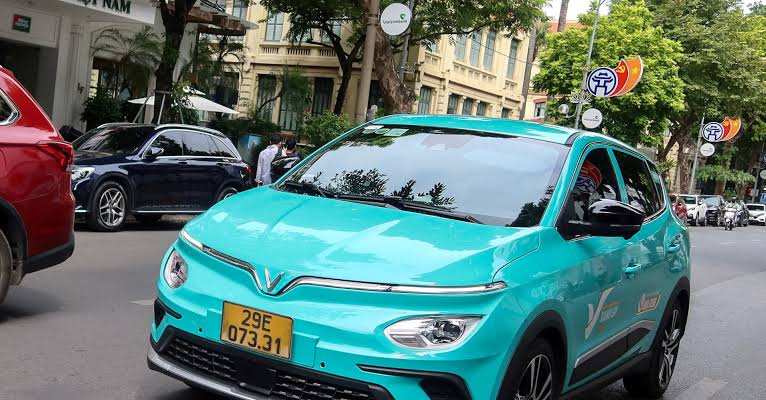
Green and Smart Mobility enters the U.S. market with an all-electric taxi and ride-hailing service.
GSM Expands Into the United States
Los Angeles is GSM’s first U.S. market and its ninth country of operation. Before entering the United States, the company operated in Vietnam, Laos, Indonesia, the Philippines, India, Kazakhstan, Denmark and the Netherlands.
The launch gives GSM a presence in North America as it pursues a broader international expansion strategy. Its all-electric fleet also connects the company’s growth to the development of electric mobility services, particularly in major cities where taxis and ride-hailing vehicles can accumulate substantial daily mileage.

GSM is expanding its all-electric mobility business into the United States with its launch in Los Angeles.
The scale of the company’s U.S. operation, including its initial fleet size, service coverage and passenger pricing, will be important factors in determining how quickly it can establish a presence in the local market.
VinFast Connection and Electric Vehicle Strategy
GSM is closely linked to VinFast, the Vietnamese electric vehicle manufacturer. The taxi operator has previously said it intends to purchase up to one million VinFast electric vehicles between 2026 and 2030, a target that would make fleet demand a significant part of its relationship with the automaker.
The planned purchases could support VinFast by creating a large potential source of demand for its vehicles. For GSM, meanwhile, using electric vehicles across its mobility operations aligns its fleet strategy with its focus on all-electric transportation.

VinFast is the vehicle supplier connected to GSM’s plans for expanding its electric mobility fleet.
However, the stated purchase target is a multi-year intention rather than confirmation that all the vehicles have already been ordered or delivered. The pace of deployment will depend on the company’s expansion plans and the operational requirements of each market.
GSM’s International Expansion Plans
The Los Angeles launch forms part of a wider international growth strategy. GSM has previously outlined plans to deploy fleets in the United States and Sweden, as well as expand its presence in the Netherlands. The company has also indicated that it wants to enter additional European markets in 2027.
Its U.S. entry is therefore one part of a larger effort to build an international electric mobility business. Expanding across multiple markets could increase the company’s operating scale, although each country presents different regulatory requirements, competitive conditions and customer expectations.

GSM is seeking to expand its electric taxi operations beyond its established Asian and European markets.
The company’s financial scale is another area of interest as it prepares for a potential Hong Kong stock market listing. GSM has been preparing for a possible pre-IPO phase, while previous valuation discussions have placed the business at approximately $20 billion, based on advice reportedly received by the company.
Vietnamese brokerage VNDirect estimated that GSM generated approximately $1 billion in gross merchandise value in 2025. Gross merchandise value represents the total value of transactions facilitated through a business and should not be confused with revenue or profit. GSM does not publicly disclose detailed financial results.
What the Los Angeles Launch Means for GSM
GSM’s entry into Los Angeles establishes its first North American operation and expands its international footprint to nine markets. The company’s strategy combines electric vehicle deployment, ride-hailing services and an existing relationship with VinFast.
The next indicators to watch will include fleet expansion, geographic coverage, passenger demand and the company’s ability to compete with established ride-hailing operators. Its potential listing in Hong Kong could also become an important milestone as it seeks to finance and scale its international business.
For now, the Los Angeles launch marks a significant geographic expansion for GSM. Its longer-term success will depend on how effectively it translates its experience in other markets into a competitive U.S. operation.
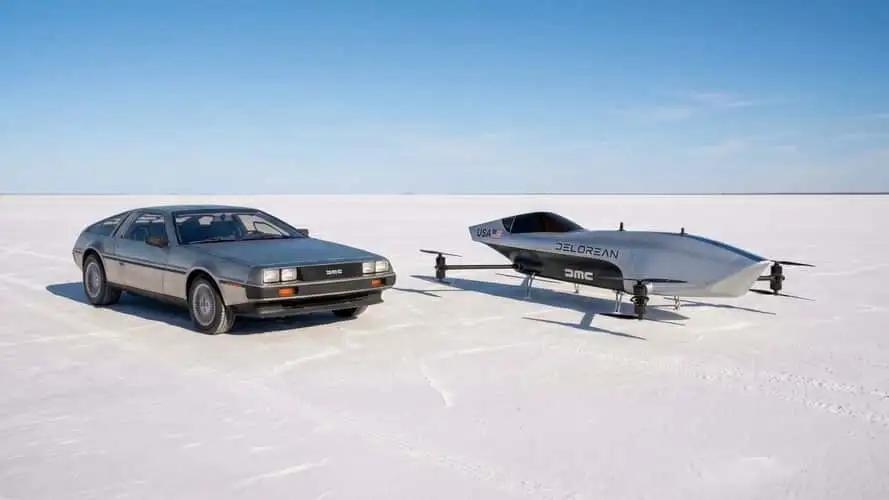
DeLorean will represent the United States in the Airspeeder electric aircraft racing series.
DeLorean Motor Company is entering electric aircraft racing as the constructor behind the U.S. team in the Airspeeder International Series. The program begins in November 2026, with DeLorean initially competing using a standardized electric racing aircraft before developing its own design for the 2027-28 season.
DeLorean Joins the Airspeeder International Series
DeLorean announced its entry at TechCrunch Disrupt 2026, marking a new direction for a brand best known for its iconic stainless-steel sports car. Rather than launching another conventional road vehicle, the company is joining a racing championship built around electric vertical takeoff and landing aircraft, known as eVTOLs.
The DeLorean Airspeeder Team will represent the United States when the 2026-27 season begins in November. It will compete against national teams from other countries in a series designed to explore the possibilities of high-performance electric flight.
Airspeeder races use three-dimensional courses marked by virtual gates instead of conventional painted track boundaries. Pilots navigate these courses using onboard sensors and collision-avoidance technology designed to help manage the risks of high-speed competition.
The championship was created by Australian entrepreneur Matt Pearson, who sees racing as a way to develop and demonstrate emerging electric aviation technology. For DeLorean, the partnership also offers an opportunity to expand its brand into a new category of motorsport.

The Airspeeder International Series brings electric vertical takeoff and landing aircraft into competitive racing.
DeLorean Will Race the Standardized Mk3C First
For its debut season, the DeLorean Airspeeder Team will compete with the standardized Airspeeder Mk3C. The aircraft uses the series’ established technical platform, allowing DeLorean to enter the championship without immediately developing a completely new racing machine.
During this initial phase, DeLorean’s primary responsibility will be the team’s branding and visual identity rather than the core engineering of the aircraft. This arrangement gives the company time to learn from competition before moving toward a more independent technical program.
The standardized approach also provides a common starting point for the championship’s competitors. It allows the series to focus on racing while giving participating constructors an opportunity to develop their own designs in subsequent seasons.
The pilot lineup, detailed aircraft specifications and complete sporting program for DeLorean’s debut remain to be announced.
DeLorean Plans Its Own Electric Racing Aircraft for 2027-28
The longer-term ambition is to move beyond the standardized aircraft. Starting with the 2027-28 season, DeLorean plans to develop its own racing aircraft in collaboration with engineering students from the University of California, Berkeley, and Georgia Institute of Technology.
The academic partnerships are expected to contribute engineering knowledge and design analysis to the development process. However, the final aircraft configuration, performance targets and technical specifications have not yet been disclosed.

DeLorean plans to develop a dedicated racing aircraft after its first season using the standardized Mk3C.
The project could give DeLorean a more substantial role in electric aviation by moving from team branding toward aircraft development. That transition will depend on engineering progress, testing, regulatory requirements and the series’ technical framework.
DeLorean has also highlighted the importance of safety standards and regulatory compliance. Chief brand officer Cameron Wynne described the program as an opportunity to contribute to the frameworks needed for advanced air mobility, alongside the development of flight technology.
Why DeLorean Is Expanding Beyond Road Cars
The Airspeeder partnership reflects an effort to broaden DeLorean’s identity beyond its best-known vehicle. The original DeLorean sports car became a cultural icon, while the company’s more recent reinvention has sought to establish a wider presence in modern automotive and mobility technology.
Electric aircraft racing provides a different platform for that ambition. It connects the brand with electric propulsion, advanced engineering and a motorsport audience interested in emerging forms of transportation.
The partnership does not, however, establish that DeLorean is developing a consumer flying car. The announced program concerns competitive electric aircraft, and the company has not confirmed plans to sell a road-and-air vehicle to the public.

The new racing program gives DeLorean a presence in electric aviation without confirming a consumer flying-car project.

Cadillac’s F1 car sends real-time performance data to engineers across two continents.
Cadillac’s Formula 1 team relies on an advanced data network to monitor its race car, analyze performance and help engineers make decisions during a Grand Prix. The system connects the trackside operation with technical teams in Silverstone, England, and Charlotte, North Carolina.
Cadillac’s F1 Car Is a Supercomputer on Wheels
A modern Formula 1 car collects enormous amounts of information while running on track. Cadillac’s MAC-26 is equipped with sensors and electronic systems that monitor vehicle performance, providing engineers with detailed information about how individual components behave.
According to General Motors, the car could contain more than 10 miles of wiring. That network connects systems responsible for measuring everything from power output and tire pressures to airflow around the vehicle.
The sensors capture changes in the car’s behavior with millisecond-level precision, allowing engineers to examine performance in detail. Even small variations can provide useful information when the team is searching for improvements in speed, efficiency and consistency.

Cadillac’s F1 car uses extensive electronic systems to monitor performance on track.
The information is not limited to the engineers working at the circuit. Data is also shared with specialists at Cadillac’s engineering facilities, connecting the trackside operation with teams working thousands of miles away.
How Cadillac Sends Race Data Around the World
The data network links the race car with engineers at the circuit and technical teams in Silverstone and Charlotte. This allows specialists to analyze information from different locations and contribute to the team’s understanding of the car’s performance.
Engineers use the incoming data to identify patterns, investigate technical issues and assess whether changes could improve the car. Their work supports decisions made during a race as well as preparations for future events.
Engineers analyze live telemetry to understand how the car performs under racing conditions.
The system also supports collaboration between departments. While trackside engineers focus on immediate performance and race operations, specialists elsewhere can examine the data and help investigate problems that require deeper analysis.
This connection is especially important in Formula 1, where teams must process complex information under tight deadlines. The ability to distribute data quickly helps engineers coordinate their work and prepare for changing conditions.
Data Helps Cadillac Prepare for Every Race
The information collected on track also contributes to Cadillac’s simulator programme in Charlotte. General Motors says the team uses a highly accurate driver-in-the-loop simulator to practice and prepare for upcoming races.
A driver-in-the-loop simulator combines a virtual racing environment with a physical driving interface, allowing a driver to experience simulated circuit conditions while engineers evaluate the car’s behavior. Data from the real car can help inform this preparation, although the precise information and workflows used by Cadillac have not been publicly detailed.

Simulator work allows Cadillac’s engineers and drivers to prepare for future race weekends.
This process helps the team study different scenarios before arriving at a circuit. Engineers can evaluate setup options, understand vehicle behavior and support the driver’s preparation without using valuable track time.
The work also places significant responsibility on the technical staff. Ryan Tincher, GM Motorsports’ IT operations manager, has described the pressure involved in maintaining the systems that support the team’s performance.
For Cadillac, data collection is only one part of the challenge. The team must also transmit, interpret and apply that information effectively. In a sport where small performance differences can influence results, reliable communication between the car and engineers around the world is an essential part of the operation.
-
 NOW TRENDING2 months ago
Tesla Cybercab Gets September 3 Austin Launch Date
-

 TEST DRIVES2 months ago
2025 Ford Bronco Sport Badlands: The Adventure SUV You Can Drive Every Day
-
 INTELLIGENT MOBILITY2 months ago
GM Super Cruise: How It Works and What Comes Next in 2028
-

 TEST DRIVES2 months ago
2026 Toyota GR Supra MkV Final Edition
-
 NOW TRENDING2 months ago
2027 Toyota Corolla Celebrates 60 Years With Special Edition
-
 NOW TRENDING2 months ago
Aston Martin Valen: The Most Powerful Front-Engined Supercar
-

 NOW TRENDING2 months ago
2027 Jeep Wrangler Smoky Mountain Edition Debuts With 4×4
-

 NOW TRENDING1 month ago
Tesla Cybercab Puts U.S. Regulations to the Test
Pingback: My Homepage
Pingback: บาคาร่าเกาหลี
Pingback: สล็อตเกาหลี
Pingback: qkawine.com
Pingback: เว็บตรงฝากถอนง่าย
Pingback: โบลเวอร์ kruger
Pingback: นำเข้าพัดลม มอเตอร์
Pingback: essentials