
A special test brought together four iconic vehicles. These models represent the 60s, 70s, 80s, and 90s decades. The growing interest in classic cars stems from the search for old-school driving sensations
The Authi Mini 1000 represents the 60s decade. This particular example is from October 1971. It was assembled in Landaben, Navarra, making it a ‘made in Spain’ model. Following chronological order, the original Renault 5 represents the 70s. Renault unveiled it in 1971 and launched it in 1972. Spanish production of the Renault 5 took place in Villamuriel de Cerrato (Palencia) and Valladolid. The test example is a Supercar recovered by Renault, dating from 1985. This car barely accumulates 1,700 km on the odometer.
The Sports Cars of the Eighties and Nineties
Moving to the 80s, the Volkswagen Golf GTI was one of the most desired compact sports cars. Specifically, this is the iconic second generation of the model. This car invented and named a category. The tested Golf is a GTI Collection. It was one of the last second-generation units sold in Spain. Its sales date was December 1991. Finally, the Mazda MX-5 NA stars in the 90s. This lightweight sports car stands out for being simple and fun. It is the best-selling roadster of all time. The example is from 1990 and features striking original accessories, such as the rear spoiler.

Driving Sensations
All four models have a small size and weight for today’s standards. Furthermore, all these icons have direct successors in the current market. The team took the opportunity to drive away from the city. They looked for secondary roads; these routes awaken many memories. As always happens with classics, they all create a special bond.




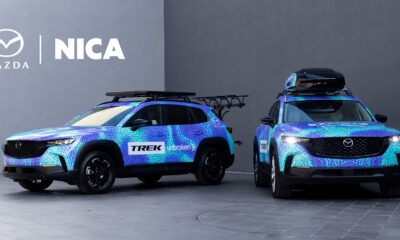





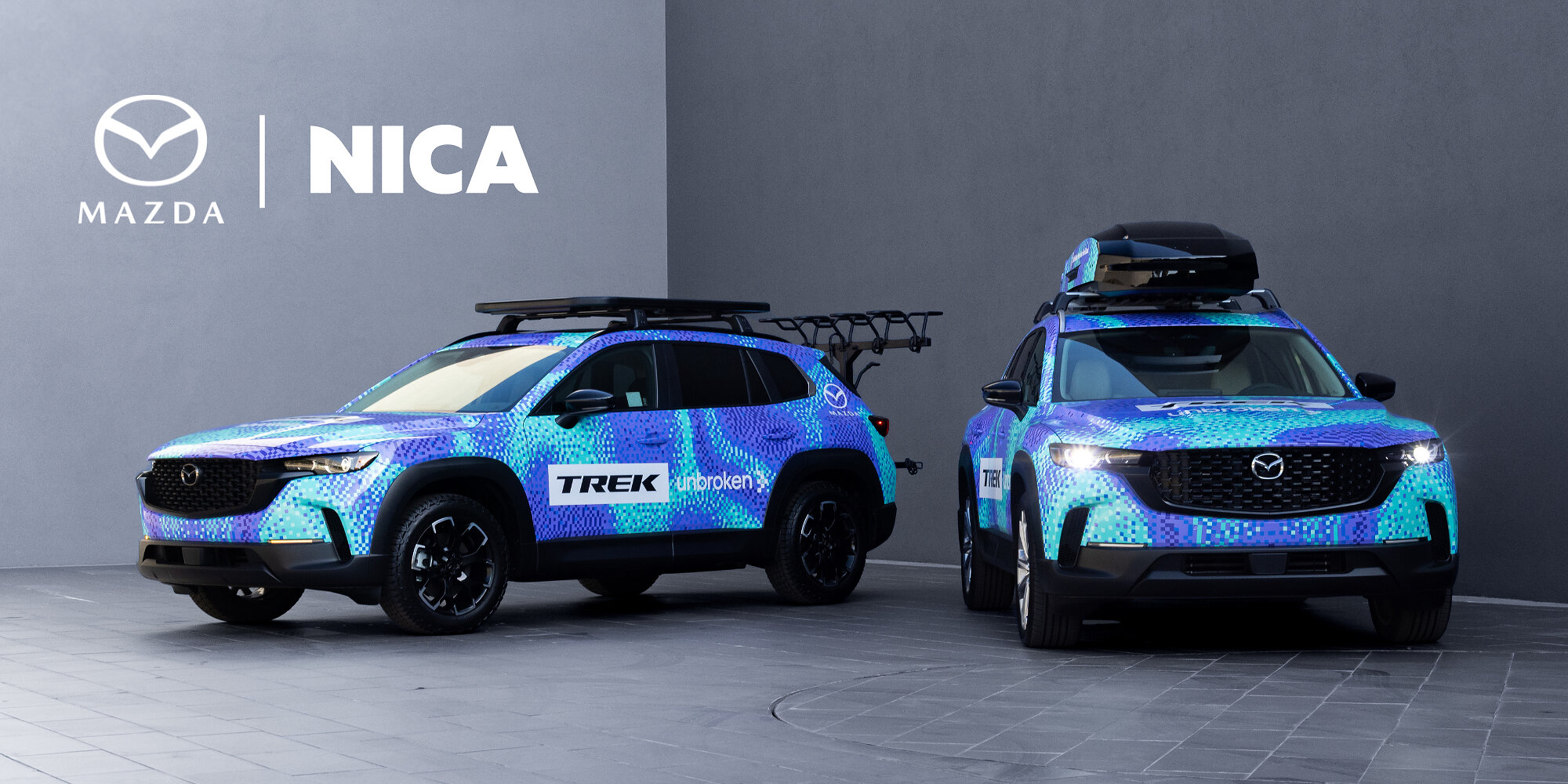
Mazda has signed a multi-year partnership with NICA through 2029, becoming its official automotive and SUV partner and presenting sponsor of regional events.
Mazda expands its commitment to mountain biking
Mazda has announced a new NICA partnership that will run through 2029. The agreement makes Mazda the Official Automotive and SUV Partner of the National Interscholastic Cycling Association across the United States. It also names Mazda the Presenting Sponsor of NICA Regional Events.
The partnership connects two organisations focused on movement and personal development. NICA uses mountain biking to help young people build confidence, character and community.
Mazda has a similar philosophy through its “life-in-motion” approach. The automaker says movement should do more than take people from one place to another.
That common idea sits at the centre of the new agreement. Mazda will support NICA’s youth cycling programme while gaining a larger presence at events across the country.
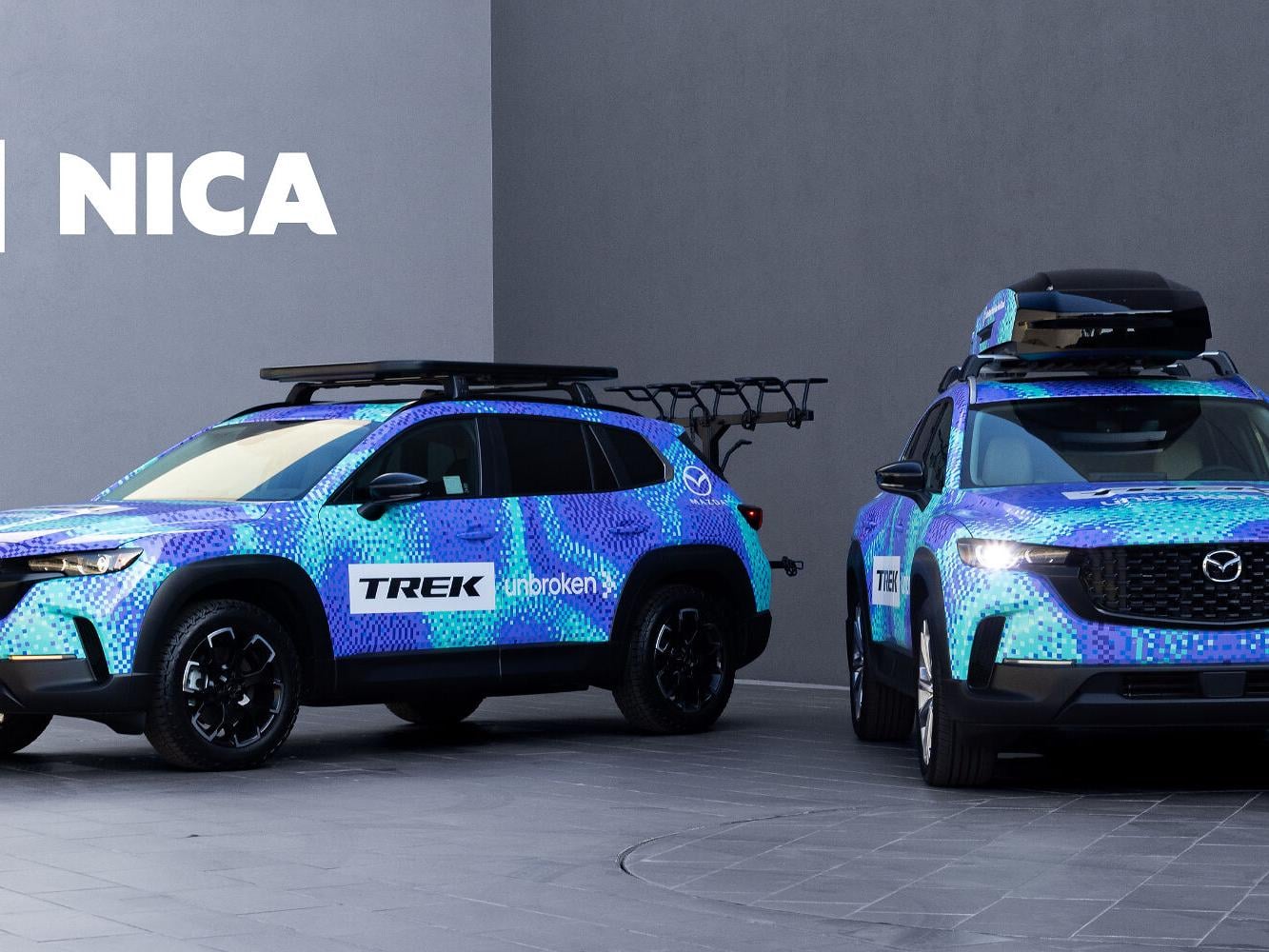
The first visible part of the deal comes through Mazda’s presence at NICA Regional Events. The automaker will become the presenting sponsor of three major regional weekends during the 2026 season.
The events will bring together student-athletes, coaches, parents and volunteers. Mazda will also create an exhibition experience and a trailside feature at each location.
The first regional event will take place in Charlottesville, Virginia, on October 24-25. The Central Regional Event follows in Fayetteville, Arkansas, on November 7-8.
The final event will be held in St. George, Utah, on November 14-15. These weekends are designed around racing, riding, learning and community activities.
NICA gives Mazda a nationwide youth platform
NICA has grown into a large youth mountain biking network. The organisation says it now supports more than 26,000 young riders and 16,000 adult coaches annually.
Its programmes are built around more than competition. NICA also focuses on leadership, confidence and long-term participation in cycling.
That makes Mazda’s role broader than a traditional event sponsorship. The company will have a presence across a national network that connects athletes, families and local cycling programmes.
The scale of NICA’s regional events is also growing.
The most recent Eastern Regional Event alone brought together more than 2,500 riders, coaches, parents and volunteers. Mazda will now become part of that experience through its new presenting-sponsor role.
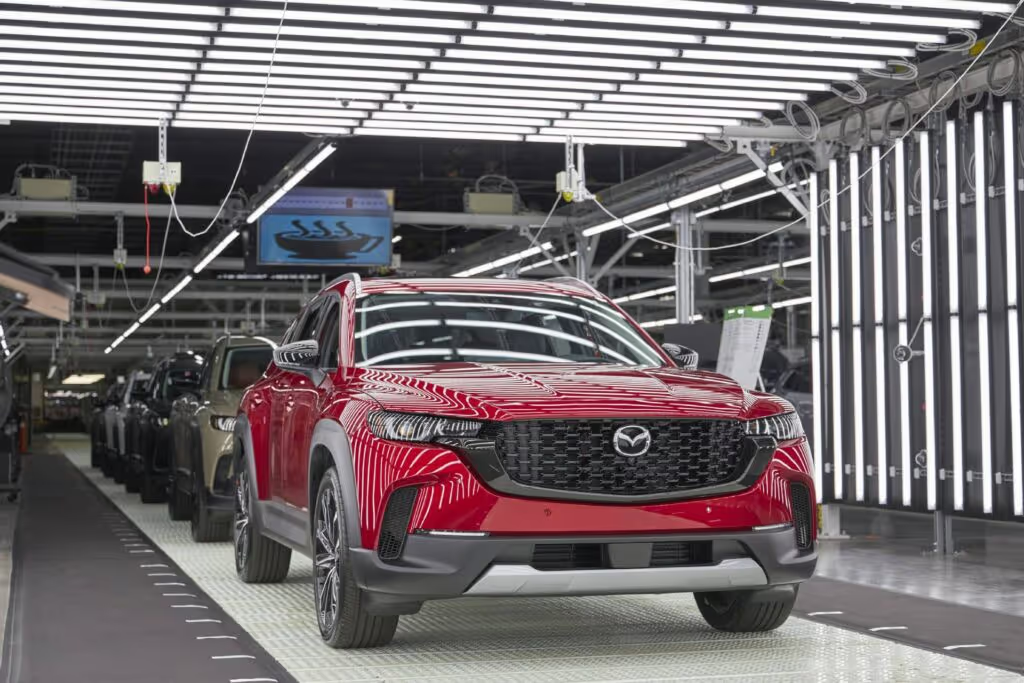
Mazda also recently announced another important cycling partnership.
In August, the company became an official automotive partner of Trek’s North American off-road teams and events. Trek is also a longtime supporter of NICA.
The two agreements therefore fit together naturally. Mazda is expanding its relationship with cycling through both the equipment and event sides of the sport.
The automaker says these investments reflect its confidence in cycling as a tool for personal development. It also sees value in the communities built around the sport.
That strategy gives Mazda a stronger connection with outdoor activities and family-focused experiences.
Mazda will bring its vehicles closer to the cycling community
The partnership also has a clear automotive component.
As NICA’s official automotive and SUV partner, Mazda will bring its vehicles into an environment built around outdoor activity. The company will showcase its products during major regional events.
That connection is particularly relevant for SUV models. Cycling families often need space for bikes, equipment and passengers, making vehicle use an important part of the event experience.
Mazda already offers accessories such as bike racks for its SUVs. That creates another practical connection between the automaker’s products and the cycling community.
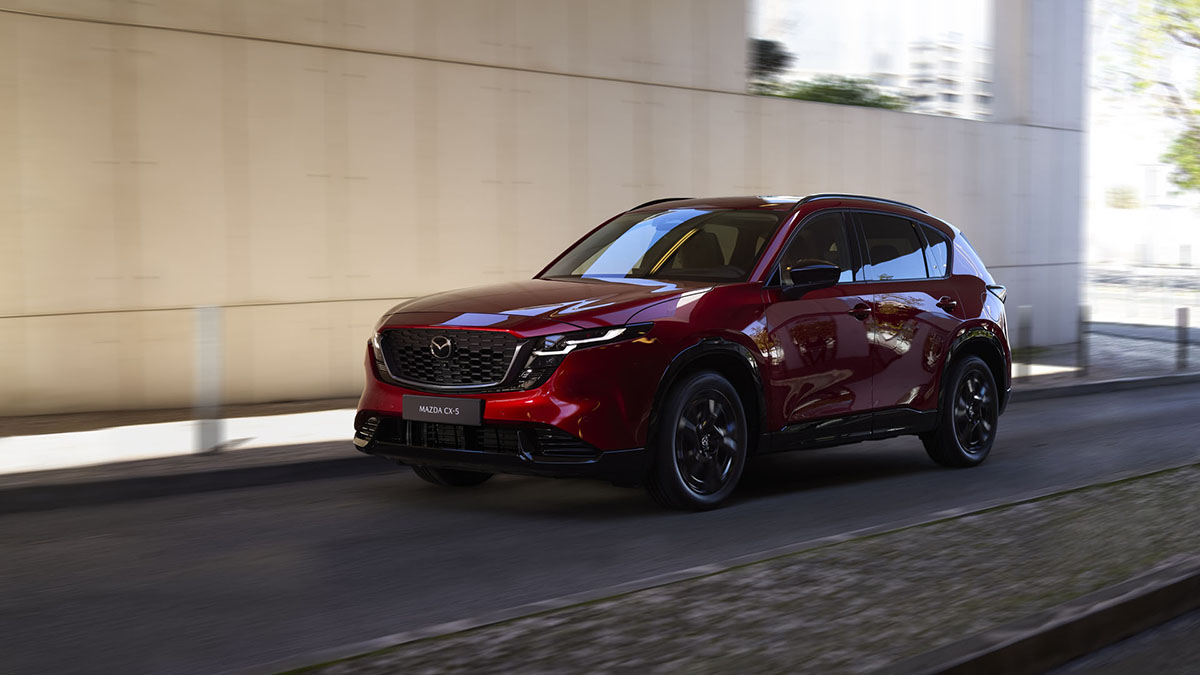
The new agreement also strengthens Mazda’s broader community strategy in North America.
Mazda North American Operations is headquartered in Irvine, California, and oversees Mazda sales, marketing, parts and customer service operations in the United States, Canada, Mexico and Colombia.
For NICA, the partnership provides another long-term corporate supporter. The agreement runs through 2029, giving the organisation a multi-year commitment rather than a one-event sponsorship.
For Mazda, the deal places the brand directly inside a growing youth sports community.
The first major activation will arrive this autumn at NICA’s three Regional Events, where Mazda will combine its automotive presence with experiences designed around riders and families.
The partnership reflects a broader shift in how automakers connect their brands with outdoor activities. Mazda is now building links with cycling organisations while continuing to position its vehicles around the idea of movement.
Through 2029, Mazda will have a nationwide role in NICA’s youth mountain biking programme and its major regional events.
Hyundai and Kia have patented a modular hardtop that uses magnets to simplify roof-panel installation and removal. The technology could eventually find its way onto Hyundai’s upcoming American-built off-road vehicles.
The Hyundai magnetic hardtop could offer a clever solution to one of the most annoying parts of owning a removable-roof off-road SUV. Instead of requiring two people or a garage-mounted hoist, a new Hyundai and Kia patent describes a modular roof system designed to be installed and removed by a single person.
U.S. Patent Application 19/071,347, titled “Modular Canopy Assembly System,” was published September 10, 2026. The filing describes a roof system divided into separate panels that use magnets to help position and temporarily hold the pieces during installation.
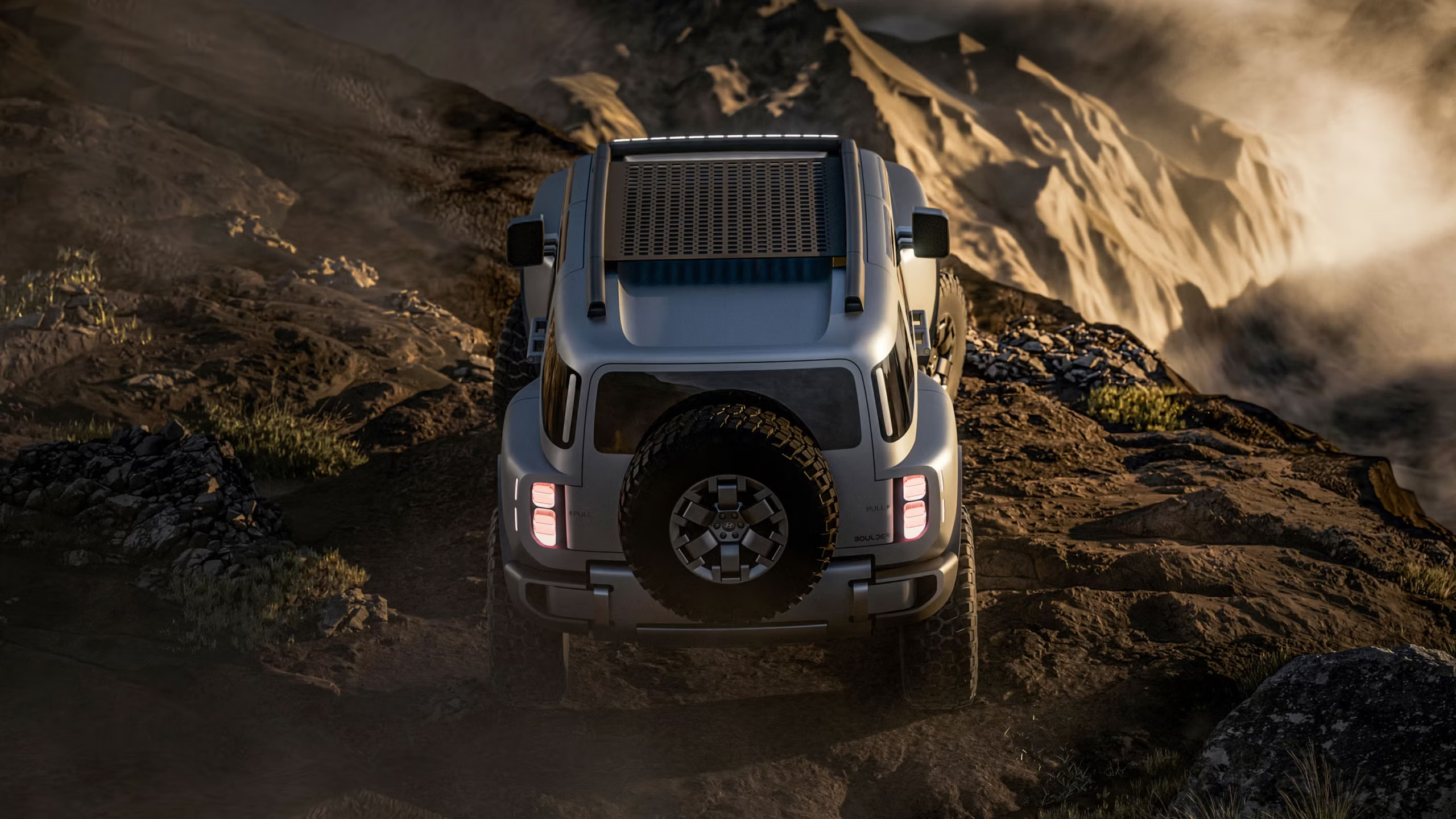
The application does not identify a production vehicle. However, its timing is interesting because Hyundai is preparing a new body-on-frame vehicle program for North America, giving the technology an obvious potential application in the brand’s future off-road lineup.
The Hardtop Is Split Into Four Sections
The patented system is fundamentally different from a conventional one-piece hardtop. It can use two side panels, a rear panel and a separate roof panel, with the pieces installed individually.
That modular approach makes each component easier to handle. The patent specifically describes panels that can be lightweight enough for one person to assemble or remove without external lifting equipment.
Hyundai and Kia’s patent describes a four-piece hardtop system designed to be installed one panel at a time.
The side panels are installed first and positioned using brackets and locating pins. The rear panel can then be placed between them before the roof panel is lowered into position.
That process is designed to eliminate the awkward balancing act associated with large removable roof pieces.
Magnets Do the Alignment Work
The most interesting element is the use of magnets.
According to the patent, magnetic locating mechanisms and mounting plates help the individual sections find their correct positions. The magnetic force holds the panels in place while the user completes the mechanical locking process.
This is not a system in which magnets are solely responsible for securing the roof while driving. Instead, they act as an installation aid.
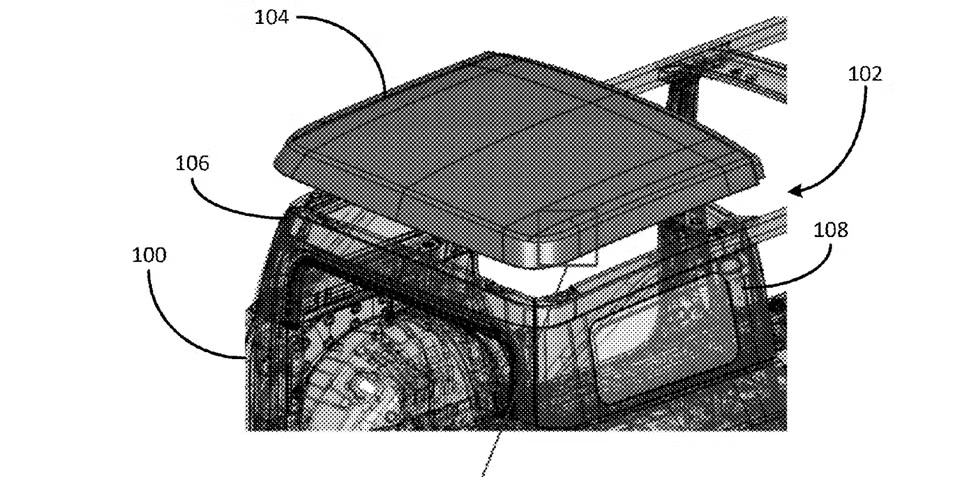
Magnets are designed to align and temporarily hold the hardtop components while mechanical fasteners secure them.
The rear section uses protruding studs that pass through holes in the side panels. Handles can then be connected to those studs to lock the rear panel into position.
Once the roof section is aligned, additional latching handles secure it to the rest of the assembly.
The Roof Uses Conventional Latches Too
Hyundai and Kia are not replacing mechanical fasteners entirely. The patent describes a combination of magnetic locating hardware, guide pins and traditional latching mechanisms.
The roof panel can use guide pins to help position it correctly. Once the panel is sitting in the right location, internal latching handles can be rotated into place to complete the installation.
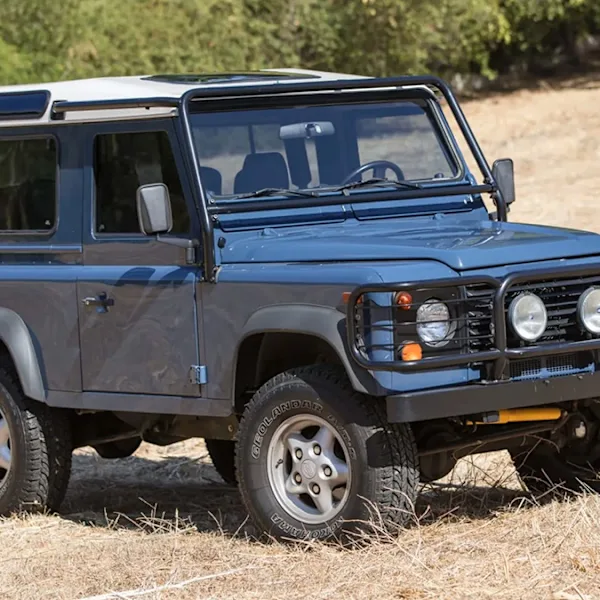
Hyundai’s Boulder Concept previews the company’s upcoming U.S.-focused body-on-frame vehicle strategy.
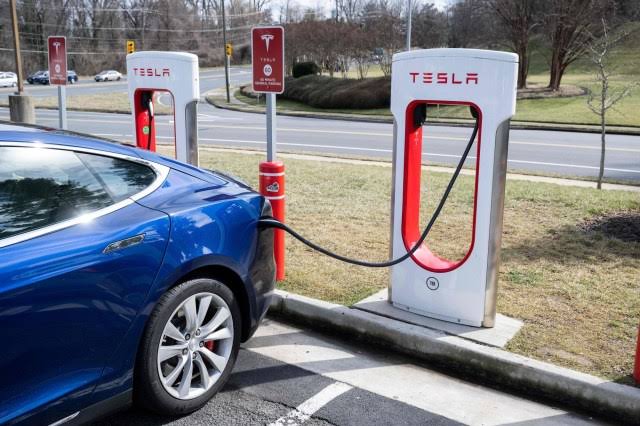
Tesla is expanding its electric-truck charging network in California through a new partnership with Forum Mobility. Four new depots will add 30 megawatts of heavy-duty charging capacity.
Tesla is expanding its heavy-duty charging infrastructure in California through a new partnership with Forum Mobility. The companies are adding 30 megawatts of charging capacity across four new electric-truck depots designed around the needs of commercial fleets.
The new facilities will combine Tesla’s Megawatt Charging System technology with CCS charging ports. Pull-through lanes will also allow trucks to charge without requiring complicated maneuvering at the depot.
The expansion comes as Tesla continues preparing its Semi for a broader rollout and moves closer to expanding the electric truck beyond North America.
Tesla Will Operate Three Public Megacharging Sites
Tesla will operate public Megacharging facilities at three of the new Forum Mobility locations. They are FM Francis in Ontario, California, and FM Adeline and FM Coliseum in Oakland.
The fourth new location is FM Santa Fe in Rancho Dominguez. Forum Mobility says the site already has commitments from fleet operators for more than 330 Tesla Semi trucks, while charging access will also be available to other commercial trucking customers.
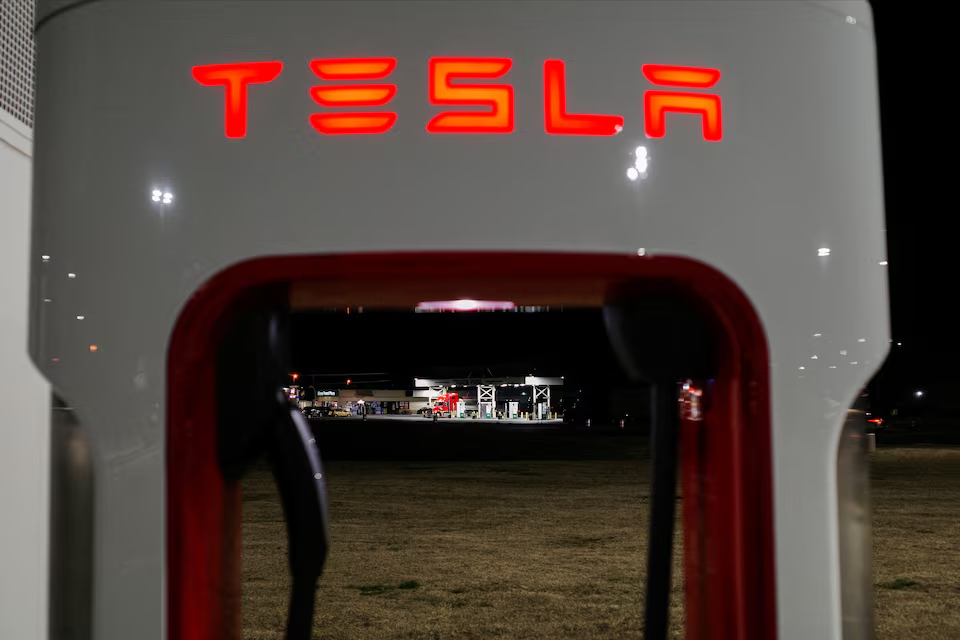
Tesla is expanding public Megacharging access for electric trucks at new Forum Mobility locations across California.
The new network is designed specifically around heavy-duty transportation rather than passenger vehicles. That means charging infrastructure can be integrated into freight operations, where keeping trucks moving is one of the most important considerations.
The use of pull-through lanes is particularly relevant because it allows trucks to enter, charge and leave without the maneuvering required at many conventional charging locations.
Four New Depots Add 30 Megawatts of Charging Capacity
Forum Mobility is developing four new depots across Northern and Southern California as part of the expansion.
The sites will use both MCS and CCS charging, giving commercial operators additional flexibility depending on the type of truck and charging system being used.
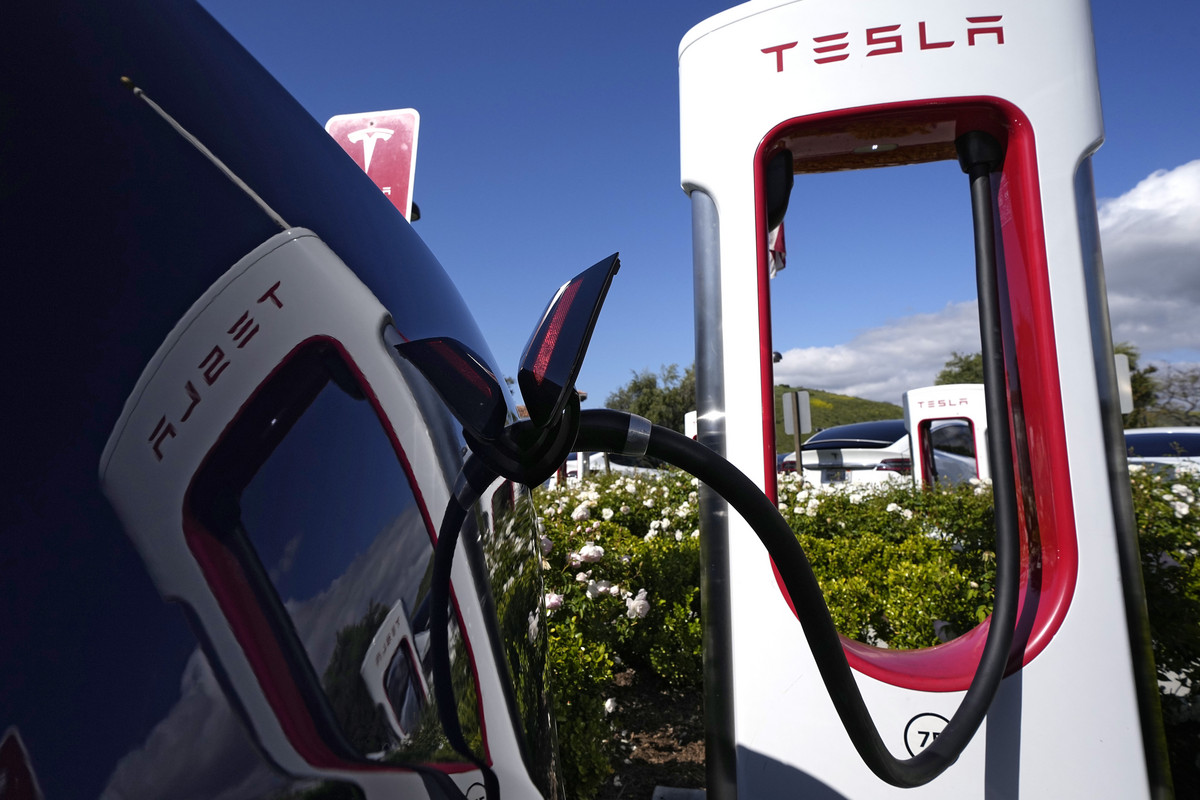
Forum Mobility’s new California depots are designed around pull-through lanes and high-power charging for commercial electric trucks.
The charging infrastructure is being developed around the operational realities of freight companies. Instead of treating charging as a separate stop, the depots are designed to become part of the normal logistics cycle.
That could become increasingly important as more trucking fleets transition from diesel to battery-electric vehicles.
Tesla Semi Fleets Are Already Committing to the Network
The FM Santa Fe location in Rancho Dominguez already has commitments involving more than 330 Tesla Semis, according to Forum Mobility.
The site will also remain open to other commercial trucking customers. That gives fleet operators access to infrastructure without necessarily having to develop and operate their own dedicated charging facility.
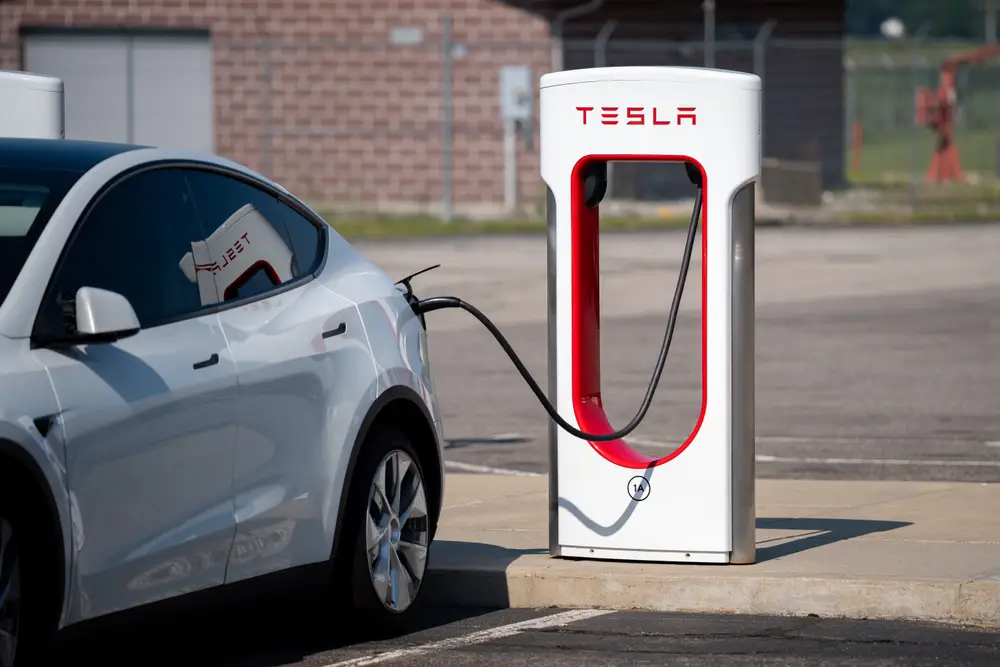
Forum Mobility says fleet operators have already committed to more than 330 Tesla Semi trucks at its Santa Fe facility.
-

 TEST DRIVES2 months ago
2026 Maserati MCPura Cielo
-
 NOW TRENDING2 months ago
Honda Civic Si Production Ends After 2026 Model Year Pause
-

 INTELLIGENT MOBILITY2 months ago
2027 Toyota Crown Gets New Hybrid System and Fresh Design
-

 NOW TRENDING2 months ago
2027 Range Rover GT Debuts as the Brand’s Lowest EV
-

 NOW TRENDING2 months ago
Next-Gen Cadillac CT5-V Blackwing Could Keep the V8 Alive
-
 NOW TRENDING2 months ago
Rolls-Royce’s $32 Million Droptail Took 9 Months of Handcrafted Woodwork
-
 NOW TRENDING2 months ago
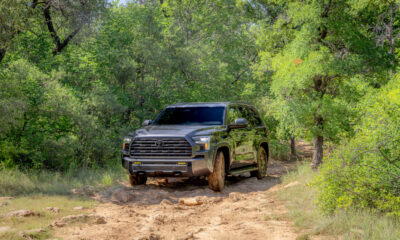
2027 Toyota Sequoia Adds Trailhunter Package and New Tech
-
 NOW TRENDING2 months ago
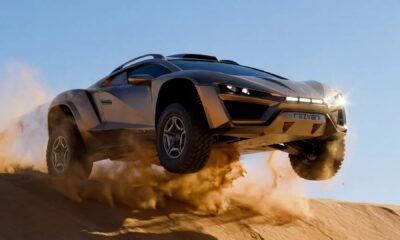
Rezvani Dune Turns the Huracan Into an 800-HP Off-Road Beast
You must be logged in to post a comment Login