
INTELLIGENT MOBILITY
Hyundai Patents a Magnetic Hardtop That Could Make Off-Road Roofs Easier

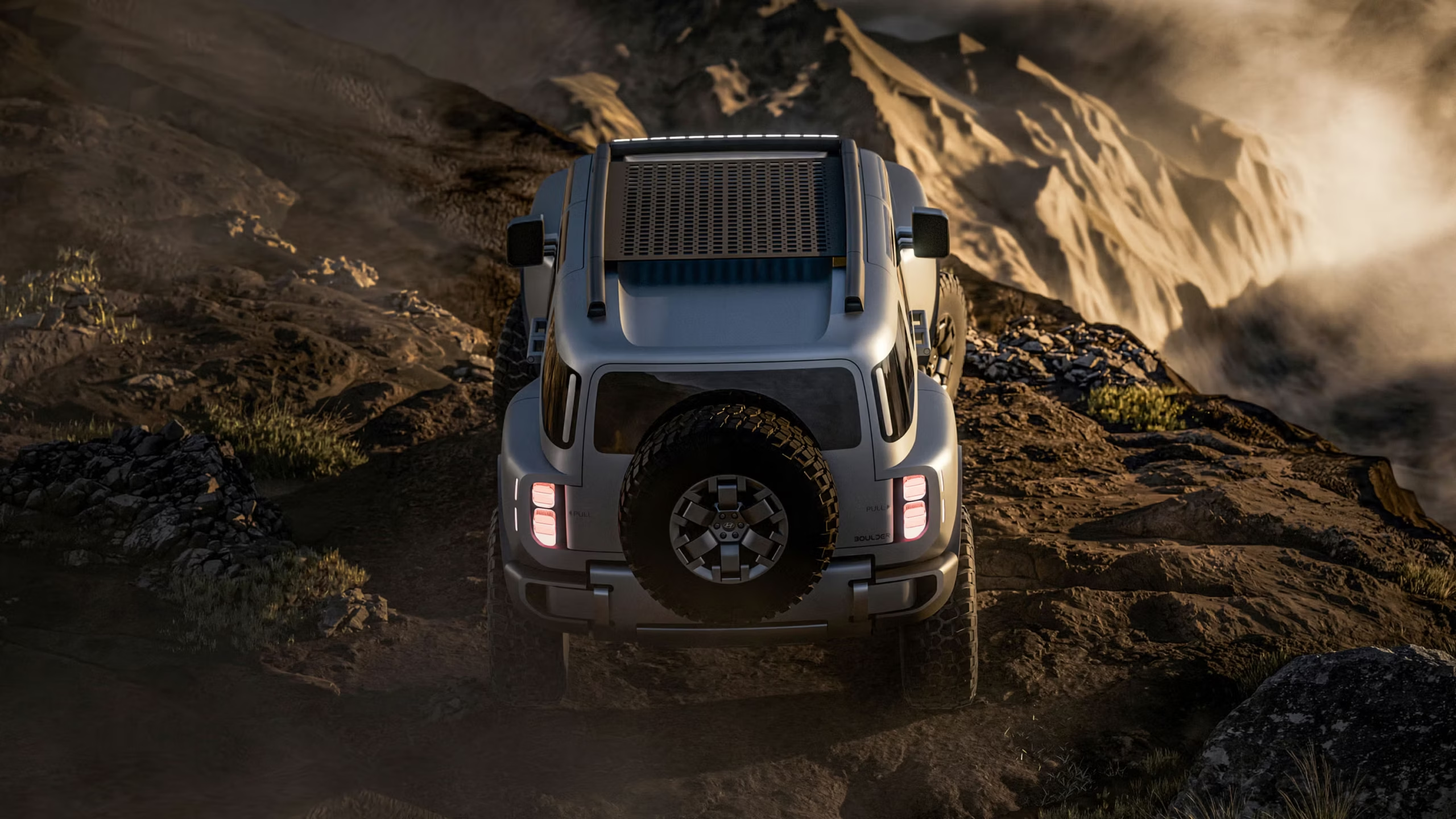
Hyundai and Kia have patented a modular hardtop that uses magnets to simplify roof-panel installation and removal. The technology could eventually find its way onto Hyundai’s upcoming American-built off-road vehicles.
The Hyundai magnetic hardtop could offer a clever solution to one of the most annoying parts of owning a removable-roof off-road SUV. Instead of requiring two people or a garage-mounted hoist, a new Hyundai and Kia patent describes a modular roof system designed to be installed and removed by a single person.
U.S. Patent Application 19/071,347, titled “Modular Canopy Assembly System,” was published September 10, 2026. The filing describes a roof system divided into separate panels that use magnets to help position and temporarily hold the pieces during installation.
The application does not identify a production vehicle. However, its timing is interesting because Hyundai is preparing a new body-on-frame vehicle program for North America, giving the technology an obvious potential application in the brand’s future off-road lineup.
The Hardtop Is Split Into Four Sections
The patented system is fundamentally different from a conventional one-piece hardtop. It can use two side panels, a rear panel and a separate roof panel, with the pieces installed individually.
That modular approach makes each component easier to handle. The patent specifically describes panels that can be lightweight enough for one person to assemble or remove without external lifting equipment.
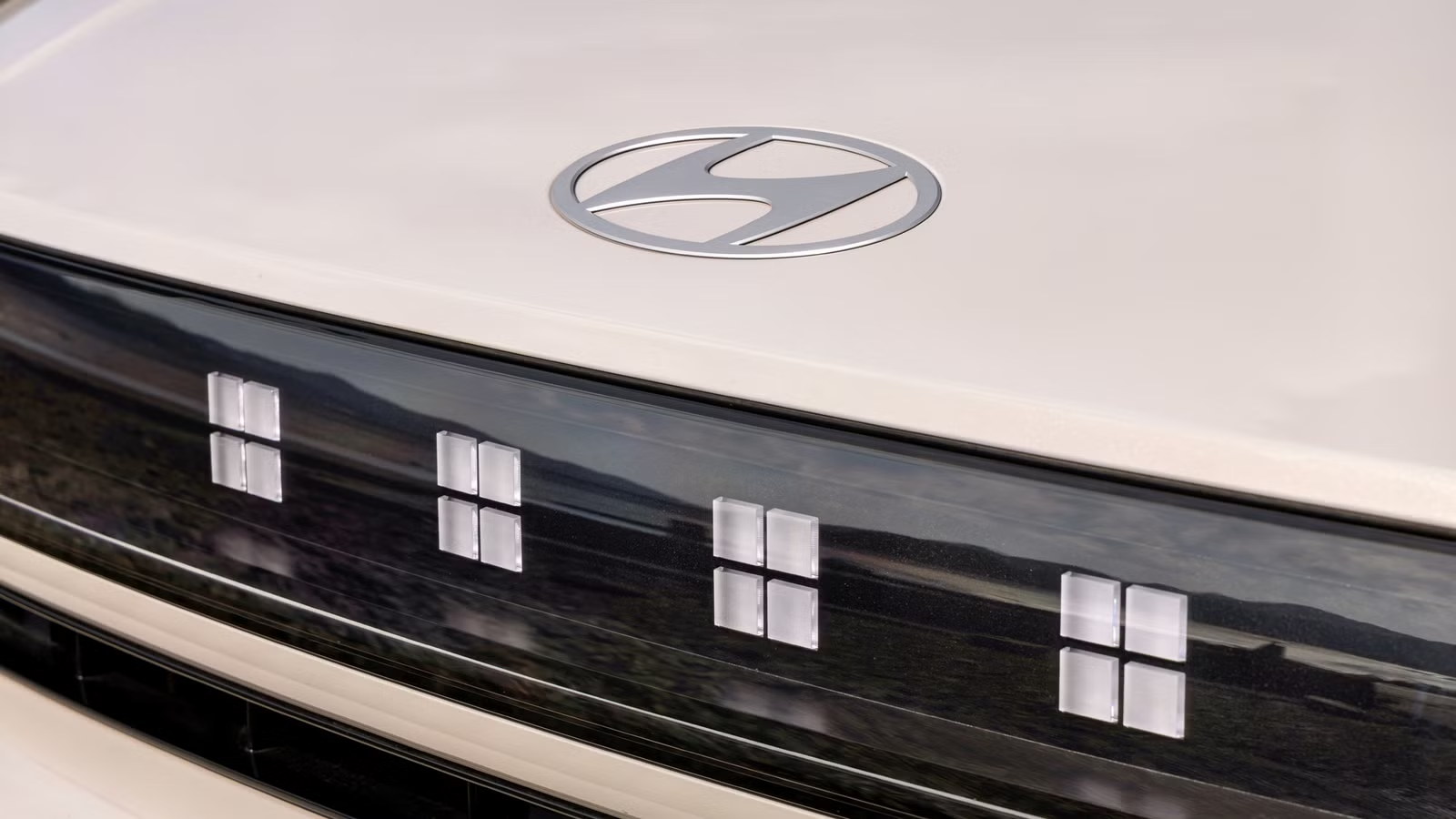
Hyundai and Kia’s patent describes a four-piece hardtop system designed to be installed one panel at a time.
The side panels are installed first and positioned using brackets and locating pins. The rear panel can then be placed between them before the roof panel is lowered into position.
That process is designed to eliminate the awkward balancing act associated with large removable roof pieces.
Magnets Do the Alignment Work
The most interesting element is the use of magnets.
According to the patent, magnetic locating mechanisms and mounting plates help the individual sections find their correct positions. The magnetic force holds the panels in place while the user completes the mechanical locking process.
This is not a system in which magnets are solely responsible for securing the roof while driving. Instead, they act as an installation aid.
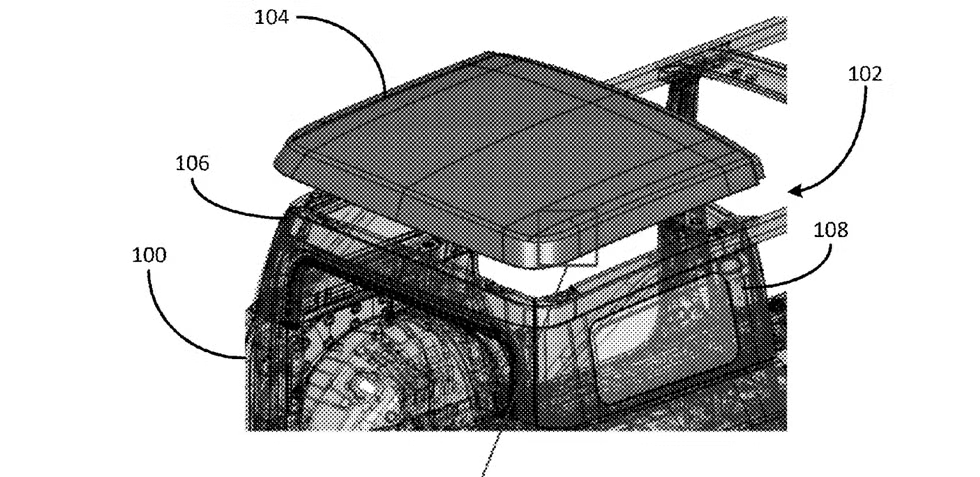
Magnets are designed to align and temporarily hold the hardtop components while mechanical fasteners secure them.
The rear section uses protruding studs that pass through holes in the side panels. Handles can then be connected to those studs to lock the rear panel into position.
Once the roof section is aligned, additional latching handles secure it to the rest of the assembly.
The Roof Uses Conventional Latches Too
Hyundai and Kia are not replacing mechanical fasteners entirely. The patent describes a combination of magnetic locating hardware, guide pins and traditional latching mechanisms.
The roof panel can use guide pins to help position it correctly. Once the panel is sitting in the right location, internal latching handles can be rotated into place to complete the installation.

Hyundai’s Boulder Concept previews the company’s upcoming U.S.-focused body-on-frame vehicle strategy.











-

 NOW TRENDING2 months ago
Aston Martin DBX Becomes Harry Da Souza’s Ride in MobLand
-

 TEST DRIVES2 months ago
2026 Maserati GranTurismo Trofeo Review: Miami
-
 INTELLIGENT MOBILITY2 months ago
Tesla Cybercab Navigation Problem Hits Austin Robotaxis
-

 INTELLIGENT MOBILITY2 months ago
Tesla Cybercab Cannot Be Charged at Home—Here’s Why
-
 INTELLIGENT MOBILITY2 months ago
2027 Nissan Rogue Hybrid: e-POWER Comes to America
-

 TEST DRIVES2 months ago
2026 Maserati GranTurismo Coupe
-

 Formula12 months ago
Cadillac F1 2026 Faces an Eight-Race Logistics Challenge
-

 NOW TRENDING2 months ago
2027 Lexus LS Gets Another Update, But Not in America