
The Chinese brand is preparing its biggest product offensive since its arrival, with electric SUVs, extended-range hybrids and hardcore off-roaders.
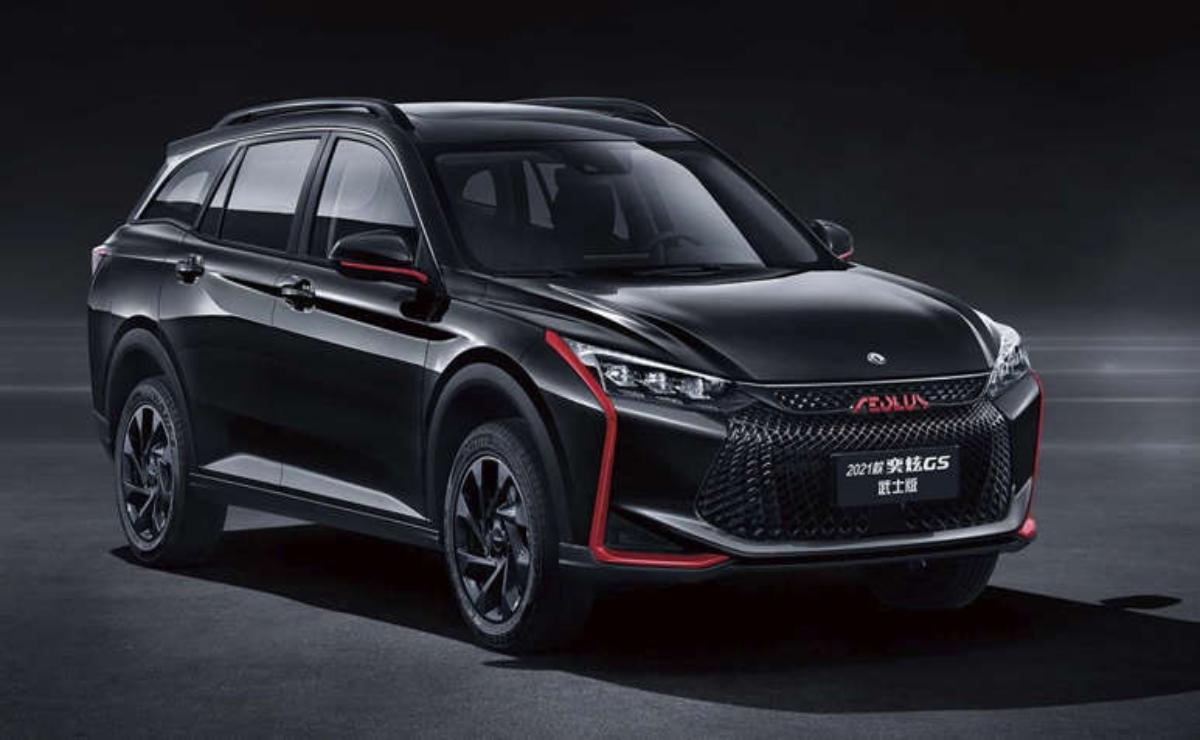
A Completely Renewed Lineup to Conquer Key Segments
Dongfeng heads into 2026 with an unprecedented expansion in Europe. After debuting in 2025 with the small electric Box, the Chinese manufacturer is strengthening its catalogue with entirely new models, including several under the premium brand Voyah. Among them are the Mage L7, Shine GS, Vigo, 007, MHero 817, Voyah Courage and Voyah Free 318 EREV–an impressive lineup that demonstrates the company’s ambition to cover everything from the B-segment to luxury E-segment SUVs.
Plug-in Hybrids, Petrol and Electric: Variety for Every Driver Profile
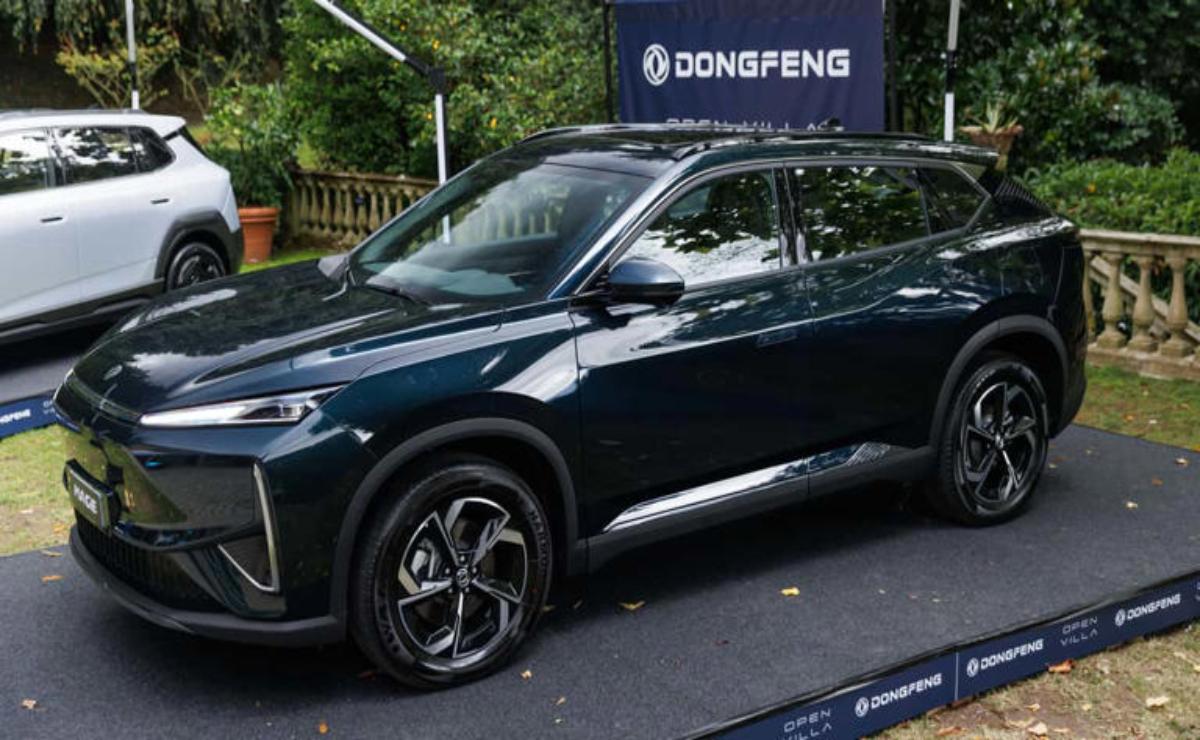
The year begins with the Dongfeng Mage L7, a C-segment plug-in hybrid SUV that pairs a 152 hp 1.5-turbo engine with a 100 kW electric motor for a combined 355 hp and 615 Nm, along with up to 205 km of electric range. Next comes the Shine GS, a D-segment family-focused alternative powered by a 1.5 petrol engine for those who prioritise simplicity and space. In the fully electric space, the star is the Vigo, a B-SUV offering 471 km of WLTP range thanks to its 51.87 kWh LFP Mach E battery supplied by CATL.
The 007 and the MHero 817: Raw Power and Cutting-Edge Technology
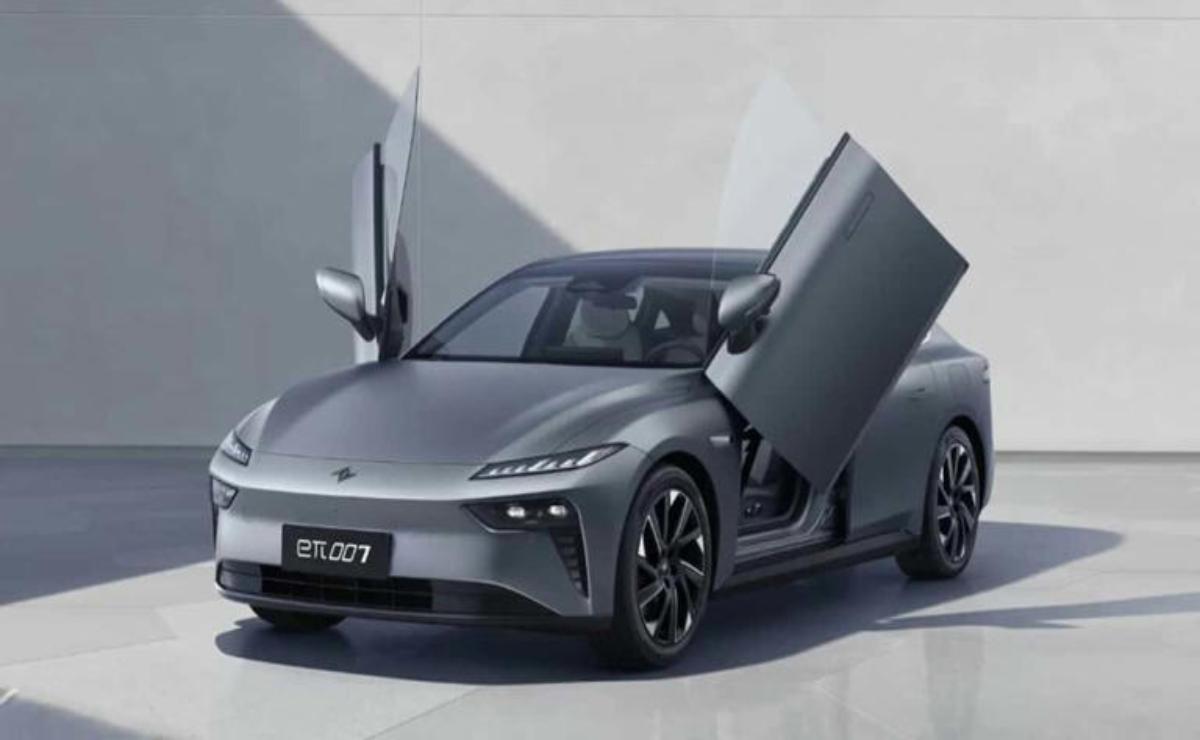
For drivers seeking pure performance, Dongfeng introduces the 007, an electric sedan capable of delivering 544 hp, accelerating from 0 to 100 km/h in 3.9 seconds and offering up to 620 km of range. There will also be an EREV version with 1,200 km of total range. But the pinnacle of technology is the MHero 817, a radical off-roader with 1,088 hp, four electric motors, a 142.7 kWh battery, air suspension, differential locks and the ability to wade through 90 cm of water. It will also be sold in an extended-range version producing 816 hp.
Voyah: The Premium Division Expands Its Presence
The premium sub-brand Voyah adds two strategic launches. The first is the Courage, a D-segment SUV available with 292 or 436 hp and an 80 kWh battery. The second is the Free 318 EREV, an E-segment SUV with an extended-range system, a 39.2 kWh battery, a 272 hp electric motor and advanced safety technology, including a night-vision system capable of detecting hazards up to 150 metres ahead. Both models will arrive in early 2026 to compete head-on with Europe’s most established manufacturers.










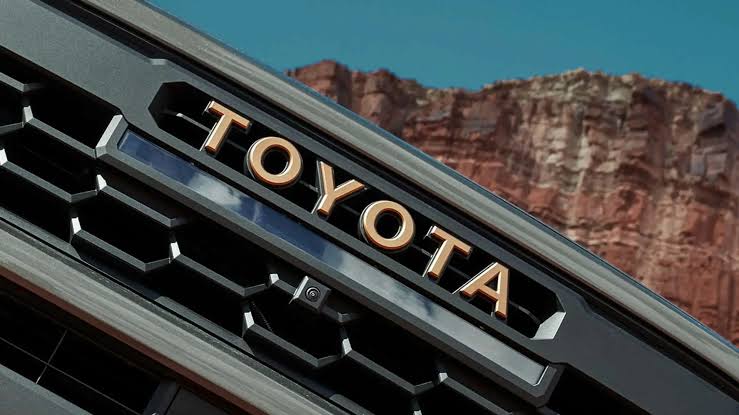
Toyota is targeting lower costs and higher profits by simplifying vehicle components, reducing part types, improving productivity and cutting unnecessary processes.
Toyota wants to make vehicles simpler
Toyota cost-cutting is taking a surprisingly simple direction. Toyota Boshoku, one of the automaker’s major suppliers, wants to reduce the number of individual parts used in its products.
The company is targeting a 7 percent operating profit margin by 2030. Its current forecast for this year stands at 3.8 percent.
To reach that goal, Toyota Boshoku plans to increase the value of its products. At the same time, it wants to reduce manufacturing costs and improve productivity.
One of its main targets is called RPT33. The programme aims to reduce the number of part types by 33 percent.
The idea is straightforward. Fewer unique parts can mean less complexity during development, purchasing, manufacturing, storage and logistics.
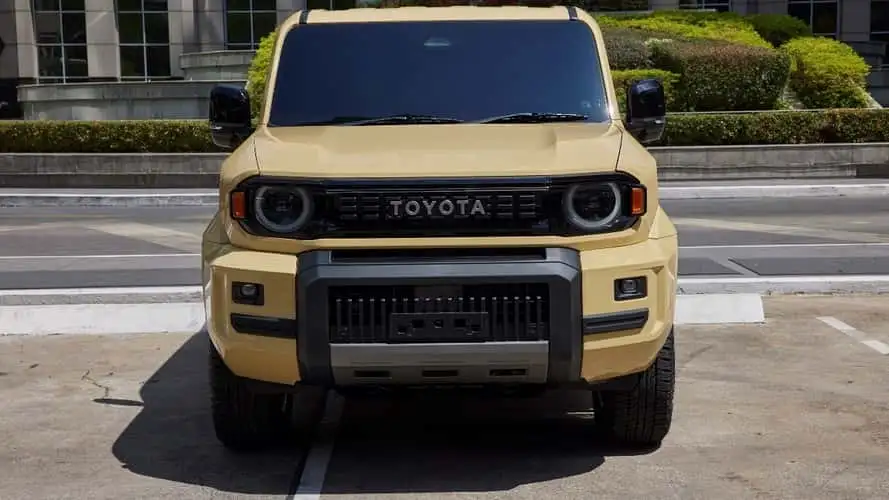
Toyota Boshoku is already using this strategy in real products.
The company says collaboration with automakers has helped produce a 76 percent reduction in headrest components in one example.
That does not necessarily mean building a cheaper product. Instead, the objective is to create the same basic function with fewer individual pieces.
This can simplify several stages of the production process.
It can also reduce the number of components that suppliers and factories need to manage.
For a company that produces large numbers of seats and interior parts, that difference can have a major effect on costs.
Fewer parts can also mean lighter seats
Toyota Boshoku is applying the same philosophy to its next-generation seat frames.
The new structures are designed to use fewer parts and fewer manufacturing processes. The company also wants to increase the amount of work carried out in-house.
Weight reduction is another target.
Toyota Boshoku says its next-generation seat frames will be 20 percent thinner than the thinnest competitive product. They are also designed to be 5 percent lighter than the lightest product currently available.
That combination could provide benefits beyond manufacturing.
A lighter seat can contribute to overall vehicle weight reduction. The same principle applies to other components throughout a vehicle.
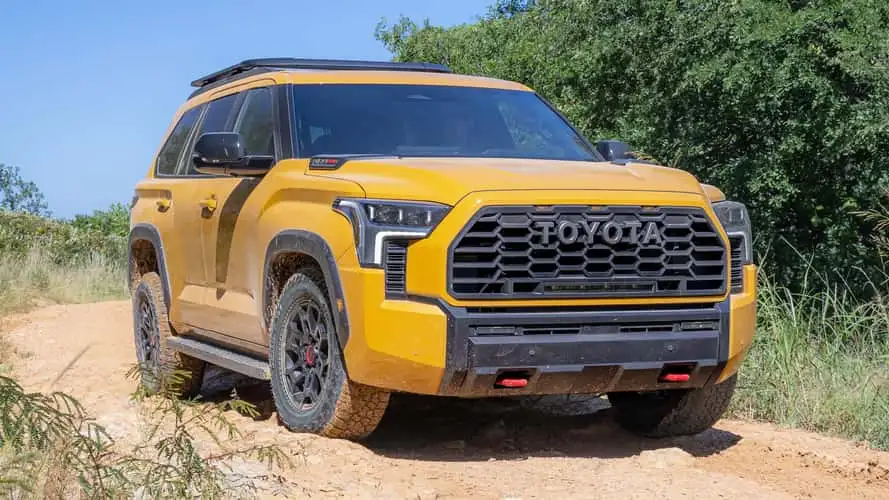
The company is also looking beyond physical components.
One of its targets is something much less obvious: meetings.
Toyota Boshoku wants to reduce total meeting time by 42 percent through its “stop, change, and find a better way” initiative.
The objective is to remove wasted time from everyday operations. That same philosophy applies to manufacturing and logistics.
AI is also expected to play a role.
Toyota Boshoku plans to use automated design tools and process innovation to identify inefficiencies and reduce waste.
The broader strategy is therefore not limited to cutting the price of individual components.
Instead, the company is trying to simplify the entire system behind them.
Toyota Boshoku is also chasing other automakers
There is another important part of the plan.
Toyota Boshoku wants to expand its business beyond Toyota itself. The supplier wants sales to customers outside the Toyota Group to reach three times its 2022 level by 2030.
That means the cost-cutting strategy also has a growth objective.
By producing components with fewer parts and more efficient processes, Toyota Boshoku can potentially offer competitive products to a wider group of automakers.
The company already develops seats and interior systems for a broad range of vehicles. Its portfolio includes solutions for compact cars, SUVs and premium models.
That experience could help Toyota Boshoku scale its approach.
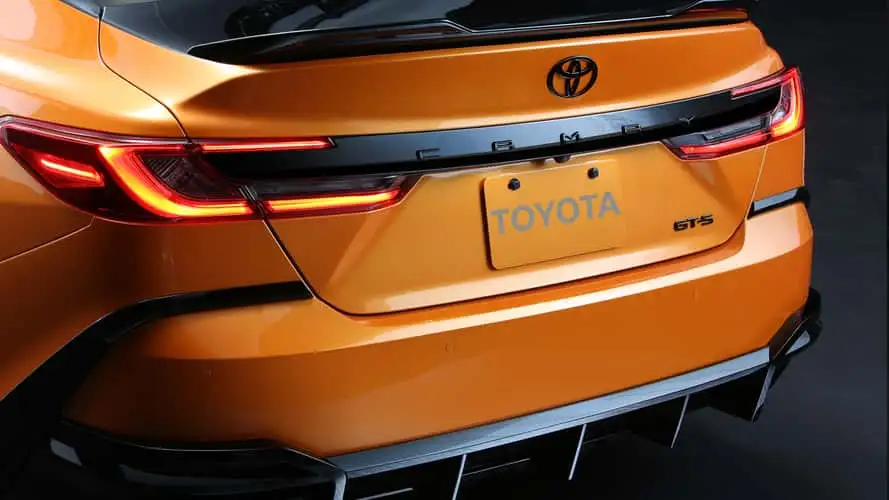
The strategy also reflects a wider automotive trend.
Automakers and suppliers are looking more closely at the number of parts used in vehicles. Every additional component can add cost and complexity.
Volkswagen Group is pursuing a similar idea on a much larger scale. The group is working to simplify its product portfolio and reduce the number of available options.
Toyota’s new leadership has also questioned whether its own model range has become too large.
For Toyota Boshoku, however, the immediate focus is more specific.
Fewer part types, fewer manufacturing steps and better use of existing assets are at the centre of its plan for 2030.
The approach could make products easier to manufacture and manage while also creating opportunities to reduce weight.
At the same time, Toyota Boshoku wants to increase the value of its products and expand its business with other automakers.
The core idea is simple: make fewer parts, simplify the process and use the resources more efficiently.
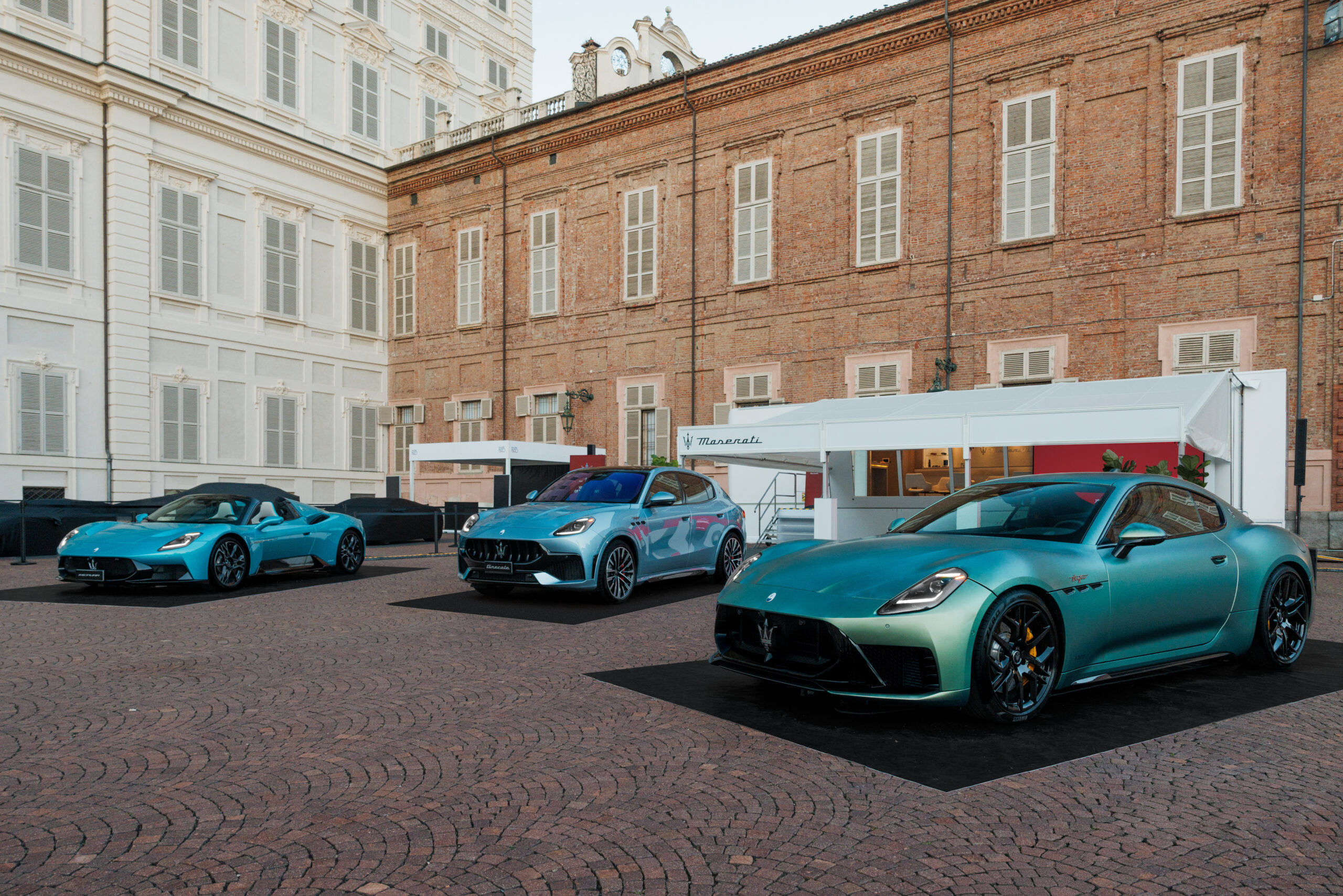
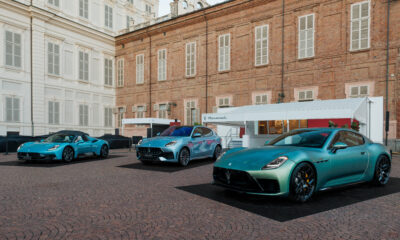
Maserati made a major impact at Salone Auto Torino 2026, showcasing the Grecale Trofeo, GranTurismo Trofeo, MCPURA Cielo and iconic racing machines.
Maserati brings Italian performance to Turin
The Maserati Turin 2026 story ended with a strong presence at the third edition of Salone Auto Torino. The event filled the centre of Turin with new cars, supercars and historic models.
Maserati used the show to display several of its most important current models. The brand also highlighted its long racing heritage and its vision of Italian luxury.
The main exhibition was located in Piazzetta Reale. The Maserati Corse Truck also formed part of the display.
Visitors could see the new Grecale, GranTurismo, GranCabrio and MCPURA Cielo. Together, the models showed how Maserati combines performance, technology and design.
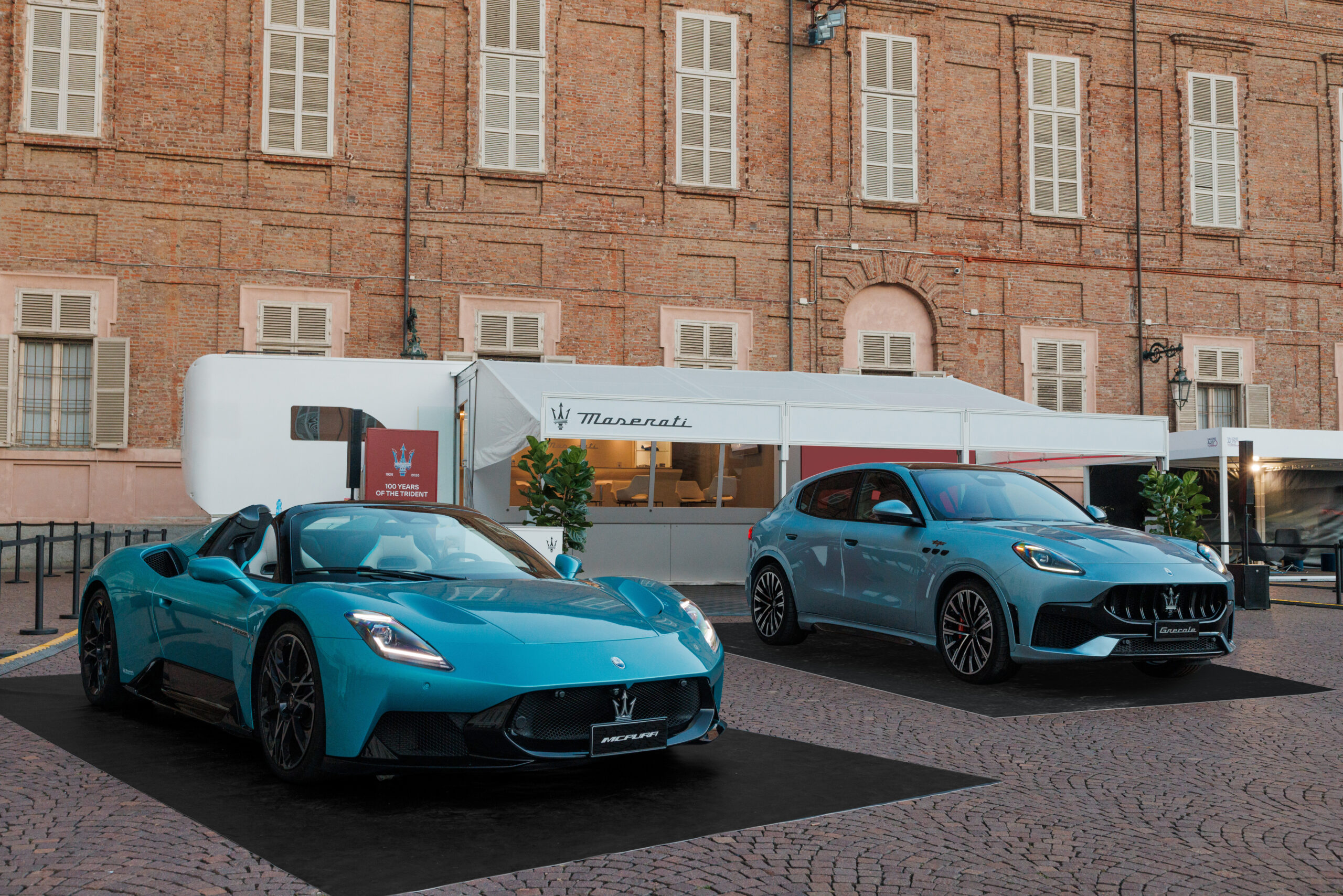
The Grecale Trofeo V6 was one of the main attractions.
The SUV featured a 3.0-liter V6 Nettuno producing 530 horsepower. It also arrived with a Grigio Lamiera Shiny finish, dark red leather and carbon-fibre details.
The current Grecale Trofeo continues to combine SUV practicality with serious performance. Maserati lists 530 hp, all-wheel drive and a 3.0-liter V6 for the model.
The new Grecale range also receives exterior revisions. Maserati has updated the bumpers and grille, while new wheels and colours add further visual differentiation.
The display therefore showed both sides of the Grecale. It is practical enough for everyday use, but the Trofeo version brings a much stronger performance focus.
GranTurismo keeps the focus on performance
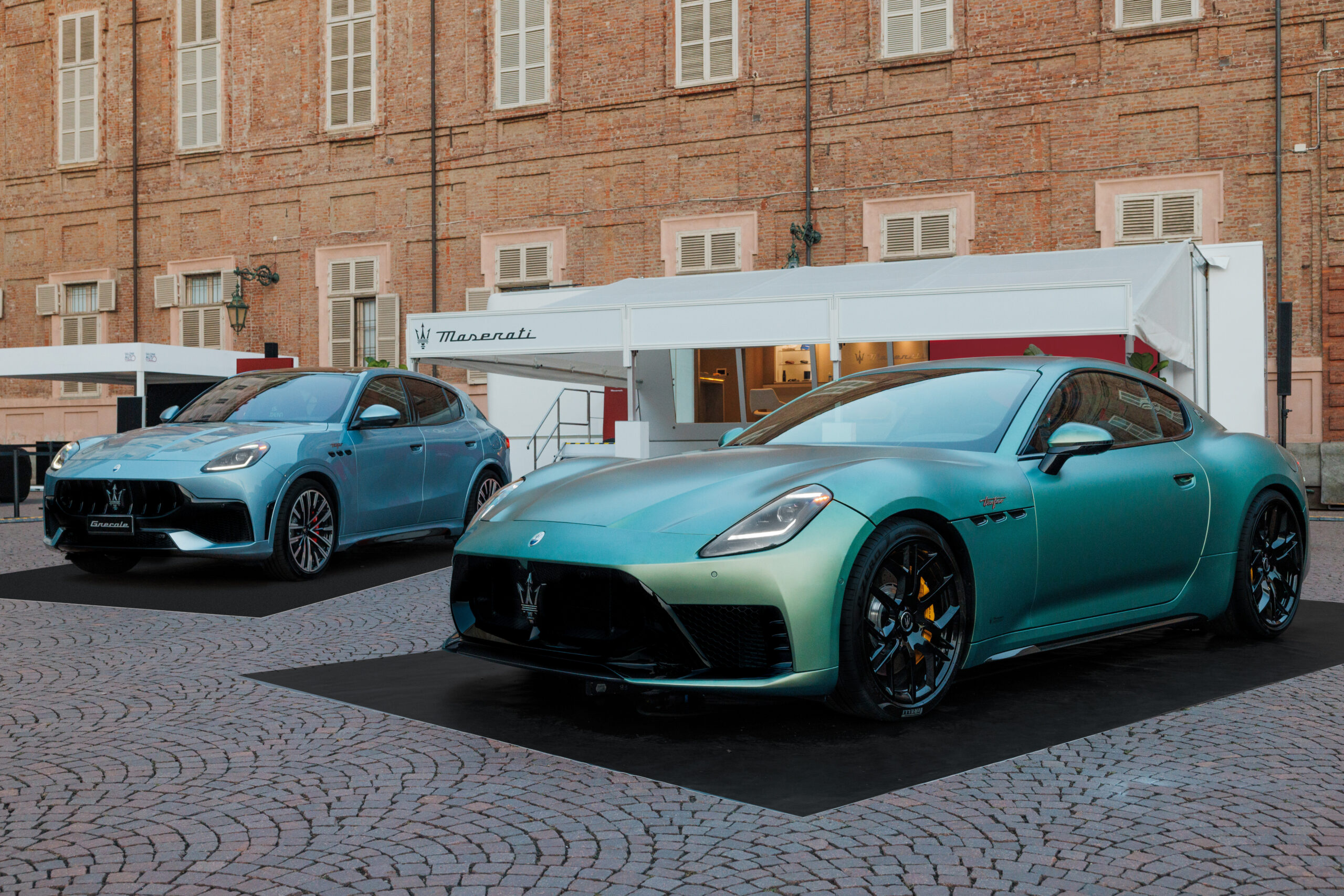
The GranTurismo Trofeo was another important highlight at the Turin show.
Maserati presented it with an exclusive Fuoriserie Green Jupiter finish. Under the bonnet sits the 3.0-liter V6 Nettuno.
The figures supplied for the event included 590 hp and 650 Nm of torque. Maserati’s current European configurator lists the GranTurismo Trofeo with a 3.0-liter V6, all-wheel drive and a 320 km/h top speed.
The GranTurismo also reflects Maserati’s traditional grand touring philosophy. It combines long-distance comfort with a strong performance character.
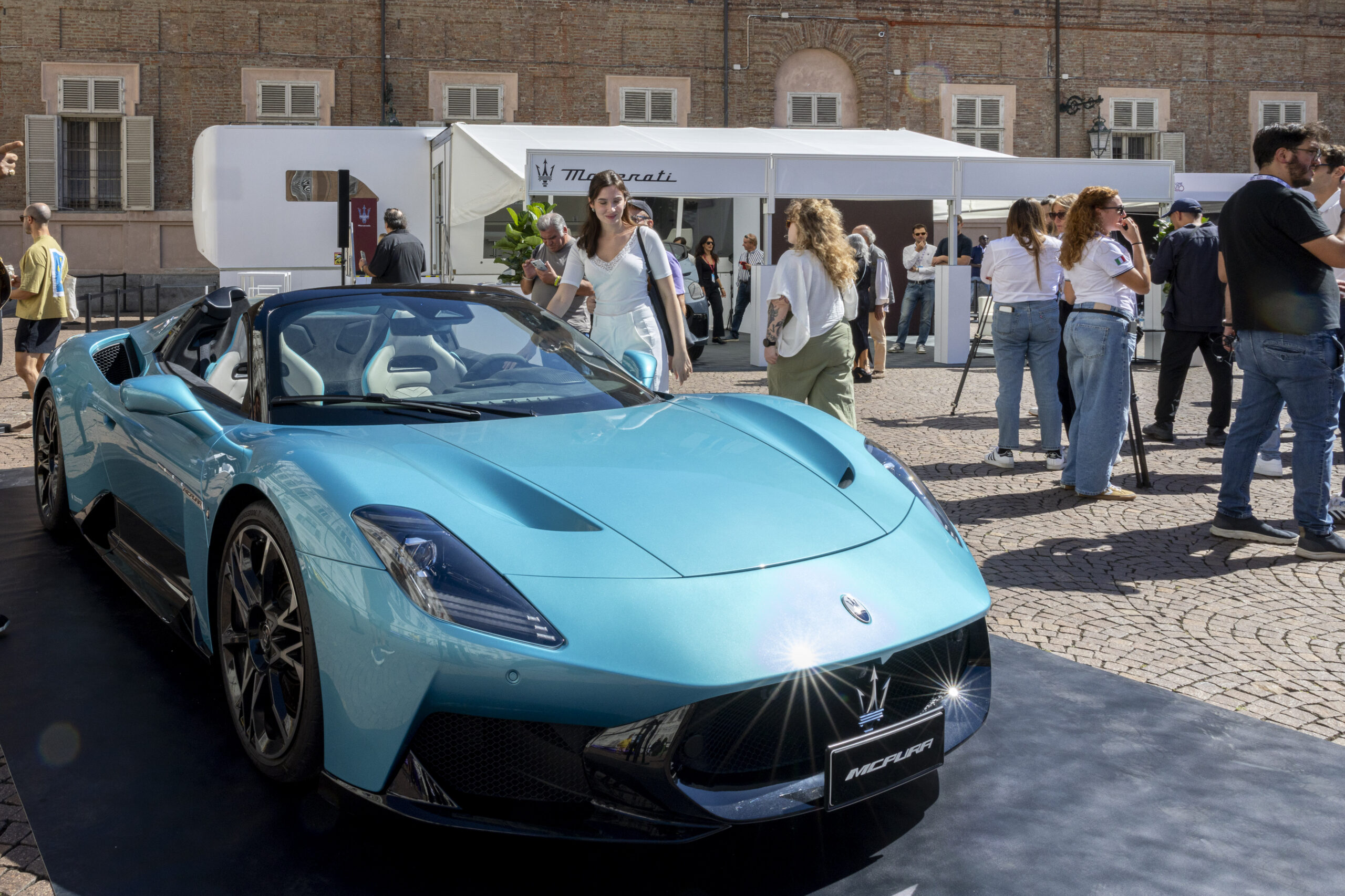
The event also featured the MCPURA Cielo, one of the most dramatic cars in the Maserati lineup.
The open-top supercar uses a 3.0-liter V6 Nettuno with 630 hp. Maserati lists rear-wheel drive and a 0-100 km/h time of 2.9 seconds for the MCPURA Cielo.
Its standout feature is the retractable electrochromic glass roof. The car also uses a carbon-fibre monocoque and butterfly doors.
The exhibition car wore a Fuoriserie AI Aqua Rainbow finish. It quickly became one of the visual highlights of Maserati’s display.
Maserati’s racing heritage was also on display
Maserati did not limit its presence to new road cars.
The brand also placed the GT2 Stradale and MC12 Versione Corse in the Royal Gardens. Both cars represented the connection between Maserati’s racing programme and its road cars.
The GT2 Stradale is the road-going version of the Maserati GT2 race car. Maserati describes it as a super sports car developed with direct links to track technology.
The current GT2 Stradale uses a 3.0-liter V6 with 640 hp and rear-wheel drive. It can reach 324 km/h according to Maserati’s current specifications.
The event also marked an important anniversary for the Trident.
Maserati is celebrating 100 years of its iconic emblem. The symbol first appeared on a Maserati competition car during the 1926 Targa Florio, linking the brand’s identity directly to motorsport.
That history was reflected throughout the Turin exhibition.
Maserati also took part in the Supercar Meeting Venaria Reale–Torino. Its cars left the exhibition area and joined a public road parade through the hills surrounding Turin.
The event included the MCPURA, GranCabrio and GranTurismo. Several additional Maserati models from the local dealer network also joined the procession.
This helped bring the brand’s presence beyond the show itself.
A celebration of Maserati’s past and future
The Salone Auto Torino became an important stage for Maserati’s current lineup. The brand displayed performance SUVs, grand tourers and supercars in the same event.
At the same time, it used its racing cars to reinforce the link between motorsport and road-car development.
The Grecale Trofeo, GranTurismo Trofeo and MCPURA Cielo represented Maserati’s modern identity, while the GT2 Stradale and MC12 Versione Corse connected that identity with decades of competition.
The Turin event also gave Maserati an opportunity to celebrate its centenary. One hundred years after the Trident first appeared on a racing car, the emblem remains at the centre of the brand’s identity.
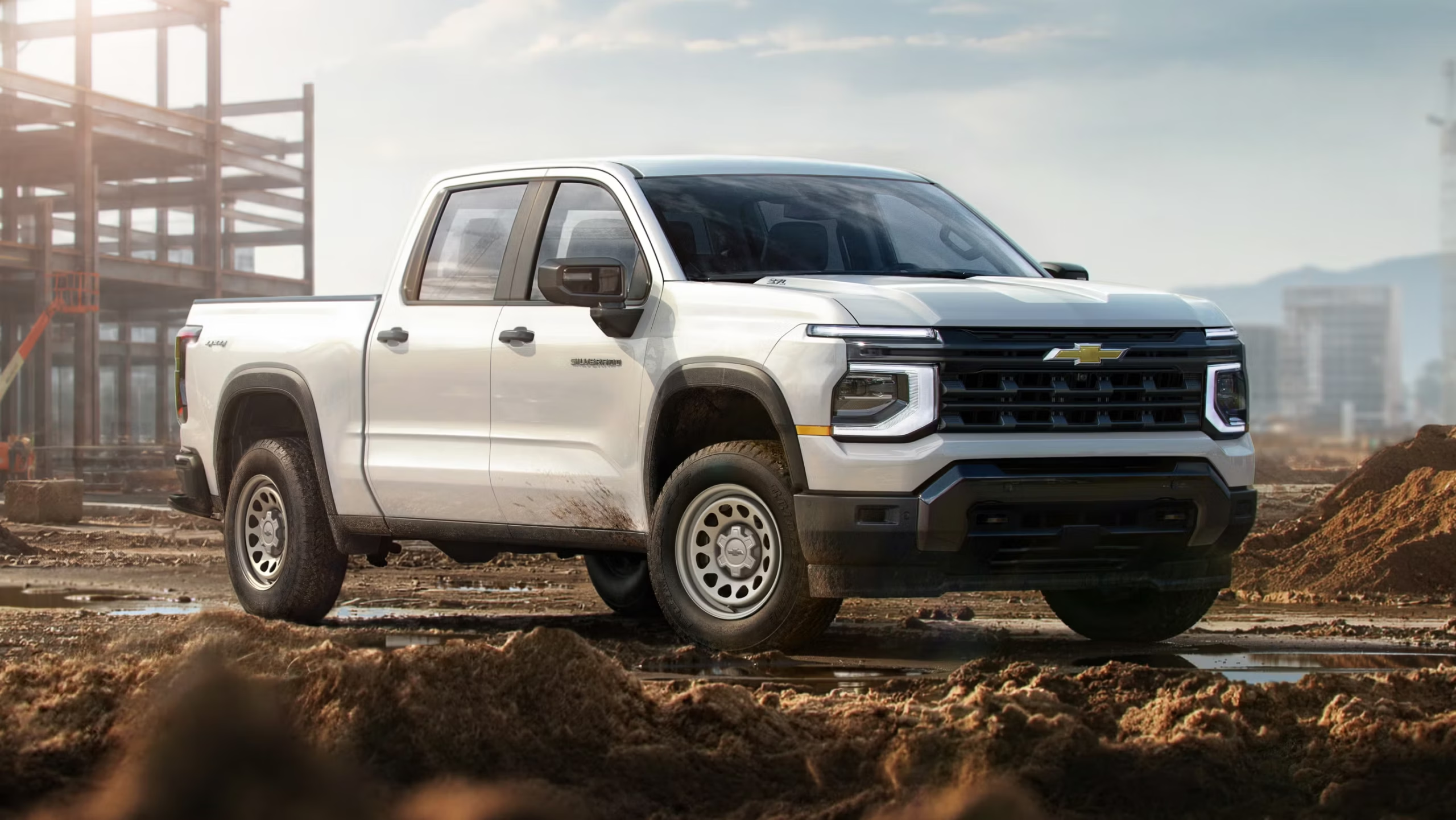
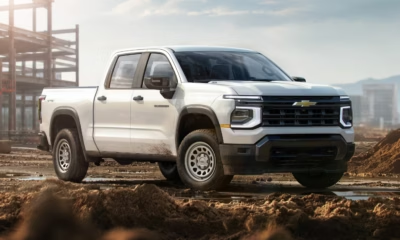
The 2027 Chevy Silverado 1500 enters a new generation with higher prices, fresh technology and two new V8 engines as Chevrolet expands its full-size pickup range.
The new Silverado 1500 costs more for 2027
The 2027 Chevy Silverado 1500 enters a new generation with major changes. Chevrolet has redesigned the pickup inside and out while also adding new powertrain options and more technology.
The updated truck also costs more than the outgoing model. The Work Truck starts at $41,395, which is $1,700 higher than last year’s version.
The Custom trim starts at $46,395. It adds larger wheels and tyres, along with additional technology.
Chevrolet has also changed the naming of one familiar trim. The former LT is now simply called Silverado, and it starts at $50,695.
From there, the range continues with the Custom Trail Boss at $57,195 and the Trail Boss at $63,995.
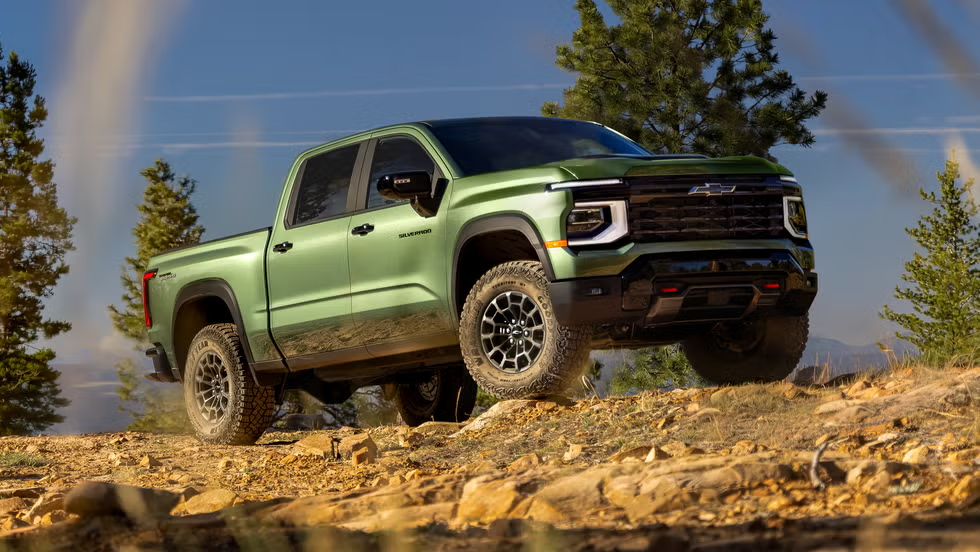
The new 2027 Chevy Silverado 1500 brings a more substantial redesign than a simple model-year update.
Chevrolet describes it as a next-generation Silverado, with a redesigned exterior and interior. The truck also introduces a new seven-trim lineup.
The available versions are WT, Custom, Custom Trail Boss, Silverado, Trail Boss, High Country and ZR2.
Chevrolet is also expanding its off-road range. The Trail Boss and ZR2 versions receive a factory lift, while the ZR2 gets 35-inch mud-terrain tyres.
The new design is therefore only one part of the changes. Underneath the revised bodywork, Chevrolet has also introduced new technology and engine options.
Two new V8 engines headline the range
The biggest mechanical change comes from the engine lineup.
The 2027 Chevy Silverado 1500 offers four powertrain options. They include an upgraded 2.7-liter TurboMax, the 3.0-liter Duramax turbo-diesel and two completely new V8 engines.
The new V8 options are 5.7 liters and 6.6 liters.
Chevrolet says the new engines build on its long history with V8-powered trucks. The updated TurboMax also gains a 10-speed transmission.
The High Country starts at $74,495. It comes with the new 5.7-liter V8 as standard.
The range-topping ZR2 starts at $79,995. It uses the 3.0-liter Duramax diesel as standard, while buyers can also choose the new 6.6-liter V8.
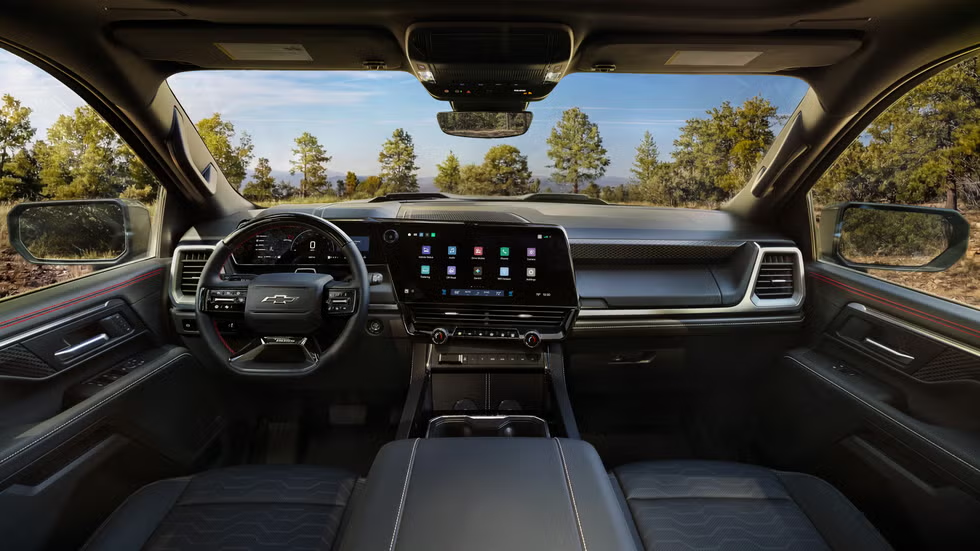
The cabin receives an equally important transformation.
The 2027 Chevy Silverado 1500 gets a fully digital interior designed around a large central touchscreen and a modernised dashboard. Chevrolet also adds new materials and technology across the trim range.
The interior is designed to serve different types of buyers.
The Work Truck focuses on commercial use. Meanwhile, the High Country adds a more premium environment.
Off-road versions take a different approach. The Trail Boss and ZR2 combine the new cabin technology with equipment designed for more demanding terrain.
The Silverado therefore covers a wide range of uses within the same generation.
The pricing structure reflects that strategy.
The base WT sits at $41,395, while the ZR2 reaches $79,995. That creates a price difference of more than $38,000 between the entry-level and top-tier versions.
Chevrolet is expanding its truck strategy
The new Silverado 1500 also brings changes to how Chevrolet positions the lineup.
The company is offering three lifted versions for 2027: Custom Trail Boss, Trail Boss and ZR2. That gives buyers more choices between a traditional work truck and a specialised off-road pickup.
The High Country sits near the top of the range. It focuses more on premium equipment and comfort.
The ZR2 takes the opposite direction. It is designed around off-road performance and receives the most aggressive hardware in the lineup.
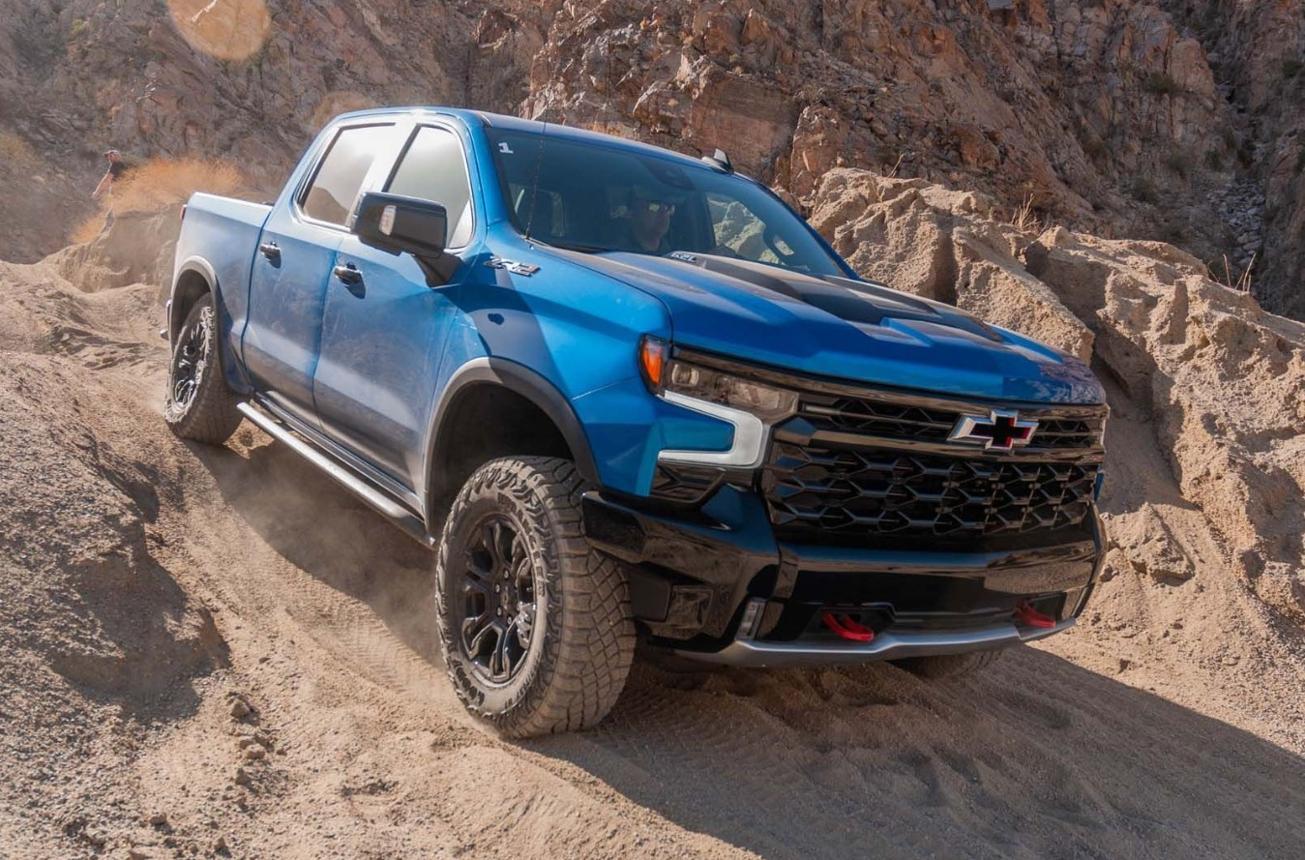
The ZR2 starts at $79,995 and uses the Duramax diesel as its standard engine. Chevrolet also offers the new 6.6-liter V8 as an option.
The ZR2 is not the only special version coming to the lineup. The ZR2 Bison is also expected, although its pricing was not included in Chevrolet’s announcement.
Chevrolet expects the new Silverado 1500 to go on sale at the end of 2026. The company has confirmed the seven-trim range and the four-engine lineup ahead of its arrival.
The new generation therefore represents a broad change for one of Chevrolet’s most important pickups.
The 2027 Chevy Silverado 1500 brings higher prices, two new V8 engines, a redesigned cabin and a wider range of off-road versions.
The entry price rises, but Chevrolet is also adding more technology and capability throughout the range.
For buyers waiting for the new Silverado, the biggest question will now be how the new generation performs once it reaches dealerships later this year.
-

 TEST DRIVES2 months ago
2026 Maserati MCPura Cielo
-

 NOW TRENDING2 months ago
Honda Civic Si Production Ends After 2026 Model Year Pause
-

 INTELLIGENT MOBILITY2 months ago
2027 Toyota Crown Gets New Hybrid System and Fresh Design
-

 NOW TRENDING2 months ago
2027 Range Rover GT Debuts as the Brand’s Lowest EV
-

 NOW TRENDING2 months ago
Next-Gen Cadillac CT5-V Blackwing Could Keep the V8 Alive
-
 NOW TRENDING2 months ago
Rolls-Royce’s $32 Million Droptail Took 9 Months of Handcrafted Woodwork
-
 NOW TRENDING2 months ago
2027 Toyota Sequoia Adds Trailhunter Package and New Tech
-

 NOW TRENDING2 months ago
Rezvani Dune Turns the Huracan Into an 800-HP Off-Road Beast
You must be logged in to post a comment Login