
NOW TRENDING
Chrysler Pacifica Debuts Two Custom Concepts at Roadkill Nights

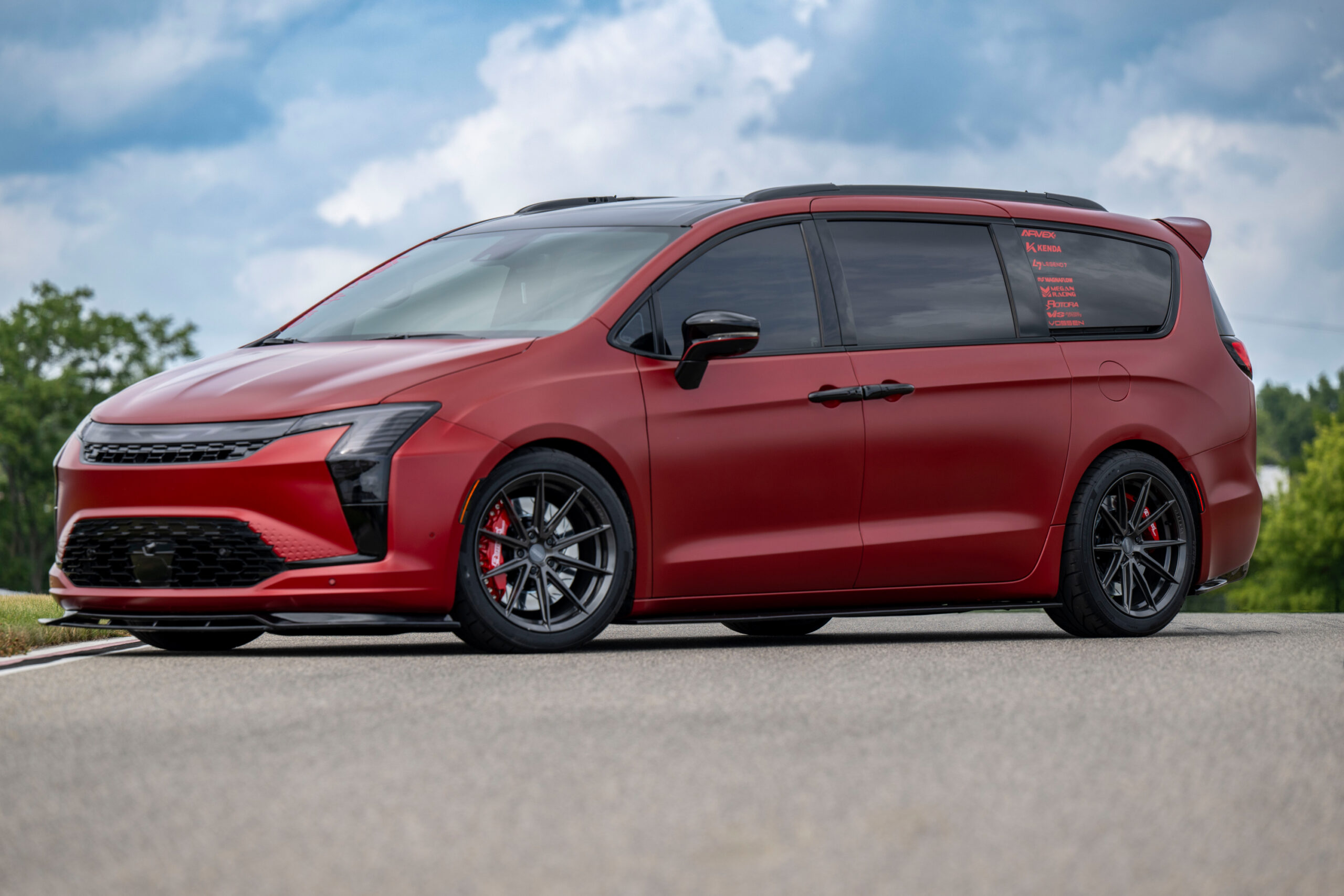
Chrysler unveiled two custom Pacifica concepts that explore factory-style personalization and enthusiast-inspired modifications for the growing minivan market.
Chrysler has introduced two custom Pacifica concepts at Roadkill Nights Powered by Dodge in Pontiac, Michigan, showcasing how its best-selling minivan can be adapted to a wider range of lifestyles and personal tastes.
The concepts are based on the 2027 Chrysler Pacifica and demonstrate two different approaches to customization: one inspired by factory upgrades and another developed in collaboration with the VANkulture enthusiast community.
A growing market for personalized minivans
Chrysler says the minivan segment is attracting a younger audience, with Gen Z and Millennial buyers increasing 143% over the past 10 model years.
The company also expects U.S. retail minivan sales to grow 18% over the next five years, creating new opportunities for personalization-focused vehicles.
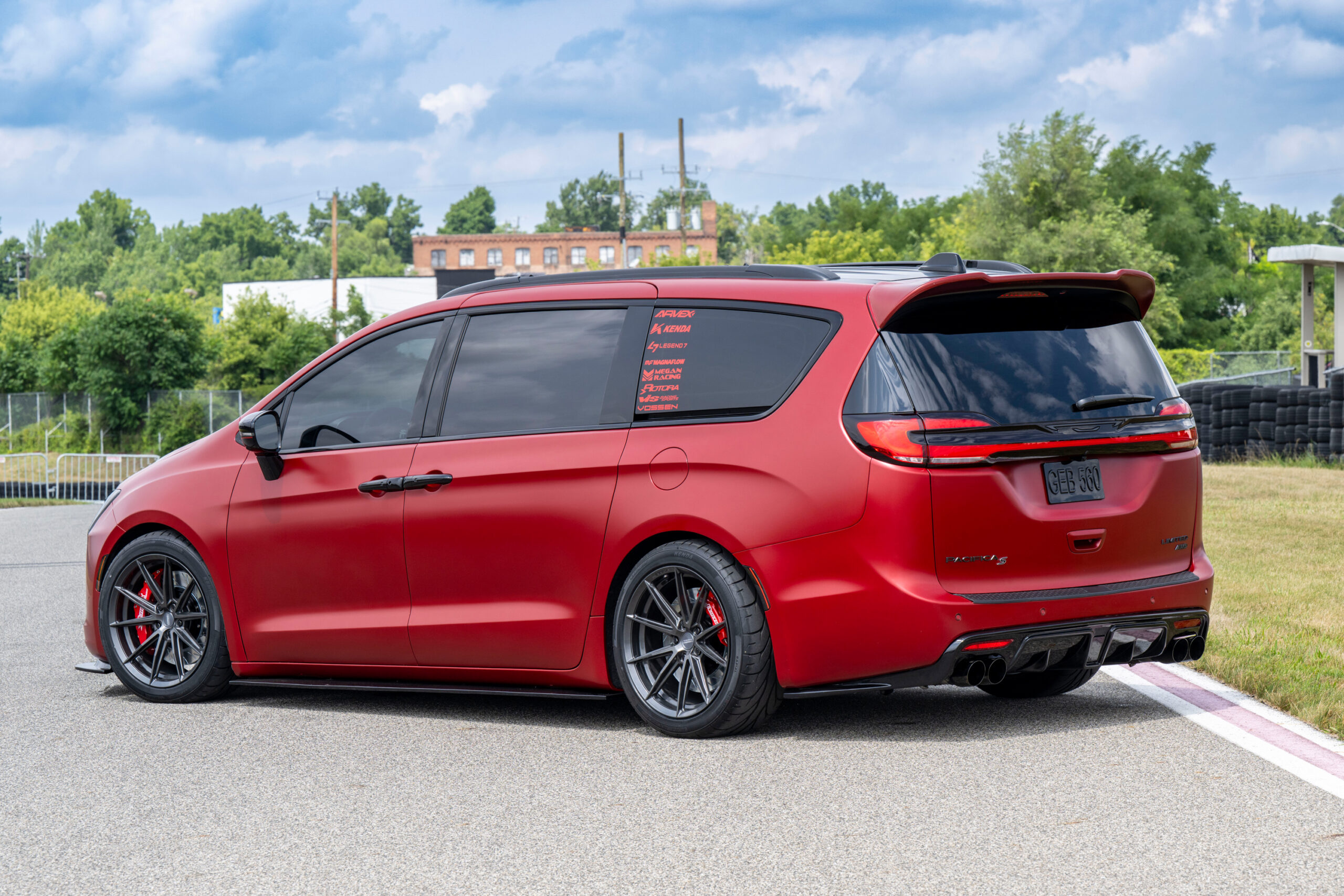
Chrysler showcased two custom Pacifica concepts at Roadkill Nights in Michigan.
According to Chrysler, one-third of Pacifica buyers already choose the S Appearance Package, suggesting that many customers want the practicality of a minivan with a more distinctive look.
Factory-inspired Pacifica concept
The first concept starts with a Diamond Black 2027 Chrysler Pacifica Limited AWD equipped with the S Appearance Package.
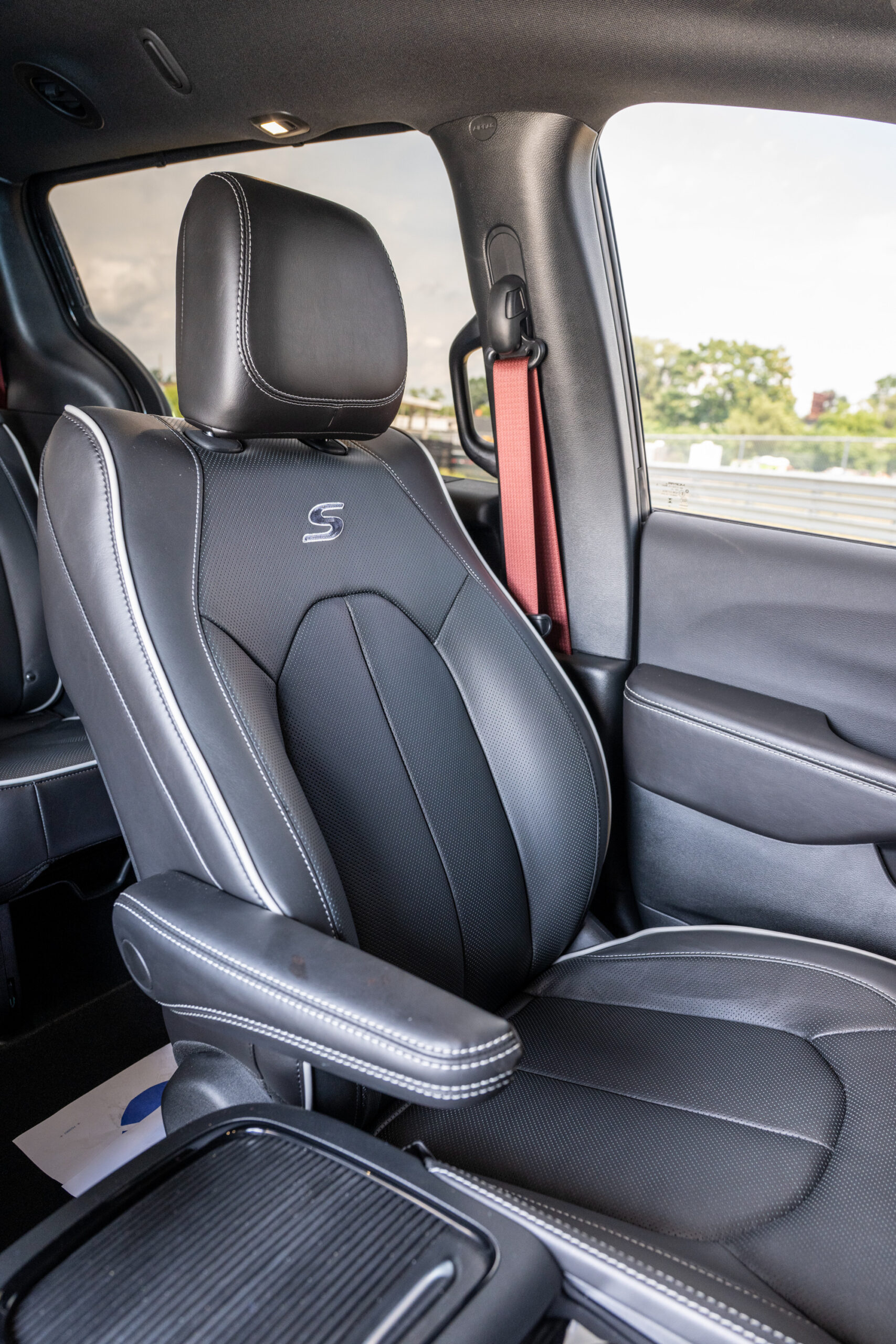
The factory-inspired concept features a lowered stance, larger wheels, and blacked-out styling details.
Chrysler added several factory-style upgrades, including:
- 21-inch Geode wheels
- Black-painted brake calipers
- A 1-inch lowered ride height
- Mopar-designed matte exterior stripes
- Red seat belts introduced on the 2027 Pacifica America250 edition
The goal was to create a custom appearance that could feel close to a factory-built special edition.
VANkulture Pacifica concept
The second concept takes a much more aggressive approach and was developed with VANkulture, a community known for customized minivans and family-oriented enthusiast builds.
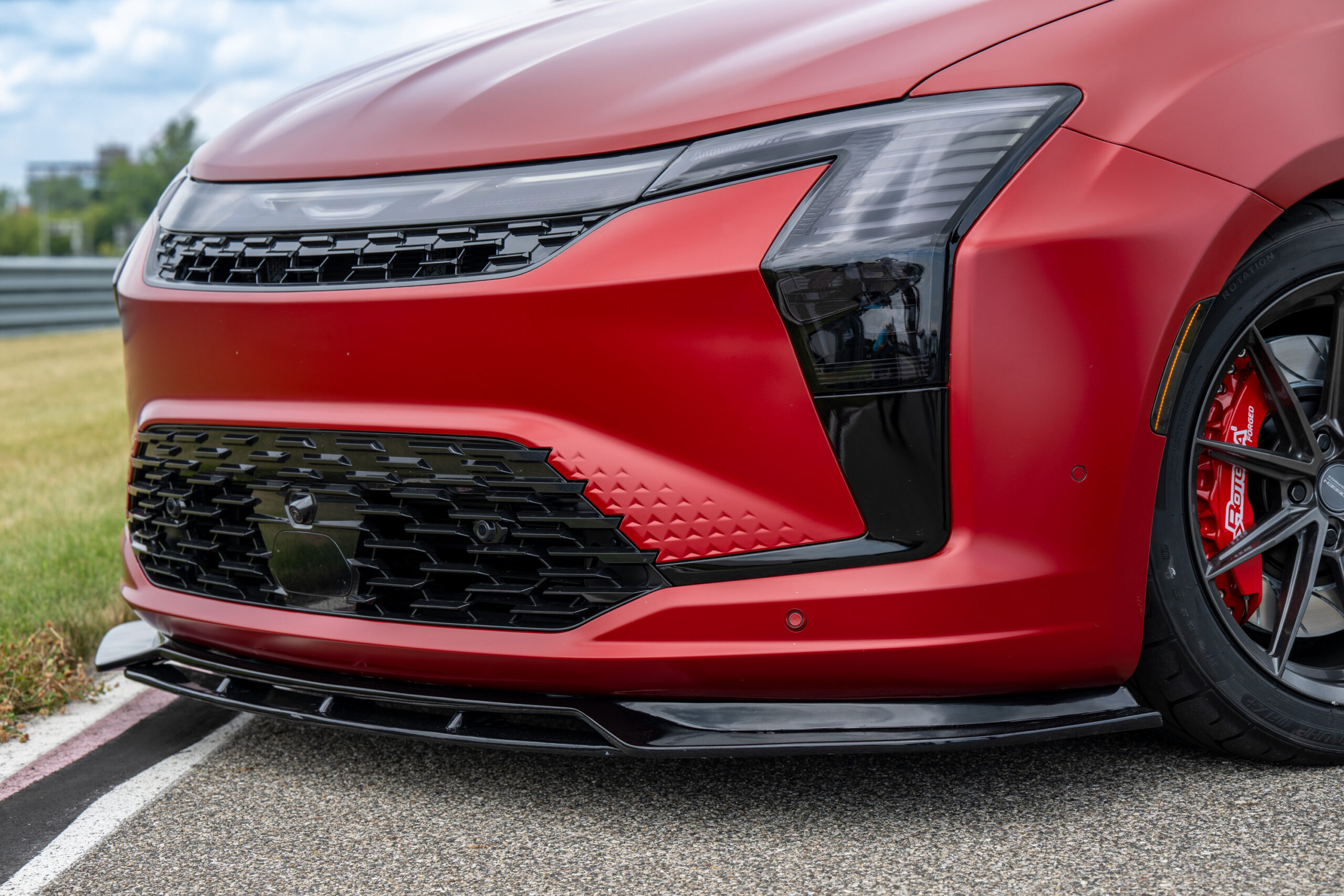
The VANkulture concept adds custom aero parts, upgraded suspension, wheels, and performance-inspired styling.
This version includes:
- A bespoke VIS Racing aero package
- A satin paint protection film wrap
- Smoked headlight treatment
- 20-inch Vossen wheels
- A 2.5-inch-lower adjustable suspension setup
- Rotora performance brakes
- A MagnaFlow exhaust system
The concept connects Pacifica with a growing minivan enthusiast culture that emphasizes individuality and utility.








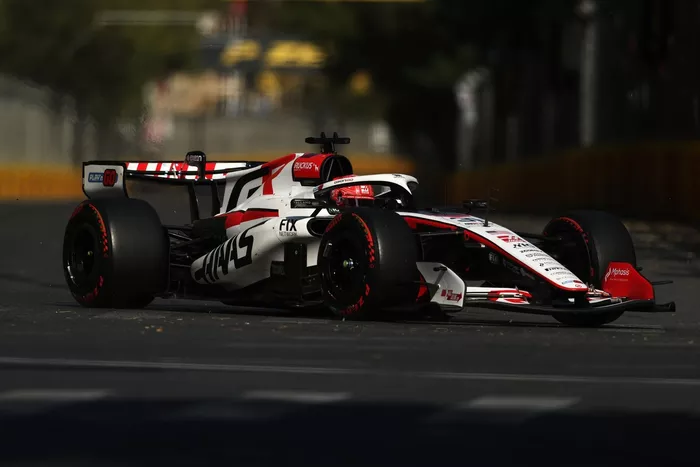
Esteban Ocon delivered his best result of the 2026 F1 season in Baku and used the opportunity to make a strong statement about his ability amid uncertainty over his future.
Ocon makes his case after his Baku breakthrough
Esteban Ocon left the 2026 Azerbaijan Grand Prix with his strongest result of the season so far.
The Haas driver finished eighth in Baku, scoring four points after starting 13th. He also came through a chaotic race that included multiple Safety Car restarts and several incidents ahead of him.
The result was important for Haas as well.
Ocon and Ollie Bearman finished eighth and ninth, giving the team its first double-points finish of the 2026 season.
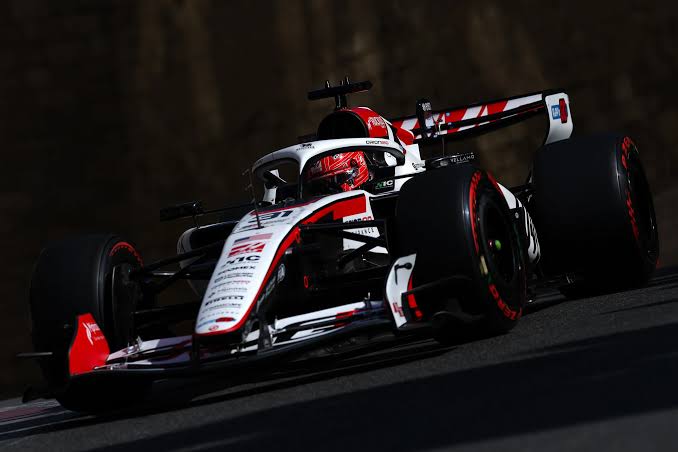
Ocon finished eighth in Baku after moving through the field during the Safety Car restarts.
The result came after a frustrating qualifying session.
A late yellow flag forced Ocon to abandon his final Q2 attempt, leaving him 14th on the qualifying timesheet. Haas had shown enough pace to suggest a Q3 opportunity was possible.
Race day was a different story.
Ocon gained places through smart strategy and avoided the major incidents that eliminated several faster cars. He was eventually beaten to seventh by Arvid Lindblad by just 0.03 seconds at the finish.
“I’m one of the best out there”
After the race, Ocon was clearly pleased with the recovery.
He said the result reflected what he believed the Haas was capable of when it worked properly. The Frenchman also highlighted the team’s pit-stop decisions, Safety Car strategy and the car’s improved competitiveness.
That confidence then turned directly toward his own future.
Ocon pointed to his experience across several categories and argued that he has consistently competed at a high level throughout his career.
“I’m one of the best out there and I’m not afraid to say it,” Ocon said after the race.
The statement came during a period of uncertainty around his 2027 Haas seat. Ocon had already indicated earlier in Baku that he was a free agent for next season.
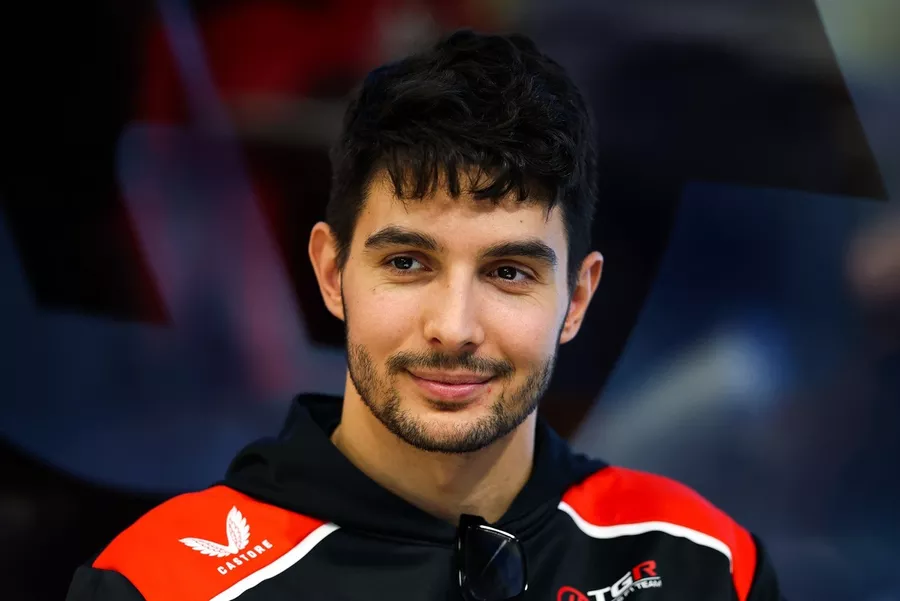
Ocon has spent 2026 racing alongside Ollie Bearman at Haas.
Ocon also explained why the Baku result mattered so much.
The Frenchman has struggled for consistency during the 2026 campaign. His points finishes have been limited, and Haas has experienced several difficult weekends during the season.
The Baku result finally gave him a weekend where the car, strategy and race execution came together.
That combination produced his third top-10 finish of the season, according to Formula 1’s race report.
Ocon’s record backs up part of his argument
Ocon’s career includes wins in Formula 3, GP3 and Formula 1, while he also raced in the DTM during the 2016 season.
His F1 career includes one Grand Prix victory and four podium finishes, according to Formula 1’s driver profile.
His career path also includes successful junior-category campaigns before reaching Formula 1.
However, one part of his post-race statement requires context. Ocon said he had won every championship he had competed in, but his DTM season does not fully support that wording. The detail is therefore better understood as Ocon emphasizing his record of winning and competing successfully in multiple categories.
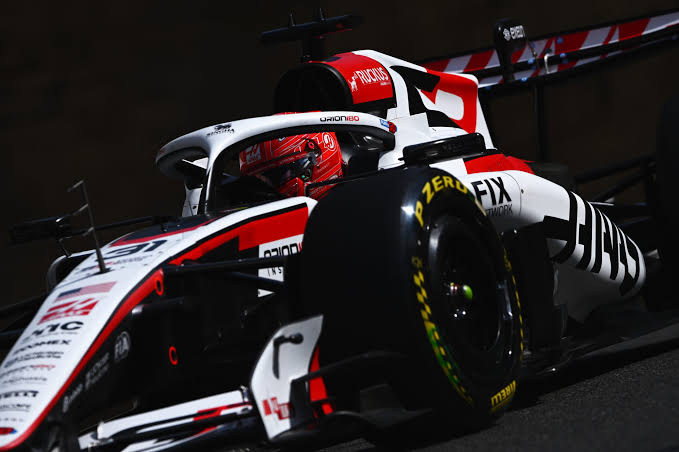
The Haas VF-26 gave Ocon a competitive platform in Baku, helping him score his best result of 2026.
The bigger issue now is what happens next.
Haas has not confirmed Ocon’s place for 2027. The team’s driver decision therefore remains open, while Ocon continues to build his case on track.
For the Frenchman, performance is still the clearest way to respond.
Baku delivered exactly that. He qualified outside the top 10, recovered through a difficult race and finished just behind Lindblad at the flag.
The result also gave Haas six points from both cars.
The next races will matter
Ocon now enters the next phase of the season with a stronger result behind him.
Haas will continue the 2026 campaign with Ocon and Bearman, while the team’s future driver lineup remains to be settled.
Ocon’s message is straightforward.
He believes his experience and results justify another opportunity in Formula 1. His P8 in Baku gave him his best result of 2026 and a concrete result to add to that argument.
The Esteban Ocon F1 future remains unresolved, but his performance in Azerbaijan has ensured that the conversation will continue with a new reference point: his strongest race of the season.
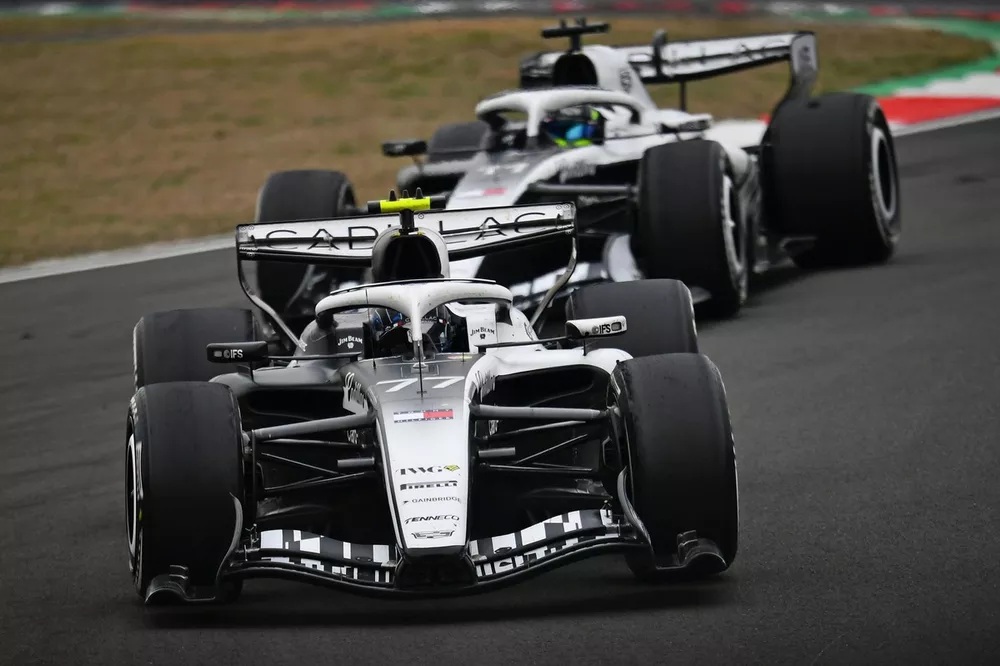
Sergio Perez delivered one of Cadillac’s strongest weekends in 2026, while Valtteri Bottas struggled for pace before a late technical failure ended his Azerbaijan Grand Prix.
A major performance gap between Cadillac drivers
The Cadillac F1 team saw a striking difference between its two drivers at the 2026 Azerbaijan Grand Prix.
Sergio Perez stayed close to the midfield throughout the opening part of the race. Valtteri Bottas, meanwhile, lost ground rapidly and finished his afternoon in the barriers after a technical problem.
The contrast had already appeared in qualifying.
Bottas finished 1.632 seconds behind Perez, although the Finn was affected by a yellow flag. The race then exposed an even larger difference between the two Cadillac cars.
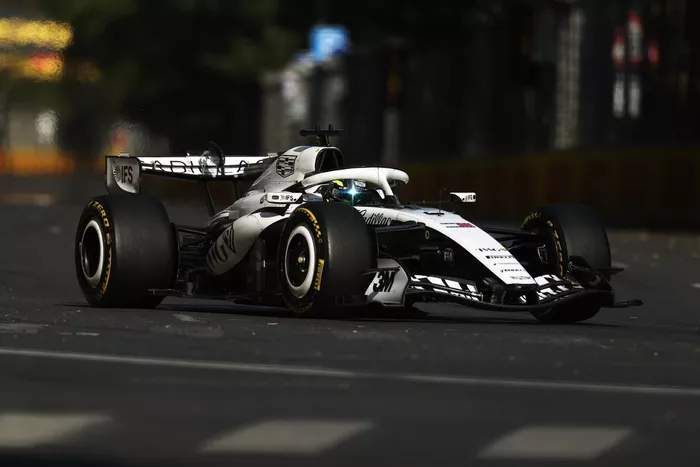
Perez kept Cadillac in contact with the midfield during the first stint in Baku.
By the time Bottas made his first pit stop on lap 26, he was already more than 46 seconds behind his teammate.
That represented a very large gap over a relatively short distance. After the Safety Car periods, the difference remained significant, with Bottas still losing roughly 1.6 seconds per lap according to the race analysis.
Bottas was direct about the problem.
“I didn’t have the pace at all.”
He also said that fighting Fernando Alonso cost him some time. However, he did not believe that explained the full gap to Perez.
Perez extracted more from the Cadillac package
Perez’s race was very different.
The Mexican stayed with Williams and Audi cars during the opening stint. He also benefited from the Safety Car and moved forward during the restart sequence.
Cadillac ultimately lacked enough straight-line speed to fight consistently for points. Perez said the car was too draggy on the straights and that he needed another half-second to one second to stay with some rivals.
Even so, he managed to maximize what the package offered.
He described the Baku weekend as one of his strongest performances at the circuit. His final classification was 14th in the latest official F1 reporting, with Cadillac still searching for its first point of the season.
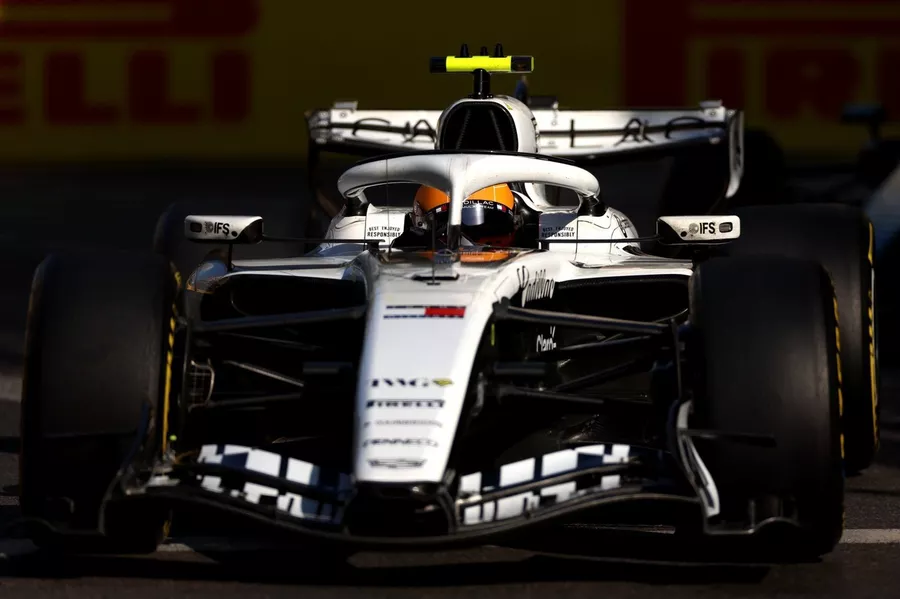
Bottas faced a difficult race before a technical issue contributed to his late retirement.
Bottas’ difficulties were not limited to pace.
Late in the race, he locked up at Turn 1 and went wide. He believes the extra distance may have confused some of the car’s systems.
Soon afterward, he experienced a much more serious problem.
At Turn 15, Bottas said that when he braked, the front brakes worked but the rears appeared not to be harvesting as expected. He then lost control and crashed on the penultimate lap.
Cadillac team principal Marcin Budkowski confirmed that the team would investigate the technical issue.
He also noted that Perez had enjoyed a particularly strong weekend and spent much of the race fighting other cars.
Why the Baku track amplified the difference
Baku is not a forgiving circuit for a car that lacks efficiency.
The track combines long straights with slow 90-degree corners. That puts a premium on acceleration, energy deployment and predictable braking.
Perez was able to keep fighting despite Cadillac’s straight-line deficit. Bottas, by contrast, never found the same level of pace.
That does not necessarily mean the two drivers had identical car setups.
A Formula 1 weekend involves different tire conditions, traffic, fuel loads, setup choices and track evolution. The available data also do not establish one single reason for the entire difference.
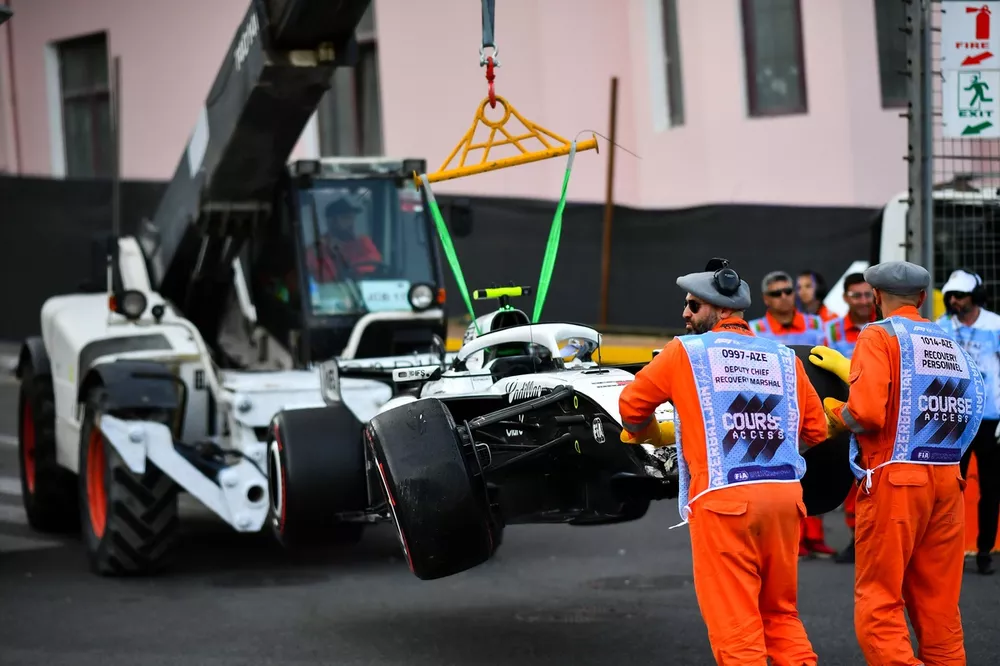
Cadillac’s 2026 Formula 1 cars are powered by Ferrari power units during the team’s debut season.
The race results nevertheless show a clear outcome.
Perez reached the finish while Bottas retired after 49 laps. The official F1 results classify the two Cadillac drivers 15th and 16th respectively in the provisional results, with neither scoring points.
The difference also matters because Cadillac is still building its first F1 program.
The team is developing its car while creating its operational structure, and Perez said there are no major upgrades expected before the end of the season. That makes extracting maximum performance from every weekend even more important.
Perez gives Cadillac a useful reference point
Baku did not produce Cadillac’s first F1 points.
However, it did give the team a clearer reference for what its car can achieve when everything comes together. Perez stayed in the midfield fight and described his execution as one of his best weekends of the season.
Bottas’ race provides a different set of lessons.
The team now has to determine why the pace difference was so large and what role the technical problem played in the final stages.
The Cadillac Perez-Bottas gap in Baku was therefore more than a simple difference in finishing positions. Perez extracted the pace available from the car, while Bottas struggled throughout the race before a late system issue ended his Grand Prix.
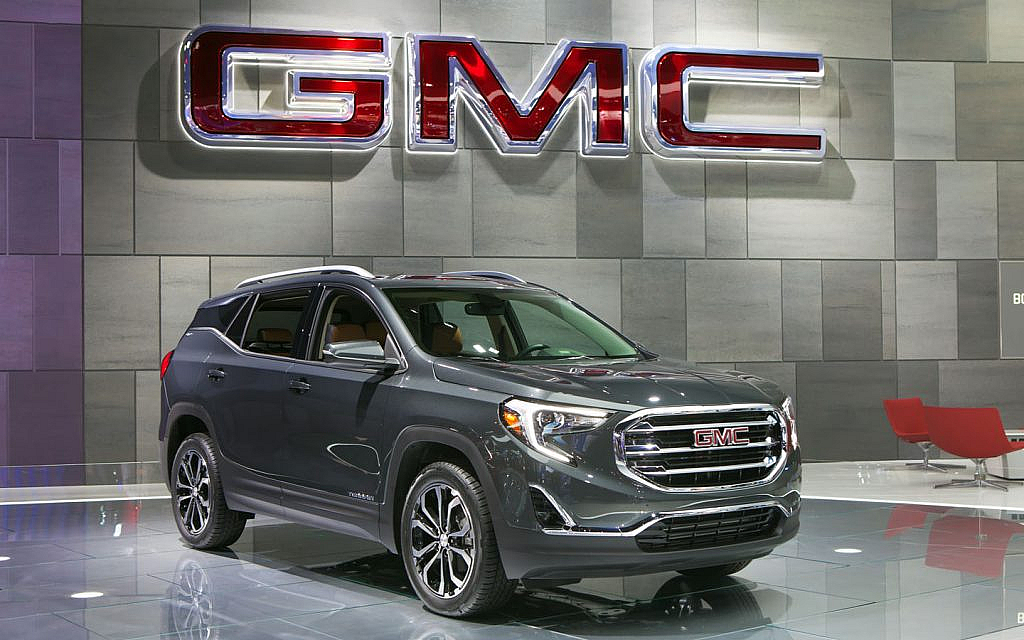
A new U.S. fuel economy rule could reduce General Motors’ technology costs by $20.4 billion through 2031 while lowering compliance pressure on automakers.
GM could see a major drop in technology costs
General Motors could save $20.4 billion in technology costs through 2031 under the new U.S. fuel economy rules finalized on September 28, 2026.
The estimate comes from the U.S. Transportation Department. Across the industry, the government projects technology-cost reductions of $60.6 billion through 2031, or about $1,289 per vehicle.
The new rules are expected to take effect around early December 2026. Until then, the previous standards remain in place.
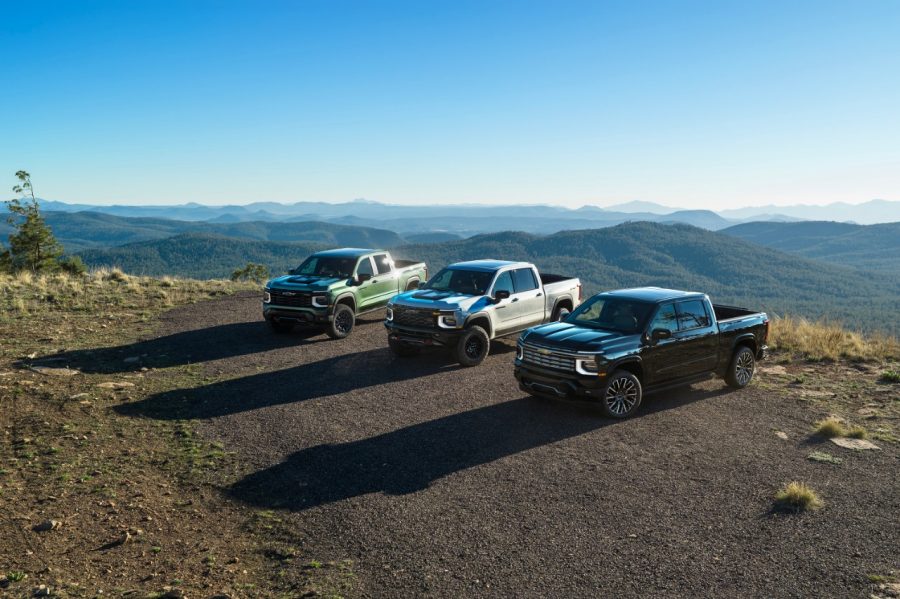
GM’s next-generation Silverado shows how important full-size trucks remain to the company’s U.S. strategy.
The change is significant because automakers will face less pressure to add expensive fuel-saving technology.
Under the new framework, manufacturers will also have less regulatory pressure to increase EV production solely to meet fuel economy requirements.
For GM, that could reduce the amount of money required for compliance engineering over the next several model years.
The 2031 target is much lower
One of the most important changes is the projected fleetwide fuel economy target for model year 2031.
The new rule sets the projected industry average at 34.9 mpg. The 2024 standards had projected a much higher 50.4 mpg fleet average by 2031.
That represents a major change in the regulatory path for the U.S. auto industry.
The rule covers passenger cars and light trucks for model years 2027 through 2031. NHTSA is responsible for setting the Corporate Average Fuel Economy, or CAFE, standards.
The lower requirement gives automakers additional flexibility when deciding which technologies and powertrains to develop.
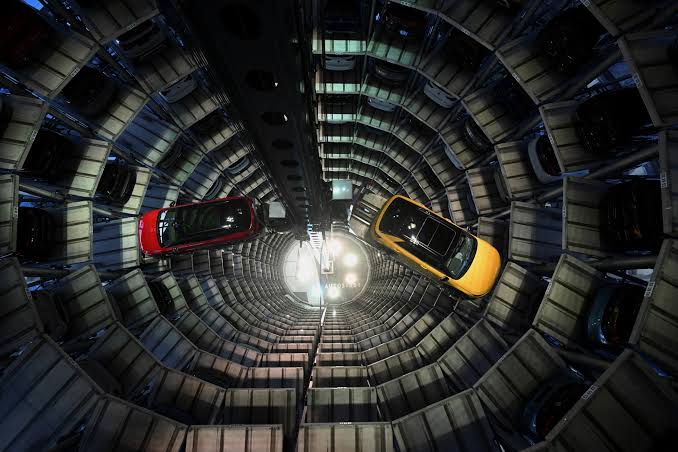
GM is investing in its next-generation Small Block V8 engines for future full-size trucks and SUVs.
GM has recently introduced new powertrain technology across its truck lineup.
The 2027 Silverado 1500 and GMC Sierra 1500 receive new 5.7-liter and 6.6-liter naturally aspirated V8 engines. They also continue to offer the enhanced TurboMax and Duramax diesel.
Those investments show why fuel economy rules matter to GM.
The automaker is simultaneously developing gasoline, diesel and electric powertrains. A lower CAFE burden can change how quickly certain technologies need to be introduced.
GM supports the new rule
GM has publicly supported the government’s stated goal of bringing fuel economy requirements closer to current market conditions.
The company said it supports the rule’s intention to better align fuel economy standards with market realities.
That position is especially relevant because GM has been expanding its portfolio of gasoline-powered trucks while also investing in EVs.
The new rule does not prohibit electric vehicles or hybrids. Instead, it changes the fuel economy requirements that manufacturers must meet across their fleets.
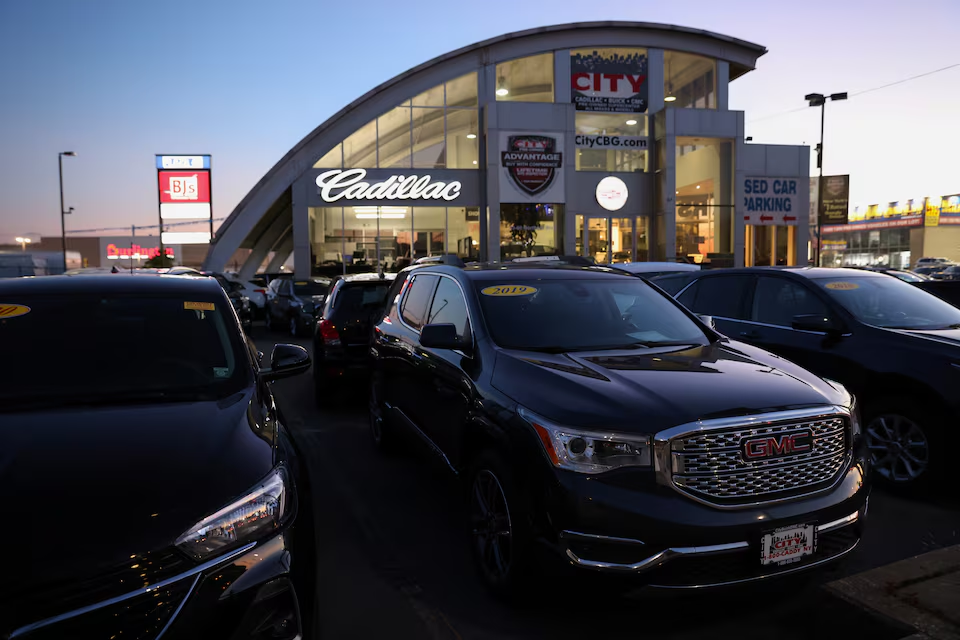
GM’s new truck technology is debuting alongside its expanded gasoline, diesel and electric powertrain strategy.
The regulatory change could also affect how manufacturers plan future vehicle programs.
With lower fuel economy requirements, companies may have more room to continue developing gasoline-powered trucks, SUVs and other larger vehicles.
At the same time, electric and hybrid vehicles remain part of the market. The new standards simply reduce the regulatory pressure to use those technologies to achieve the previous targets.
Other automakers could also see savings
GM is not the only major automaker affected.
The Transportation Department estimates technology-cost reductions of $6.6 billion for Stellantis, $5.8 billion for Ford, $4.5 billion for Toyota and $4.1 billion for Honda through 2031.
The size of the projected savings varies by manufacturer.
That is because compliance costs depend on fleet composition, vehicle technology and the number of vehicles each company sells in the United States.
The previous rules created higher compliance costs
The new framework replaces a more aggressive regulatory path.
The 2024 fuel economy rules were estimated to cost GM $31.7 billion through 2031 in technology costs. The latest government estimate therefore represents a substantial reduction in projected expenses.
Earlier proposals also included significant potential penalties.
In 2023, NHTSA estimated that a proposed increase in fuel economy standards could generate billions of dollars in industry penalties, including a projected $6.5 billion for GM.
The final 2024 rule later reduced the industry’s projected maximum penalties for 2027 through 2031 to $1.83 billion.
GM continues to invest in U.S. powertrain manufacturing as it prepares its next-generation truck lineup.
The new rule also changes the economic calculations around future vehicle development.
Automakers can still improve fuel economy through better engines, hybrids and EVs. However, the regulatory requirement for those investments is now less aggressive.
For GM, that could be particularly important as it prepares new generations of its Silverado and Sierra, alongside continued EV development.
What the new rule means for GM
The biggest immediate number is clear: the government estimates that GM’s technology costs could fall by $20.4 billion through 2031.
The industrywide estimate reaches $60.6 billion, while the projected 2031 fleet average falls to 34.9 mpg under the new framework.
The effect on consumers is less straightforward.
Lower regulatory costs do not automatically mean every vehicle will become cheaper by the same amount. Final vehicle pricing will continue to depend on manufacturing costs, equipment, demand and each automaker’s pricing strategy.
The new U.S. fuel economy rule therefore gives GM more flexibility in its powertrain strategy while reducing the technology costs projected under the previous standards. The rule is expected to take effect in December 2026 after the required publication period.
-

 NOW TRENDING1 month ago
Tesla Cybercab Gets September 3 Austin Launch Date
-
 NOW TRENDING2 months ago
2027 Hyundai Tucson Spied With New Design and Hybrid Power
-
 NOW TRENDING2 months ago
Ferrari Sold Out Through 2027 as Demand Hits New High
-
 NOW TRENDING2 months ago
Audi’s New SUVs Could Help Reverse Its Sales Decline in 2026
-
 NOW TRENDING2 months ago
Mazda Plans Updates for CX-70 and CX-90 After Sales Drop
-
 NOW TRENDING2 months ago
GM Invests $157 Million in Missouri Assembly Plant
-
 NOW TRENDING2 months ago
Cadillac spent $16 million on the Blackwing V8 before canceling it
-
 RACING2 months ago
Ferrari Strengthens F1 Team With Key Chassis Signings
You must be logged in to post a comment Login