
NOW TRENDING
New U.S. Fuel Rule Could Cut GM Costs by $20.4B

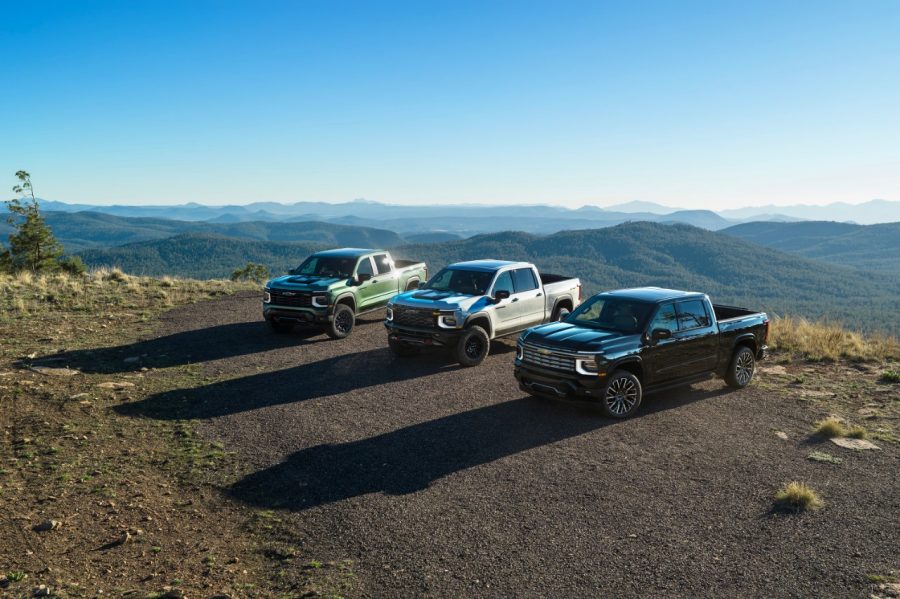
A new U.S. fuel economy rule could reduce General Motors’ technology costs by $20.4 billion through 2031 while lowering compliance pressure on automakers.
GM could see a major drop in technology costs
General Motors could save $20.4 billion in technology costs through 2031 under the new U.S. fuel economy rules finalized on September 28, 2026.
The estimate comes from the U.S. Transportation Department. Across the industry, the government projects technology-cost reductions of $60.6 billion through 2031, or about $1,289 per vehicle.
The new rules are expected to take effect around early December 2026. Until then, the previous standards remain in place.
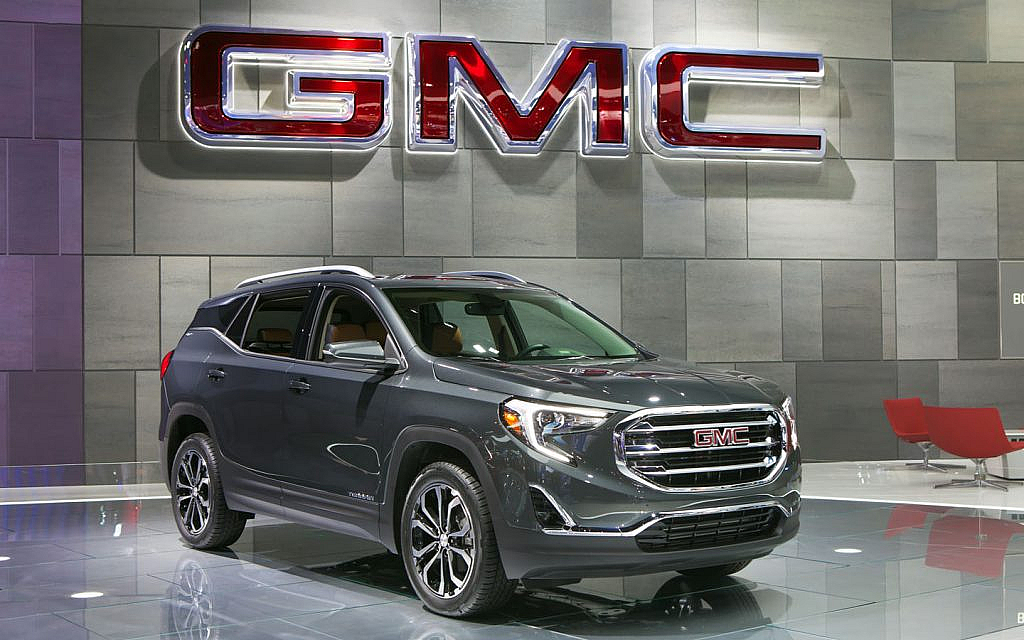
GM’s next-generation Silverado shows how important full-size trucks remain to the company’s U.S. strategy.
The change is significant because automakers will face less pressure to add expensive fuel-saving technology.
Under the new framework, manufacturers will also have less regulatory pressure to increase EV production solely to meet fuel economy requirements.
For GM, that could reduce the amount of money required for compliance engineering over the next several model years.
The 2031 target is much lower
One of the most important changes is the projected fleetwide fuel economy target for model year 2031.
The new rule sets the projected industry average at 34.9 mpg. The 2024 standards had projected a much higher 50.4 mpg fleet average by 2031.
That represents a major change in the regulatory path for the U.S. auto industry.
The rule covers passenger cars and light trucks for model years 2027 through 2031. NHTSA is responsible for setting the Corporate Average Fuel Economy, or CAFE, standards.
The lower requirement gives automakers additional flexibility when deciding which technologies and powertrains to develop.
GM is investing in its next-generation Small Block V8 engines for future full-size trucks and SUVs.
GM has recently introduced new powertrain technology across its truck lineup.
The 2027 Silverado 1500 and GMC Sierra 1500 receive new 5.7-liter and 6.6-liter naturally aspirated V8 engines. They also continue to offer the enhanced TurboMax and Duramax diesel.
Those investments show why fuel economy rules matter to GM.
The automaker is simultaneously developing gasoline, diesel and electric powertrains. A lower CAFE burden can change how quickly certain technologies need to be introduced.
GM supports the new rule
GM has publicly supported the government’s stated goal of bringing fuel economy requirements closer to current market conditions.
The company said it supports the rule’s intention to better align fuel economy standards with market realities.
That position is especially relevant because GM has been expanding its portfolio of gasoline-powered trucks while also investing in EVs.
The new rule does not prohibit electric vehicles or hybrids. Instead, it changes the fuel economy requirements that manufacturers must meet across their fleets.
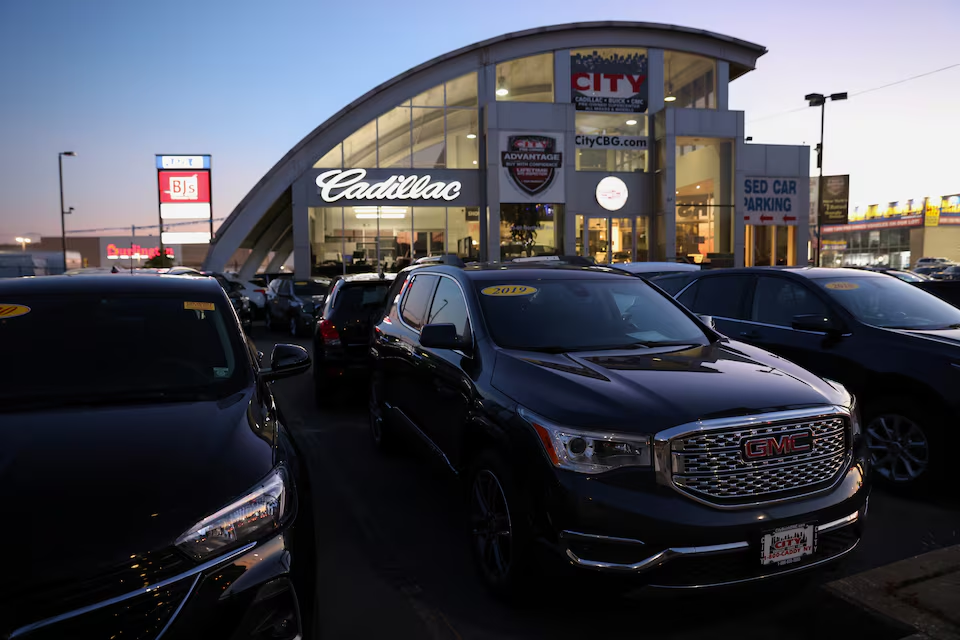
GM’s new truck technology is debuting alongside its expanded gasoline, diesel and electric powertrain strategy.
The regulatory change could also affect how manufacturers plan future vehicle programs.
With lower fuel economy requirements, companies may have more room to continue developing gasoline-powered trucks, SUVs and other larger vehicles.
At the same time, electric and hybrid vehicles remain part of the market. The new standards simply reduce the regulatory pressure to use those technologies to achieve the previous targets.
Other automakers could also see savings
GM is not the only major automaker affected.
The Transportation Department estimates technology-cost reductions of $6.6 billion for Stellantis, $5.8 billion for Ford, $4.5 billion for Toyota and $4.1 billion for Honda through 2031.
The size of the projected savings varies by manufacturer.
That is because compliance costs depend on fleet composition, vehicle technology and the number of vehicles each company sells in the United States.
The previous rules created higher compliance costs
The new framework replaces a more aggressive regulatory path.
The 2024 fuel economy rules were estimated to cost GM $31.7 billion through 2031 in technology costs. The latest government estimate therefore represents a substantial reduction in projected expenses.
Earlier proposals also included significant potential penalties.
In 2023, NHTSA estimated that a proposed increase in fuel economy standards could generate billions of dollars in industry penalties, including a projected $6.5 billion for GM.
The final 2024 rule later reduced the industry’s projected maximum penalties for 2027 through 2031 to $1.83 billion.
GM continues to invest in U.S. powertrain manufacturing as it prepares its next-generation truck lineup.
The new rule also changes the economic calculations around future vehicle development.
Automakers can still improve fuel economy through better engines, hybrids and EVs. However, the regulatory requirement for those investments is now less aggressive.
For GM, that could be particularly important as it prepares new generations of its Silverado and Sierra, alongside continued EV development.
What the new rule means for GM
The biggest immediate number is clear: the government estimates that GM’s technology costs could fall by $20.4 billion through 2031.
The industrywide estimate reaches $60.6 billion, while the projected 2031 fleet average falls to 34.9 mpg under the new framework.
The effect on consumers is less straightforward.
Lower regulatory costs do not automatically mean every vehicle will become cheaper by the same amount. Final vehicle pricing will continue to depend on manufacturing costs, equipment, demand and each automaker’s pricing strategy.
The new U.S. fuel economy rule therefore gives GM more flexibility in its powertrain strategy while reducing the technology costs projected under the previous standards. The rule is expected to take effect in December 2026 after the required publication period.









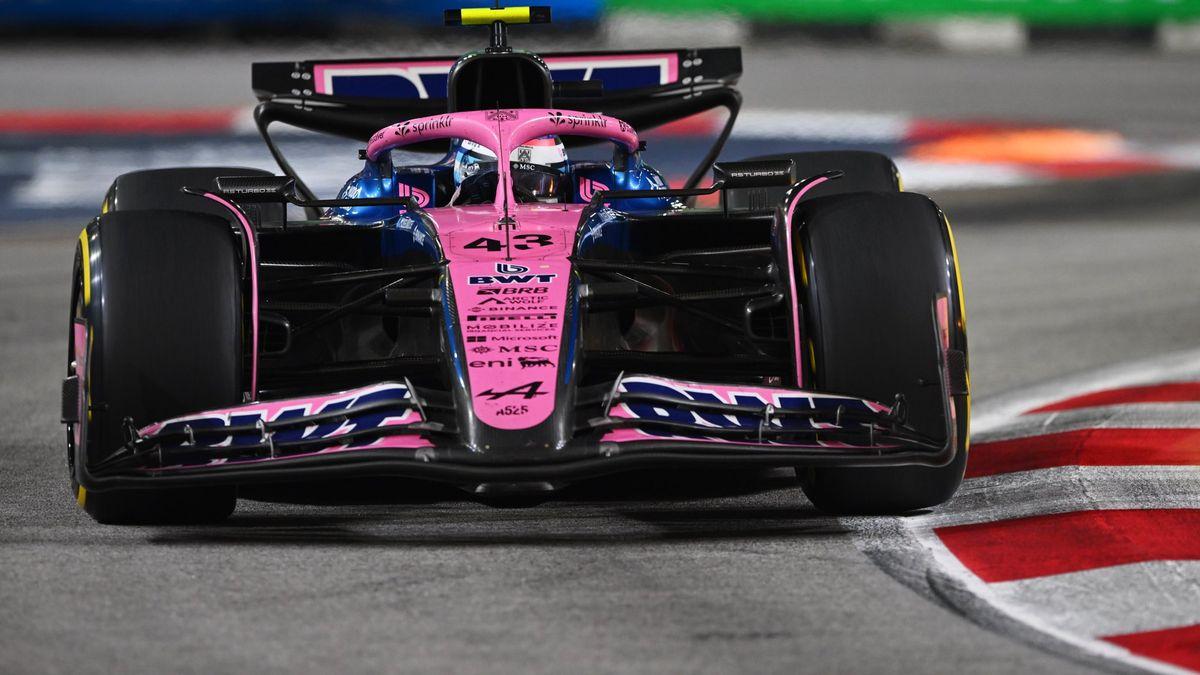
Franco Colapinto has urged fans to stop attacking fellow drivers and Alpine staff, warning that online abuse could harm his future in Formula 1.
Franco Colapinto has delivered a strong message to his supporters, asking them to stop directing abuse at other drivers, engineers, mechanics and members of Alpine. In a video published on social media, the Argentine driver explained that hostile behaviour carried out in his name does not help his career and could undermine the very future his fans want to protect.
The Alpine driver acknowledged the extraordinary support he has received since reaching Formula 1. However, he also made clear that there is a difference between defending a driver and attacking the people around him. His message was direct: passionate support should never become harassment.
Colapinto Says Online Attacks Are Hurting His Future
Colapinto addressed his followers personally, thanking them for standing behind him throughout his career while asking them to reconsider how they express that support.
“Sé que están pensando que me están defendiendo, pero están generando lo contrario. No me ayudan ni a mí ni a mi futuro”, he explained in the video.
The message highlights a concern that has increasingly surrounded the Argentine’s time in Formula 1. Although his fan base has become one of the most visible sources of support for an Argentine driver on the international motorsport stage, some online exchanges have crossed the line into personal attacks against rivals and members of his own team.
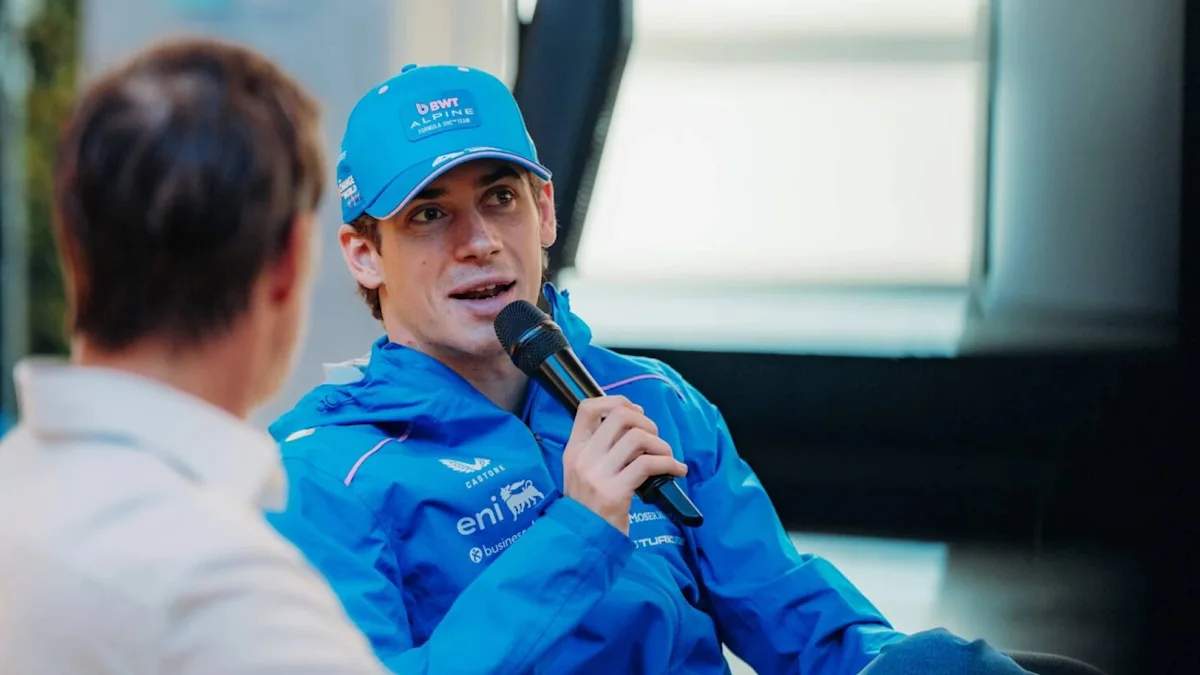
Colapinto has asked his supporters to channel their passion into constructive backing rather than online abuse.
The driver also acknowledged how much the fans mean to him, describing himself as grateful for their support from the beginning. He recognised the role their encouragement has played in motivating him to keep pursuing better performances and results.
However, he warned that attacking other people is not a way to help him progress.
“There are times when we go too far,” Colapinto explained, referring to criticism and attacks directed at other drivers, teammates, mechanics and engineers who work alongside him every day.
His appeal is particularly relevant in Formula 1, where a driver’s performance depends on the coordinated work of a large team. Engineers, mechanics and other personnel contribute to preparing the car, developing its performance and executing race weekends.
Alpine Has Faced Repeated Online Abuse Controversies
Colapinto’s intervention comes after several controversies involving online hostility surrounding Alpine and its drivers during the 2026 season.
The team has previously responded to allegations of deliberate mistreatment involving Colapinto and his teammate Pierre Gasly. Such claims have fuelled arguments among sections of the fan base, sometimes turning sporting disagreements into accusations against individual team members.
Tensions escalated after an incident at the Spanish Grand Prix, when Gasly reported receiving threats that also involved his family. Alpine’s leadership subsequently urged supporters to back Colapinto respectfully rather than direct hostility towards other people.
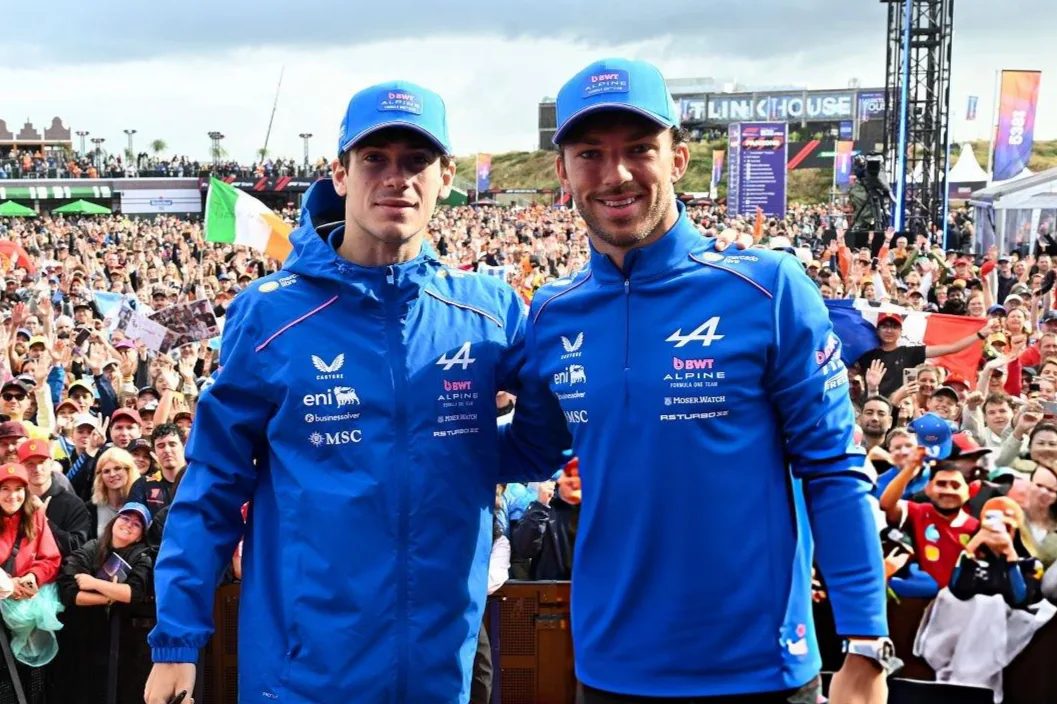
Colapinto’s message emphasizes that supporting him should not come at the expense of his teammate or the Alpine personnel working with both drivers.
Further criticism followed incidents on track and difficult race weekends, including renewed accusations on social media about the team’s treatment of the Argentine. Alpine has stressed that sporting disagreements and disappointing results do not justify threats or abusive behaviour.
Colapinto’s latest statement reinforces that position from the driver’s perspective. Rather than allowing the controversy to grow, he has asked his followers to help change the atmosphere surrounding the team.
The message does not ask fans to stop supporting him or to ignore legitimate sporting criticism. Instead, it draws a distinction between questioning performance and targeting individuals with personal abuse.
Why Colapinto Is Taking a Break From Social Media
The Argentine also explained that he had decided to reduce his presence on social media to concentrate on his career and his work with Alpine.
He said he wanted to focus on his dream, his sporting development and the team’s objectives, rather than becoming distracted by the constant debate surrounding his performances.
That decision does not mean he wants to distance himself from his supporters. Colapinto specifically asked them to continue backing both him and Alpine, insisting that the team can achieve important results by working together.
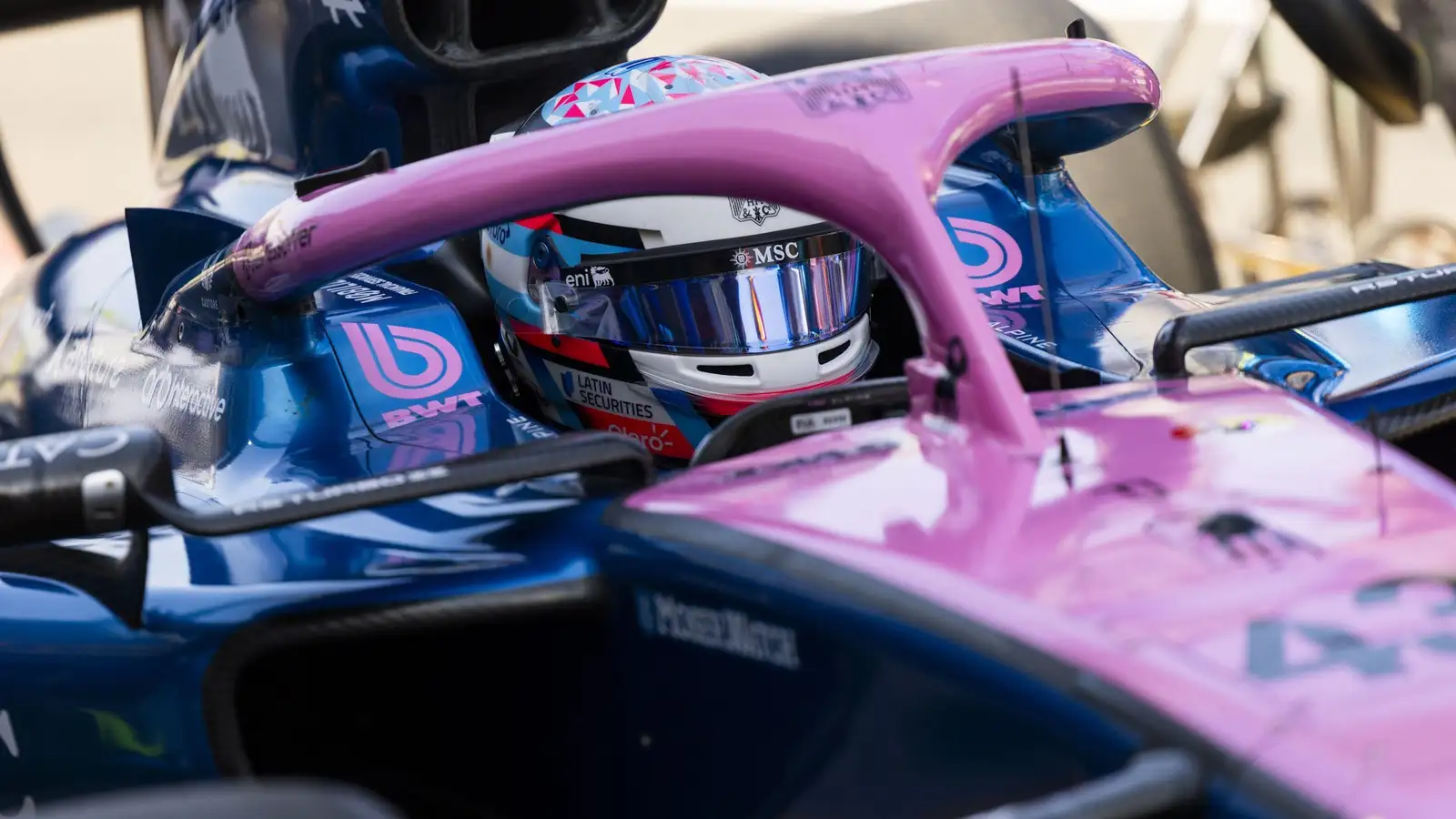
Colapinto wants to concentrate on his performance and team objectives while maintaining a positive relationship with his supporters.
The distinction is important for a driver operating under intense public scrutiny. Social media can help athletes connect directly with fans, but it can also amplify rumours, hostility and personal criticism during difficult periods.
By stepping back, Colapinto appears intent on keeping his attention on the areas he can control: preparation, performance and collaboration with the team.
He also called for a collective effort to change the behaviour that has affected the atmosphere around Alpine. His message was not simply a request for restraint; it was an appeal for supporters to understand how their actions can affect the people they claim to defend.
Colapinto Wants Fans to Support Alpine as a Team
Colapinto closed his message by asking fans to stand behind him and Alpine in both good and bad moments. He expressed confidence that the team could achieve strong results if everyone remained united.
He also looked ahead to upcoming races in the Americas, where he hoped to reconnect with supporters closer to home.
The broader message is clear: Colapinto does not want to lose the passionate backing that helped him reach Formula 1. He wants that support to remain a positive force rather than become a source of conflict with his colleagues.
For a driver whose future depends on performance, teamwork and relationships within the paddock, the distinction matters. Attacks against teammates, engineers and mechanics cannot improve his results, and they risk damaging the environment in which he needs to work.
Colapinto has now made his position explicit. Fans can defend him, celebrate his achievements and demand better performances without harassing others. His request is for that support to strengthen his Formula 1 career, not create another obstacle along the way.

Production challenges could leave American buyers waiting months for Volvo’s new electric SUV.
The Volvo EX60 could remain difficult to find in the United States until the second half of 2027, as manufacturing problems threaten to slow the launch of one of the brand’s most important new electric vehicles. Although a limited number of 2027 models have already reached the country, most American buyers could face a significantly longer wait.
The potential delay comes at a critical time for Volvo. The Swedish automaker aims to reach 200,000 annual retail sales in the United States by 2030, and the EX60 is expected to play a major role in that strategy. However, production constraints could limit the SUV’s contribution just as Volvo prepares to compete more aggressively in the premium electric vehicle market.
Volvo EX60 Production Delays Could Limit U.S. Sales
The EX60 is the fully electric counterpart to the Volvo XC60, which became the company’s bestselling vehicle of all time in 2025. Volvo hopes to build on that success with an electric SUV offering modern technology, competitive range and a familiar premium design.
The challenge is that the EX60 enters a crowded luxury EV market where established competitors already offer a wide range of electric SUVs. Volvo is counting on the new model to attract buyers who want the practicality of the XC60 combined with an all-electric powertrain.

The Volvo EX60 is expected to become a key model in the brand’s electric vehicle strategy in the United States.
The launch also follows a difficult period for Volvo’s smaller electric SUVs in the American market. The company discontinued the EX40 in the United States amid weak demand, making the EX60’s reception particularly important to its future EV plans.
Volvo initially expected to sell approximately 7,000 EX60s in the United States during 2026. That target reflected the company’s confidence in the SUV’s potential, but a shortage of available vehicles could make it harder to achieve.
Manufacturing Output Falls Short of Volvo’s Target
The reported production difficulties are significant. Volvo reportedly targeted output of approximately 2,000 EX60s per week at its Torslanda plant in Sweden, supporting a broader global sales objective of around 40,000 vehicles in 2026.
Current production has reportedly reached only about 200 vehicles per week, equivalent to roughly 10% of that target. If output remains at that level, Volvo will have far fewer vehicles to distribute across its global markets.
The problem is not necessarily a lack of customer interest. Instead, the production process itself is reportedly preventing the company from building the SUV at the planned rate.
The distinction matters because a manufacturing bottleneck can limit sales even when a new model has a strong product proposition. Volvo must increase output before it can consistently supply dealers and meet its original delivery ambitions.
New Manufacturing Methods Create Production Challenges
Unlike a conventional vehicle assembly process, the EX60 uses new manufacturing techniques designed to improve efficiency, reduce weight and optimize structural integration.
One is megacasting, which replaces multiple smaller structural components with larger cast sections. The approach can reduce the number of individual parts and simplify aspects of vehicle assembly.
The EX60 also uses cell-to-body construction, which integrates the battery system more directly into the vehicle’s structure. This design can improve packaging efficiency and reduce unnecessary structural weight.

The EX60’s manufacturing approach integrates new structural techniques intended to improve efficiency and reduce vehicle weight.
However, combining these technologies at production scale introduces additional engineering and manufacturing demands. The reported difficulty involves joining the battery system to the cast structure, a process that must work reliably and consistently across vehicles.
The reported issue is therefore different from a confirmed software defect or vehicle-quality problem. The immediate concern is that the manufacturing system has not yet reached the production rate Volvo originally planned.
Until the process becomes more efficient, the company may struggle to build enough EX60s to satisfy demand in every market.
Europe Could Take Priority Over the United States
With production constrained, Volvo is reportedly prioritizing European deliveries for the remainder of 2026 and the first half of 2027. That would leave fewer vehicles available for American dealers during the same period.
U.S. retailers have reportedly been told that a significant number of vehicles already allocated to customers could arrive early in 2027. However, additional shipments are expected to remain limited, with substantial supply not anticipated until the second half of the year.
That distinction is important for buyers who have already placed an order. An allocated vehicle may still arrive earlier than a vehicle that has not yet been assigned, but individual delivery dates will depend on production, shipping and dealer inventory.

Limited shipments could make the EX60 difficult to find at U.S. dealerships until production improves.
A small number of EX60s have already reached the United States. Nevertheless, those early arrivals do not necessarily indicate that widespread availability is imminent.
For customers considering the new electric SUV, contacting a Volvo dealer about confirmed inventory and allocation status may be more useful than relying on a general launch timeline.
Volvo EX60 Price and Market Outlook
The Volvo EX60 starts at approximately $60,000 in the United States, positioning it in the premium electric SUV segment. Its appeal rests on the combination of Volvo’s established design identity, electric powertrain technology and the practicality buyers expect from a midsize SUV.
The company is counting on the model to expand its electric vehicle business while building on the success of the combustion-powered XC60. However, a delayed supply ramp could restrict the EX60’s contribution to sales in the short term.
The challenge extends beyond the launch itself. Volvo’s goal of reaching 200,000 annual U.S. retail sales by 2030 will require sufficient production capacity, a competitive product lineup and sustained demand. A prolonged shortage of one of its most promising new models could make that objective more difficult.
The EX60’s long-term prospects will depend on more than its manufacturing launch. Pricing, charging convenience, real-world range, dealer availability and competition from other premium electric SUVs will all influence its success.
For now, the immediate question is how quickly Volvo can resolve the production bottleneck. Until output improves, American buyers may have to wait considerably longer than expected to get their hands on the new EX60.

The 2027 Nissan Altima brings updated value, connected technology and available all-wheel drive to the midsize sedan segment.
The 2027 Nissan Altima is now on sale in the United States with a starting manufacturer’s suggested retail price (MSRP) of $27,790 before destination and handling charges. Nissan continues to position its midsize sedan around everyday comfort, driver-assistance technology and fuel efficiency, with SV and SR trims offering different equipment and styling priorities.
With three configurations listed for the 2027 model year, the Altima lineup includes front-wheel-drive versions of the SV and SR, along with an all-wheel-drive SR. The range combines a 2.5-liter four-cylinder engine with available connectivity and safety features designed for daily commuting and longer journeys.
2027 Nissan Altima Prices and Trims
The 2027 Nissan Altima lineup starts with the SV FWD at $27,790. Drivers looking for a sportier appearance can choose the SR FWD, while the SR AWD adds Nissan’s Intelligent All-Wheel Drive system.
| 2027 Nissan Altima trim | Starting MSRP |
|---|---|
| Altima SV FWD | $27,790 |
| Altima SR FWD | $29,190 |
| Altima SR AWD | $30,690 |
Destination and handling charge: $1,275.
The listed prices exclude destination and handling. Including that charge, the starting price for the SV FWD is $29,065, while the SR FWD comes to $30,465 and the SR AWD reaches $31,965, before taxes, registration, dealer fees or optional equipment.

The 2027 Nissan Altima range starts with the SV and extends to the sportier SR, with front-wheel drive and available all-wheel drive.
Connected Technology and Standard Safety Features
Nissan equips the 2027 Altima with features aimed at making everyday driving more convenient. Both the SV and SR include Nissan Safety Shield 360, a collection of driver-assistance technologies intended to help drivers monitor their surroundings and respond to potential hazards.
The sedan also features Intelligent Forward Collision Warning, which can monitor traffic ahead beyond the vehicle immediately in front. ProPILOT Assist is available to support highway driving, helping with steering assistance and following distance under appropriate conditions. These systems assist the driver and do not replace the need to remain attentive and in control.
Inside, the Altima includes Apple’s CarPlay and Android Auto compatibility, allowing drivers to access supported smartphone functions through the infotainment system. Wireless phone charging is available, while an available 12.3-inch touchscreen provides a larger interface for navigation, media and vehicle functions.
Nissan’s Zero Gravity seats are another key feature, designed to support occupant comfort on longer drives. Remote Engine Start is standard, allowing drivers to start the engine remotely under the system’s operating conditions.
The combination of smartphone integration, available larger-screen infotainment and standard driver-assistance technology helps the Altima compete for buyers who want modern convenience without moving to a more expensive vehicle class.
Nissan Altima SR Adds Sportier Styling
The SR trim distinguishes itself with a more athletic appearance and additional driving-focused equipment. Its exterior features 19-inch alloy wheels and gloss-black trim, while the cabin receives carbon-fiber-style center-console trim.
The SR also includes sport exhaust finishers and paddle shifters. Nissan adds Active Ride Control and Intelligent Trace Control, systems designed to help manage body movement and vehicle behaviour in different driving situations. Front-wheel-drive SR models also receive a sport suspension.

The SR trim gives the Altima a more aggressive look, with larger wheels, dark exterior accents and sport-oriented equipment.
Buyers who want the SR’s styling with additional traction can choose the AWD configuration. Nissan’s Intelligent All-Wheel Drive system can distribute drive to the wheels as needed to help maintain traction in changing conditions. It may be particularly useful on wet or slippery roads, although it does not eliminate the need for suitable tyres or careful driving.
The SR AWD carries a $30,690 starting MSRP before the destination charge, placing it $1,500 above the SR FWD. The choice therefore depends on whether the buyer values the additional traction of all-wheel drive enough to justify the higher price and the configuration’s different power output and fuel economy.
2.5-Liter Engine Delivers Up to 36 MPG
Every 2027 Nissan Altima uses a 2.5-liter direct-injection four-cylinder engine. Nissan rates the front-wheel-drive versions at 188 horsepower, while the AWD version produces 182 horsepower.
Fuel economy is rated at up to 26 mpg in city driving and 36 mpg on the highway for front-wheel-drive models. These figures give the Altima a focus on daily usability and fuel efficiency rather than outright performance.

The Altima’s 2.5-liter engine prioritizes everyday performance and efficiency, while the cabin emphasizes connectivity and comfort.
The AWD model’s lower power rating and different mechanical configuration are important considerations when comparing trims. Buyers should also check the official fuel-economy figures for their chosen configuration before making a purchase, since the quoted 26-city and 36-highway figures apply to front-wheel-drive models.
Is the 2027 Nissan Altima a Good Value?
The 2027 Nissan Altima’s main selling point is its combination of pricing, standard safety technology and available comfort features. At $27,790 before destination and handling, the SV FWD provides the lowest-cost entry into the range. The SR FWD adds sportier styling and equipment, while the SR AWD offers additional traction for drivers who face changing road conditions.
The differences between the trims are more significant than their prices alone suggest. Buyers should compare the equipment they will use most often, the need for all-wheel drive and the fuel-economy trade-offs before choosing a version.
For shoppers seeking a conventional midsize sedan with smartphone connectivity, available highway-driving assistance and a familiar gasoline engine, the 2027 Nissan Altima remains a value-focused option in the US market. Its appeal will ultimately depend on how its equipment, final transaction price and running costs compare with other sedans available to buyers.
-

 NOW TRENDING2 months ago
Tesla Cybercab Gets September 3 Austin Launch Date
-
 INTELLIGENT MOBILITY2 months ago
GM Super Cruise: How It Works and What Comes Next in 2028
-

 TEST DRIVES1 month ago
2026 Toyota GR Supra MkV Final Edition
-
 TEST DRIVES2 months ago
2025 Ford Bronco Sport Badlands: The Adventure SUV You Can Drive Every Day
-
 NOW TRENDING2 months ago
2027 Toyota Corolla Celebrates 60 Years With Special Edition
-
 NOW TRENDING2 months ago
Aston Martin Valen: The Most Powerful Front-Engined Supercar
-
 RACING2 months ago
FIA Reveals Second ADUO Results With Red Bull-Ford Still on Top
-

 NOW TRENDING2 months ago
2027 Jeep Wrangler Smoky Mountain Edition Debuts With 4×4
You must be logged in to post a comment Login