
Bugatti engineers complete the next development phase of the exclusive Centodieci with hot weather testing in the Arizona desert.
The air simmers above the asphalt, making the road appear to shimmer. Geckos warm themselves on rocks and twitch their heads only momentarily as a convoy of Bugatti hyper sports cars surges past on State Route 1. During the height of summer, engineers from Wolfsburg are spending three weeks in the USA, testing numerous models in extreme weather conditions. The car leading the convoy is a prototype of the exclusive BugattiCentodieci, of which just ten vehicles will be hand-built at Bugatti’s Atelier in Molsheim, with delivery to customers commencing next year.

In addition to cold-climate testing, high-speed and endurance drives, one of the most important development elements of every Bugatti model is hot-climate testing. On the USA test, Bugatti has dedicated a 27-strong engineering team to this critical stage, and each member has a key role to play during the exhaustive testing program.
In the deserts of the USA, temperatures can on occasion exceed 50°C, creating an extremely hostile environment for both humans and machines. But it is an environment that gives Bugatti’s engineers a crucial advantage. “Testing in the hot, dry desert is a huge help for us in the development process. All Bugatti models have to function perfectly no matter how high the temperature, including the few-of Centodieci. Even if we are only creating ten cars, as with the Centodieci, the testing procedure is just as grueling. Every model has to run flawlessly in all weather and in all traffic conditions,” explains Stefan Schmidt, an engineer in Overall Vehicle Development at Bugatti.
Departing from California, the convoy drives 800 kilometers (500 miles) to Arizona, travelling along the Central Pacific Highway by the Pacific Ocean and passing through San Diego. In total, there are eight hyper sports cars from Molsheim on the road– the Bugatti Centodieci is followed by threeChiron Pur Sportsand fourChiron Super Sports. With the exception of the white Centodieci, matte black film protects the bodywork of the extraordinary and exclusive fleet of vehicles.
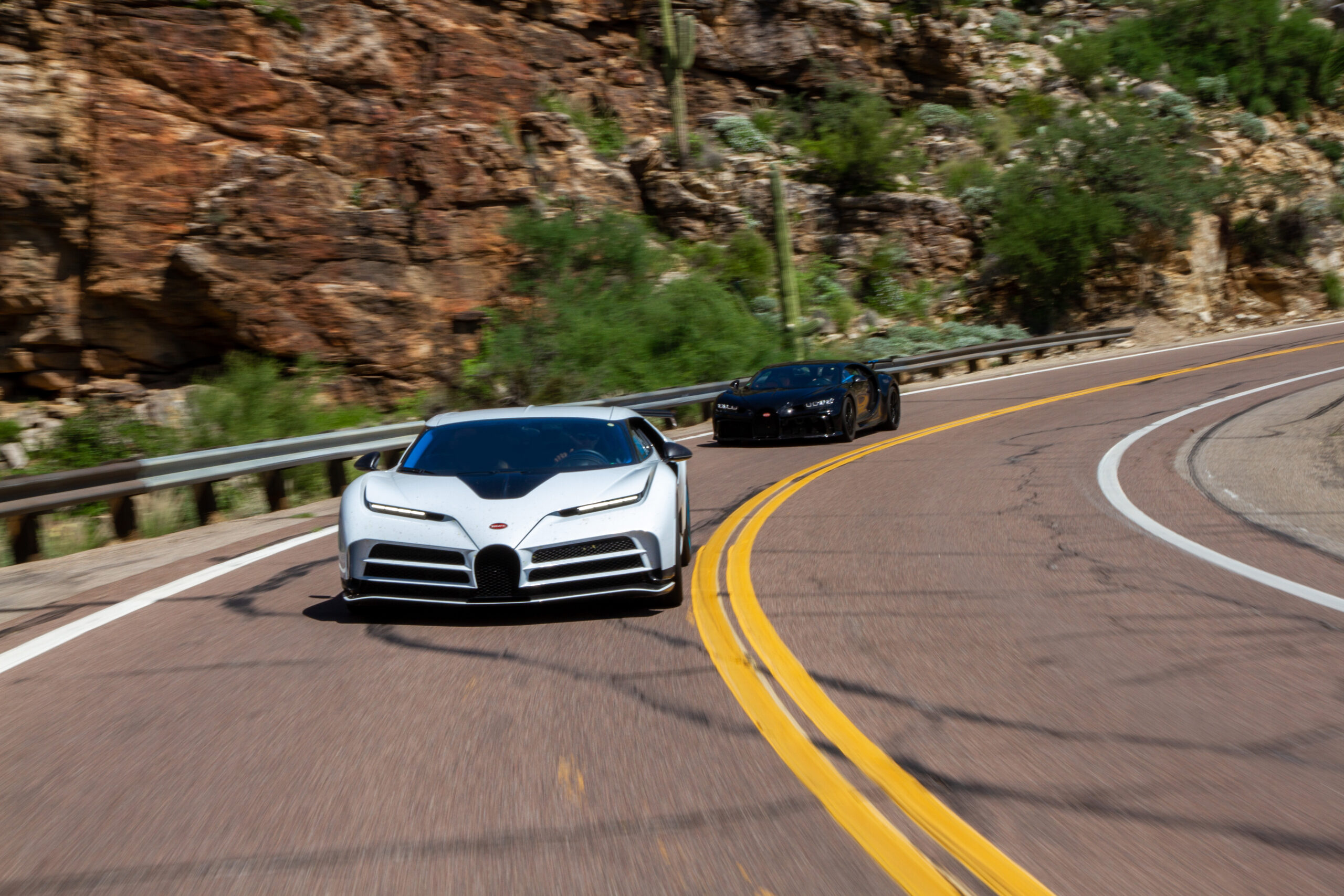
Altitudes of up to 2,800 meters and ambient temperatures as high as 45 degrees Celsius
Rapid ascents up Mount Lemon to the north of Tucson, Arizona, take the Bugatti fleet to an altitude of almost 2,800 meters. Along with the rest of the cars, the engineers relentlessly expose the Centodieci to a demanding test program. It’s pummeled by rough roads, subjected to low-speed stop-start traffic, left standing in the blazing sun with the air conditioning on full blast and driven at 320km/h (198mph) on a closed road environment.
At every stage, the Bugatti engineers check key systems such as the electrics, telemetrics, radio frequencies, air conditioning, and fueling processes again and again. The Centodieci, like all the cars, is fitted with 200 sensors, which feed data to the engineers on site and the development team back at Wolfsburg.
“During hot-climate testing, we focus specifically on the chassis, engine, transmission, thermal management, and electrics as well as on the vehicle as a whole,” reveals Pierre Rommelfanger, Head of Overall Vehicle Development at Bugatti. The team check interior components and body parts for thermal expansion, look, and feel, leaving no detail unchecked, no matter how small.
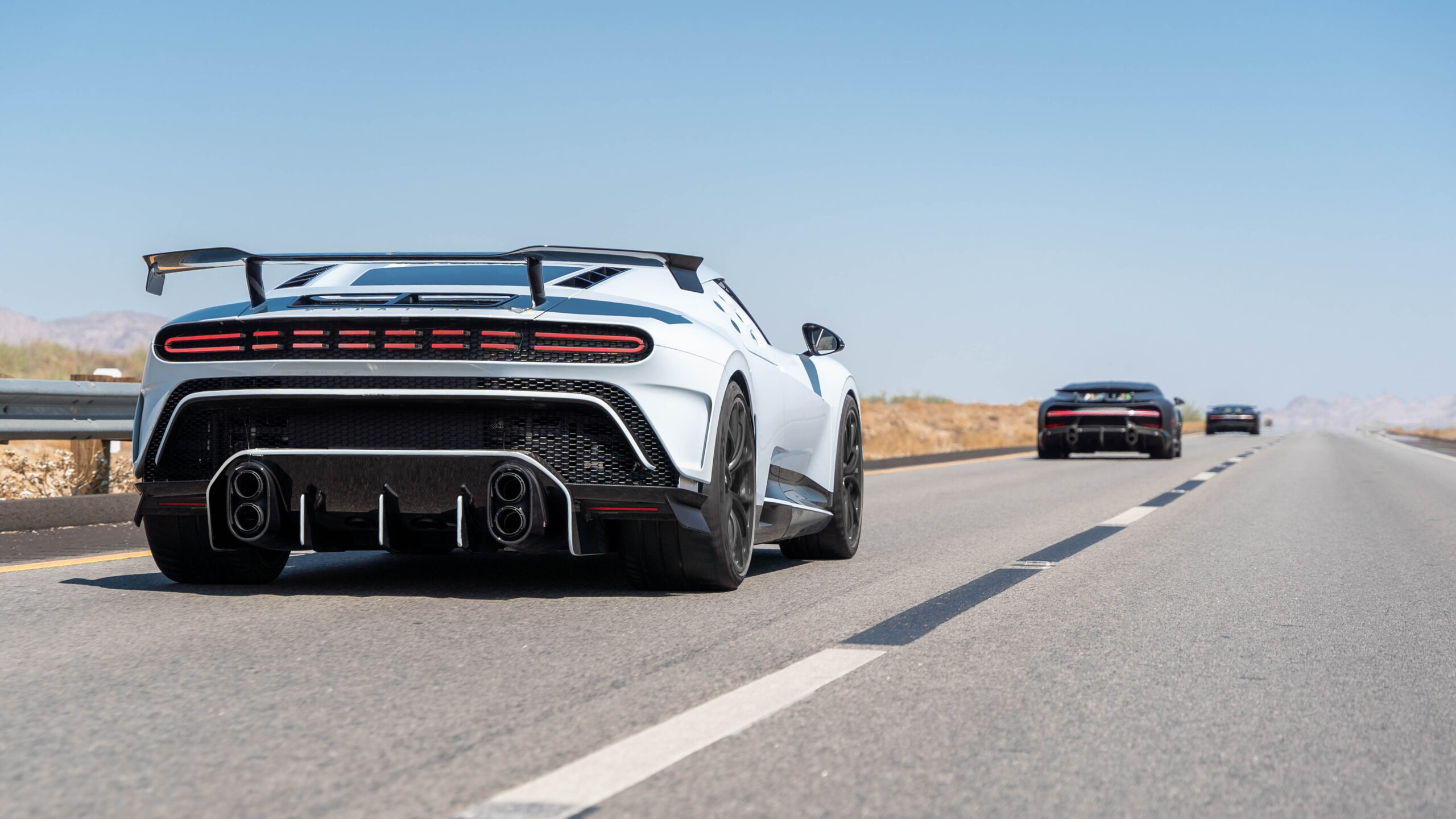
Unique attributes of the Centodieci proven in extreme conditions
Due to its many unique attributes, the Centodieci is subject to an even higher level of engineering scrutiny. Powered by a potent 8.0-liter W16 engine producing 1,176 kW/1,600 PS at 7,000 rpm, the Centodieci features an additional air intake near the oil cooler, which regulates the engine temperature.
“The Centodieci’s newly developed bodywork, airflow changes, and its engine bay cover manufactured from glass mean the temperature behavior is quite different, especially in such extreme, 45°C plus heat conditions,” explains André Kullig,Technical Project Manager for few-of projects at Bugatti. On the drive, the engineers compare the latest findings with simulation models and data from previous tests such as high-speed drives at the Nardó proving ground in Italy.
“This hot weather endurance test is fundamental for us as it is the only way we can ensure that the Centodieci, like every Bugatti model, offers a flawless, reliable, and safe drive in extreme heat, too – even though our customers may never subject their cars to such extreme conditions. The new tests prove that our existing setup for the Centodieci works optimally for hours on end even in extreme heat,” says a delighted André Kullig.
The exclusive convoy attracts attention at every fuel station and every parking lot. People flock around the vehicles, taking photos and asking questions. One elderly lady is so smitten with the cars that she immediately invites the Bugatti crew on a drive with the local automobile club. “The positive reactions tell us that people’s enthusiasm for theCentodieci and the Chiron models isn’t waning. It really puts a spring in our step while we work,” smiles Stefan Schmidt.
Having successfully completed hot weather testing, Bugatti’s engineers will now take the Centodieci on its final high-speed drives and endurance tests over a distance of 30,000 kilometers (186,000 miles) in Europe. Only once those have been completed and the car signed-off by the development team, will production of the ten Centodieci models commence in Molsheim, France.


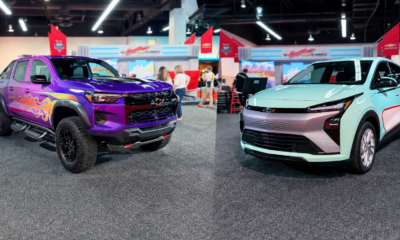

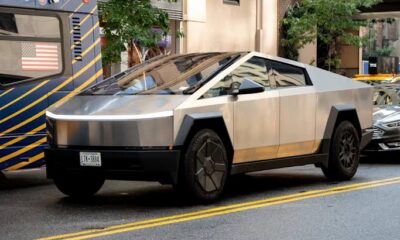






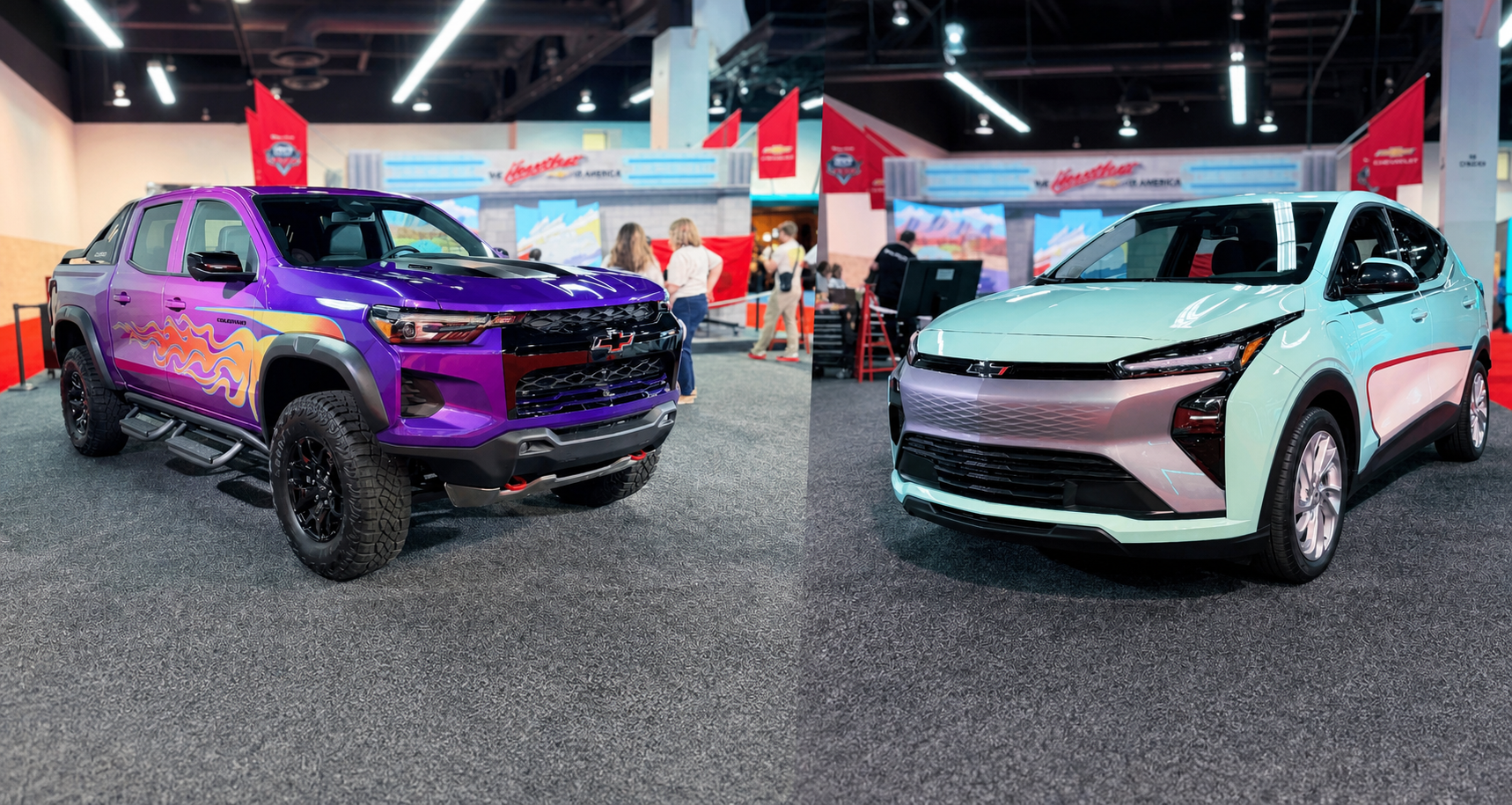
Chevrolet and Disney transformed a 2026 Colorado and 2027 Bolt into full-size tributes to Ramone and Flo for the 20th anniversary of Pixar’s Cars.
Chevrolet has brought two of Pixar’s most recognizable Cars characters to life with full-size vehicle wraps.
For the 20th anniversary of the animated movie, General Motors displayed a 2026 Chevrolet Colorado inspired by Ramone and a 2027 Chevrolet Bolt inspired by Flo at D23: The Ultimate Disney Fan Event.
The project combines Pixar’s characters with Chevrolet’s current lineup while showcasing both gasoline and electric vehicles.
Ramone and Flo Get Modern Chevrolet Forms
The two vehicles were designed by Disney and wrapped by Graphix Concepts specifically for the D23 event.
Ramone’s real-world counterpart is the 2026 Chevrolet Colorado, while Flo is represented by the 2027 Chevrolet Bolt.
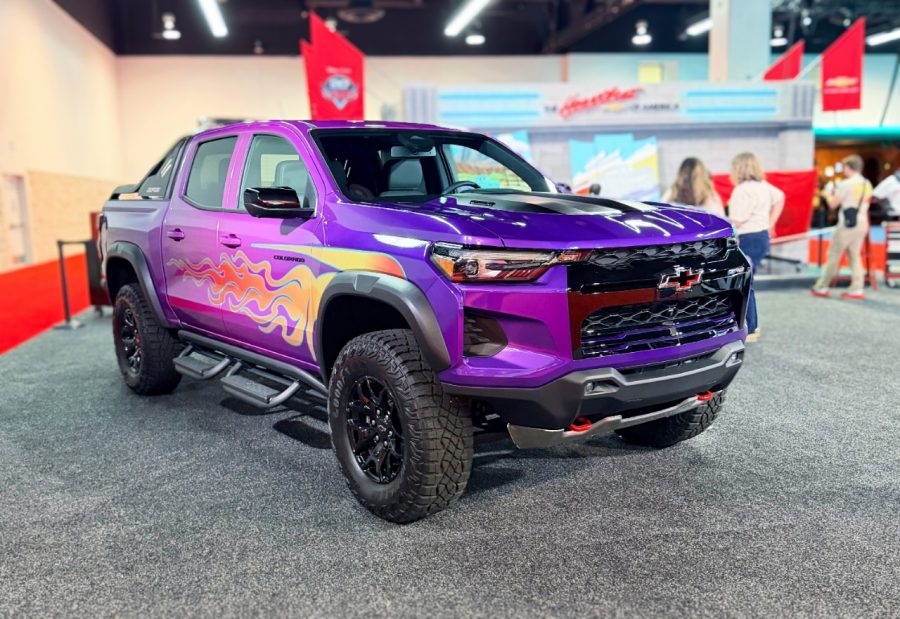
The 2026 Chevrolet Colorado was transformed into a modern interpretation of Ramone from Pixar’s Cars.
The choice of Ramone was particularly fitting because the character is portrayed as a 1959 Chevrolet Impala in the original movie.
Flo, meanwhile, was partly inspired by the 1951 Buick XP-300, which helped guide the visual treatment of the Bolt.
The project was also designed around D23’s theme of iconic duos while celebrating two decades of Cars.
One Gas Truck and One EV
Chevrolet deliberately chose two vehicles with different powertrains.
The Colorado represents GM’s continued commitment to gas-powered vehicles, while the Bolt highlights its growing electric lineup.
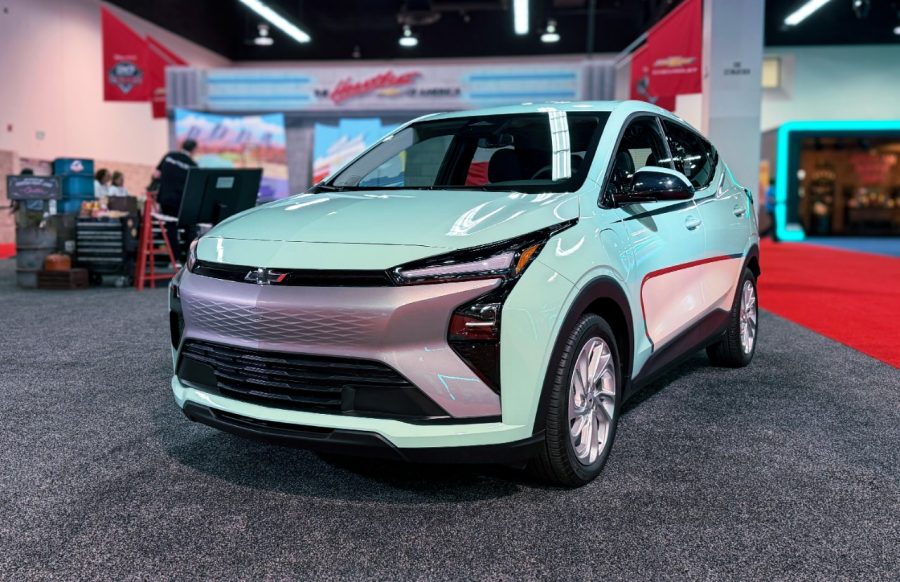
The 2027 Chevrolet Bolt became Flo, giving the Pixar character an electric Chevrolet interpretation.
GM said the approach reflects the company’s emphasis on customer choice.
Disney developed the creative direction, while GM worked with the team to adapt the character designs to actual vehicles without hiding their original shapes.
The goal was to make the characters immediately recognizable while allowing the underlying Chevrolet designs to remain visible.
Creating the Character Wraps
Transforming the two vehicles required considerably more work than simply applying graphics.
Both the Colorado and Bolt were thoroughly washed and prepared before the wrapping process began. Any contaminants, dust, or oils could interfere with the vinyl installation.
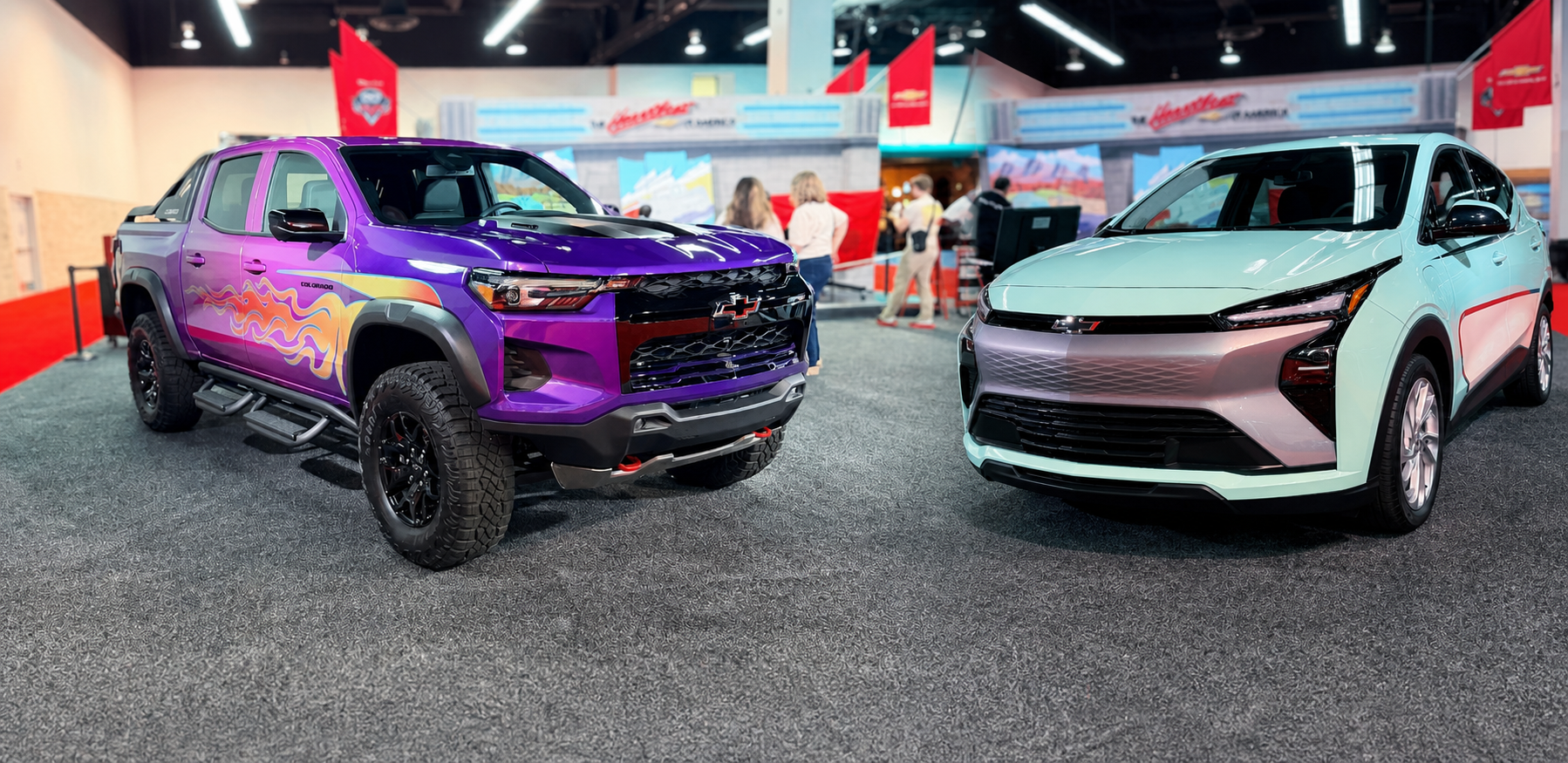
Graphix Concepts spent roughly a week applying the custom wraps to the Colorado and Bolt.
The Bolt’s wrap used a continuous-color film divided into panels according to the size of each body section.
The Colorado required a more complicated process because of its gradient colors and detailed graphics. Even the door handles required individually printed panels.
Graphix Concepts used a printable metallic silver film on the Colorado to create an appearance closer to painted metal with metallic flake.
A Week to Build Two Life-Size Characters
The specialized wrapping company has just 12 employees, with every member contributing to the project at some stage.
Overall, the installation process took approximately one week for both vehicles.
The finished Colorado and Bolt provided D23 attendees with life-size interpretations of Ramone and Flo while highlighting Chevrolet’s current mix of internal-combustion and electric vehicles.
For Chevrolet Pixar Cars, the project offers a modern interpretation of two characters that have remained popular since the original film premiered in 2006.
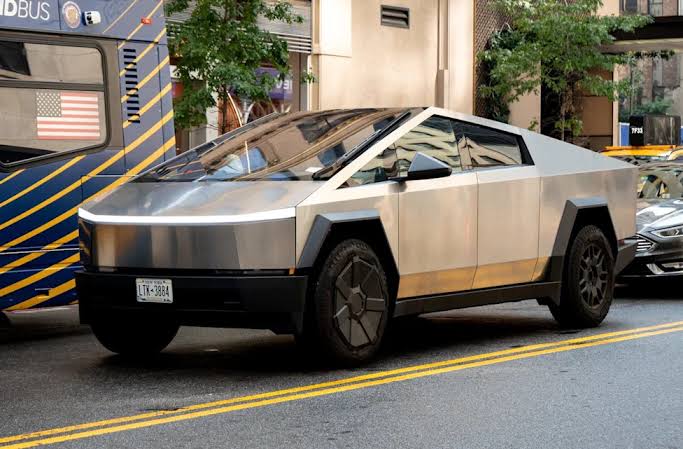
Tesla has increased the price of its two cheapest Cybertruck versions by $5,000, pushing the base model to $77,235 with no apparent mechanical or equipment upgrades.
Tesla has raised the price of the Cybertruck by $5,000, making the controversial electric pickup even more expensive to enter.
The increase affects both of the two lower Cybertruck trims, while the range-topping Cyberbeast remains unchanged.
Cybertruck now starts at $77,235
The Dual Motor All-Wheel Drive model now starts at $77,235, up from $72,235.
The Premium All-Wheel Drive version also received a $5,000 increase, moving from $82,235 to $87,235.
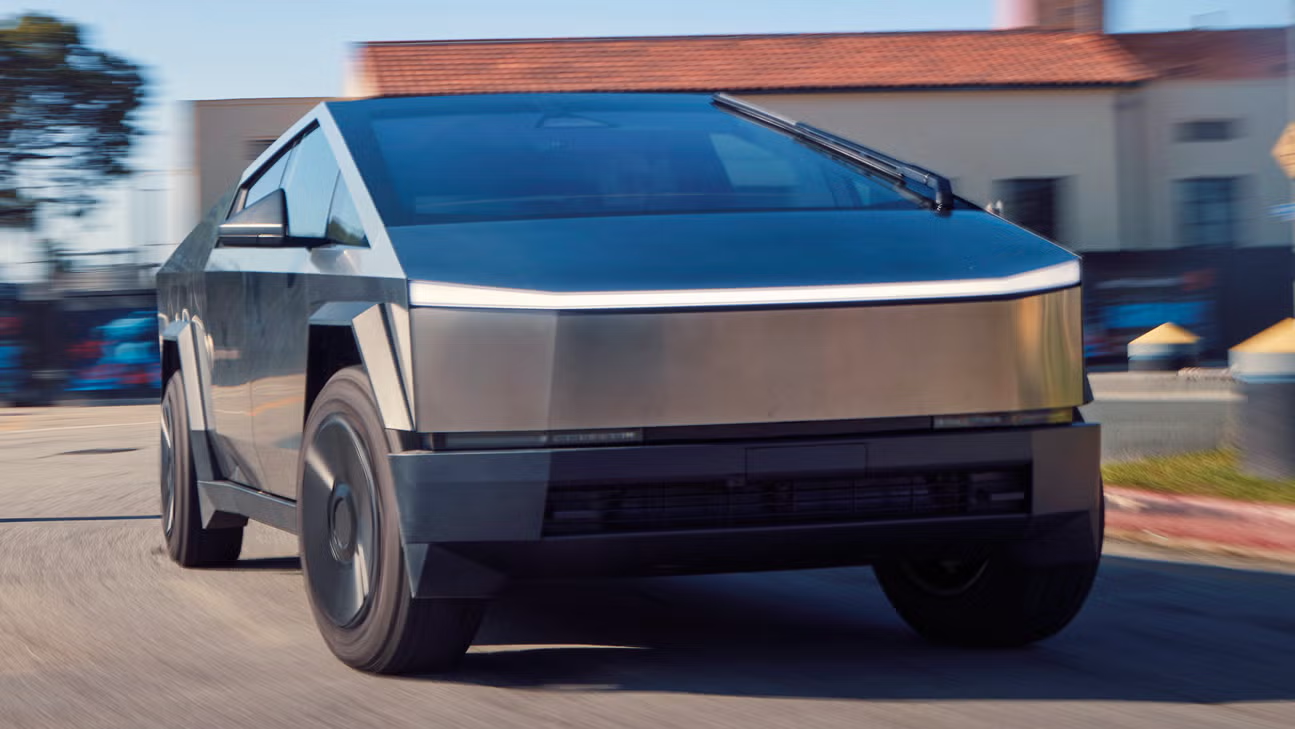
Tesla has increased the Cybertruck Dual Motor AWD price to $77,235.
The top-of-the-line Cyberbeast remains priced at $102,235.
Tesla did not issue a formal announcement explaining the increase. Instead, the new prices appeared in the company’s online configurator.
There are also no obvious changes to the powertrain, equipment, or features of the affected models.
That means buyers are paying more without receiving an apparent increase in performance or standard equipment.
The Cybertruck is far more expensive than originally promised
The latest increase is another step away from the prices Tesla originally promised for the Cybertruck.
When the pickup was unveiled in 2019, Tesla said the single-motor rear-wheel-drive version would start at $39,000, while the dual-motor AWD model would begin at $49,000.
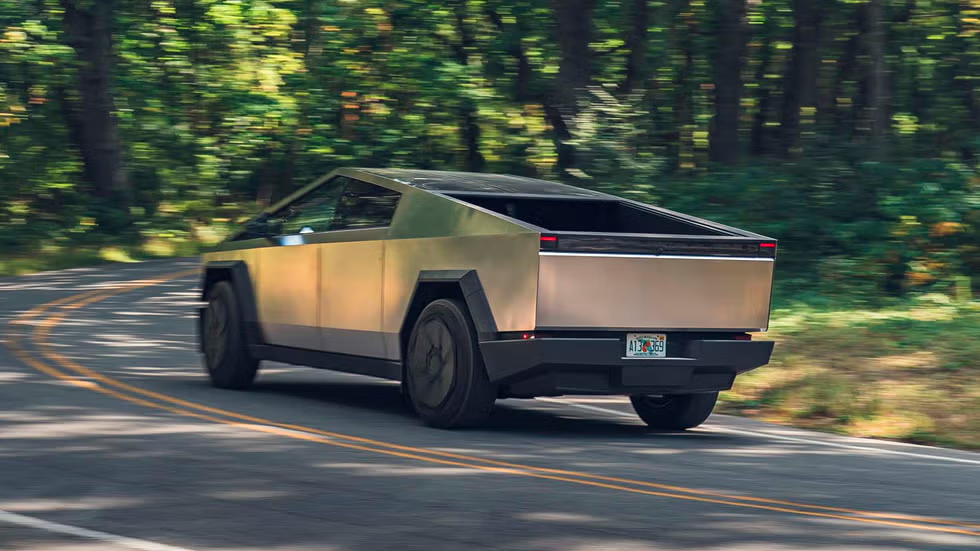
The Cybertruck is now dramatically more expensive than the prices Tesla announced when it debuted in 2019.
Those prices never became reality.
When Tesla eventually launched a single-motor Long Range model in 2025, its starting price was $71,985. That version remained available for only a few months.
Tesla then introduced a new base dual-motor model in February with a $62,235 starting price.
That figure lasted just 10 days before increasing to $72,235.
Now, another $5,000 increase has pushed the entry point even higher.
Cybertruck faces a tougher sales challenge
The rising price comes at a difficult time for the Cybertruck.
Tesla CEO Elon Musk previously said the company could eventually sell 250,000 to 500,000 Cybertrucks annually once production reached full capacity.
Three years after deliveries began, however, sales have still not reached an estimated 100,000 units.
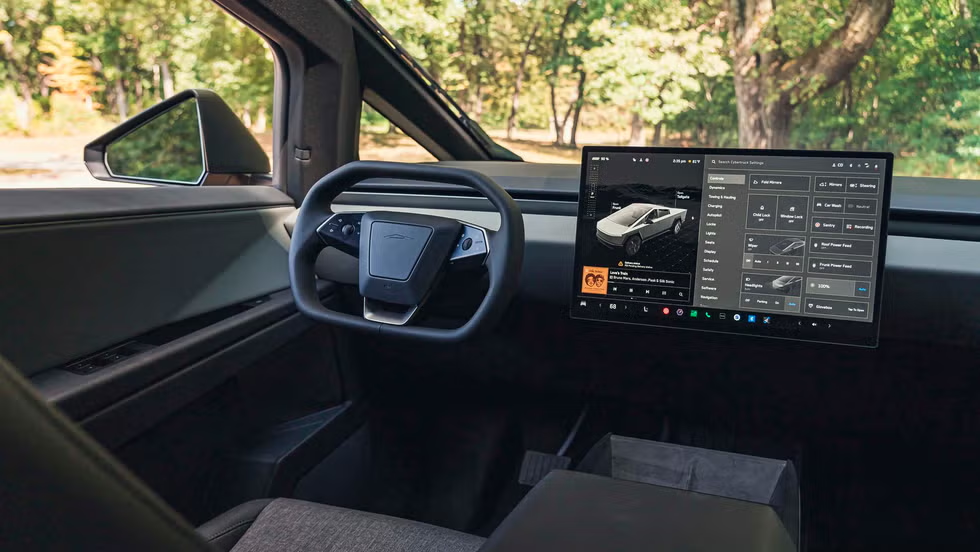
Tesla has struggled to match its original Cybertruck sales expectations as the pickup becomes increasingly expensive.
The latest price increase could make it even harder for Tesla to expand demand.
The Cybertruck now starts at more than $77,000, placing it far above the original price target and limiting its appeal to buyers who may already have numerous electric and gasoline-powered pickup alternatives.
For the Tesla Cybertruck, the latest $5,000 increase is another reminder of how far the production truck has moved from the pricing strategy announced when the vehicle was first revealed.
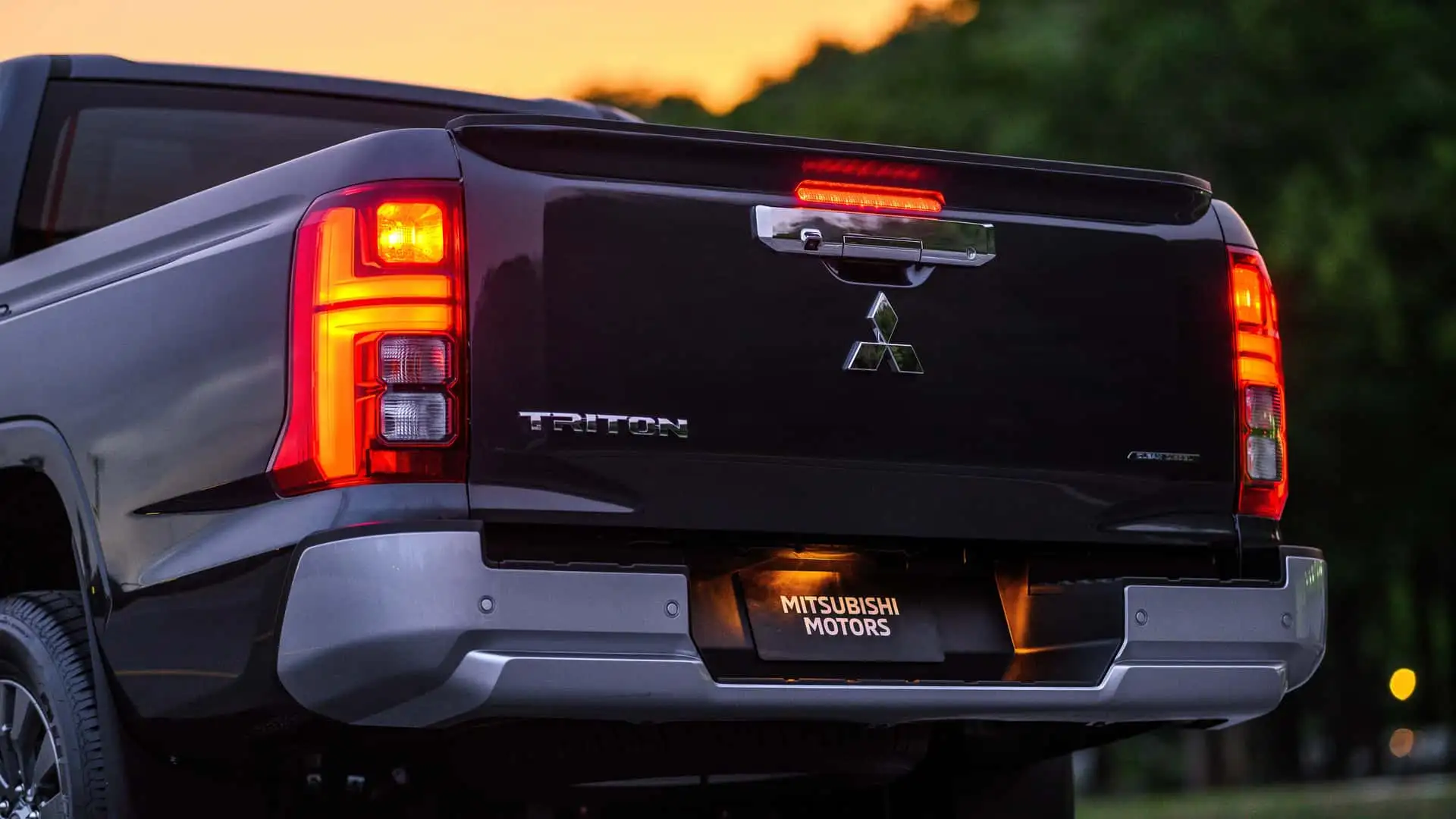
Mitsubishi plans to return to the U.S. pickup market with a Nissan-built truck as part of its Momentum 2030 strategy, although key details remain unconfirmed.
Mitsubishi is preparing to return to the U.S. pickup market, and Nissan is expected to provide the foundation for the new truck.
The pickup appears in Mitsubishi’s Momentum 2030 roadmap presented to dealers, but the company has not yet confirmed its name, specifications, size, or production timeline.
Nissan Could Build Mitsubishi’s New Pickup
Mitsubishi has not officially revealed what platform the truck will use.
However, early design material shows a boxy pickup with split LED headlights, giving it a different appearance from Mitsubishi’s current SUV lineup.
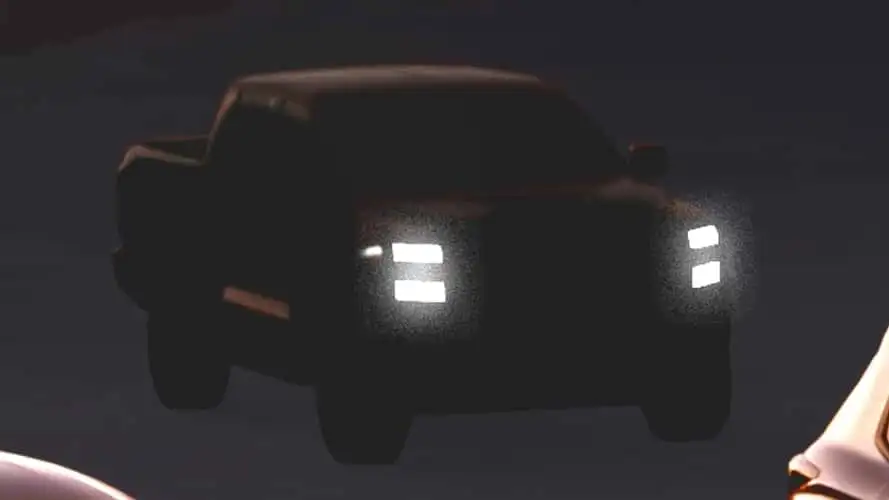
Early Mitsubishi design material shows a boxy pickup with split LED headlights.
Mitsubishi has also not confirmed whether the truck will compete in the midsize or full-size segment.
The Nissan connection could simplify development.
Nissan already produces and sells the Frontier in the United States, giving Mitsubishi access to established pickup technology instead of developing an entirely new truck from the ground up.
A connection to the Nissan Frontier or Navara has been suggested, but Mitsubishi has not confirmed which Nissan architecture will underpin the pickup.
The Truck Is Part of a Larger Mitsubishi Strategy
The pickup is one of several new models planned for Mitsubishi’s North American lineup.
The Eclipse Sportback EV, which uses Nissan technology and is based on the next-generation Leaf, is scheduled to arrive at U.S. and Canadian dealerships during the second half of 2026.
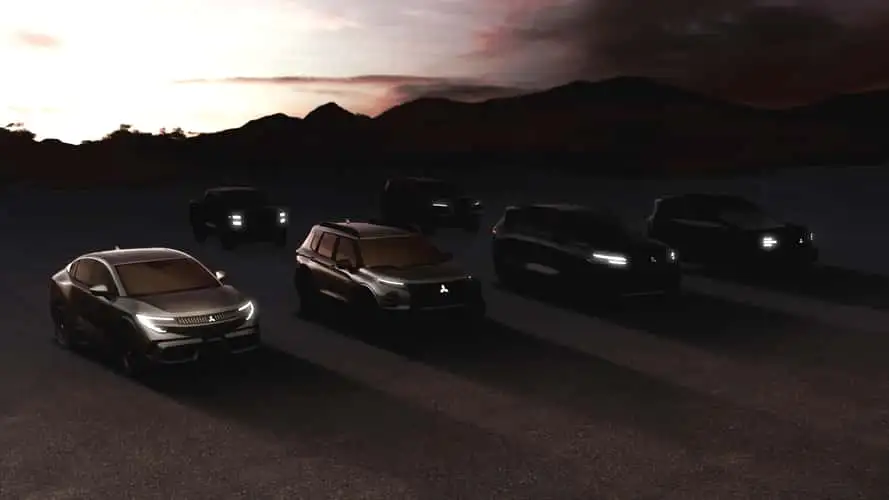
The Eclipse Sportback EV will be one of Mitsubishi’s first major additions to its U.S. lineup under the Momentum 2030 strategy.
A more rugged Outlander variant is then expected in the first quarter of 2027.
The pickup is planned to follow those launches, although Mitsubishi has not announced a specific date.
Together, the new vehicles would expand Mitsubishi’s current U.S. lineup beyond the Outlander Sport, Eclipse Cross, Outlander, and Outlander PHEV.
Mitsubishi Is Expanding Its Alliance-Based Lineup
Momentum 2030 calls for Mitsubishi to strengthen its U.S. presence through electrification, new products, retail improvements, and dealer-network expansion.
Using Nissan hardware allows Mitsubishi to accelerate that product expansion while maintaining its own exterior design and brand identity.
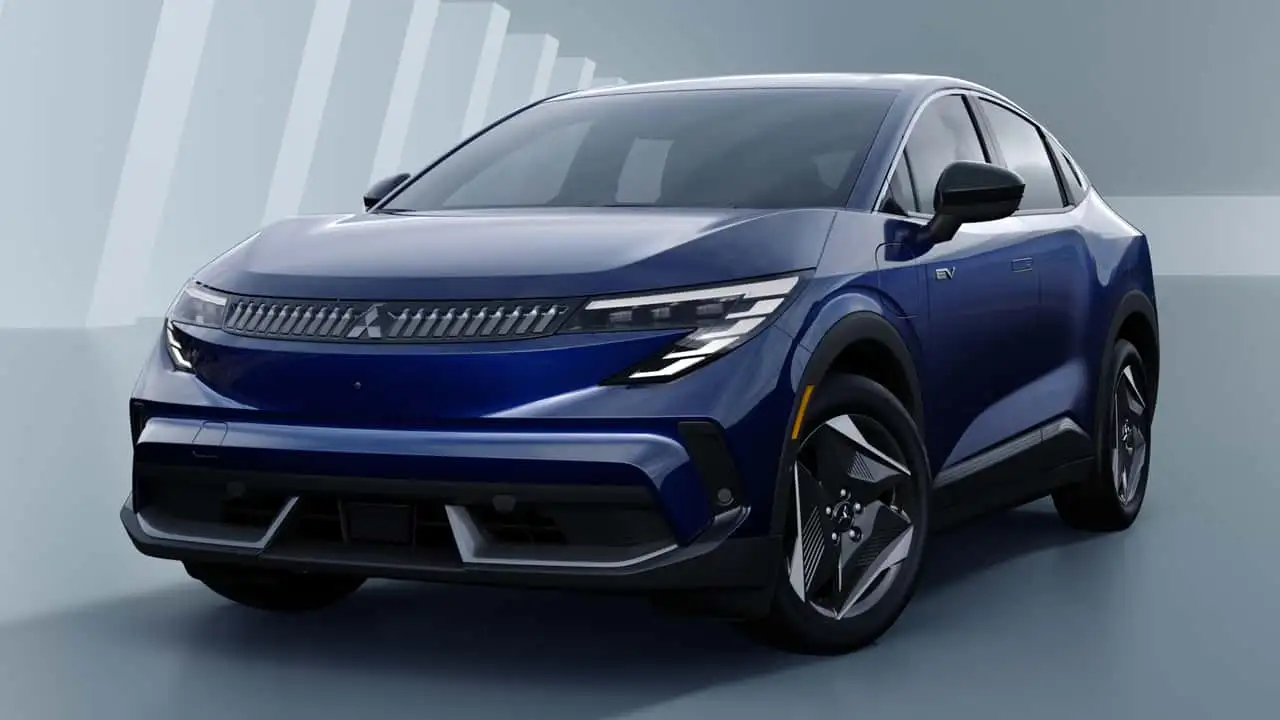
The Nissan partnership gives Mitsubishi a faster path to expanding its U.S. vehicle lineup.
Mitsubishi is also preparing another major product outside the pickup program.
The next Pajero, historically known as the Montero in North America, is scheduled for a world premiere on September 2.
However, Mitsubishi’s materials treat the Pajero and the potential U.S. pickup as separate projects.
The Pajero is expected to serve as a ladder-frame flagship SUV, while the Nissan-built pickup would form part of Mitsubishi’s broader North American product expansion.
For now, the Mitsubishi pickup truck remains an early-stage program, but its inclusion in Momentum 2030 signals that Mitsubishi is serious about returning to a segment it has not competed in directly in the U.S. for years.
-

 NOW TRENDING2 months ago
Polestar to Exit U.S. Market After 2026 Due to Connected Vehicle Rules
-
 NOW TRENDING2 months ago
Tesla Model Y L Arrives in the U.S. With More Space and Three Rows
-

 RACING2 months ago
McLaren F1 Unveils Special Silverstone Livery Honoring Its History
-
 INTELLIGENT MOBILITY2 months ago
Audi A4 E-tron and Q7 E-tron Confirmed as New Electric Models
-
 TEST DRIVES2 months ago
A Week Driving Honda’s New Hybrid Coupe
-
 TEST DRIVES2 months ago
Ford Recalls More Than 741,000 Trucks and SUVs Over Rollaway Risk
-
 NOW TRENDING2 months ago
Toyota Reports Strong June and Q2 2026 U.S. Sales Growth
-
 TEST DRIVES1 month ago
The Last Great V8 Audi Wagon Deserves Future Classic Status
You must be logged in to post a comment Login