
NOW TRENDING
High Gas Prices Pressure Used-Car Values in Q3 2026

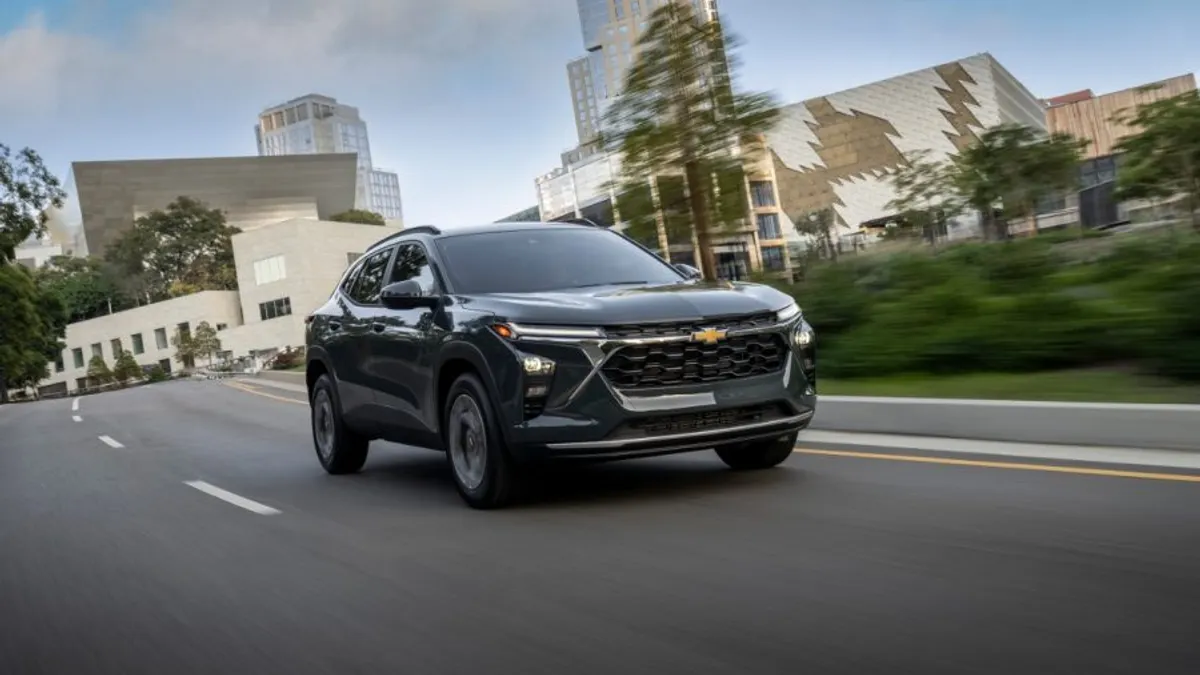
Rising fuel costs are reshaping used-car demand in the U.S., putting pressure on trucks and SUVs while supporting more fuel-efficient models, according to the latest Manheim index.
Used-car prices in the U.S. weakened in September 2026 as high gasoline and diesel costs affected consumer demand. The Manheim Used Vehicle Value Index fell to 205.9, down 0.6% from 207 in September 2025. The decline marked the first year-over-year drop in the index in 2026.
The latest figures point to a changing used-car market. Higher fuel costs are making vehicle operating expenses more important for buyers, increasing interest in fuel-efficient models while weighing on demand for less efficient trucks and SUVs.
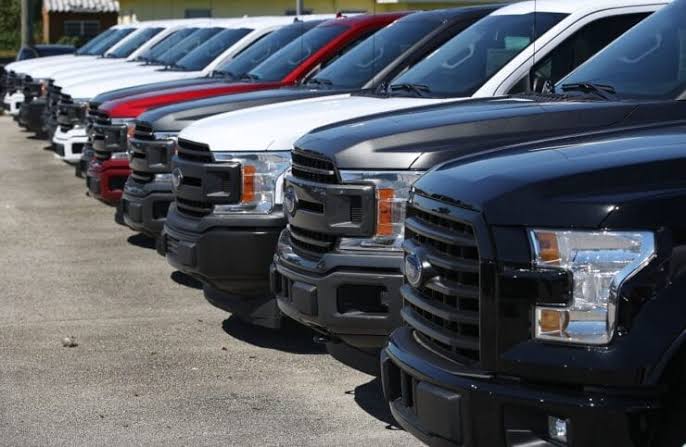
Higher fuel costs are putting pressure on demand for some used trucks and SUVs.
Manheim Index Signals a Shift in Used-Car Prices
The Manheim Used Vehicle Value Index tracks wholesale price changes across the used-car market. It adjusts for seasonal patterns, mileage and shifts in the mix of vehicles sold, offering a broader view of wholesale pricing trends.
The index uses January 1997 as its baseline, set at 100. Its September reading of 205.9 was lower than the 207 recorded a year earlier.
Although the year-over-year decline was modest, the result stood out because it was the first such decrease in 2026 and only the second in nearly two years. The figures suggest that used-vehicle values are facing renewed pressure as market conditions change.
Wholesale prices reflect what dealers pay for used vehicles, rather than the final retail prices consumers see on dealership lots. Changes at auction can influence retail pricing, although the impact and timing vary by vehicle and market.
Fuel-Efficient Used Cars Gain an Advantage
High gasoline prices can change which vehicles buyers want and how much dealers are willing to pay for them. According to Cox Automotive, rising fuel costs have contributed to softer wholesale values for used trucks and SUVs.
At the same time, vehicles with better fuel economy can become more attractive as consumers try to reduce their monthly transportation expenses.
“Fuel economy is showing up in wholesale values,” said Jonathan Gregory, senior director of Economic and Industry Insights at Cox Automotive.
That shift could benefit efficient gasoline-powered cars and hybrid vehicles, depending on their purchase prices, condition and expected running costs.
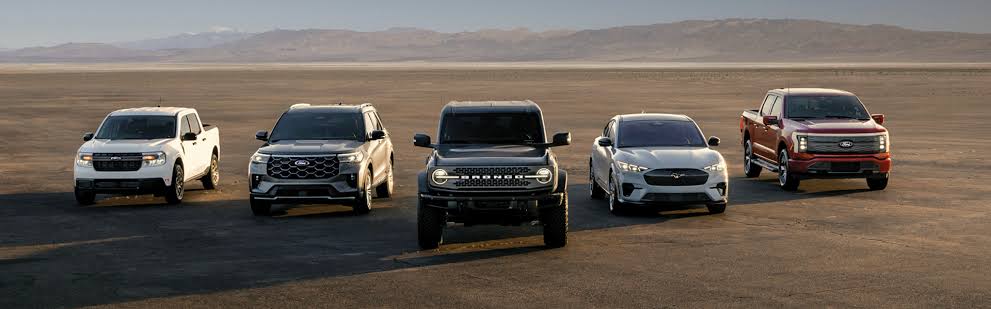
Fuel-efficient models can attract more buyers when gasoline prices rise.
Diesel and Heating Costs Add More Pressure
The impact of rising energy costs extends beyond gasoline. Diesel is essential for transporting goods, including vehicles delivered to dealerships, meaning higher prices can increase expenses throughout the supply chain.
Home heating oil can also strain household budgets, particularly in the northeastern United States, where it remains an important heating fuel.
Market analyst Strand highlighted these broader effects, explaining that higher energy bills can leave consumers with less money available for major purchases. He noted that some households could face substantial increases in heating expenses when oil prices rise.
These pressures can weaken consumer confidence and reduce demand for used vehicles. Even shoppers who need a replacement car may become more cautious about the purchase price, financing costs and ongoing expenses.
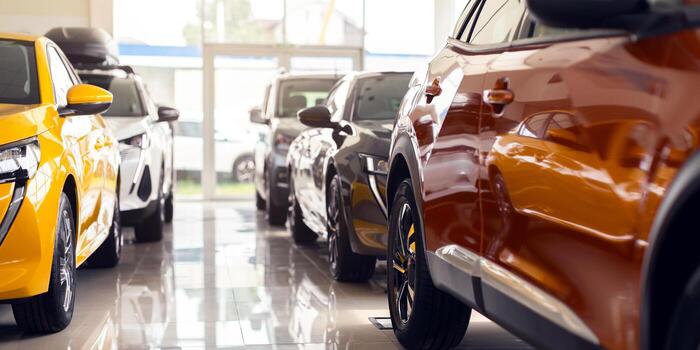
Fuel prices influence vehicle choices alongside other household and transportation costs.
What Happens if Fuel Prices Fall?
A sustained drop in gasoline and diesel prices could help support consumer confidence and used-car demand. Lower fuel expenses would reduce the cost of owning and operating a vehicle, potentially making larger trucks and SUVs more appealing again.
However, if energy prices remain elevated or climb further, consumers could continue prioritizing fuel economy. That could create different pricing trends across vehicle categories rather than a uniform decline across the entire used-car market.
For dealers, the key challenge will be matching inventory to changing buyer preferences while managing wholesale acquisition costs.
The Used-Car Market Faces a New Cost Challenge
The September 2026 Manheim reading highlights how energy prices can influence used-vehicle values. Trucks and SUVs face pressure as operating costs rise, while fuel-efficient models may benefit from stronger demand.
The next direction for used-car prices will depend partly on energy costs, consumer confidence and the balance between supply and demand. For buyers, comparing fuel economy and total ownership costs could become increasingly important when choosing their next vehicle.










Honda’s next-generation hybrid technology promises lower weight, better efficiency and new all-wheel-drive options, with 15 models planned by 2030.
Honda is preparing a major expansion of its hybrid lineup. The automaker has revealed the name of its next-generation system, Honda Hybrid, along with plans to introduce the technology across 15 models by the end of March 2030.
Honda Hybrid Promises Better Efficiency
The new system will use a redesigned vehicle platform engineered to reduce weight while improving structural rigidity. Honda says its approach to body engineering should also improve cornering behavior and road-holding performance.
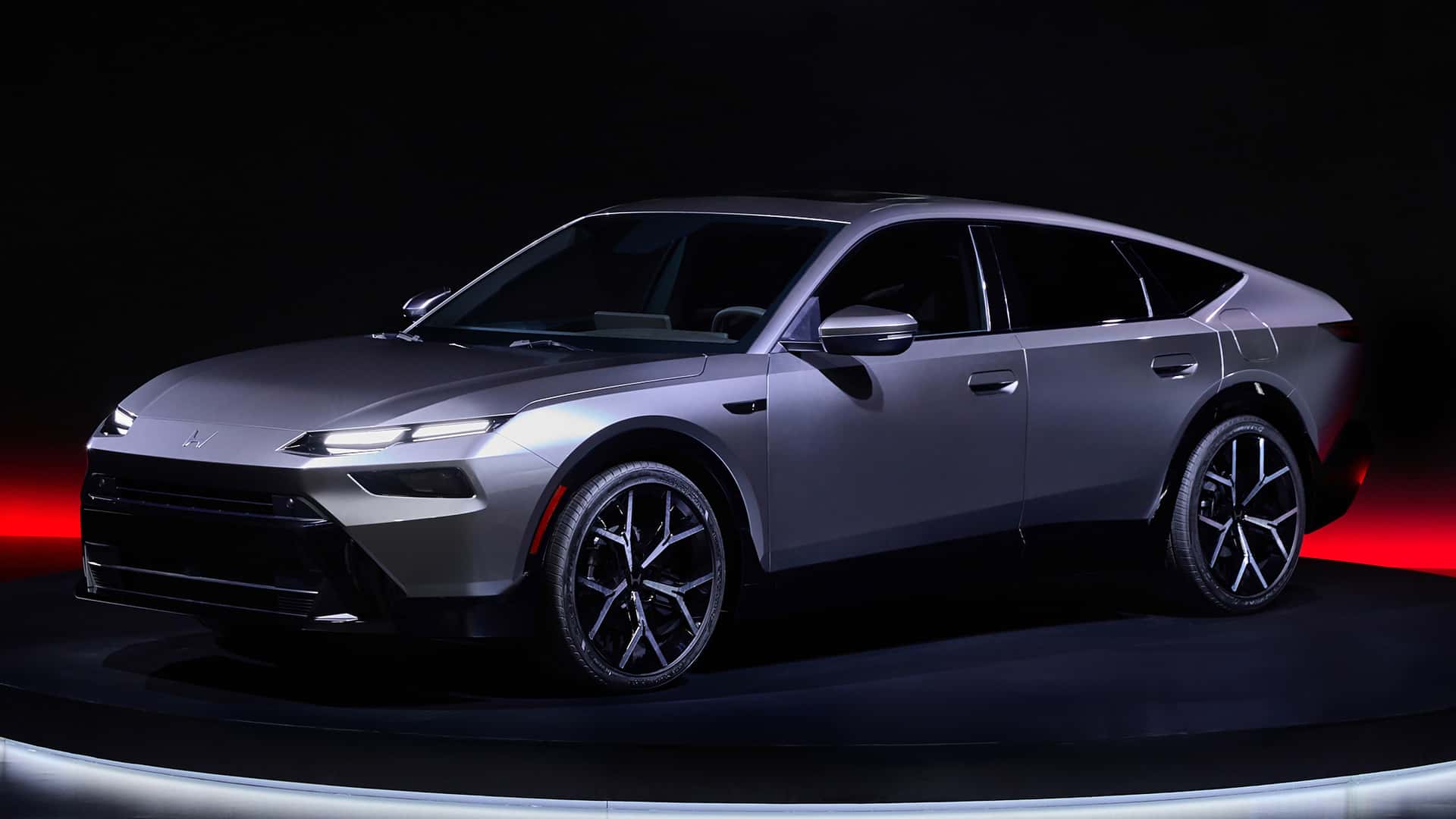
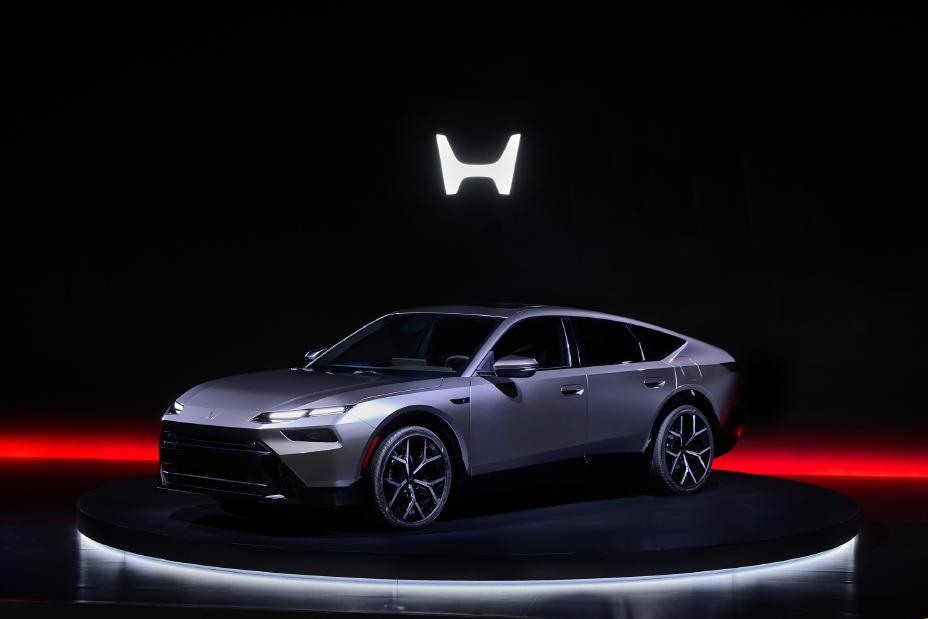
Honda’s Hybrid Sedan prototype previews the direction of its next-generation hybrid lineup.
Honda has also redesigned the drive unit and expanded the engine’s high-efficiency operating range. These changes are intended to improve fuel economy without sacrificing the driving experience.
The new platform will also support a newly developed all-wheel-drive system. Honda has not yet disclosed detailed specifications, but the technology could help extend hybrid powertrains across a wider range of vehicles.
Two-Motor Hybrids and New AWD Technology
Honda’s existing hybrid technology pairs a gasoline engine with two electric motors. The next generation is expected to build on this configuration for models such as the Civic, Accord and CR-V.
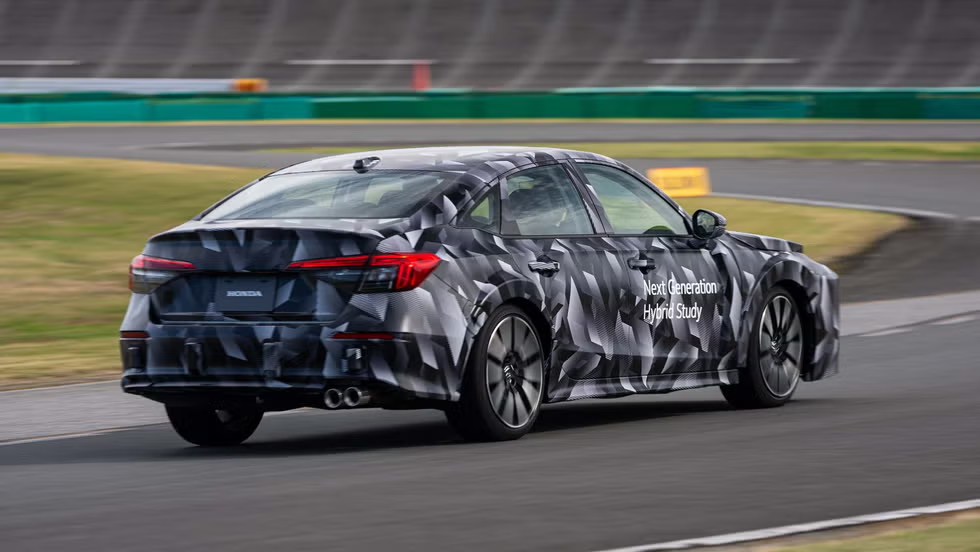
Honda’s two-motor hybrid architecture is expected to remain central to its next-generation passenger cars.
A prototype of the next-generation Civic Hybrid previously featured a 2.0-liter engine, two electric motors and a new battery. Honda has not confirmed that every component will carry over unchanged to production vehicles.
Larger models could receive a different setup. Honda has discussed a V6 hybrid powertrain with a third electric motor on the rear axle for all-wheel-drive applications. This configuration could suit SUVs and other vehicles that require more power and traction.
Honda’s next-generation hybrid strategy could extend to more SUVs and larger vehicles.
Honda Plans 15 Hybrid Models by 2030
The new Honda Hybrid system is scheduled to begin appearing in production vehicles in 2027. By the end of March 2030, Honda plans to launch 15 models equipped with the technology, with most intended for North America.
The Civic, Accord and CR-V are natural candidates for the rollout. Honda’s luxury division, Acura, is also preparing a hybrid RDX, while larger vehicles such as the Pilot, Passport, Ridgeline and Acura MDX could eventually receive hybrid powertrains.
Honda has not confirmed the full model list or the specifications of every future powertrain. For now, the strategy signals a broader commitment to hybrids as the company pursues improved efficiency and expands electrified options across its lineup.
Honda Hybrid will begin its next chapter in 2027, with the goal of bringing more efficient powertrains to a much wider selection of vehicles.
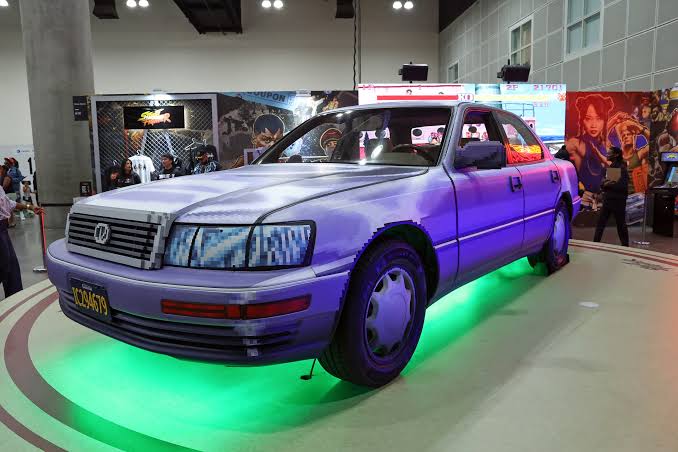
The iconic video game car returns as a real-life creation, complete with pixelated paint, arcade details and a cash prize.
The legendary car-smashing challenge from Street Fighter II is coming to life. The luxury sedan from the game’s famous bonus stage has been recreated as a real car, bringing a nostalgic gaming icon onto the road.
In the original game, players could unleash their attacks on a parked vehicle instead of fighting another opponent. Now, fans have the chance to see that familiar car in a completely different form.
The Iconic Car From Street Fighter II
For many players, the bonus stage was one of the most memorable parts of Street Fighter II. The challenge was simple: destroy a car before time ran out. Its resemblance to a Lexus LS 400 made the vehicle especially recognizable, even though the original game car was not officially licensed.

The original bonus stage turned a luxury sedan into a classic piece of video game history.
The scene also has an unusual backstory. The game’s lore describes the destruction as a used-car dealer’s promotional stunt. Another theory connects it to protests against Japanese imports in the United States during the 1980s.
Whatever its origins, the car became a lasting part of gaming culture. Its real-world recreation now gives fans a new way to celebrate that history.
A Real Car With Pixelated Paint
Vehicle Effects, known for building cars for the Fast & Furious film franchise, created the real-life tribute. The team focused on recreating the distinctive look of a vehicle rendered with 16-bit graphics.

The pixel-inspired exterior recreates the distinctive appearance of the original game car.
The custom work continues inside the cabin. The headrests feature embroidered “You Win” lettering, while an arcade-style coin holder replaces the heated-seat controls.

Arcade-inspired details give the interior a playful connection to the original game.
These modifications make the car more than a simple replica. The project combines automotive craftsmanship with the nostalgia of classic arcade gaming.
How to Win the Street Fighter II Car
The real-life Street Fighter II car is being offered through a sweepstakes organized in partnership with The General auto insurance company. The prize includes the customized vehicle and $25,400.69 in cash.
The contest is limited to U.S. residents. Its unusual cash amount adds another playful detail to a project built around a classic gaming moment.
The car’s arrival also coincides with the new live-action Street Fighter movie, scheduled to open on October 16, 2026, according to the supplied information.
In the original game, destroying the car was the objective. This time, one lucky winner will have a very different challenge: keeping the real vehicle in one piece.
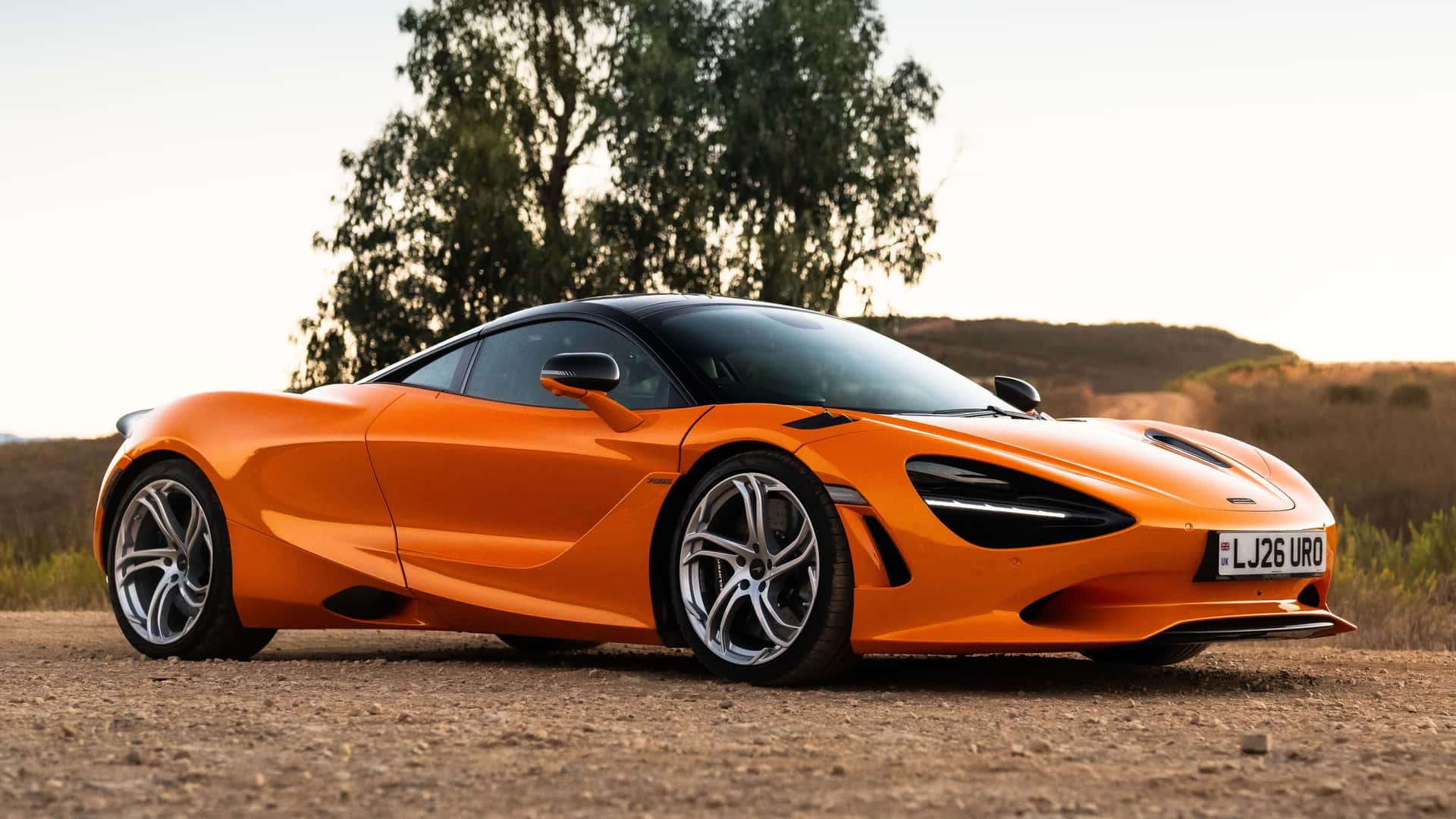
McLaren has confirmed that the 750S supercar will end production in 2027. Final orders are now open, marking the end of a V8-powered lineage that began with the 720S in 2017.
The McLaren 750S is approaching the end of its production run. After nearly a decade of development built around the 720S platform, McLaren will stop manufacturing the supercar in 2027.
The announcement marks a significant moment for the British automaker. The 750S has combined extreme performance, lightweight engineering and a driver-focused design. Now, buyers have a limited window to order one before production ends.
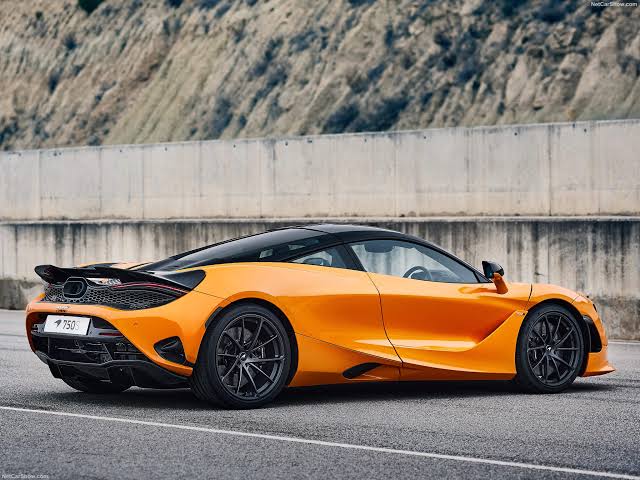
The McLaren 750S will leave production in 2027 after years as a key model in the brand’s supercar lineup.
McLaren 750S: A 740-HP Supercar
Introduced in 2023, the McLaren 750S evolved from the 720S with extensive mechanical and design changes. McLaren revised or updated roughly 30% of the car’s components to improve performance and driver engagement.
Its 4.0-liter twin-turbocharged V8 produces 740 horsepower. The car also has a claimed dry weight of just 2,815 pounds, helping deliver the agile handling expected from a McLaren supercar.
Engineers revised the suspension, aerodynamics and transmission calibration. The cabin also received a more driver-focused layout, reinforcing the 750S’s emphasis on the driving experience.
These changes helped the 750S refine an already capable platform rather than replace it with an entirely new design.
From the McLaren 720S to the 750S
The 750S belongs to a supercar family that began with the McLaren 720S in 2017. That platform established the foundation for several performance-focused models.
The lineup later expanded with the track-oriented 765LT and other specialized derivatives. The recently revealed 788HS also demonstrates how McLaren has continued to develop the platform’s performance potential.
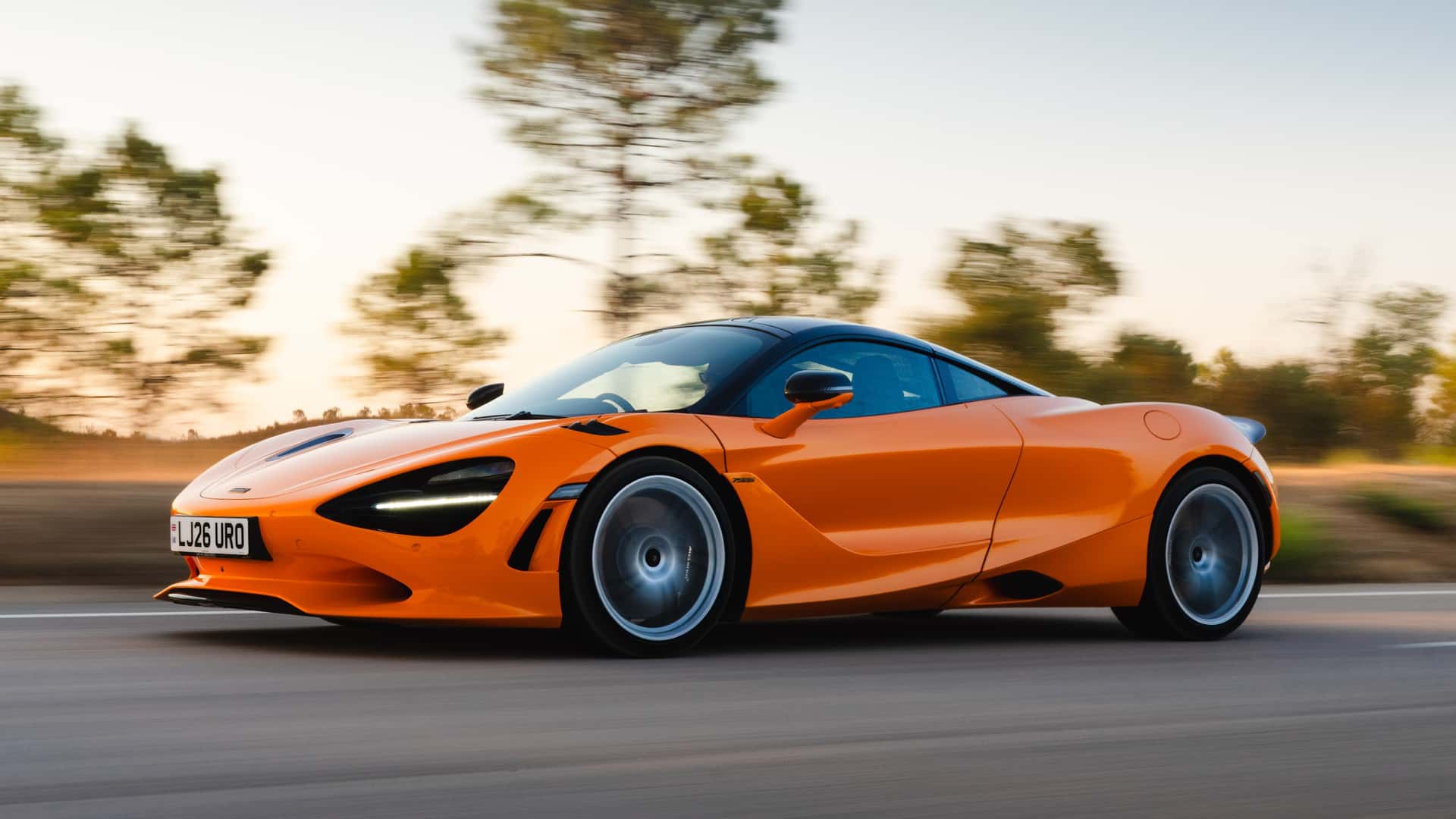
The 750S builds on the engineering foundation established by the 720S.
For McLaren, the 750S has represented more than an increase in power. Its combination of lightweight construction, revised chassis components and aerodynamic development has kept the car competitive in the modern supercar segment.
McLaren Chief Commercial Officer Henrik Wilhelmsmeyer described the 750S as a model that embodies the company’s approach to performance, technology, design and personalization. He said the car would leave behind an extraordinary legacy.
What Comes Next for McLaren?
The end of 750S production comes as McLaren prepares for a broader transformation. The company has introduced a new logo and is expected to expand its product range beyond its traditional supercar lineup.
One anticipated development is a super-SUV reportedly aimed at competitors such as the Ferrari Purosangue. However, the 750S announcement does not by itself confirm the timing or specifications of future models.
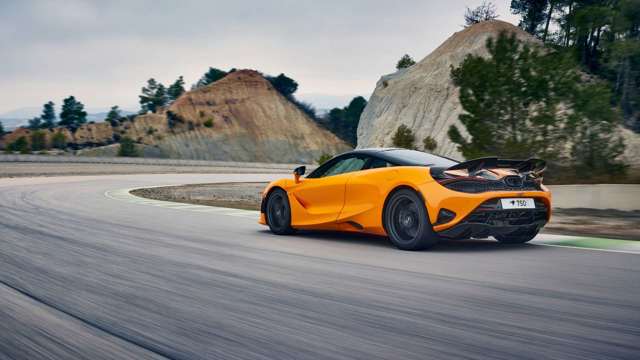
The 750S’s distinctive rear design reflects McLaren’s focus on performance and aerodynamic engineering.
The company now faces the challenge of preserving its performance identity while reaching new customers. Future models will need to deliver the engineering and driving character that have defined its supercars.
Final McLaren 750S Orders Are Now Open
McLaren has confirmed that production will end in 2027, and final orders are now being accepted. Buyers interested in the 750S therefore have a limited opportunity to secure a new example before the production line closes.
The model’s combination of a twin-turbo V8, lightweight construction and an established performance pedigree gives it a significant place in McLaren’s modern history.
When production ends, the 750S will close a chapter that began with the 720S in 2017. Its successor has yet to be fully defined, but McLaren’s wider transformation suggests that the next phase of the brand could look very different.
-
 NOW TRENDING2 months ago
Tesla Cybercab Gets September 3 Austin Launch Date
-
 NOW TRENDING2 months ago
Audi’s New SUVs Could Help Reverse Its Sales Decline in 2026
-
 TEST DRIVES2 months ago
2025 Ford Bronco Sport Badlands: The Adventure SUV You Can Drive Every Day
-
 TEST DRIVES1 month ago
2026 Toyota GR Supra MkV Final Edition
-
 INTELLIGENT MOBILITY2 months ago
GM Super Cruise: How It Works and What Comes Next in 2028
-
 NOW TRENDING2 months ago
2027 Toyota Corolla Celebrates 60 Years With Special Edition
-

 NOW TRENDING2 months ago
Rivian R2 Autonomy+ Adds New Hands-Free Driving Features
-
 RACING2 months ago
Mercedes Solves Its Biggest F1 Problem After Four Seasons
You must be logged in to post a comment Login