
Formula1
Williams F1 2026: The Team Is Already Looking to 2027

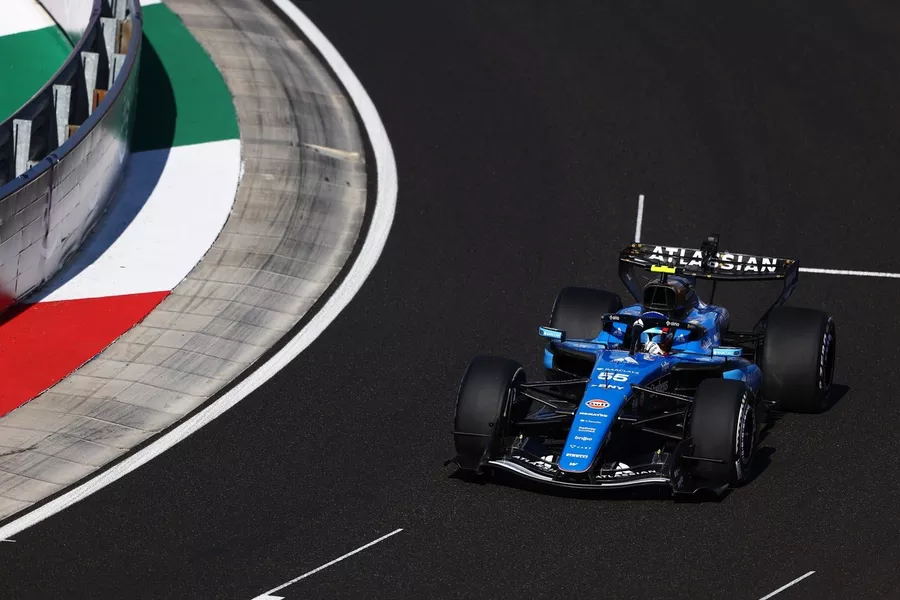
Williams is accepting a limited 2026 development programme as James Vowles confirms that most of the team’s resources have already moved toward its 2027 Formula 1 project.
Williams is making a difficult development trade-off
Williams has accepted that the 2026 Formula 1 car will not receive everything the team could have developed. Team Principal James Vowles says the decision comes from a clear change in priorities.
The Grove-based team has already moved most of its resources toward the 2027 project. As a result, the remaining upgrades for the FW48 will be more limited.
The decision follows a difficult period for Williams. The team has struggled to add performance to its 2026 car, while several rivals have continued to develop.
That gap became clear at the Spanish Grand Prix at Madring. Alex Albon finished 15th, while Carlos Sainz retired after suffering floor damage.
Vowles admitted that the current situation has left Williams falling behind the cars around it. The team now has to manage what it can realistically achieve during the rest of the season.
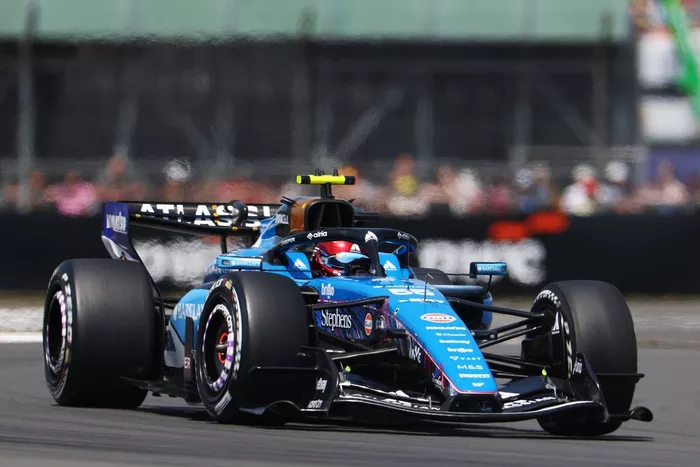
Vowles has been clear about the reason behind the decision.
Williams is already investing heavily in its 2027 car. That investment has an immediate consequence for the current FW48.
The team must therefore accept a compromise.
This does not mean Williams has stopped developing its 2026 car. The team still has changes planned for the upcoming races.
However, those developments will not be enough to completely close the gap to its rivals.
Williams had already announced further upgrades for the 2026 season. Vowles previously confirmed that the team expected significant changes to the FW48 beyond the summer break.
The current strategy is now more targeted.
Rather than committing major resources to the 2026 car, Williams wants to prepare for the next major technical opportunity.
New chassis and aerodynamic upgrades are coming
The next major opportunity comes at Baku.
Williams plans to bring two new chassis to the Azerbaijan Grand Prix. The objective is important because the team wants to reduce the car’s weight below the regulatory limit.
Reducing weight could provide a noticeable performance gain.
The team also expects to bring new aerodynamic parts to Baku. Those components should work together with the lighter chassis.
However, Williams knows that its rivals will continue developing their own cars.
That is why Vowles has warned that the Baku package will not suddenly transform Williams’ season.
The upgrades should move the FW48 forward, but the rest of the grid has also made progress.
The team therefore does not expect the changes to provide enough performance to score points consistently.
This is an important distinction.
Williams is not abandoning 2026. Instead, it is trying to extract useful performance from the resources still allocated to the current car.
At the same time, the team wants to avoid spending too much time and money on development that would have a limited long-term benefit.
That balance is particularly important during a regulation cycle.
Formula 1 teams must constantly decide when to stop developing one car and concentrate on the next one. Williams has now reached that point earlier than it would have wanted.
Why 2027 has become the priority
The biggest change is happening away from the race track.
Most of Williams’ development resources have already moved to the 2027 project.
That means engineers, aerodynamicists and other technical groups are increasingly focused on the next-generation car.
Williams has already spent months working on its longer-term transformation. Vowles has repeatedly described the team’s current period as part of a wider rebuild aimed at returning to regular front-running performance.
The 2027 project therefore represents a much larger opportunity than simply adding another update to the FW48.
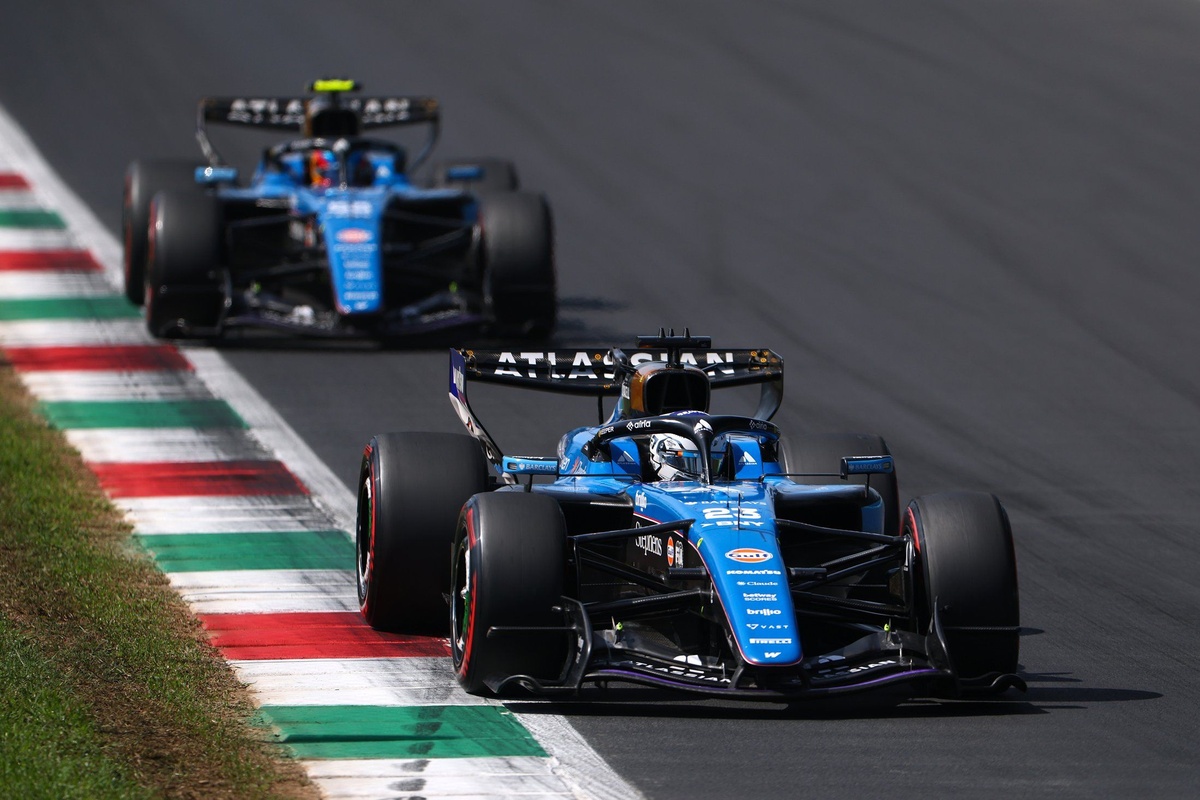
For Alex Albon and Carlos Sainz, that creates a difficult final part of the 2026 season.
The current car still has to compete at every remaining circuit. However, Williams is also preparing the equipment that will define its next phase.
The team’s two drivers therefore have to work with a car that may receive fewer major developments than some rivals.
That does not mean every remaining race will be ignored.
Instead, Williams can use the rest of 2026 to gather data. Every qualifying session, race and upgrade can provide information that helps the team understand where it needs to improve.
Vowles has also emphasised that Williams still has a development roadmap for the current season.
The challenge is deciding where each resource creates the greatest benefit.
Williams knows 2026 will require a compromise
The Spanish Grand Prix showed why the decision has become necessary.
Williams entered the weekend knowing the new Madring layout could expose some of the FW48’s weaknesses. The team then struggled to find enough performance to challenge for points.
The situation is not expected to change immediately.
Baku should bring a useful step forward thanks to the new chassis and aerodynamic developments. After that, however, Williams’ focus will continue moving toward the future.
That future is 2027.
The strategy is straightforward, even if it is difficult to execute. Williams wants to take the performance gains still available from the FW48 while protecting its larger investment in the next car.
The team therefore accepts that some potential 2026 improvements will be sacrificed.
For Vowles, that is the consequence of what happened during the winter and the performance gap Williams has been unable to fully recover.
The remaining 2026 upgrades can move Williams forward, but the team’s bigger response is being prepared for 2027.
That makes the current season a combination of development and preparation. Baku will provide another opportunity to improve the FW48, while the Grove factory is already working toward the next generation.
Williams is effectively using the rest of F1 2026 to learn, develop where possible and prepare for a much more ambitious 2027 programme.









-
 NOW TRENDING2 months ago
Aston Martin DBX Becomes Harry Da Souza’s Ride in MobLand
-
 TEST DRIVES2 months ago
2026 Maserati GranTurismo Trofeo Review: Miami
-
 INTELLIGENT MOBILITY2 months ago
Tesla Cybercab Navigation Problem Hits Austin Robotaxis
-

 INTELLIGENT MOBILITY2 months ago
Tesla Cybercab Cannot Be Charged at Home—Here’s Why
-
 INTELLIGENT MOBILITY2 months ago
2027 Nissan Rogue Hybrid: e-POWER Comes to America
-
 TEST DRIVES2 months ago
2026 Maserati GranTurismo Coupe
-
 Formula12 months ago
Cadillac F1 2026 Faces an Eight-Race Logistics Challenge
-

 NOW TRENDING2 months ago
2027 Lexus LS Gets Another Update, But Not in America