
NOW TRENDING
Hyundai N Is Developing a Rear-Wheel-Drive Performance Car

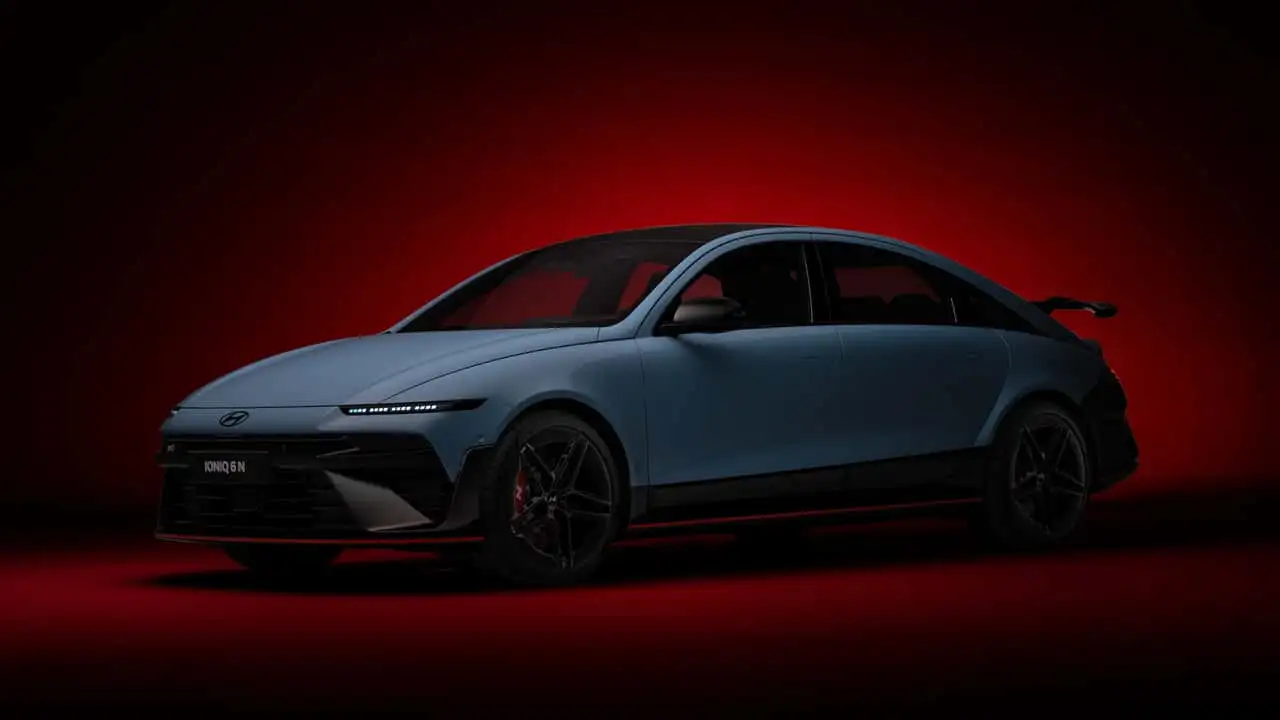
Hyundai N plans to expand beyond seven models by 2030, with an upcoming front-engine performance car based on a rear-wheel-drive platform with available AWD.
Hyundai N is preparing to expand its performance lineup in a major way.
The division currently sells five models, but Hyundai plans to grow that number to more than seven by the end of the decade. Annual N sales are also expected to increase from 20,000 vehicles in 2025 to 100,000 in 2030.
One upcoming model stands out above the rest: a front-engine performance car with a rear-wheel-drive platform and all-wheel-drive capability.
Hyundai N is developing an RWD performance car
Hyundai has not revealed the name, body style, or powertrain of the new model.
What the company has confirmed is the architecture. The car will use a front-mounted powertrain and rear-wheel-drive platform, with AWD support.
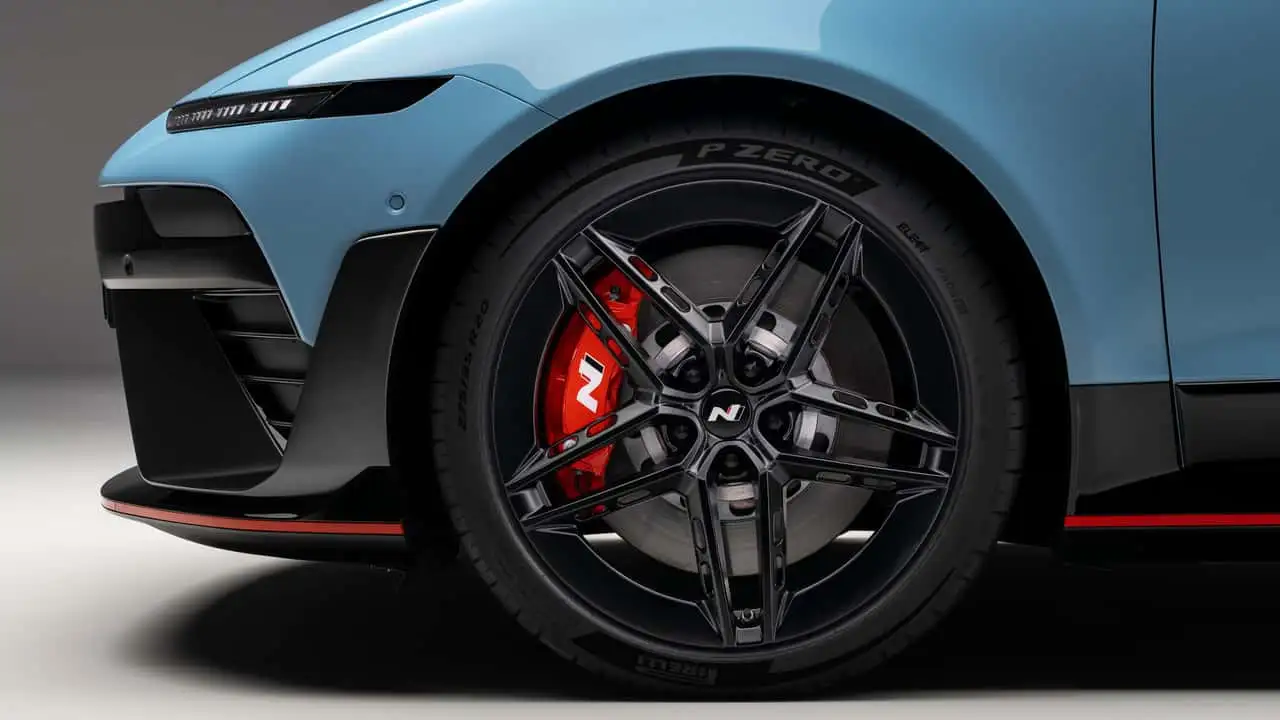
Hyundai N is developing a new front-engine performance car based on a rear-wheel-drive platform.
The powertrain remains one of the biggest unanswered questions.
Hyundai has not confirmed whether the model will use an internal-combustion engine or an electric powertrain.
However, the model’s projected market coverage and Hyundai’s current positioning suggest that a combustion-powered setup remains a possibility.
A plug-in hybrid configuration could also provide a way to combine combustion and electric technology.
Hyundai N wants to become much bigger
The new RWD model is part of a much broader expansion.
Hyundai currently has five N models: the i20 N, i30 N, Elantra N, Ioniq 5 N, and Ioniq 6 N.
The company wants N-badged vehicles to reach more than 60% market coverage by 2030, up from around 30% today.
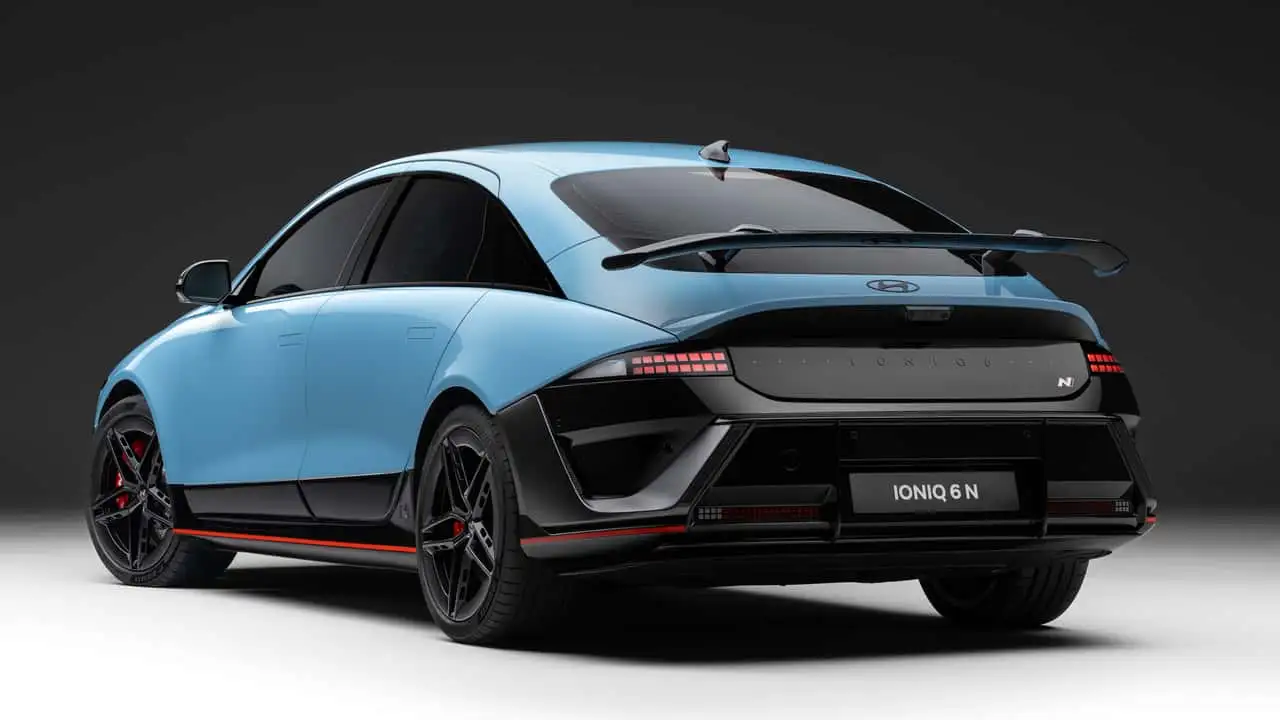
Hyundai N wants to more than double its market coverage by 2030 through new models and broader global availability.
Another upcoming model listed in Hyundai’s plans is an entry-level front-engine vehicle with front-wheel drive, which could potentially lead to the return of the Kona N.
Hyundai is also considering additional products in other segments, including a compact EV, a premium SUV, a premium electric vehicle, and a sports car positioned as a luxury GT.
Those more expensive products are not expected until the next decade if they receive approval.
The N Vision 74 remains a question
One notable omission from Hyundai’s current plans is the long-rumored N Vision 74 production model.
The futuristic concept has generated significant interest among enthusiasts, but Hyundai has not yet confirmed whether it will reach production.
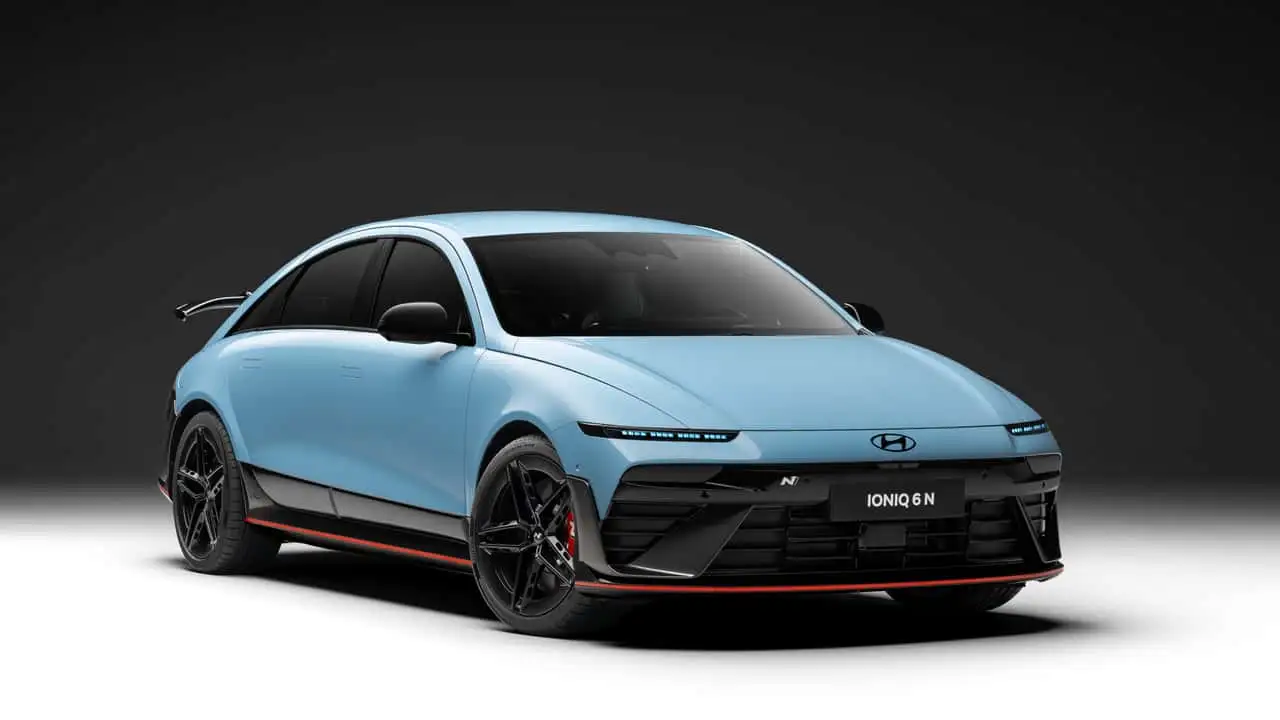
The future of Hyundai’s N Vision 74 remains uncertain as the performance division prepares several new models.
The possible RWD model could therefore become one of the most important additions to the N family.
A rear-drive platform would give Hyundai N a performance formula that its current lineup does not offer.
The new car is also expected to sit above the Ioniq 5 N and Ioniq 6 N in price, according to Hyundai’s current product roadmap.
For Hyundai N, the strategy is clearly becoming more ambitious. The division is no longer focused only on adding performance versions to existing models; it is looking to create an expanded family of performance vehicles with different drivetrains, body styles, and price points.


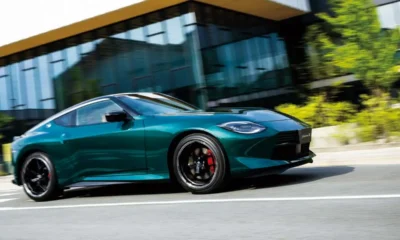







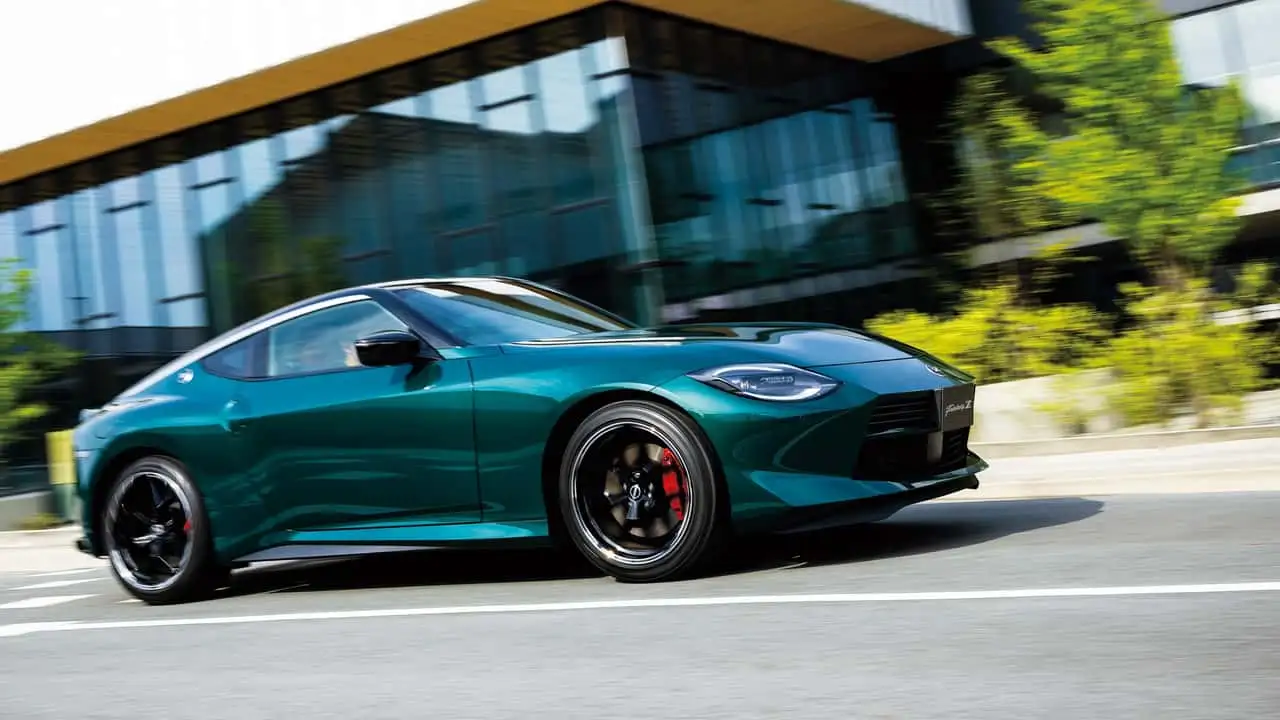
The refreshed Nissan Fairlady Z Nismo adds a six-speed manual, chassis updates, new technology, and revised styling for 2027.
Nissan has finally given Z enthusiasts what they have been asking for.
The Fairlady Z Nismo now offers a six-speed manual transmission in Japan, four years after the current-generation RZ34 was introduced.
The refreshed Fairlady Z and Fairlady Z Nismo are now on sale in Japan, bringing several chassis, technology, and styling updates to Nissan’s sports car.
Nismo Finally Gets a Six-Speed Manual
The biggest change is the arrival of the six-speed manual transmission for the range-topping Z Nismo.
Nissan pairs it with a dedicated short-throw shifter and a strengthened clutch.
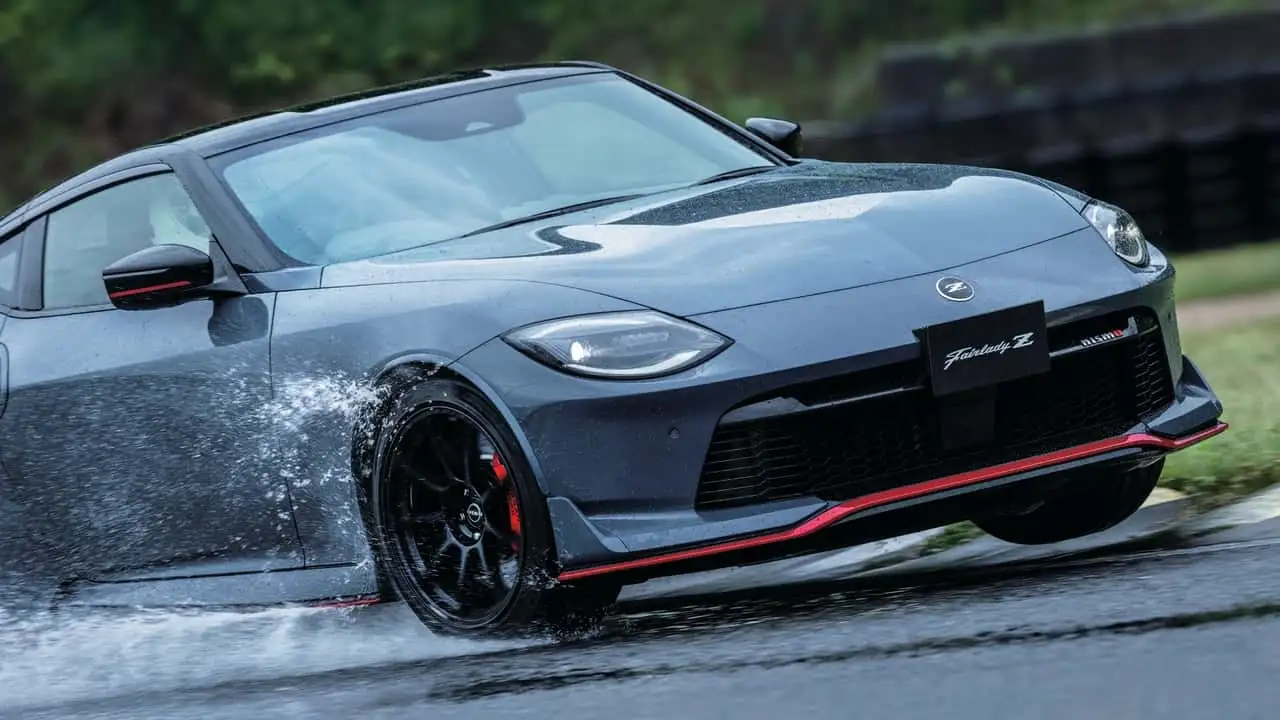
The Nissan Fairlady Z Nismo finally gets a six-speed manual transmission in Japan.
The company also recalibrated the engine’s throttle and ignition control to work specifically with the manual transmission.
The goal is to provide sharper responses when drivers shift manually rather than simply adapting the existing automatic setup.
Until now, Japanese Z Nismo buyers had to settle for a nine-speed automatic transmission.
The new manual option therefore significantly changes the character of the performance model.
Nissan Updates the Z’s Chassis
The transmission is not the only mechanical change.
Nissan has installed larger-diameter monotube shocks across the Fairlady Z lineup.
The changes are primarily aimed at improving ride comfort rather than increasing outright grip.
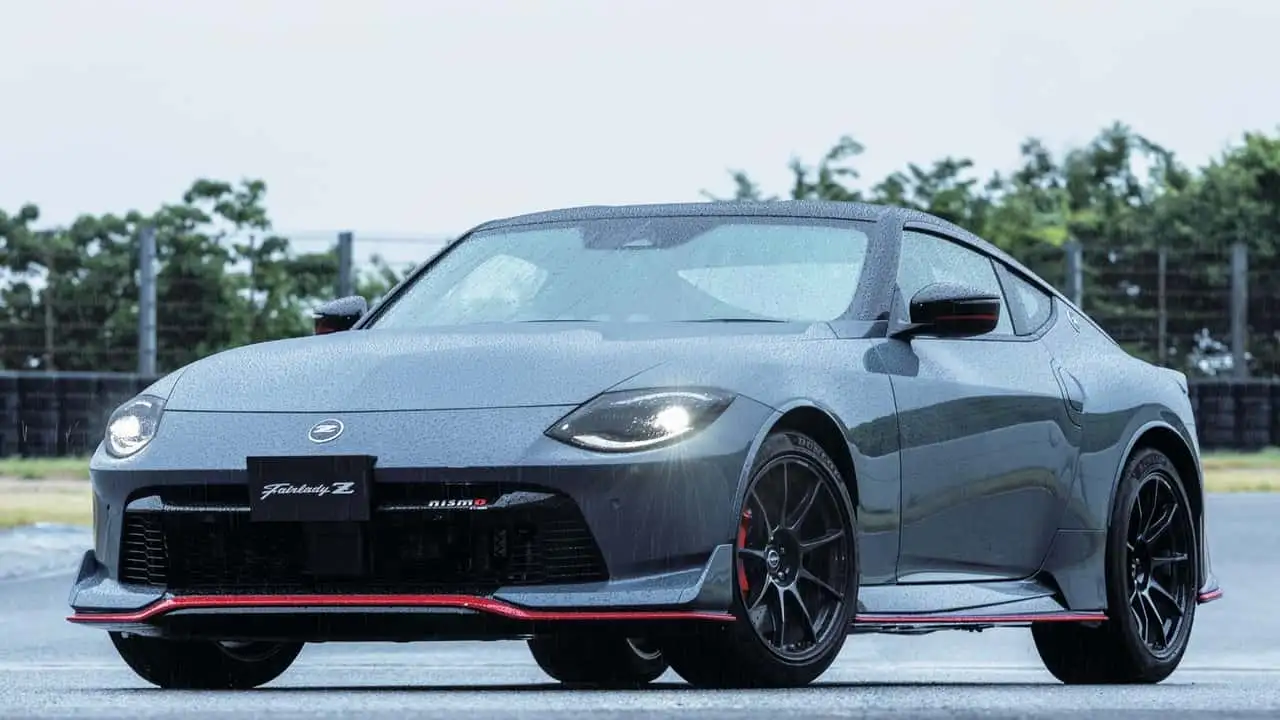
Larger monotube shocks are designed to improve ride comfort across the refreshed Fairlady Z range.
Nismo models also receive upgraded braking hardware.
The performance version now features bright-red brake calipers and two-piece drilled rotors, giving the Z Nismo additional visual and functional upgrades.
Nissan says the hardware follows the spirit of the company’s high-performance GT-R approach.
Refreshed Design and More Technology
The refreshed Fairlady Z also receives several exterior changes.
The front Z badge returns to the nose, accompanied by a redesigned front bumper.
Nissan is offering 10 exterior colors, including a new Unryu Green with Super Black two-tone finish.
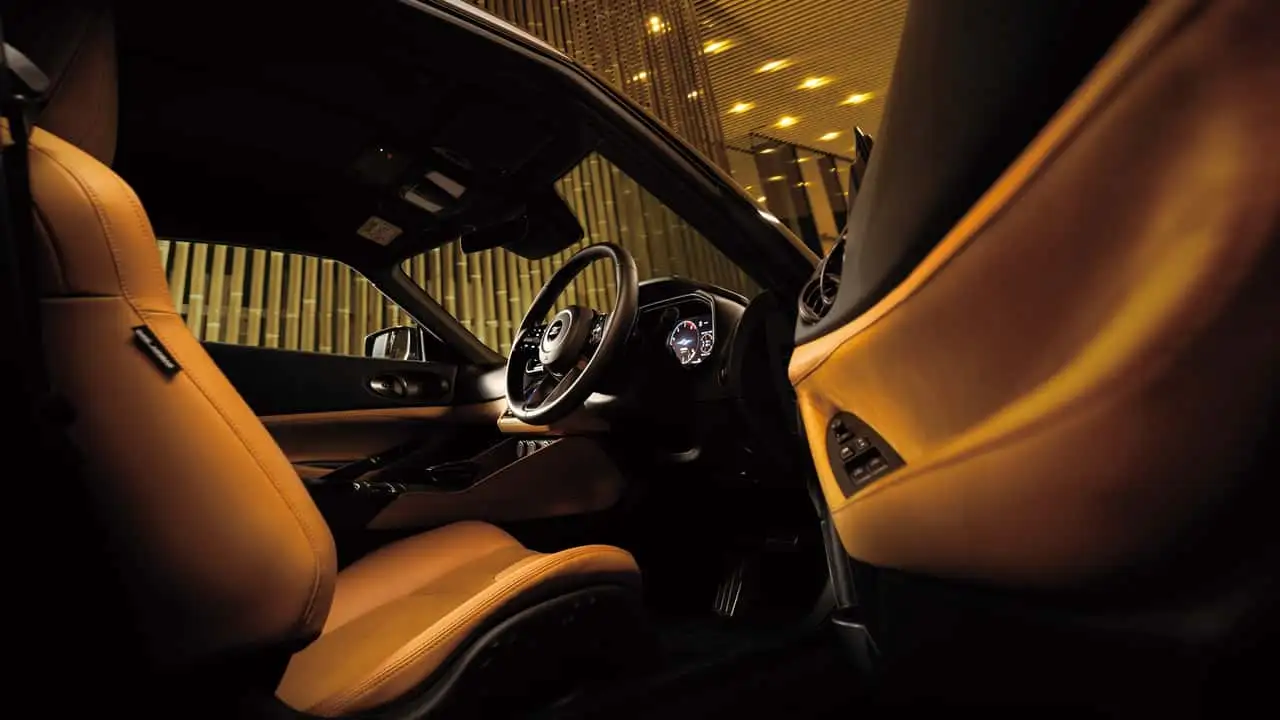
The refreshed Fairlady Z features a redesigned front end and new Unryu Green with Super Black paint combination.
Inside, both the standard Fairlady Z and Z Nismo now feature a Qi2-compatible wireless charger.
The Japanese lineup stretches from the base Fairlady Z through Version S and Version ST before reaching the Nismo.
Pricing and the U.S. Manual Z
Japanese pricing starts at 5,737,600 yen, equivalent to roughly $38,250, for the base Fairlady Z.
The range-topping Nismo starts at 9,752,600 yen, or approximately $65,000.
The special exterior finish costs an additional 49,500 yen.
The manual transmission is particularly significant for U.S. buyers because the 2027 Nissan Z is also available with a six-speed manual in America.
The manual option is offered at no additional cost, with U.S. MSRP listed at $68,555 for the relevant configuration.
For the Nissan Z Nismo, the arrival of a manual transmission is arguably the most important update yet. It gives the flagship Z the driver involvement enthusiasts expected from the beginning while Nissan simultaneously improves its chassis, brakes, technology, and styling.
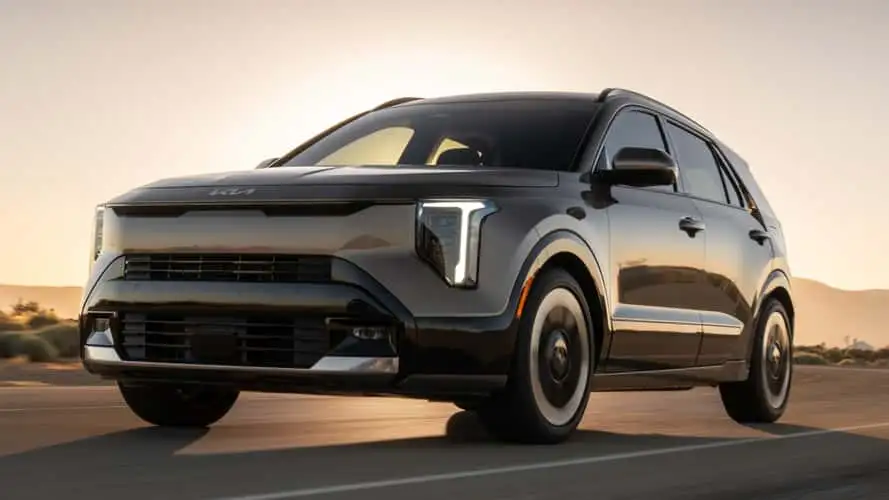
Kia’s affordable crossovers return for 2027 with modest price increases, a few updates, and hybrid powertrains across the lineup.
The average new vehicle now costs around $50,000, making affordable crossovers increasingly important for buyers trying to keep their budgets under control.
For 2027, Kia is continuing to offer two relatively affordable options: the Sportage and Niro.
The Sportage remains Kia’s best-selling model, while both crossovers are positioned near the lower end of the brand’s SUV lineup.
2027 Kia Sportage starts at $30,485
The 2027 Kia Sportage gets only minor changes for the new model year.
Its starting price is $30,485, including destination, which is $400 more than the equivalent 2026 model.
The increase comes from a $300 MSRP adjustment and a $100 increase in the destination charge.
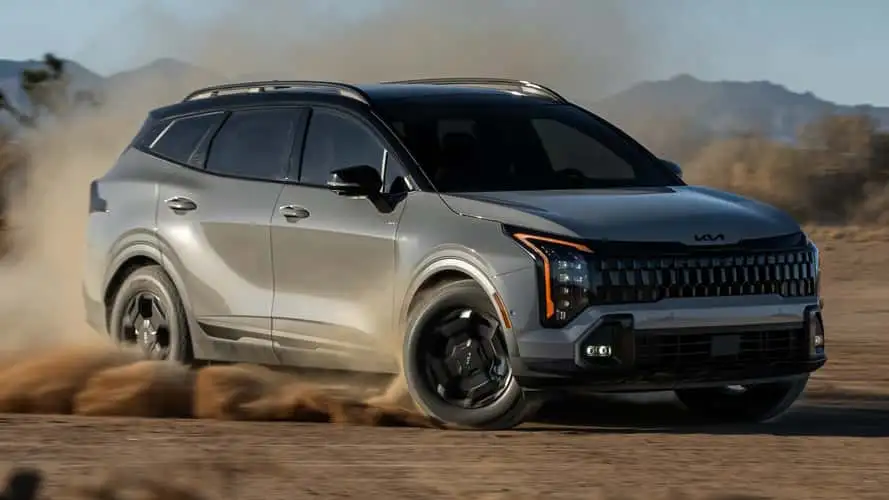
The 2027 Kia Sportage starts at $30,485 and remains one of Kia’s most affordable crossovers.
The Sportage is offered in six trims: LX, EX, X-Line, SX, SX-Prestige, and X-Pro.
All-wheel drive is available on most versions and comes standard on the X-Line and X-Pro.
For the X-Line specifically, Kia adds a standard panoramic sunroof and smart power liftgate for 2027.
Otherwise, the Sportage carries over with the same overall package.
Sportage offers gasoline, hybrid, and plug-in hybrid power
The standard gasoline Sportage uses a 2.5-liter four-cylinder engine producing 187 horsepower and 178 lb-ft of torque.
An eight-speed automatic transmission is standard.
The Sportage uses a 2.5-liter four-cylinder engine, while hybrid and plug-in hybrid versions are also available.
Kia also continues to offer hybrid and plug-in hybrid versions of the crossover.
That gives buyers several ways to balance price, performance, and efficiency depending on their needs.
Sportage pricing varies considerably depending on trim and drivetrain, with the range reaching $41,385 for the X-Pro Prestige AWD.
2027 Kia Niro gets bigger changes
The 2027 Kia Niro follows a different path.
Kia has discontinued the plug-in hybrid version, leaving the Niro available only as a hybrid for the new model year.
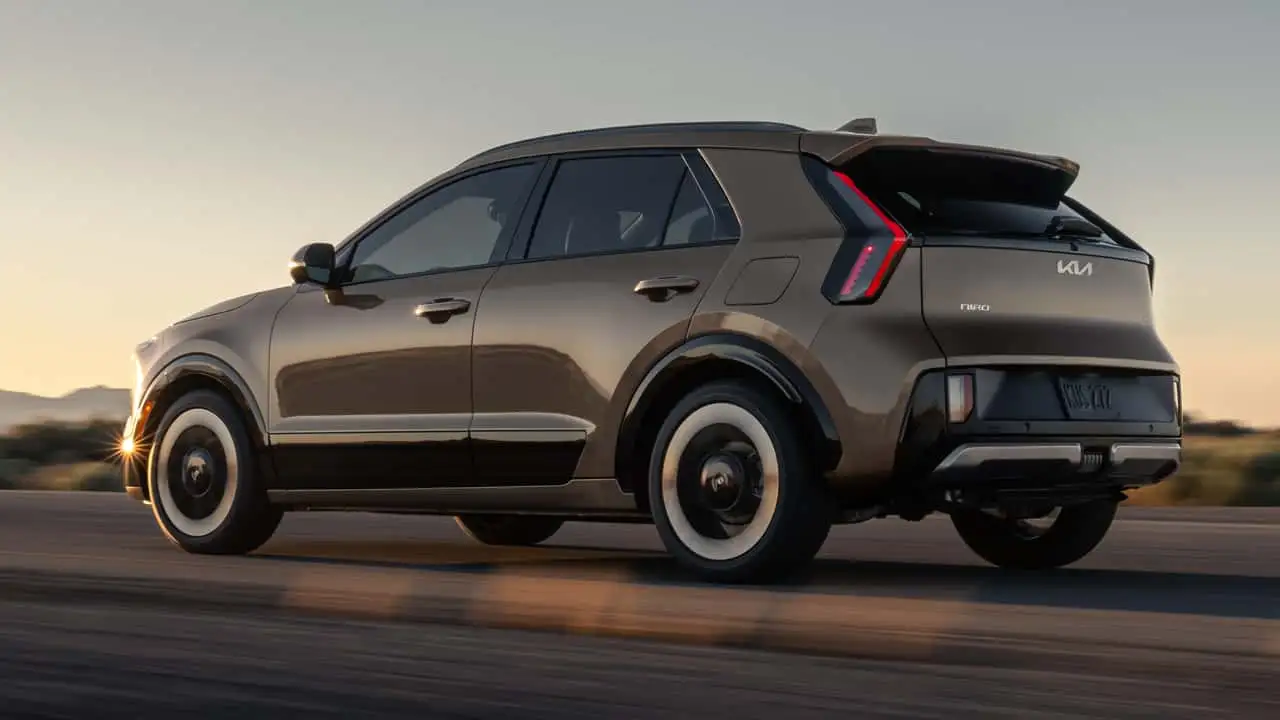
The updated crossover receives revised front and rear styling, new exterior colors, suspension tuning changes, and a quieter cabin.
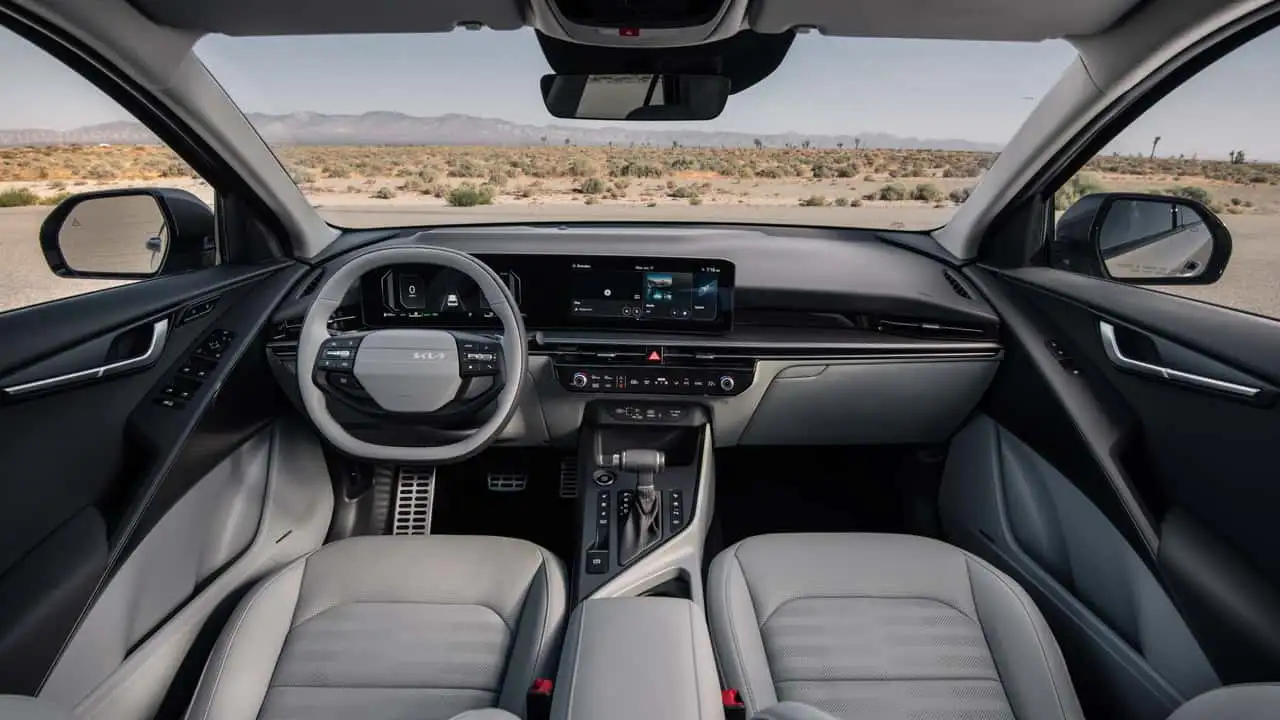
The 2027 Kia Niro is now hybrid-only and receives refreshed styling, suspension changes, and a quieter cabin.
The entry-level Niro LX starts at $31,385, representing a $2,500 increase over the outgoing model.
Kia will offer five trims for 2027:
| Trim | 2027 Price |
|---|---|
| Niro LX | $31,385 |
| Niro S | $32,085 |
| Niro EX | $32,885 |
| Niro SX | $36,935 |
| Niro SX Touring | $40,485 |
A new S trim now sits between the LX and EX.
The Niro remains hybrid-only
The 2027 Niro uses a 1.6-liter hybrid powertrain paired with a six-speed dual-clutch transmission.
Total output is 139 horsepower.
That makes the Niro a different proposition from the Sportage. While the Sportage offers gasoline, hybrid, and plug-in hybrid configurations, the Niro now focuses exclusively on conventional hybrid technology.
For buyers looking for an affordable crossover, the 2027 Kia Sportage remains the cheaper entry point, starting $900 below the Niro despite offering a larger range of powertrain choices.
The 2027 Kia Niro, meanwhile, gets a more significant refresh but also carries a noticeably higher entry price.
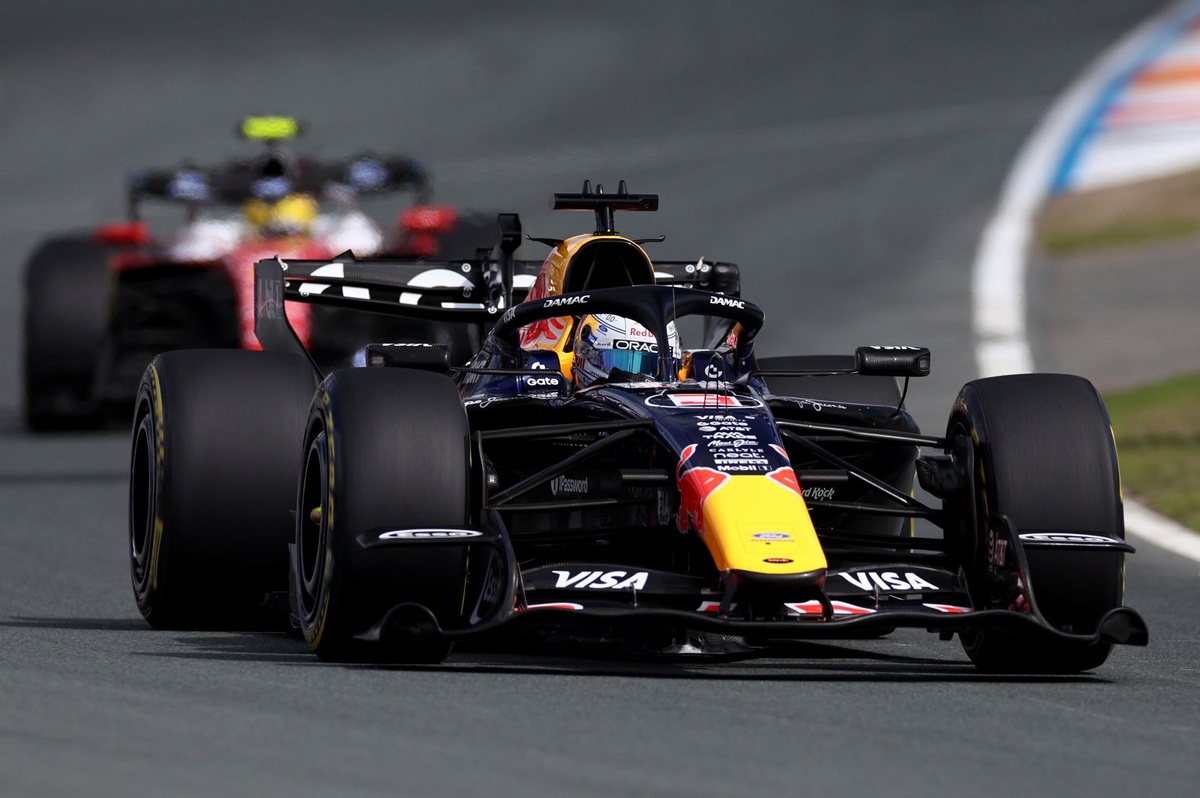
The FIA has published its second ADUO assessment for 2026, again ranking Red Bull-Ford’s combustion engine as the strongest while granting no additional homologation to any manufacturer.
The FIA has published the second ADUO assessment of the 2026 Formula 1 season, and Red Bull-Ford remains the benchmark under the system.
The analysis covers every race from the Australian Grand Prix through the Hungarian Grand Prix and compares the performance of the internal combustion engines.
According to the FIA’s figures, Red Bull-Ford has the most powerful combustion engine on the grid.
Red Bull-Ford remains the ADUO benchmark
The latest assessment places Mercedes between 2% and 4% behind Red Bull-Ford.
Audi, Ferrari, and Honda are all more than 4% behind under the FIA’s calculation.
However, the assessment does not include Honda’s latest power-unit development introduced at the Dutch Grand Prix.
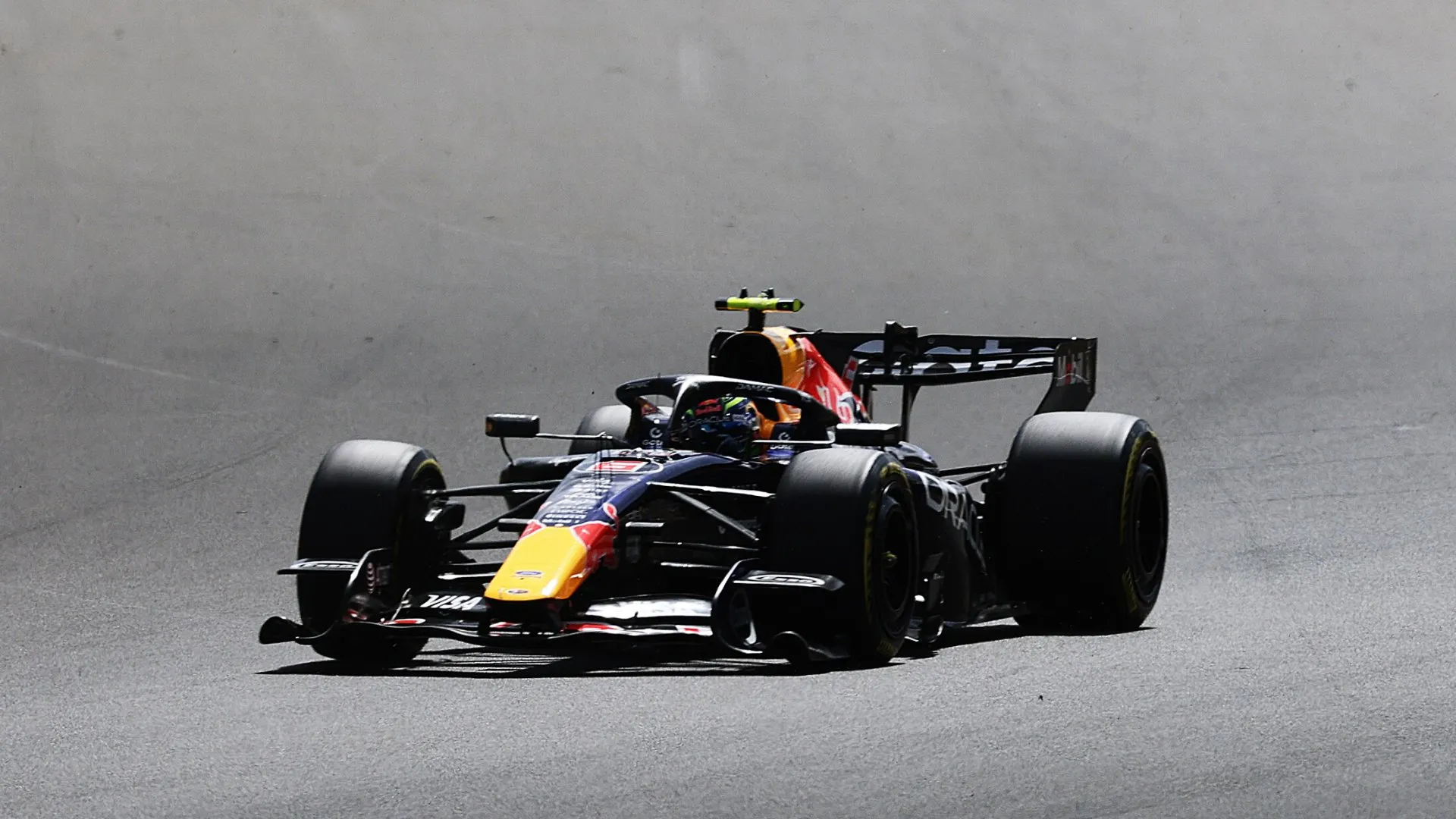
The FIA’s second ADUO assessment again places Red Bull-Ford at the top of the combustion-engine rankings.
The results are significant because the ADUO system can provide manufacturers with additional development opportunities when a sufficient performance gap is identified.
After the first assessment period, Mercedes received one additional homologation for 2026 and 2027.
Audi, Ferrari, and Honda received two additional homologations for both seasons.
This time, however, no manufacturer received additional homologations.
No extra development allocation this time
The ADUO system provides additional spending allocation and extra dynamometer testing when a manufacturer qualifies under the FIA’s criteria.
The FIA says its latest analysis was based on extensive data from the opening part of the season.
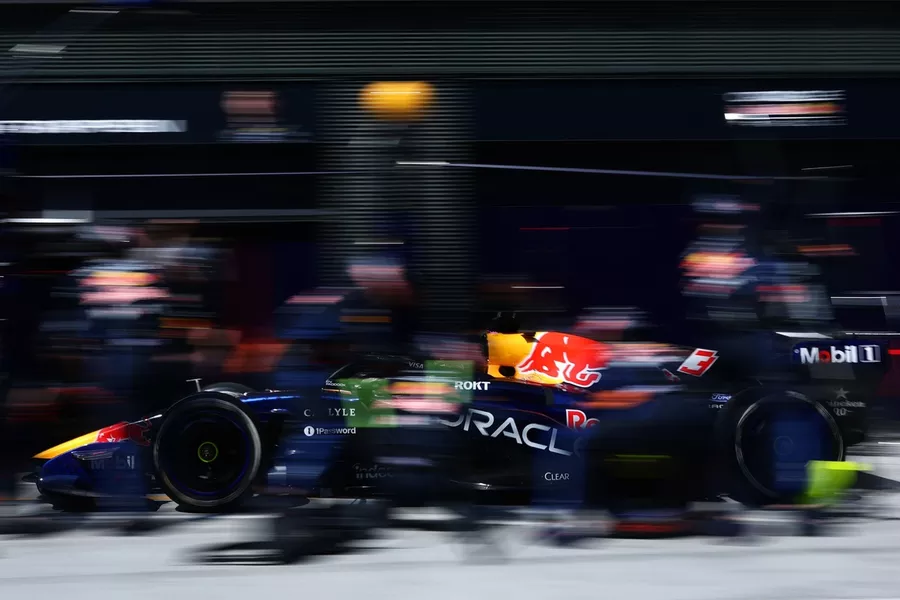
No additional homologations were awarded after the FIA completed its second ADUO review.
Nicholas Tombazis, the FIA’s single-seater director, said the quality of the available data gives the governing body a high level of confidence in the latest conclusions.
He also stressed that confidentiality and intellectual property considerations limit how much technical information can be publicly disclosed.
Because 2026 is the first year of ADUO, the FIA expects to continue refining the process alongside the power-unit manufacturers.
Why the ADUO ranking is controversial
The system has already generated criticism because it evaluates only the internal combustion engine.
That is just one part of the performance equation in Formula 1’s hybrid power units.
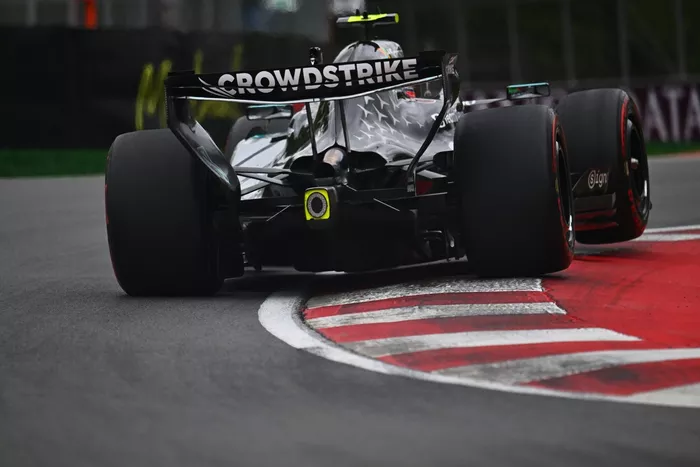
The ADUO ranking focuses on the combustion engine, while teams evaluate the performance of the complete hybrid power unit.
That distinction has created a gap between the FIA’s official ranking and perceptions within the paddock.
Mercedes is widely considered to have one of the strongest complete power units, and team principal Toto Wolff has also acknowledged its strength.
Red Bull has previously questioned the ADUO methodology and requested a review of the results after Canada, but that request was unsuccessful.
The subject is likely to become even more relevant at Monza, where long straights make engine performance particularly visible.
For FIA ADUO, the second assessment keeps Red Bull-Ford officially on top, but it does not necessarily settle the wider debate over which manufacturer has the strongest complete hybrid power unit.
-

 NOW TRENDING2 months ago
Polestar to Exit U.S. Market After 2026 Due to Connected Vehicle Rules
-
 NOW TRENDING2 months ago
Tesla Model Y L Arrives in the U.S. With More Space and Three Rows
-

 RACING2 months ago
McLaren F1 Unveils Special Silverstone Livery Honoring Its History
-
 INTELLIGENT MOBILITY2 months ago
Audi A4 E-tron and Q7 E-tron Confirmed as New Electric Models
-
 TEST DRIVES2 months ago
A Week Driving Honda’s New Hybrid Coupe
-
 TEST DRIVES2 months ago
Ford Recalls More Than 741,000 Trucks and SUVs Over Rollaway Risk
-
 NOW TRENDING2 months ago
Toyota Reports Strong June and Q2 2026 U.S. Sales Growth
-

 INTELLIGENT MOBILITY2 months ago
GM Expands Super Cruise With Exclusive Hands-Free Towing Technology
You must be logged in to post a comment Login