
INTELLIGENT MOBILITY
GM EV Charging Network Expands to 120+ IONNA Stations

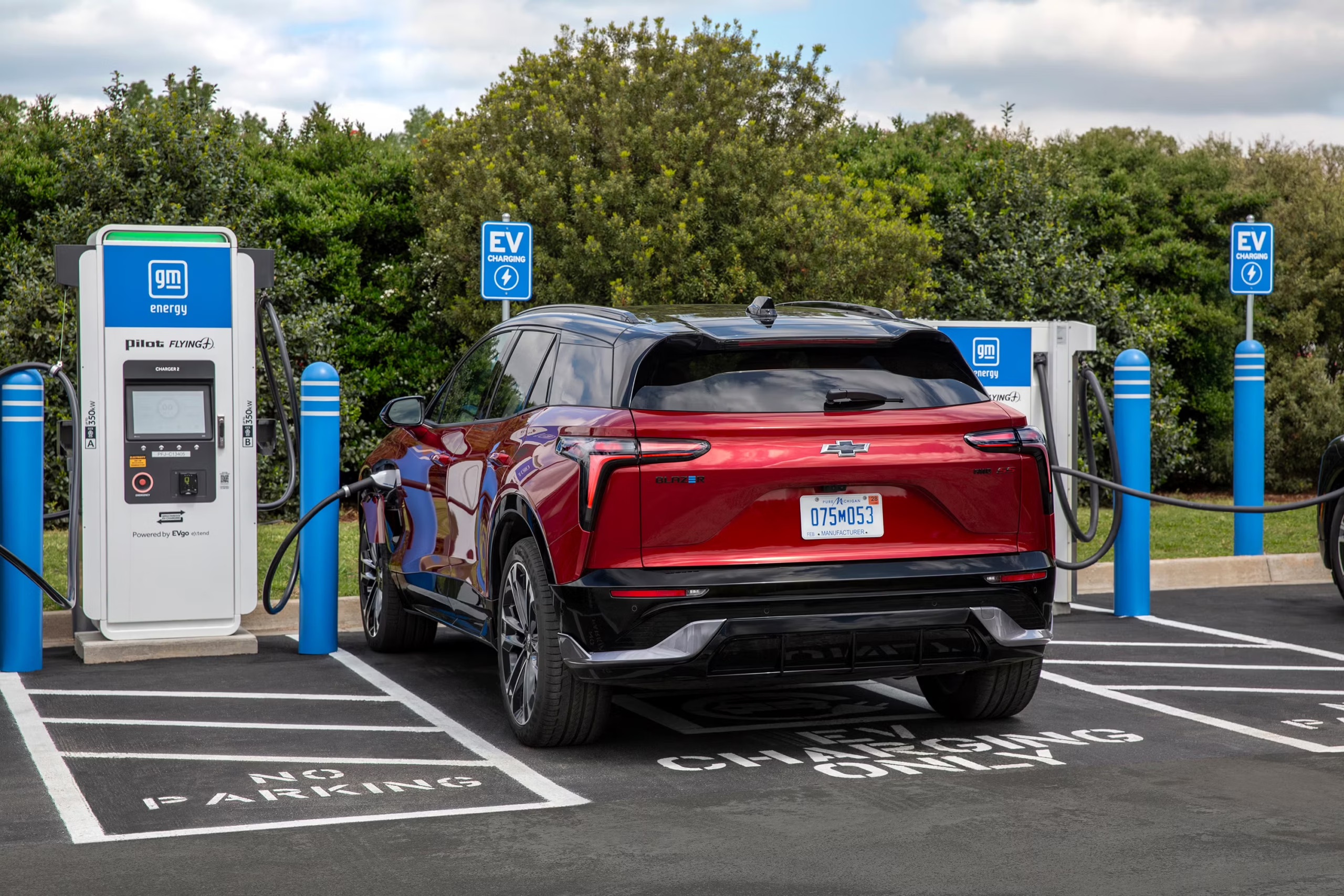
GM EV drivers can now access more than 120 IONNA fast-charging stations across the United States with seamless charging through Energy Pass.
Electric vehicle owners driving Chevrolet, Cadillac and GMC models now have access to an even larger public charging network as IONNA continues expanding across the United States. Backed by General Motors and seven other major automakers, the fast-growing charging network now operates 122 charging locations nationwide with 1,166 DC fast-charging stalls, making long-distance EV travel more convenient than ever.
The expansion also strengthens GM’s charging ecosystem by integrating IONNA directly into the company’s Energy Pass platform, allowing drivers to locate chargers, start charging sessions and pay without downloading additional apps.
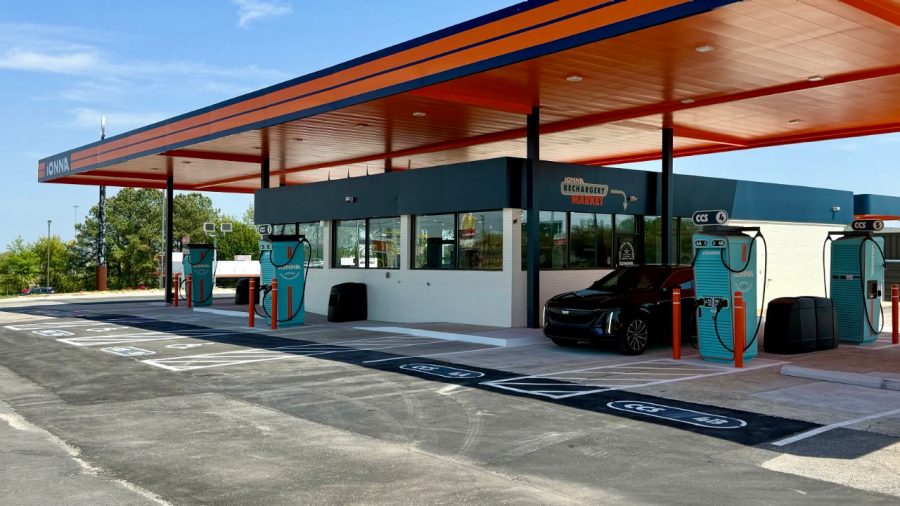
GM EV drivers now have access to more than 120 IONNA fast-charging stations across the United States.
GM expands fast charging across the United States
IONNA continues rapidly expanding its footprint with stations strategically located across major travel corridors.
Many of the new locations feature IONNA Rechargeries, offering drivers amenities such as:
- Fast charging up to 400 kW
- Food and beverage options
- Modern restrooms
- Well-lit charging areas
- Comfortable rest stops during charging sessions
The network is designed to reduce charging times while providing a better experience for EV owners traveling long distances.

IONNA Rechargery locations combine ultra-fast charging with convenient traveler amenities.
Energy Pass simplifies public EV charging
GM’s new Energy Pass integrates public charging directly into the MyChevrolet, MyCadillac, and MyGMC mobile apps.
Instead of creating multiple charging accounts, drivers can:
- Find compatible charging stations
- Start charging remotely
- Pay directly through one account
- Use Plug & Charge for automatic authentication
- Receive a 10% discount when charging at participating IONNA stations
The system also provides access to multiple charging providers through a single interface.
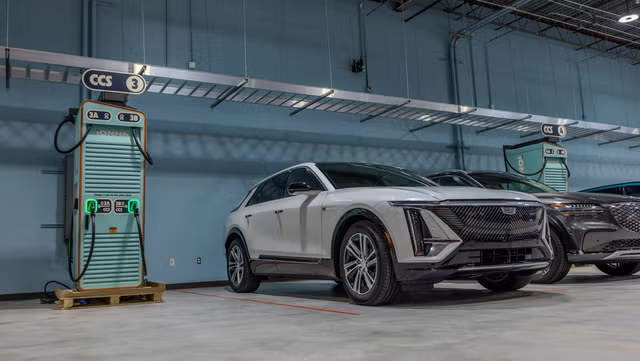
Energy Pass allows GM EV owners to access multiple charging networks from one app.
More charging options for GM electric vehicles
Beyond IONNA, Energy Pass also connects GM customers with several of the nation’s largest charging networks, including Tesla Supercharger, Electrify America, and additional providers that continue expanding throughout the country.
Combined, these networks provide access to nearly 70% of all DC fast chargers in the United States, giving GM EV owners significantly greater charging flexibility whether commuting daily or taking longer road trips.
As IONNA continues opening new locations nationwide, General Motors is strengthening one of the most important aspects of EV ownership: convenient, reliable and easy-to-use public charging infrastructure.








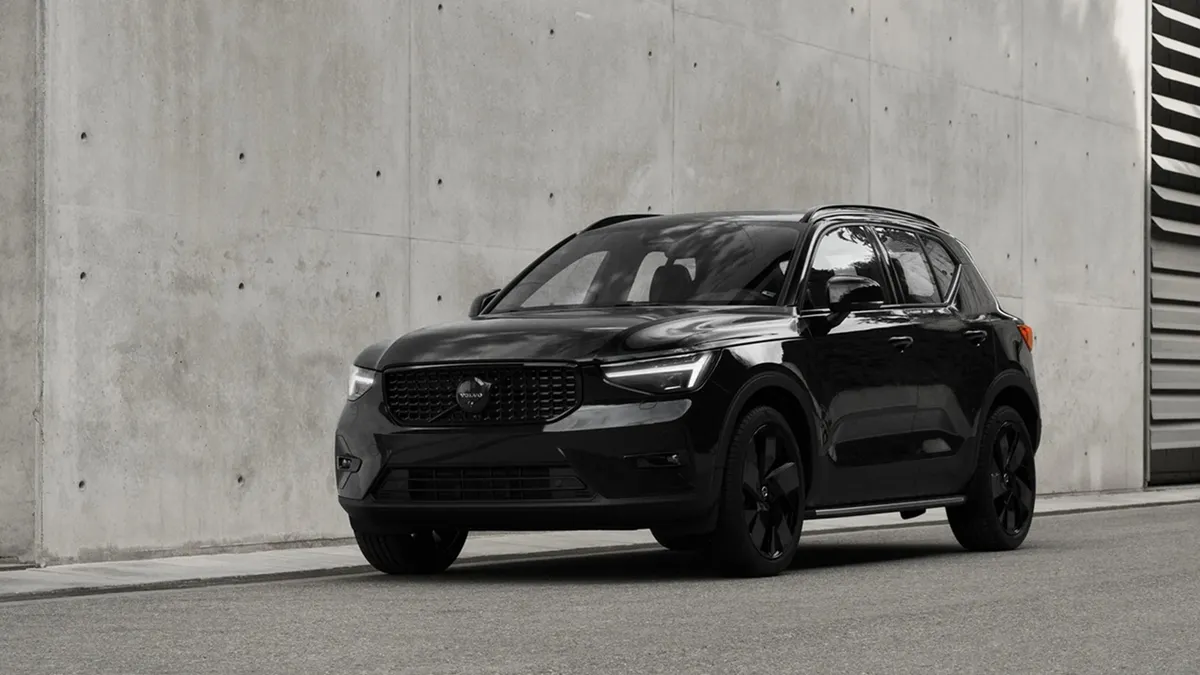
Volvo Cars is reshuffling its senior leadership, promoting Alexander Petrofski to CTO and Magnus Nilsson to chief manufacturing officer from September 1.
Alexander Petrofski Becomes Volvo’s New CTO
Petrofski, currently Volvo’s head of strategy and business ownership, will become the company’s chief technology officer, replacing Anders Bell.
He joined Volvo in 2005 and has held several positions across the company’s operations.
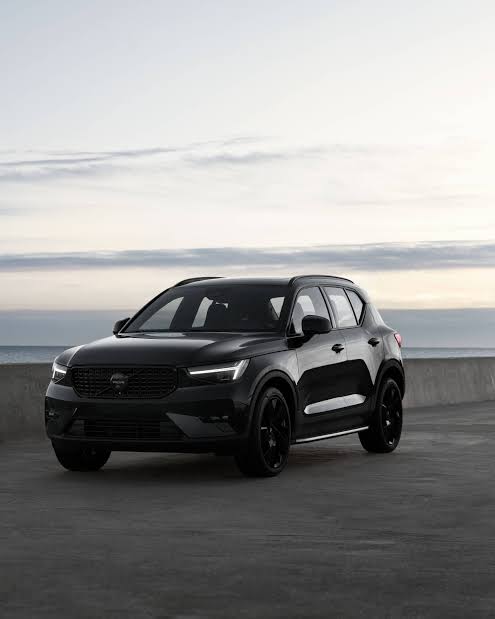
Alexander Petrofski will become Volvo Cars’ new chief technology officer on September 1.
Petrofski worked at Volvo’s Gothenburg headquarters before moving to the company’s Shanghai operation in 2011 as production line director.
In 2015, he became senior program manager for the XC40 SUV.
Bell will move into a new role leading a strategic startup initiative focused on identifying opportunities to scale Volvo’s platform and digital technology.
Magnus Nilsson Takes Over Manufacturing
Magnus Nilsson, currently head of Volvo’s Ghent production plant in Belgium, will become chief manufacturing officer.
He will oversee production and manufacturing engineering as Volvo adapts its operations to changing market conditions.
Magnus Nilsson will become Volvo Cars’ new chief manufacturing officer, overseeing production and manufacturing engineering.
The new structure is intended to strengthen Volvo’s ability to respond to a more regionalized automotive industry, faster technological change, and evolving customer expectations.
Volvo also announced that Francesca Gamboni will move into a more focused role as chief procurement and supply chain officer.
Volvo Prepares for Its Next Phase
The leadership changes come as Volvo Cars faces an industry undergoing significant changes in technology, manufacturing, and customer expectations.
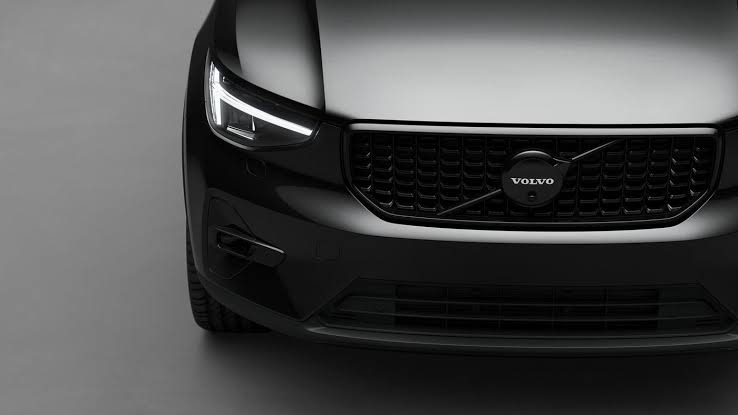
Volvo is reshaping its leadership team as it prepares for the next stage of its business and technology strategy.
CEO Håkan Samuelsson said the changes are designed to reflect Volvo’s future priorities and enable faster execution.
The company is therefore placing greater emphasis on technology, manufacturing capabilities, and supply-chain management as it prepares for its next phase.
For Volvo Cars leadership, the reshuffle puts experienced executives into roles that will be central to the automaker’s future strategy.
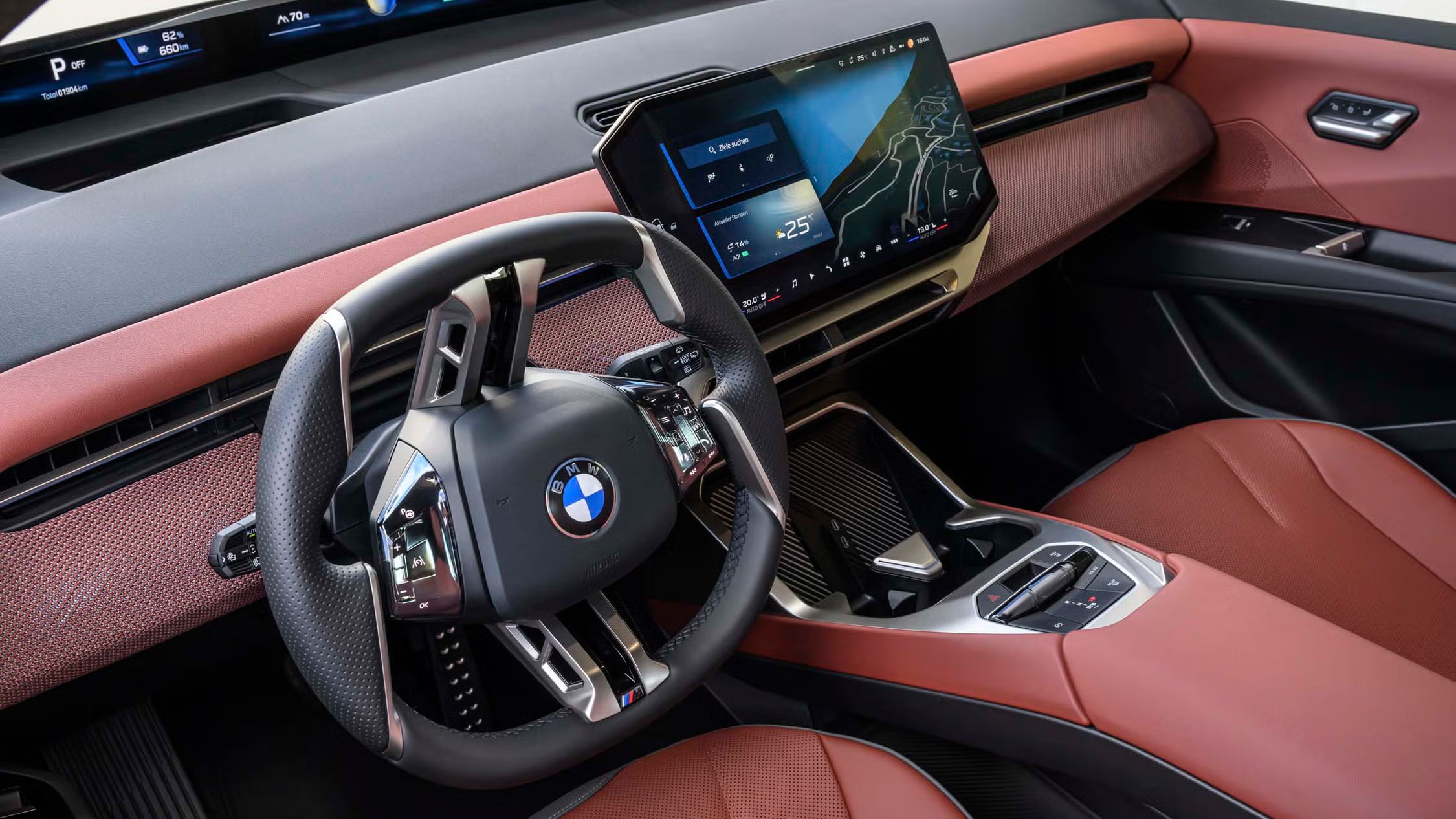
BMW says younger customers increasingly prefer voice and touchscreen controls, helping push the brand toward fewer physical buttons in its newest models.
BMW is moving further away from traditional physical controls in its newest vehicles, and one executive says younger buyers are helping drive the change.
The shift is particularly noticeable in the BMW iX3, one of the first models built around the company’s Neue Klasse platform. The electric SUV places many functions on its central display, including climate controls.
While BMW is far from the only automaker reducing the number of buttons, the company believes changing customer habits are an important reason for the transition.
BMW says younger buyers prefer digital controls
Vikram Pawah, CEO of BMW Group Australia, said younger customers are increasingly comfortable using voice commands and touchscreens instead of traditional switches and knobs.
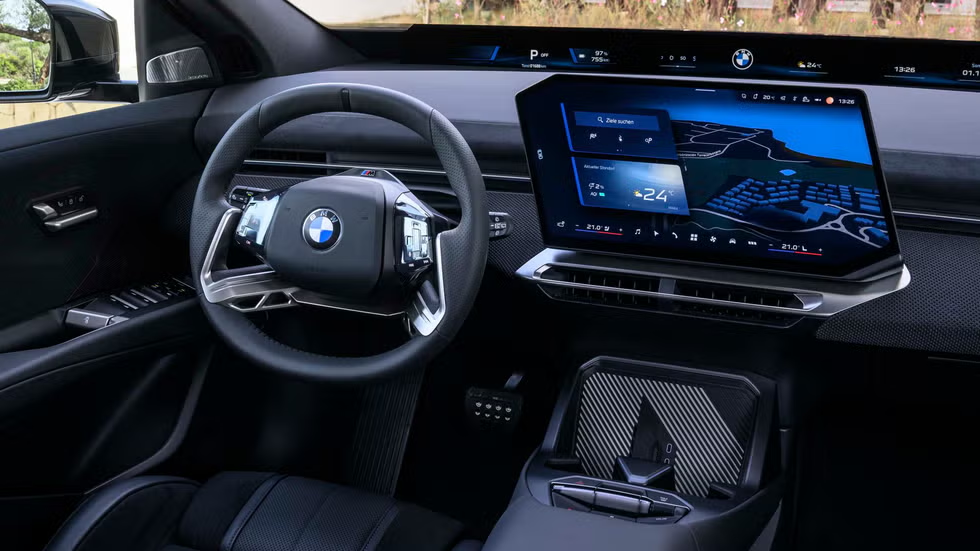
The BMW iX3 uses a touchscreen-heavy interior with fewer traditional physical controls.
Pawah pointed to customers 45 and younger as a group that has adopted these technologies particularly quickly.
According to the executive, younger buyers are also more accustomed to multitasking and expect technology to complete tasks quickly.
That means automakers are increasingly designing vehicle interfaces around the same habits people already have with smartphones and other connected devices.
The Neue Klasse pushes BMW further toward screens
BMW’s Neue Klasse platform represents a major change in the brand’s approach to vehicle interiors.
The iX3 is among the clearest examples, with many functions integrated into the center display rather than controlled through dedicated physical switches.
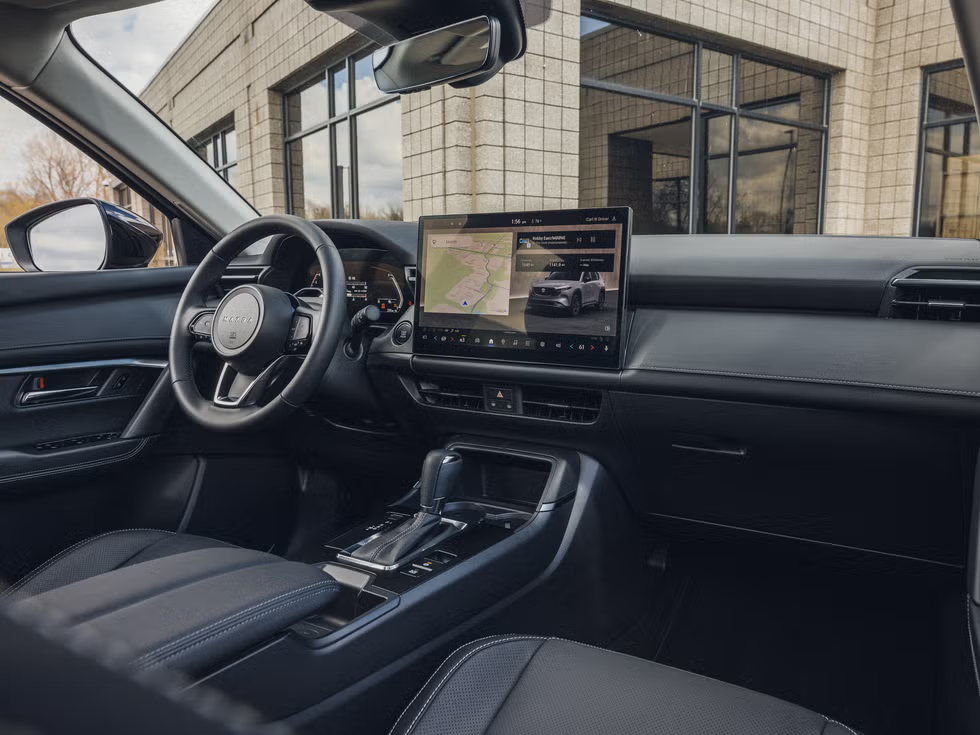
BMW’s Neue Klasse models are reducing traditional switchgear in favor of touchscreen and voice controls.
BMW is not alone in taking this approach.
Tesla has relied heavily on central touchscreens for years, while newer manufacturers such as Rivian have also adopted screen-based controls.
Established automakers including Mazda and Mercedes-Benz have similarly moved more functions into digital interfaces.
The result is a broader industry trend toward software-defined vehicle cabins.
Convenience versus physical controls
The move away from buttons is not without controversy.
Physical controls can be operated by feel, while touchscreen menus often require drivers to look away from the road to locate a function.
That creates an important debate over whether the convenience of a digital interface outweighs the potential drawbacks.
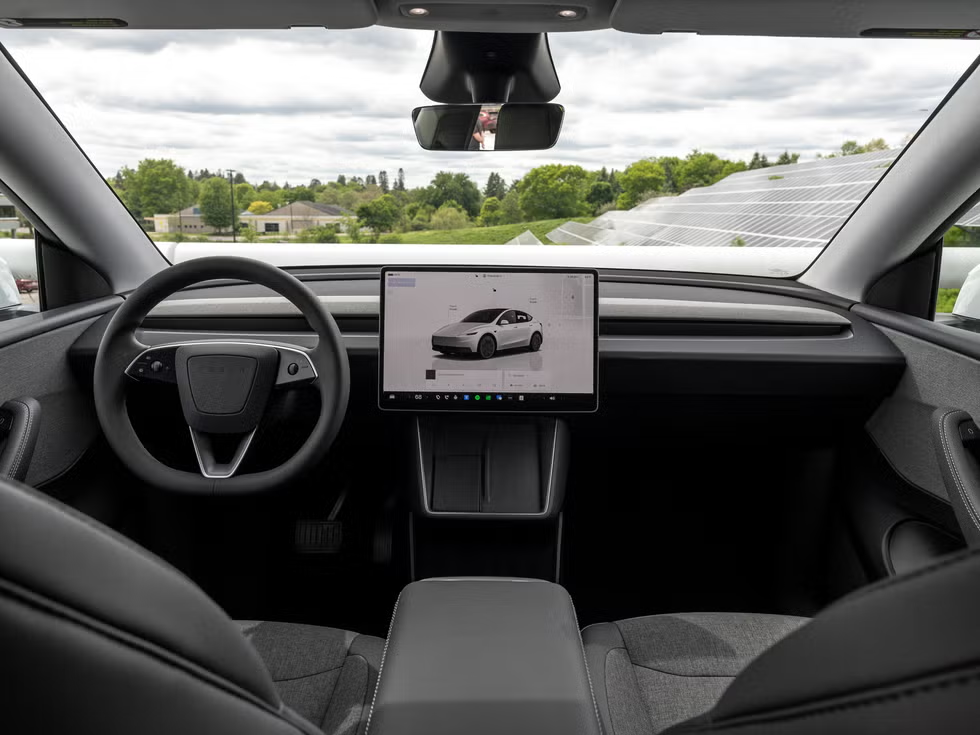
BMW is increasingly replacing dedicated controls with touchscreen and voice interfaces as vehicle interiors become more software-driven.
BMW’s argument is that vehicle technology needs to reflect how society is changing.
Pawah described the modern automobile as something that is increasingly connected to the wider digital environment rather than functioning as a completely standalone product.
That philosophy suggests BMW’s newest interiors will continue moving toward voice interaction, touch controls, and software-based functions.
For BMW physical buttons, the trend is clear: traditional knobs and switches are becoming less common as automakers try to match the digital habits of newer generations.
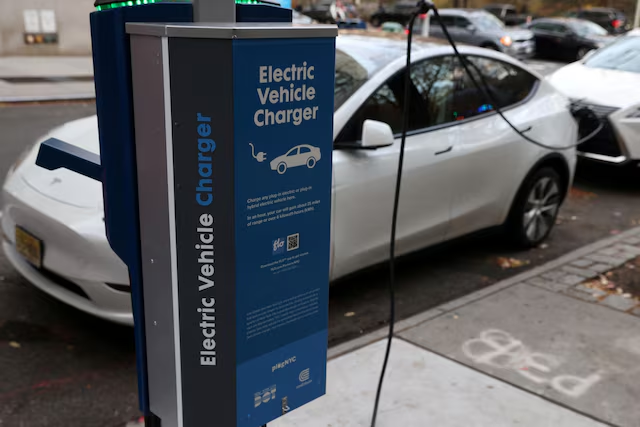
Higher oil prices, faster battery innovation, and new government support could push electric vehicle adoption well beyond current forecasts by 2040.
The global electric vehicle market could accelerate significantly if higher oil prices, faster battery innovation, and stronger government support develop at the same time.
Wood Mackenzie calls this potential outcome its “electric shock” scenario, arguing that several economic forces could push EV adoption substantially beyond its current base-case forecast.
The timing is particularly relevant because the global EV market is already expanding rapidly in several regions. The IEA now expects electric cars to account for 29% of global car sales in 2026, while Europe continues to post strong growth despite weaker demand in some other major markets.
Higher oil prices could push buyers toward EVs
One of the biggest potential catalysts is the cost of gasoline and diesel.
Geopolitical conflicts involving major oil-producing regions can create supply disruptions and increase fuel-price volatility. Wood Mackenzie says that prolonged energy volatility could encourage governments to strengthen domestic EV supply chains while giving consumers another reason to consider switching away from combustion-powered vehicles.
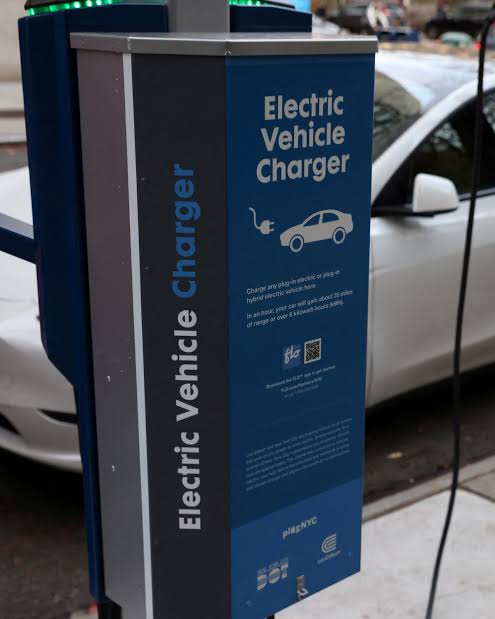
Higher fuel prices could encourage more consumers to consider electric vehicles as governments strengthen domestic supply chains.
The effect is already visible in parts of the global market.
The IEA says road transportation accounts for nearly half of global oil use, meaning changes in vehicle technology can have significant consequences for petroleum demand.
Wood Mackenzie’s base case projects EVs rising from 4% of the global passenger and commercial vehicle fleet in 2025 to 25% by 2040. Its faster-adoption scenario would push the transition considerably further.
China is accelerating battery and EV technology
Technology is another major factor.
China continues to advance rapidly in battery technology, EV manufacturing, and charging, creating pressure on other markets and automakers to keep pace.
Wood Mackenzie highlights developments including five-minute charging, sodium-ion batteries, and lithium-iron-phosphate technology as examples of innovations that could improve the economics and usability of EVs.
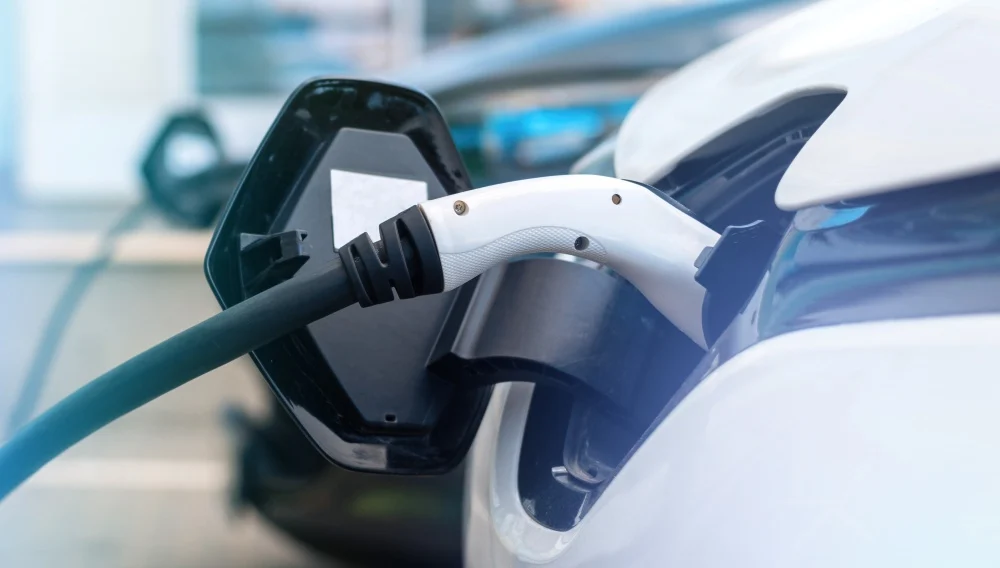
Battery innovation in China is helping improve charging speeds, costs, and the overall competitiveness of electric vehicles.
China is already the world’s largest EV market. Electric vehicles represented 42% of Chinese car sales in the second quarter of 2026, according to Wood Mackenzie.
The broader market is also seeing strong growth outside China. The IEA says EV sales in Europe increased close to 30% year over year during the first half of 2026, while several emerging markets recorded even faster growth.
The U.S. could face a different EV trajectory
The United States presents a more complicated picture.
Wood Mackenzie expects U.S. EV adoption to remain slower than in Europe under its base assumptions, although faster global innovation could increase competitive pressure on American automakers.
The firm argues that the United States may need greater investment in EV manufacturing, technology, and domestic supply chains to remain competitive as Chinese and other international manufacturers continue developing electric vehicles.
Europe, meanwhile, is already experiencing stronger EV momentum. Recent data showed battery-electric vehicles reached 25.7% of new-car registrations across 16 major European markets in July 2026, with France and Germany among the strongest large markets.
Copper could become the biggest bottleneck
Faster EV adoption would not come without challenges.
Battery and electric-drive manufacturing require large quantities of critical minerals, and Wood Mackenzie says the problem is not necessarily a lack of resources. The bigger question is how quickly new mining and processing capacity can be developed.
The firm estimates that an additional $45 billion in investment over the next decade could support the metals supply needed for its faster EV scenario.
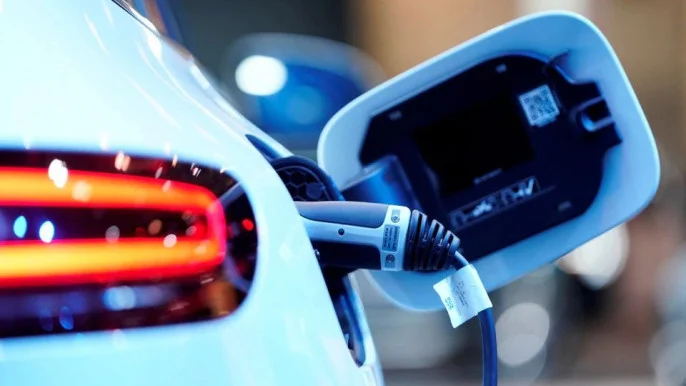
Copper is expected to become the most important mineral bottleneck if global EV adoption accelerates.
Copper is the biggest concern. Wood Mackenzie estimates annual copper-mining capacity additions would need to rise from roughly 850,000 metric tons per year to around 960,000 tons through 2040.
Around $25 billion of additional investment would be required for that extra copper capacity.
That investment could increasingly need to reach higher-risk mining jurisdictions, adding another layer of geopolitical and financial complexity to the EV transition.
Electricity grids will also need to adapt
A rapid increase in EVs would place additional demand on electricity networks.
Wood Mackenzie argues that widespread adoption of managed charging will be critical. Utilities and regulators could encourage vehicles to charge when electricity supply is abundant rather than when the grid is under the most pressure.
This could also help consumers reduce charging costs by shifting electricity consumption toward cheaper periods.
The challenge therefore extends beyond producing more electric vehicles. Charging infrastructure, power generation, transmission networks, and grid-management technology will all need to keep pace.
EVs could reshape the oil market by 2040
The consequences could ultimately reach far beyond the automotive industry.
Under Wood Mackenzie’s base case, global oil demand reaches about 104 million barrels per day in 2040. In its faster EV “electric shock” scenario, demand falls to 99 million barrels per day, roughly 5 million barrels below the base case.
That reduction could have major consequences for the refining industry. Wood Mackenzie estimates that around 40 refineries could face earlier closure if transportation fuel demand falls that quickly.
The global EV adoption story is therefore becoming about much more than car sales. Higher fuel prices, technological advances, government policy, mineral investment, and electricity infrastructure could collectively determine how quickly the world moves away from gasoline and diesel.
-

 NOW TRENDING2 months ago
Polestar to Exit U.S. Market After 2026 Due to Connected Vehicle Rules
-
 NOW TRENDING2 months ago
Tesla Model Y L Arrives in the U.S. With More Space and Three Rows
-

 RACING2 months ago
McLaren F1 Unveils Special Silverstone Livery Honoring Its History
-
 INTELLIGENT MOBILITY2 months ago
Audi A4 E-tron and Q7 E-tron Confirmed as New Electric Models
-
 TEST DRIVES2 months ago
A Week Driving Honda’s New Hybrid Coupe
-
 TEST DRIVES2 months ago
Ford Recalls More Than 741,000 Trucks and SUVs Over Rollaway Risk
-
 NOW TRENDING2 months ago
Toyota Reports Strong June and Q2 2026 U.S. Sales Growth
-

 INTELLIGENT MOBILITY2 months ago
GM Expands Super Cruise With Exclusive Hands-Free Towing Technology
You must be logged in to post a comment Login