
NOW TRENDING
2027 Mercedes-AMG CLA 45 Debuts With 680-HP Electric Power

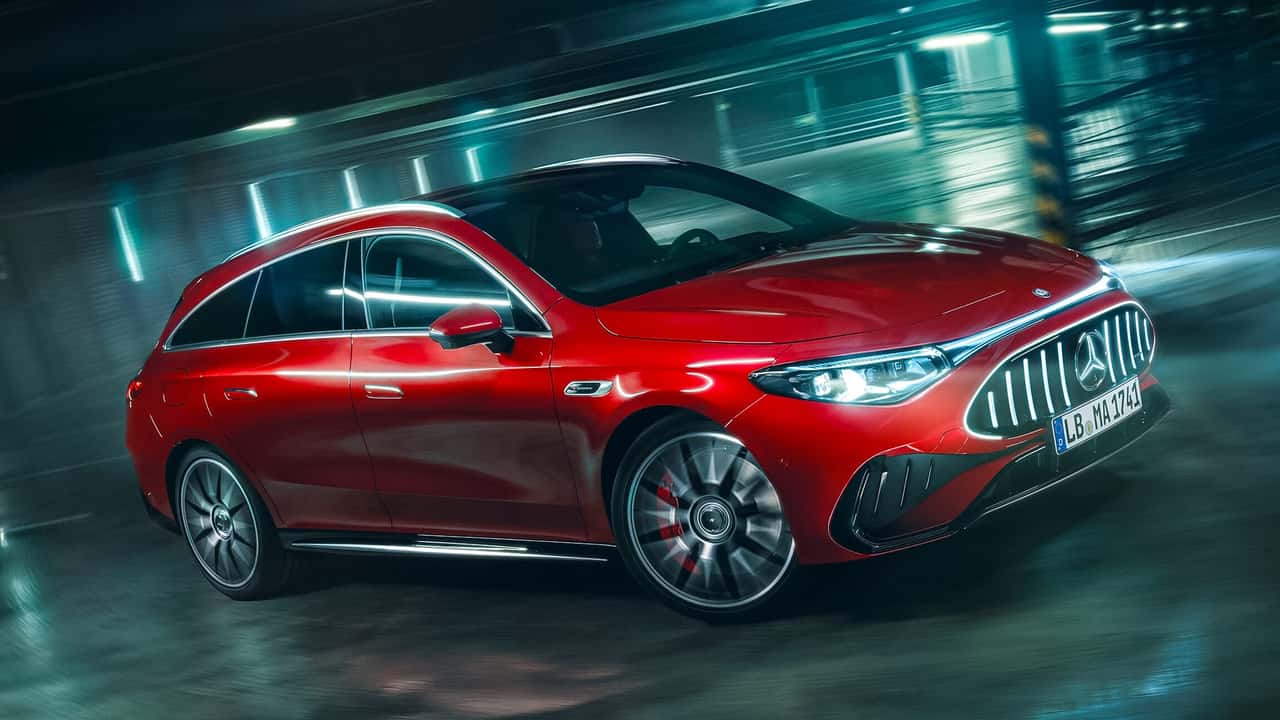
The 2027 Mercedes-AMG CLA 45 enters a new era with a tri-motor electric powertrain, 680 horsepower, all-wheel drive, and performance that rivals today’s top EV sports sedans.
2027 Mercedes-AMG CLA 45 Debuts With 680-HP Electric Power
The 2027 Mercedes-AMG CLA 45 marks one of the biggest transformations in AMG history. The compact performance sedan abandons its legendary turbocharged four-cylinder engine in favor of a cutting-edge electric powertrain that delivers supercar-level performance.
Available as both a sedan and a Shooting Brake, the 2027 Mercedes-AMG CLA 45 combines three electric motors, all-wheel drive and advanced battery technology to become the most powerful CLA ever produced.
2027 Mercedes-AMG CLA 45 delivers 680 horsepower
At the heart of the 2027 Mercedes-AMG CLA 45 is a new tri-motor electric system. One motor powers the front axle while two independent motors drive the rear wheels, producing a combined peak output of 680 horsepower.
Continuous power is rated at 612 horsepower, while torque reaches an incredible 1,298 lb-ft, more than three times the output of the previous gasoline-powered CLA 45.
Despite switching to electric power, Mercedes-AMG retains its fully variable 4Matic all-wheel-drive system, delivering exceptional traction and handling in all driving conditions.
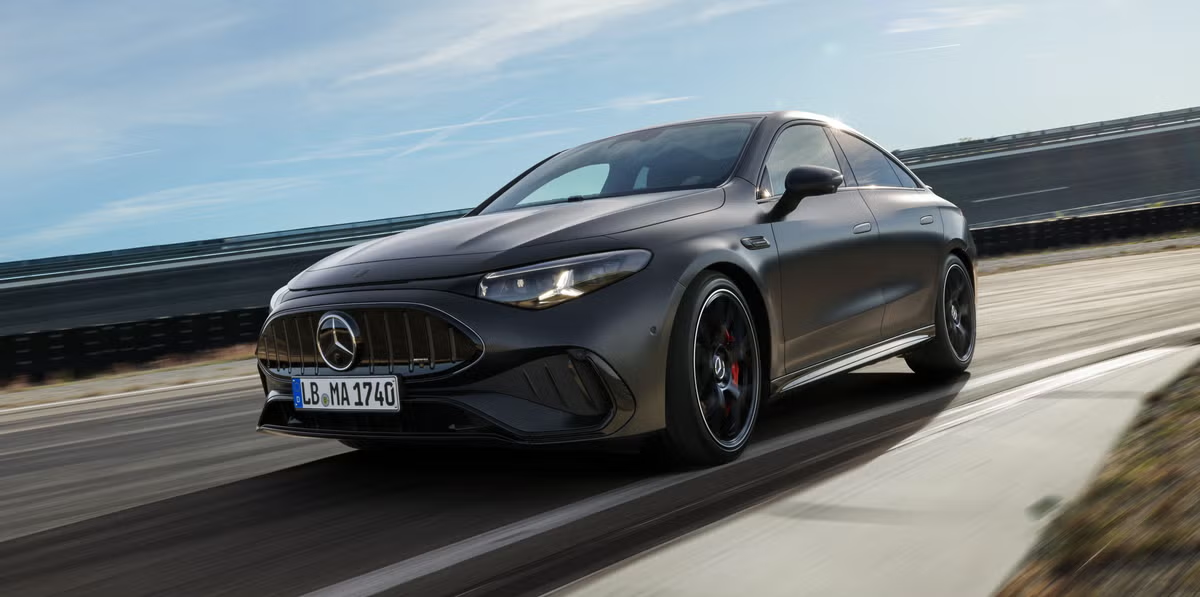
The 2027 Mercedes-AMG CLA 45 becomes the most powerful CLA ever built with a tri-motor electric powertrain.
Performance matches the world’s fastest electric sports sedans
The 2027 Mercedes-AMG CLA 45 accelerates from 0 to 62 mph (100 km/h) in just 3.0 seconds, putting it among the quickest compact performance cars on the market.
With the optional AMG Dynamic Plus Package, top speed increases to 168 mph, while standard models reach 155 mph.
Power comes from a 94-kWh usable lithium-ion battery, allowing the sedan to travel more than 416 miles (670 km) on the WLTP cycle. The Shooting Brake offers an estimated range exceeding 397 miles (640 km).
Charging performance is equally impressive. Thanks to 330-kW DC fast charging, the battery can recharge from 10% to 80% in approximately 22 minutes, while a quick 10-minute charge adds more than 168 miles of driving range.
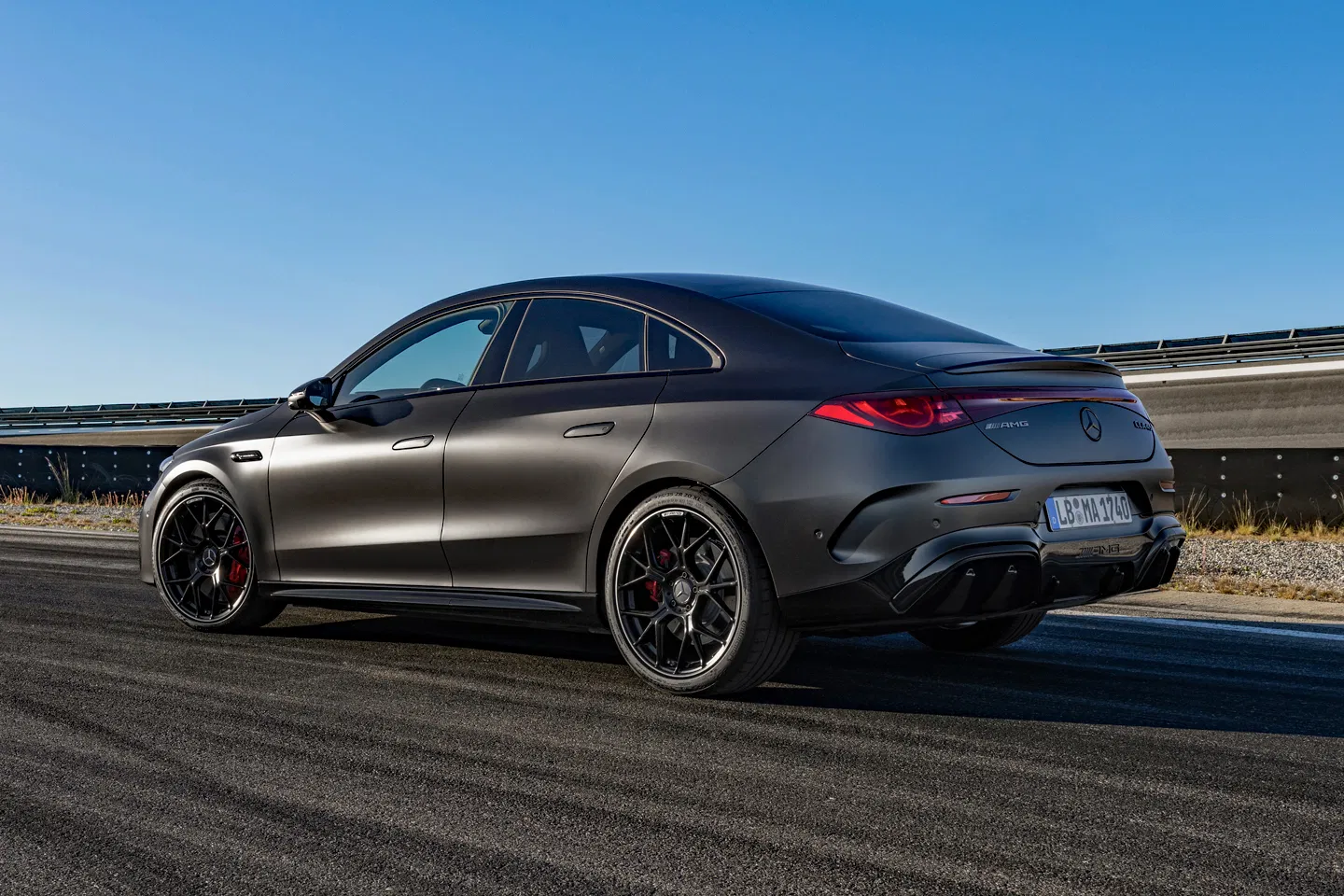
Fast charging and long driving range make the electric AMG CLA 45 practical for everyday use.
Mercedes-AMG adds simulated gears and engine sounds
To preserve the emotional driving experience traditionally associated with AMG, the 2027 Mercedes-AMG CLA 45 introduces several simulated driving features.
Drivers will experience artificial gear changes, a digital tachometer, simulated engine sounds inspired by a turbocharged four-cylinder engine and seat vibrations synchronized with acceleration.
The cabin also receives Mercedes-Benz’s latest digital cockpit technology, featuring multiple high-resolution displays and a sport-focused interior layout. Unlike the standard CLA, the AMG version replaces the traditional rear bench with two individual rear seats, creating a more exclusive four-passenger cabin.
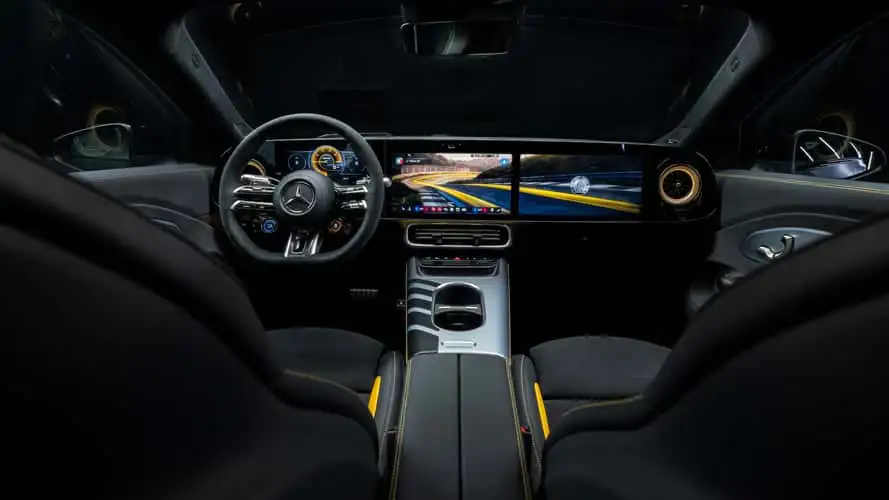
The cabin combines advanced digital technology with AMG-exclusive performance features.
Although the 2027 Mercedes-AMG CLA 45 weighs more than its gasoline-powered predecessor due to its battery pack, Mercedes-AMG has focused on maximizing performance through advanced software, torque vectoring and lightweight axial-flux electric motors.
The arrival of the 2027 Mercedes-AMG CLA 45 signals a new chapter for AMG’s compact performance lineup. With 680 horsepower, impressive range, ultra-fast charging and cutting-edge technology, Mercedes-Benz is demonstrating that electric performance cars can deliver the speed, excitement and everyday usability expected from the AMG badge while preparing the brand for the future of high-performance driving.


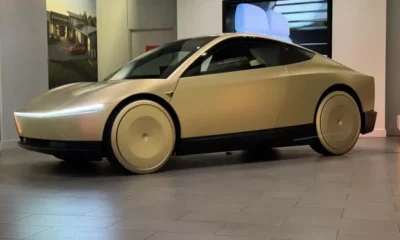






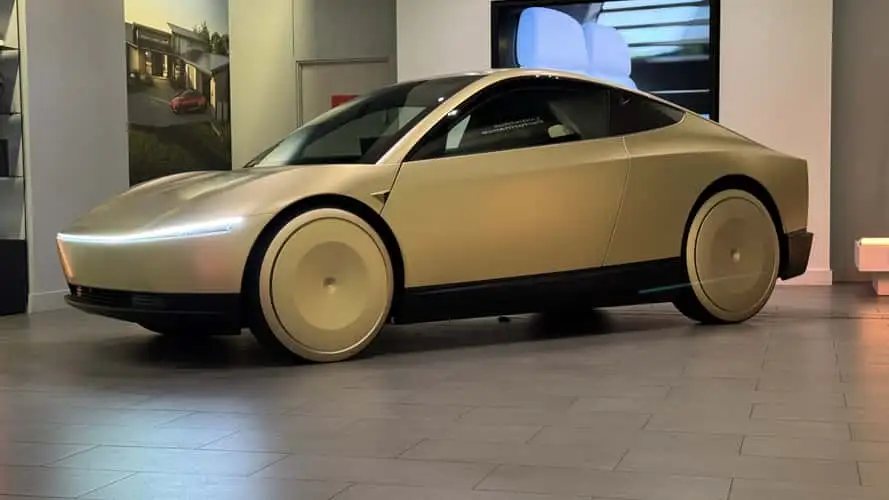
Tesla will officially launch its steering-wheel-free Cybercab in Austin on September 3, adding the two-seat robotaxi to an existing autonomous fleet.
Tesla has officially set September 3, 2026 as the launch date for the Cybercab in Austin, Texas.
The two-seat autonomous vehicle has no steering wheel or pedals and is designed specifically for Tesla’s robotaxi service. The launch will initially be limited to selected guests rather than opening the vehicle to everyone.
Tesla prepares a controlled Cybercab launch
The September 3 event will be a tightly controlled launch, with Tesla sending invitations to selected riders and guests.
Some invitees previously completed Robotaxi trips between August 17 and 23, while others received exclusive-access invitations directly from Tesla.
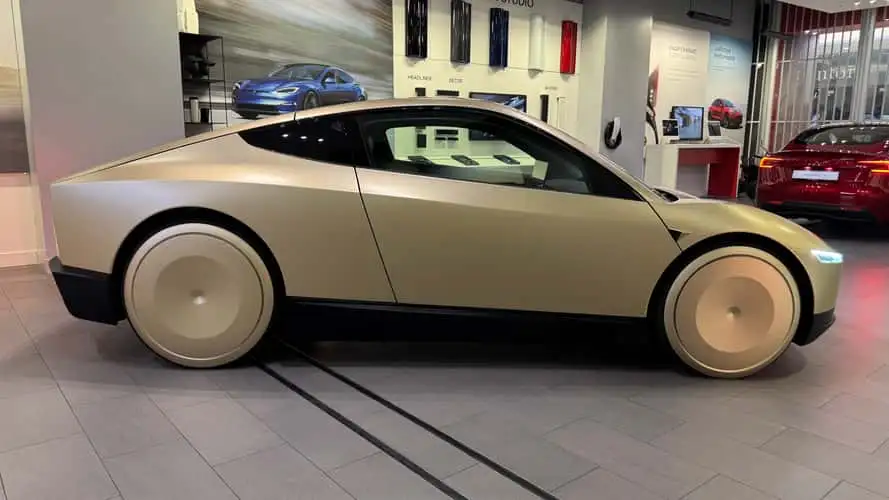
Tesla will officially launch the Cybercab in Austin on September 3, 2026.
Guests must be at least 21 years old and will need to present identification at the event.
That suggests Tesla is treating the September launch as a curated demonstration rather than a large public rollout.
The company already operates autonomous Model Y Robotaxis in limited areas of Austin, Dallas, Houston, Miami, Orlando, and Tampa, meaning the Cybercab will be joining an existing service rather than creating Tesla’s robotaxi network from scratch.
Two seats, no steering wheel, no pedals
The Cybercab is fundamentally different from Tesla’s other vehicles.
The compact robotaxi has two seats and eliminates the traditional controls that would allow a human driver to take over.
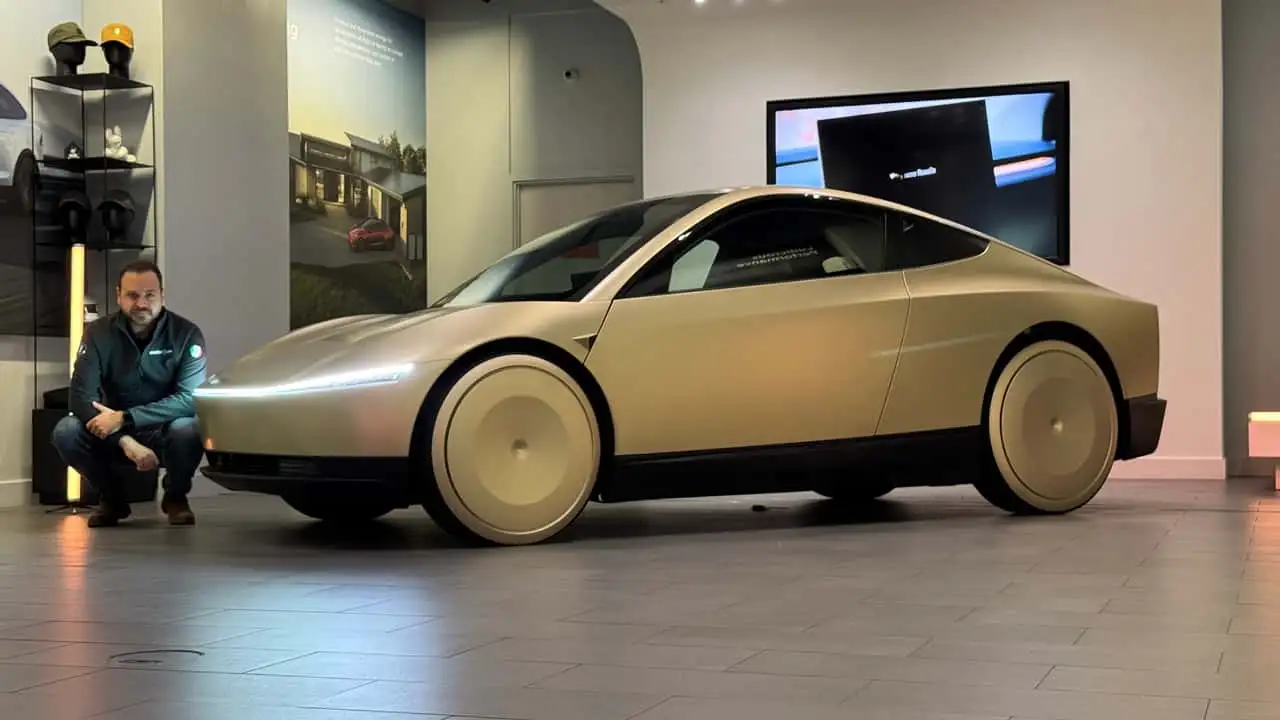
The Cybercab uses a two-seat cabin with no steering wheel or conventional pedals.
That means every mile depends entirely on Tesla’s autonomous-driving software.
The vehicle uses Tesla’s AI4 computer platform for its Full Self-Driving system. Future AI4.5 and AI5 hardware is already part of Tesla’s longer-term roadmap, but the initial Cybercab production vehicles in Austin will use AI4.
The absence of manual controls also creates additional regulatory and safety considerations because passengers cannot simply take control if something goes wrong.
Cybercab enters an existing robotaxi network
Tesla first demonstrated the Cybercab concept publicly in October 2024, when attendees were able to experience autonomous rides on a closed course in California.
Since then, the company has continued testing the production vehicle.
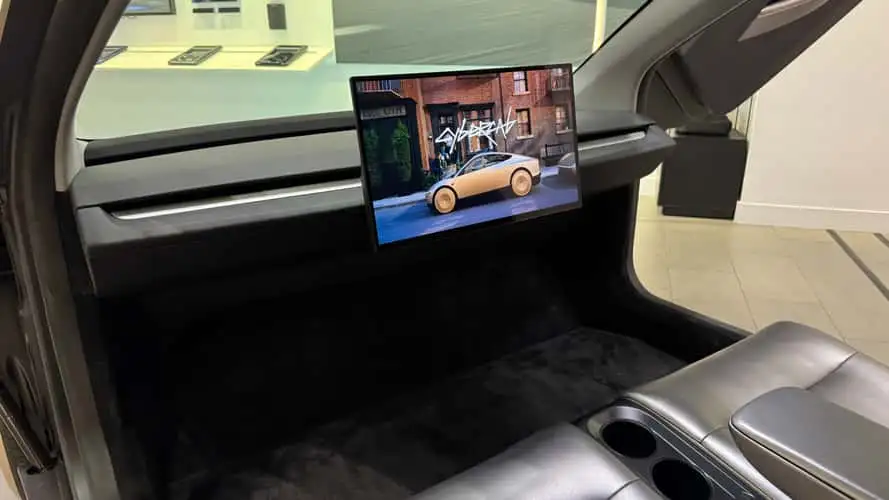
Tesla has been testing Cybercab ahead of its Austin launch, including employee rides and additional autonomous-road testing.
Employee rides in Cybercab began in July 2026 as Tesla moved closer to commercial deployment.
The September 3 launch should therefore be viewed as another step in a gradual rollout rather than an immediate mass-market launch.
Tesla still faces questions surrounding regulations, safety validation, and how quickly customers will actually gain access to the new vehicle.
For now, the Tesla Cybercab is set to make its formal Austin debut on September 3. The launch will provide Tesla with another opportunity to demonstrate its driverless technology while bringing a purpose-built, steering-wheel-free robotaxi into its growing autonomous fleet.
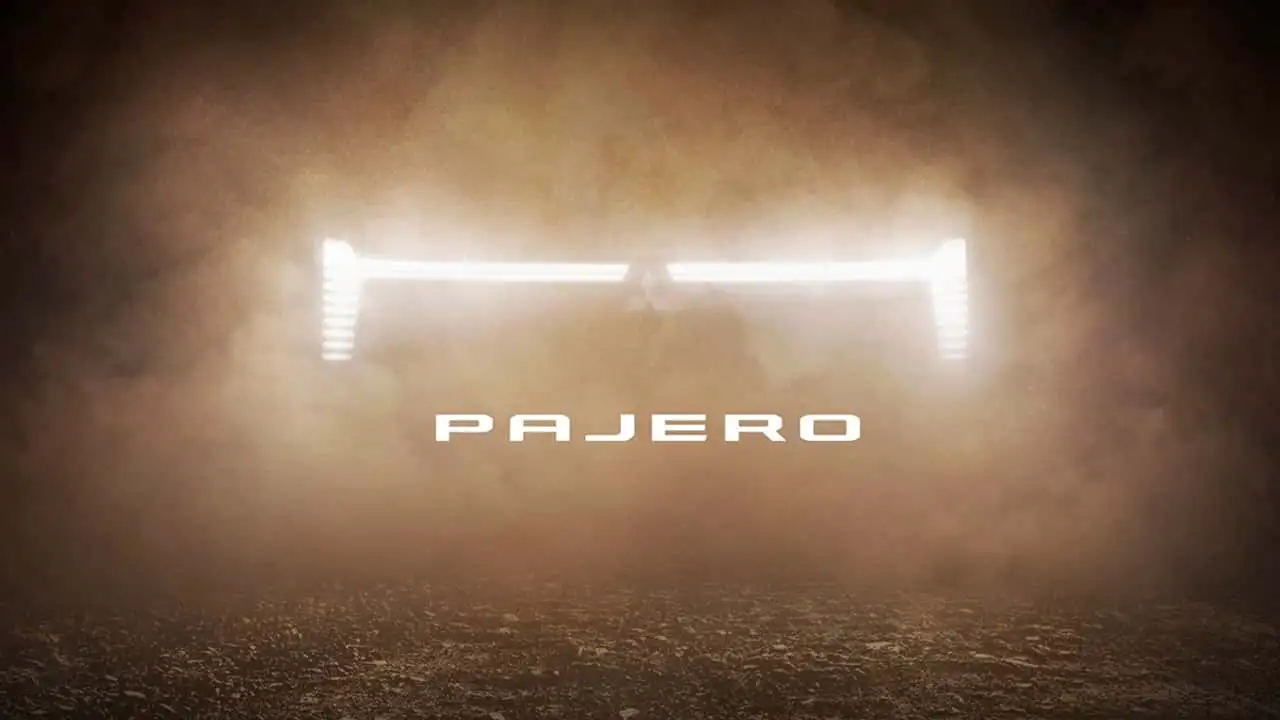
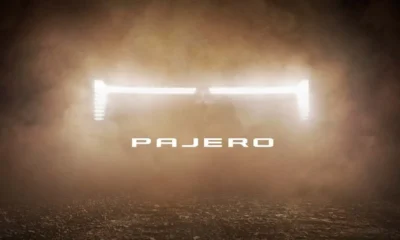
Mitsubishi will unveil the fifth-generation Pajero on September 2, bringing back body-on-frame construction, S-AWC, and a tougher off-road focus.
Mitsubishi is bringing back the Pajero with a major change in philosophy. The fifth-generation SUV will make its global debut on September 2, 2026, and will return to a body-on-frame architecture aimed at giving it significantly stronger off-road credentials.
The new SUV will also use Mitsubishi’s Super All-Wheel Control (S-AWC) system, while hybrid power remains one of the major unanswered questions ahead of its reveal.
The Pajero returns to a body-on-frame chassis
The biggest mechanical change is the move away from the unibody construction used by the previous-generation Pajero.
The new model will use a ladder-frame chassis, putting Mitsubishi back into the same fundamental territory as other traditional off-road SUVs.
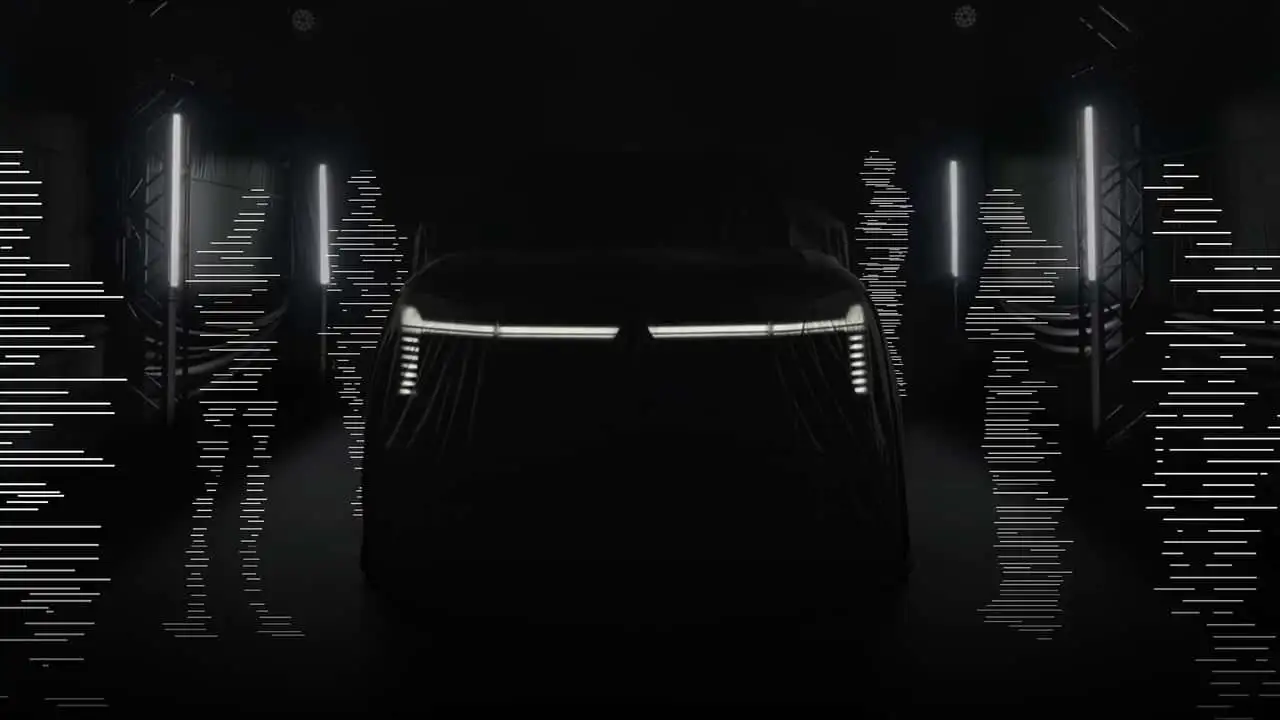
The new Mitsubishi Pajero will return with body-on-frame construction for its fifth generation.
The September 2 event is now confirmed as the vehicle’s global premiere.
Mitsubishi has released several teaser images, but the company has not yet revealed the full dimensions, trim lineup, or interior.
The new architecture could allow the Pajero to compete more directly with rugged SUVs such as the Toyota Land Cruiser Prado.
S-AWC brings proven Mitsubishi technology
The new Pajero will also feature Super All-Wheel Control, Mitsubishi’s integrated system for managing torque, braking, and vehicle stability across different surfaces.
S-AWC first appeared on the Lancer Evolution X and is now used on the Triton pickup, giving Mitsubishi an established system for the new SUV.

Super All-Wheel Control will give the new Pajero advanced torque and stability management for on- and off-road driving.
Regional reports have suggested that S-AWC could be paired with Mitsubishi’s Super Select 4WD-II system.
That combination could potentially provide multiple drive configurations and low-range capability, although Mitsubishi has not officially confirmed the pairing yet.
A more extreme Pajero Ralliart version has also been rumored, which would push the SUV further toward serious off-road competition.
Hybrid power remains the big unknown
Mitsubishi has hinted at electrified versions of the new Pajero, but the company has not yet disclosed the battery size, electric range, or specific engine combinations.
A key question is whether the SUV will use a hybrid system derived from the hardware and architecture shared with the Triton.
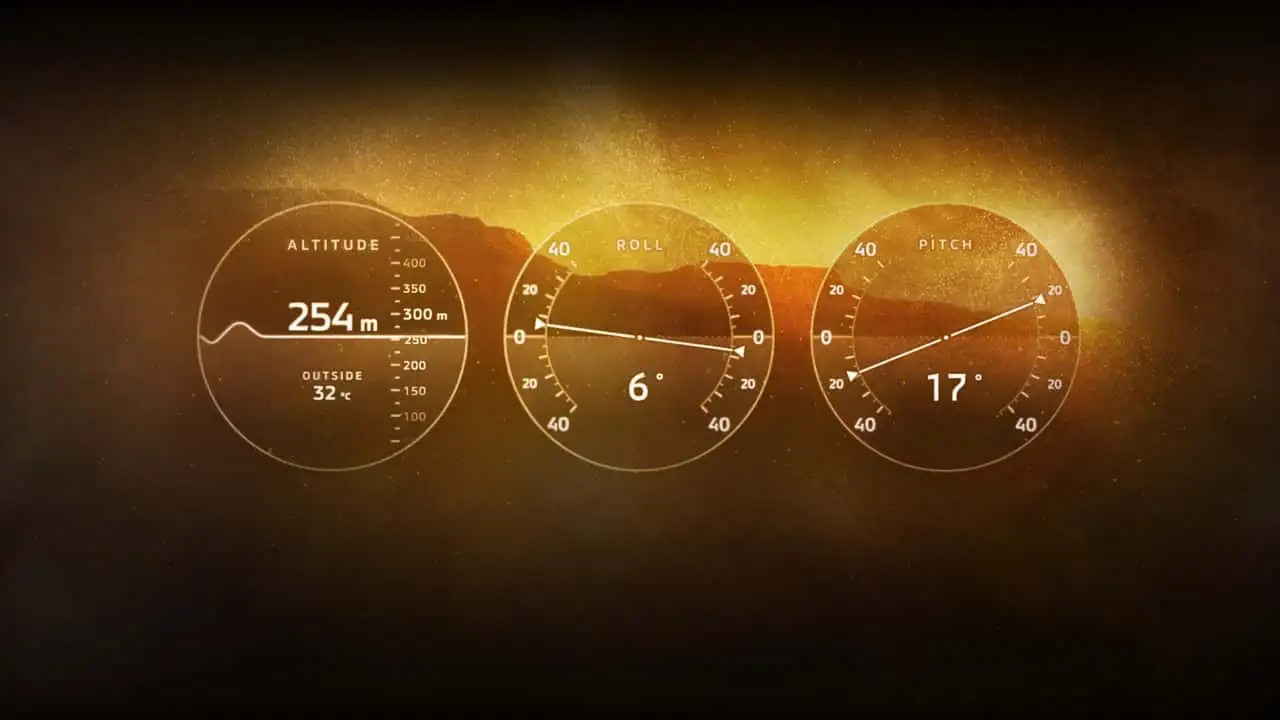
Hybrid power is expected to play a role in the new Pajero lineup, although Mitsubishi has not revealed the technical details.
For now, the powertrain lineup remains one of the biggest unknowns ahead of the September reveal.
Mitsubishi’s broader plans could also include a Montero-badged version for North America, although that possibility has not been finalized.
Pajero could become a wider SUV family
The return of the Pajero may represent more than the arrival of a single flagship SUV.
Mitsubishi is reportedly considering smaller Pajero variants with hybrid technology for the 2028-to-2030 period, potentially turning the nameplate into a broader family of SUVs.
That would give Mitsubishi a way to compete across multiple segments rather than relying on one large off-road model.
For now, attention is firmly on September 2, when the new Pajero will finally be revealed in full.
The 2027 Mitsubishi Pajero represents a major return to Mitsubishi’s off-road roots, combining body-on-frame construction with S-AWC and a potentially electrified powertrain strategy.
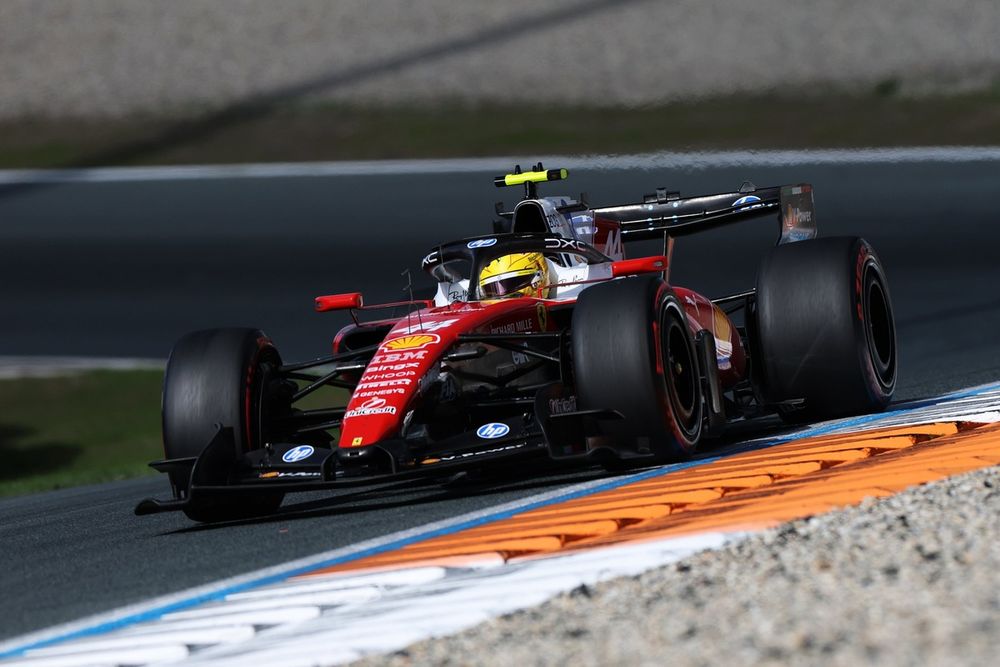
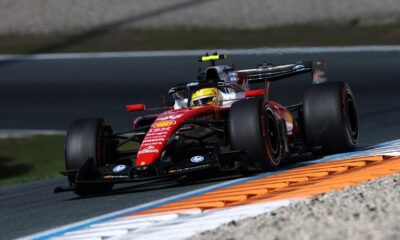
Lewis Hamilton believes Ferrari should have used team orders at Zandvoort, arguing that Charles Leclerc cost him valuable time during the Dutch Grand Prix.
Hamilton wanted Ferrari to act
Hamilton moved up to fifth after overtaking Oscar Piastri on lap 35. He then found himself behind a slower Leclerc, which prevented him from maintaining his progress.
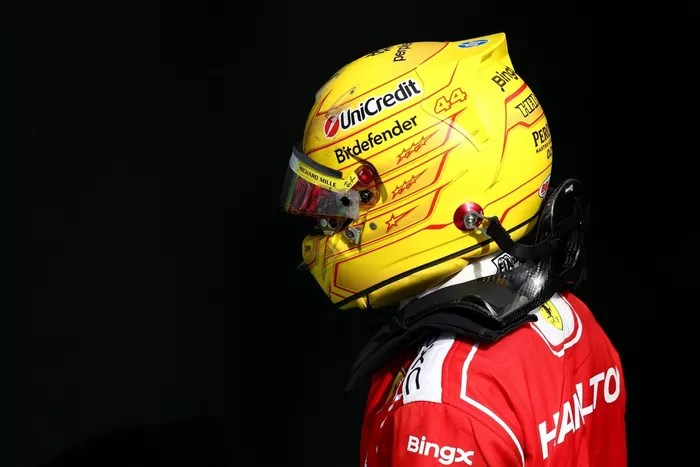
Lewis Hamilton became frustrated after getting stuck behind Charles Leclerc during the Dutch Grand Prix.
The Ferrari driver eventually complained over the radio, sarcastically criticizing the amount of time being lost.
Leclerc remained ahead until he made his pit stop on lap 43, finally freeing Hamilton to continue his recovery.
Hamilton later compared Ferrari’s approach with Mercedes, which instructed George Russell to give second place to Kimi Antonelli with seven laps remaining.
Mercedes’ decision influenced Hamilton’s frustration
Mercedes made the decision because Antonelli had significantly fresher tires and could potentially challenge Lando Norris for the lead.
Although Norris ultimately won, both Mercedes drivers accepted the decision and finished second and third.
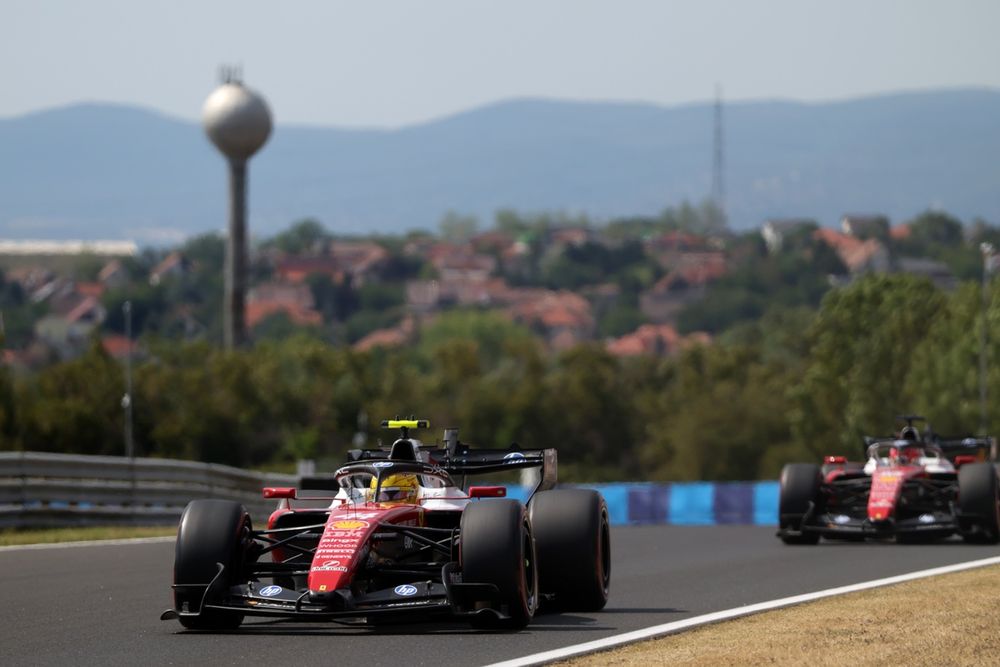
Hamilton pointed to Mercedes’ decision to swap Russell and Antonelli as an example of more effective team management.
Hamilton believes Ferrari could have acted similarly when Leclerc was slowing his progress.
He said he wants to win and finds it difficult when he sees another team making an immediate strategic decision while Ferrari does not react in the same way.
Hamilton also said he intends to discuss the matter with Ferrari when he returns to the team.
Lost time behind Leclerc hurt Hamilton’s podium hopes
Hamilton eventually had a chance to fight Russell for third place, but a late Virtual Safety Car made the opportunity even harder.
The British driver said he was getting close to the Mercedes when the VSC was deployed on lap 70.
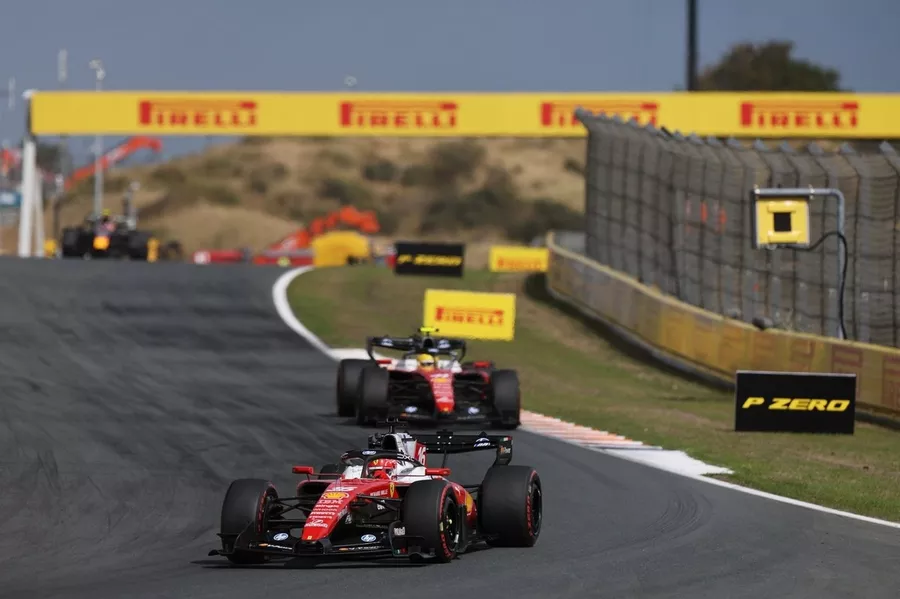
Hamilton believes the time lost behind Leclerc ultimately reduced his chances of challenging Russell for the final podium position.
He also pointed to Ferrari’s lack of straight-line speed.
Hamilton estimated Ferrari was losing around four tenths of a second per lap on the straights compared with Mercedes and McLaren.
That made overtaking particularly difficult and increased the importance of avoiding traffic.
Hamilton wants more engine performance from Ferrari
Despite his criticism, Hamilton praised Ferrari for bringing an upgrade to Zandvoort.
The seven-time world champion believes the team is moving closer to Mercedes, but he also thinks Ferrari must address its power deficit.
Hamilton praised Ferrari’s latest upgrade but believes the team still needs more engine performance to challenge Mercedes.
According to Hamilton, Ferrari has spent much of the season giving away performance on the straights.
He believes finding additional engine power is essential if Ferrari wants to close the gap and fight Mercedes consistently.
For Lewis Hamilton Ferrari, Zandvoort therefore produced a mixed result. The fourth-place finish was solid, but Hamilton believes Ferrari’s handling of team orders and its remaining power deficit prevented an even stronger result.
-

 NOW TRENDING2 months ago
Polestar to Exit U.S. Market After 2026 Due to Connected Vehicle Rules
-
 NOW TRENDING2 months ago
Tesla Model Y L Arrives in the U.S. With More Space and Three Rows
-
 INTELLIGENT MOBILITY2 months ago
Bolt, Pony.ai and Stellantis launch autonomous mobility pilot in Luxembourg
-

 RACING2 months ago
McLaren F1 Unveils Special Silverstone Livery Honoring Its History
-
 NOW TRENDING2 months ago
Audi Q9 interior revealed: Audi previews its new flagship SUV cabin ahead of 2026 debut
-
 INTELLIGENT MOBILITY2 months ago
Audi A4 E-tron and Q7 E-tron Confirmed as New Electric Models
-
 NOW TRENDING2 months ago
2026 Hyundai IONIQ 9 arrives in the U.S. with 335 miles of range
-
 TEST DRIVES2 months ago
A Week Driving Honda’s New Hybrid Coupe
You must be logged in to post a comment Login