
NOW TRENDING
2027 Subaru Impreza Starts at $24,595 in the U.S.

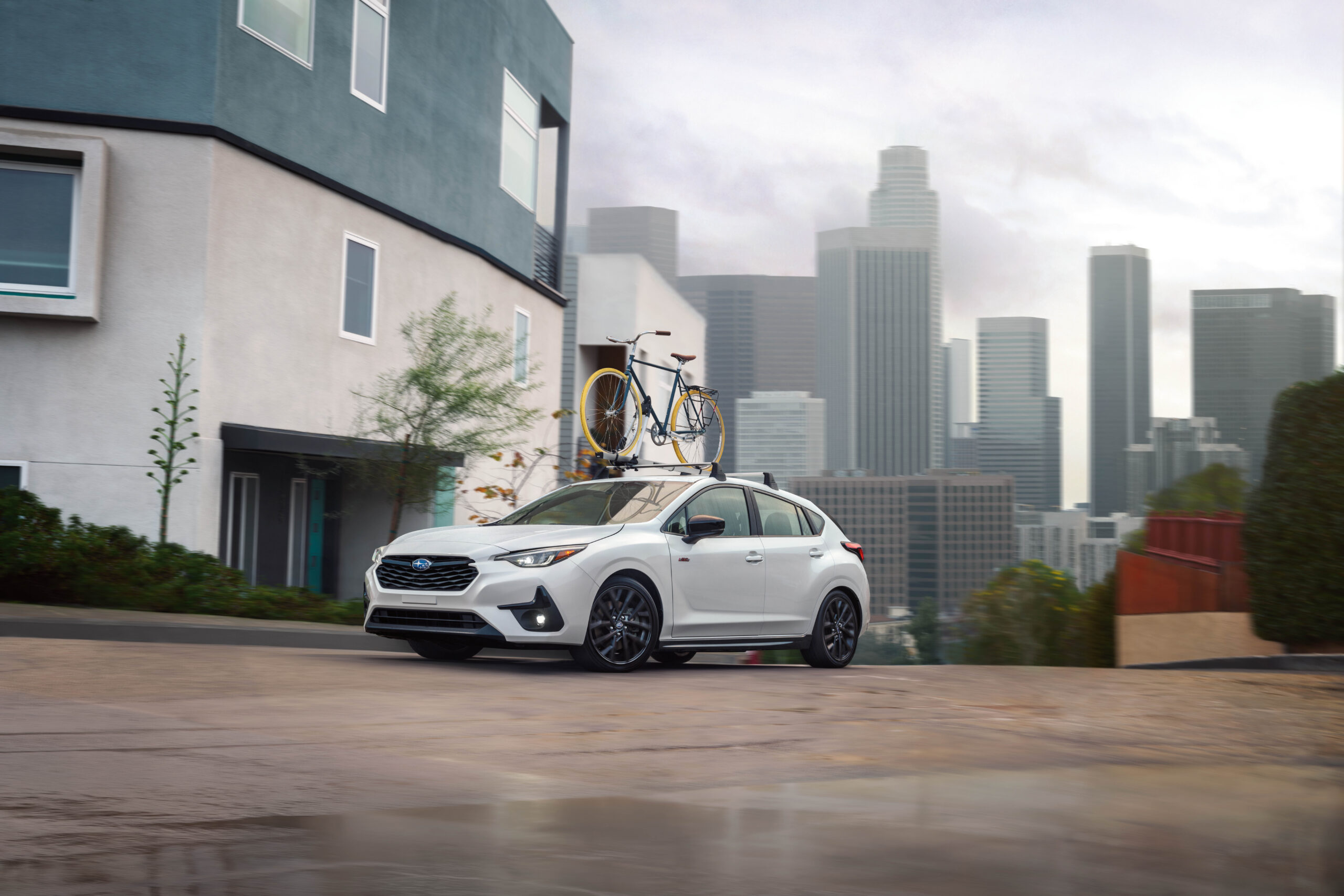
The 2027 Subaru Impreza starts at $24,595 in the U.S., bringing back a lower-priced base trim while making a 180-hp engine standard across the lineup.
Subaru cuts the Impreza’s starting price
Subaru has announced pricing for the 2027 Impreza in the United States.
The hatchback will start at $24,595 MSRP, which is $2,000 below the 2026 Impreza’s entry price. Subaru says this makes the new model the most affordable all-wheel-drive compact car on sale in the U.S.
The change also reshapes the lineup.
For 2027, Subaru will offer just two trims: Base and RS. The previous Sport trim is gone. The new Base model creates a lower entry point for buyers who want the Impreza’s standard all-wheel-drive system without moving to the more expensive RS.
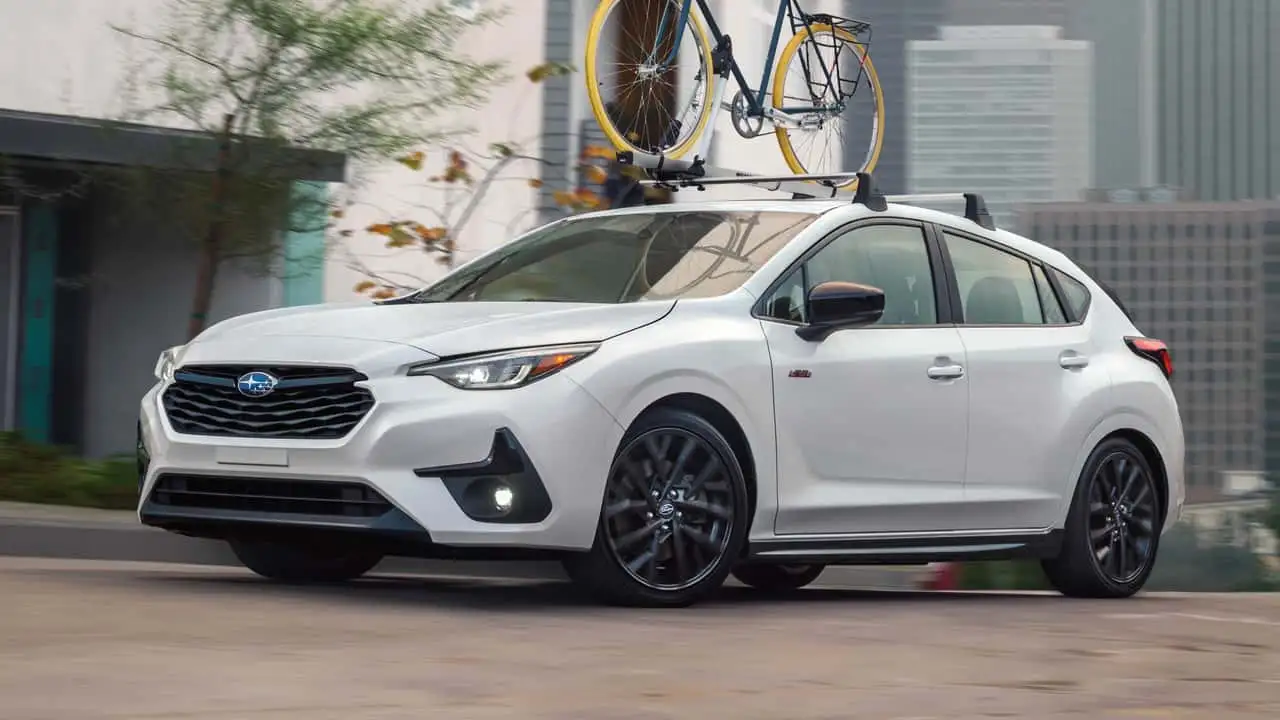
The price reduction comes with an important powertrain change.
Both 2027 trims now use a 2.5-liter SUBARU BOXER four-cylinder producing 180 horsepower. The engine works with a Lineartronic CVT and Subaru Symmetrical All-Wheel Drive.
That means the new Base version gets the same engine output as the outgoing RS.
The 2.5-liter Boxer becomes standard
The 2027 Impreza’s 2.5-liter engine produces 180 horsepower.
Subaru also equips both trims with steering-wheel paddle shifters and an 8-speed manual mode. The system provides preset ratios through the CVT.
Dual-mode SI-Drive is also standard. Drivers can choose between Intelligent and Sport settings.
This gives the 2027 lineup a simpler structure.
Instead of separating the trims with different engines, Subaru now uses the same 180-hp powertrain across the range. The RS adds equipment, styling and technology rather than more power.
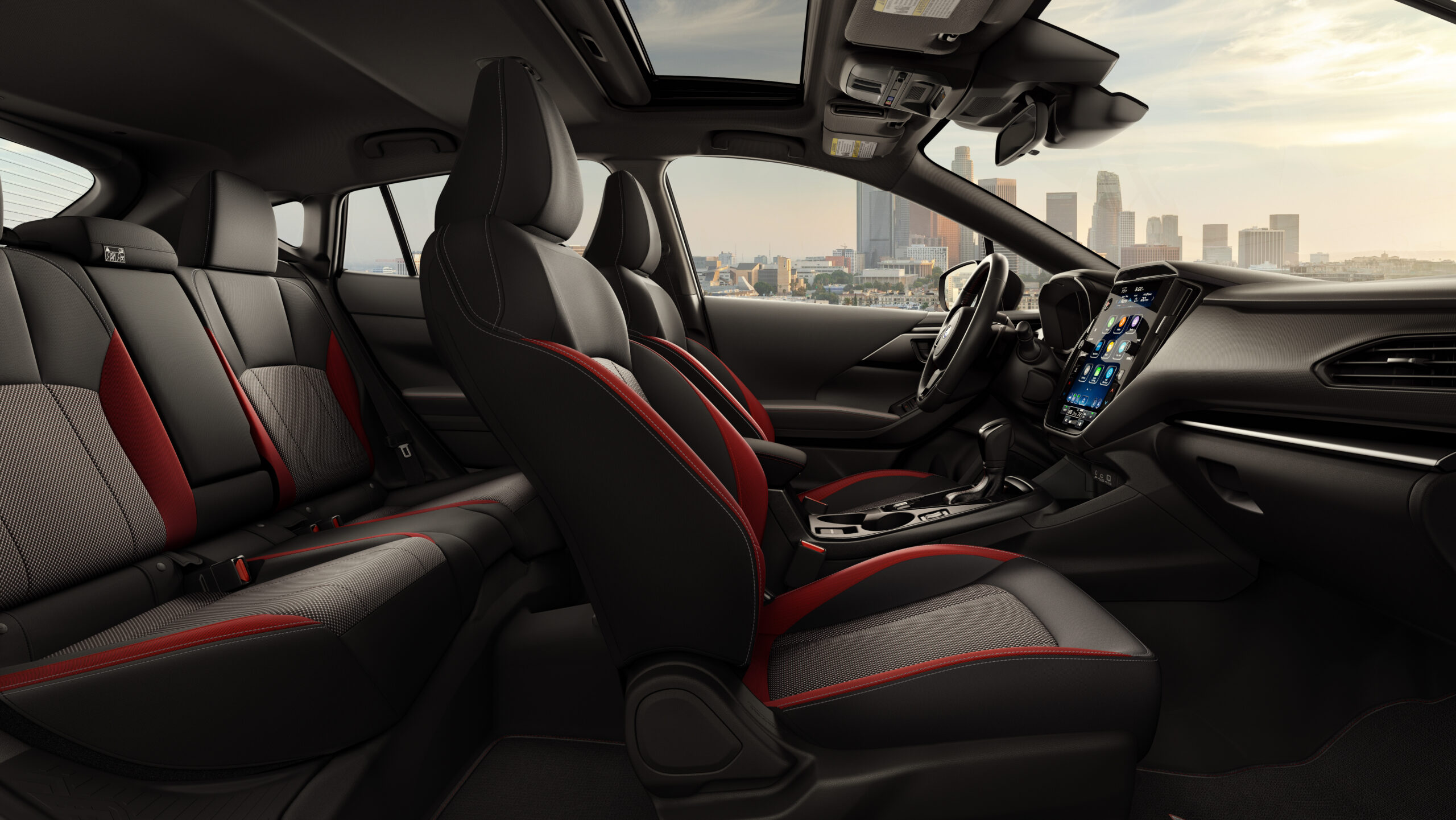
The simplified lineup also focuses on everyday practicality.
The Impreza offers 20.4 cubic feet of cargo space with the rear seats upright. Folding those seats expands the cargo area to 56.0 cubic feet.
That keeps the hatchback useful for daily driving and longer trips.
Subaru has also revised some interior materials for 2027. The changes include updated stitching on the center console and revised door-panel materials.
What comes standard on the $24,595 Base?
The new Base trim is not simply a stripped-down model.
It includes 17-inch dark gray alloy wheels, EyeSight Driver Assist Technology, Keyless Access with Push-Button Start, Apple CarPlay and Android Auto compatibility, and dual-zone automatic climate control.
The cabin also uses durable Tricot cloth upholstery.
Subaru gives the Base model dual 7.0-inch multimedia touchscreens. One handles infotainment, while the other can be used for climate controls and vehicle functions.
USB-A and USB-C ports are also standard.
EyeSight remains standard
Subaru continues to make its EyeSight Driver Assist Technology standard.
The system includes Pre-Collision Braking, Lane Departure and Sway Warning, Lane Keep Assist, Advanced Adaptive Cruise Control with Lane Centering and Emergency Stop Assist.
LED steering-responsive headlights are also standard.
The Base model therefore combines the lower starting price with a substantial amount of standard safety equipment.
The Impreza RS keeps its $29,495 MSRP
The 2027 Subaru Impreza RS returns at $29,495 MSRP.
That is the same MSRP as the outgoing RS. The big difference is that the Base model now sits below it at $24,595.
The RS adds several visual upgrades.
These include 18-inch dark gray alloy wheels, black RS cloth upholstery, fog lights and a Crystal Black Silica roof spoiler.
The RS also receives a larger 11.6-inch multimedia system.
Wireless Apple CarPlay and Android Auto are standard. Subaru also adds an upgraded wireless smartphone charger for 2027.
MySubaru Connected Companion services are included with a five-year trial.
The system adds features such as SOS Emergency, Advanced Collision Notification and Vehicle Condition Check. A Companion+ plan can add remote engine start, remote lock and unlock, curfew alerts and boundary alerts.
The RS also adds more all-weather equipment
The RS comes standard with Subaru’s all-weather package.
It includes heated front seats, heated mirrors and a windshield wiper de-icer. Blind-Spot Detection with Rear Cross-Traffic Alert and Emergency Lane Keep Assist are also added.
An optional package costs $2,070.
It combines a 10-speaker Harman Kardon audio system, a power moonroof and a 10-way power-adjustable driver’s seat with lumbar support.
Premium paint is also available.
Citron Yellow Pearl costs $395, while the other exterior colors include Crystal Black Silica, Crystal White Pearl, Ice Silver Metallic, Magnetite Gray Metallic, Sapphire Blue Pearl and the new Ignition Red.
The 2027 Impreza arrives late this year
Subaru says the 2027 Impreza will reach U.S. retailers in late 2026.
The car is assembled in Gunma, Japan, and destination and delivery charges are separate from the advertised MSRP. Subaru lists a $1,245 destination charge for most states, with a higher charge for Alaska.
| 2027 Subaru Impreza | MSRP |
|---|---|
| Impreza Base | $24,595 |
| Impreza RS | $29,495 |
| RS Option Package | +$2,070 |
| Citron Yellow Pearl | +$395 |
The result is a significantly simpler 2027 lineup.
The 2027 Subaru Impreza starts at $24,595, uses a 180-hp 2.5-liter Boxer engine across both trims and keeps Symmetrical All-Wheel Drive standard. Subaru will begin sending the new hatchback to U.S. retailers later in 2026.









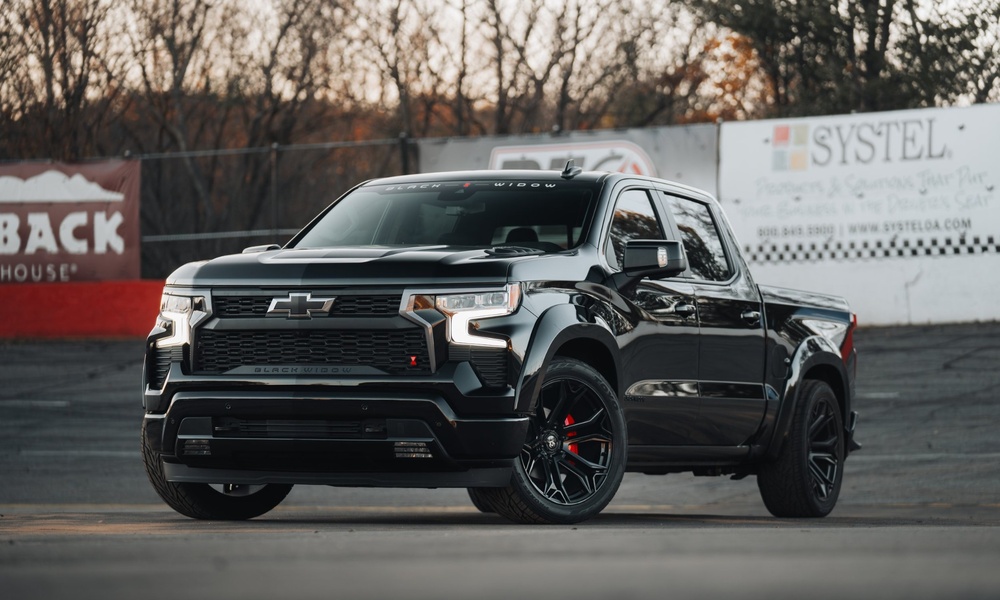
The Chevrolet Silverado 1500 Black Widow SR combines a three-inch drop, 22-inch wheels and an available supercharged V8 producing 675 horsepower.
A Silverado built for the street
The Chevrolet Silverado 1500 Black Widow SR takes a very different approach to the full-size pickup.
Instead of adding more ground clearance, Fox Factory Vehicles lowers the truck by three inches. The result is a street-focused Silverado with a lower center of gravity and a more aggressive stance.
The package also brings wider performance tires, custom wheels and suspension hardware. It is designed for drivers who want a pickup that spends most of its time on pavement rather than trails.
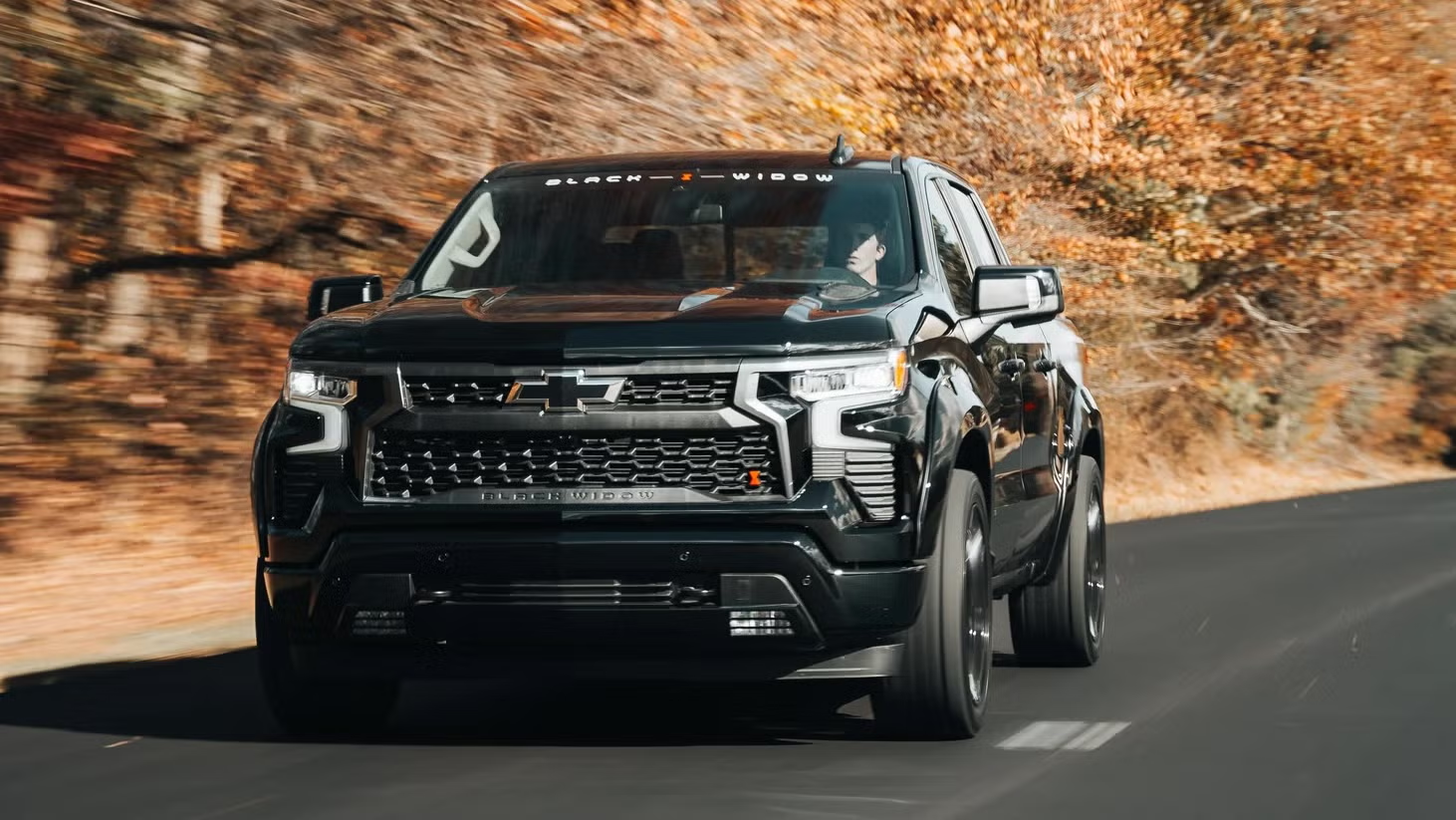
The Black Widow SR uses a lowered suspension, wide tires and custom 22-inch wheels for a sportier road-focused look.
The suspension uses a Ridetech performance coilover system. Fox Factory says the setup is intended to improve handling, launch control and everyday road manners.
The truck also gets performance rear sway bars and traction bars.
Those changes are especially important when the available V8 sends substantial torque to the rear axle. The goal is to reduce wheel hop during hard launches and keep the truck more controlled.
675 horsepower from a supercharged V8
The standard Black Widow SR can be equipped with a 5.3-liter V8 producing 355 horsepower.
The headline option is much more serious.
Fox Factory offers a supercharged 6.2-liter V8 with 675 horsepower and 655 lb-ft of torque. The setup uses a Whipple Gen 6 3.0-liter supercharger and an oversized heat exchanger.
That gives the Silverado the kind of power normally associated with high-performance sports cars.
The truck also retains a 10-speed automatic transmission and four-wheel drive. Fox Factory says the 675-hp configuration is available through its Black Widow package.
There is one important restriction for some buyers.
Fox Factory lists the supercharged package as 49-state legal and unavailable in California.
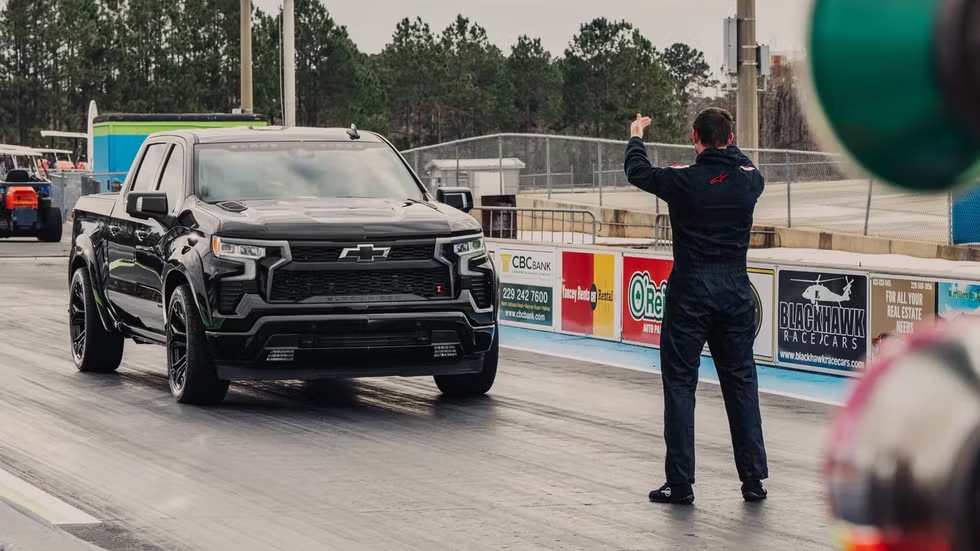
The lowered Silverado SR has also been shown on a track, highlighting the road-focused suspension and wider tire package.
The Black Widow SR also keeps the Silverado’s practical side.
Fox Factory lists a maximum towing capacity of 13,300 pounds and a 1,980-pound payload capacity for the truck.
That is a significant part of the package.
The Silverado can therefore combine its lowered street-truck setup with the utility expected from a full-size pickup. The result is not simply a cosmetic conversion.
Wider tires and a lower stance
The exterior changes are equally important.
The Black Widow SR uses 22-inch wheels with high-performance tires. Body-color fender flares provide additional clearance for the wider rubber, while a custom grille and hood vents give the truck a more aggressive appearance.
A performance exhaust system is also part of the package.
The system uses black exhaust tips and adds a more aggressive appearance at the rear. Fox Factory also adds a tailgate spoiler and Black Widow exterior badging.
The result is a Silverado that looks very different from the standard truck.
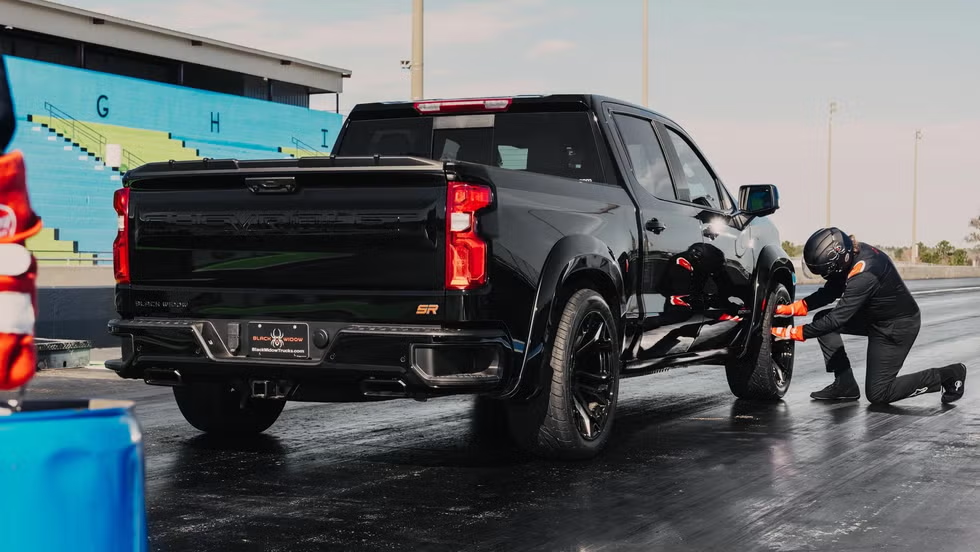
The Black Widow treatment adds custom bodywork, wheels and exterior details to the Silverado 1500.
The cabin can receive its own upgrades.
Fox Factory offers diamond-perforated leather seats, custom-stitched headrests and additional Black Widow details. The available interior package gives the truck a more upscale character without changing its basic Silverado layout.
The company also says its factory-upfitted vehicles are engineered as complete systems. Safety equipment and factory functions are designed to remain operational after the modifications.
How much does the 675-hp Silverado cost?
The current Fox Factory listing shows a base package price of $82,690, plus a $1,995 delivery charge.
The 675-hp supercharger package adds $16,895. That puts the truck above the $100,000 mark before additional options.
Other upgrades can push the price higher.
Fox Factory lists options such as Brembo brakes for $4,895, a retractable tonneau cover for $2,895 and several premium paint choices.
That makes the Black Widow SR a specialized purchase rather than a conventional Silverado trim.
It is aimed at buyers who want the practicality of a full-size pickup but also want the stance, grip and power of a street-oriented performance vehicle.
Factory-backed support adds another layer
One of the biggest differences between the Black Widow SR and a typical aftermarket build is the level of factory integration.
Fox Factory describes its vehicles as fully engineered packages rather than collections of independent bolt-on parts. The company says its complete builds are tested for safety, performance and compatibility with the truck’s original systems.
Fox Factory also backs its vehicles with a three-year, 36,000-mile warranty, according to its own engineering information.
The Chevrolet Silverado Black Widow SR therefore takes the familiar full-size pickup formula in a new direction. It combines a lowered suspension, 22-inch wheels and street-focused tuning with an available 675-hp supercharged V8, while preserving substantial towing and payload capability.
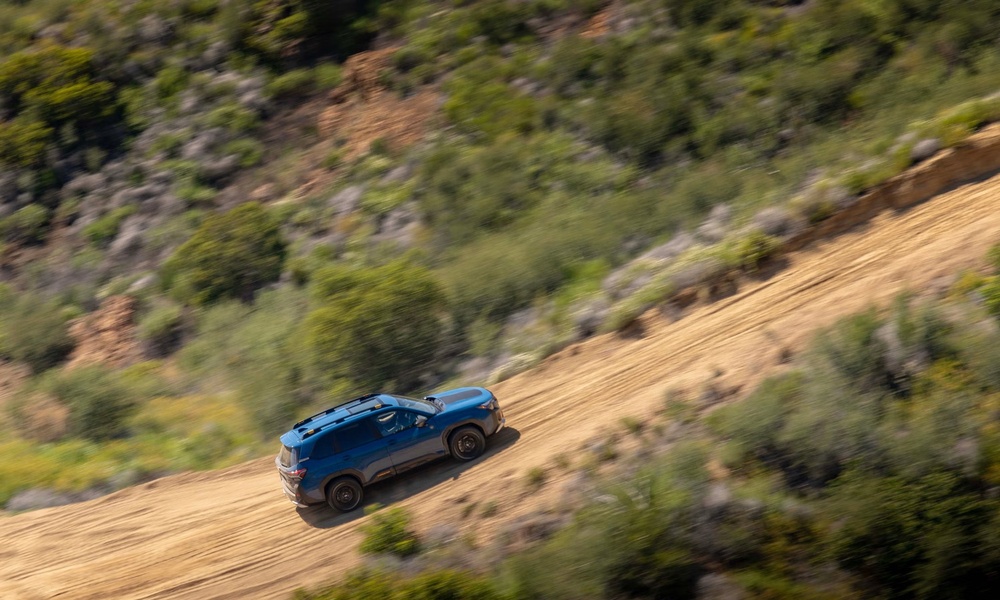
The 2027 Subaru Forester keeps most starting prices unchanged while dropping three gas-only trims and adding the new Wilderness Hybrid to the U.S. lineup.
Subaru changes the Forester lineup for 2027
Subaru is making several important changes to the 2027 Forester in the United States.
Most starting prices remain close to the previous model year. However, the gas-powered lineup becomes smaller. Subaru has discontinued the Sport, Sport Onyx Edition and Touring trims.
The hybrid range moves in the opposite direction.
Subaru now offers five hybrid versions. The lineup includes the Premium Hybrid, Sport Hybrid, Wilderness Hybrid, Limited Hybrid and Touring Hybrid. The new Wilderness Hybrid is the biggest addition for 2027.
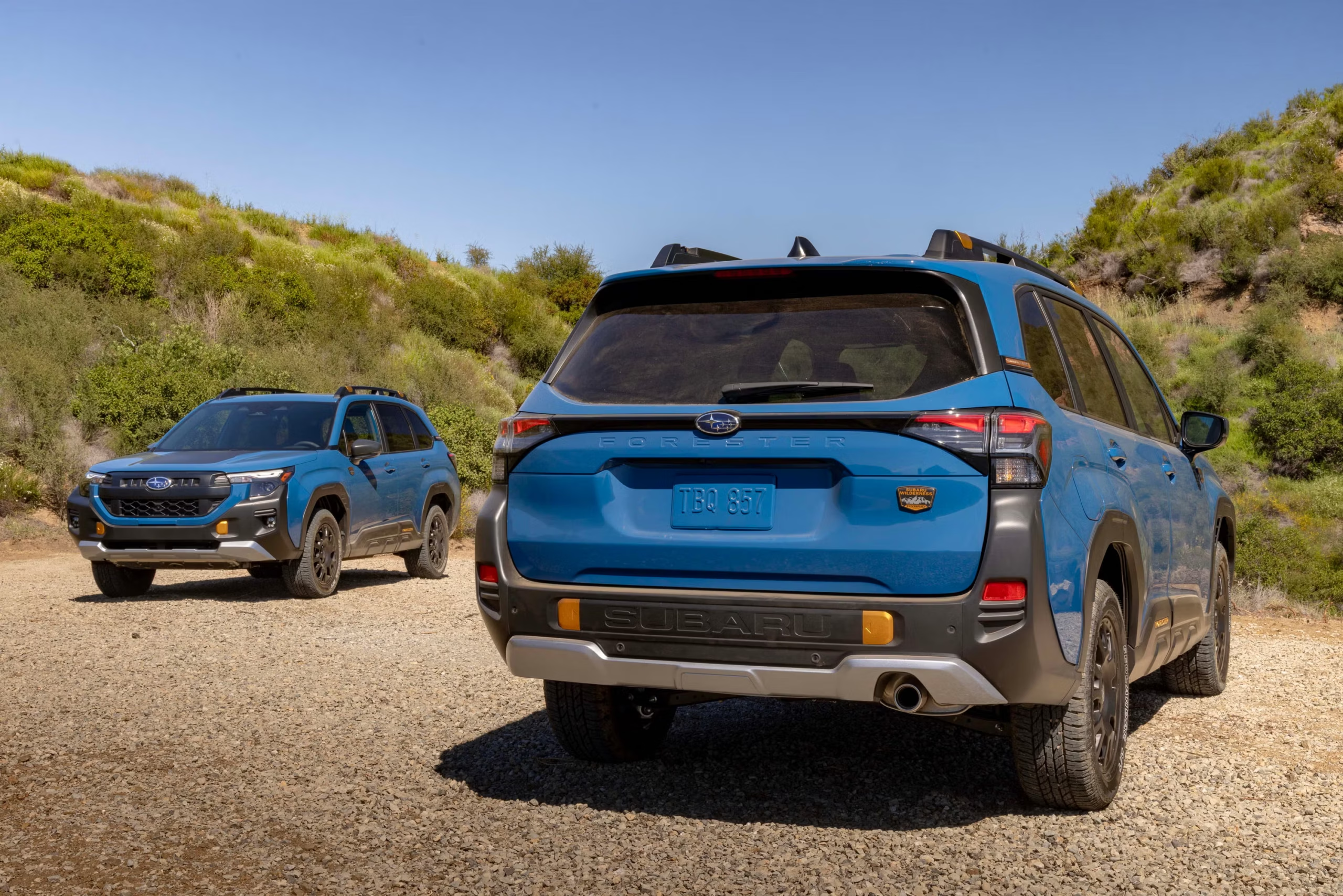
The 2027 Forester Wilderness Hybrid combines Subaru’s rugged Wilderness design with its hybrid powertrain for the first time.
2027 Subaru Forester pricing
The gas-powered Forester Base starts at $31,470 for 2027, including destination. The Premium remains at $33,470.
The biggest price changes affect the higher gas trims.
The Forester Limited starts at $39,070, which is $1,625 more than the outgoing model. The Wilderness rises to $40,970, an increase of $2,525.
The hybrid lineup provides more steps between those prices.
The Premium Hybrid starts at $36,205. The Sport Hybrid costs $39,405, while the Limited Hybrid starts at $40,470. The Touring Hybrid sits at the top of the regular hybrid range at $43,020.
2027 Subaru Forester starting prices
| Trim | Starting price |
|---|---|
| Forester Base | $31,470 |
| Forester Premium | $33,470 |
| Forester Premium Hybrid | $36,205 |
| Forester Sport Hybrid | $39,405 |
| Forester Limited | $39,070 |
| Forester Limited Hybrid | $40,470 |
| Forester Wilderness | $40,970 |
| Forester Wilderness Hybrid | $41,970 |
| Forester Touring Hybrid | $43,020 |
These figures include the applicable destination charge.
The new Wilderness Hybrid is the big story
The 2027 Forester Wilderness Hybrid is the most important new addition.
It starts at $41,970, or just $1,000 more than the gasoline Wilderness. That gives buyers a new way to combine Subaru’s off-road equipment with its hybrid powertrain.
The Wilderness Hybrid keeps 9.3 inches of ground clearance. It also gets all-terrain tires, additional underbody protection and standard Symmetrical All-Wheel Drive.
Subaru also adds more equipment.
The Wilderness versions receive features such as a 12.3-inch digital gauge cluster, Harman Kardon audio system and power liftgate. Heated rear seats and a StarTex-wrapped steering wheel are also new for 2027.
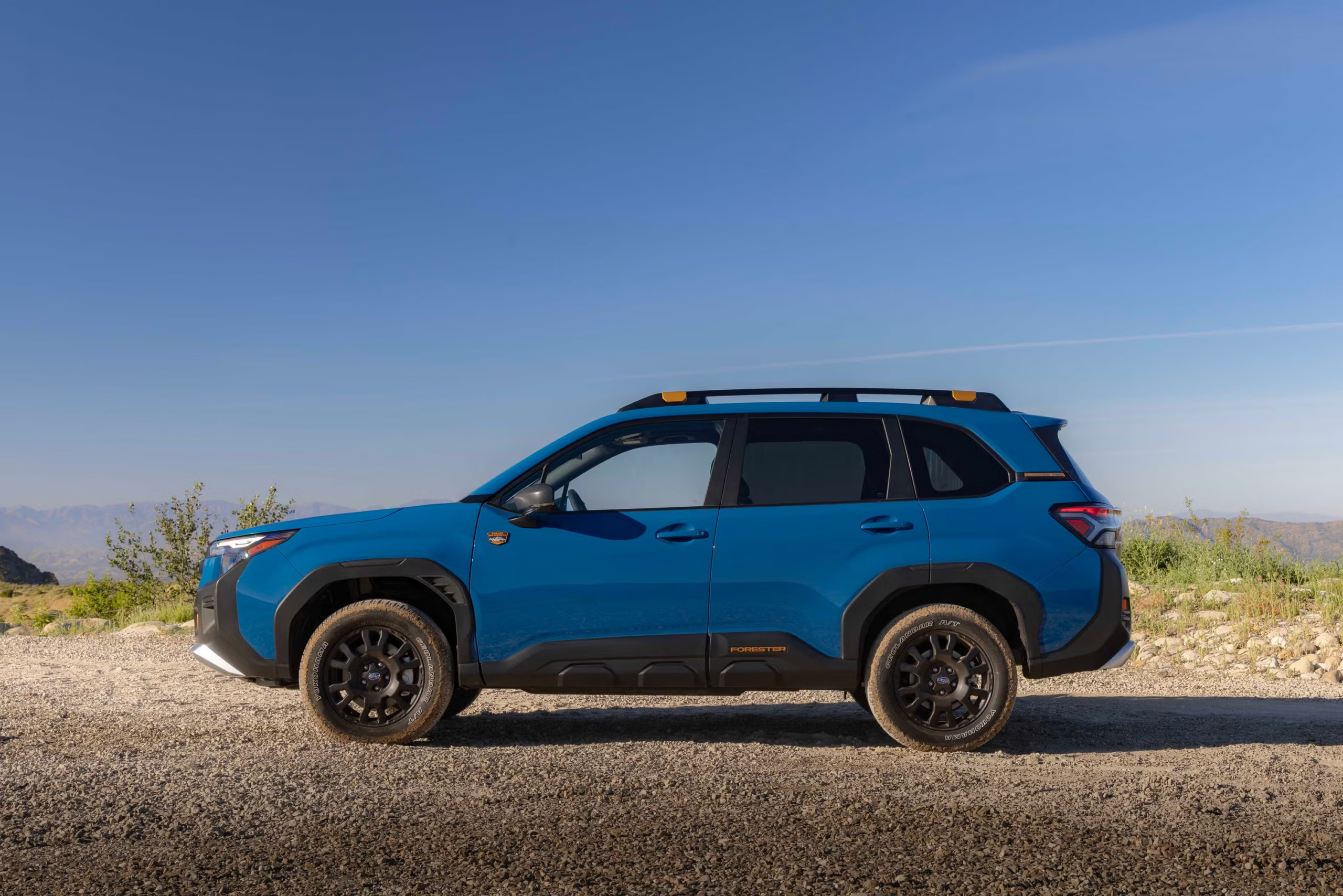
The Wilderness Hybrid retains the Forester’s rugged appearance, increased ground clearance and all-terrain equipment.
The same 2.5-liter boxer powers the hybrids
The 2027 Forester gas models continue with a 2.5-liter SUBARU BOXER four-cylinder.
The engine produces 180 horsepower and 178 lb-ft of torque. It works with a continuously variable transmission and standard all-wheel drive.
The hybrid system uses the same basic 2.5-liter boxer architecture with electric motors.
The combined output is 194 horsepower according to Subaru-related specifications and current testing coverage. The hybrid system also uses a CVT and standard all-wheel drive.
Fuel economy is one of its main advantages.
The 2026 Forester Hybrid reached up to 35 mpg combined, while Subaru says the new Wilderness Hybrid can deliver up to 30 mpg city and an estimated 481 miles per tank.
Subaru is moving buyers toward hybrids
The changes create a clear difference between the two powertrain families.
The gas Forester now has only four trims: Base, Premium, Limited and Wilderness. The hybrid range has five versions and includes three trims that are no longer offered with the gasoline engine.
That means the new lineup puts more emphasis on electrification without removing the traditional Forester completely.
The approach also gives Subaru more flexibility. Buyers who want the Wilderness design can now choose between gas and hybrid power.
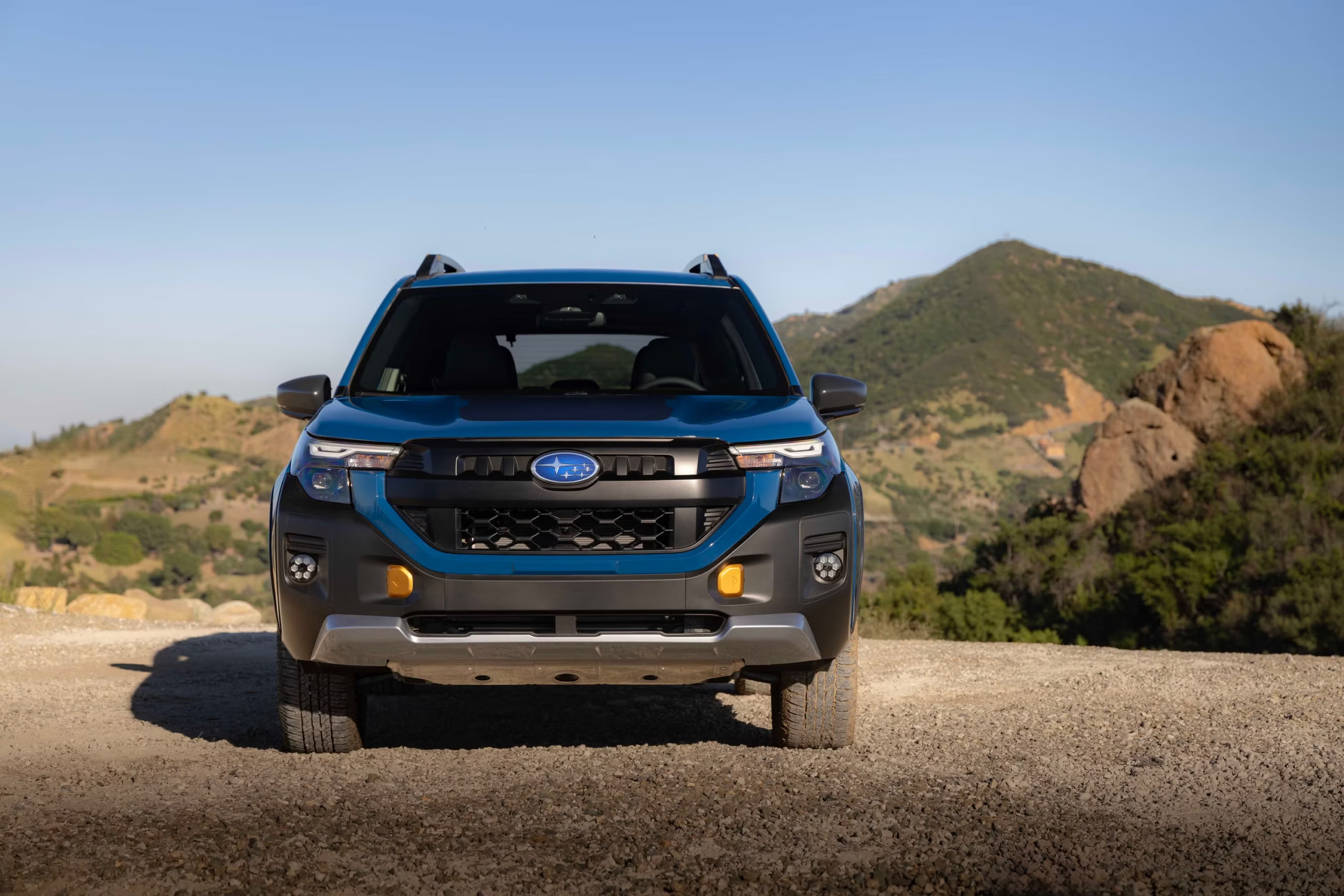
he 2027 Forester Wilderness Hybrid uses the same rugged exterior language as the gasoline Wilderness.
The Forester remains a key U.S. model
The changes arrive as Subaru continues to expand its hybrid range in America.
The Forester is one of the brand’s core U.S. SUVs. For 2027, Subaru is keeping its familiar shape and standard all-wheel-drive layout while giving customers more hybrid choices.
The new Wilderness Hybrid should also help Subaru connect efficiency with its adventure-focused image.
The model is expected to reach U.S. dealerships later in 2026. Subaru says it is the first Wilderness vehicle to combine the subbrand’s off-road equipment with its hybrid technology.
The 2027 Subaru Forester therefore enters the new model year with relatively stable pricing but a very different trim strategy. Gas-only buyers have fewer choices, while the hybrid family gains its most rugged member yet.
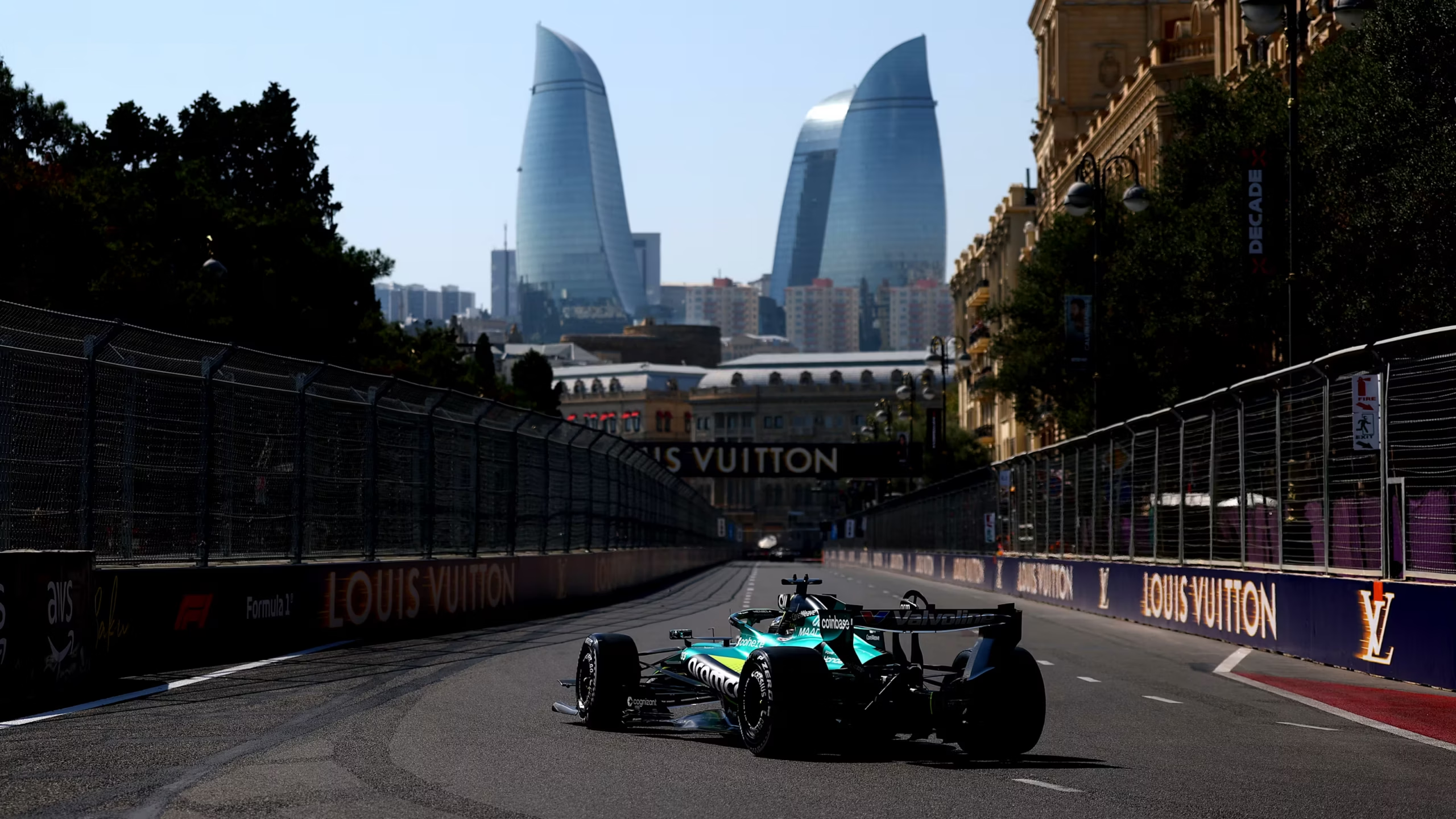
Aston Martin says it was deliberately testing very low ride heights in Baku, while Fernando Alonso’s FP2 running ended early because of a suspected oil leak.
Aston Martin faces a difficult Baku weekend
Aston Martin arrived in Baku expecting a difficult weekend. The long straights of the Azerbaijan circuit expose one of the AMR26’s biggest weaknesses: efficiency at high speed.
Thursday’s practice sessions confirmed those concerns.
Both Fernando Alonso and Lance Stroll finished near the bottom of the timesheets. Alonso ended FP2 in 22nd, while Stroll was 21st. The team also confirmed that both cars will start the Grand Prix from the back because of power-unit penalties.
The problem was not completely unexpected.
Baku places a huge emphasis on straight-line performance. It also leaves very little room for mistakes because of its walls and narrow sections. Aston Martin knew its package would face a major test in Azerbaijan.
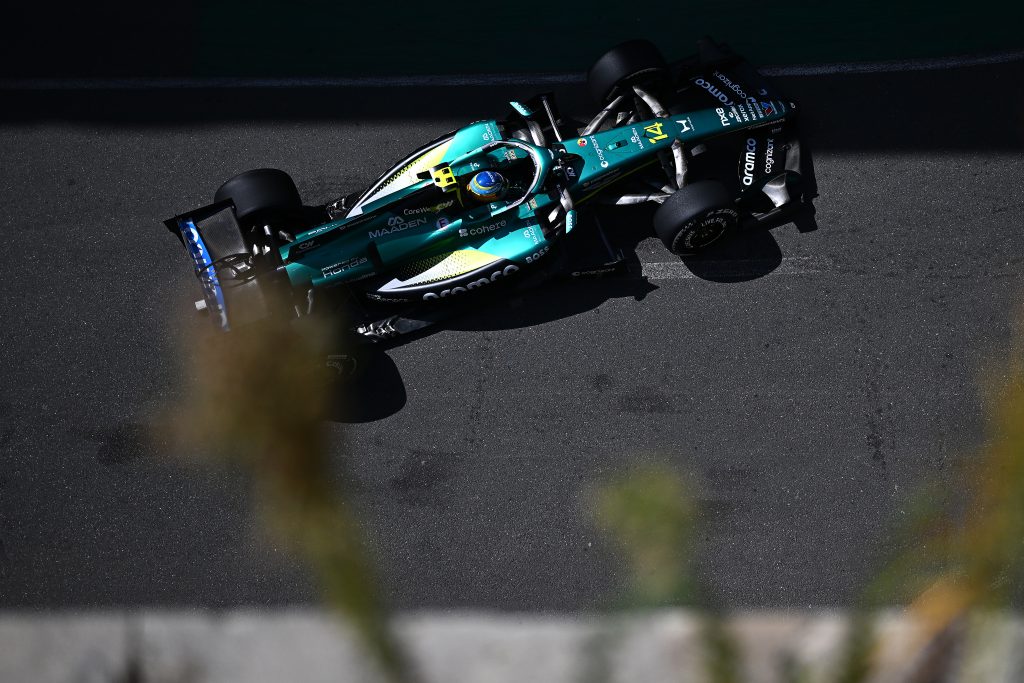
Fernando Alonso completed only limited running in FP2 after Aston Martin detected a suspected oil leak.
Alonso completed 24 laps in FP1. His afternoon was much shorter, with only a handful of laps before the team stopped the car.
Mike Krack, Aston Martin’s Chief Trackside Officer, said the team detected a suspected oil leak and did not have enough time to fully investigate it during the session.
The team planned to inspect the car overnight and repair it ahead of Friday practice.
That makes the incident less alarming than a major mechanical failure.
For now, Aston Martin has described it as a problem that needs to be investigated rather than a serious component failure.
Why was the Aston Martin bouncing so much?
Another issue attracted attention during the opening day.
Video from Baku showed the AMR26 making heavy contact with the track surface in some high-speed sections. The behavior looked like significant bottoming.
Krack, however, explained that Aston Martin was deliberately experimenting with very low ride heights.
The team was trying to find the best compromise between aerodynamic performance, floor wear and different fuel loads. That meant testing several ride-height scenarios during practice.
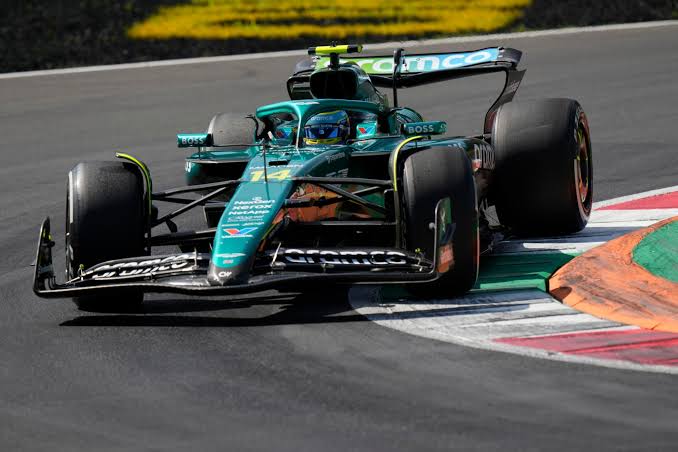
Lance Stroll also struggled for outright pace as Aston Martin evaluated its setup on Baku’s low-grip street circuit.
The practice sessions are precisely where teams can make those experiments.
A qualifying lap demands a different setup from a long race stint. Fuel load, tire behavior and the amount of time spent at high speed can all change the ideal ride height.
That explains why Aston Martin was willing to push the car close to the limit during Thursday’s running.
The goal was not necessarily to eliminate every contact with the track. It was to determine how low the team could run the car without creating excessive wear or instability.
Grid penalties change Aston Martin’s priorities
The situation becomes more complicated because both Alonso and Stroll already have major grid penalties.
Alonso took a fifth internal combustion engine, a fifth turbocharger and a ninth power-unit ancillary component. Stroll also exceeded the permitted allocations for several components.
The FIA therefore confirmed penalties that put both Aston Martin drivers on the back row regardless of their qualifying results.
Alonso’s penalty totals 25 places, while Stroll’s amounts to 20 places.
That changes the value of qualifying.
Aston Martin still needs to maximize the car’s performance. But there is less benefit in chasing an extremely aggressive qualifying strategy when both cars are already locked into the back row.
Krack also acknowledged a human factor. Knowing in advance that the penalties are coming can affect the intensity of the qualifying effort.
Baku exposes the Aston Martin package
The biggest problem remains performance.
Aston Martin’s official Baku report shows Alonso and Stroll ended Thursday in P22 and P21. Their top speeds were also around 320 km/h, but the lap-time deficit remained significant.
That suggests the problem is not simply the engine.
The AMR26 is also struggling to generate enough overall performance on a circuit where every weakness is magnified.
Baku combines a long full-throttle section with slow corners. The car therefore needs both efficiency and strong traction.
That combination is difficult for Aston Martin at the moment.
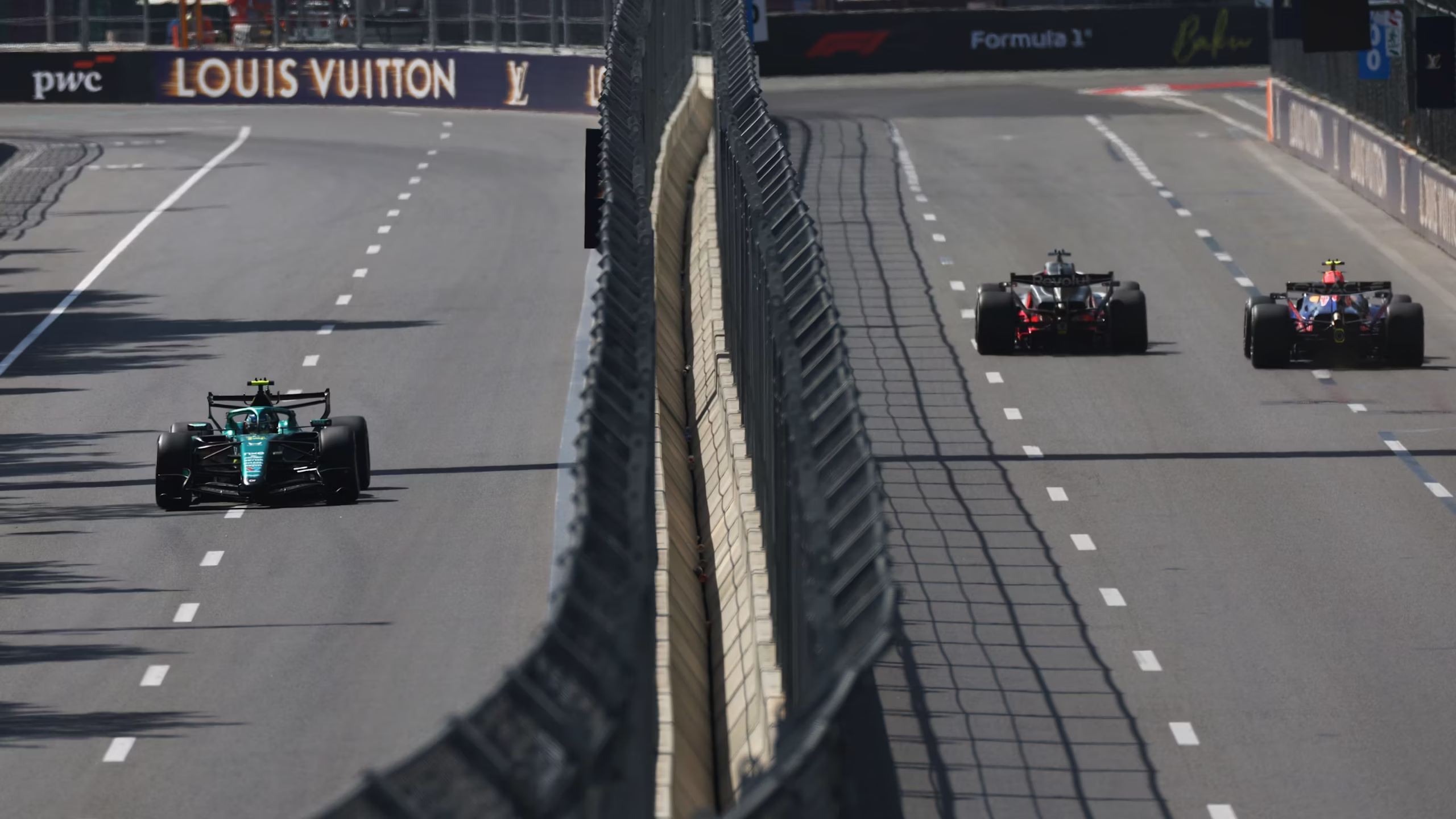
The AMR26 is facing one of its toughest technical challenges of the 2026 season in Baku.
The team is also dealing with Honda power-unit changes.
Aston Martin and Honda agreed that Baku was an appropriate place to introduce additional components, even though doing so triggered penalties. The decision reflects the team’s focus on the remaining races while continuing its development work.
That means Friday’s sessions will be about more than lap times.
The team needs to understand the setup changes, confirm the oil-leak repair and gather useful information for the race.
Alonso’s FP2 problem was not the only concern
The combination of poor pace, setup experimentation and penalties has made Thursday one of the more difficult days of Aston Martin’s season.
Still, the team has reasons to keep working.
Alonso completed enough FP1 mileage to provide useful information. Stroll also completed a reasonable number of laps across the day. The main task now is to combine that data with Friday’s running and find a setup that works better on the street circuit.
The Aston Martin Baku 2026 weekend therefore enters its next phase with several questions still open.
The team has to confirm Alonso’s car is reliable, understand how low it can run without excessive bottoming and extract more performance from a package that has struggled on Baku’s long straights.
With both drivers already facing back-row starts, Aston Martin’s priority is now to maximize every available opportunity and turn a difficult weekend into useful data for the final races of 2026.
-

 NOW TRENDING1 month ago
Tesla Cybercab Gets September 3 Austin Launch Date
-
 INTELLIGENT MOBILITY2 months ago
GM Updates Infotainment System With Smarter Features
-
 NOW TRENDING2 months ago
2027 Audi Q9 and SQ9 Debut as Brand’s Largest SUVs
-
 NOW TRENDING2 months ago
2027 Hyundai Tucson Spied With New Design and Hybrid Power
-
 NOW TRENDING2 months ago
2026 Toyota GRMN Corolla Debuts as the Ultimate Hot Hatch
-
 NOW TRENDING2 months ago
Every GM Assembly Plant Operating in the U.S. in 2026
-
 NOW TRENDING2 months ago
Ferrari Sold Out Through 2027 as Demand Hits New High
-
 NOW TRENDING1 month ago
Audi’s New SUVs Could Help Reverse Its Sales Decline in 2026
You must be logged in to post a comment Login