
NOW TRENDING
NHTSA Investigates GM 6.2-Liter V8s After More Failures


NHTSA has opened a new investigation into GM’s L87 6.2-liter V8 after hundreds of engines reportedly failed even after receiving a previous recall remedy.
The National Highway Traffic Safety Administration (NHTSA) has opened a new investigation into General Motors’ L87 6.2-liter V8 after receiving reports of catastrophic engine failures following an earlier recall repair.
The investigation is being handled by NHTSA’s Office of Defects Investigation (ODI) and focuses on vehicles covered by recall 25V-274, which previously addressed potential engine failures linked to manufacturing defects.
Previous recall covered nearly 600,000 vehicles
GM originally recalled 597,630 trucks and SUVs in the United States because defects involving the crankshaft and connecting rods could cause catastrophic engine failure.
The original remedy depended on the condition of each engine.
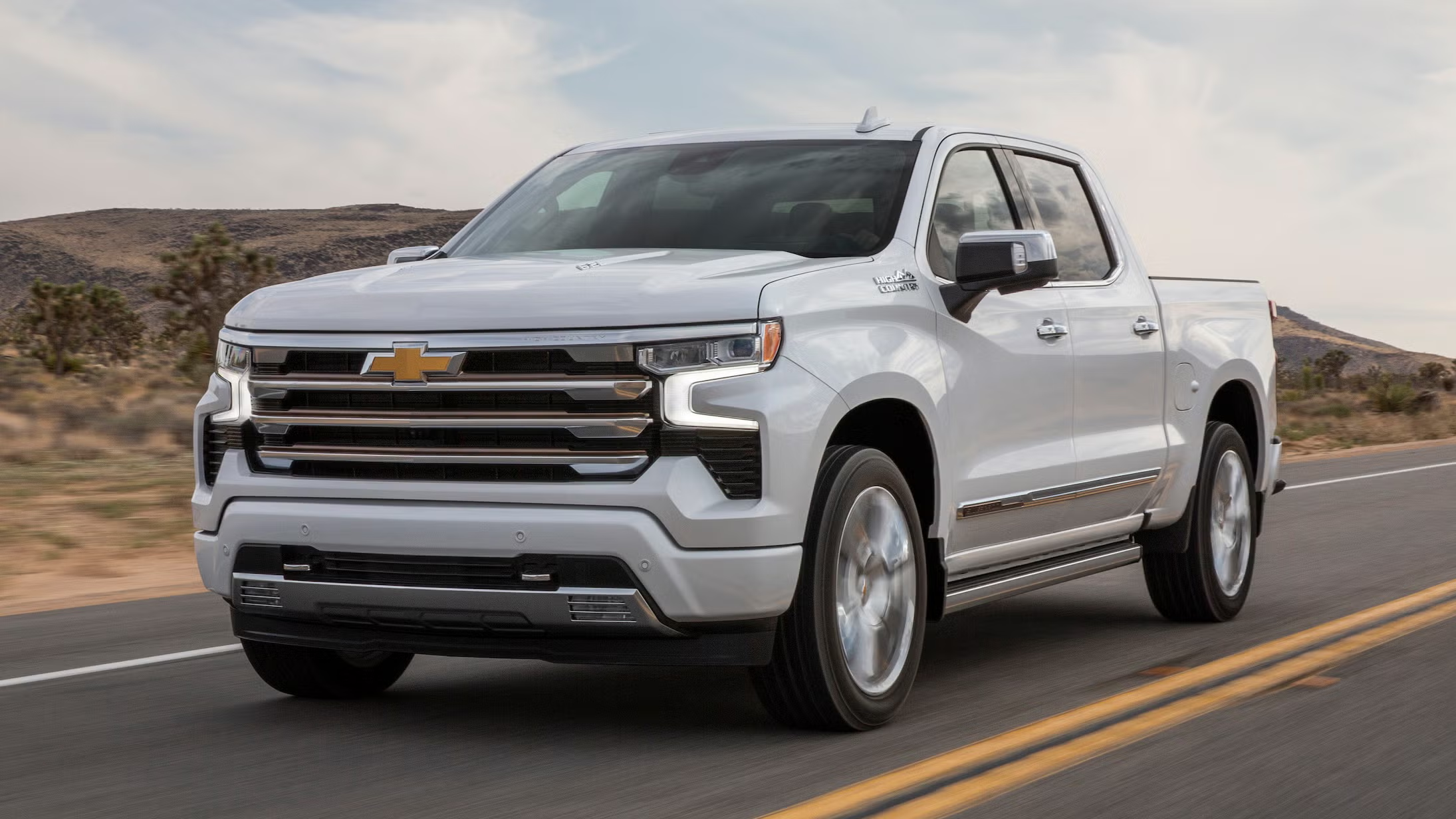
GM previously recalled nearly 600,000 vehicles equipped with the L87 6.2-liter V8 over potential catastrophic engine failures.
Engines that passed inspection received a revised maintenance package. That included higher-viscosity engine oil, a new oil-fill cap, and an oil-filter replacement.
Engines that failed the inspection were replaced completely.
However, reports submitted to NHTSA indicate that some vehicles experienced engine failures even after receiving one of those remedies.
Hundreds of post-repair failures reported
The latest ODI report says that as of August 20, 2026, NHTSA had received 499 complaints alleging engine failures after the recall remedy.
Of those vehicles, 473 received the revised oil recommendation, while 26 received complete engine replacements.
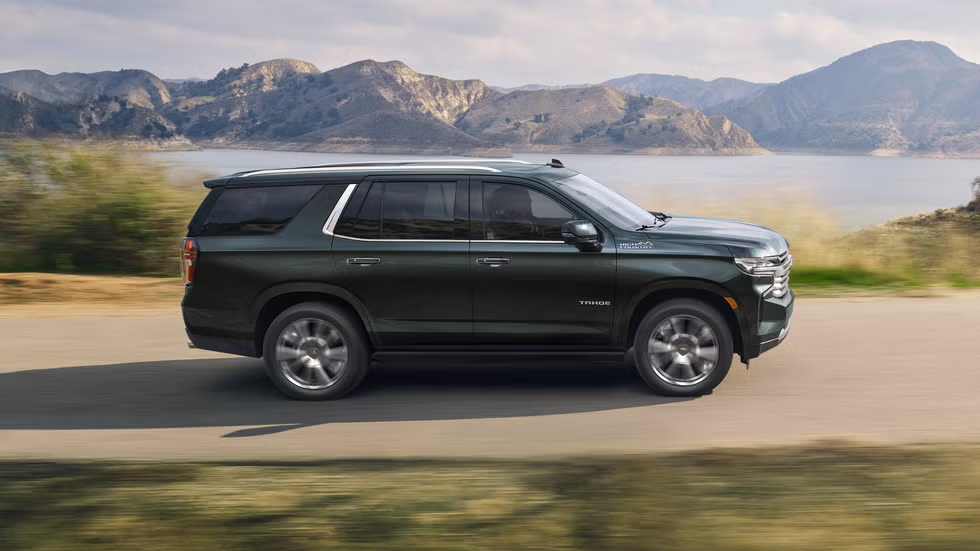
The new NHTSA investigation follows hundreds of reports alleging L87 engine failures after the earlier recall remedy.
GM has reported an even larger number of complaints.
According to ODI, GM has received 6,953 complaints involving post-remedy engine failures.
NHTSA also identified another 191 reported failures involving engines produced outside the original recall’s production range.
That finding has prompted the investigation to expand beyond the vehicles initially covered by recall 25V-274.
GM’s recommended oil has already changed
The L87 engine issue has been developing for more than a year.
GM previously changed the recommended oil viscosity for the engine, marking the second change in the recommended oil specification for the affected V8.

GM has already revised the recommended oil viscosity for the L87 V8 as the engine issue continues to draw scrutiny.
The situation has also resulted in a class-action lawsuit against GM, with allegations that the automaker knowingly sold vehicles equipped with defective engines.
The new NHTSA investigation could provide additional information about whether the previous recall remedy adequately addresses the underlying defect or whether a broader problem exists.
For owners of vehicles equipped with the GM L87 V8, the investigation is significant because the latest complaints indicate that some engines may continue to fail even after receiving the earlier repair.
NHTSA’s review will now examine the scope of those failures and whether vehicles outside the original production range should also be included.












-

 NOW TRENDING2 months ago
Aston Martin DBX Becomes Harry Da Souza’s Ride in MobLand
-

 TEST DRIVES2 months ago
2026 Maserati GranTurismo Trofeo Review: Miami
-

 INTELLIGENT MOBILITY2 months ago
Tesla Cybercab Navigation Problem Hits Austin Robotaxis
-

 INTELLIGENT MOBILITY2 months ago
2027 Nissan Rogue Hybrid: e-POWER Comes to America
-

 TEST DRIVES2 months ago
2026 Maserati GranTurismo Coupe
-

 Formula12 months ago
Cadillac F1 2026 Faces an Eight-Race Logistics Challenge
-

 NOW TRENDING2 months ago
Land Rover Defender Recall 2026: 23,677 JLR SUVs Affected
-
 NOW TRENDING2 months ago
Every 2026 Chevrolet With AWD or 4WD